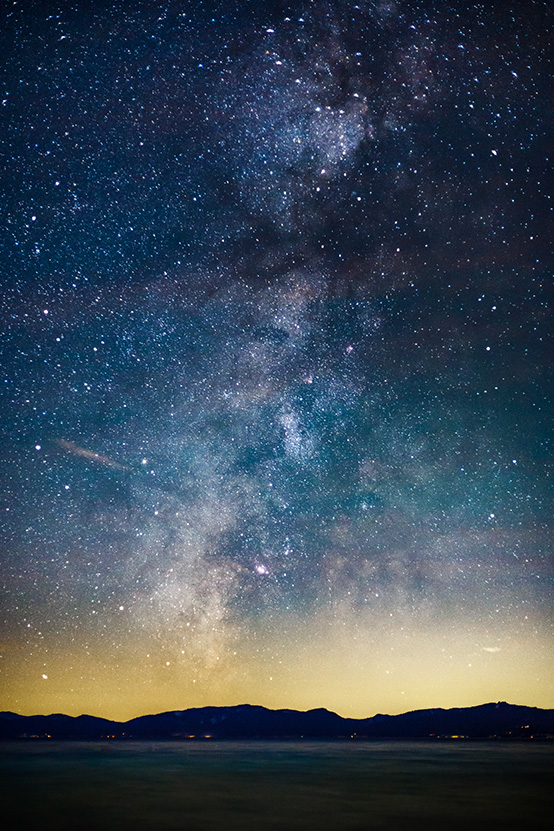
Explore the night sky & support Dark Skies effort | | |
The Globe at Night Project is a global citizen science effort where volunteers help measure night sky brightness by observing constellations. This podcast episode explores the project’s origin story, the simple steps for getting involved, and the scientific insights generated from thousands of community observations.
To participate hands‑on, you can also borrow the MSU Library’s Citizen Science Kit #1: Dark Skies - Measuring Light in the Night, which includes tools for conducting your own light‑pollution measurements.
This effort connects directly to the ongoing work to establish a Dark Skies Park at Fort Peck—part of MSU’s collaborative Buffalo Trail Project supported by a $5 million grant.
Help keep Montana’s skies dark!
| | MSU students sample citizen science apps | | |
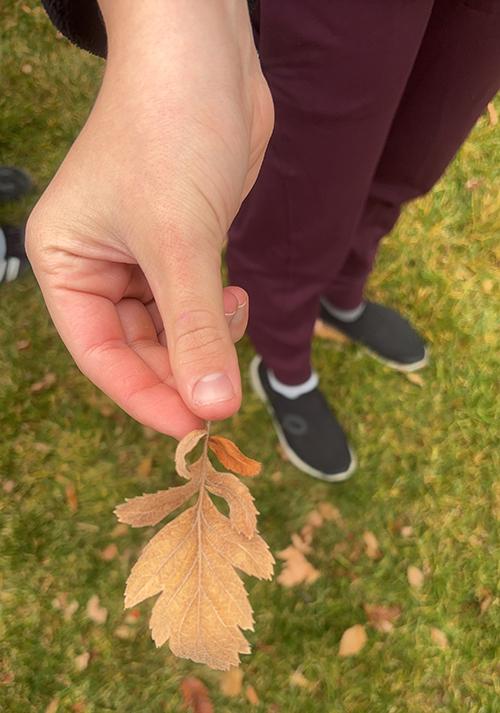
Last fall, Rebecca Richter and students in her woody plant identification course at Montana State University welcomed Suzi Taylor—SciStarter Ambassador and Director of the MSU Science Math Resource Center—as a guest speaker on citizen science. Most students in this 200‑level class are landscape design or horticulture majors. During an outdoor excursion, students compared their own woody plant ID skills with observations made using apps such as iNaturalist and GLOBE Observer Trees.
| | Planning ahead: April is Citizen Science Month | | |
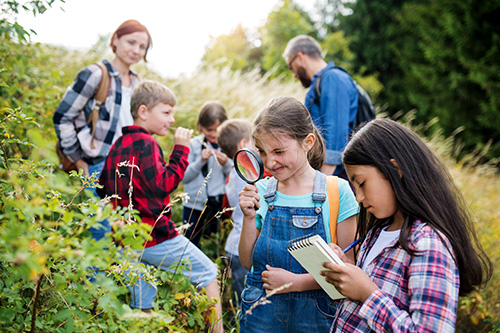
April is Citizen Science Month, a global celebration of people contributing to real scientific research. In 2026, America250 and SciStarter are partnering with the ambitious goal of inspiring 2.5 million Volunteer Acts of Science during the month. It’s a great time for educators, students, and community members to explore hands‑on science, support ongoing research, and strengthen data‑literacy skills—at any scale, from simple observations to full classroom projects.
Whether you’re designing a classroom activity, organizing a group event, or looking for a simple way to participate on your own, here are some helpful resources to get started:
| | Attention educators & organizations:
Citizen science grant opp | | |
Youth Learning as Citizen Environmental Scientists (YLACES) is now accepting grant applications to help educators overcome barriers to student-led environmental research. If equipment costs, transportation, mentoring, or other resource gaps are holding your students back, YLACES can help.
Grant Opportunities Include:
- Up to $1,500 (U.S. educators): For instruments and supplies that support youth environmental research. Students must conduct and share research using non‑proprietary data platforms (e.g., school website, PurpleAir, CitSci, GLOBE).
- Up to $5,000 (U.S. organizations): For one‑day local Student Research Symposia (SRS) based on the GLOBE model. YLACES will fund up to seven SRS events in 2026.
- Up to $1,500 (International educators): For equipment supporting youth environmental research, with endorsement from the GLOBE Program in your country.
- Multi‑year funding: Available for projects with sustained impact or collaborative partnerships (up to 3 years).
YLACES does not fund computers or staff time, and grantees must share project updates, photos, quotes, and student research links.
Apply by March 31, 2026.
| | Love NW Montana lakes? Help keep them healthy by monitoring aquatic invasives | | |
If you care about the health of northwest Montana’s lakes, this is a meaningful way to make a difference. The Northwest Montana Lakes Network (NMLN) trains local volunteers to monitor water quality and watch for Aquatic Invasive Species (AIS) on 41 lakes across Flathead, Lake, Lincoln, and Missoula counties.
Why Your Eyes Matter
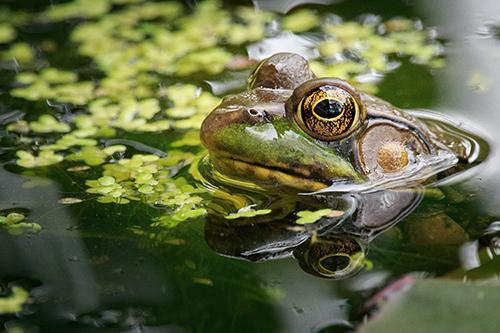
AIS are non‑native plants, animals (such as the American bullfrog pictured here), and pathogens that can spread quickly and cause serious harm to lake ecosystems, recreation, and local infrastructure. Once they establish, they’re extremely hard (and expensive) to remove. That’s why early detection by people already out on the water is crucial.
No science background needed—just curiosity and a love for local lakes!
What Volunteers Do
NMLN volunteers receive training and support to:
- Take simple water quality measurements
- Look for and report AIS
- Keep long‑term records that help agencies track lake health
- Support stewardship of Montana’s most loved waters
A Community Tradition
Citizen scientists have been helping monitor lakes in the Flathead Basin since the early 1990s. NMLN continues that tradition by bringing together volunteers, Montana Fish, Wildlife & Parks, and the Whitefish Lake Institute to gather the data needed to protect these waters now and into the future.
Want to Get Involved?
If you care about the health of northwest Montana’s lakes, this is a fun, meaningful way to make a difference. Training is provided—your time and observations help keep our waters clean and healthy.
| | Help track blowing snow with GLOBE OBSERVER | |
Observations Needed Through March 31
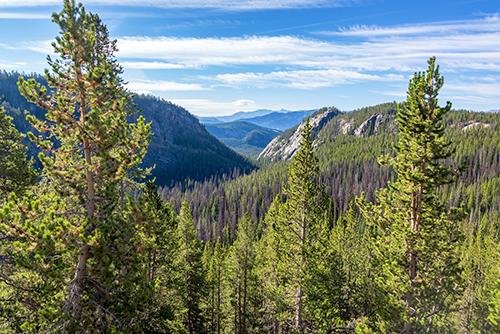
After fresh snowfall and strong winds, blowing snow can lift high into the air and sharply reduce visibility—creating hazards for drivers and pilots. Scientists at NOAA and partners need your help to better detect and understand these events.
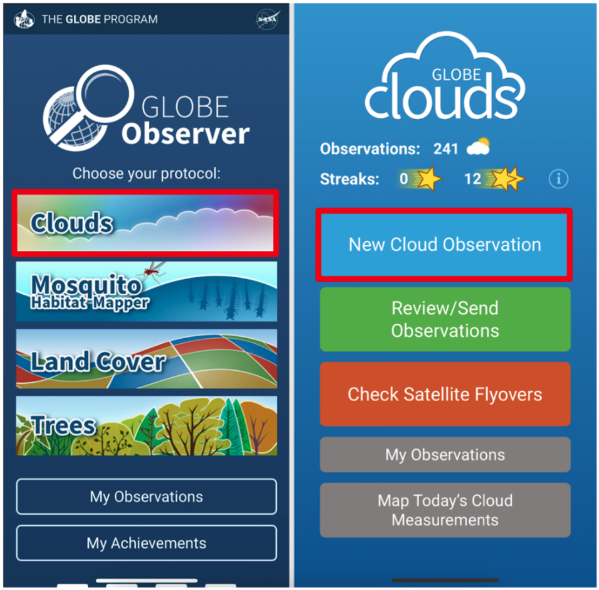
Using the GLOBE Observer app’s Clouds tool, you can submit feature photos of blowing snow to help validate a new satellite data product.
How to Participate:
- When snow has stopped falling and winds pick up, look for blowing snow along the horizon
- Open the GLOBE Observer app → Clouds → New Observation
- If visibility is reduced, select Obscured → Blowing Snow
- Take photos of the sky and horizon; make the horizon shot your feature photo
- In the caption, note the cardinal direction and the approximate distance to a barely visible landmark
- You can also share wind information
Safety First:
If conditions are hazardous, take your photos from inside a building or vehicle. If observing from an upper floor, include the floor number in your notes.
Your observations will support scientists at NOAA, the University of Alaska Fairbanks, and the GLOBE Implementation Office as they improve tools for monitoring low-visibility weather.
| | Summer job opp: Youth Forest Monitoring Program | | |
The Forest Service's Youth Forest Monitoring Program is hiring a Summer Field Instructor to help guide high school students as they learn forest ecology and hands‑on monitoring techniques for streams, vegetation, wildlife, and soil health on the Helena–Lewis and Clark National Forest.
The instructor will lead, supervise, and transport student teams to monitoring sites in Helena, Townsend, and Lincoln, splitting time between outdoor fieldwork and indoor data analysis and reporting.
This seasonal position is based in Helena, Montana and offers the chance to mentor youth while supporting real‑world forest stewardship.
Application materials are due by Friday, April 3rd, 2026.
| | How clean are our waterways? | | |
The Montana Pesticide Stewardship Partnership Program (PSPP)—led by the University of Montana’s Flathead Lake Biological Station—is gearing up for another season of water‑quality monitoring, and we’re looking for volunteers to join us in the field. Our work helps identify where pesticides are appearing in Montana’s rivers and streams and how they move across the landscape, so we can partner with communities, producers, and watershed groups to reduce pollution in the headwaters of the Columbia River Basin.
Read this article to learn more about the Montana waterways pesticide problem.
Where We Work:
Our monitoring area spans from the Canadian border to the Bitterroot and Beaverhead ranges, covering communities across Lincoln, Flathead, Sanders, Lake, Mineral, Missoula, Powell, Granite, Ravalli, Deer Lodge, Silver Bow, and Lewis & Clark counties. We sample major river systems—including the Flathead, Kootenai, Clark Fork, Blackfoot, and Bitterroot—along with many smaller creeks and streams.
What Volunteers Do:
Each field day is different, but volunteers can expect to spend time outdoors, learn how to collect water samples, use a handheld water‑quality meter, and work directly with a PSPP team member. We provide all training and equipment—volunteers simply join for the day and help with hands‑on sampling.
When We Need Help:
May through November, with the greatest need in summer when pesticide use and runoff potential are highest. Whether you join us once or come out all season, your help makes a difference.
Interested? Fill out our New Volunteer Interest Form, and we’ll reach out with details!
| | PurpleAir blog | Making air quality accessible for all | |
In October's issue, we shared how schools can receive free PurpleAir sensors to monitor PM2.5—both indoors and out. PurpleAir also maintains a robust blog featuring articles on air quality, environmental science, sensor technology, health, and community projects. Visit the blog and scroll to the bottom of the page to subscribe to their newsletter for ongoing updates.
| | How is AI changing Citizen Science? | | |
As Artificial Intelligence (AI) becomes more common in everyday tools, some worry it might replace volunteers in citizen science. Current research shows that AI is emerging as a supporting partner, not a substitute. While AI can speed up tasks like image sorting, species detection, and anomaly spotting, it still depends on volunteers for observations, labeling, and local expertise.
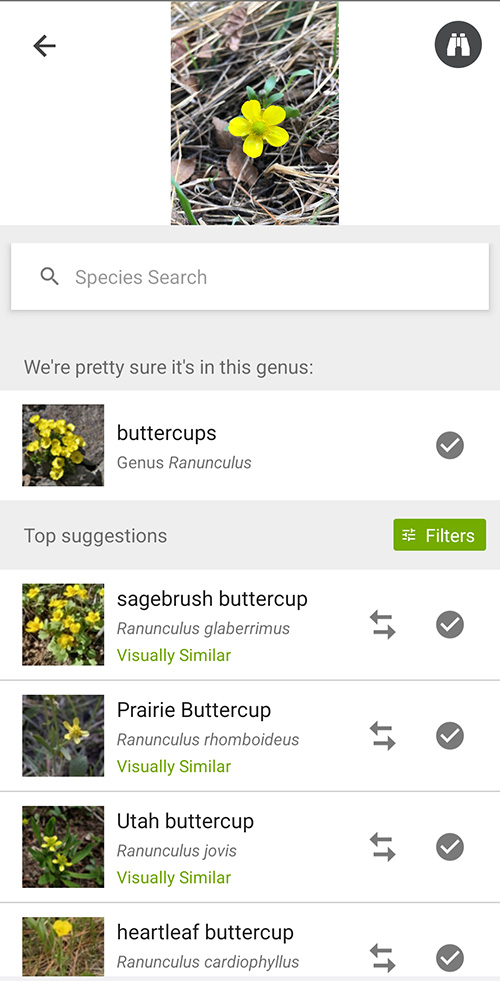
Many projects already use AI in complementary ways. Wildlife platforms like iNaturalist use it to identify animals, fungi, and plants (as shown in the screenshot here) from photos submitted by participants, and tools such as Merlin Bird ID app apply machine‑learning algorithms to classify bird calls collected by volunteers. In these systems, people and machines work best together: volunteers provide the raw observations and context, and AI accelerates data processing.
Experts also emphasize that thoughtful integration matters. AI can improve accessibility through translation and real‑time feedback, but projects should remain transparent and ensure volunteers stay engaged in meaningful tasks that support learning.
Used well, AI strengthens our citizen science efforts—freeing volunteers to spend more time exploring, observing, and contributing to real scientific discovery.
Sources:
| | Choose your sky-watching adventure | | |
In October’s issue, we asked you to pick the citizen science topic of greatest interest to you from seven options. The results were close, but “Astronomy & night sky observation” edged out the rest.
For this issue’s poll, we want to know: would you rather track…
| | Choose one to cast your vote (anonymously)! | | | | | | | |