Faulkner County Agriculture Update
November 7, 2025
| | |
Weather
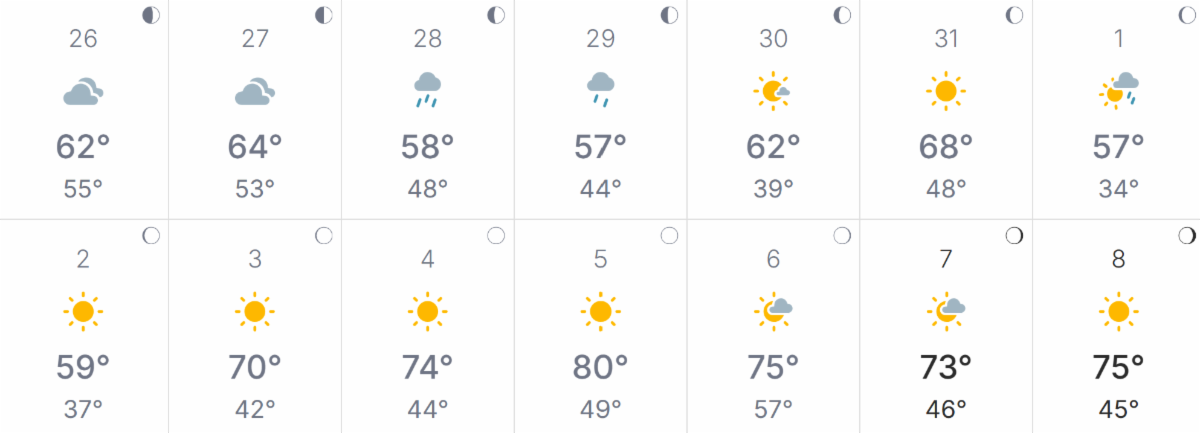
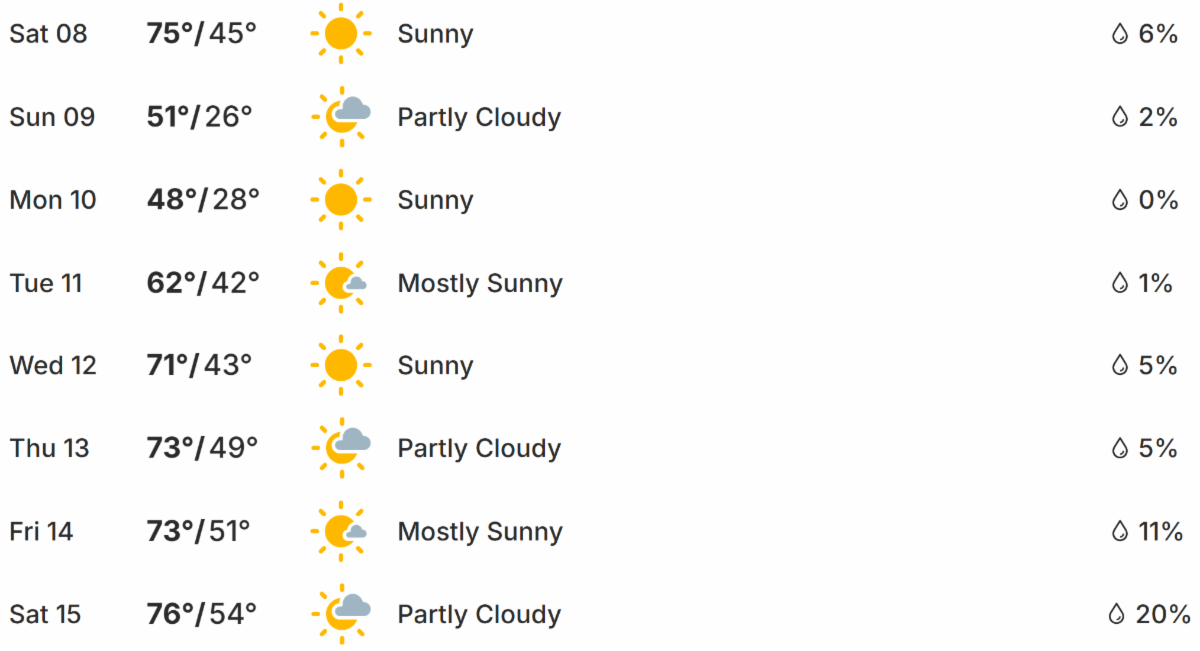
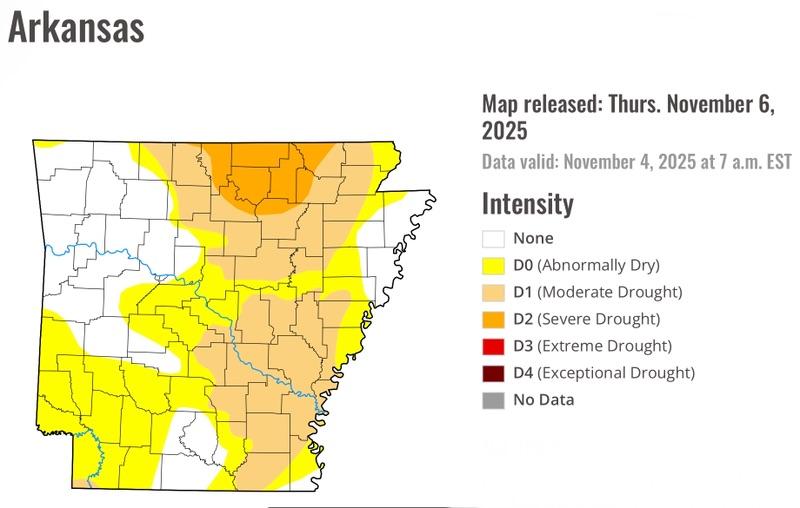
This was a sunny dry week with very mild temperatures. We had a chance of rain last Saturday, but there was just a few sprinkles here and there. Our first cold weather and frost risk comes up Sunday and Monday. We will have a couple of cold days followed by a warm up to more mild temperatures. Our next chance of rain is next Saturday.
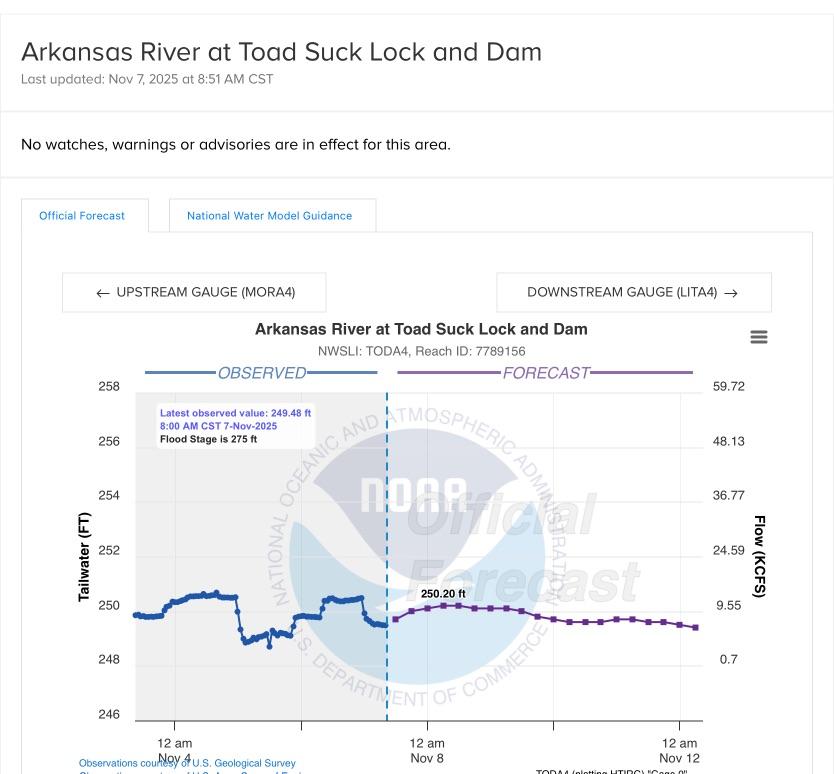
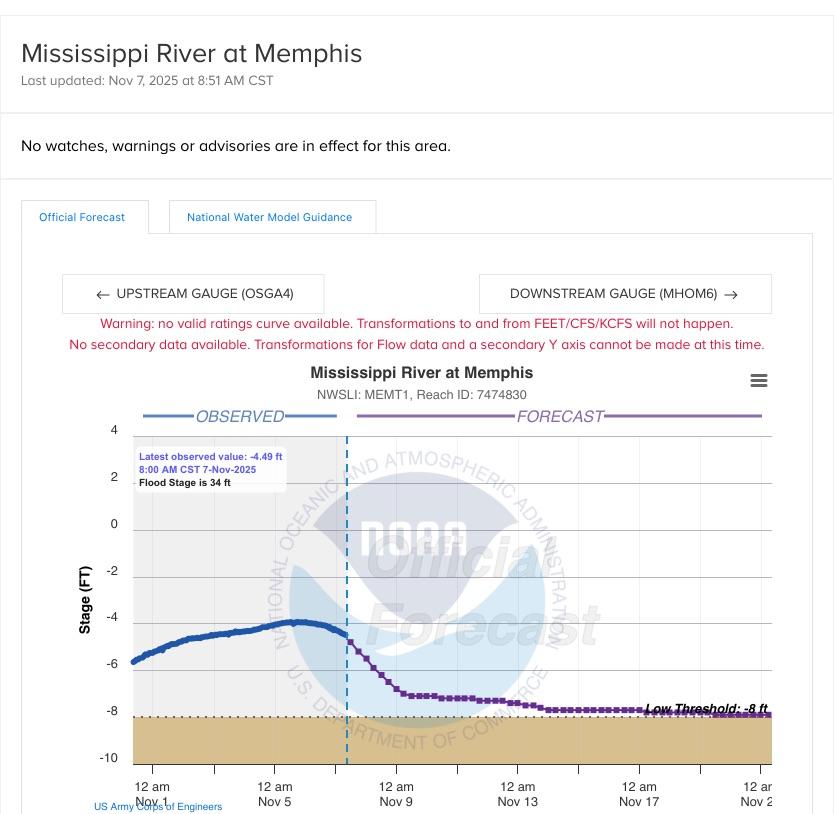
| | Arkansas and Mississippi River | |
Wheat
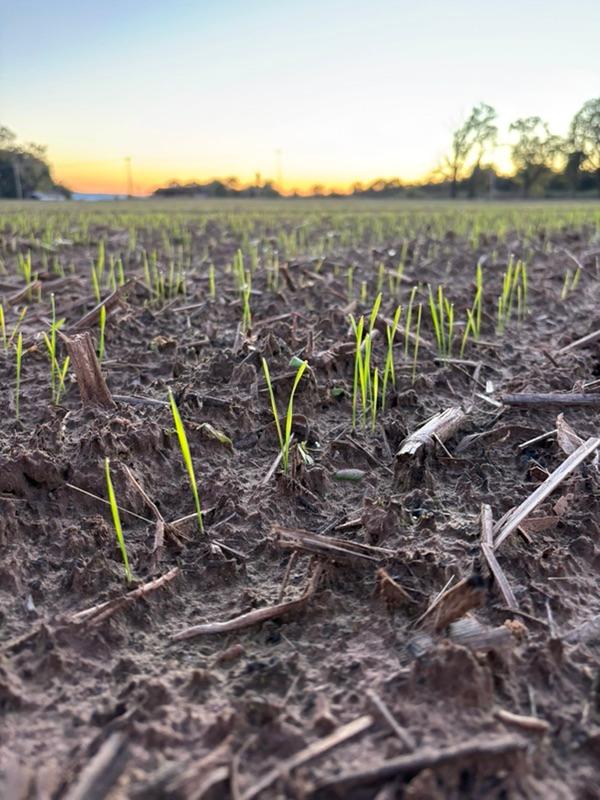
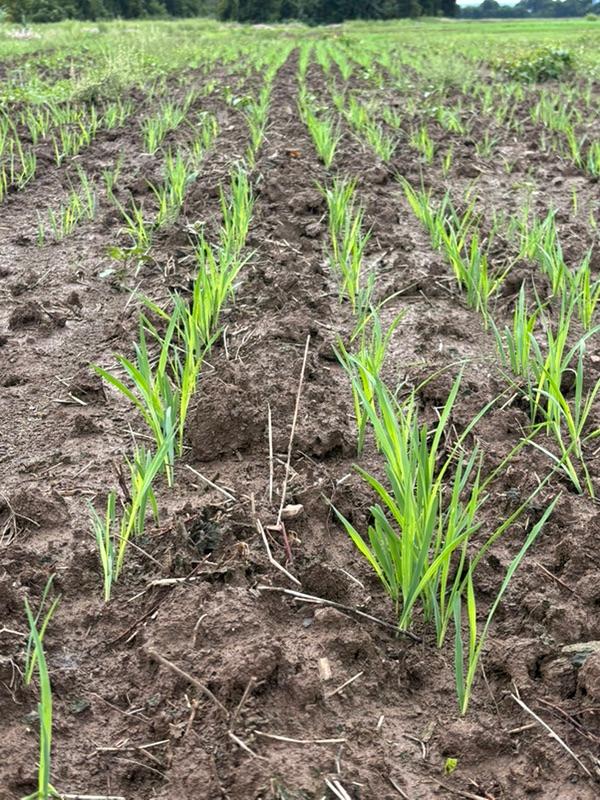
More wheat has gone in the ground this week. So far everything we have planted is looking good. Talking to Dr. Jason Kelley, he said he had some issues with emergence with wheat planted ahead of this last big rain, but I haven't heard of any issues around here yet.
We will have a wheat variety plot this year and we should have it in the ground soon.
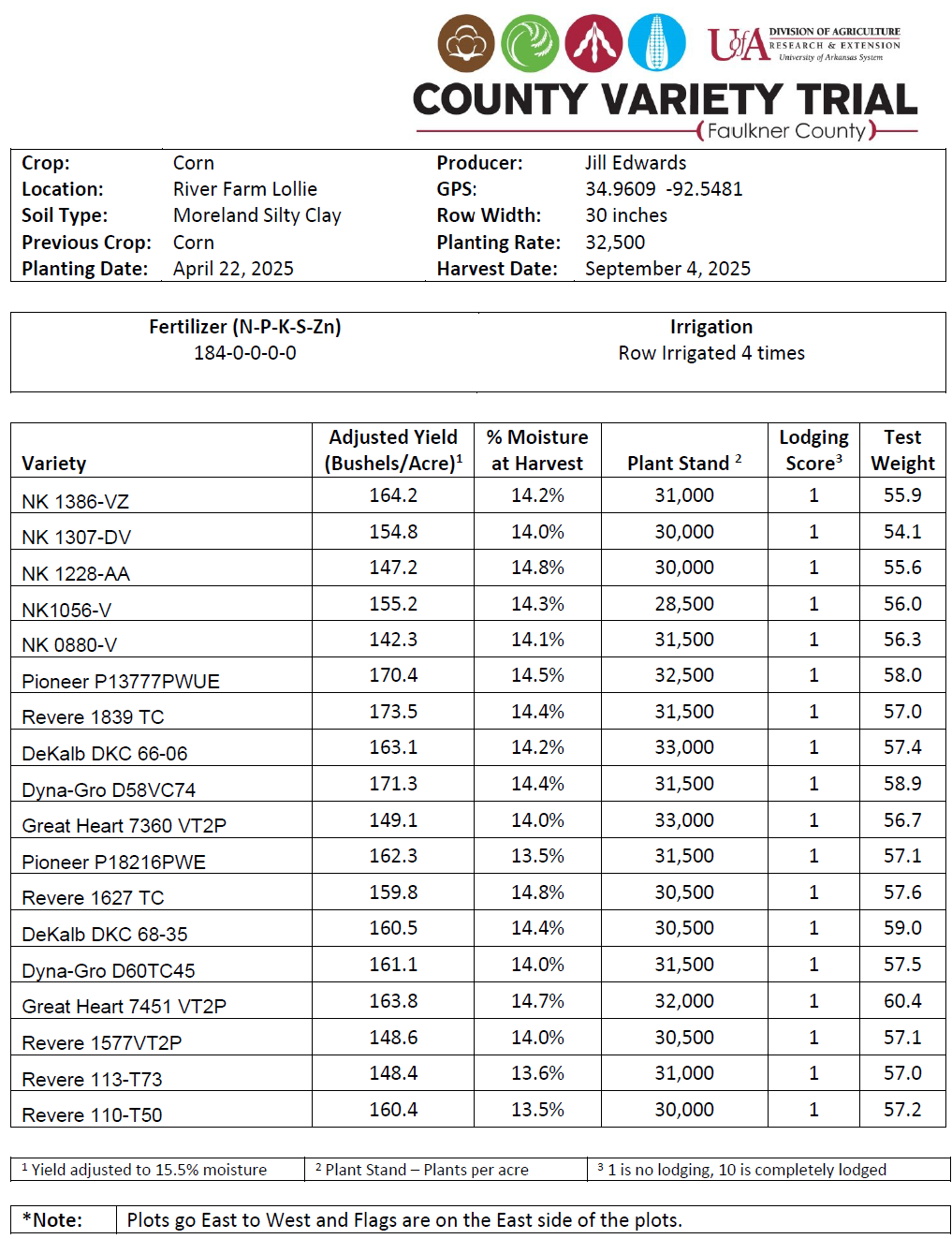
| | 2025 Arkansas Corn Performance Tests Preliminary Results | |
2026 Arkansas Crop Enterprise Budgets
The crop enterprise budgets are made possible thanks to support from:
| | The crop enterprise budgets and calculator are developed by Breana Watkins, Instructor with the Agricultural Economics and Agribusiness Department (AEAB). Special thanks to Dr. Hunter Biram, Assistant Professor; Dr. Ryan Loy, Assistant Professor; Scott Stiles, Program Associate, and Evan Ware, Program Associate, AEAB for their assistance with the 2026 Arkansas crop budgets. | | |
Row Crop Production Meetings
Our annual row crop production meetings will be coming up in early 2026. Save theses dates and I will share more information as we get it.
Corn and Soybean Production Meeting - January 22, 2026 - Morrilton (Place TBA)
Rice Production Meeting - February 24, 2026 - The Barn at Lollie
| | |
The State of the Arkansas Crop Economy in 2025
Dr. Hunter D. Biram, Assistant Professor and Extension Economist, University of Arkansas
Introduction
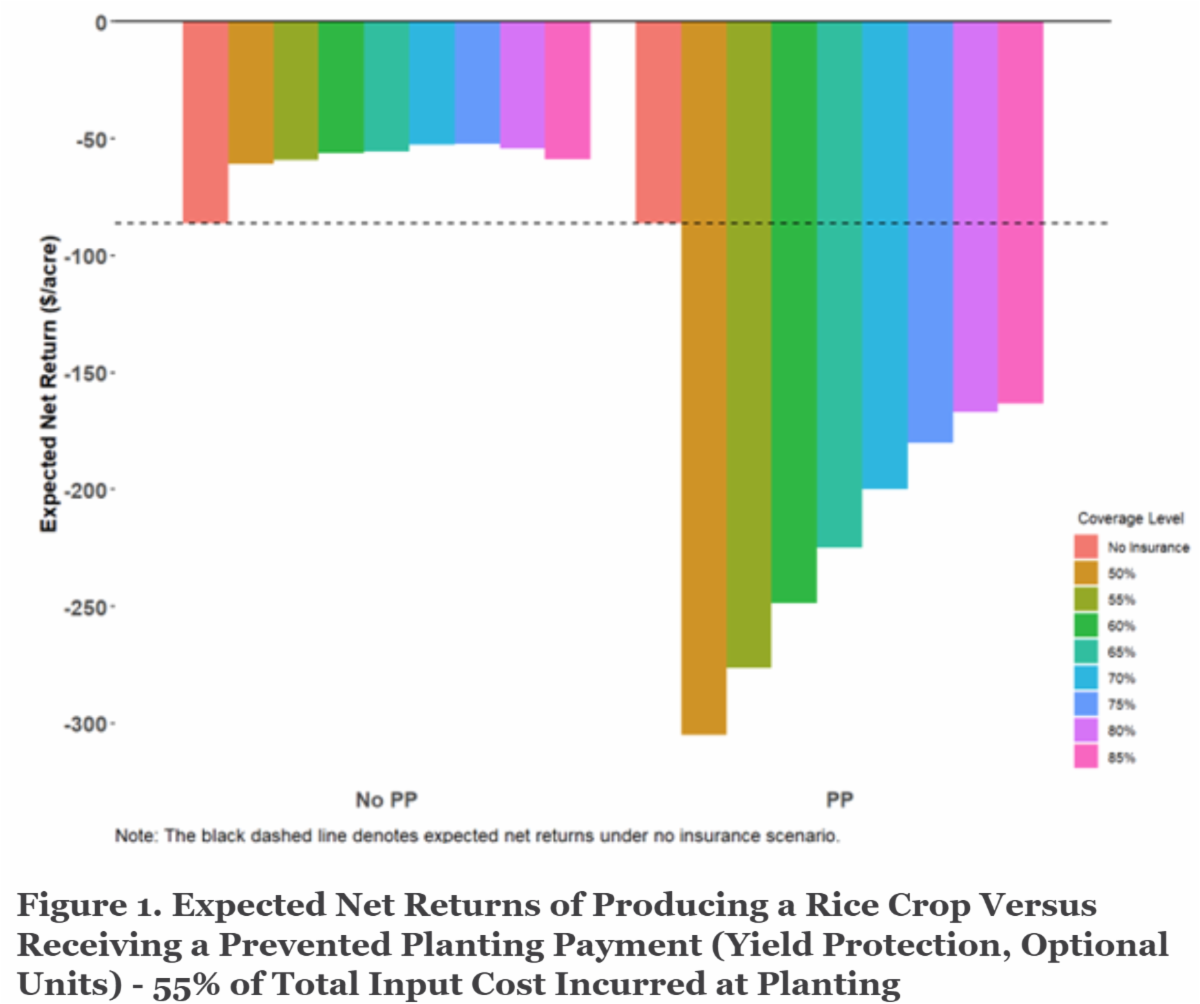
Newsletters from July 28, 2025 and September 8, 2025 provide a detailed breakdown of the provisions of Prevented Planting (PP) coverage and historical impacts to losses and acreage, respectively. This newsletter discusses the results of expected net returns estimated from a simulation of correlated random crop prices and yields under the three alternatives for a representative farm from Lawrence County, Arkansas (following methods in Biram et al., 2022). The first scenario (i.e., Status Quo) models a rice producer who plants and harvests and insured rice crop at various coverage levels. The second scenario models a rice producer who chooses to receive a PP indemnity on the rice crop and does not plant a soybean crop on the same acres. The third scenario models a producer who chooses to receive a PP indemnity on the rice crop and chooses to plant and insure a soybean crop on the same acres making the soybeans eligible for a typical crop insurance indemnity on production losses. Under the second and third scenarios a producer only incurs 55% of total input cost at rice planting which is how the PP program is designed (see July 28, 2025 newsletter).
Three Scenarios Considered
Results are presented for a Yield Protection (YP) policy insured under Optional Units which face the highest premium rate and lowest premium subsidy rate relative to a YP policy insured with Basic and Enterprise Units. One can use this as the base scenario for underlying coverage since the producer paid premium cost only decreases with Basic and Enterprise units. Therefore, any scenarios in which the net returns are positive for receiving a PP payment will only be increasing under instances with Basic and Enterprise Units. Further, results under the scenarios where no PP payment is received for RP are comparable to results under the same scenarios for YP. I use 2025 Projected Prices from the USDA, Risk Management Agency (RMA) and county-level yield expectations estimated using historical yield data spanning 1960-2024 from the USDA, National Agricultural Statistics Service (NASS) and a method which removes the linear trend present in rice and soybean yield data (Biram et al., 2025). Production costs that are used come from the University of Arkansas, Cooperative Extension Service crop enterprise budgets for the 2025 crop year.
Results
I find that a rice producer who purchases YP crop insurance on their rice acreage faces higher expected revenue net of cost (i.e., expected profit) than a producer who does not purchase crop insurance (see “No PP” panel in Figure 1 below). This is because losses are capped and are not allowed to fall to zero (i.e., complete loss) with crop insurance. This contrasts with the scenario when “No Insurance” is purchased and outcomes with complete losses occur with no insurance indemnity to guarantee a percentage of expected revenue. Further, I find that expected profits are significantly lower across all coverage levels when the PP indemnity is incurred with expected profits more negative than the “No Insurance” case (see “PP” panel in Figure 1 below). In short, this suggests that it is better to plant and insure the crop and face the risk of production losses throughout the growing season rather than to only take the PP indemnity.
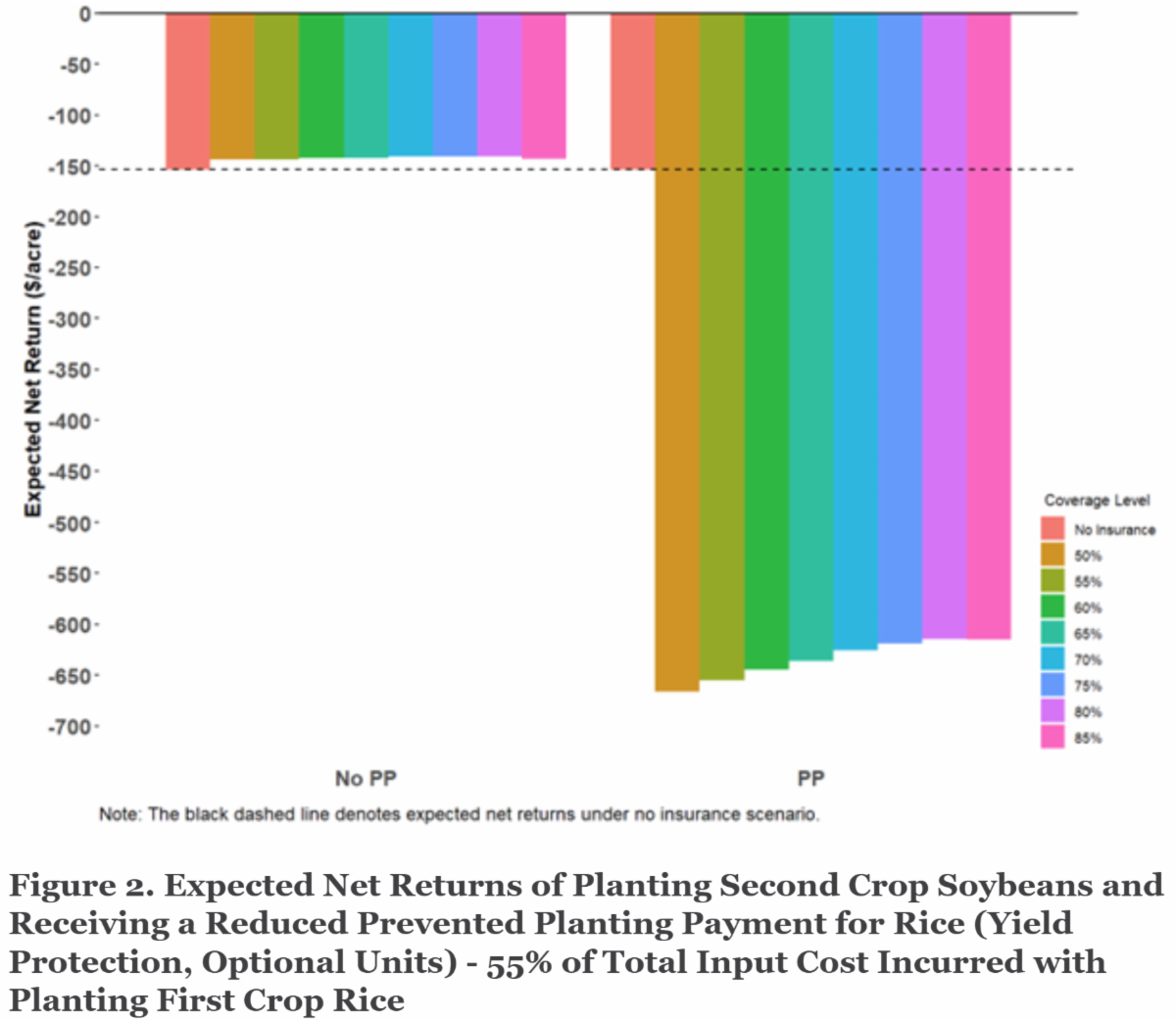
| | Figure 2 provides results from a scenario which models a producer who decides to take the PP indemnity for rice and plant and insure a soybean crop on the same acreage. Under this scenario, a producer must take a 65% reduction in the first crop (i.e., rice) PP indemnity and pay 65% less in producer premium on the first crop. Further, the producer is eligible to receive the full PP indemnity for the second crop (i.e., soybeans) at the full producer premium. I find that there is little difference between the expected profits between the “No Insurance” case and purchasing crop insurance for soybeans at any coverage level when a producer plants, insures, and harvests the second crop soybeans (see “No PP” panel of Figure 2 below). Further, I find that expected losses more than quadruple under the scenario where a PP indemnity is received on both the first and second crop (see “PP” panel of Figure 2 below). In short, this suggests that there is no significant benefit to purchasing crop insurance (i.e., about $5 per acre) on second crop soybeans and that it is still better for a producer to plant and harvest the second crop soybeans rather than to receive the PP indemnity on both the first and second crops. | | |
Evaluating the RMA Cost Factor
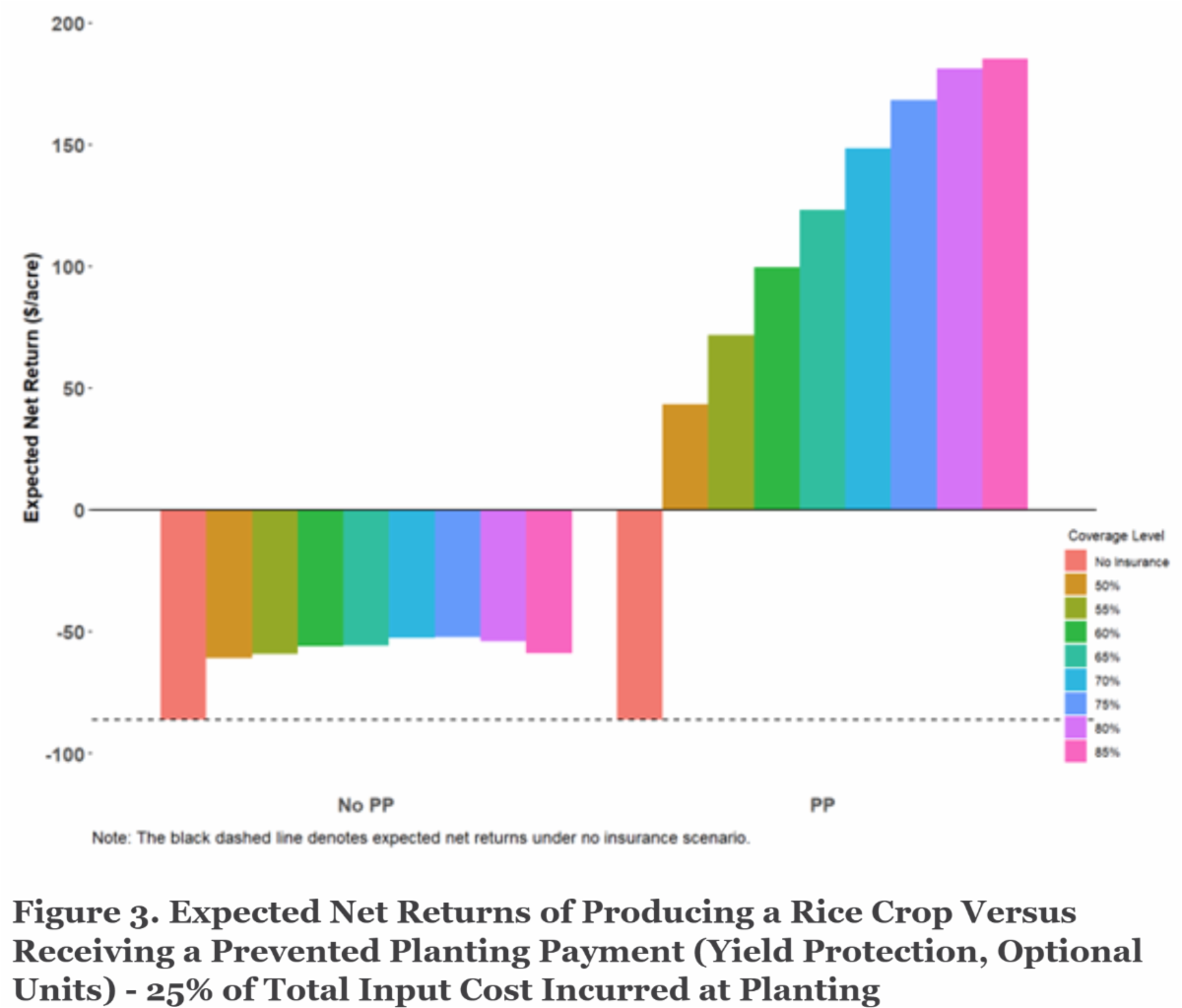
The 2025 crop year saw the third-largest amount of acreage designated as prevented from being planted by USDA, Farm Service Agency (FSA) at nearly 1 million acres (see September 8, 2025 newsletter). The 2025 crop year also saw significant rainfall in the first part of the year with Arkansas receiving 3 months’ worth of rain in 3 days (Biram et al., 2025). While weather literally prevented tillable cropland from being planted, I investigate whether there is a case where receiving a PP payment results in a positive impact on expected profits. In this fourth scenario, I multiply the total input cost of rice production by a percentage and search over various percentages to determine what percentage, if any, must be incurred before the decision to receive a PP payment is more beneficial than planting. I find the choice to receive a PP payment is profitable across all coverage levels when the pre-planting cost percentage to produce a rice crop is at or below 25% of total rice production cost (see Figure 3 below). This finding holds for both the case when no second crop soybeans is planted and when a second crop of soybeans is planted.
| | |
Conclusion
Rice producers face production and price risks every year. One risk management tool available to mitigate losses from these risks is crop insurance plans, such as YP and RP. PP coverage is included as a coverage option in all YP and RP policies with coverage factors which vary depending on the crop. This series of newsletters considers the effectiveness of PP as a risk management tool and the expected profits between scenarios which consist of a typical production year and a year in which a PP indemnity is received for rice. Preliminary analysis suggests that the input cost percentage of 55% do not make the PP decision profitable and the choice to plant and harvest a rice crop is more profitable relative to not planting the rice crop and receiving a PP payment. However, at the 25% input cost percentage, the decision to plant and harvest a rice crop rather than receive a PP payment for rice suggest receiving a PP payment to be more profitable than producing a rice crop. Given the analysis does not address how common these pre-planting cost percentages are at the farm level, further research which considers the farm-level pre-planting cost for rice should be considered before drawing final policy implications.
| | Beef, Small Ruminants, & Forages | | |
Brucellosis Vaccinations
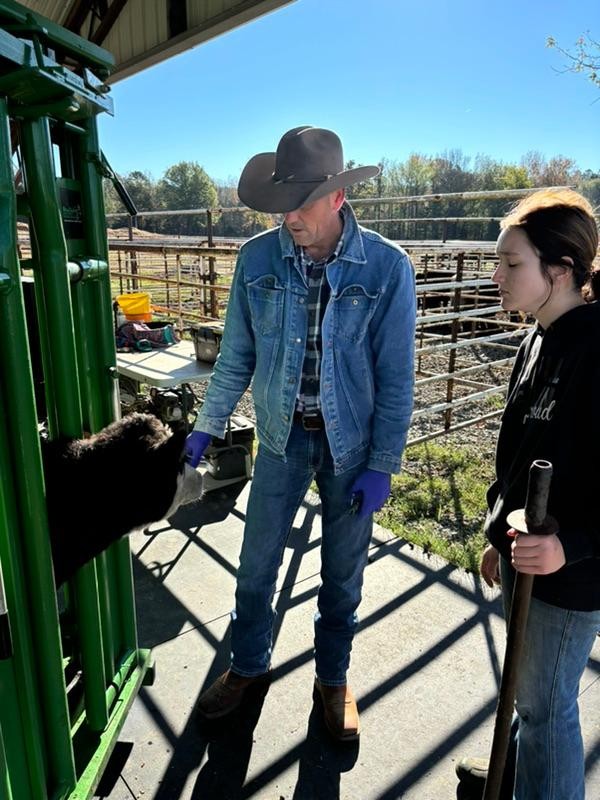
Faulkner County’s Brucellosis (Bang’s) Vaccination Program will be held Friday November 14.
Even though it’s no longer a state law, it is highly recommended to have your heifers vaccinated between the ages of 4 and 12 months against Brucellosis to keep brucellosis eradicated in Arkansas.
A representative from the Livestock & Poultry Commission and the Faulkner County Cooperative Extension Service will offer an on-farm vaccination program at no cost to all Faulkner County cattle producers. If you are interested please CALL the office at 501-329-8344, by Friday November 7 to be added to the schedule. After the registration deadline, a schedule will be put together and producers will be notified.
Producers must have a premise ID. You can apply for a premise ID at the Livestock & Poultry website.
The Livestock & Poultry Commission has stated that each farm where cattle are to be vaccinated MUST have a chute or squeeze chute with a head gate where cattle can be subdued. Even with good facilities, the chances of someone getting hurt are possible. If the proper facilities are not available or safe, the vaccinator has the right to refuse to vaccinate your calves. Calves will not be vaccinated unless the owner or someone representing the owner is present.
| | |
Faulkner County Pasture to Plate
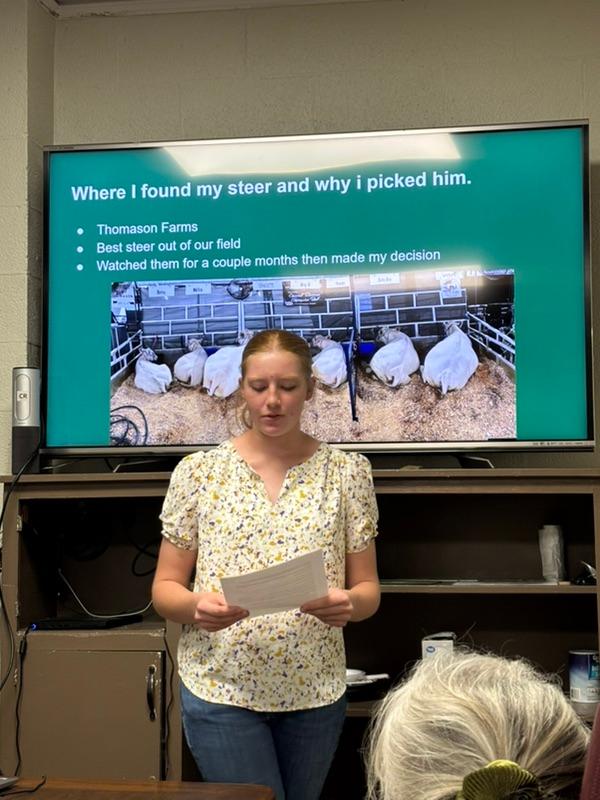
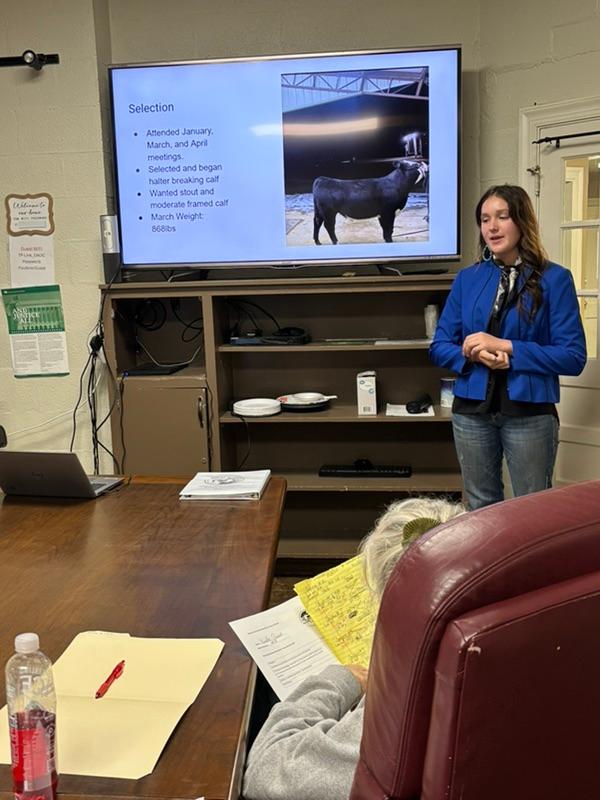
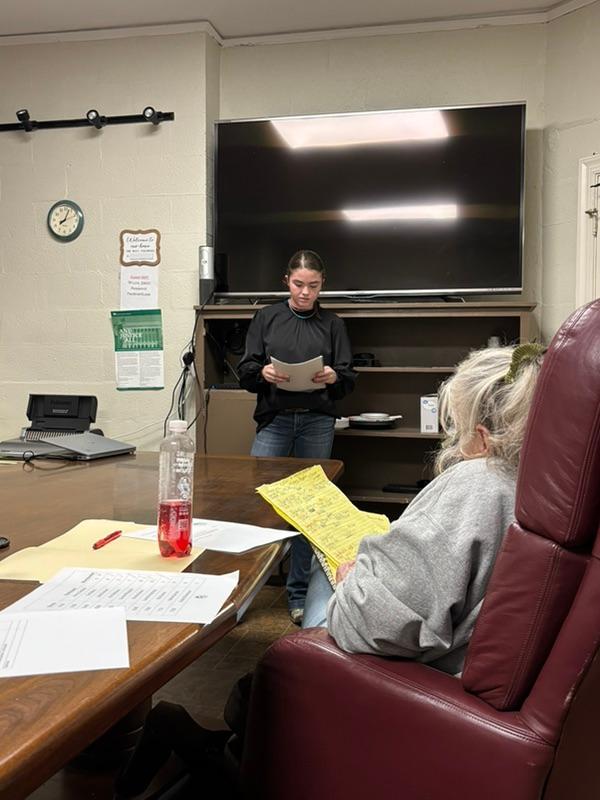
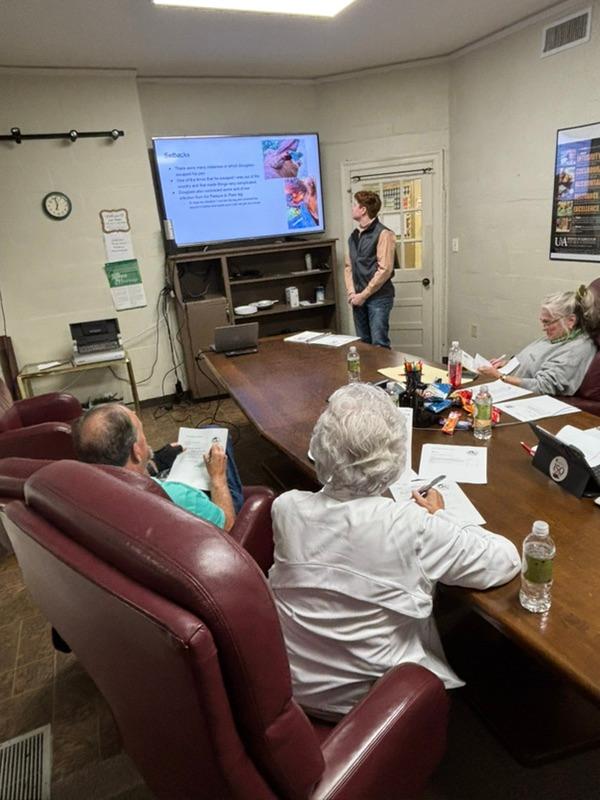
Our Pasture to Plate youth have now completed the whole project. On November 4, all of the participants came into the Extension Office and turned in their record books and gave a talk on their project. We have had a great year and I am super excited to put all the information together and let the youth know how they did. I want to thank our judges for the talks, Leanna Lee Clark, Dr Doug Harris and Debbie Harris. They did a great job with the youth and I appreciate them taking time out of their busy schedule to help our 4-H'ers.
We are ready to start the 2026 year. We will have an informational meeting on December 2 starting at 5:30 pm at the Faulkner County Extension Office.
| | |
Faulkner County Conservation District Office Shutdown
This message was on Facebook and for anyone looking to rent the county equipment please take note!
Our office is closed due to the government Shutdown. If you're needing to rent equipment. Call me at 501-450-2858. LaDonna Taylor District Coordinator.
| | |
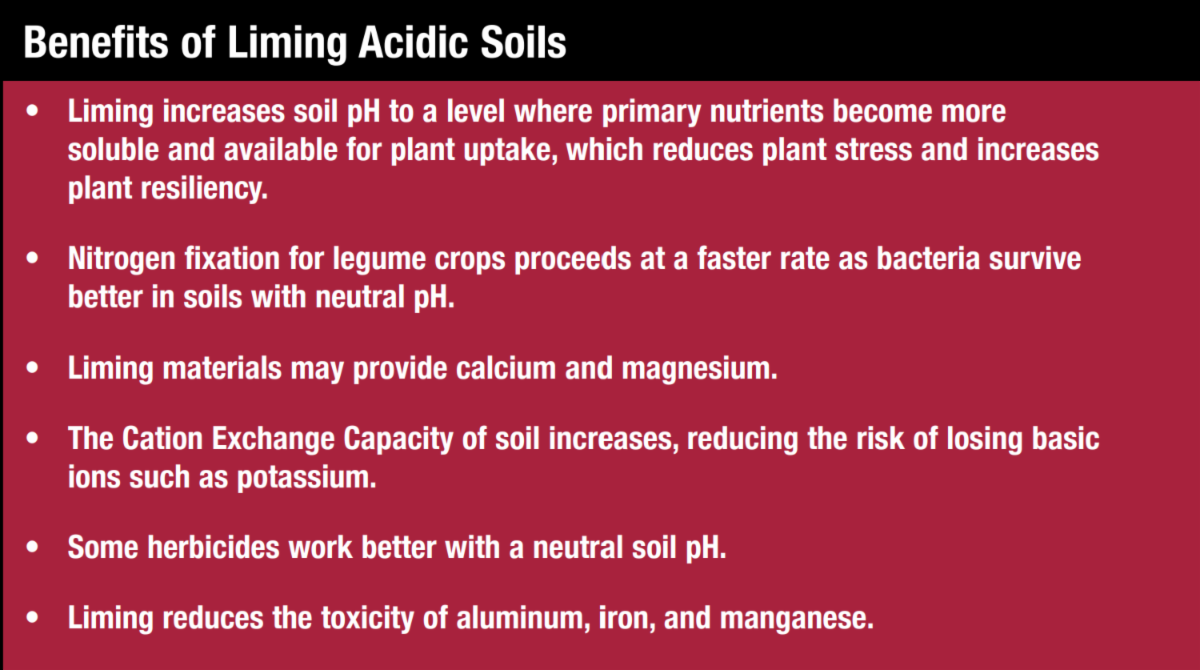
Time to Lime
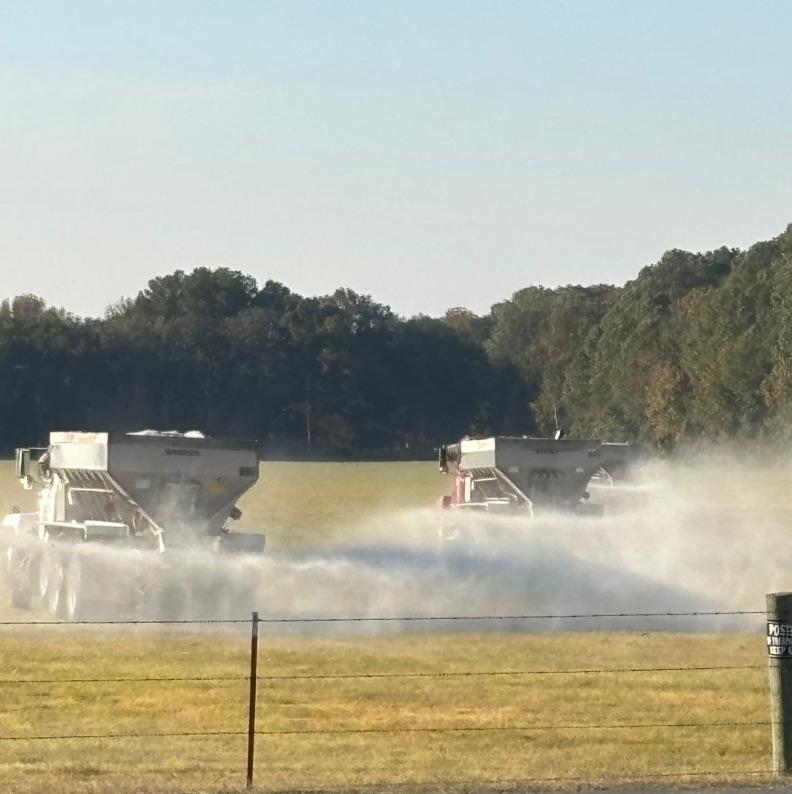
Fall is a great time to lime your pastures and hay fields that need it. In Arkansas, all soil tests are free so I highly suggest that anyone that is thinking about liming to soil test first. It is all to common for me to be talking with producers and they tell me they just limed, and when I ask them what their pH was they always say well I just figured it was time. Lime is not cheap, and we only need to apply it when it is needed. So don't guess, soil test for lime needs.
Forage grasses will trigger a lime application when the pH falls below 5.8. Legumes like alfalfa and clover need a lime application when the pH falls below 6.3. Below is a link to a fact sheet with more information about lime and lime materials in Arkansas.
| | |
Selecting Replacement Heifers: Building a Productive Cowherd for the Future
Parker A. Henley and Mark Z. Johnson, Oklahoma State University Extension Beef Cattle Specialists
As we all consider current cow herd dynamics and market trends, producers are evaluating options to rebuild or expand, making this a timely moment to revisit selection priorities. Thoughtful replacement heifer selection is essential to shaping the future of a cowherd. Heifers that fit the production environment, breed early, calve unassisted, and remain productive for years contribute significantly to long-term profitability. This article outlines key traits and tools to consider when making those selections.
Growth Rate to Achieve Early Puberty and Reproductive Readiness
Heifers that reach puberty early are more likely to conceive during their first breeding season and calve by 24 months of age. Early puberty is moderately to highly heritable and positively correlated with lifetime reproductive success. To support this, heifers should demonstrate consistent growth and reach target weights that promote reproductive readiness. Ideally, they should weigh approximately 65% of their projected mature weight at the start of the breeding season (typically between 13 and 15 months of age). For example, a heifer expected to mature at 1,400 pounds should weigh around 910 pounds at breeding. Reproductive tract scoring, conducted 4 to 6 weeks prior to the breeding season, is a valuable tool for assessing reproductive maturity. Selecting heifers that exhibit early reproductive development lays the foundation for a more fertile, efficient, and productive cowherd.
Fertility and Longevity
Although fertility has low heritability, it is one of the most economically important traits in beef production. Aim for a 60% first-service pregnancy rate and 90% pregnancy rate within a 60-day breeding season. Early pregnancy diagnosis allows for timely culling of open heifers, which can be marketed as yearlings. Over time, this strategy enhances herd fertility and longevity, as early-calving heifers tend to remain in the herd longer and wean more pounds of calf over their lifetime. Maintaining a buffer of 5–10% more heifers than needed allows producers to cull sub-fertile individuals without compromising replacement numbers.
Milking Ability and Mammary Development
Optimal milk production is closely tied to forage availability and overall nutritional management. While milking ability is low in heritability, selecting sires with appropriate Milk EPDs can help target the right level of production. Avoid selecting heifers that were overly fat at weaning, as excessive fat can impair mammary development and future milk yield. When possible, evaluate the udder and teat structure of the dam to anticipate future performance.
Body Type, Disposition, and Structural Soundness
Phenotypic evaluation remains a cornerstone of replacement heifer selection. Avoid extremes in size, as both overly large and small heifers may present challenges in feed efficiency, calving ease, and longevity. Body type and fleshing ability are also important indicators of future productivity. Heifers with adequate rib shape, depth of body, and muscling tend to maintain body condition more effectively, especially under variable nutritional conditions. Disposition is moderately to highly heritable and plays a significant role in herd management. Calm, manageable heifers improve safety, reduce stress during handling, and often show improved reproductive performance. Culling heifers with poor temperament enhances the working environment and herd efficiency. Structural soundness, particularly in feet, legs, and eyes, is vital for long-term productivity. Heifers should be evaluated for mobility, hoof integrity, and leg structure to ensure they can thrive in various terrain and withstand the physical demands of breeding, calving, and raising a calf.
Calving Ease and Pelvic Measurements
Pelvic area (PA) measurements can help predict calving ease. A general rule of thumb is dividing PA by 2.1 to estimate the maximum calf weight a heifer can deliver unassisted. For example, a PA of 175 cm² suggests a heifer can calve an 83 lb calf. Additionally, consider Calving Ease Maternal (CEM) EPDs when selecting sires for virgin heifers. Bulls with higher CEM values produce daughters more likely to calve unassisted. Selecting bulls with low Birth Weight (BW) and high Calving Ease Direct EPDs is also critical.
Genomics in Heifer Selection
Advancements in DNA testing have added a powerful layer to heifer selection. Genomic-enhanced EPDs combine pedigree, performance, and DNA data to improve prediction accuracy, especially for traits like fertility, longevity, and maternal ability. Genomic tools are especially useful in commercial herds where data may be limited. Several companies offer affordable DNA testing services that help rank heifers based on genetic potential. These tests provide deep insight at a relatively low cost, helping producers increase confidence in selection decisions, identify heifers with superior genetics, and avoid investing in underperforming animals. Incorporating genomics into your selection strategy supports long-term herd productivity and profitability.
Final Thoughts
Selecting the oldest heifers, those born early in the calving season, remains a reliable strategy for identifying replacements with strong maternal backgrounds. Heifers should reach 65% of their mature weight by breeding and be culled if open after the first season. Investing in sound selection practices, including genomic tools, sets the stage for a more productive and profitable cowherd.
| | |
Benchmarking Pasture Rent with USDA Data
Jonathan O.C. Kubesch - University of Arkansas Extension Forage Specialist
James Mitchell - University of Arkansas Extension Economist
Renting un-used pastures or hayfields from neighbors can be an effective way to increase forage supply, particularly in drought conditions. Adjacent parcels can get pressure off overgrazed owned land and often can save the neighbor some diesel on cutting hay. However, informal and formal rental agreements are increasingly complex as potential tenants and leasers negotiate a fair rental agreement. How do we work out a pasture rental rate?
This question came up in May from a Cleburne Co farmer who had found a U of A factsheet from 2005 on the subject (FSA20). Like many pasture rental resources, our factsheet focused on valuing the land either in terms of tax value or forage production. The tax value approach calculates rent using tax assessment and an interest rate. The forage production approach tries to estimate the value of forage grown using soil survey and hay prices to estimate value. While either the tax value approach or the forage production value approach might be effective ways to determine a rental rate, these approaches might be more complicated and easily fouled by mathematical errors or unfounded assumptions.
Another approach has been to start with the Arkansas Cash Rents County Estimates from the USDA National Agricultural Statistics Service (USDA-NASS) (link in button below). This survey reports average rental rates for irrigated and non-irrigated cropland, as well as pastures within each county. These are cash rent rates reported on a per-acre basis and exclude pastures rented on a crop-share, per-day, or per-pound-of-gain basis, among other arrangements that can also be effective ways to establish a rental rate. The statewide average rental rate in 2024 came to $21.50/acre. While these rates are only as good as the survey responses collected, they are quick, localized, and easily plugged into rental conversations. Rental rates can then be adjusted further from these averages.
Setting a pasture rental rate regardless of these baseline approaches comes down to how well the livestock might be able to use the rented ground and how effectively the farmer might manage grazing. Poorly fenced, weedy fields with limited watering points are going to be less valuable for grazing than lush stands with adequate livestock watering points. Negotiating a fair rental rate will also involve scouting for poisonous plants, old junk, and other hazards.
| | |
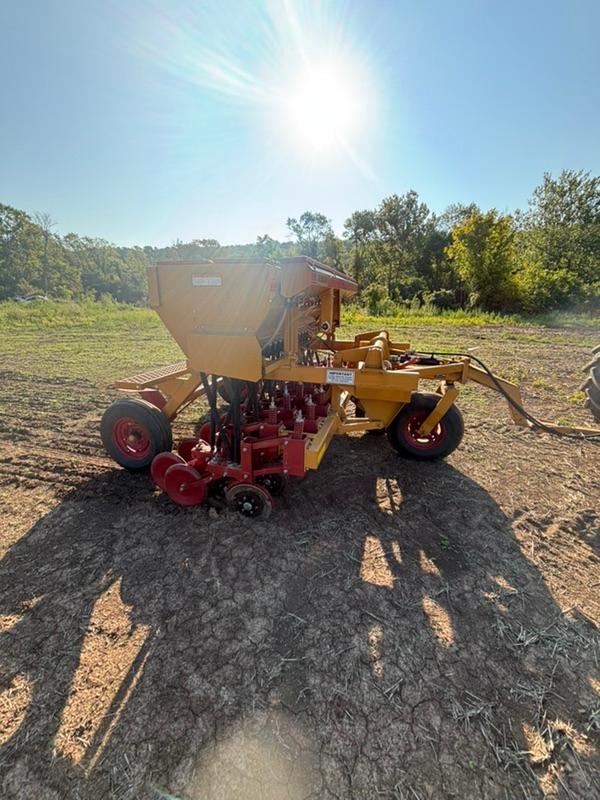
Cool Season Annual Resources
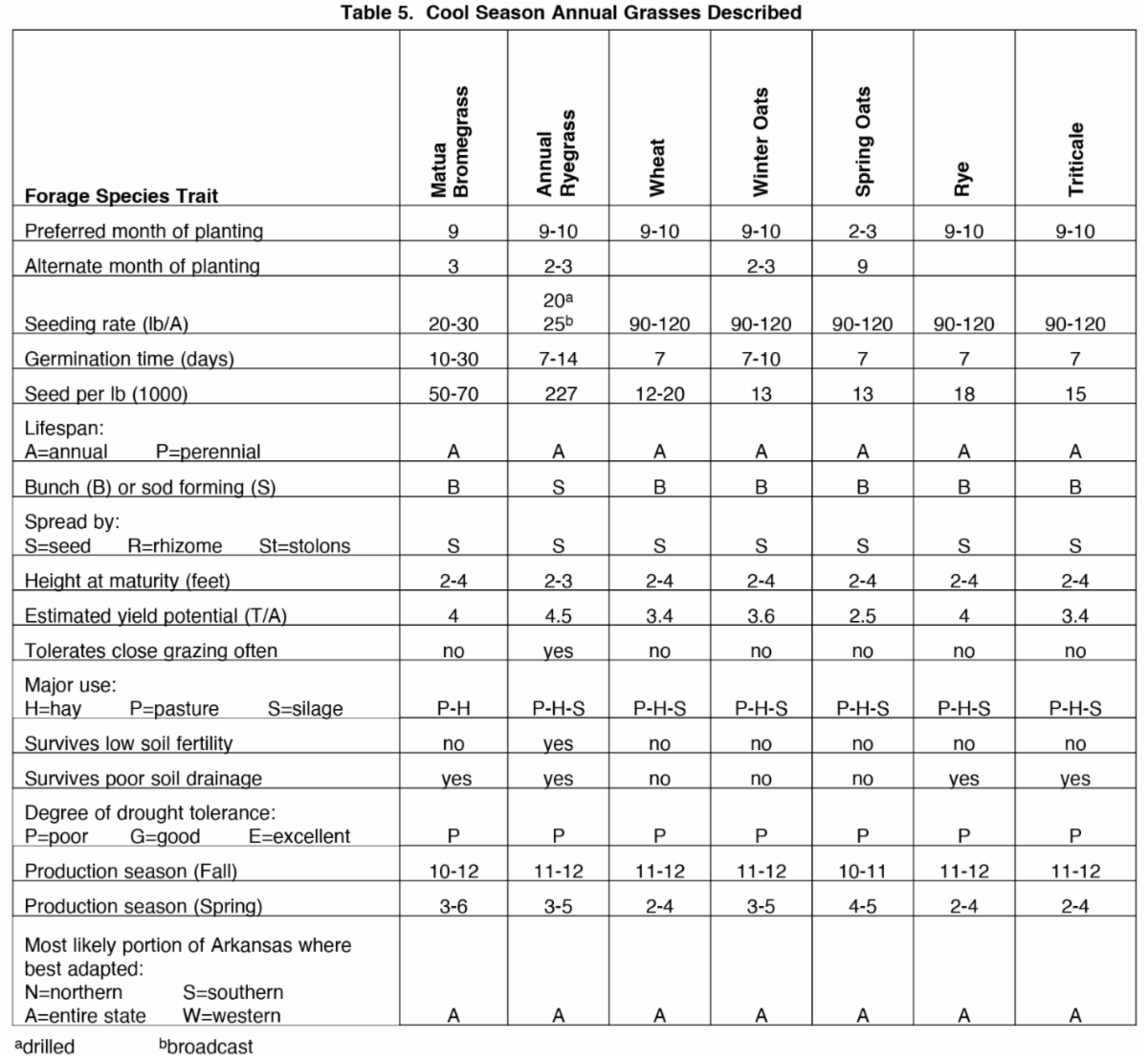
I have gotten a few questions on planting cool season annuals this week about how late can I plant. I would say if we can get it in by the first of December I would go ahead and put it in the ground. We still have time and it looks like next week is a good week to get things planted.
| | |
Sheep & Goat Genetic Improvement Field Day
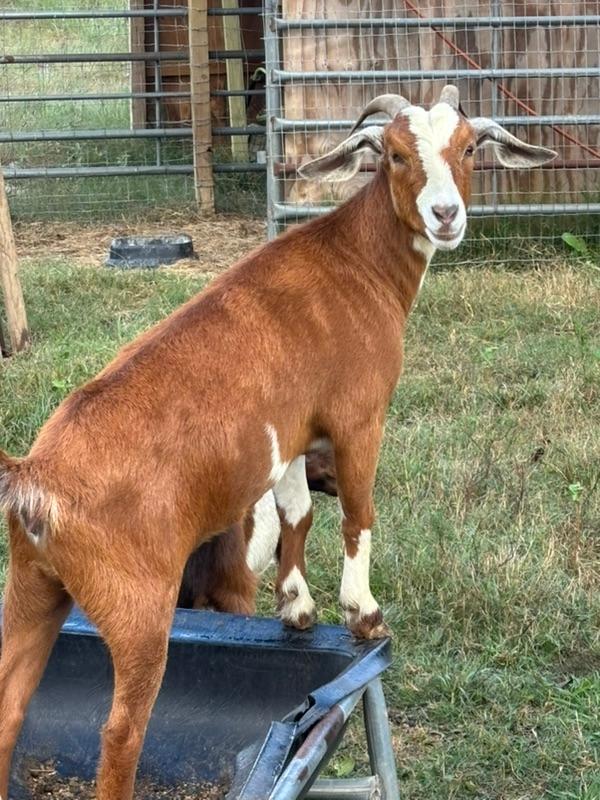
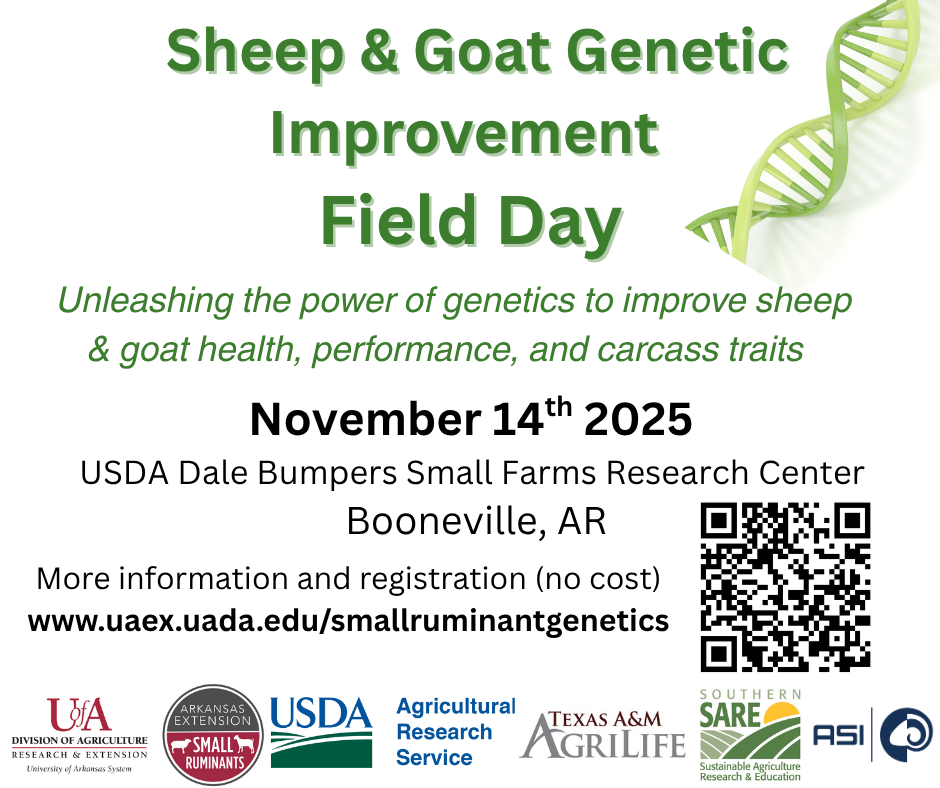
Unleashing the power of genetics to improve sheep & goat health, performance, and carcass traits is the theme of the "Sheep & Goat Genetic Improvement Field Day", the best event about small ruminant genetics that has ever been held in Arkansas. Do not miss this opportunity: great speakers, hands-on opportunities, and lamb burgers! On November 14th at the USDA/ARS Dale Bumpers Small Farms Research Center (6883 South State Highway 23, Booneville, AR), from 9:30 am to 3:30 pm. In person only, lunch included, and no cost to attend; please register by November 11. More information and registration at: www.uaex.uada.edu/smallruminantgenetics
Tentative agenda
9:00 am: On-site registration, coffee and donuts
9:30 am: Welcome, Dr. Joan Burke, USDA/ARS
9:45 am: Economic benefits of using rams/bucks with EBVs, Dr. Murphy, USDA/ARS
10:30 am: Breakdown sessions I: Collecting and recording data
Parasites: FAMACHA system, Dr Joan Burke, USDA/ARS
Parasites: Collecting and submitting fecal samples, fecal egg counting methodology, body condition scoring, Dr. Dan Quadros, UADA and Dr. Susan Rohila, USDA/ARS
12:00 pm: Lamb burgers
12:30 pm: Implementing an on-farm genetic improvement program, Dr. James Morgan, Round Mountain Consulting
1:00 pm: Breakdown sessions II: Collecting and recording data
Growth performance: types of ID and RFID, number of lambs born/weaned, birth weight, weaning weight, postweaning weight and collecting tissue, USDA/ARS and Texas A&M University
Buying rams with good genetics: visual assessment vs. EBVs, Dr. Joan Burke, USDA/ARS
Using ultrasound for pregnancy check and carcass evaluation, Dr. Jake Thorne, Texas A&M AgriLife
2:30 pm: The future development of the NSIP, Dr. Murphy, USDA/ARS and Dr. Jake Thorne, Texas A&M AgriLife
3:00 pm: Producer Panel: Using Estimated Breeding Values (EBVs) to improve economically important traits
Christine Hernandez, Heifer Ranch
Lauri Cellela, Rockwall, TX
Tia Broderick, The Farmhouse on Persimmon Hill
Zac Vann, Rafter V Ozark Farms
3:30 pm: Adjourn
Optional, 3:30 p.m - 4:30 pm: Learn more about the National Sheep Improvement Program (NSIP)
Dr. Joan Burke, USDA/ARS
Dr. Jake Thorne, Texas A&M AgriLIfe
Dr. James Morgan, Round Mountain Consulting
Dr. Murphy, USDA/ARS
| | |
Pesticide Applicator Trainings
In order to purchase restricted use pesticides (herbicides, insecticides, fungicides, etc) you must have a private applicators license. The license is good for 5 years.
To obtain a license you must first attend a certification training. Certification trainings are done in person by a County Extension Agent or you can go online and be certified. Below is a link to the online training.
In person trainings this year will all be at the Faulkner County Extension Office and will be on:
December 11 - 2:00 PM
January 29 - 6:00 PM
March 12 - 6:00 PM
April 30 - 2:00 PM
A certification training costs $20 and is due the day of the training.
Once a producer is certified, they will go through the Arkansas Department of Agriculture to obtain the license which is $45.
Please call the Extension office at 501-329-8344 to sign up for one of these dates.
There will be other opportunities for trainings in Perry and Conway County and I will post those as soon as those dates are available.
If you have a question about your license, please follow the License Search and Verification link below to find your license.
| | |
Livestock Market Report
The weekly livestock market report is available on the Arkansas Department of Agriculture website.
| | |
Sign up for Text Alerts
You can now sign up for text alerts from me throughout the year. I have two areas you can sign up for which includes Faulkner Livestock or Faulkner Ag (Row Crop Updates). To sign up you can follow one of these links or use the QR Codes below.
| | Pursuant to 7 CFR § 15.3, the University of Arkansas System Division of Agriculture offers all its Extension and Research programs and services (including employment) without regard to race, color, sex, national origin, religion, age, disability, marital or veteran status, genetic information, sexual preference, pregnancy or any other legally protected status, and is an equal opportunity institution. | | | | |