Science-based solutions for healthy and resilient communities, food systems, and environments. | | Agricultural Advice from UCCE Advisors | | |
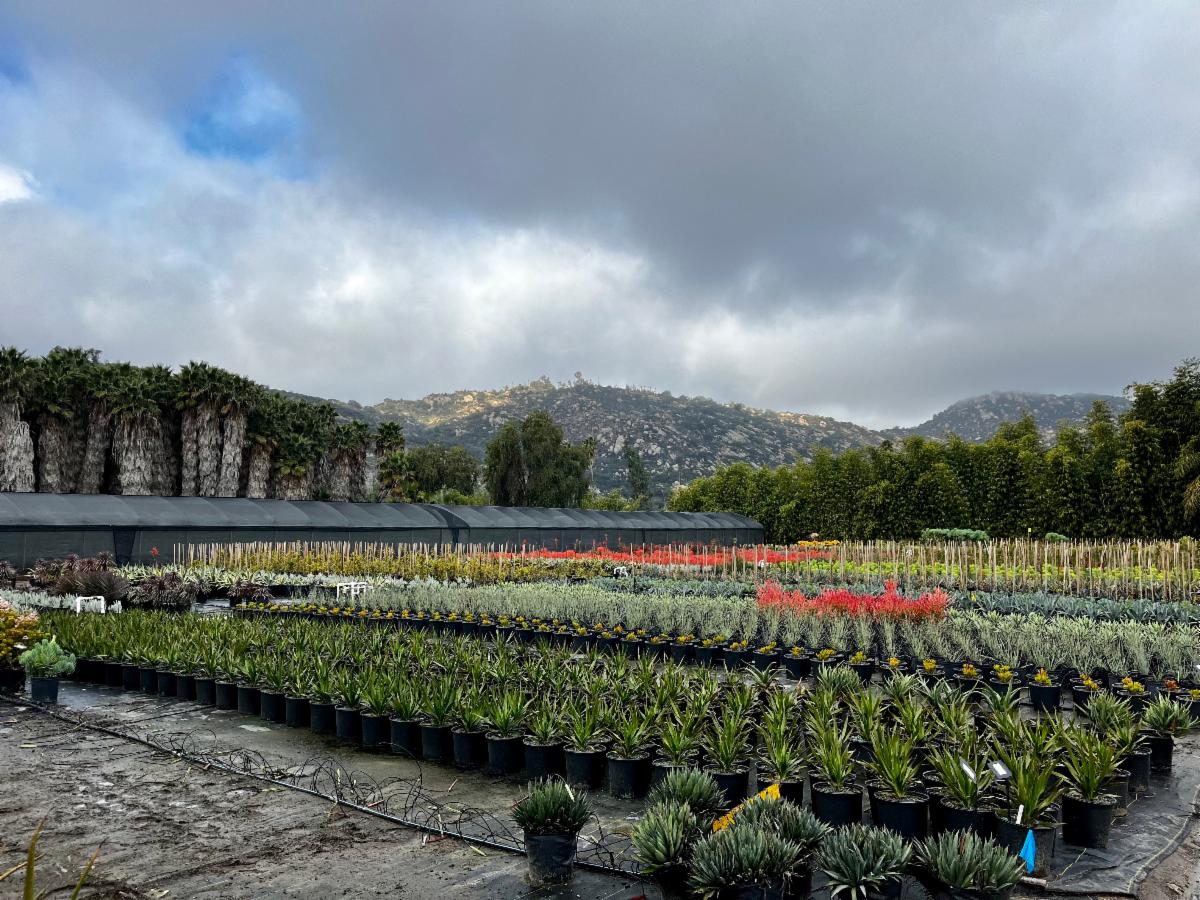
Nursery and Floriculture Industry Meeting
August 18, 2026 | Carpinteria, CA
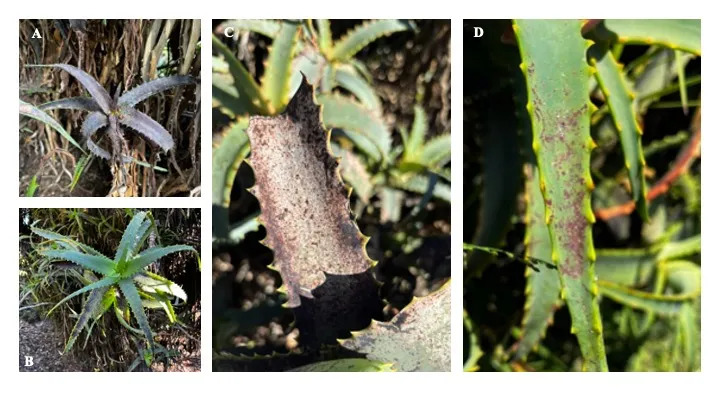
UCCE Ventura Production Horiculture Advisor, Emma Volk will share results from ongoing western flower thrips IPM research, as well as information on the aloe thrips invasive pest.
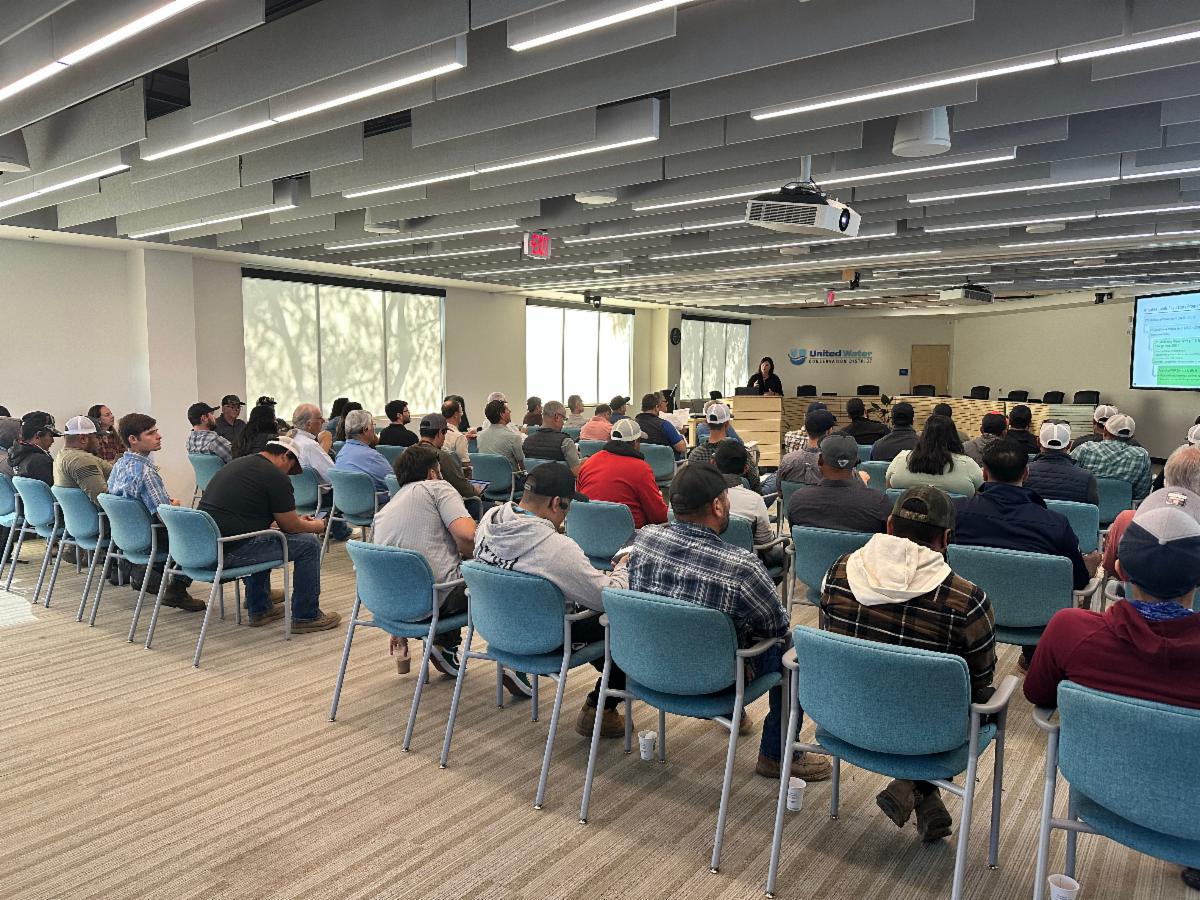
| | 2026 Irrigation and Nutrient Management Meeting for Vegetable and Berry Crops | |
August 19, 2026
Time: 8:20 AM -12:00 PM
Location: United Water Conservation District, 1701 N. Lombard Street, Oxnard, CA 93030
3.5 CEUs approved: Nutrient Management (1) and Soil & Water Management (2.5)
2.5 hours of VCAILG and INMP Self-Certification CEUs applied
Language: Simultaneous Spanish translation may be available if requested (pending funding availability)
| | Webinars: Invasive Weeds Management Miniseries | | | |
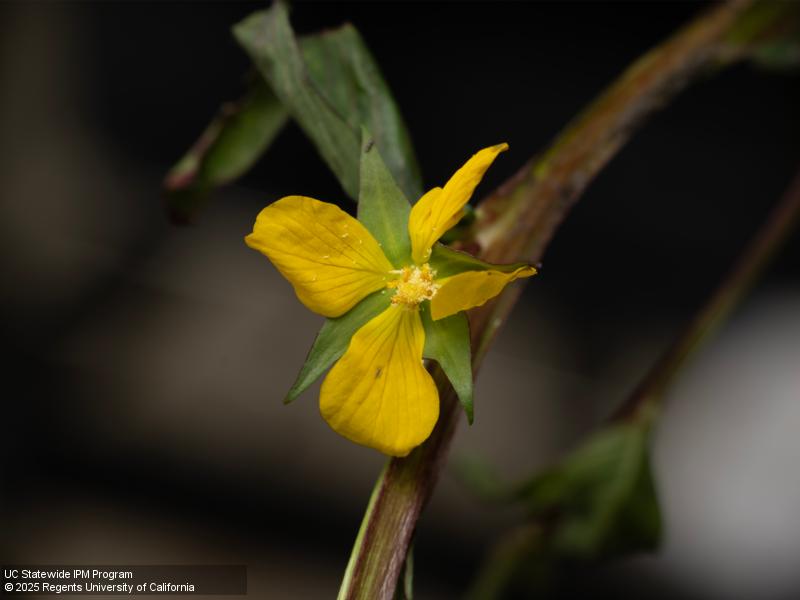
Management of Ludwigia decurrens in California
August 12, 2026
3:00 to 4:00 PM
|
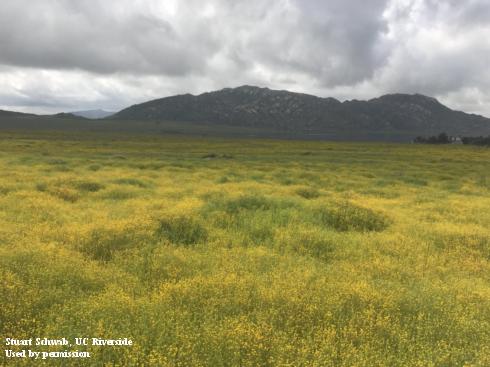
Invasive Weed Management in SoCal — Invasive Annual Grasses, Mustards, Perennial Grasses, and Stinknet
August 19, 2026
3:00 to 4:00 PM
| |
25th Annual Strawberry Production Meeting in Ventura County
September 10, 2026
UCCE Ventura Strawberry and Vegetable Crop Advisor, Dr. Oleg Daugovish hosts the 25th Annual Strawberry meeting in Ventura County.
| |
2026 Central Coast Organic Agriculture Conference
September 15 and 16, 2026
Join UC Organic Agriculture Institute (UC OAI) and partners, Community Alliance with Family Farmers (CAFF), Central San Luis Resource Conservation District (RCD), UC Cooperative Extension (UCCE), and UC Small Farms Network (UC SFN), for two days of organic agriculture programming on the Central Coast.
On Tuesday, September 15th, join a bus tour of three organic farms in the region: Talley Farms, Villa Creek Cellars, and Traceland Organics.
On Wednesday, September 16th, meet regional resource providers, hear organic research updates, and learn from farmers and technical assistance providers about topics ranging from balancing food safety and sustainability goals to accessing institutional markets. Have organic certification questions? Visit the Organic Office Hours booth to meet 1:1 with experts that can support you! Learn about organizations providing organic research, extension, and education at Resource Tables and meet students conducting organic research at the Student Poster Session!
These events are free, thanks to our funders at CDFA State Organic Program, CDFA Office of Agricultural Resilience and Sustainability, and USDA AMS West/Southwest Transition to Organic Partnership Program, and programming is tailored to aspiring, transitioning, or currently certified organic farmers and ranchers in San Luis Obispo, Santa Barbara, and Ventura Counties.
Spanish interpretation will be available / Habrá interpretación en español.
| |
Aloe Thrips: A New Invasive Pest Found in Ventura, San Diego, and Santa Barbara Counties
Author: Emma Volk, Eric G Middleton
| |
Aloe Thrips: New Invasive Pest in California
The California Department of Food and Agriculture confirmed the presence of Hercinothrips dimidiatus, also known as aloe thrips, in Ventura, San Diego, and Santa Barbara counties. The CDFA assigned aloe thrips a B rating, which means they determined the pest is of known economic or environmental detriment. B-rated pests can enter the state if the receiving county agrees to accept them.
You can read more about B-rated pests here.
This is the first official report of aloe thrips presence in the United States. Previously, aloe thrips were only reported in Portugal, Italy, France, the Netherlands, and South Africa. All specimens identified in California up until now were collected from the landscape - not from commercial nurseries. Collection from the landscape indicates that aloe thrips are well established in these three counties, although an upcoming survey will help determine the pervasiveness of the pest.
| |
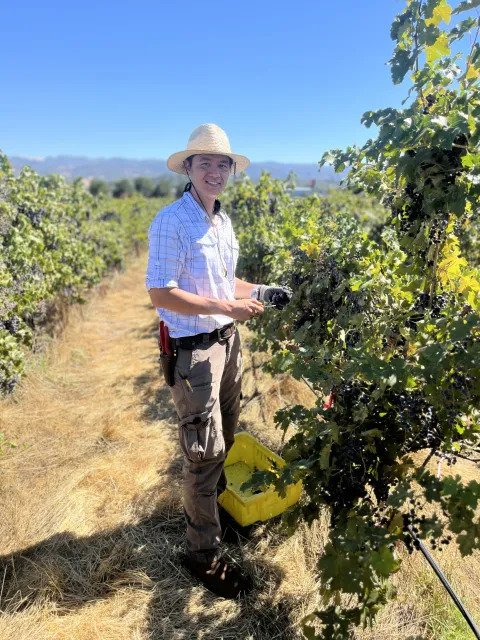
Can vineyard ‘mothballing’ help growers weather wine market collapse?
UCCE grape advisor studies effects of minimally maintaining vineyard blocks
Oversupply of grapes, plummeting consumer demand and skyrocketing production costs have led the wine industry to a crisis point.
“We have an economic downturn in the wine-grape market, and it is considerably worse or more intense compared to the historical ones within the memory of professionals active in viticulture right now,” said Christopher Chen, University of California Cooperative Extension viticulture advisor for Mendocino, Sonoma and Lake counties.
The severity of the situation has forced growers to consider a new way to weather the storm – vineyard “mothballing.” Also called idling or resting, it entails maintaining the vines with minimal labor and inputs (and not harvesting the fruit), with an eye toward rapidly ramping up production in the future.
| |
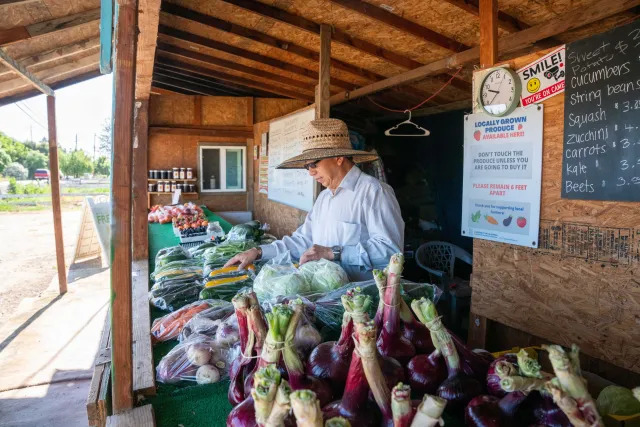
Report: Groundwater challenges for California’s small-scale farmers expose regulation risks
CAFF, UC ANR researchers recommend assistance for farmers who use limited groundwater to avert losing small farmers
Small farms across the state may not be able to comply with groundwater regulations and stay in business, according to a new report analyzing the impact of California’s Sustainable Groundwater Management Act (SGMA) on small-scale farms.
In the first-ever assessment of small farmer consideration in California groundwater regulations, researchers at the University of California Small Farms Network and the Community Alliance with Family Farmers document the challenges facing small-scale farms with groundwater regulations.
| | UCCE Community Education Programs | | | | UC Master Gardener Program | |
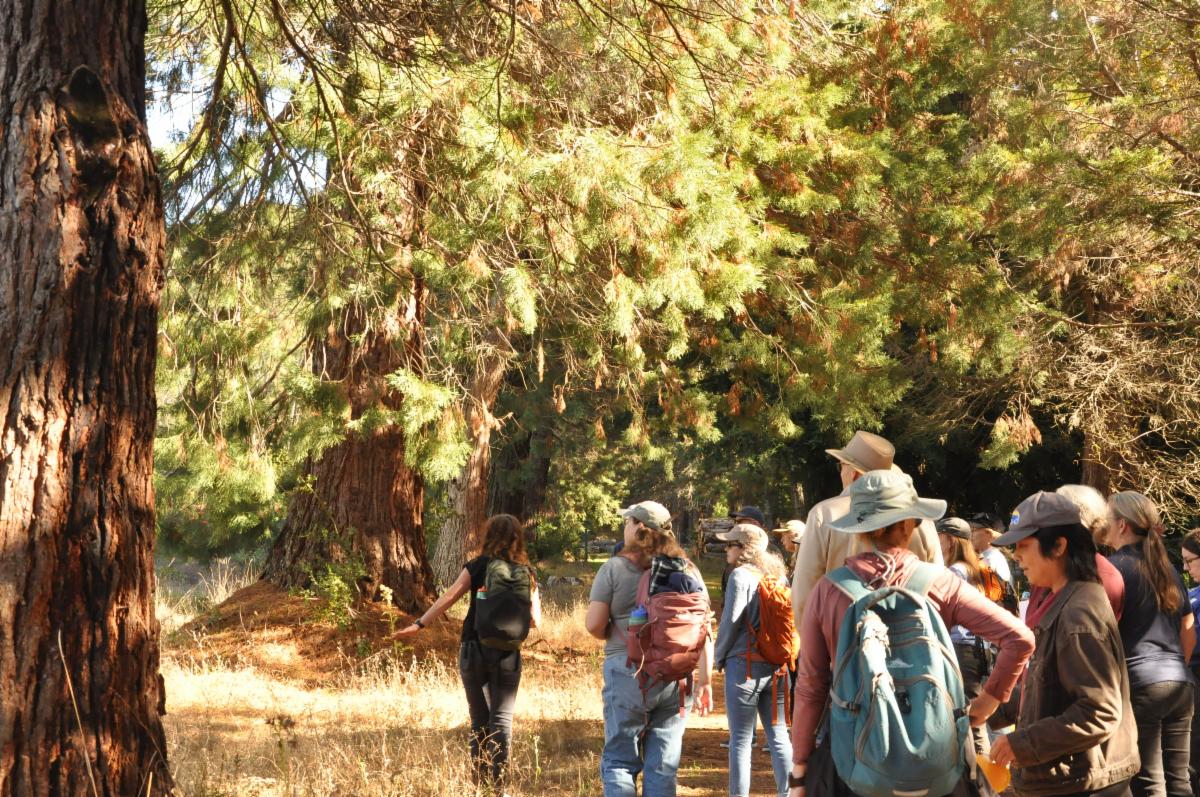
Forest Stewardship Workshop: Online and in Plumas County
Zoom Meetings: August 4, 2026 - September 29, 2026
Forest landowners across California are invited to the next Forest Stewardship workshop! Get equipped with the knowledge to better understand and protect your forestland.
By participating, you will develop a forest management plan, connect with forestry professionals at UC ANR, and become eligible for a free site visit on your property!
Participants will utilize online resources on their own time to complete learning modules and short activities.
Zoom meetings with all participants and presenters will take place once a week on Tuesdays, 6:00pm-7:30pm (August 4-September 29, 2026).
The optional in-person field day is on Saturday August 29, 2026 in Plumas County. Participants will cover silviculture, forest inventory, and mapping activities.
| |
California Agritourism Summit
September 23 - 25, 2026 | San Luis Obispo County
| |
The California Agritourism Summit brings together leaders, experts, and practitioners to connect, learn, and engage. Through keynote speakers, panel discussions, breakout sessions, and farm tours, participants will gain practical tools and inspiration to strengthen agritourism in California.
Who Should Attend
Many stakeholders are critical to the success of agritourism. The 2026 California Agritourism Summit’s program has been tailored to the following audiences:
- Agricultural producers currently offering agritourism
- Public agency staff
- Tourism/travel industry professionals
- Economic development professionals
- Policy makers
- Agricultural support providers or groups (producer organizations, extension, non-profits, etc.)
| | |
UCCE in Ventura, Santa Barbara, and San Luis Obispo counties improves the lives of local residents by working with growers, families, volunteers, and partners to advance science-based solutions in agriculture, natural ecosystems, community health, and youth development.
Your support helps in many ways.
Thank you.
| | | | |