OCTOBER 2025


In this edition of the Pennsylvania Psychiatrist you will find:

  • Message from the PaPS President, Dr. Fischer
  • Executive Committee and PaPS Council
  • Executive Director Report
  • Upcoming PaPS Events
  • Update: Government Relations
  • Why I Got Involved In The APA
  • Members Corner
  • Opinion/Editorial
  • Industry News and Other Resources
  • APA Updates

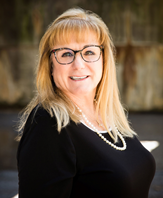
Kavita Fischer, MD, DFAPA

PaPS President


Dear Doctors,


I hope you're enjoying the updated and streamlined version of our e-newsletter, now arriving at the beginning of each month thanks to the incredible work of our dedicated team. A heartfelt shout-out to our Editor-in-Chief, Dr. Hope Selarnick, and the Membership Engagement Team, along with all NWG members who collaborate to make this monthly production a reality.


There’s so much to share since our last issue that I’m pausing exploration of the previously introduced CREATE acronym to bring you some exciting updates.


Our Leadership Retreat in Bedford this September was a powerful gathering filled with meaningful dialogue and forward-thinking ideas. Two major action items emerged from the Fall Council Meeting held during the retreat:


1. We’re launching our first-ever STATEWIDE Conference in Fall 2026! This landmark event will be planned by a newly formed committee chaired by President-Elect Dr. Mark Matta, alongside chapter presidents and leaders. Expect a “Save the Date” announcement soon—this will be a can’t-miss opportunity for learning, connection, and growth. The annual leadership retreat will be integrated into the conference, and we’re excited to offer many CME credits.


2. A new Membership Engagement Committee has been formed. This dynamic group will combine the previous media and communications taskforce and membership committee efforts to drive initiatives to grow and engage our membership. Their work will be vital in shaping our future.


Kavita Fischer, MD, DFAPA

President

Mark Matta, DO, DFAPA

President Elect

Indranil Chakrabarti, MD, FAPA 

Vice President

Aileen Oandasan, MD, FAPA Treasurer

Christine Marchionni, MD, DFAPA Secretary

Irakli Mania, MD, DFAPA

Immediate Past President


Meet your 2025-2026 District Executive Council members. Their abbreviated bios are listed here.


Click here
for the full PaPS Council member listing.

Executive Director Report

October 2025


Happy Fall! Although temperatures still feel like summer, we see the fall foliage colors emerging across the mountains. As we approach the upcoming holiday season, PaPS will be busy working to bring members relevant and timely educational events and fun social and networking events. Make sure to check all that is happening in this issue of the newsletter and head to the PaPS website (https://papsych.org) for additional details and to register.


The PaPS Council Leadership Retreat was held in September. This is the fourth year for this one day, in-person, intensive look at where the Society has been, where it is now, and where it’s headed.. As your ED, I have seen a stronger unification in the leadership, a desire to roll up sleeves, work as a team, and move the Society forward in a positive and meaningful way. Thanks to all who took time from your busy schedules to meet in Bedford on September 6th.

PaPS Statewide Events


October 8 - Virtual Webinar: Meditation and Mindfulness: Contemplative Practices to Enhance Psychiatric Care

November 5 - Virtual Webinar: Caring for Active Duty Military Personnel and Their Families 
November 8 -
Patient Safety & Risk Management Conference

December 3 - Virtual Webinar: Pharmacotherapy for Behavioral and Psychological Symptoms in Dementia


Chapter Events


Lehigh Chapter

October 7 - Lehigh Valley Tee Off & Talk

December 4 - Holiday Party (Save the Date)

Philadelphia Chapter

October 29 - Networking Meetup for Residents and Fellows

November 15 - 2025 PaPS Philadelphia Chapter Awards Gala


Pittsburgh Chapter

October 14 - 2025 PaPS Pittsburgh Chapter Resident Research & Awards Night

Kenneth Certa, MD, DLFAPA


The budget impasse in the commonwealth continues despite the constitutional requirement that it should have been passed three months ago. The struggle over funding for mass transit was side-stepped by allowing the transit authorities to access the Public Transit Trust Fund, which they had been reluctant to do since it was considered money for capital improvement, not operating expenses. What remains is the fight over how much money to spend overall. There is a tempting 7-billion-dollar rainy day fund which most Republicans refuse to touch since the structural deficit continues to loom even as that fund is drained. Pennsylvania is the only state still without a budget for this year. Agencies continue to have to borrow money to meet expenses while waiting for state allocations frozen by this impasse.


Our major concern continues to be HB 1000 which authorizes psychologists to prescribe. We have asked members of the Pa Psychiatric Society who reside in legislative districts whose state reps are members of the Professional Licensure Committee (there are 25 of them) to contact their legislators to educate them about how problematic an idea this is. I know some members of our organization may think otherwise, but the data shows that this is a poor approach to solving the very real problem of access to mental health services. Talking points about this issue are included at the end of the article.


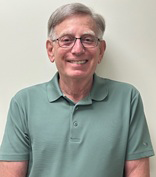
Richard E. Fischbein, M.D., DLFAPA

Board Certified Adult, Geriatric & Forensic Psychiatrist

Special Interest in Forensic Psychiatry

The reasons I have been a member of the APA and more specifically Pennsylvania and Northeast Chapter for approximately 40 years are many fold. Networking with your local colleagues and state wide colleagues is invaluable for others’ expertise and experiences. When faced with a difficult patient, a second opinion with a colleague is invaluable and protective for the provider and patient. Meeting on a regular basis with colleagues with expertise in other areas is reassuring and has permitted me to keep abreast with new developments and medications available. Being a Forensic Psychiatrist, it has always been a pleasure to teach specific areas and topics in forensics to medical students, residents and early career psychiatrists. These lectures have been well attended and feedback has been very positive. Last, but not least, are numerous venues and opportunities to obtain continuing education credits. Do not underestimate the benefits of being involved at the local state and national level for the APA. It is time well spent and rewarding.


Just a Job
Jennifer Reid, MD

Jennifer Reid, MD is a psychiatrist, writer, and the creator and host of the podcast,
A Mind of Her Own. Her first book, Guilt Free: Reclaiming Your Life From Unreasonable Expectations, arrives January 27, 2026. She lives outside Philadelphia with her husband and two sons.


I met my husband in medical school, an unintended, though admittedly lovely perk of admission. Our career paths diverged soon after graduation, his toward hips, knees and other sundry orthopedic topics, and mine deep into the mind, but, as students, we shared an impactful lesson from an unlikely source, our ACLS instructor.


Jamie spoke mostly in platitudes, guiding us as we diligently thumped the plastic dummies to the recommended beat, but out of nowhere, he dropped this truth bomb:


 “I want all of you future doctors to know this about medicine,” he said, “it’s like any other choice. Some days it’s a profession, some days it’s a career, and other days, it’s just a job.”


Just a job? This certainly didn’t align with my medical school admissions essay, where I overused words like “lifelong learner” and “myriad,” and tried to earnestly demonstrate my altruism. As physicians, we are socialized to see medicine as a calling, something we do for the pure joy of helping others and making a difference in their lives. How could this be “just a job?”


Other Notable Member Achievements

Hello, I am Dr. Adam Tripp, an adult psychiatrist and one of your APA Assembly Pennsylvania representatives.


As a bucket list goal, I am running the 100-mile Canal Corridor 100 ultramarathon in Akron, OH, beginning on Saturday, October 11th. Since the pandemic, I've run in 5 marathons, a 50K race, two 50-mile races, and a 100K ultramarathon in 2024, and this would be my first 100 miler. I'm excited to participate in the race with a couple hundred other runners. I am also excited to fundraise for a local Pittsburgh group, the Men's Fellowship group at The Kingsley Association, with whom I have worked this year, and am passionate about their mission.


Julia Kooser, MS4


Julia Kooser is a fourth-year medical student at Geisinger Commonwealth School of Medicine. She is currently applying for a residency in psychiatry. Julia completed her undergraduate studies at the University of Pittsburgh. Julia is interested in both medical and psychiatric management of eating disorders, specifically in pediatric populations.


Improving health outcomes in children with eating disorders through increasing insurance accessibility


Despite eating disorders accounting for the second highest mortality rate of all psychiatric disorders, only around 20% of eating disorders receive treatment1. Financial barriers, specifically lack of insurance coverage, represent a major barrier to treatment1. As the costs of eating disorder treatment continue to rise, there exists increased disparities in access to treatment between individuals from lower socioeconomic status and those from higher socioeconomic statuses2. More specifically, individuals with public insurance are significantly less likely to receive recommended treatments for eating disorders compared to their counterparts with private insurance2. While the Mental Health Parity and Addiction Equity Act (MHPAEA) requires coverage for mental health conditions and substance use disorder be comparable to other medical or surgical benefits, treatment gaps still exist3. The Affordable Care Act (ACA) required Medicaid to provide coverage for mental health4. Since the MHPAEA is intended to minimize restrictions imposed on access to benefits for mental health related conditions, and the ACA required coverage for mental health related conditions, people should be receiving comprehensive treatments for eating disorders with minimal financial burden. However, disparities in treatment access with public insurance vs private insurance persist and are projected to only intensify with the upcoming budget cuts to Medicaid 5. With the current political landscape, and already existing financial barriers to treatment, action must be taken to ensure equitable access to eating disorder treatments. Such actions include proper screening and identification of eating disorders and eating disorder related complications, as well as sufficient coverage for psychiatric related treatments such as Family Based Therapy (FBT). 

Industry News and Other Resources


Prevention Month 2025 Toolkit is Live


October is Substance Use & Misuse Prevention Month — and we invite you to tell your story of how prevention is improving lives.


Click the links about to download and share SAMHSA’s Prevention Month toolkit:


• Social Media graphics, messages, hashtags

• Web graphics

• Flyers

• PowerPoint slides

• Virtual meeting backgrounds

• Email signatures


Get ready to share your #MyPreventionStory on social media.

Thank you for partnering in prevention!


View the Toolkit

Your Voice is Critical


APA works every day with policymakers on Capitol Hill, in the Administration, and at the state level to shape legislation and regulations that advance our profession and promote the highest quality of care for our patients and their families.


But advocacy can only work if APA members are involved. Here's how you can help:


Advocacy Action Center

Find the latest updates on APA’s activities to support psychiatry and mental health care, as well as opportunities for members to advocate.

VIEW MORE


APA Advocacy Alerts and Updates

Sign up to receive advocacy alerts and get the most up-to-date resources and tools to take action on legislation impacting psychiatry.

SUBSCRIBE TODAY


APA Newsroom


APA Statement on White House Announcement on Autism

September 22, 2025


Washington, D.C. — In reaction to today’s White House announcement, the American Psychiatric Association issued the following statement:

“It is essential that the administration prioritizes evidence-based support for individuals on the autism spectrum and invests in long-term comprehensive research about the disorder.

Vaccines do not cause autism. Claims of any such association have been repeatedly discredited in peer reviewed studies.


Autism is a complex disorder, and it is incorrect to imply that a handful of studies have established causation. A strong base of evidence shows that acetaminophen, when taken as directed, is safe for use during pregnancy. Any decisions around a course of treatment should be determined by a patient and their doctor.


Leucovorin (folinic acid) has not been a recommended treatment for autism. It will require many more years of research before we know if leucovorin is an appropriate treatment for individuals with autism.

Autism spectrum disorders exist on a spectrum of neurodiversity. The country must focus its resources on expanding access to care and to building the evidence-base for future treatments.”


APA’s MOORE Equity in Mental Health Youth Summit and Fair to Bring Mental Health Discussion and Resources to Philadelphia


On Oct. 18, the American Psychiatric Association (APA) in collaboration with local organizations, will host the APA MOORE Equity in Mental Health Youth Summit, followed by a Community Fair, bringing education and resources to Philadelphia.


WHAT: Two events: the Youth Summit is a special session for youth to learn about the importance of mental health and wellness; and the Community Fair is great place to receive mental health resources and information while enjoying family fun activities for all ages.


The Youth Summit and Community Fair are part of APA’s MOORE Equity in Mental Health Initiative which include:

●       Workshops focused on youth mental wellness.

●       Caregiver-focused breakout sessions.

●       Workshops for all ages on mental health awareness (such as stress management, nutrition and building resilience).

●       Resource tables offering information on local services, healthcare access, and support programs.

●       Free health and behavioral health screenings.

●       Family-friendly fun with music, raffles, and food.

Members of the public are required to register for the Youth Summit.

Registration is encouraged for the Community Fair. Both events are free.


WHO: More than 100 youth and their families will be engaged during the summit and 200+ community members are expected to attend the fair.


WHEN: Saturday, Oct. 18, 2025

Youth Mental Health Summit: 9:00 a.m. - 3:00 p.m.

Community Fair: 3:00 p.m. - 7:00 p.m.


WHERE: PHMC’s Public Health Space at 4601 Market St., Philadelphia, Pa., 19139.


APA Statement on the Make Our Children Healthy Again Report Recommendations


The United States is facing an unprecedented mental health crisis in children and adolescents. Today's Make Our Children Healthy Again report leaves a considerable amount of latitude in how each of the recommendations will be implemented. It is imperative that additional resources are directed towards evidence-based, peer-reviewed, research-backed solutions to address these complex issues facing our youth.


If the report's recommendation to examine psychiatric medication prescribing patterns is implemented, it is essential that psychiatric researchers are directly involved in the process. Their expertise is critical to contextualizing the data and understanding how it should be applied to patient care in the current health care system.


The American Psychiatric Association urges the administration, as it moves forward with the recommendations of this report, to base every action on rigorous scientific evidence, and involve psychiatrists and other medical leaders. Through these partnerships between the federal government and the scientific community, we can deliver effective, patient-centered solutions that will ultimately safeguard the mental health and well-being of America's children and adolescents.


Resources for the Public:

Childhood Disorders: Medication Guides for Parents

Autism Spectrum Disorders

ADHD

About Psychiatry & Psychiatric Treatments

What is the DSM?


Please amplify this message through social media:

Facebook

X/Twitter

Instagram

LinkedIn

Threads

Join the PaPS Member Facebook Group

The PaPS Social Media and Communications Committee is reaching out to invite you to join our private Facebook group, Pennsylvania Psychiatric Society, a professional online community created exclusively for Pennsylvania psychiatrists. The group is designed to facilitate the exchange of clinical insights, discuss the latest developments in psychiatry, and support peer-to-peer collaboration in a respectful and enriching environment.


If you’re interested in connecting with fellow psychiatrists, sharing knowledge, and staying up to date on relevant discussions and resources, we would be delighted to have you join us.


To join the group:

Click the link: https://www.facebook.com/groups/papsmembers or you can search for the Pennsylvania Psychiatric Society group in the Facebook search. You can also use the QR code below to be directed to the group.


Participation is entirely voluntary and the group is moderated to ensure it remains a constructive and professional space.

Please feel free to reach out to Cathy Thompson at cthompson@nextwavegroup.net if you have any questions.

We look forward to welcoming you to the community.


Pennsylvania Psychiatric Society

574E Richie Highway, #271, Severna Park, MD 21146

Phone: 800-422-2900  |  Fax: 410-544- 4640


Facebook  LinkedIn

Pennsylvania Psychiatric Society | 574E Ritchie Highway #271 | Severna Park, MD 21146 US

 
Constant Contact