Romanosky Automotive Weekly Gazette | |
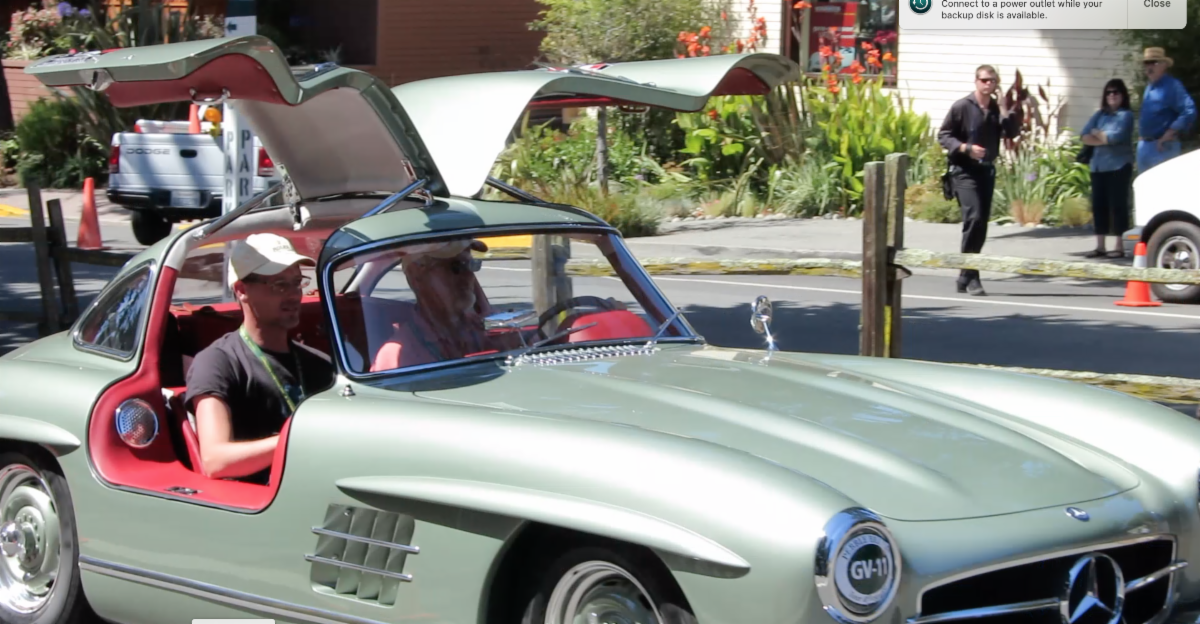
Your author having one of his better days; taking part in the Pebble Beach Tour d'Elegance, courtesy of friend Rob and his Gullwing. | |
|
About the Mercedes-Benz 300SL
Sports Car of the Century
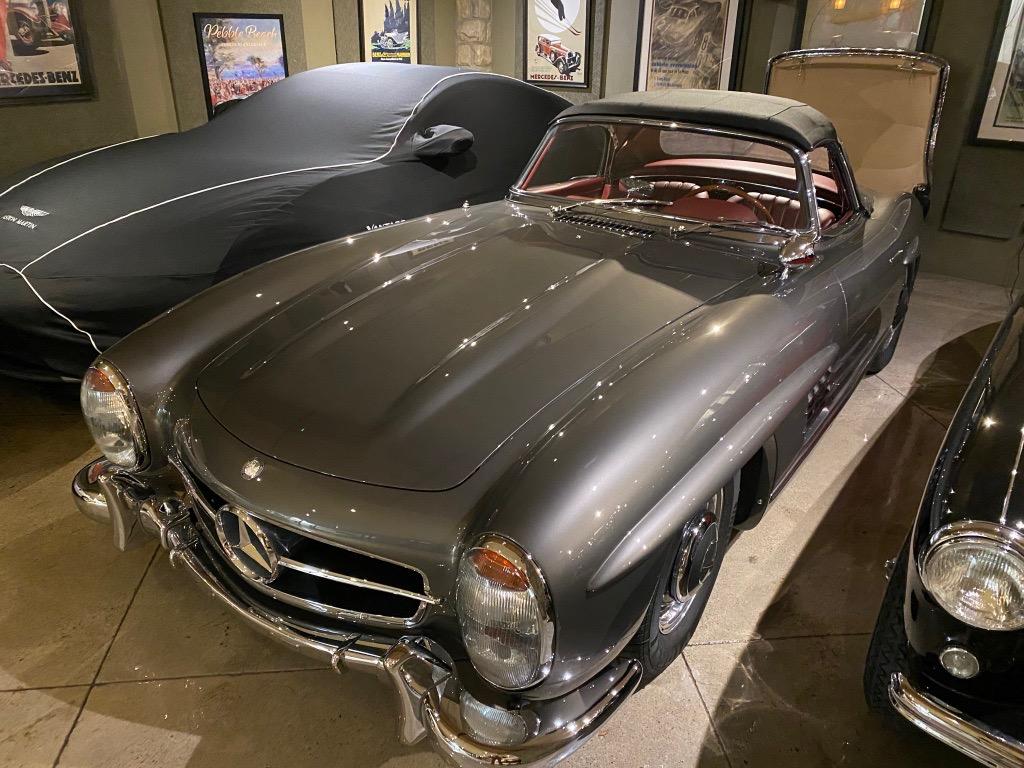
I don't promote it, but I do appraisals for classic and specialty cars - usually done in conjunction with other restoration or stewardship services. I can't afford to do too many of them; as with most things related to car restoration, they are extremely time consuming to do properly. That said, you don't say no when somebody asks for you to appraise their Mercedes-Benz 300SL Gullwing and Roadster. While the research is still fresh, I though I would make it the topic of this week's blog.
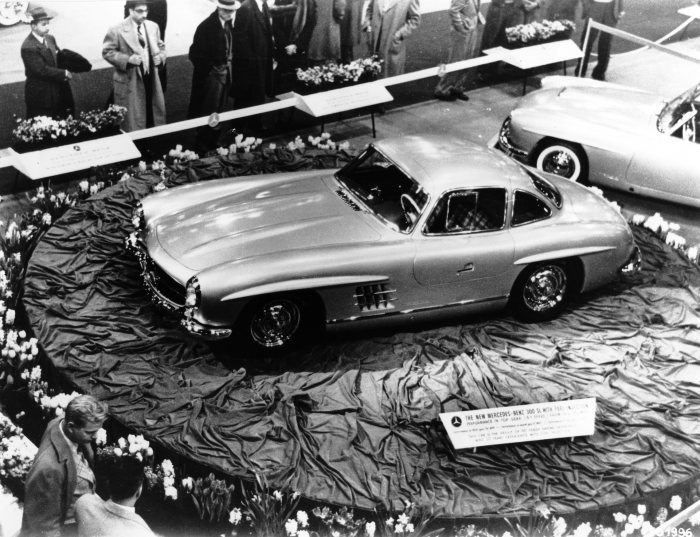
Much has been written about the famous Mercedes-Benz Gullwing from the early 1950’s, but ‘Sports Car of the Century’ - the award given to it by a panel of automotive journalists in 1999 - sums it up as well as anything. The 300SL was born in competition and made into a production car by the persuasion of Max Hoffman, the US Mercedes-Benz importer who felt that, “What we need over here is a great Mercedes-Benz sports car”. His enthusiasm for the car, and a firm order for one thousand copies (500 coupes and 500 roadsters), was enough for Mercedes to tool up for production. The first prototype was shown at the 1954 New York Auto show to glowing reviews, and customer deliveries started in 1955. Production continued though to 1957, at which point production was started for the 300SL Roadster - the two being produced concurrently for a short period. Most experts agree that 1,400 300 SL Gullwings were produced, including 29 alloy-bodied variants, and 1,858 Roadsters.
| |
Racing History
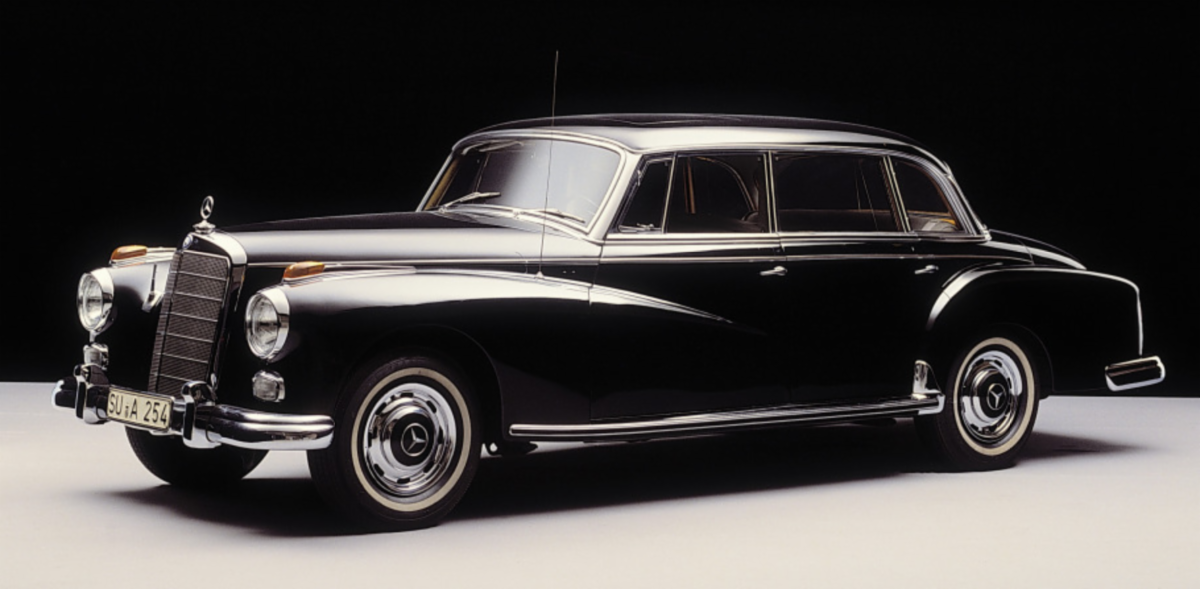
The Mercedes-Benz factories were bombed beyond recognition during the war, and the company had to basically start from scratch to rebuild production. Through great effort, and assistance from the Allies, they managed to clear away the rubble and restart production for both passenger and commercial vehicles. In the early 1950s Mercedes-Benz produced the 4-cylinder 180/190 ‘Ponton’ sedans and the 6-cylinder, 220 versions, which could later be ordered in Coupe or Convertible variants. The top of the range was occupied by the 300 ‘Adenauer’ series, which was a large, stately sedan powered by a 3 Litre SOHC straight-6 engine.
| The Mercedes-Benz 300 'Adenaur' didn't have a sporting bone in its body, yet its mechanical pieces were all the racing department had to work with in 1951. | |
At this time the supervisory board decided that they should re-enter competition, and gave the directive to the competition manager Rudolf Uhlenhaut to develop a racing car based on the 300 series mechanical components. Uhlenhaut had previously sketched out the idea of a lightweight, small diameter tube space-frame design which he adapted to the 300 series engine. The tall engine was canted over 50 degrees to allow for minimal frontal area and a favourable drag coefficient.
Mercedes competition manager Alfred Neubauer had reservations about the design, voicing that the car would unlikely be competitive against the pure-racing cars being developed by Ferrari and Jaguar. He felt that the car needed a racing engine, better brakes, larger tires and a 5-speed gearbox. Uhlenhaut responded that the factory did not have the resources to make bespoke racing components, and those from the off-the-shelf 300 must be used.
The space-frame design precluded conventional doors, as the sills needed to be high enough to ensure adequate body stiffness. The ‘gullwing’ doors were the result. The 3.0L straight 6-cylinder engine was modified for the installation in the 300SL with dry sump lubrication, different intake and exhaust manifolds, competition carburetors, and internal modifications - power rose from 115hp to 171hp. This was still far shy of the 220 to 280hp generated by the Jaguars and Ferraris. The new 300SL was aerodynamic however, and the production sourced mechanicals were very robust. The car would prove to be very reliable and an excellent long distance racer.
Success was instant for the new car, designated the W194. The 300SL ran in both coupe (gullwing) and roadster configurations. Mercedes typically fielded a team of three or four cars and used flashing in different colours, above and below the headlamps or around the grill opening, as well as matching tartan cloth seats, to differentiate the silver cars.
| 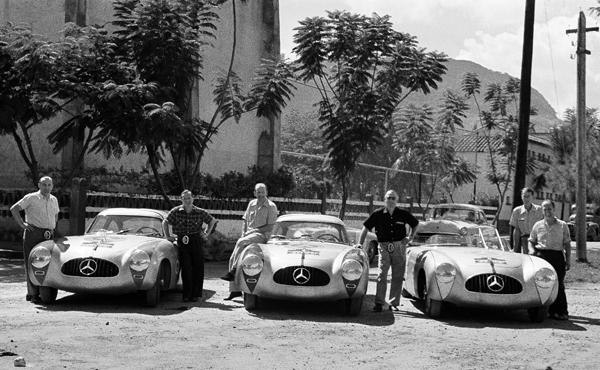 | Racing success came quickly for the W194 300SL: 2nd and 4th in their debut in the 1952 Mille Miglia, 1st, 2nd and 3rd in the "Prix de Berne" sports car race, 1st and 2nd in the 24 Hours of Le Mans, 1st through 4th places in the Nürburgring Anniversary Sports Car Grand Prix and 1st and 2nd in the Carrera Panamericana in Mexico. (photo: Klementaski) | |
In its first outing in the 1952 Mille Miglia, the 300SL came home in 2nd and 4th position. It won and came 2nd and 3rd at Berne in Switzerland and at placed 1st and 2nd at Le Mans. At the classic Nurburgring race the 300SL finished in the top four positions.
Perhaps most famously, a silver Gullwing with green flashes, driven by Karl Kling, won the gruelling 3,100 mile Carrera Panamericana in Mexico. In this race, Kling’s car famously hit a buzzard at over 200km/hr which went through the windscreen and hit the co-driver, Hans Klenk, knocking him out and giving him a head injury. The windscreen was replaced at a pit stop, along with externally mounted ‘buzzard bars’ protecting the windscreen. It is thought that 10 of the original (W194) cars were built, but it is unknown how many survive.
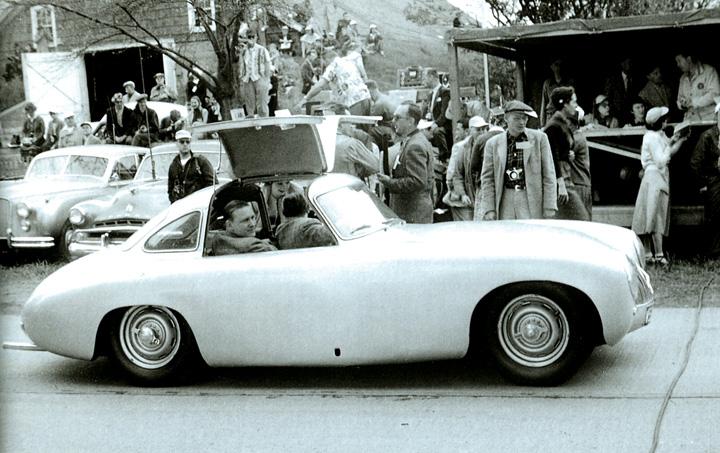
| Max Hoffman getting a ride in one of the original 1952 W194 competition cars in Bridgehampton, NY. He knew a good car when he saw it, and promptly offered to buy 1,000! | Max Hoffman had an opportunity to test the Carrera Panamericana winning 300SL at the Bridgehampton Sports Car races in New York later in the year. He immediately expressed his desire to have Mercedes produce a road going version. An order 1000 cars proved persuasive, and Mercedes developed a prototype of a road-going version which was displayed at the 1954 New York Auto show. The production car was designated the W198. | Production version of the W194 alloy competition car was unveiled at the 1954 New York Auto show. Designated W198, the street version of the 300sl featured fuel injection - a production car first. | |
In this instance the production car was more powerful than the racing version as it featured fuel injection - a world first for a production gasoline automobile. This gave a base output of 215hp which could be raised to 240 hp with a special camshaft, injection pump and distributor. Engines thus modified were known as an ‘NSL’ engine (Special Parts). The letters, “NSL” appear on a small boss near the cam cover on engines so equipped. The base price of a 300SL Gullwing was just under $USD 7,500 when introduced.
By 1955 Mercedes had developed a more potent racing car that addressed some of the shortcomings of the original production-based W194 design. The 300SLR (W196 S) was a development of the Gullwing, but with a new straight 8-cylinder engine with desmodronic valve gear from the W196 Grand Prix car. With drivers such as Fangio, Moss and Kling the cars were unbeatable in the 1955 sports car season. They weren’t immune to bad luck though; an SLR was involved in a terrible accident in the 1955 Le Mans Race when Pierre Levegh’s SLR came across the swerving Austin Healey of Lance Macklin and catapulted itself into the crowd, killing 80 spectators. Mercedes withdrew from Grand Prix racing the following season.
Though Mercedes did not field factory teams for the 1956 season, they did offer support to customers who wished to race their production (W198) Gullwings. To this end, Mercedes-Benz offered competition equipment as optional extras including an alloy body which saved approximately 187lbs. In all 29 alloy cars were built (designated 198.043), all featuring Rudge ‘knock-off’ wheels, plexiglass windows (side and rear) and the NSL engine. The Rudge wheels and NSL engine were optional, but rarely ordered, on steel-bodied Gullwings.
Customer entered Gullwings continued to win many class victories in sports car races, rallies and hill climb events through the 1950’s. The 300SL was the SCCA ‘D’ production winner in 1956 and 1957.
| 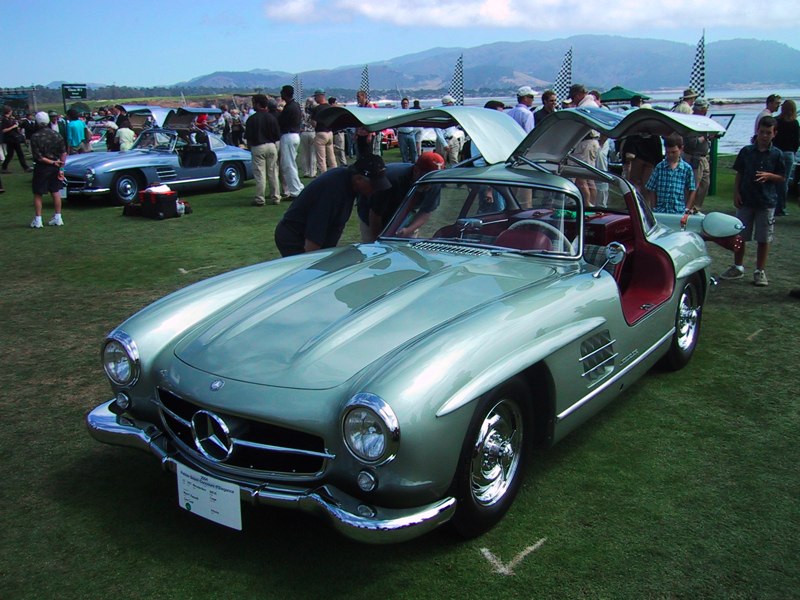 | Gullwings in their natural habitat... | 300SL Roadster and friends... | |
Production 300SL Gullwings (W198-040) were produced from 1954 - 1957. As the production came to end, the factory transitioned to producing the Convertible or Roadster version, designated W198-042.
The Roadster space-frame was modified with lower sills that allowed conventionally opening doors, which now had roll up windows. All Roadster engines had the ‘NSL’ special camshaft and were rated for 240hp. The rear suspension changed to swing arms with a lower pivot point, which made the car jack up less under braking, and reduced the tendency to oversteer. A horizontal compensating spring softened the ride. A hardtop was optional starting in the 1958 year.
Later 300SL Roadsters had disk brakes which replaced the finned drums, the change occurring in 1961. For 1962, the engine block was changed from cast iron to aluminum. These aluminum engines were deemed ‘un-rebuildable’ at the dealership level, and an exchange program was instituted where customers could trade in their old engines for new ones. Only the last 209 300SLs had the alloy block. Approximately 270 were built with disk brakes.
Production ceased in 1963, though a few cars were built in 1964. The ‘SL’ name was then passed on to the W113 Pagoda (230SL/250SL/280SL), which was produced until 1971.
| |
|
Scheduled
Bring-A-Trailer Auctions
| |
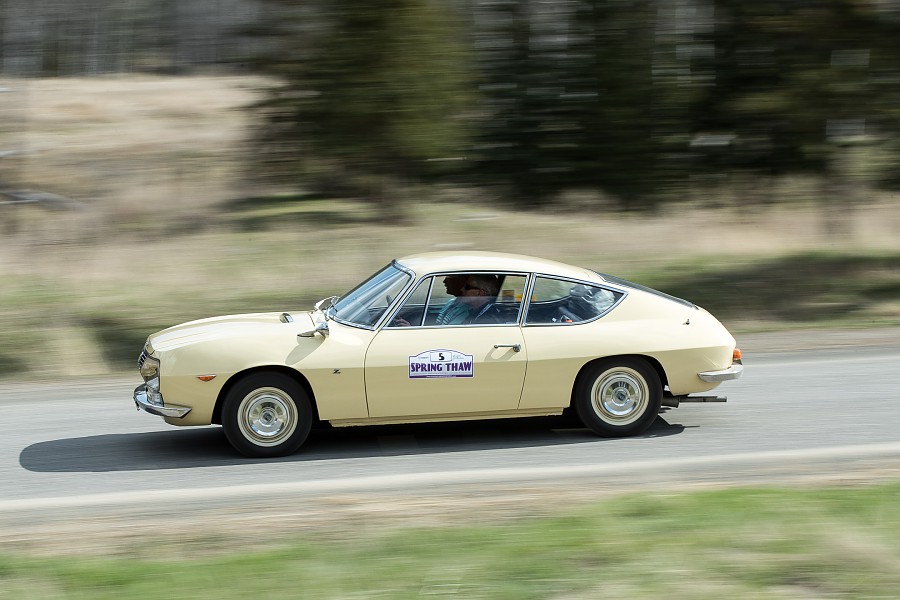
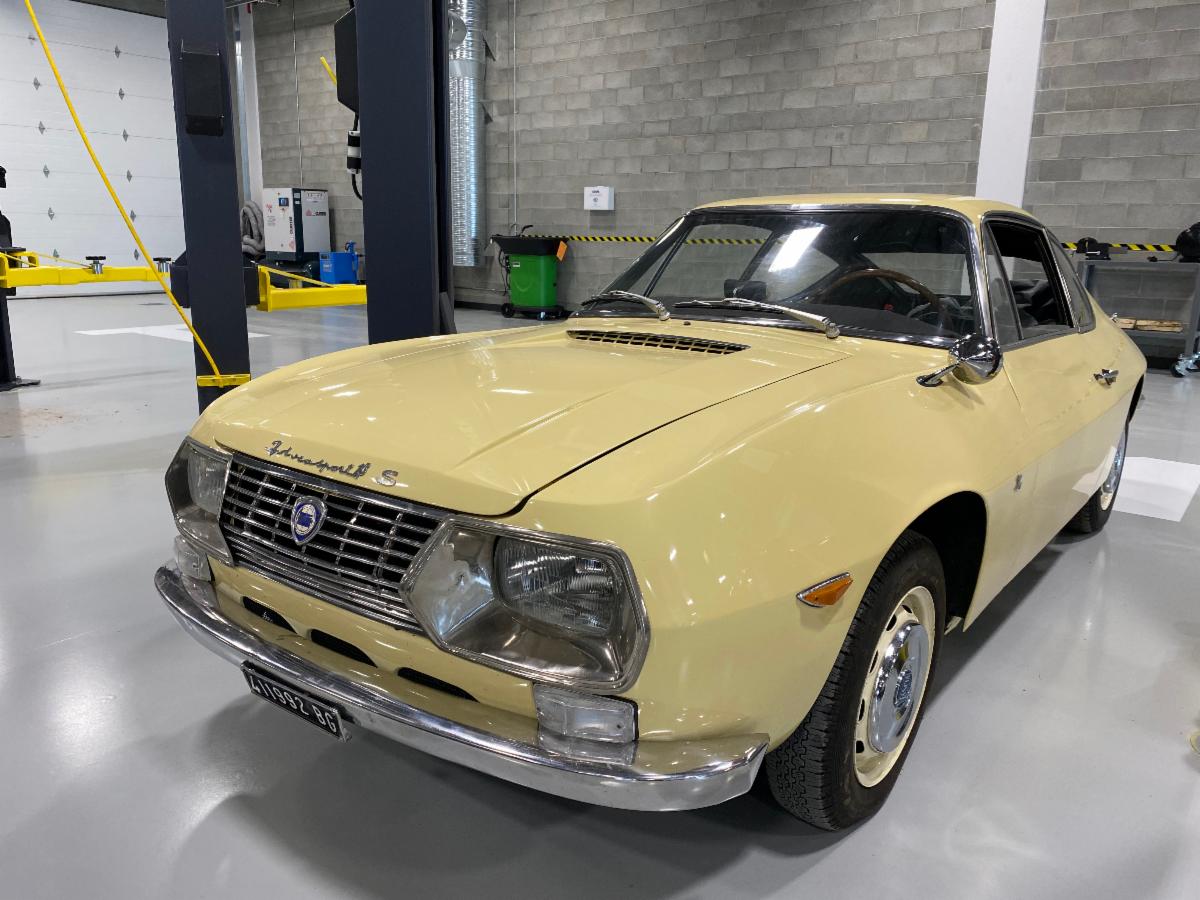
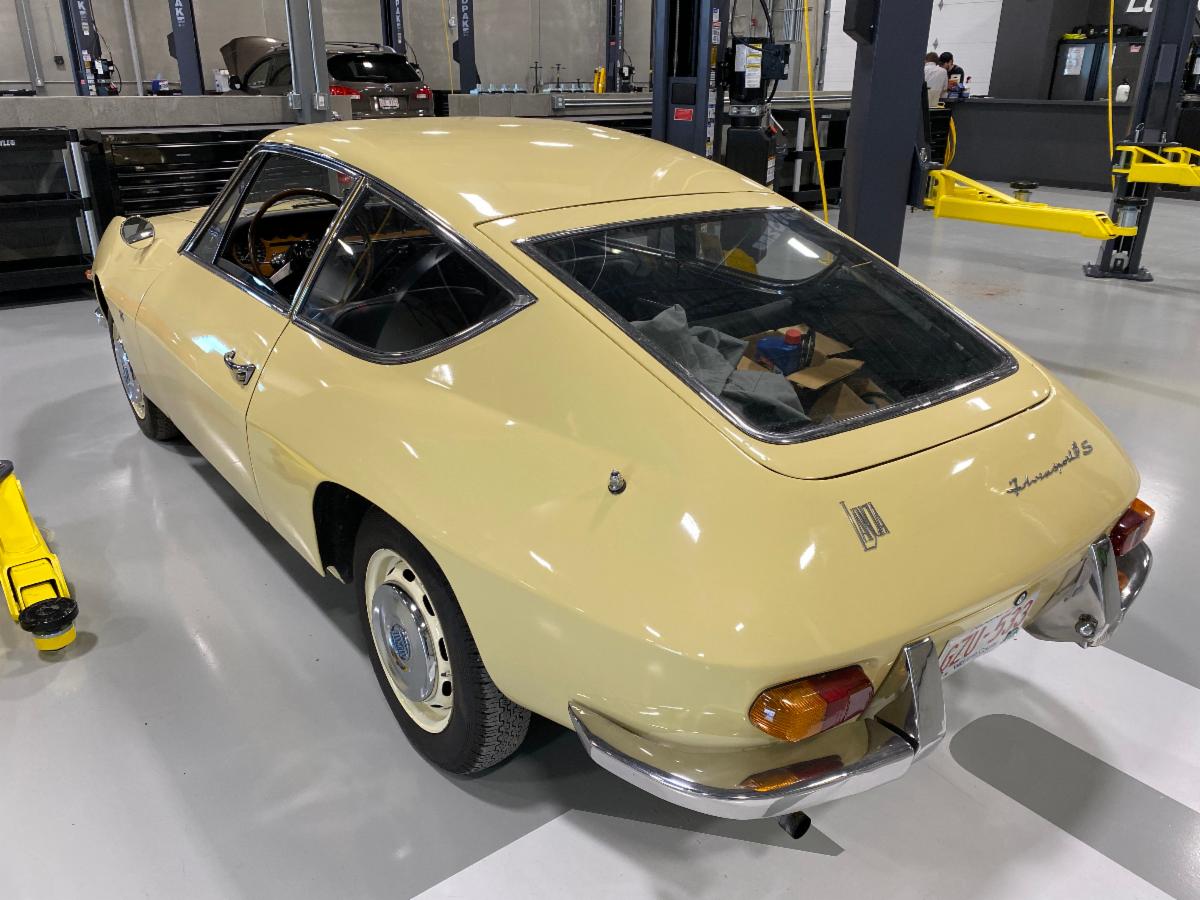
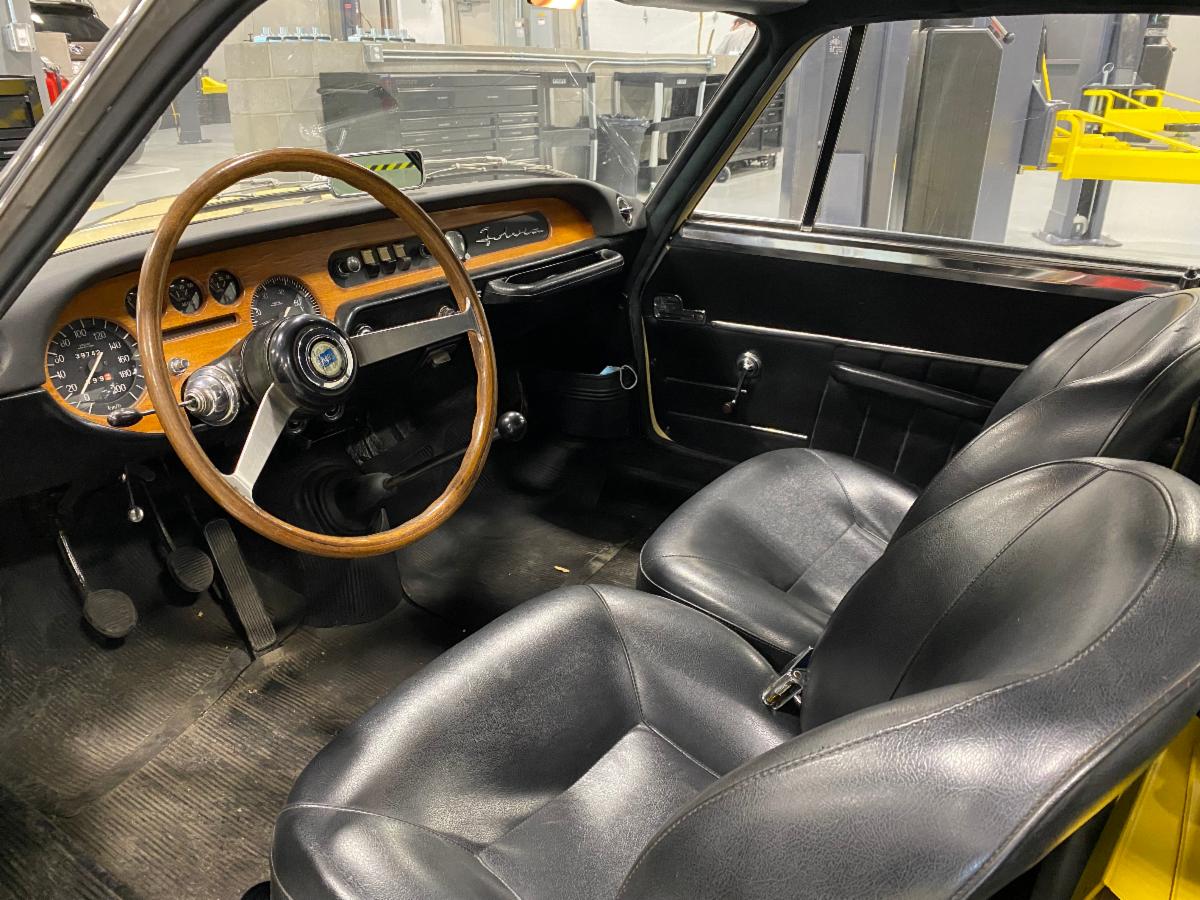
1970 LANCIA FULVIA SPORT 1.3S ZAGATO
Imported with the help of LA Lancia from southern Italy. Taken part in multiple long distance rallys in Canada. Just serviced.
| |
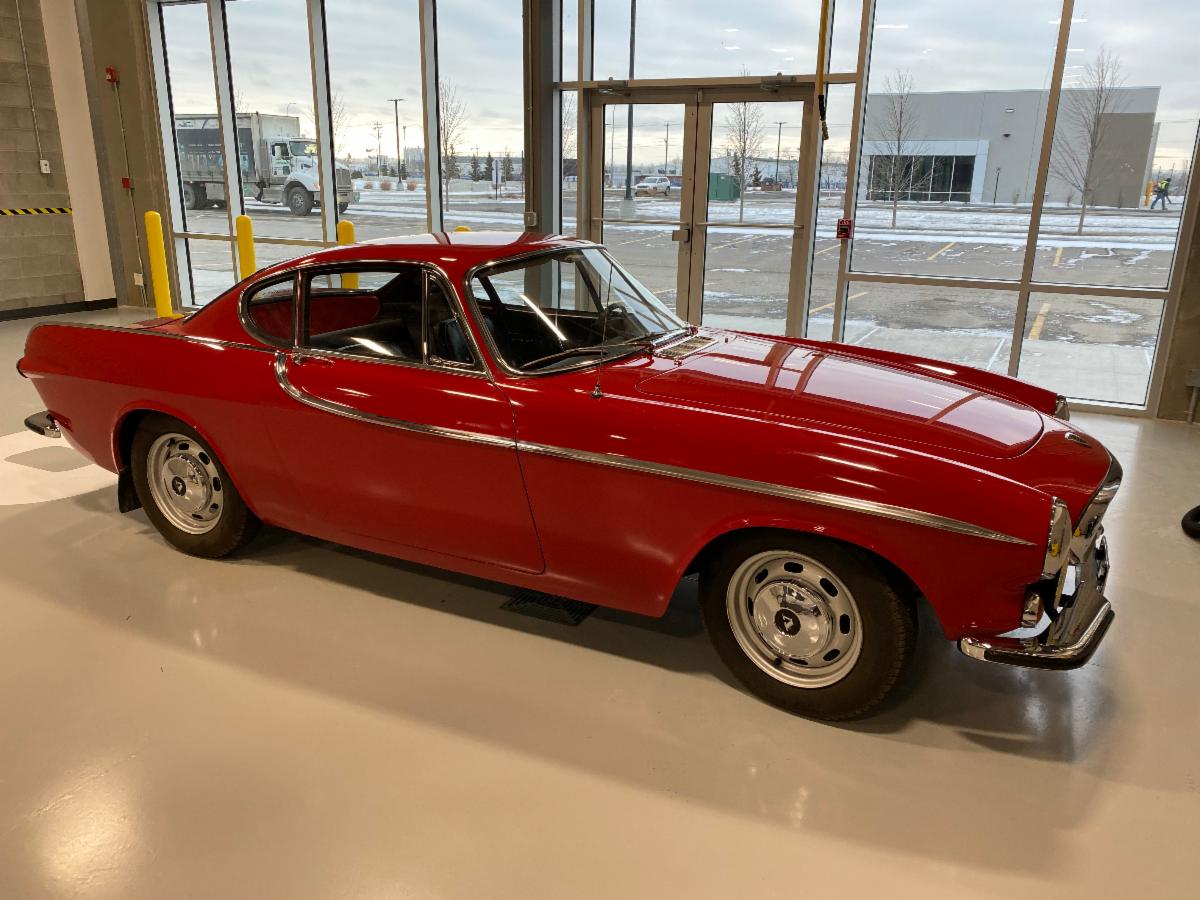
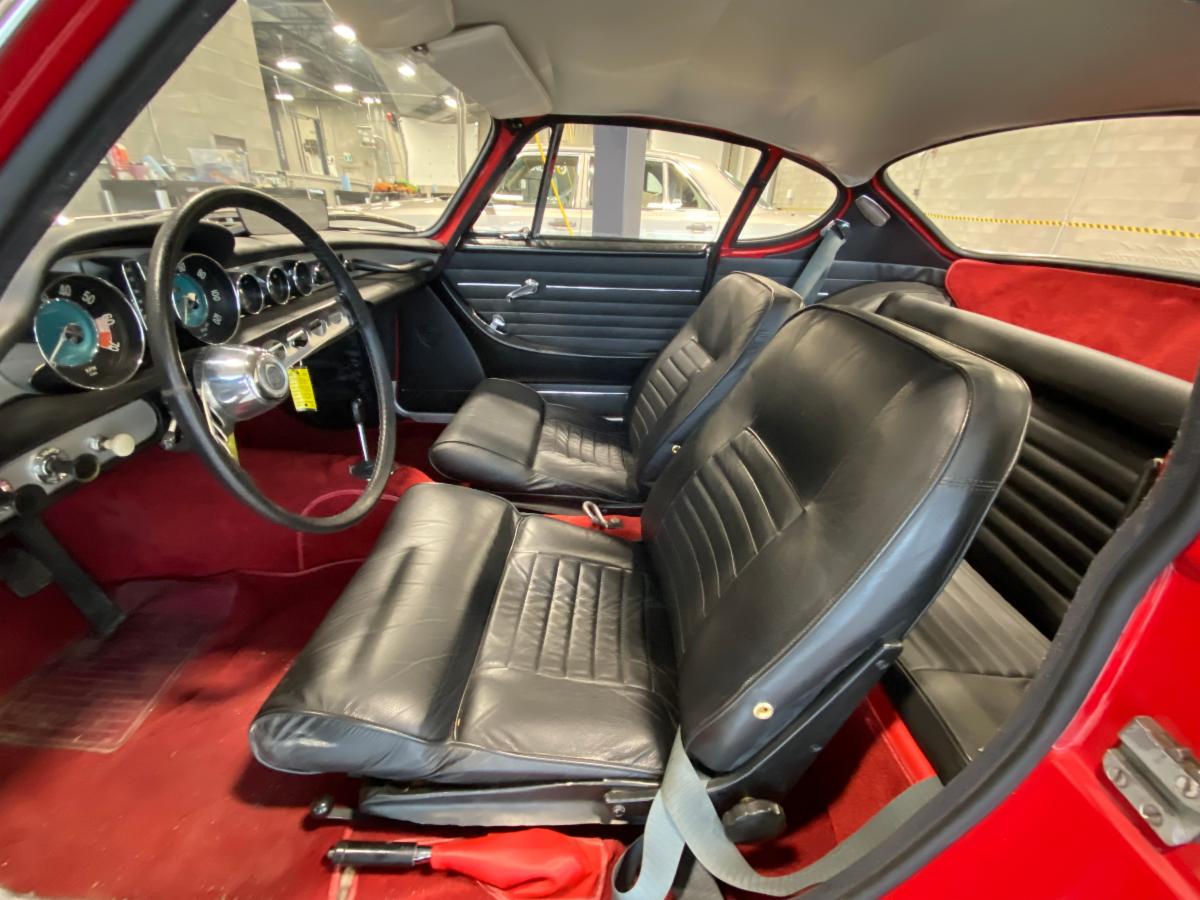
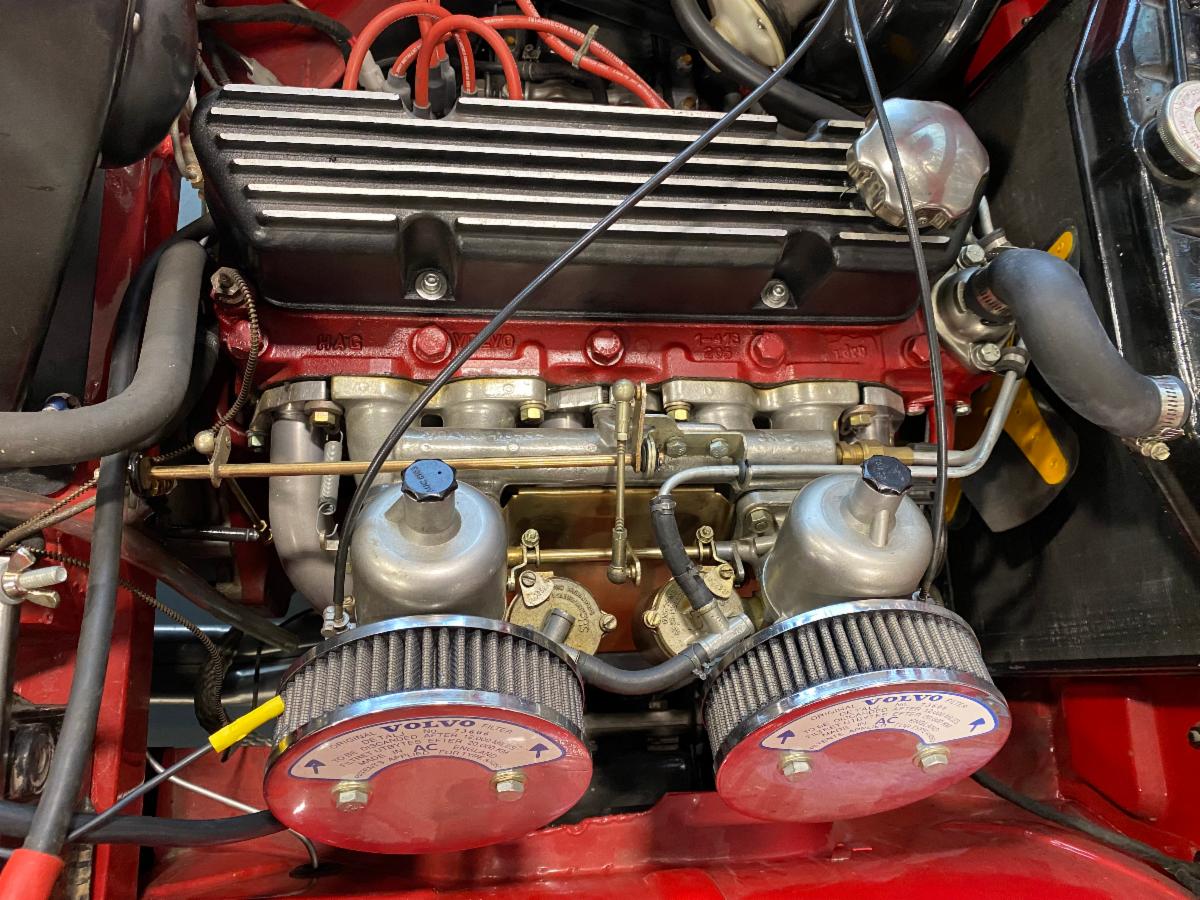
1965 VOLVO P1800S
Concours rebuild in the Pacific North West in the early 2000's. 60k original miles.
| |
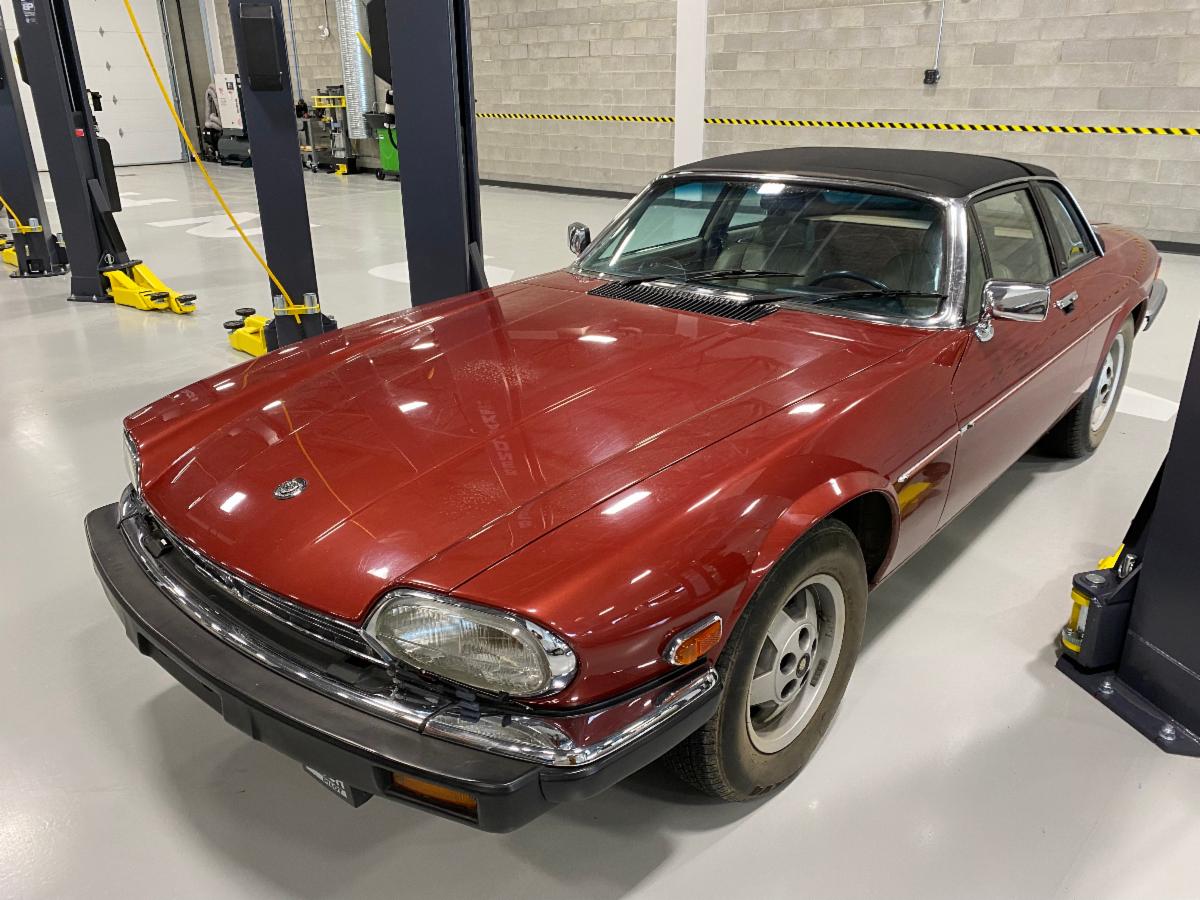
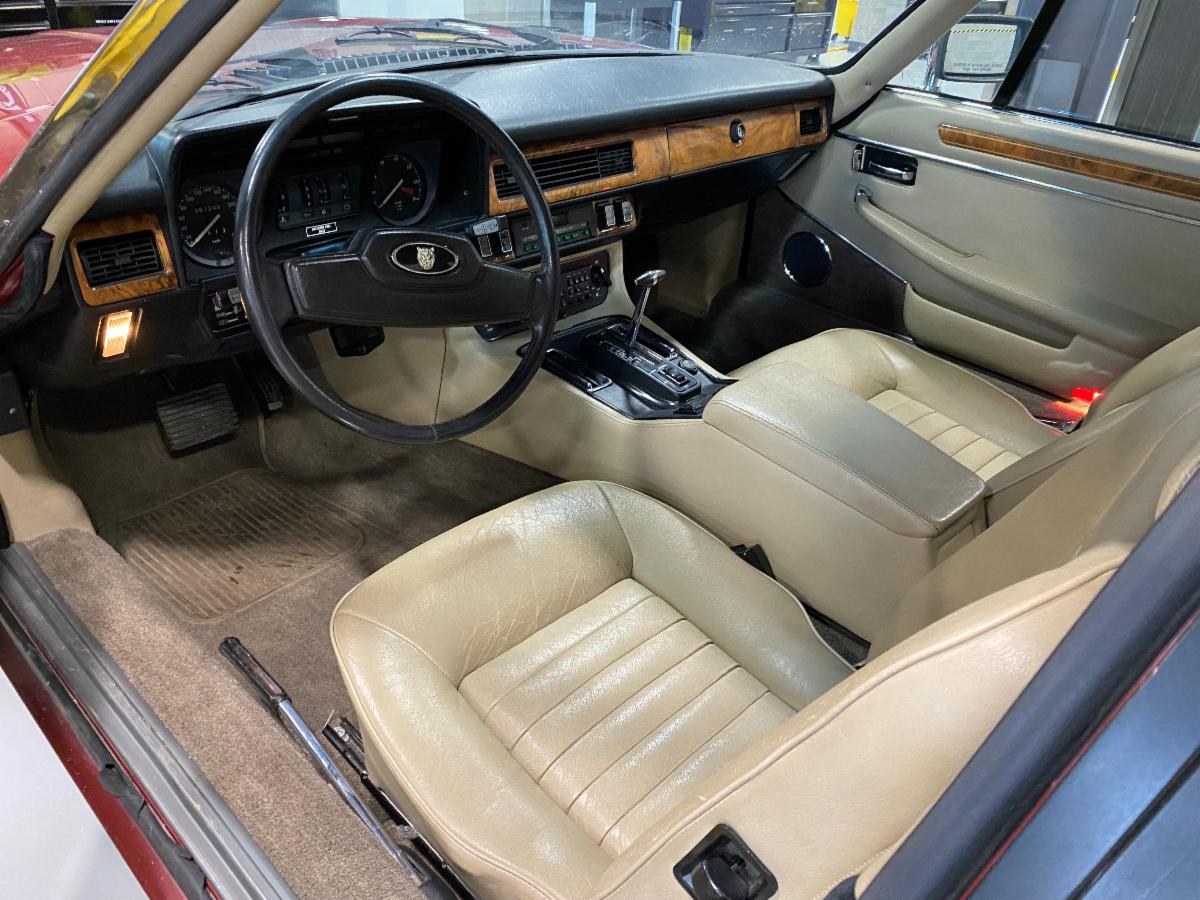
1986 JAGUAR XJ-SC CABRIOLET
Claret Metallic (CEA) on Magnolia Leather, bought new at Cooke Motors, 2 owners. 67k mileage.
Recommissioning in progress
| |
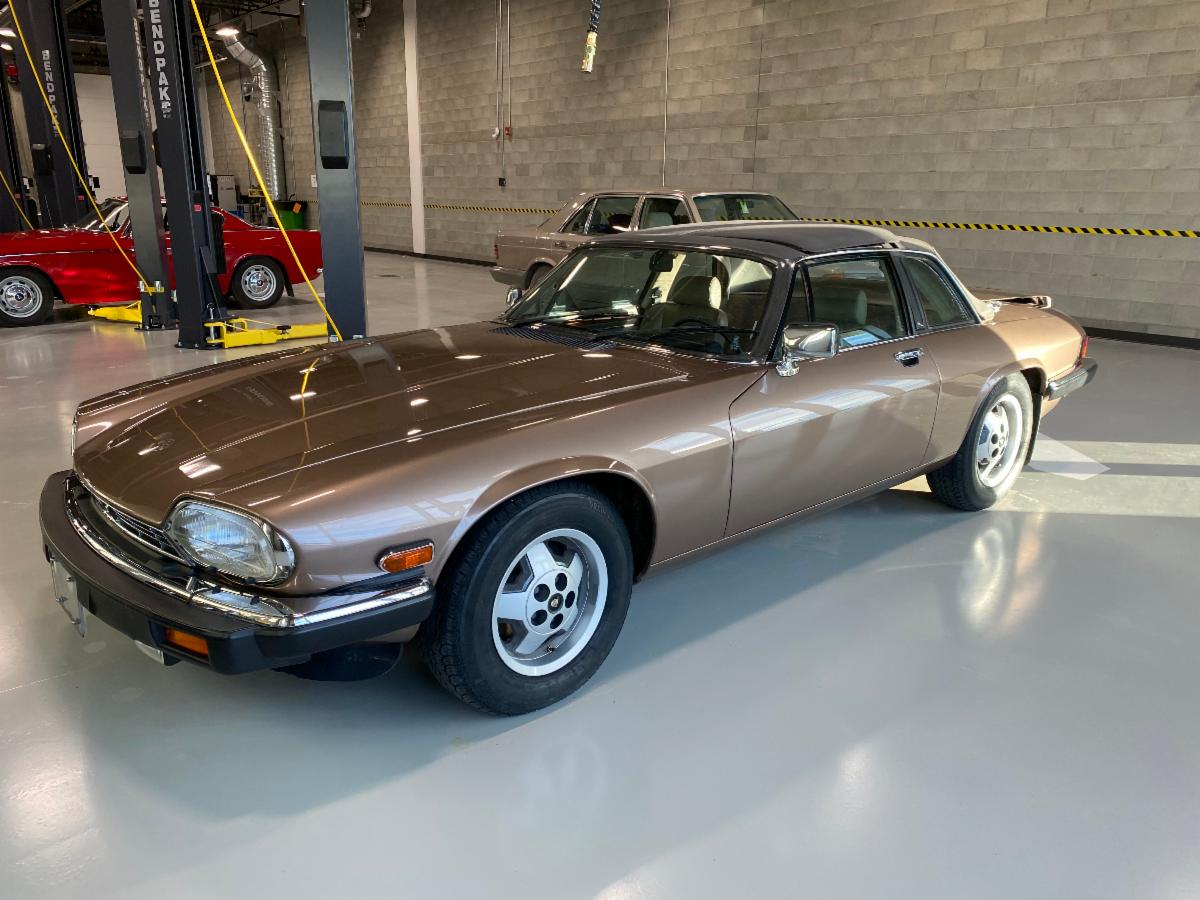
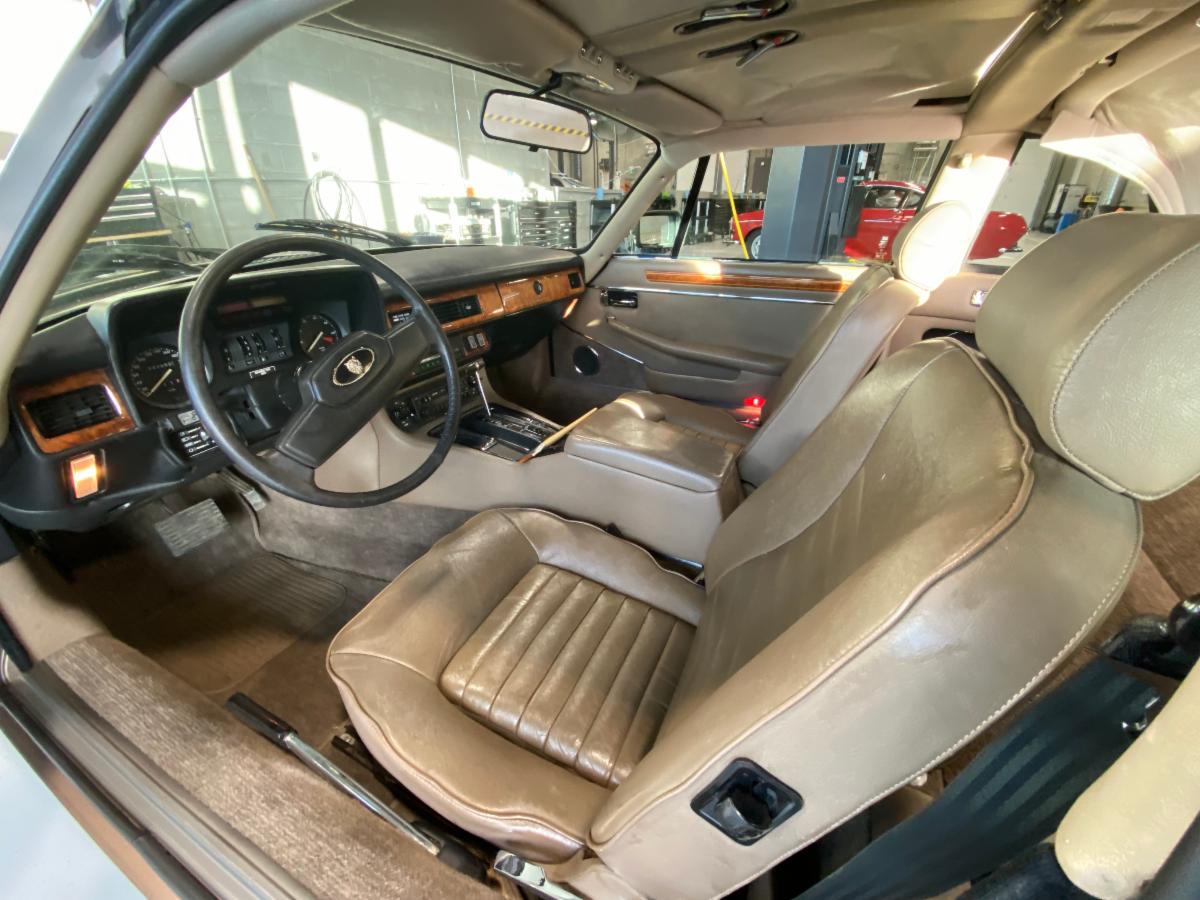
1986 JAGUAR XJ-SC CABRIOLET
Antelope Metallic (AFM) on Doeskin Leather, bought new in Winnipeg, 2 owners, 92k mileage.
Recommissioning in progress
| FOR SALE IMMEDIATE DELIVERY | |
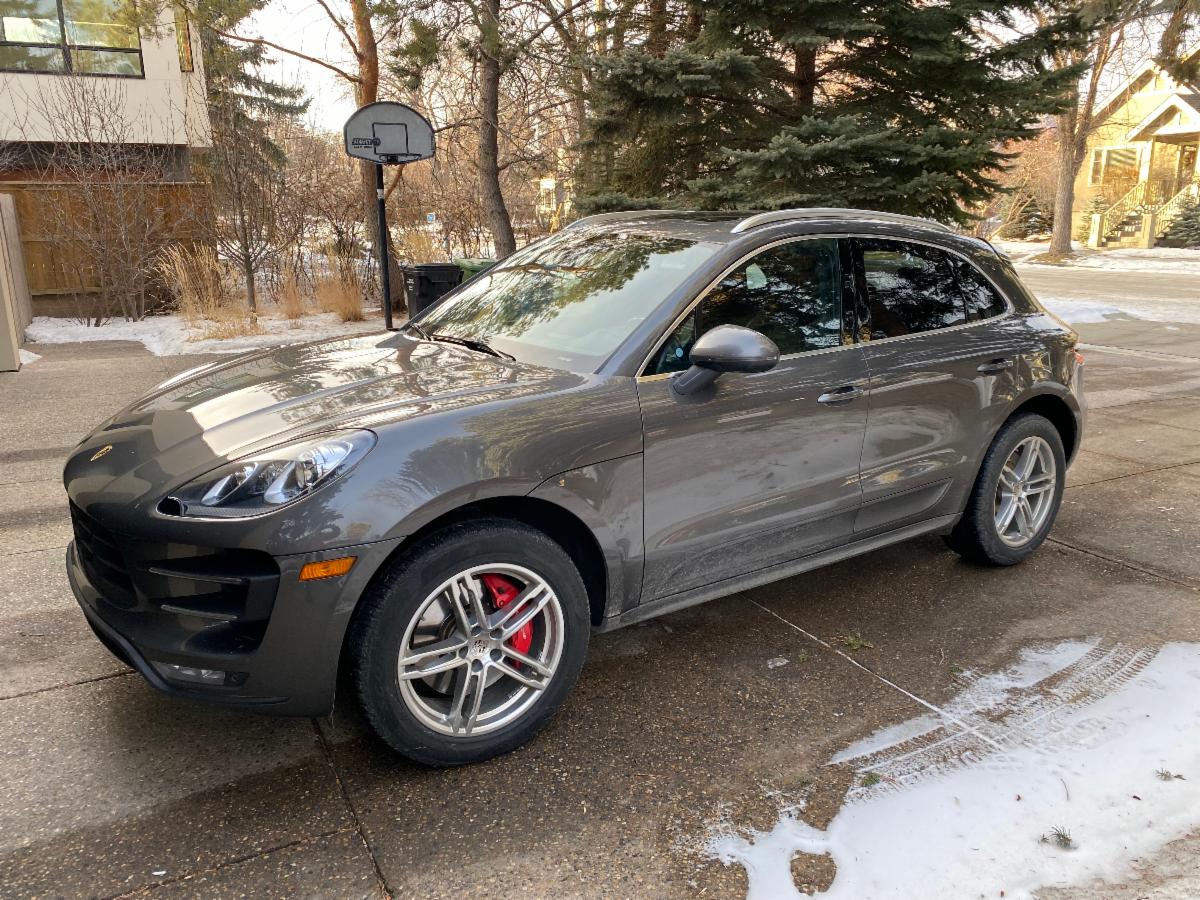
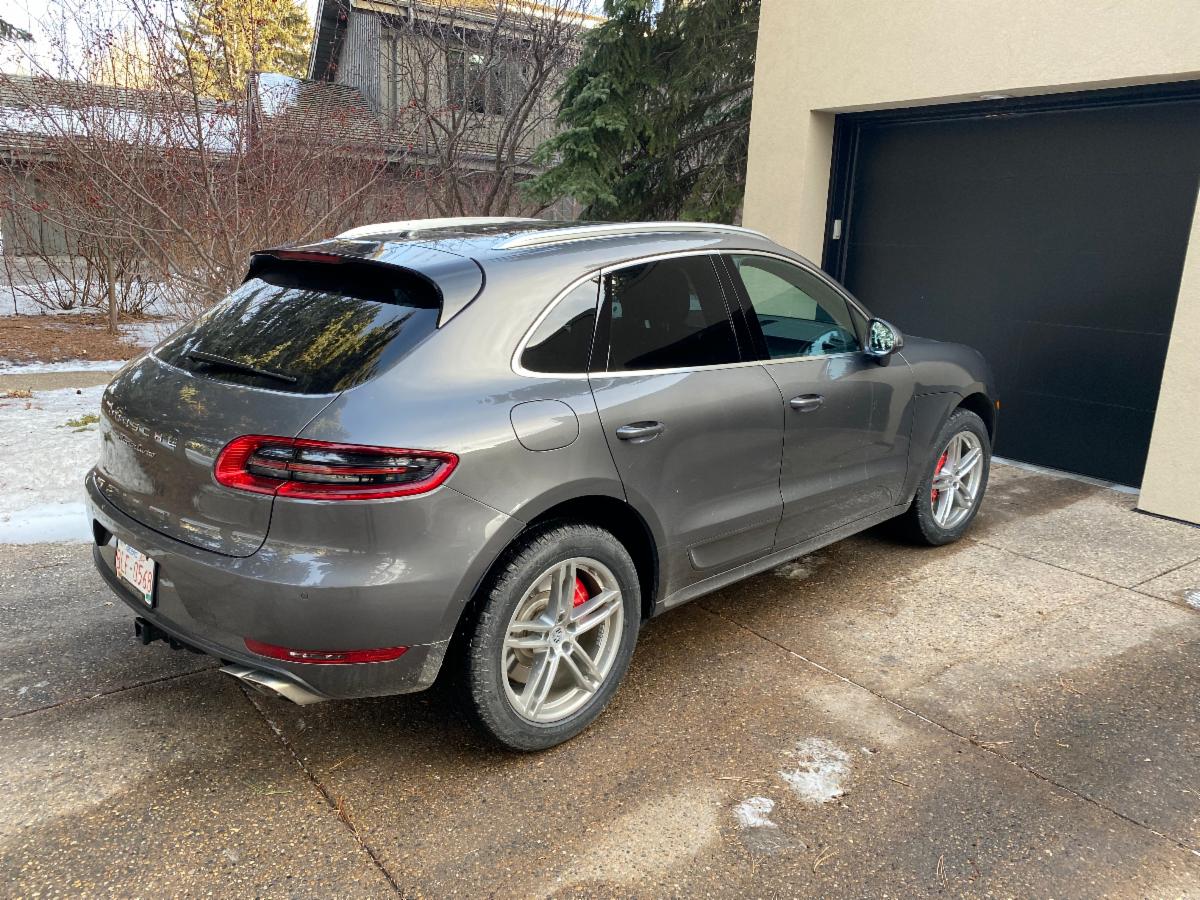
2015 PORSCHE MACAN TURBO
One Owner, Dealer Serviced, $117k MSRP, 170k mostly highway km, 2 sets wheels/tires.
$36,500.
| |
Past Columns From Romanosky:
A Brand By Any Other Name
Grace, Space, Pace: Jaguar's Future
Max Hoffman: World's Best Car Salesman
2021: A Year Of Living Safely
PORSCHE DNA: More Than Just Sports Cars
Vive la Difference
The Noble Cause
Update on Electric Vehicles in Alberta
Automotive F&I - The Good, The Bad, and the Awful
Restored or Original - Which Is Better To Drive?
Romanosky on Aston Martin
The Best Car In The World
Memories Of The Alfa Romeo GTV
Concours, Resto-mod or Original
Porsche, Ludvigsen & Collier: Excellence Is Expected
Tesla & Me: From Burning Man To The School Run
DC Disappointment: The Alberta DC Charging Infrastructure
Out Of Stock: What Is Going On With Retail Automotive?
Tales Of A Car Salesman Part 2: Having A Ruf Time
Tales Of A Car Salesman: Risky Purchases, Part 1
Road & Track Magazine: The Rise And Fall Of America's Great Automotive PublicationOn-
Line Collector and Specialty Car Auctions: How BaT Changed Everything
CSI And Google Reviews: The Good, The Bad, And The Ugly
On-Line Automobile Sales - Where Does This Leave Sales Managers and Salesmen?
Porsche + Bugatti + Rimac = ?
What About Hybrids?
Telsa's Head Start
Jaguar Get's Some Love
Camping With An Electric Truck: How Far Can We Go?
1000hp Tesla Plaid: Nobody May Have Asked For It, But We're Glad It's Here
Rimac Nevera - Not A Concept Anymore
Upcoming EV's: 400V or 800V - Why Does It Matter?
Will Electric Trucks Save The Planet?
Soleil EV Weekly Gazette
| |
Mercedes-Benz 300SL Gullwing and Roaster Market | |
|
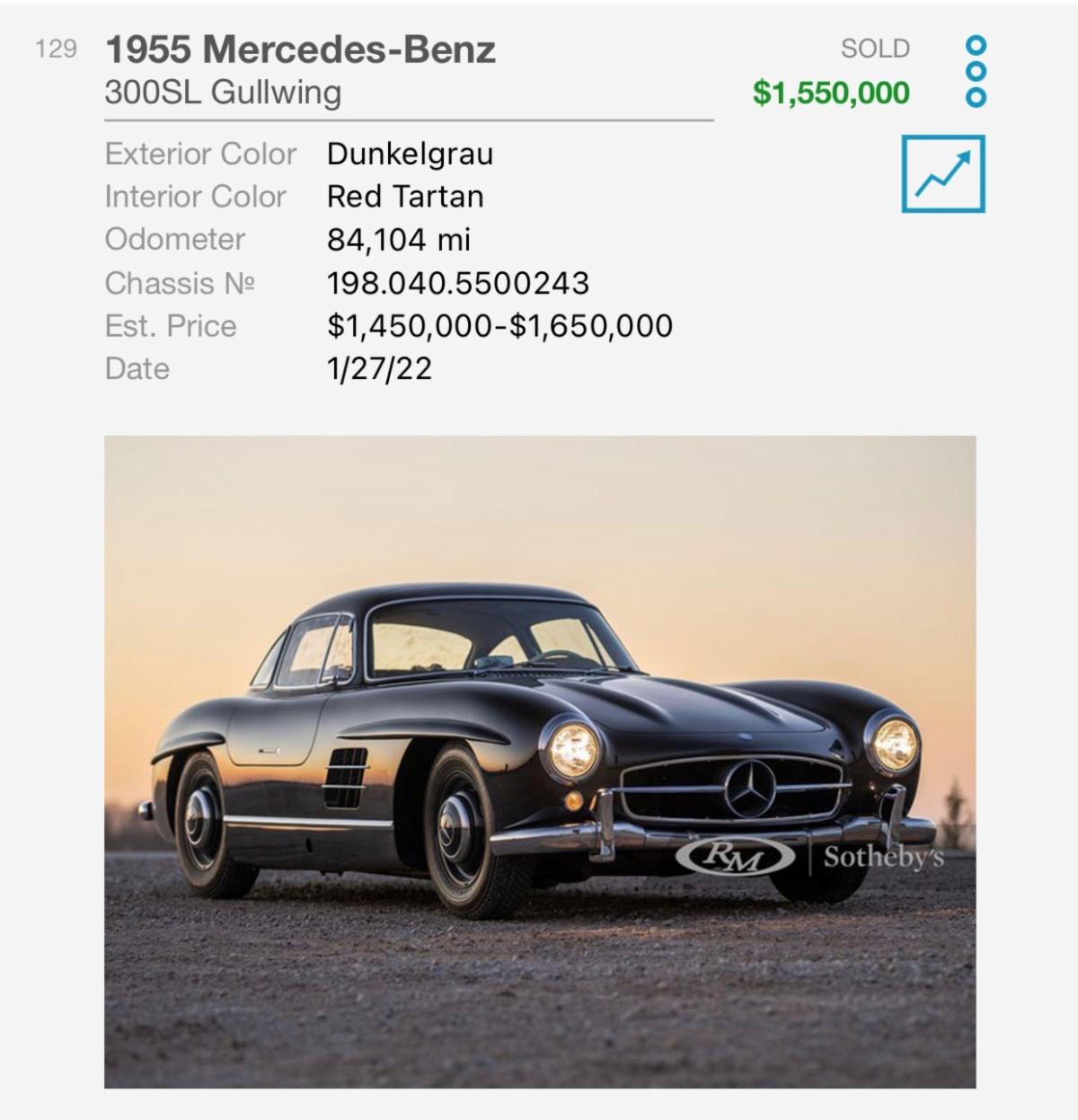
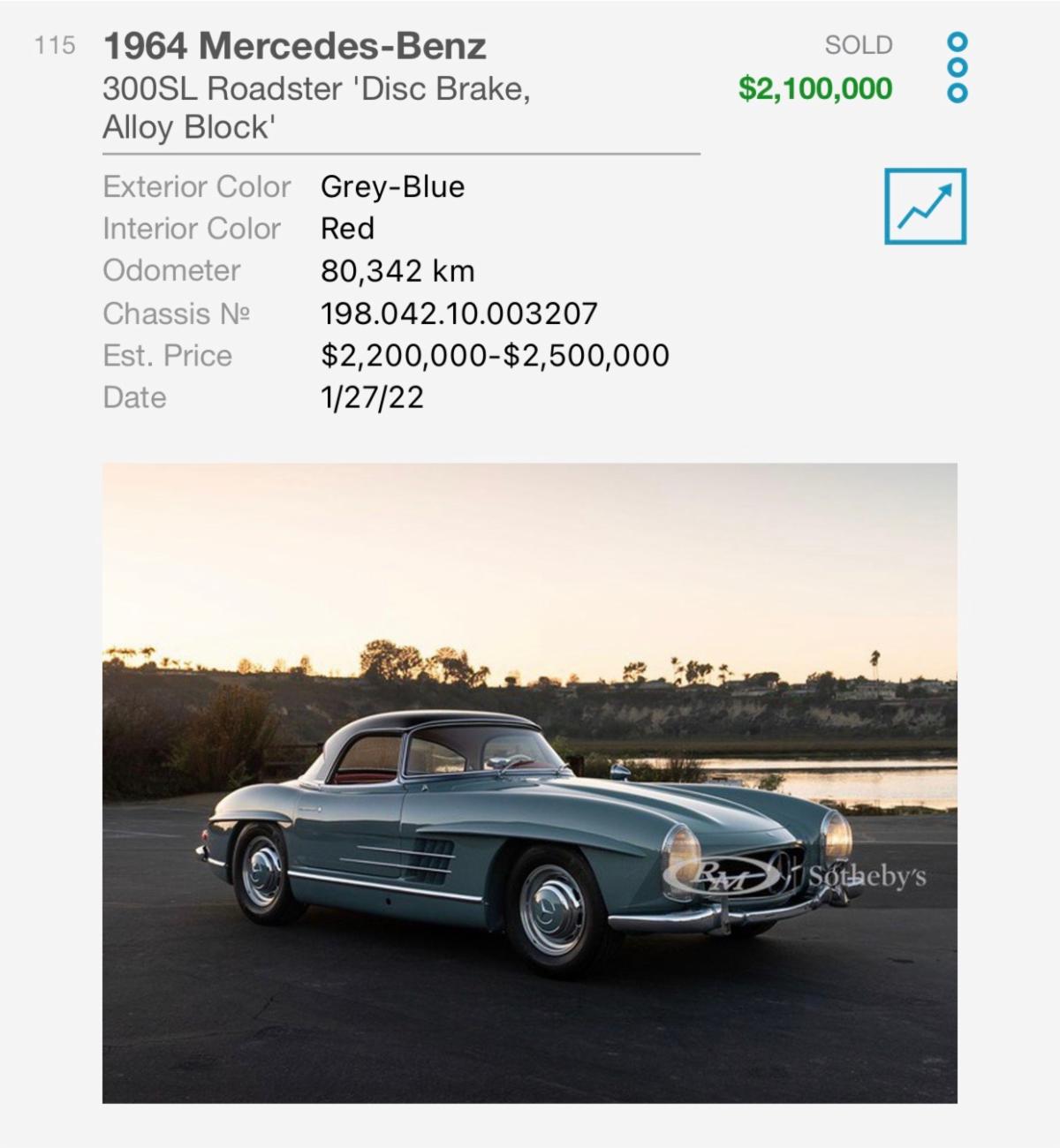
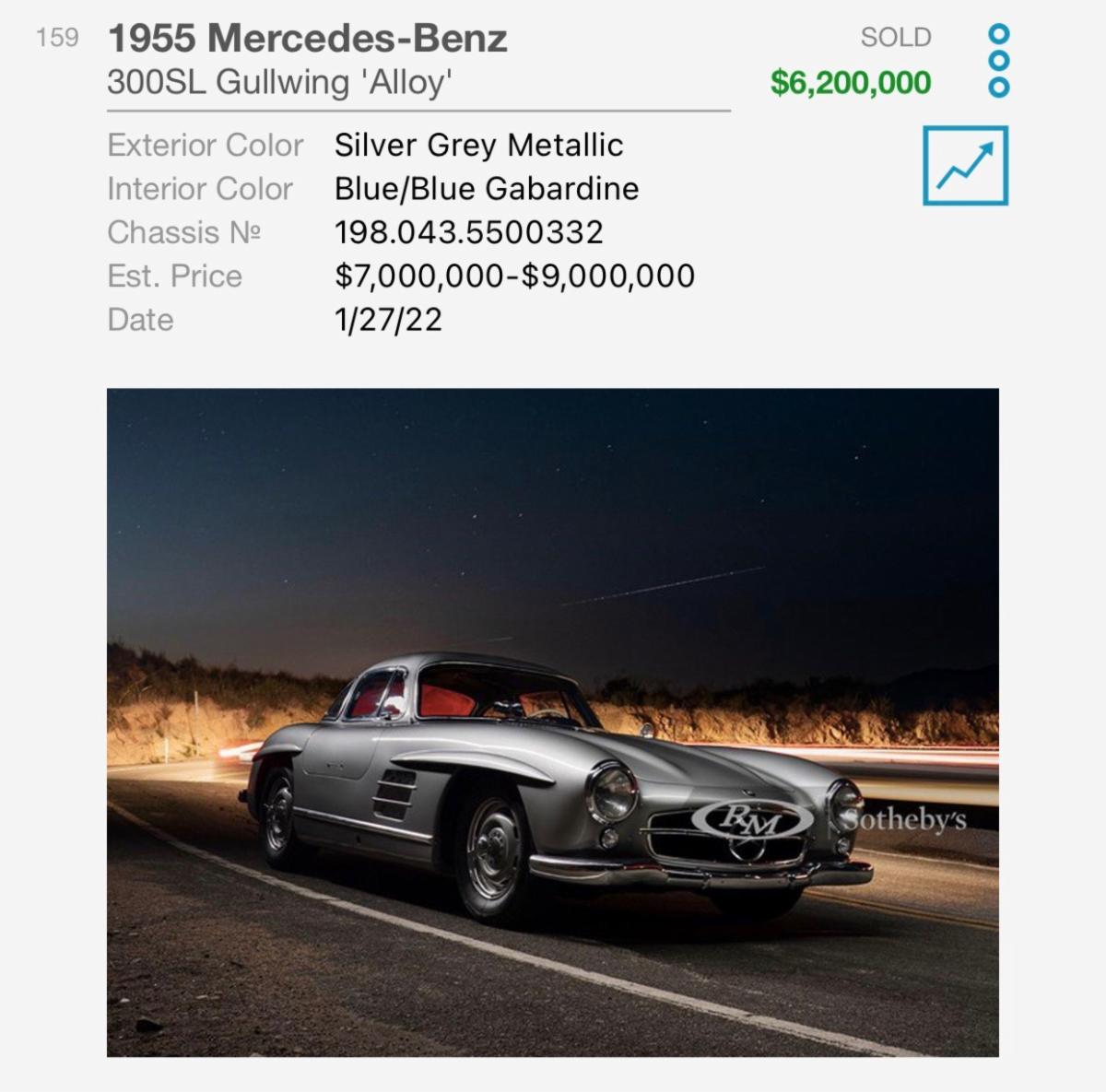
These are expensive cars. Any presentable Gullwing or Roadster will sell for more than $USD 1M in today's market. Last week (Jan 27, 2022) the three above 300SLs just sold at the RM Sothebys Auction in Scottsdale AZ.
Gullwing #243 sold for $1.55M + Buyers fee ($1.171M). This was equal to the average price for a Gullwing sold at auction in 2021.
Roadster #3207 sold for $2.1M + Buyers fee ($2.315M). The average price for a Roadster sold at auction in 2021 was $1.055M (hammer price). Why was this one double? Only the last 270 Roadsters of 1,858 produced had disk brakes, and of those only the final 209 Roadsters had alloy blocks. Difficult to rebuild, the alloy blocks save about 75lbs off the front axle - but the difference in value comes from rarity.
Alloy Gullwing #332 sold for 6.2M + Buyers fee ($6.825M). These 29 alloy Gullwings rarely come up for sale, and it looks like today's market is valuing them at 400% of the regular steel bodied coupes.
Mercedes made 10 of the original 1952 W194 300SL competition cars. Several of the original cars are owned and have been restored by Mercedes-Benz - one of which just appeared on recently on Jay Leno's Garage (below). The exact fate of all of the 10 is not known. Internet sleuthing reveals a report of one being in private hands. Should one of these vehicles come to market, I would expect it to sell for over $25M.
If you know of anybody with an old Mercedes-Benz racing car in their garage, please let me know!
| | | | | |