|
Stories of Impact
Opportunities To Learn and Grow
| | |
Meet 3 of the 27 STEM Pioneer Fellows
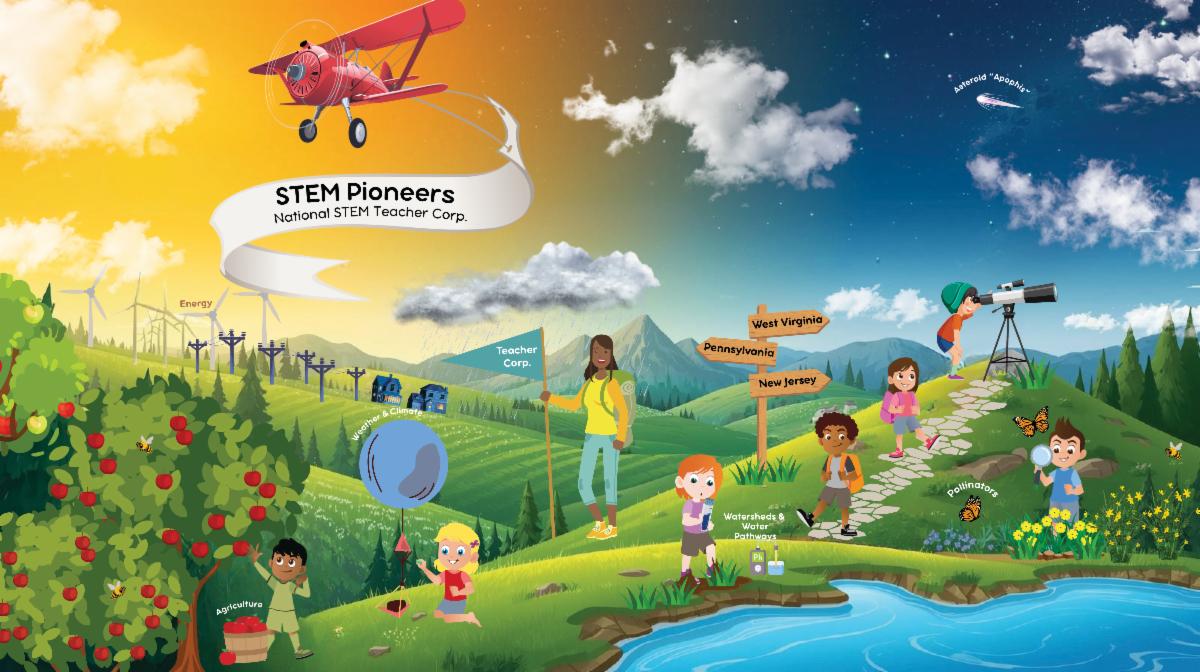
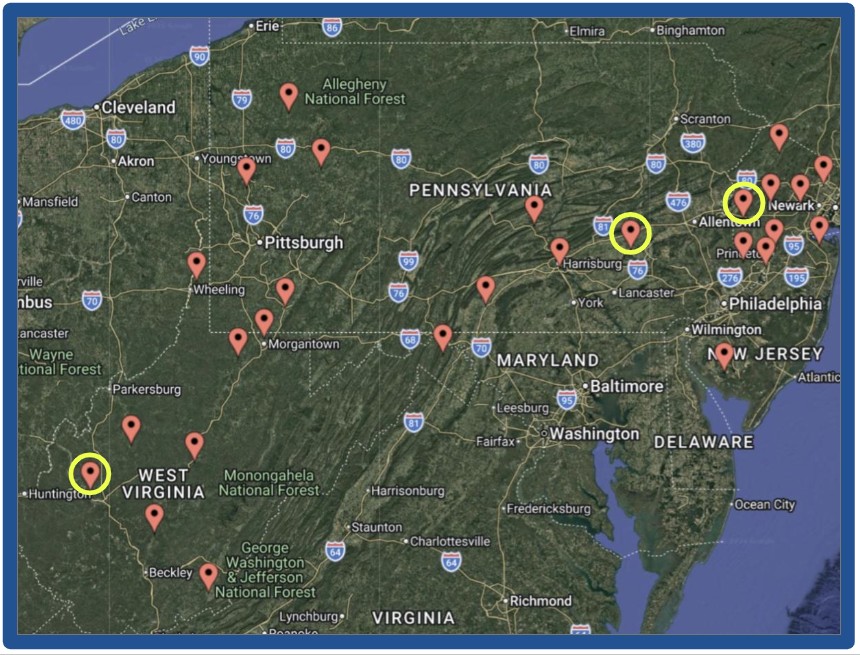
In each newsletter over the next few months, we will feature 3 of the 27 STEM Pioneer Fellows representing NJ, PA, and WV.
| | |
The circled map points below show the school locations of
this month's 3 featured STEM Pioneer Fellows.
| | |
New Jersey
Lynn Prosen, K-4, Gill St. Bernard’s School
| |
Meet Lynn Prosen: A STEM Pioneer Committed to Hands-On Learning
Lynn brings 26 years of teaching experience to her role as Lower School Science and STREAMS Instructor at Gill St. Bernard's School. From high school chemistry to informal education at Liberty Science Center, Lynn's expertise spans preschool through college. As retiring president of the NJSTA and a 2022 NSTA Corteva Excellence in Agriculture Award recipient, she's a passionate advocate for collaboration, professional learning, and nature-based play. When not in the classroom or facilitating professional development, Lynn enjoys nature journaling, cooking, and crafting.
Why did you apply for the STEM Pioneer program?
I applied for three reasons. First, I want to refresh my teaching. After 16 years in elementary education, I’ve seen dramatic shifts. Students now recognize corporate logos better than local nature, and scheduled 'play' has replaced organic tinkering with LEGOs or markers. COVID further accelerated this digital shift. I believe students need hands-on, minds-on activities—not just screen time. STEM isn't just about building things; it’s about integrating ideas to solve real-world problems. I'm refreshing my curriculum with research-based, experiential learning to meet this era of unprecedented change.
Second, I’ve always been passionate about professional development. As an 'informavore' who has facilitated workshops for years, I love sharing discoveries that inspire others. Becoming a STEM Pioneer offers an incredible platform to share what I learn with educators across New Jersey and beyond. We need networks of leaders championing elementary STEM education.
Third, as the only science teacher in my division (PreK-4), I sometimes feel isolated. I teach at a critical stage where students are true scientists, forming foundational concepts through sensory experiences. Yet, many lose that wonder by middle school. I’m excited to connect with a network of educators who understand the elementary experience and the importance of building STEM identity in these foundational years.
What do you like most about your state?
New Jersey offers incredible diversity—of people, cultures, ecosystems, and history. Within a few hours, you can find ocean beaches, fossil streams, the Great Swamp, and the Appalachian Mountains. We have gardens full of tomatoes, bogs with cranberries, and coastal oyster farms. Universal background radiation was discovered here. Edison and his team developed the lasting lightbulb here. Many engineering and technology breakthroughs happened in New Jersey.
We're so much more than the Turnpike and Newark Airport. We're the Garden State, and our diversity is one of our greatest strengths.
What is your favorite state-connected food?
Saltwater Taffy. It has endless flavor possibilities and is a Jersey Shore staple. Taffy is perfect for lessons on states of matter and material properties. The stretching and air incorporation completely change its properties—and it's delicious! 🍬
Why is STEM important at the elementary level?
As NJSTA president, my platform emphasized foundational practices and content learned in elementary school. Elementary students are natural problem solvers when given the opportunity—and that's the key phrase. Most students get less than 20 minutes of science daily, making it hard to reach a flow state.
Integrating science, technology, engineering, and mathematics helps students see the relevance and interconnectedness of the real world. When I ask students what technology is, they say "things that use electricity"—Xbox, phones, computers. But technology is anything that solves a problem. Students need experiences connecting them to real-world phenomena and their own lives, building frameworks for understanding how the world works.
The foundational understanding of how our world functions starts in elementary school. What we experience in the first 10 years shapes how we think and see the world. It's often said that what a person enjoys in kindergarten would make their perfect job. Elementary students should see themselves as creators of the world we live in, not just consumers of it.
You can follow and/or connect with Lynn through her LinkedIn account.
| |
Pennsylvania
Jen Gossert, K-5, Conrad Weiser Area School District
| |
Meet Jenn Gossert: A STEM Pioneer Empowering Young Learners Through Engineering and Innovation
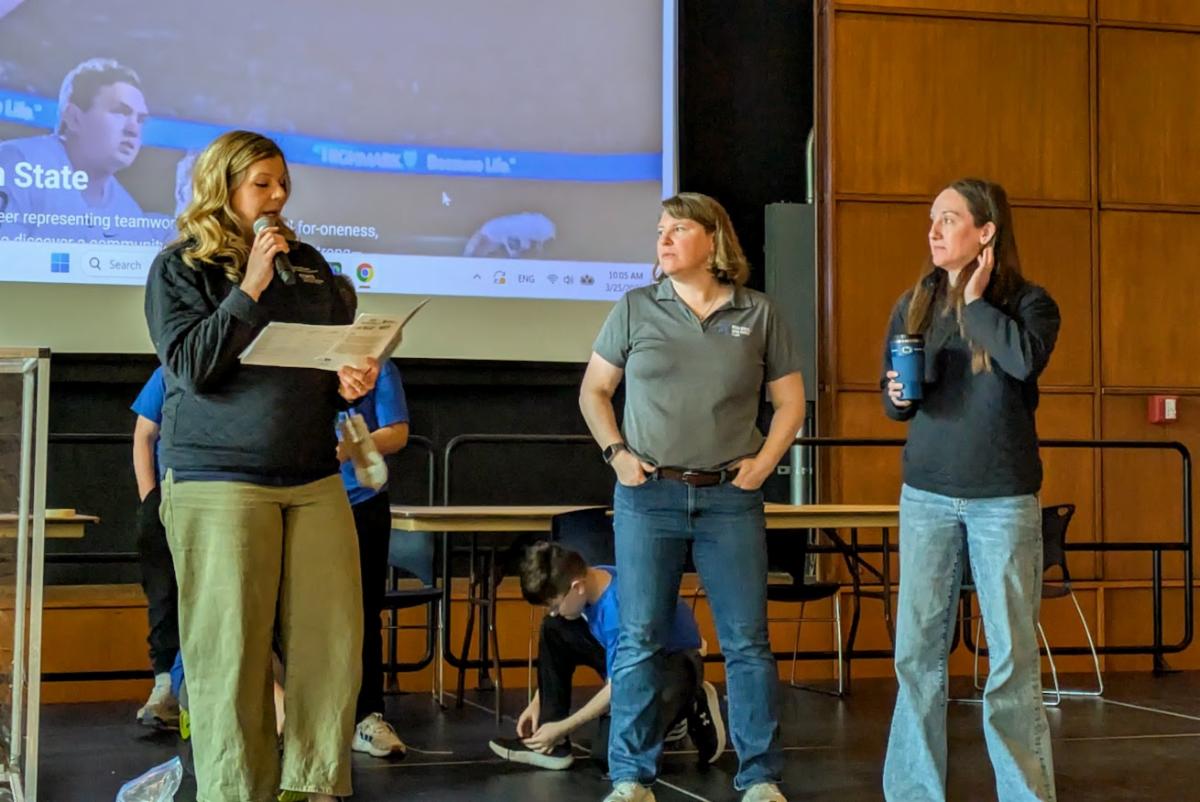
In 2015, Jen's transition into teaching K-4 students sparked a deep passion for STEM education. After successfully advocating for STEM as a dedicated special for all elementary students, she helped develop a comprehensive curriculum spanning engineering, coding, robotics, and science. Based in Berks County, Pennsylvania, she specializes in turning early curiosity into proficiency through rigorous engineering cycles. Recently, she led 3rd and 4th-grade teams to the KidWind Challenge. Her mantra: "Try and stop me."
Why did you apply for the STEM Pioneer program?
I applied because I'm a firm believer in high-quality, curriculum-based STEM education for our youngest learners. Every student deserves early exposure to the critical thinking and problem-solving skills that STEM fosters naturally. I was particularly drawn to the program's structured themes for each year of the cohort. I can already envision the excitement in my students' eyes as they engage with these new topics and discover the world around them. Being part of a network of educators committed to elementary STEM feels like the perfect next step in my journey.
What do you like most about your state?
I love Pennsylvania's rich history and thriving professional landscape. Our state offers incredible variety. You can immerse yourself in Philadelphia's urban energy, reflect on our nation's history in Gettysburg, or enjoy the rural beauty of our mountains and woodlands.
On a personal note, I'm deeply connected to Slippery Rock. Visiting the university reminds me of the foundation that helped shape who I am today. Pennsylvania truly offers the best of all worlds—and I'm grateful to call it home.
What is your favorite state-connected food?
You can't talk about Pennsylvania food without mentioning the cheesesteak! Moving to Berks County was a culinary eye-opener. I never knew a cheesesteak "should" come with tomato sauce, but it's a local staple I've come to appreciate.
However, having grown up in New Jersey, I'll always have a soft spot for a classic diner staple: pork roll and Swiss cheese on a toasted hard roll. It's the best of both worlds!
Why is STEM important at the elementary school level?
I've seen firsthand how students who struggle with reading, math, or sitting still truly shine in a STEM environment. STEM—rooted in inquiry and discovery—meets students where they are. By engaging our youngest learners in hands-on exploration, we ignite a fire for learning that builds confidence and sets them up for long-term success across all academic disciplines and future careers.
The engineering cycles we use teach persistence and creative problem-solving. When a student's bridge doesn't hold or their code doesn't run, they don't see failure—they see an opportunity to iterate and improve. That resilience is invaluable. Students begin to believe in their ability to tackle challenges, to innovate, and to shape their futures. They see themselves as creators and problem-solvers, not just consumers of information.
Elementary STEM isn't just about building robots or coding programs. It's about planting seeds of curiosity, confidence, and capability that will grow throughout their lives.
You can follow and/or connect with Jenn through her LinkedIn account.
| | |
West Virginia
Tiffany Pace, K-5, Cross Lanes Elementary School
| |
Meet Tiffany Pace: A STEM Pioneer Connecting West Virginia Students to Global STEM Opportunities
Tiffany is a K–5 STEAM teacher at Cross Lanes Elementary with 14 years of experience in Kanawha County Schools. A passionate advocate for innovative, globally connected learning, she has been recognized as a Global Teacher Prize Ambassador, PAEMST awardee, Grosvenor Teacher Fellow, Fulbright alumna, and National Geographic Certified Educator, among many other honors. She's an author for NSTA's Science & Children journal and a national conference presenter. Tiffany co-created the first United States & Uruguay STEAM Team, fostering global collaboration with real-world learning experiences for students.
Why did you apply for the STEM Pioneer program?
As a K–5 STEM teacher, I have witnessed firsthand the transformative impact of engaging, real-world learning experiences on students. I applied for this program because I'm passionate about expanding access to innovative STEM opportunities not only for my own students, but for elementary learners across West Virginia.
These opportunities will inspire curiosity, confidence, and a lifelong passion for problem-solving in the next generation of learners. Together, we can open doors of possibilities for our students' futures in STEM careers. Being part of the STEM Pioneer cohort allows me to amplify that impact and share what I've learned through my own journey—from global collaborations to classroom innovations—with educators throughout the state.
What do you like most about your state?
There are countless things I love about West Virginia, from its breathtaking natural beauty to its deep-rooted history and traditions. But what I cherish most is its people.
West Virginians are resilient, compassionate, and deeply connected to one another. No matter the challenge, there's a strong sense of community and an unwavering willingness to lend a helping hand. That spirit—that genuine care for neighbors and commitment to lifting each other up—is what makes West Virginia truly special. It's the heart of our state, and it's reflected in every classroom and community I work with.
What is your favorite state-connected food?
Without a doubt, my favorite food from West Virginia is the pepperoni roll! Not only is it delicious, but it also perfectly represents our state's rich culture, history, and sense of tradition. It's comfort food with roots, and every bite reminds me why I'm proud to call West Virginia home.
Why is STEM important at the elementary school level?
Young children see the world through curiosity and wonder. When we build on that enthusiasm through STEM education, we help our students become innovators while developing critical thinking skills, creativity, collaboration, and perseverance at a young age.
Elementary STEM isn't just about teaching science or building robots—it's about nurturing the natural problem-solvers and innovators that children already are. When students engage in real-world challenges, they discover that their ideas matter. They learn that failure is part of the process, not something to fear. They develop confidence in their ability to tackle complex problems and work together toward solutions.
By investing in early STEM education, we're not only preparing our students for future careers in science, technology, engineering, and mathematics. We're empowering them to become innovative thinkers, compassionate problem-solvers, and leaders who strive to build a better tomorrow. That's the real power of STEM at the elementary level.
You can follow and/or connect with Tiffany through her LinkedIn account.
| | Celebrating 8 Years of STEM Excellence: Advanced Physics Students Take on Meteorology | | |
At the Penn State Center for Science and the Schools (CSATS), we believe that the most powerful learning happens when the classroom meets the real world. This year, we are thrilled to celebrate eight years of a truly impactful STEM collaboration that does exactly that.
Bridging the Gap: From Classroom to Campus
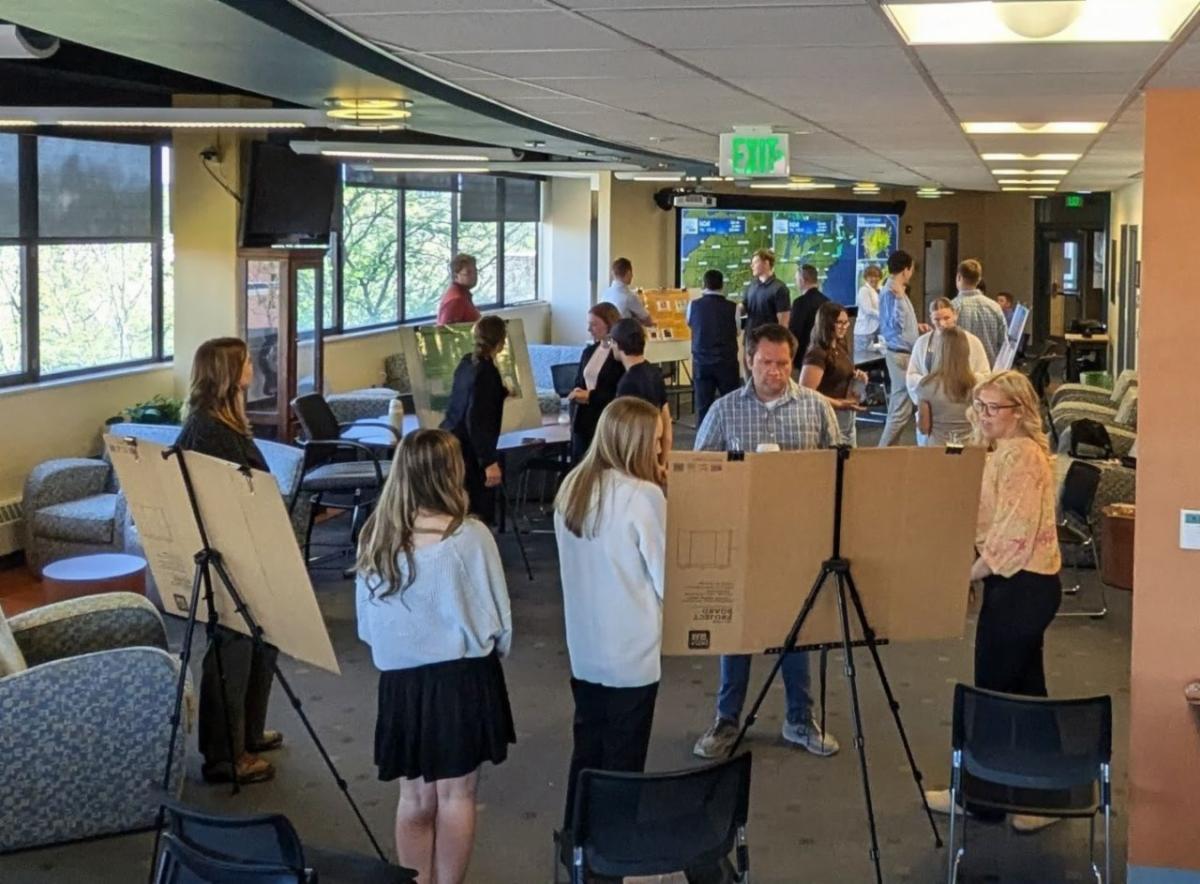
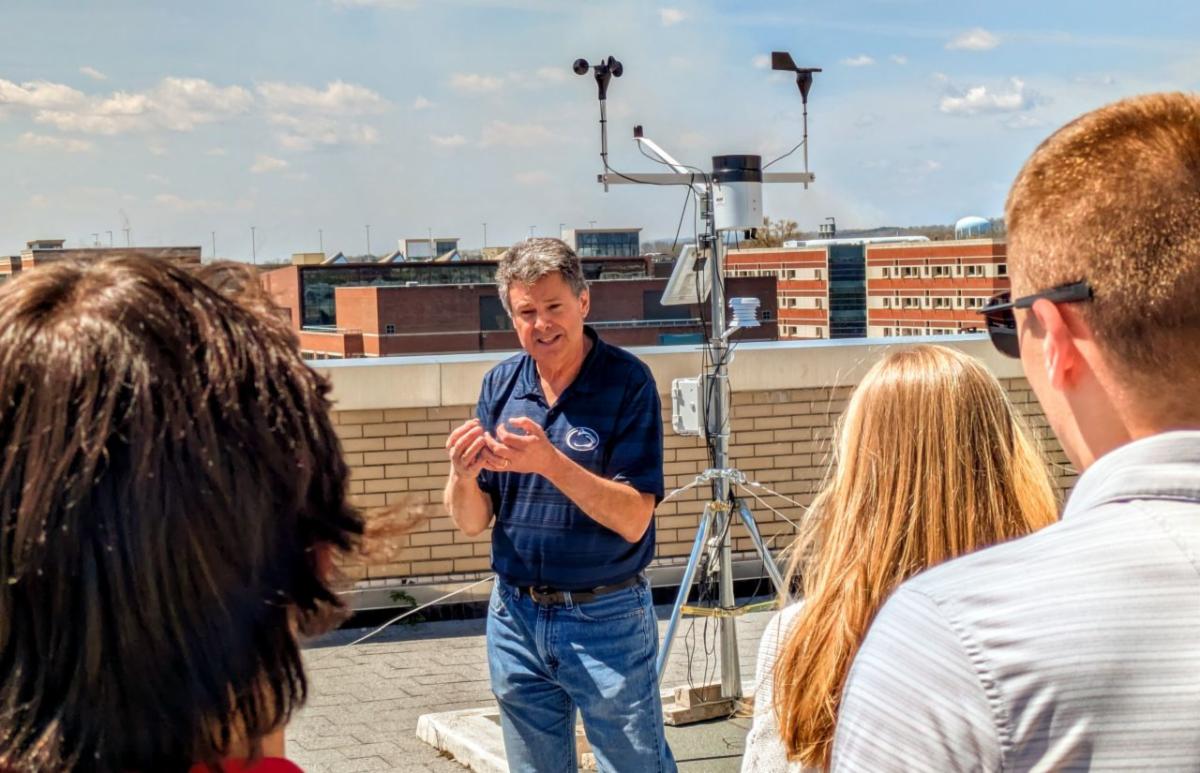
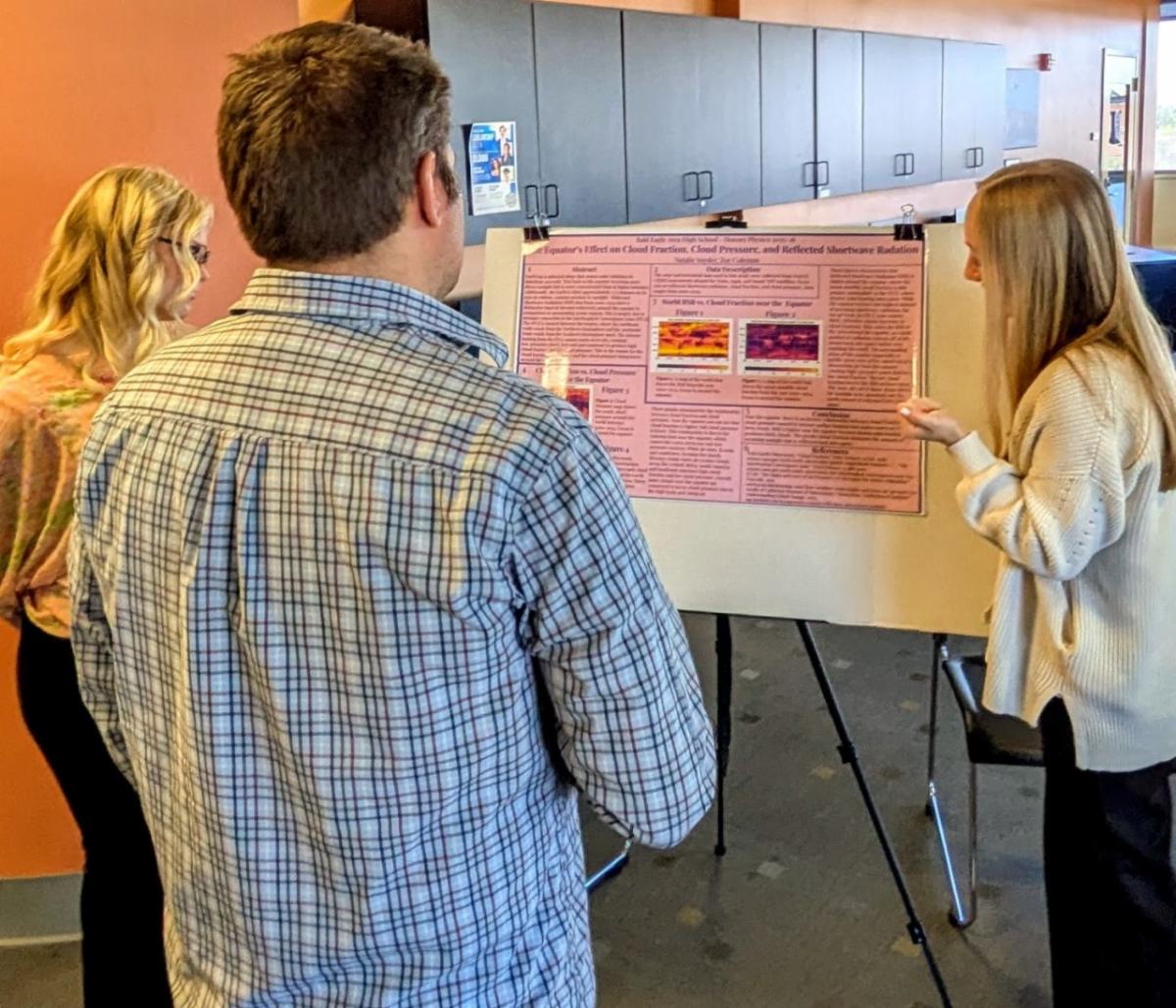
We want to extend a huge thank you to Bald Eagle Area School District (BEASD) teachers Max Besong and Zackary Spang. Their dedication to authentic learning culminates each year in a professional poster session hosted at the Penn State Meteorology Department.
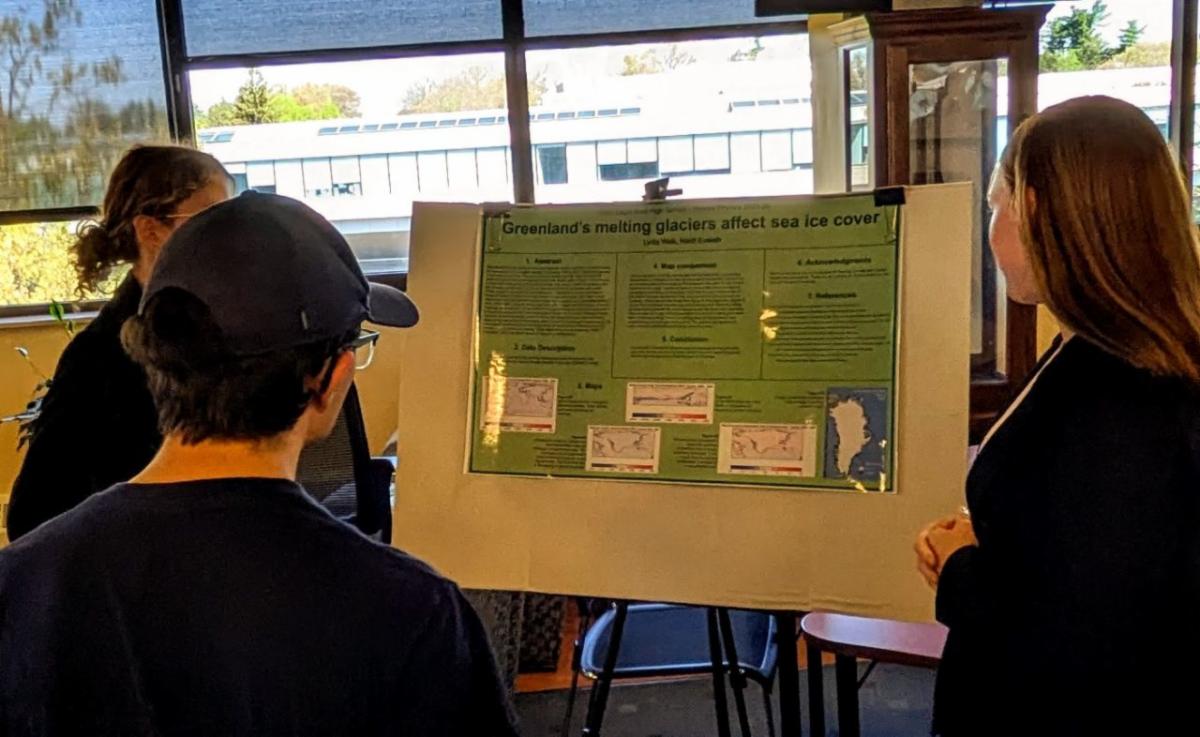
During this event, advanced physics students transition from learners to experts, presenting their research in a professional setting. This year’s experience was further enriched by:
-
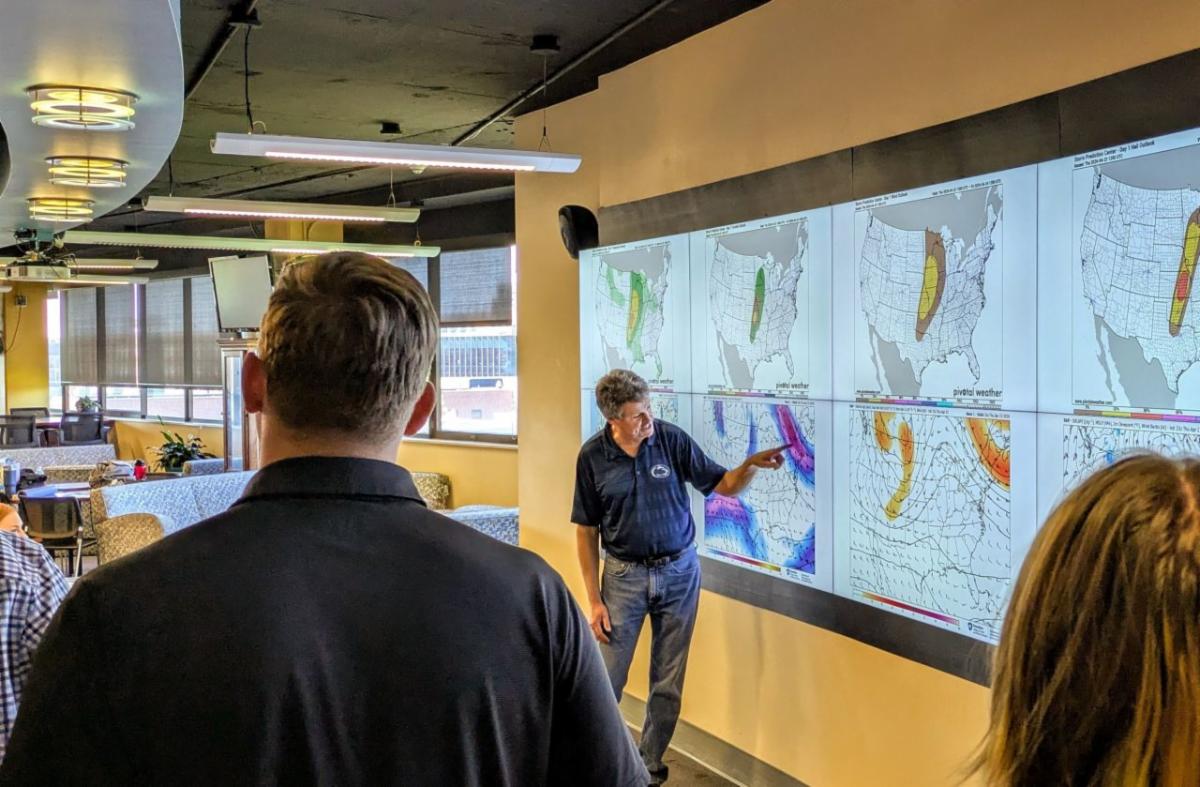
A Technical Deep-Dive: Dr. William Syrett provided students with an exclusive tour of cutting-edge meteorology technology.
-
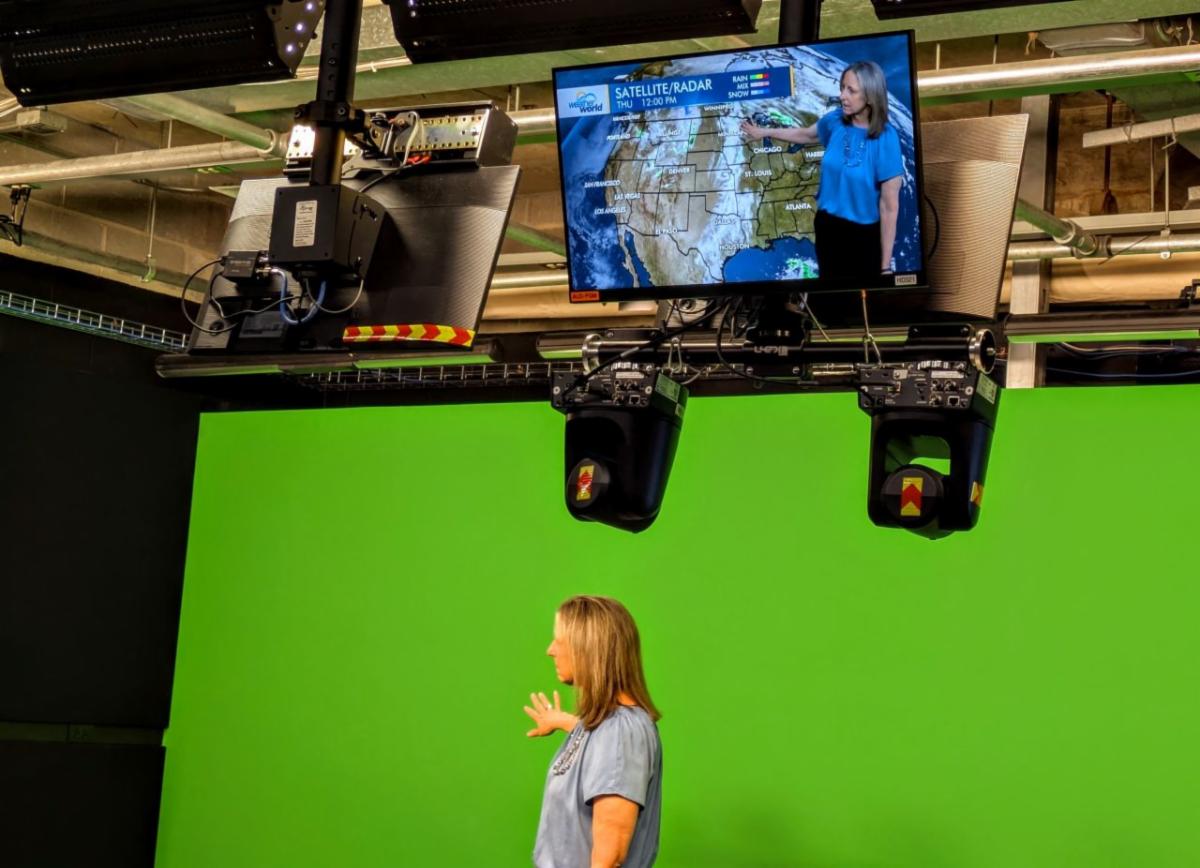
Behind the Scenes: Marisa Ferger led a fascinating tour of the Weather World studio, showing students how science is communicated to the public.
The Power of Teacher Research
This thriving initiative has deep roots. It grew from a Research Experience for Teachers (RET) hosted by Dr. Sukyoung Lee and facilitated by CSATS. By immersing teachers in university-level research, we create a ripple effect that inspires the next generation of the technical workforce. Watch the Journey: You can see a brief video of the Research Experience for Teachers that started it all.
This work would not be possible without the continued support of the Penn State College of Earth and Mineral Sciences. Their commitment to "convergence"—bringing together different fields and educational levels—ensures that these partnerships continue to bear fruit for years to come.
As we look toward the future, we remain dedicated to providing K-12 students with the adventure and opportunity found in high-level STEM careers.
Explore more opportunities at the Penn State Center for Science and the Schools.
| |
Shaping AI in Education:
A Pennsylvania Learning and Listening Tour Engages Participants at
Penn State Berks
| | |
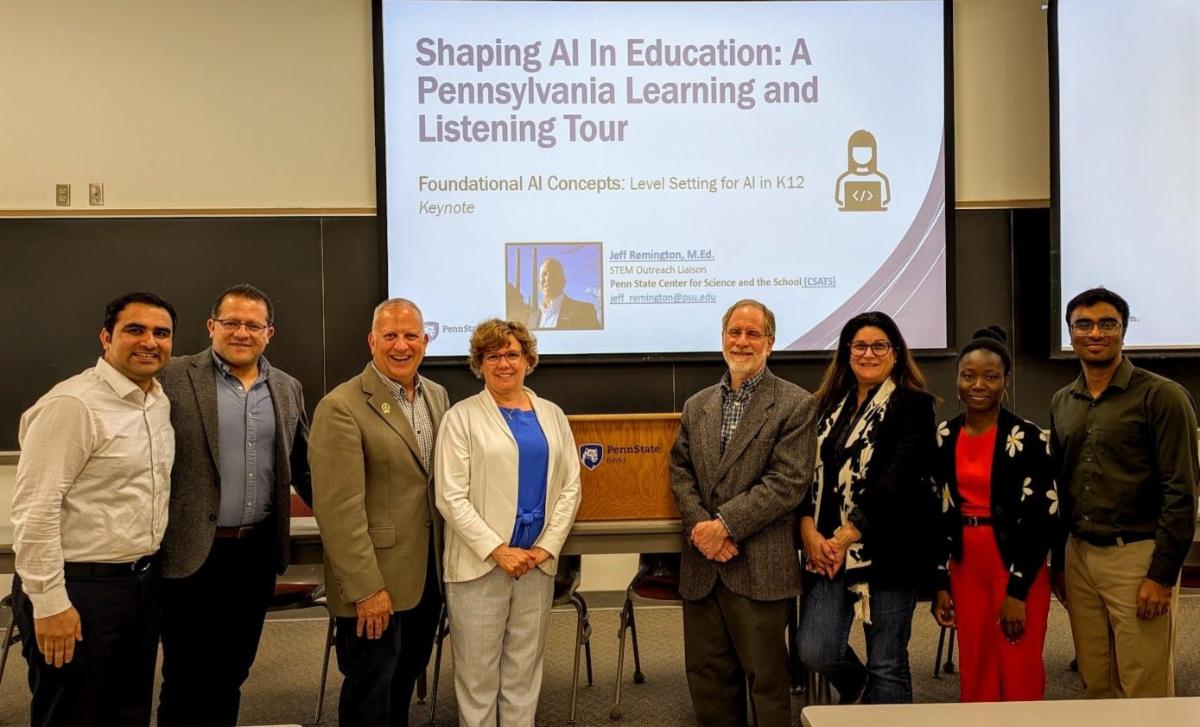
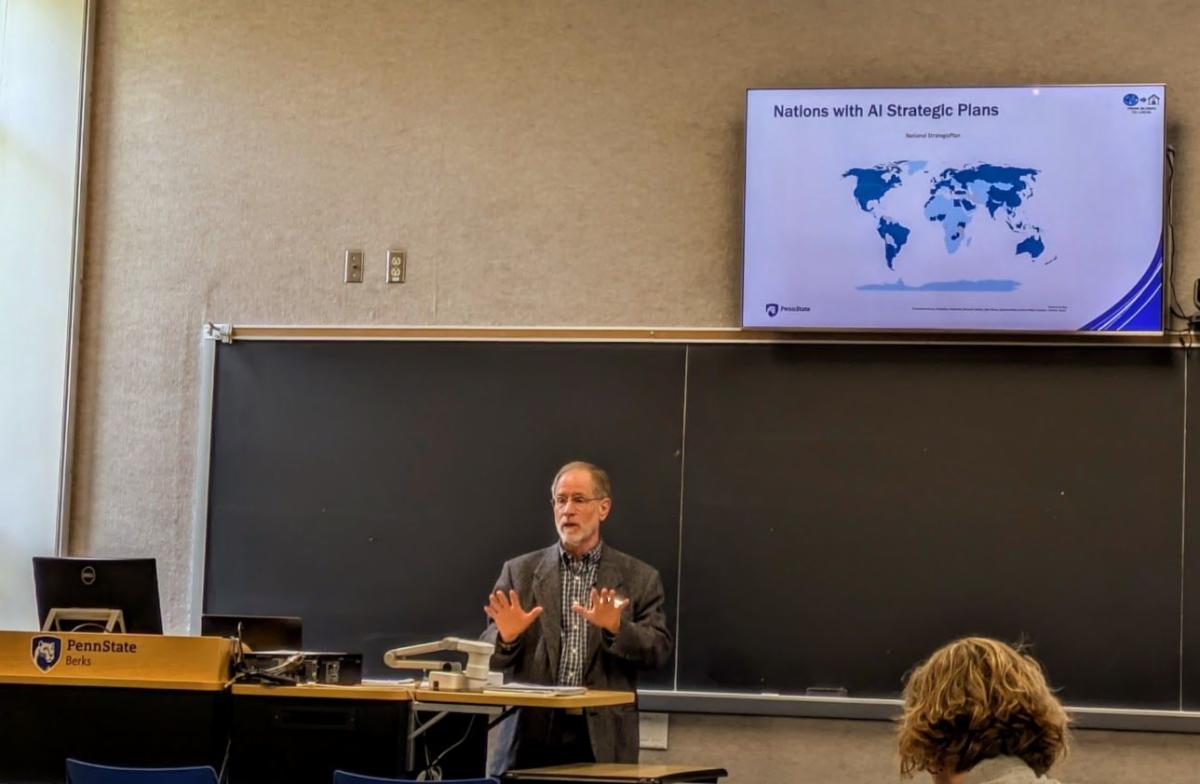
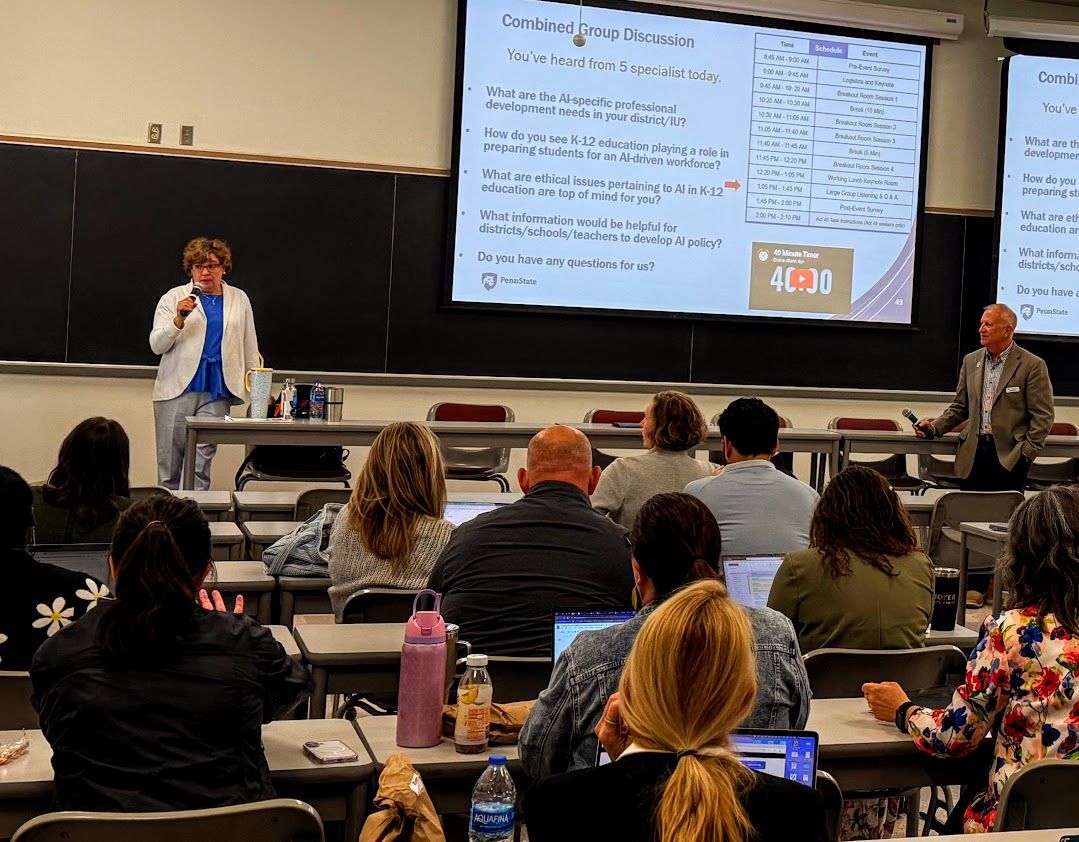
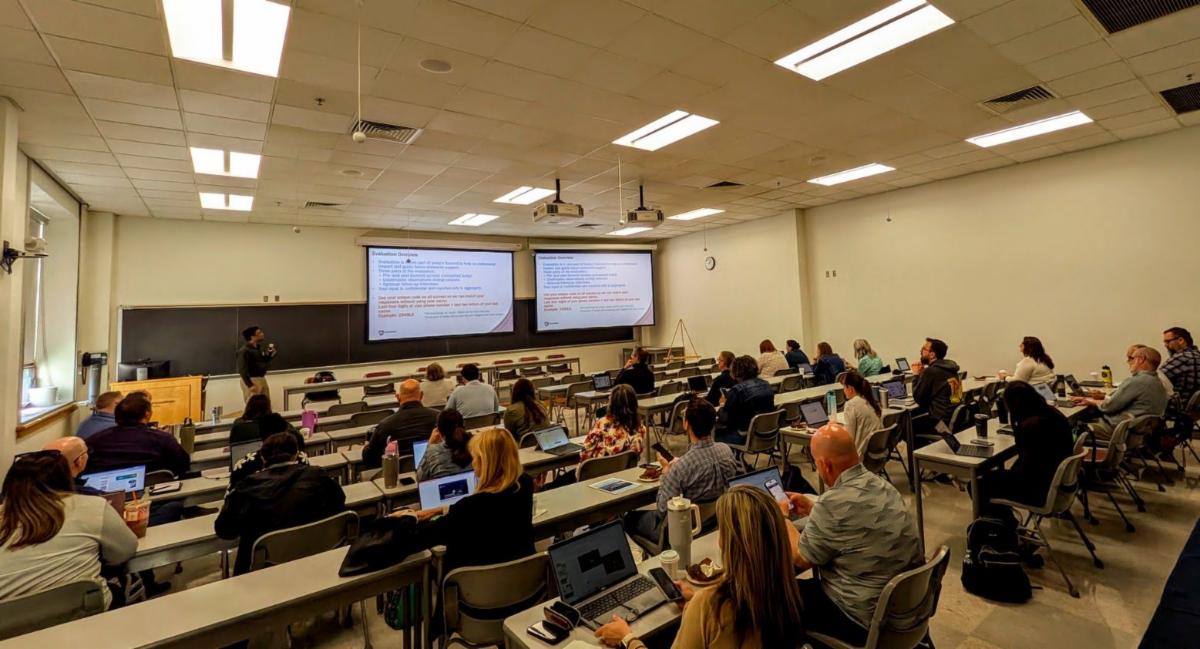
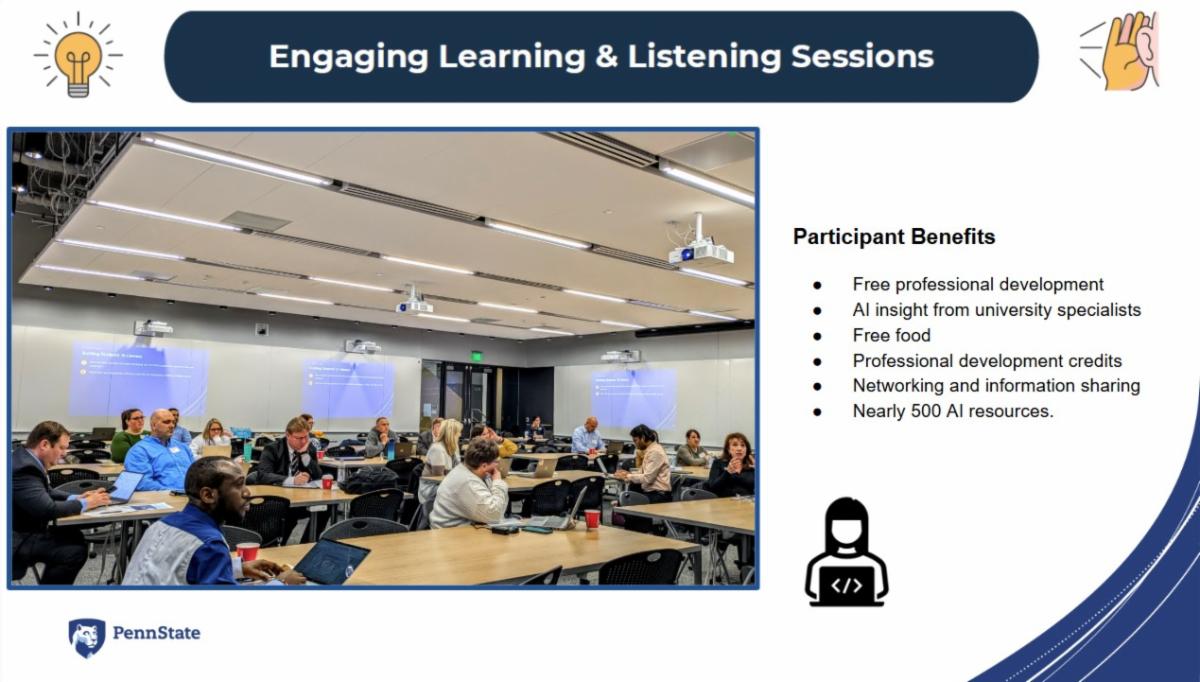
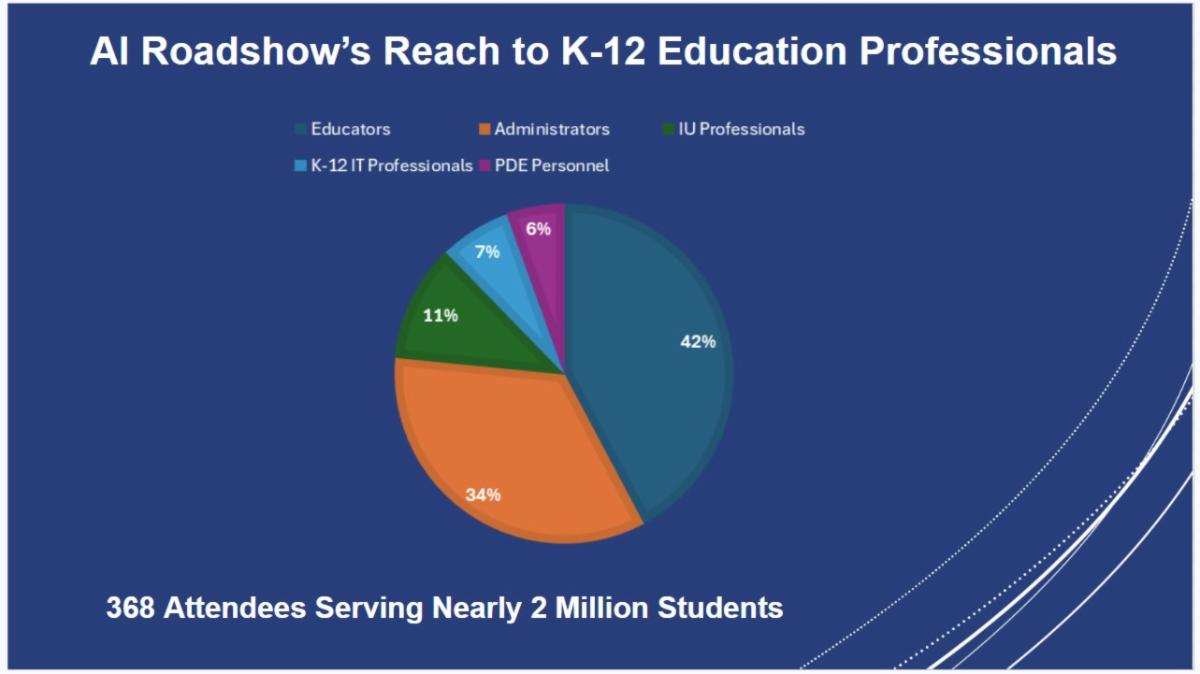
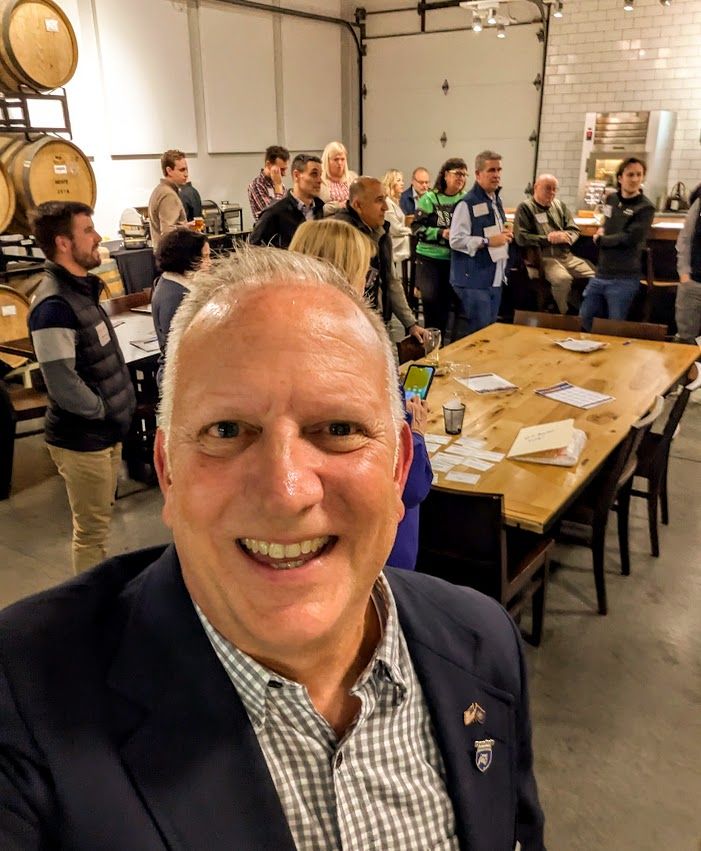
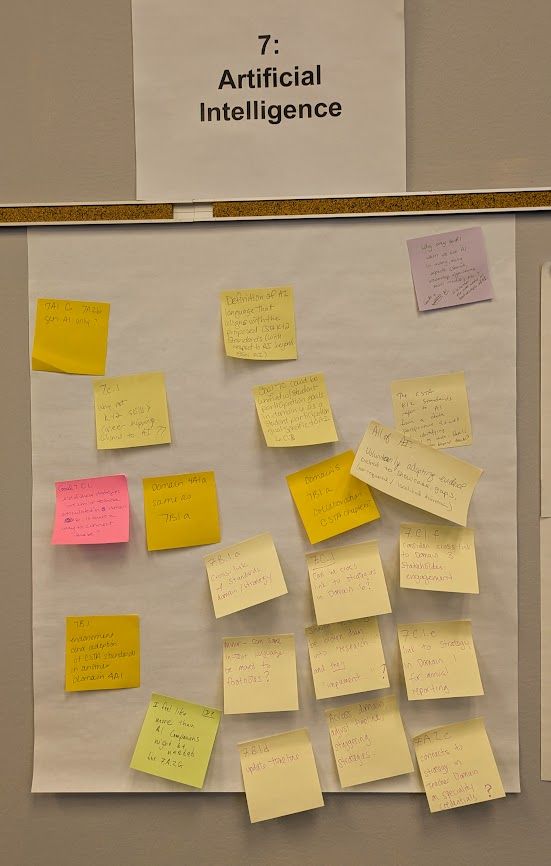
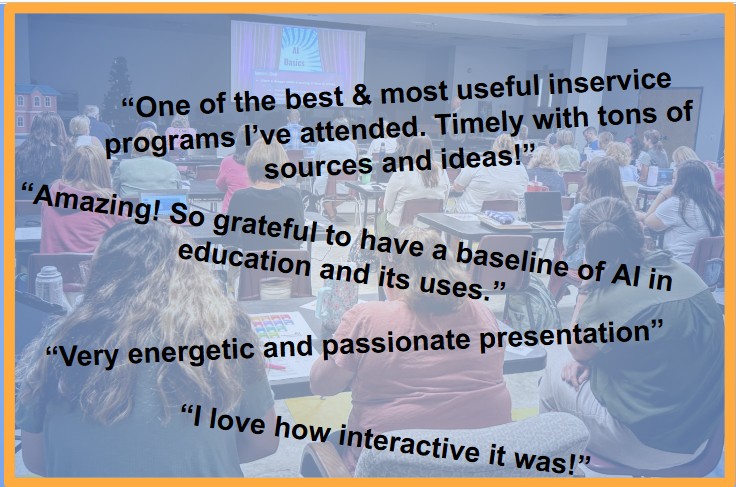
Our Shaping AI in Education: A Pennsylvania Learning and Listening Tour hosted its fifth of eight planned stops, this time at Penn State Berks, and on behalf of the Pennsylvania Department of Education. It was an impactful day filled with enriching conversations, networking, and a vibrant exchange of ideas between K-12 educators, administrators, and tech experts.
The event kicked off with insightful presentations from five Penn State AI content specialists and evaluation specialists. These experts shared foundational concepts of generative AI, its practical applications in K-12 classrooms, and its critical role in workforce development and preparing students for future careers. Following the presentations, our community leaders took center stage. The interactive listening sessions allowed participants to share their thoughts, concerns, and real-world experiences regarding AI integration. We extend our gratitude to the collaborative team that made this day possible, including representatives from PSU CSATS, the Penn State College of Education, the Penn State Institute for Computational and Data Sciences, Penn State Extension, and dedicated graduate students.
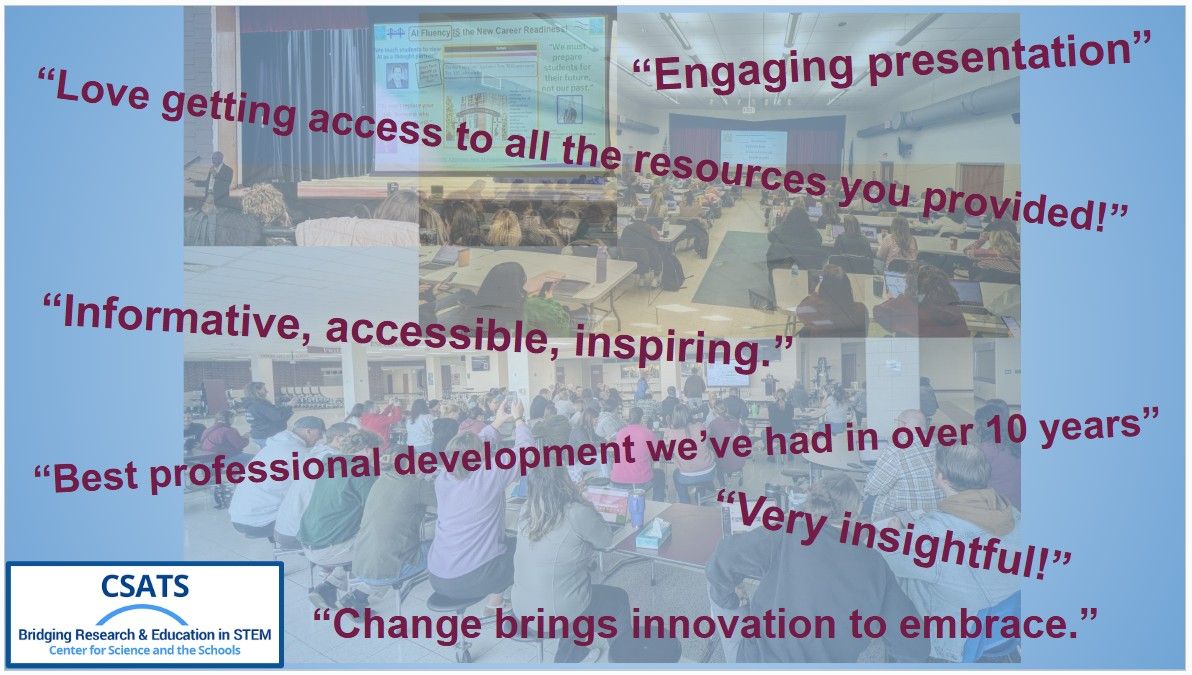
Participants were grateful for this work...
- “This was by far the best AI session I've ever attended. I appreciate the work you have done and continue to do to further AI awareness and education across the state. I plan to use many of these resources to support the work our AI Steering Committee will be doing this summer. I am so appreciative!” ~ Director of Curriculum and Instruction
- “Thank you for the excellent event yesterday; it provided a great platform for sharing ideas.” ~Instructional Technology Coach/Director
What We Are Gaining Together
Through this tour, Pennsylvania educators are actively helping to guide policy considerations, revolutionize educator professional development, and address the vital ethical and sustainability issues surrounding AI. The data gathered from participant surveys and interviews will play a crucial role in shaping official reports to the Pennsylvania Department of Education.
Upcoming Sessions: Don’t Miss Your Chance to Be Heard!
| |
|
Let Us Show You
How to Detect the Invisible!
| | |
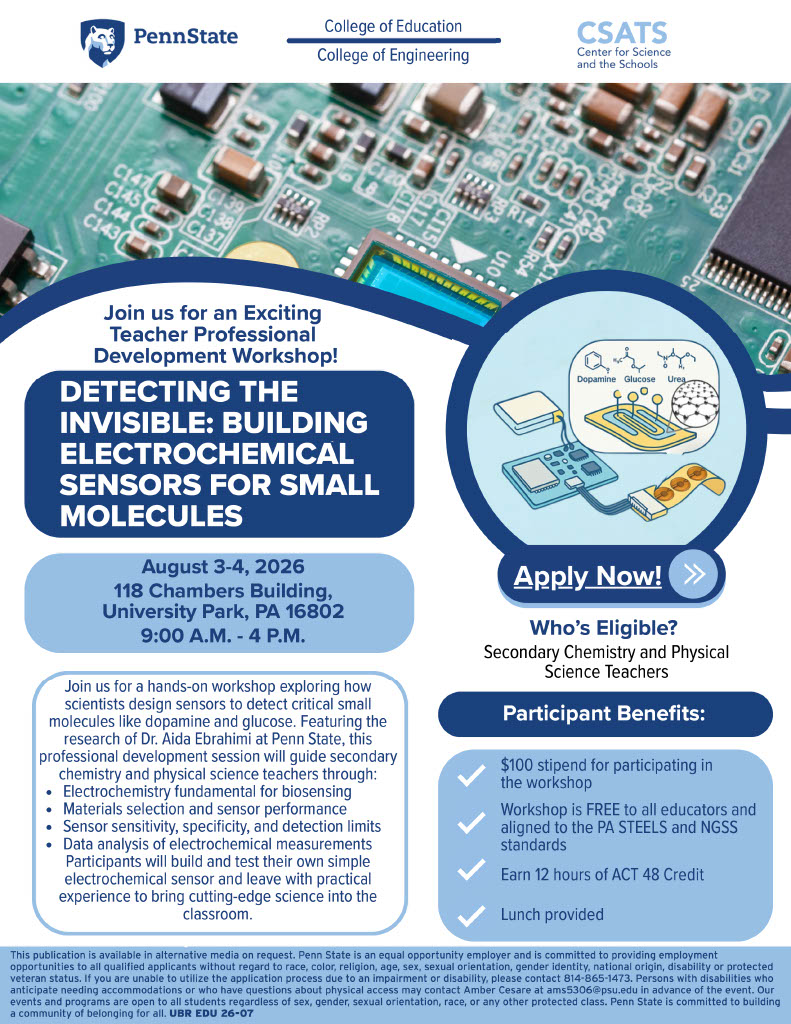
Chemistry, Bio, and Physics teachers, let us blow your mind, feed your stomach, give you Act 48, and pay you for it over 2 days this summer! Join a 2-day workshop: Detecting the Invisible: Building Electrochemical Sensors for Small Molecules. This hands-on workshop, featuring the research of Dr. Aida Ebrahimi at Penn State, will immerse you in the fascinating world of electrochemistry!
Date: August 3-4, 2026
Time: 9:00 A.M. - 4 P.M.
Location: 118 Chambers Building, University Park, PA.
Workshop Highlights:
- Fundamentals of electrochemistry for biosensing
- Materials selection and sensor performance
- Understanding sensitivity, specificity, and detection limits
- Data analysis of electrochemical measurements
- Participants will build and test their own electrochemical sensors, gaining practical experience to enhance classroom learning!
Benefits:
- $100 stipend for participating
- 12 hours of ACT 48 Credits
- Free to all educators and aligned with PA STEELS and NGSS standards
- Lunch provided!
Don’t miss this opportunity to enrich your teaching and bring cutting-edge science into your classroom.
For more information and to register, click the button below.
| | |
CSATS Hits LinkedIn Milestone
Thanks to You!
| | |
This social media milestone is a testament to the incredible community of educators, researchers, and industry professionals dedicated to transforming STEM education and 'curiosity to career' workforce development together. If you are not connected with us on social, consider connecting with us on LinkedIn, Facebook, or X.
#FurtherTogther #Impact
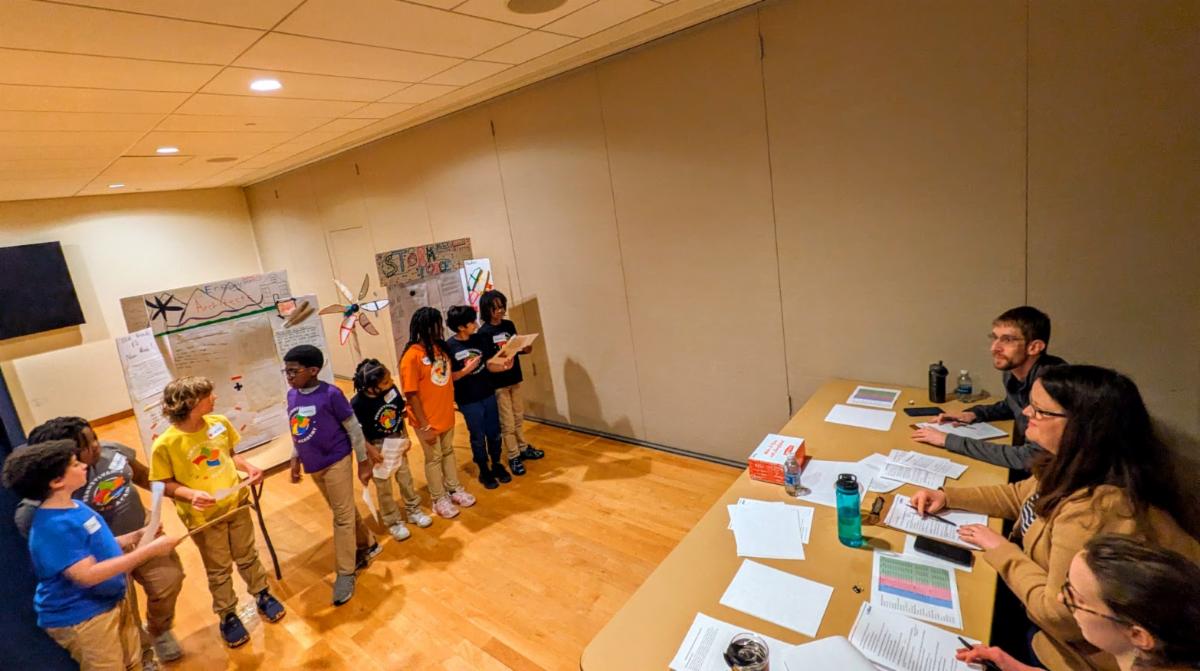
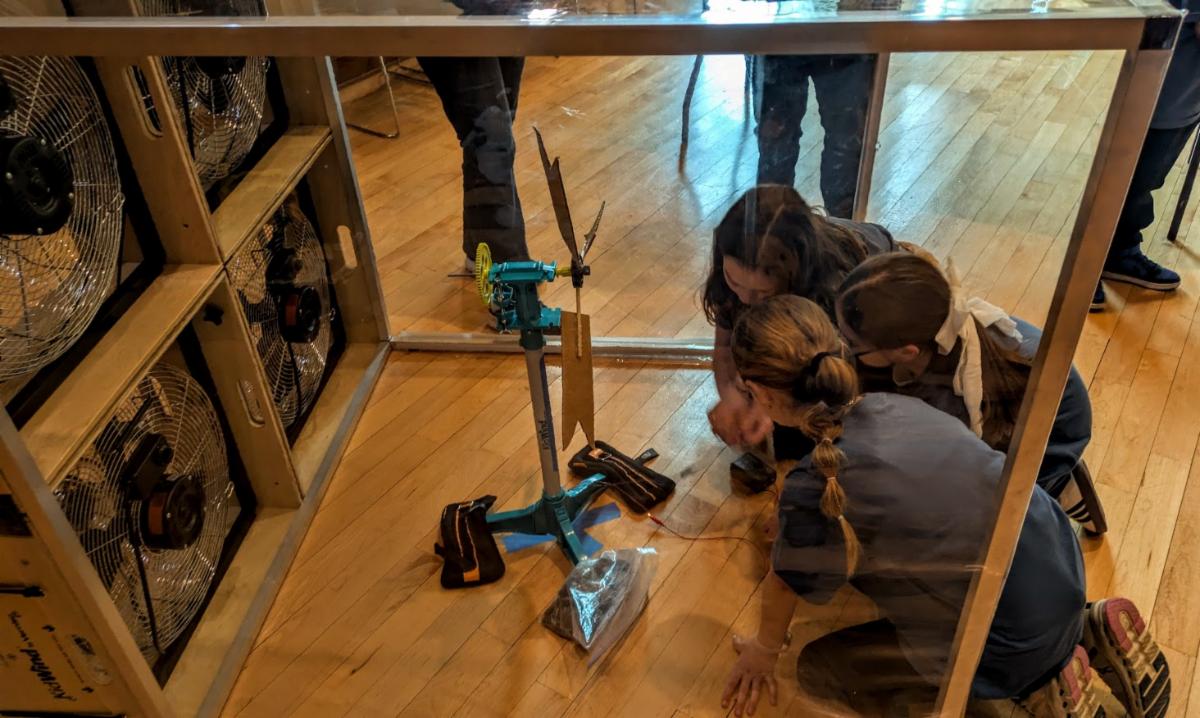
| | The Collegiate Wind Challenge Finals Hosted at Penn State Inspires Our Work on the Pennsylvania KidWind Challenge! | |
From Collegiate Innovation to K–12 Classrooms: The Collegiate Wind Competition
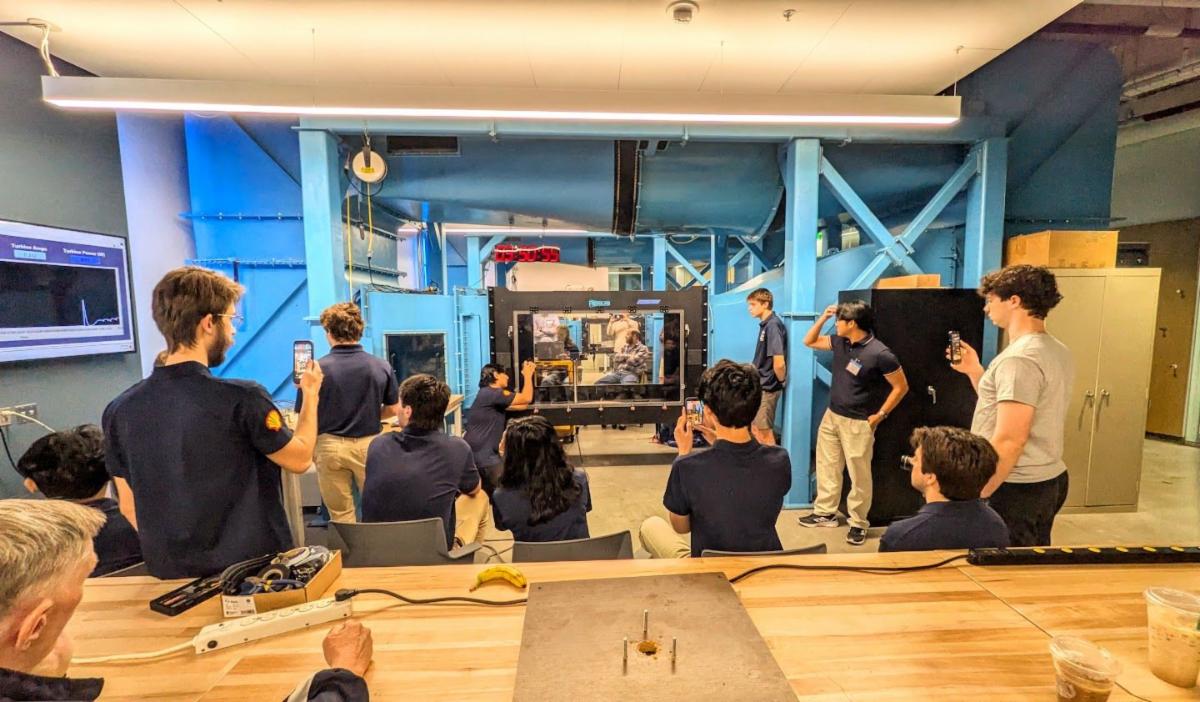
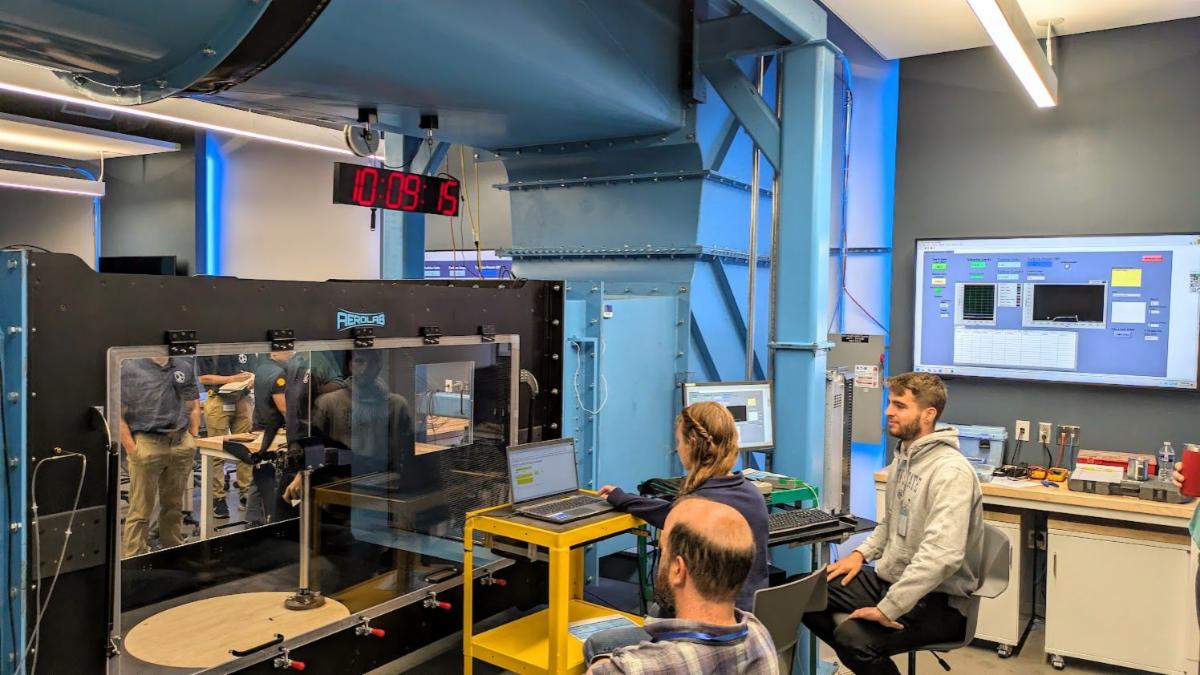
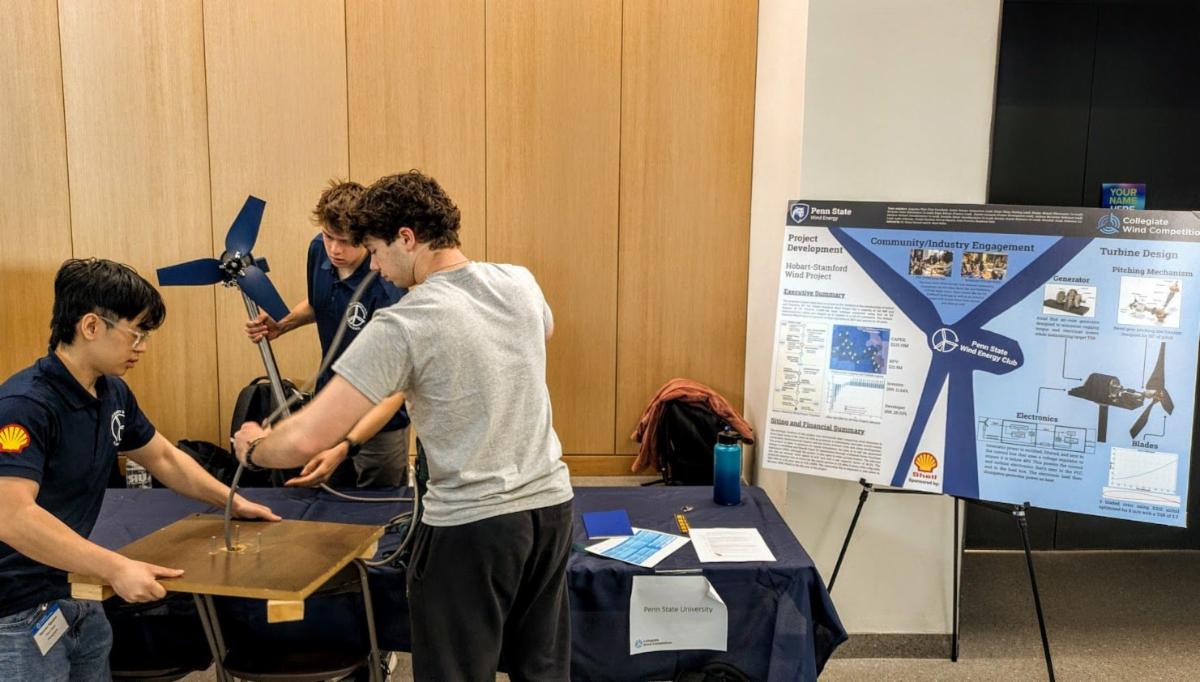
Penn State recently hosted the U.S. Department of Energy’s Collegiate Wind Competition (CWC), showcasing how multidisciplinary undergraduate teams solve real-world renewable energy challenges.
Thanks to the vision and leadership of Dr. Susan Stewart, this collegiate excellence directly fuels our K–12 pipeline. Dr. Stewart supports both Penn State engineering undergraduates and 4th–12th-grade teams through the CSATS PA Energy Competitions.
Want your students to achieve what these collegiate engineers are doing?
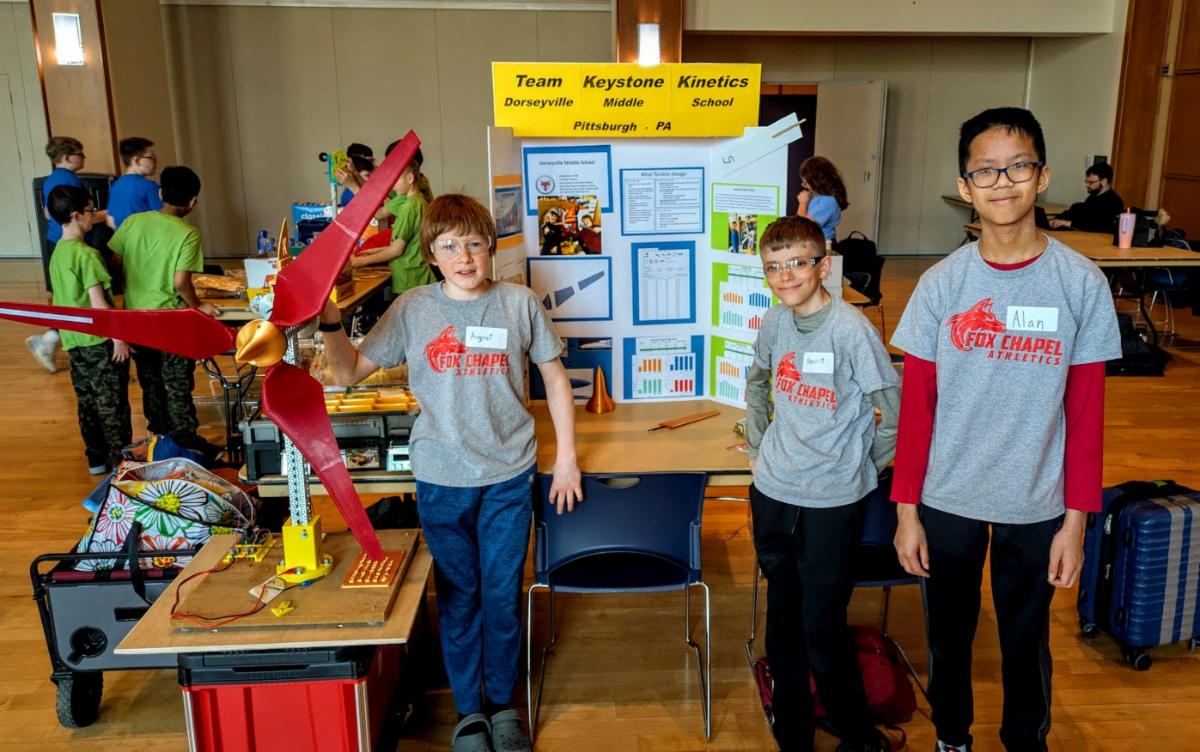
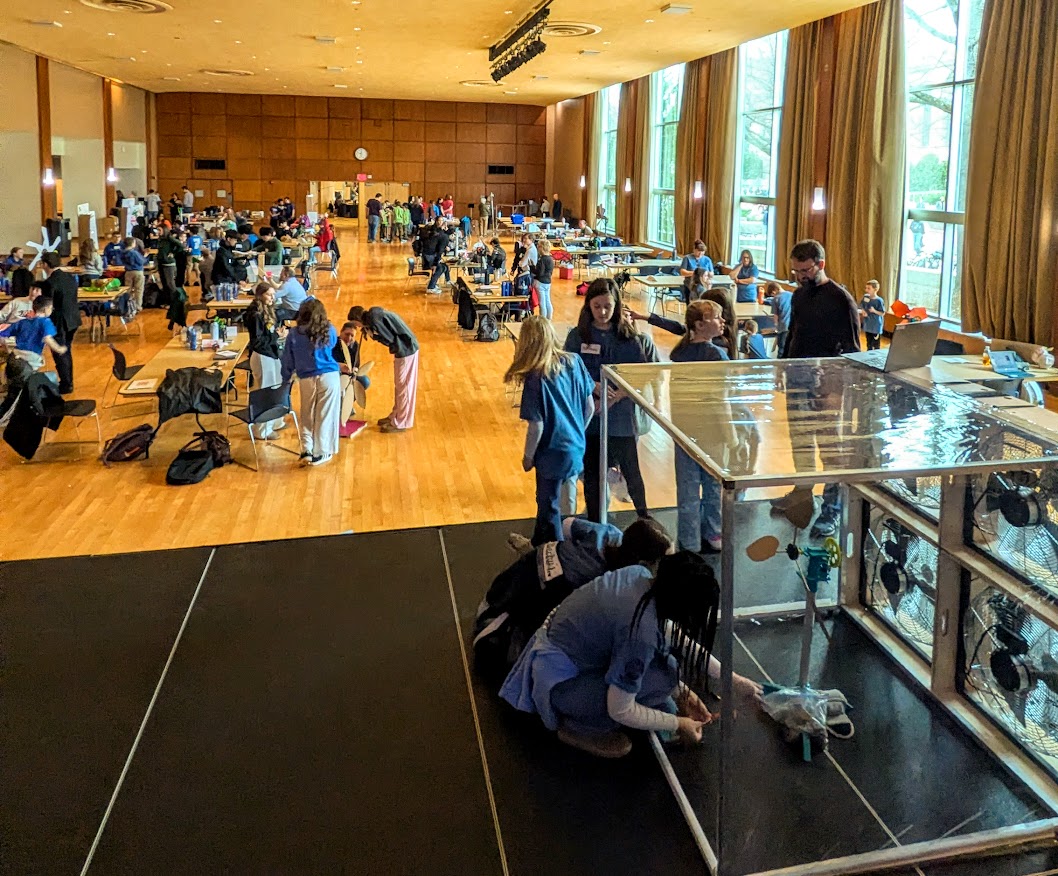
You can bring these hands-on STEM opportunities to your school district. Learn more about participating in the K–12 energy challenges and view a recap of this year's energy challenges through this short video. Also, check out Penn State's Aerospace Engineering pathways to inspire your students' future careers!
| | |
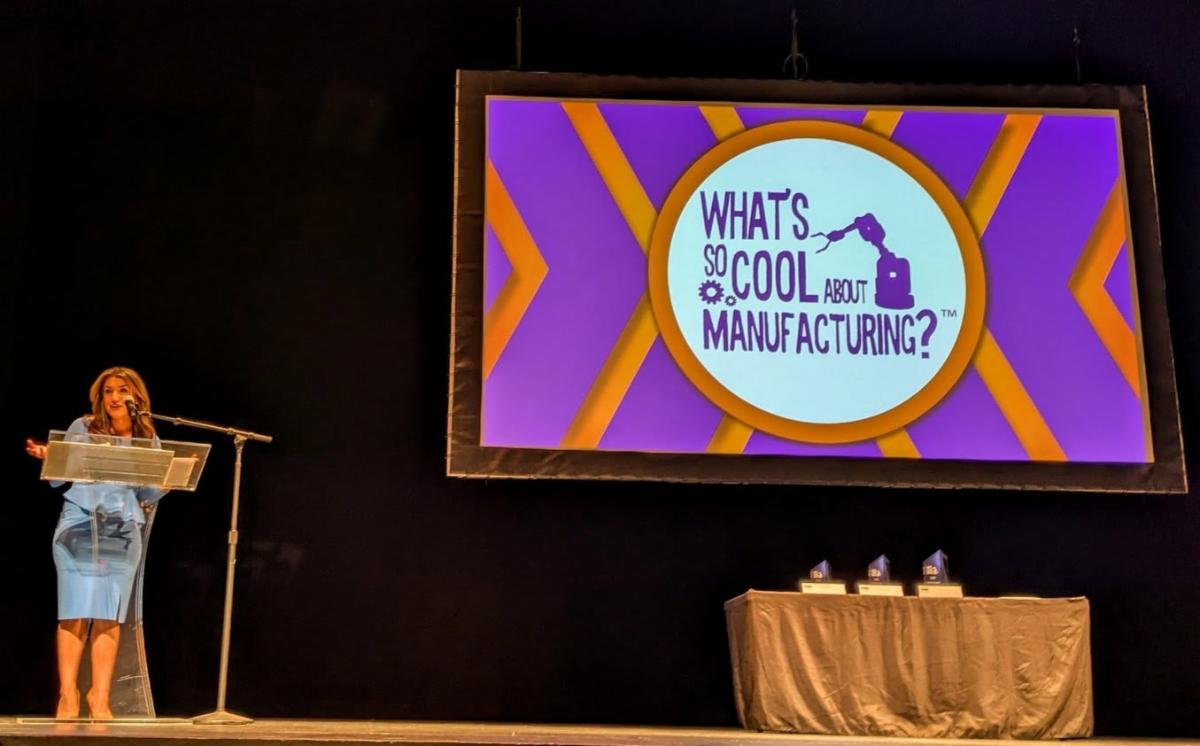
CSATS Supports "What's So Cool About Manufacturing?"
Celebrating K–12 Innovation at the 2026 Statewide Awards
| | |
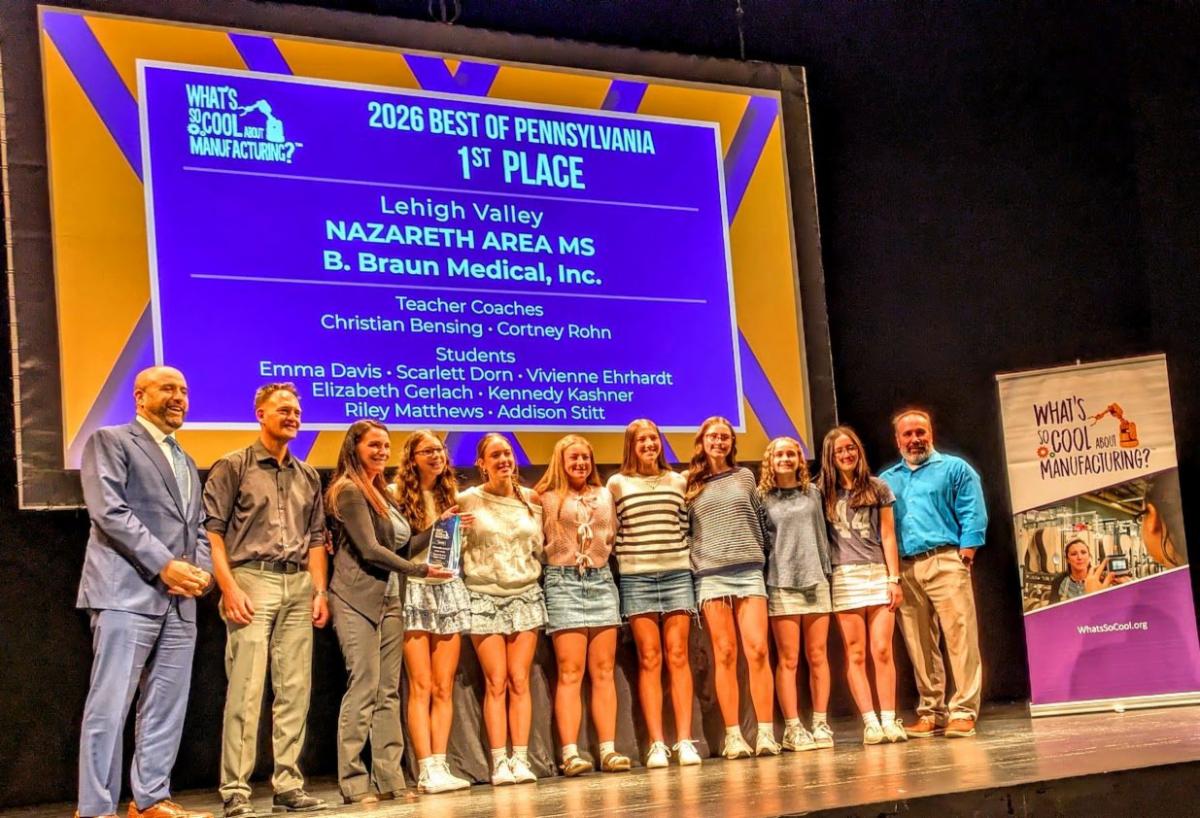
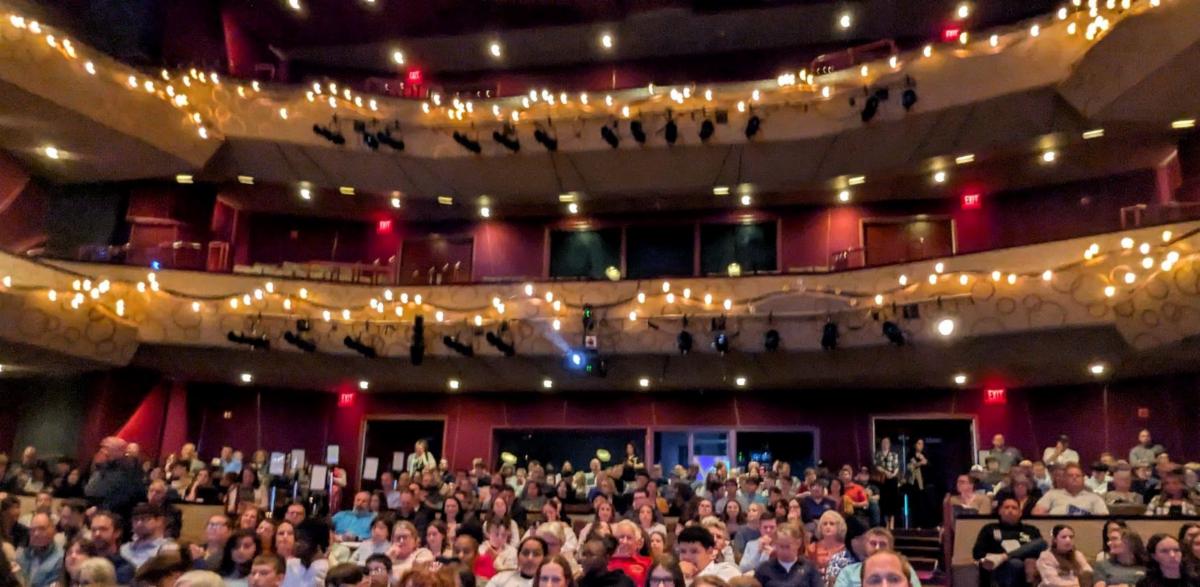
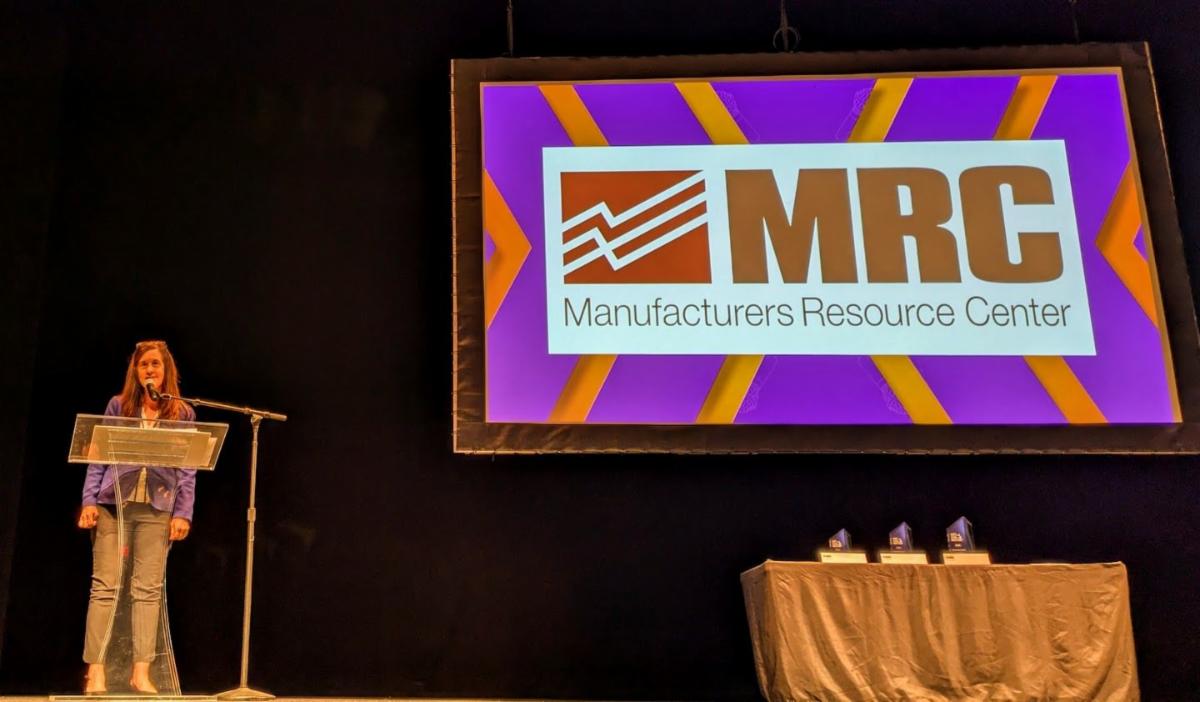
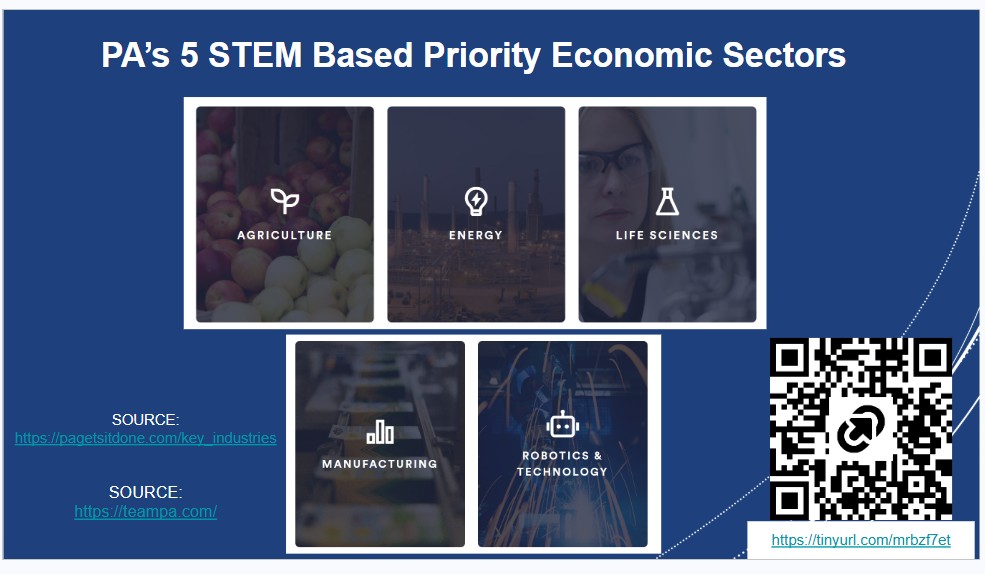
CSATS recently had the privilege of celebrating Pennsylvania's bright young minds at the "What’s So Cool About Manufacturing?" 2026 Best of Statewide Awards ceremony, held at the Whitaker Center in Harrisburg. Congratulations to all of the participating schools and winning student teams who demonstrated excellent story telling skills in the context of manufacturing. Manufacturing stands as one of the five key STEM-based Priority Economic Sectors outlined in the Commonwealth's 10-Year Economic Plan. By bridging the gap between classroom curiosity and real-world industry, programs like this prove that Pennsylvania is uniquely poised to win the future. Through intentional collaboration, we are collectively investing in our state's greatest natural resource: our homegrown workforce.
Translating Research into Classroom Opportunities
Representing the Penn State Center for Science and the Schools (CSATS) at this event underscores our core mission. We work on the cutting edge of translating the groundbreaking work of Penn State researchers within these five priority economic sectors into impactful, "curiosity to career" workforce development pathways for K–12 schools across the Commonwealth.
We extend our deepest gratitude to Director Karen Buck and the many dedicated Pennsylvania leaders and partners who championed this event, including Cindi Moses, Brittany Stephens, Brian J. Gasper Ed.D., Patricia Blumenauer, Secretary Rick Siger, Demetrius Roberts, Michelle Lengel, Max Crumlich, Andrea Tessier, and Melissa Day, Ed.D.
Together, we are powering Pennsylvania by cultivating an innovation-ready workforce.
-
Learn More:
- Discover more about manufacturing in Pennsylvania HERE.
- Discover how CSATS is driving workforce readiness by visiting our Penn State CSATS Workforce.
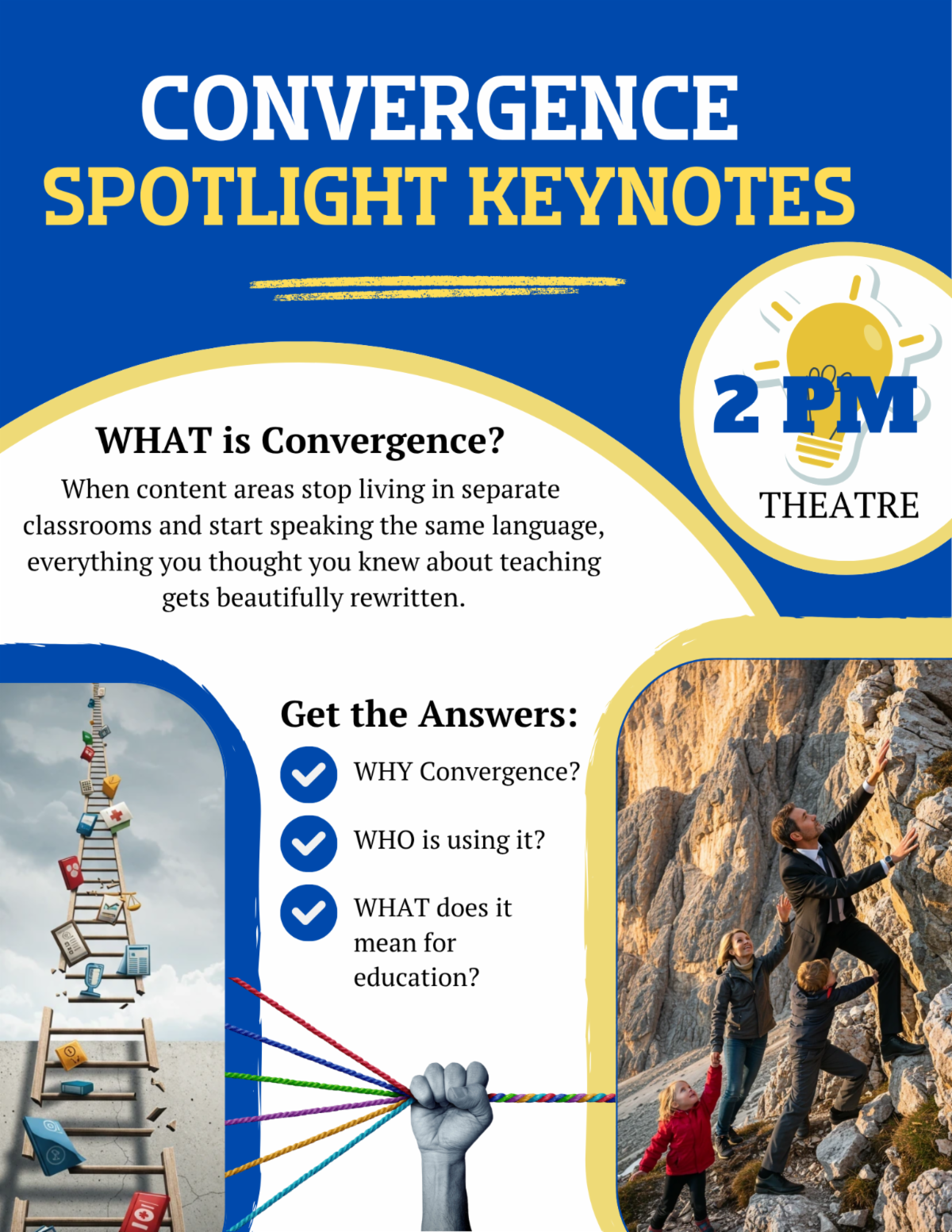
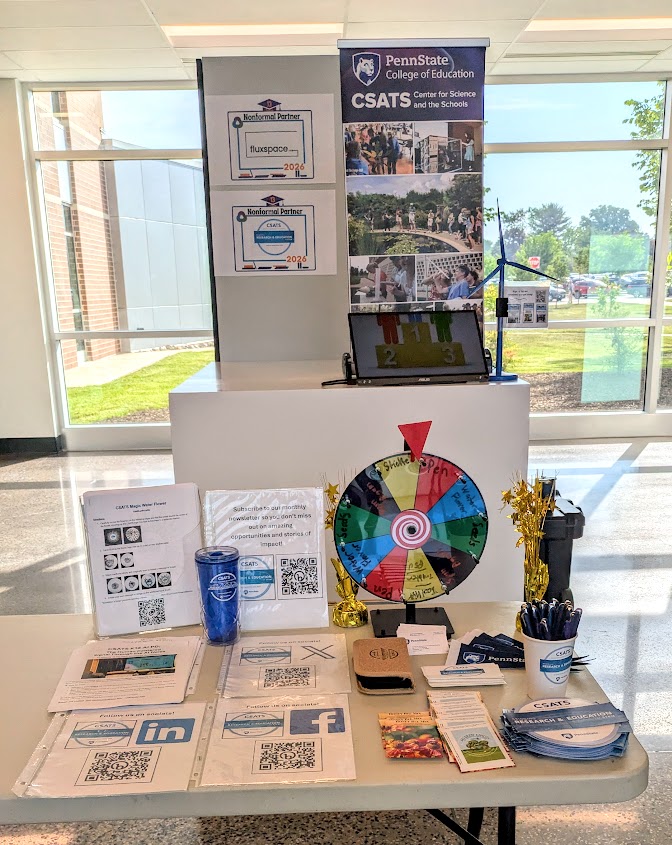
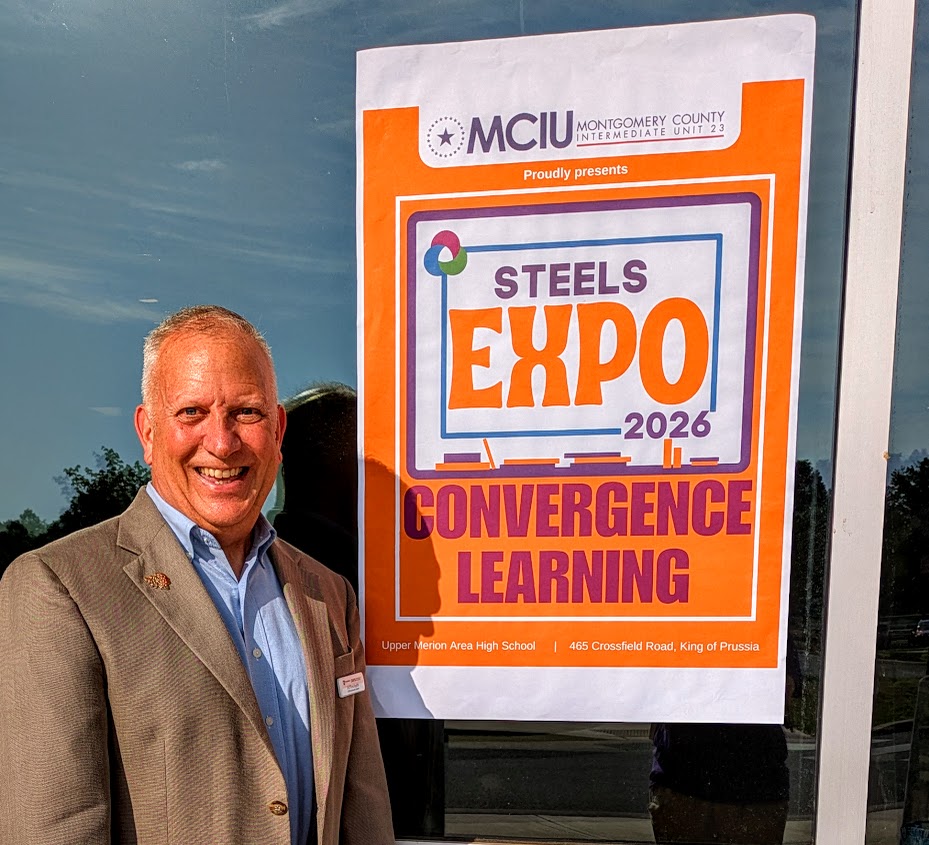
| | CSATS Presents and Exhibits at the 2026 STEELS Expo on Convergence | | |
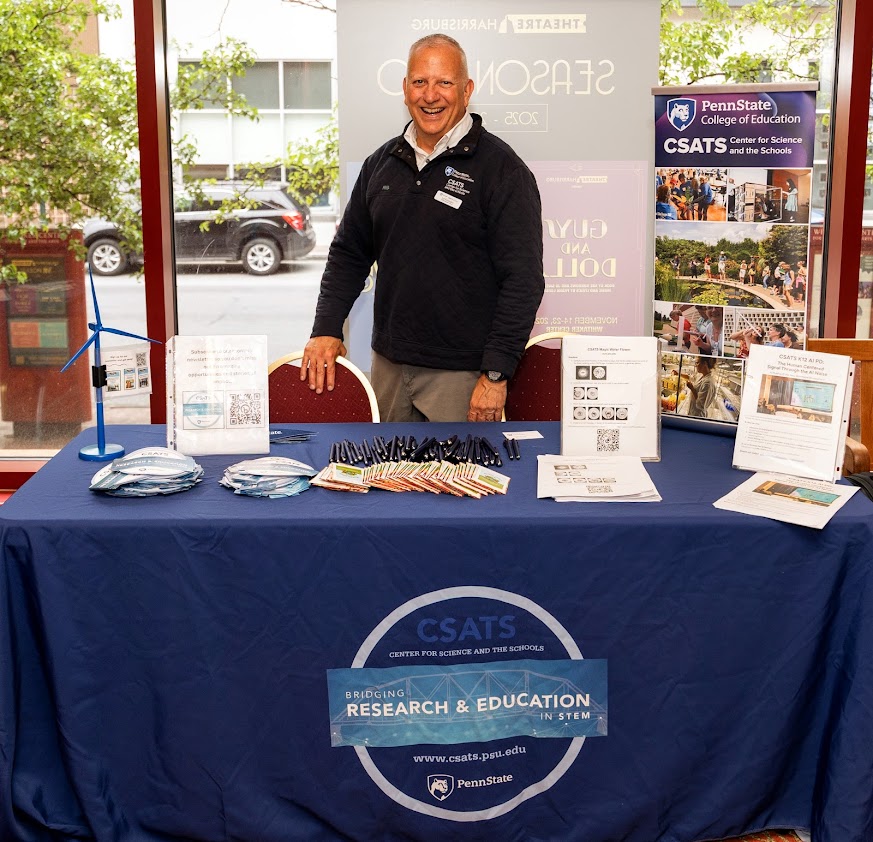
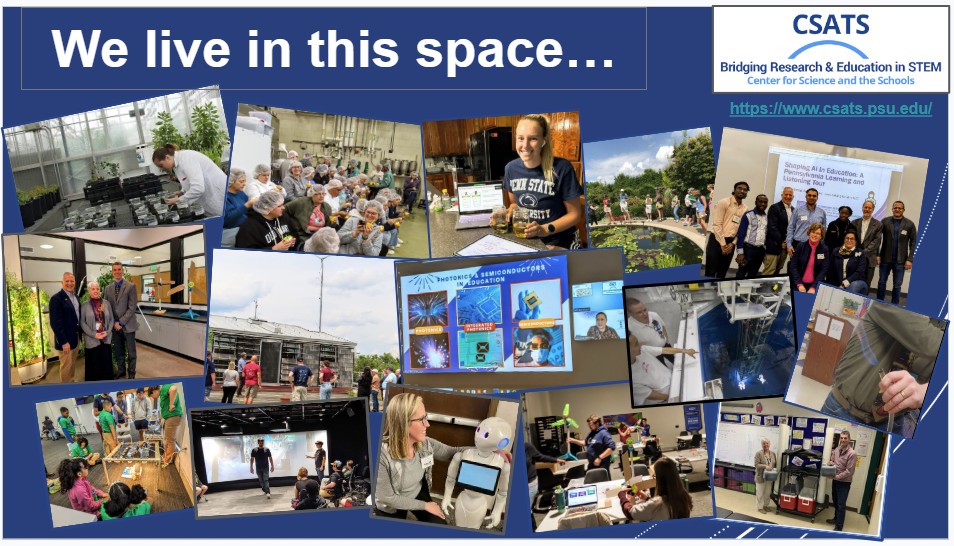
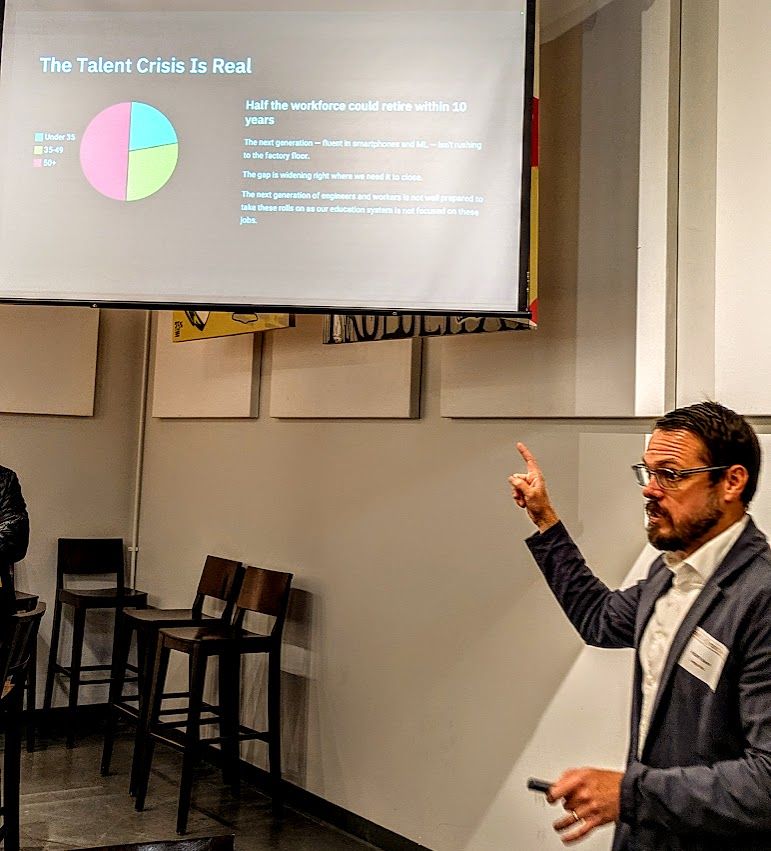
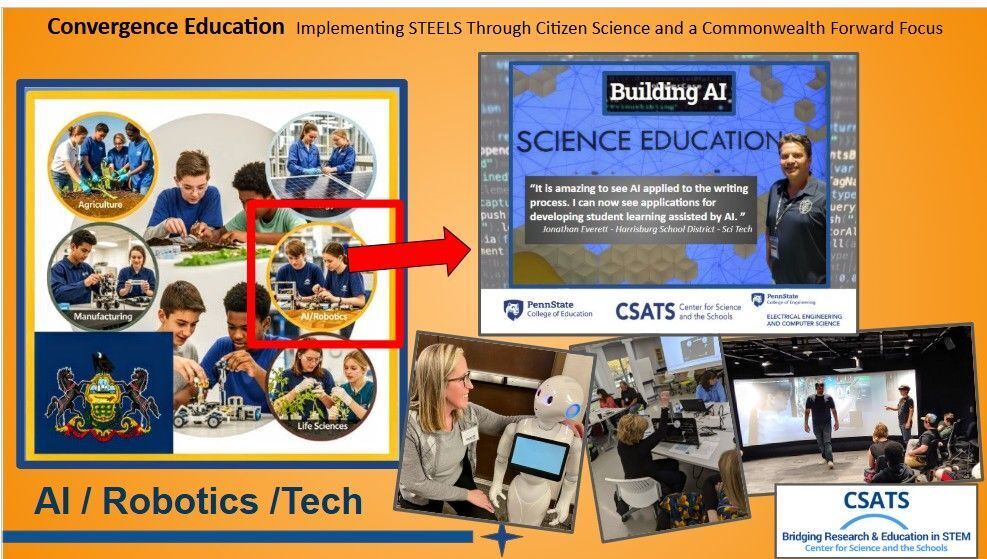
At the Center for Science and the Schools (CSATS), we are deeply committed to bridging the gap between K–12 education and the evolving demands of the workforce. Recently, CSATS had the honor of participating in a keynote panel at the Montgomery County Intermediate Unit’s 2026 STEELs Expo. The discussion centered on a critical intersection for our Commonwealth: aligning K–12 education with Pennsylvania’s five STEM priority sectors, as outlined in the state’s 10-year economic development plan with a lens of #Convergence. At CSATS, we have been living in this space for many years. We give K12 educators students cutting edge authentic learning experiences in these priority sectors.
When we connect what students learn to real-world industries right here in Pennsylvania, we build a robust, sustainable "curiosity-to-career" pipeline that drives long-term, generational prosperity.
| |
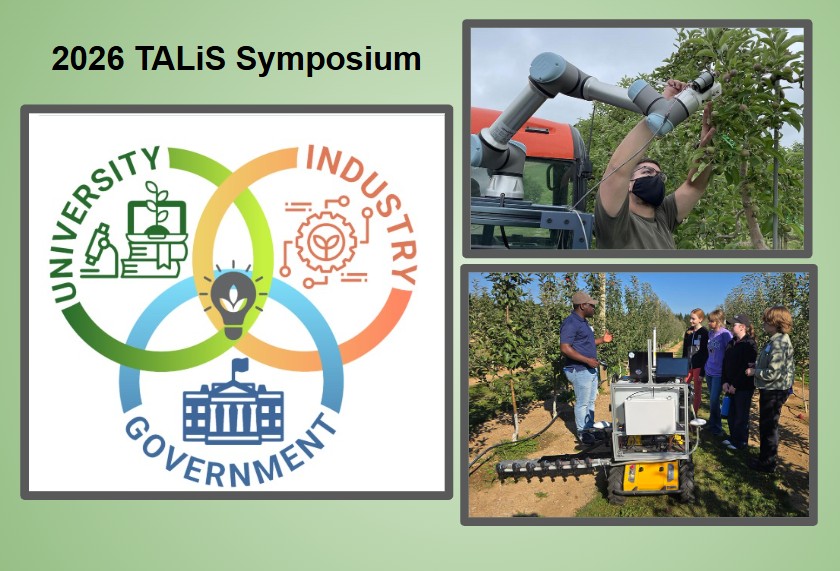
CSATS Participates and Contributes to Technologies for Agricultural and Living Systems Symposium (TALiS) | | |
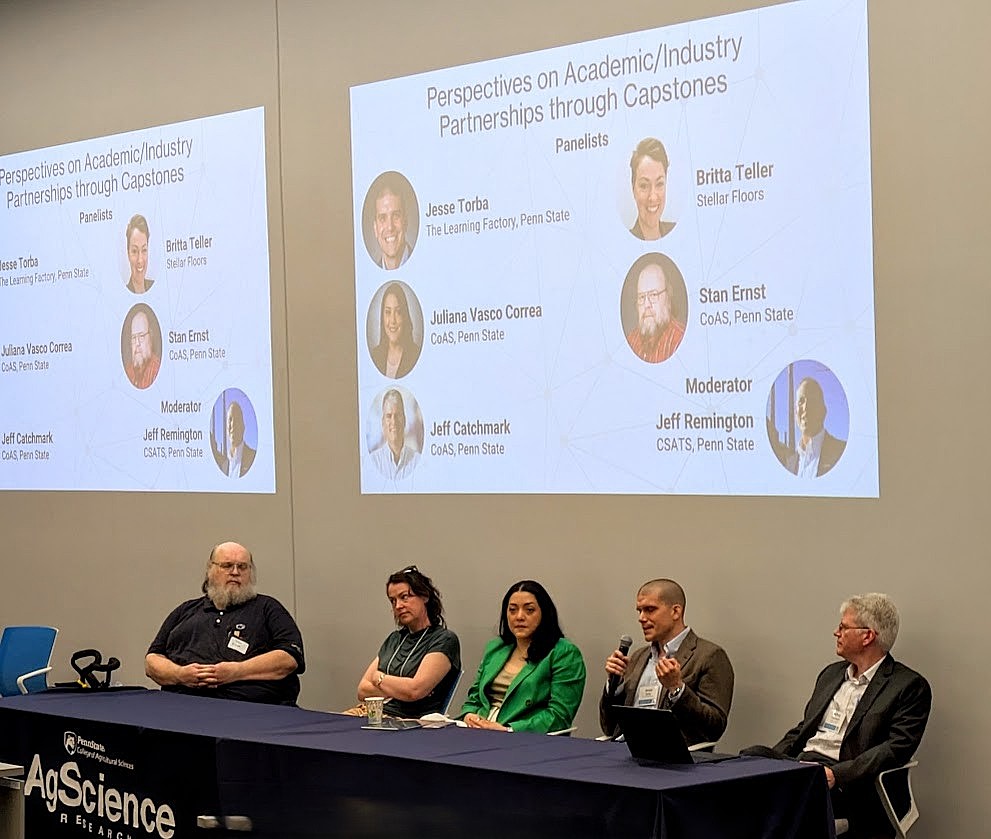
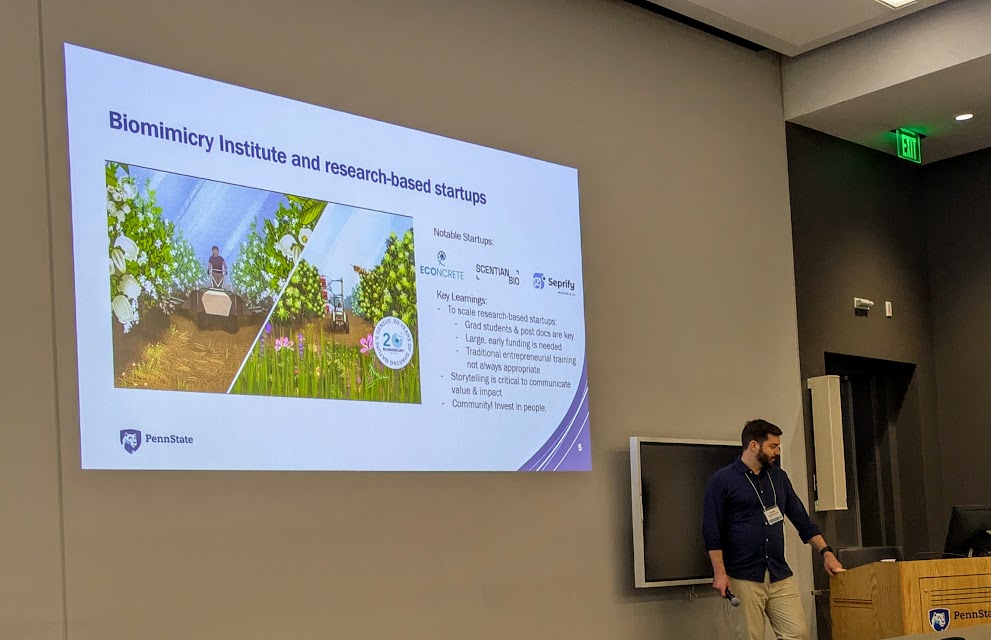
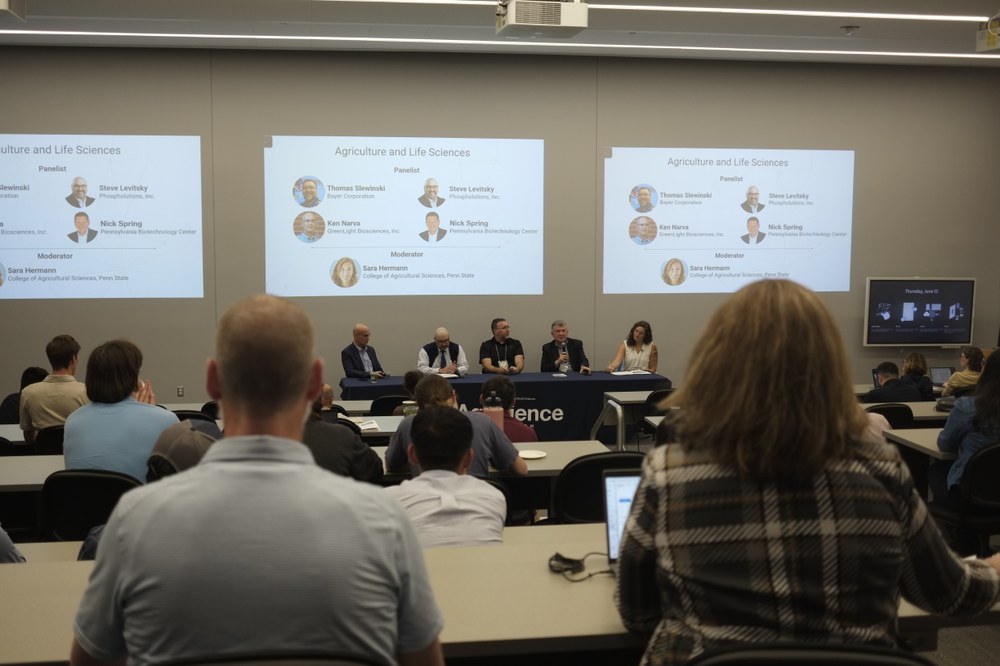
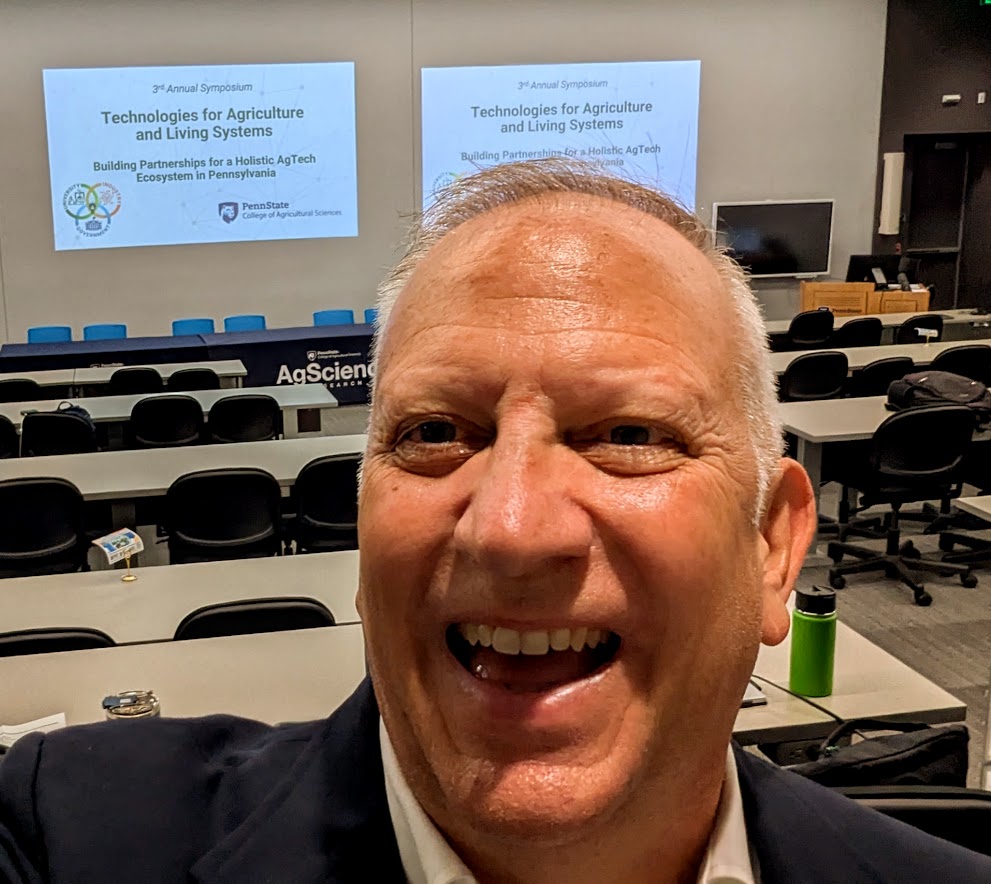
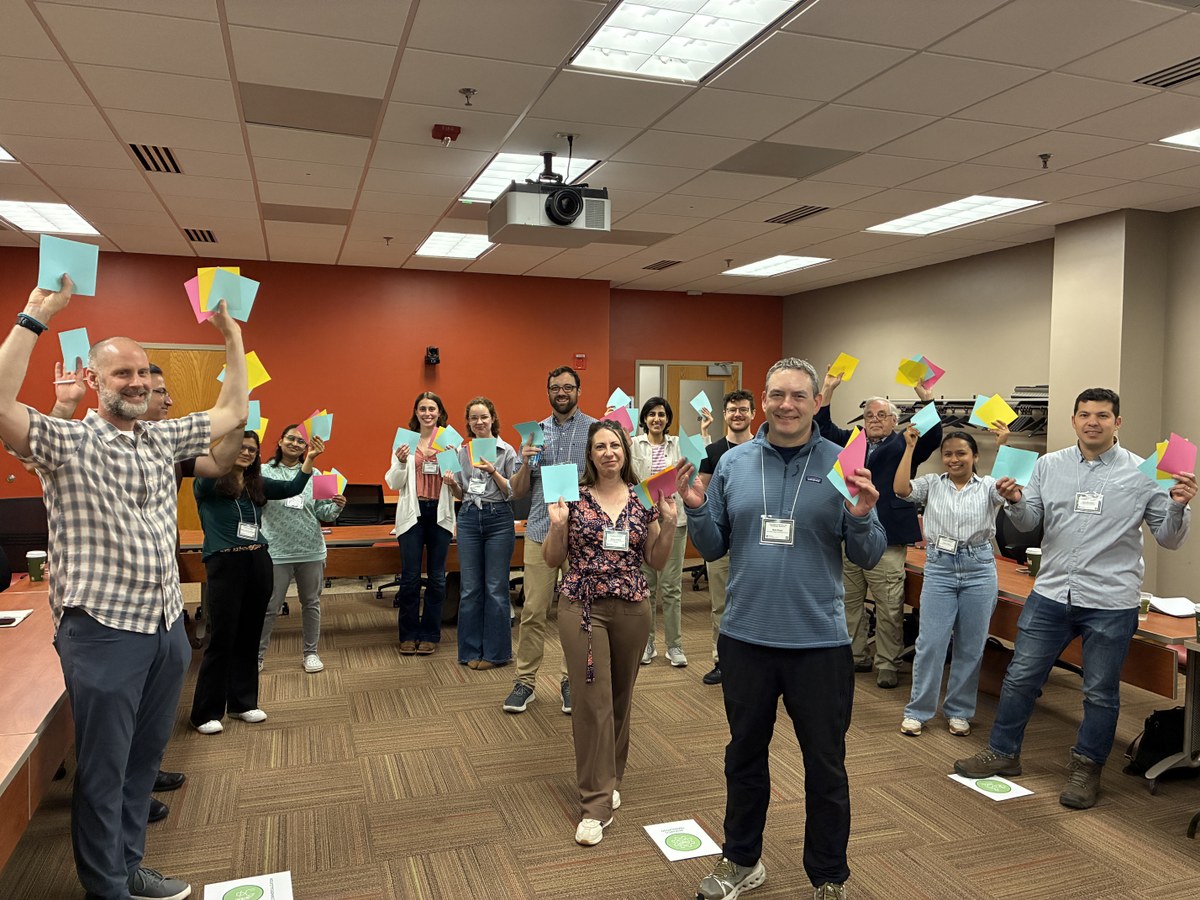
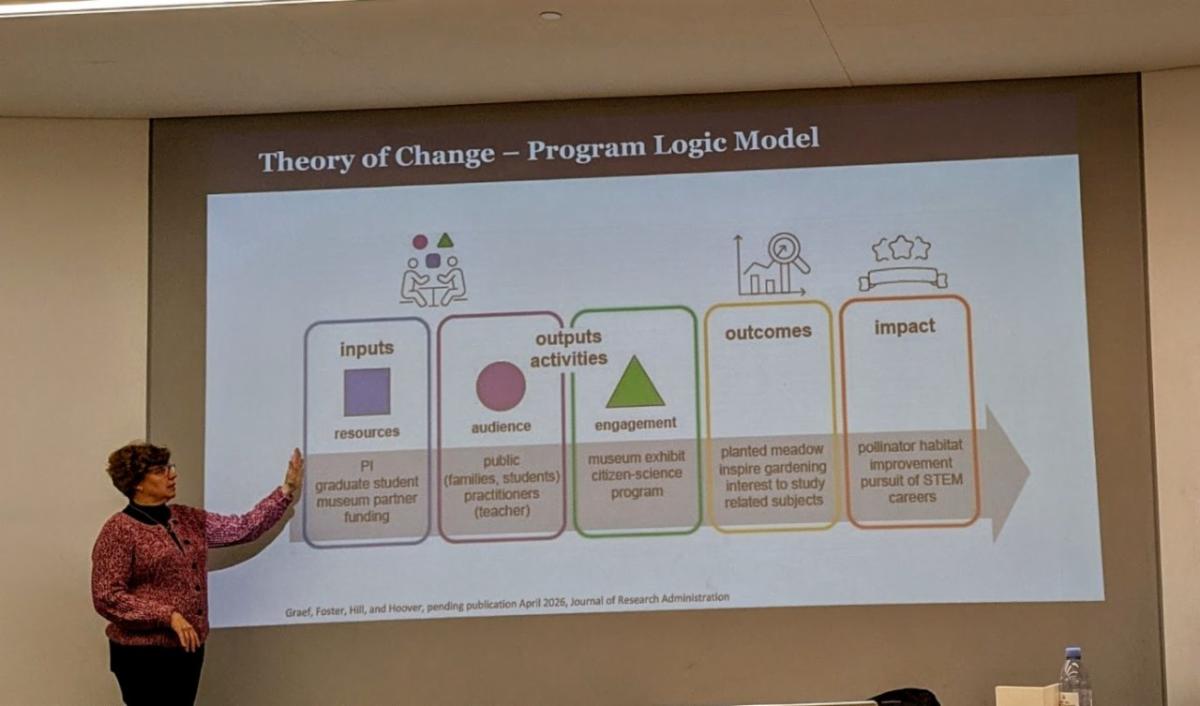
CSATS has been grateful for the opportunity to contribute to the TALiS initiative and symposiums at Penn State’s College of Agricultural Sciences for the past 3 years. TALiS focuses on bridging the gap between cutting-edge agricultural research and practical application by bringing together partners across academia, government, and industry to help build a more holistic AgTech ecosystem in Pennsylvania. We help support TALiS through our Broader Impacts and“curiosity-to-career” workforce development lens. We offer workshops to the TALiS community and assist in facilitating some of the programming during the symposiums.
Through that lens, we gain valuable insights into what the AgTech sector is seeking in its emerging workforce—insights that can be directly applied to K–12 education systems:
✅Transdisciplinary (convergence) thinking
✅Systems thinking
✅Applied math and data literacy
✅Authentic, real-world problem-solving experience
✅Collaboration and relationship-building skills
✅AI fluency
✅Storytelling
✅Human-centered communication skills
✅The ability to navigate and persist through challenging interpersonal and technical situations (dealing with friction in a world of frictionless AI chat interactions)
Agriculture is one of Pennsylvania’s five STEM priority sectors but beyond that, agriculture is a #Convergence of many of the other five priority sectors and TALiS exemplifies that.
| | |
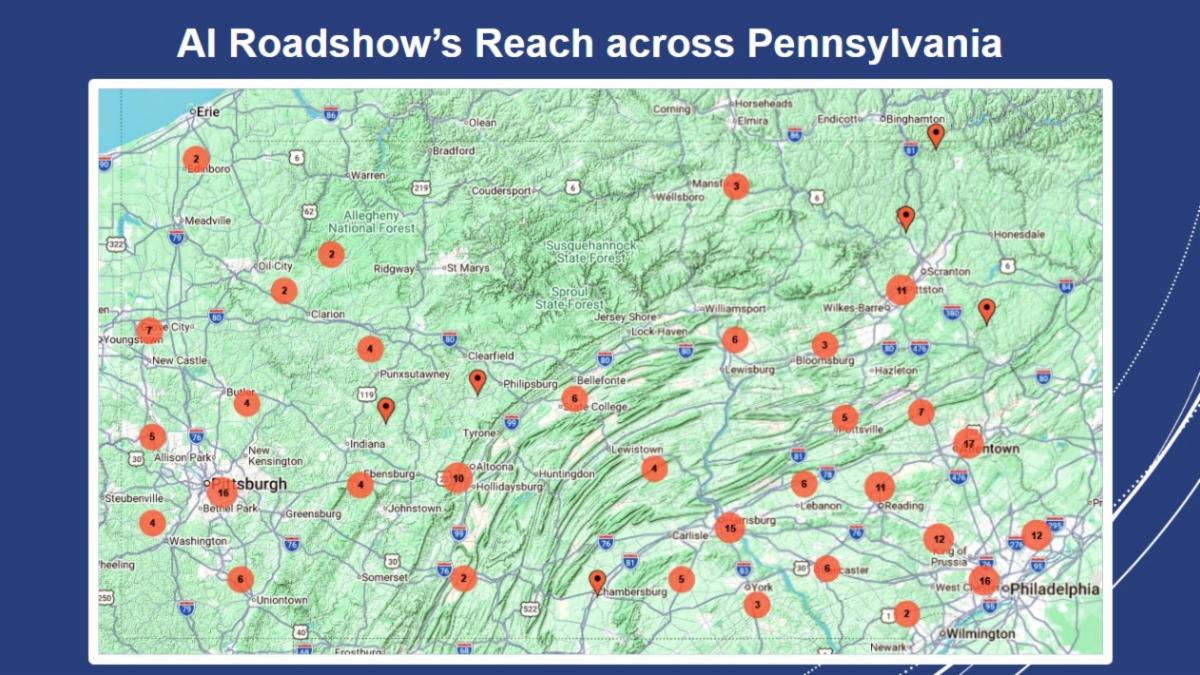
Got AI? We Help You Find 'The Signal Through the Noise'
Our Thumb is on the AI Pulse in Ways Few Others Can Match
| | |
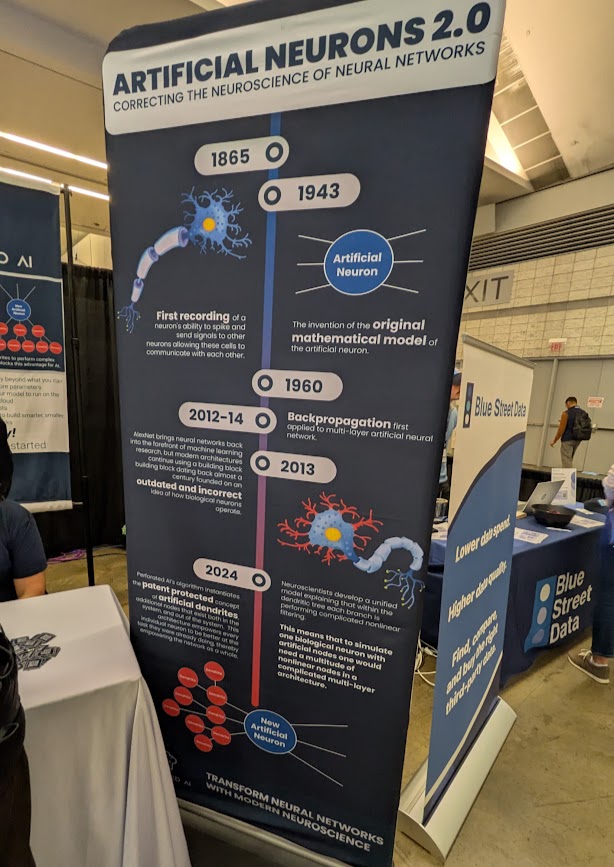
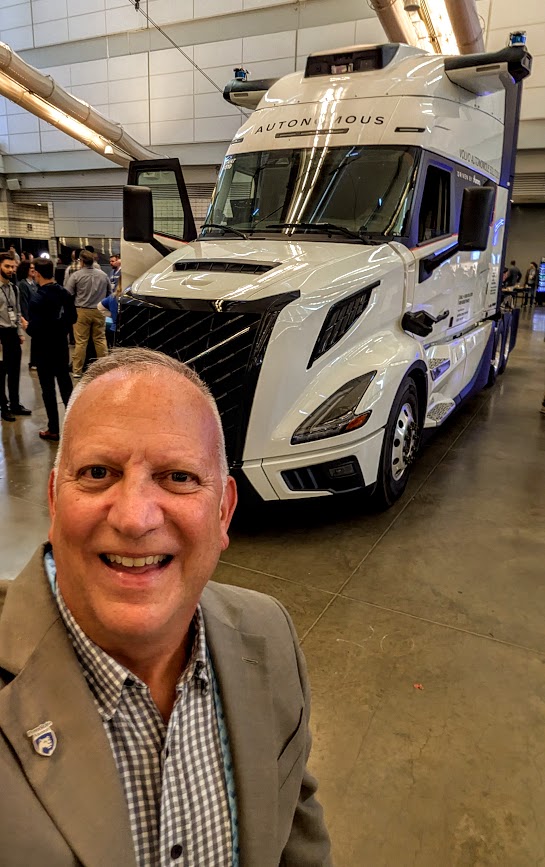
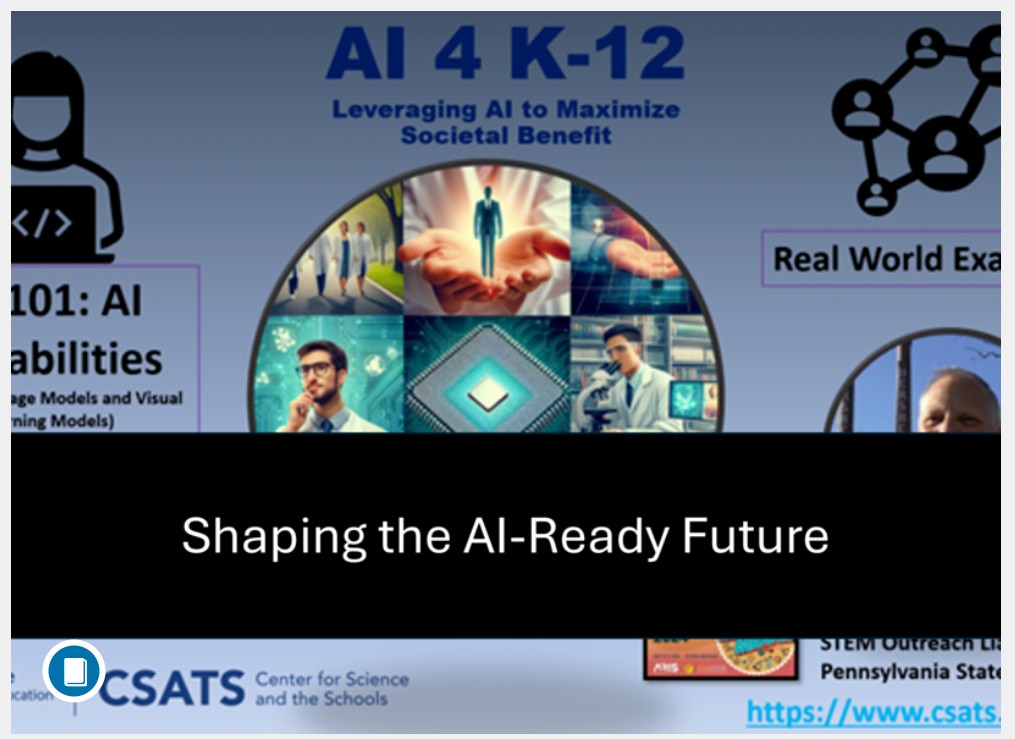
At Penn State CSATS, we immerse ourselves in a vast array of AI influenced sectors with intentionality. From application of AI in K12, to workforce development, to the convergence of AI across Penn State's multiple engineering and STEM research initiatives, we involve ourselves in opportunities to learn the nuances of AI application. We are a member of Penn State's AI Hub and we serve on numerous AI policy and advisement committees and seek opportunities to connect with the Commonwealth's AI/Robotics/Tech networks. We have a voracious appetite to continually learn about AI's impact on K12 as evidenced by our extensive list or AI articles and resources. Within our office, we find AI platforms and tools an indispensable part of our work productivity. We are sought after for keynotes, seminars, professional development, government work, and consultations.
#Jaggedness
In our role translating emerging AI capabilities into K–12 contexts, we found Harvard Business School’s concept of “jaggedness” especially resonant. AI systems often excel at complex, specialized tasks while simultaneously struggling with simple, routine ones. This inconsistency—combined with the inherently human-like way AI interacts with educators and students—can create challenges in K–12 settings. It underscores the importance of grounding AI integration in the pedagogical expertise of experienced educators to ensure both the accuracy of outputs and the integrity of teaching and learning.
How can we support your AI journey? Explore our website or email jeff_remington@psu.edu for more information.
| |
|
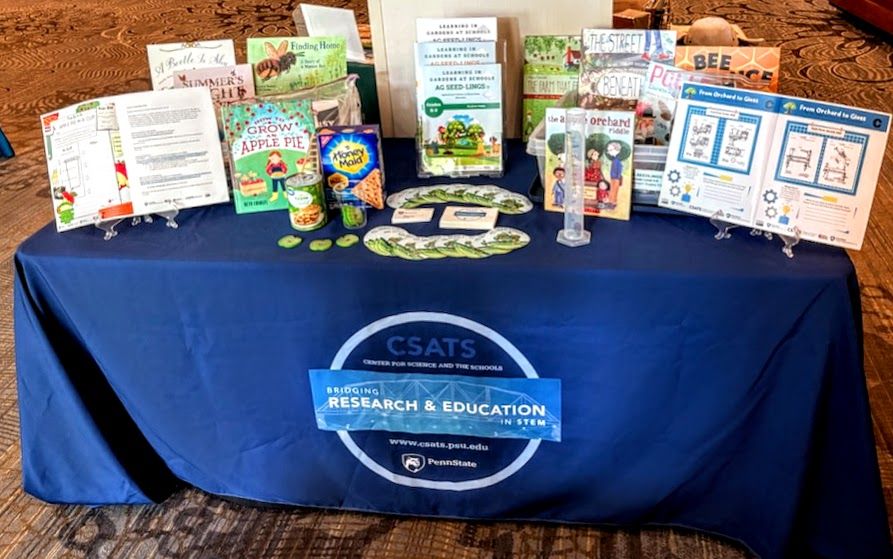
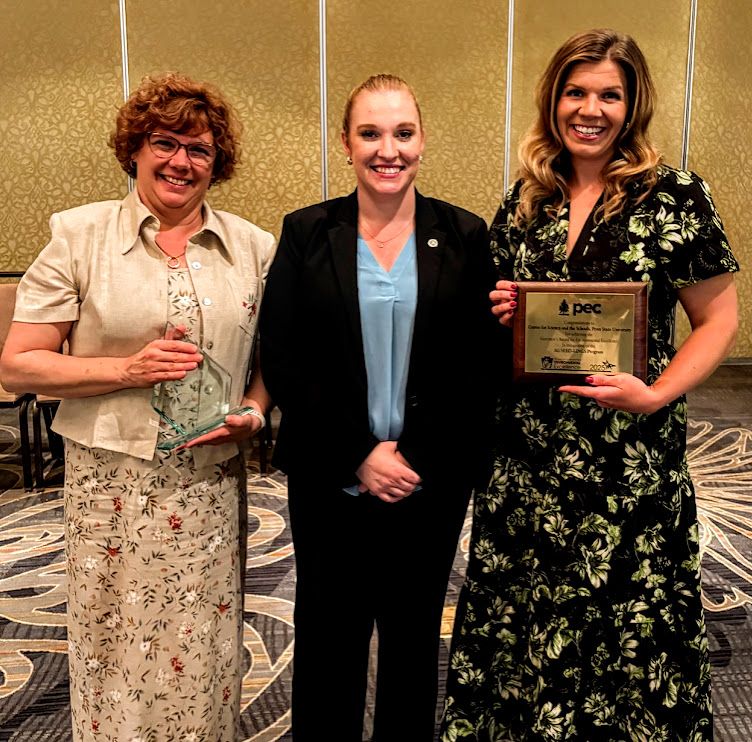
Award Winning AG SEED-LINGS Kits Available
Your School Can Now Acquire These STEELS Aligned Kits!
| | |
CSATS Can Help Your School Find the "Signal Through the K12 AI Noise"
Consider a Customized PD Session for Your School or District
| |
Shape the Future of Environmental Science Education: Take the National Survey!
| Posted on behalf of NAAEE | |
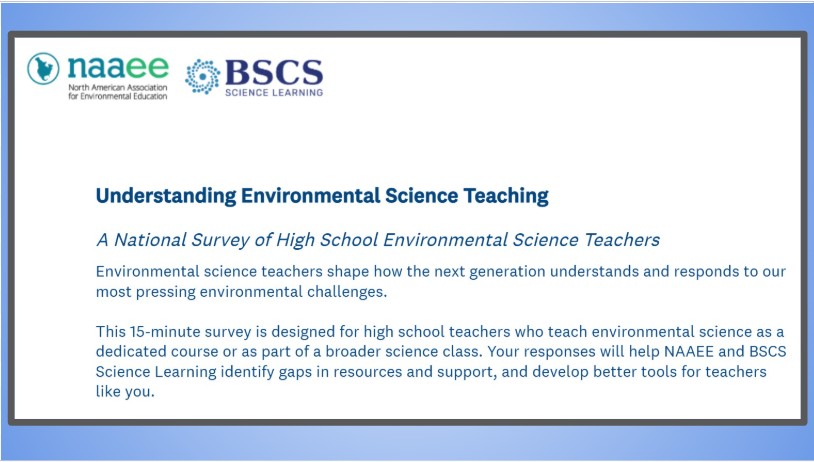
Calling all high school science educators! Whether you teach environmental science as a dedicated AP/IB course or integrate environmental concepts into your broader biology, chemistry, or earth science classes, your voice is needed.
The North American Association for Environmental Education (NAAEE) and BSCS Science Learning have launched Understanding Environmental Science Teaching, a national survey designed to learn directly from teachers on the front lines. Environmental science teachers play a crucial role in shaping how the next generation understands and responds to our planet's most pressing challenges. By participating, you can help these organizations identify critical gaps in resources and support, leading to the development of better, more effective tools for classrooms like yours.
Fast Facts About the Survey:
-
Time Commitment: It takes just 15 minutes to complete.
-
Eligibility: Any high school teacher who covers environmental science content (in a dedicated or integrated class).
-
Privacy Assured: All responses are completely anonymous. Results will be analyzed by the BSCS Science Learning research team, reported in aggregate, and shared back with the environmental science teaching community.
-
No AI Involved: This survey does not use AI to analyze your responses or generate follow-up questions, and your data will never be shared with AI tools.
Don't miss this opportunity to advocate for the resources you and your students deserve.
👉 Click Here to Take the 15-Minute Survey ---
| | Posted on behalf of Remake Learning Days | | Discover a World of Learning with Remake Learning Days! | |
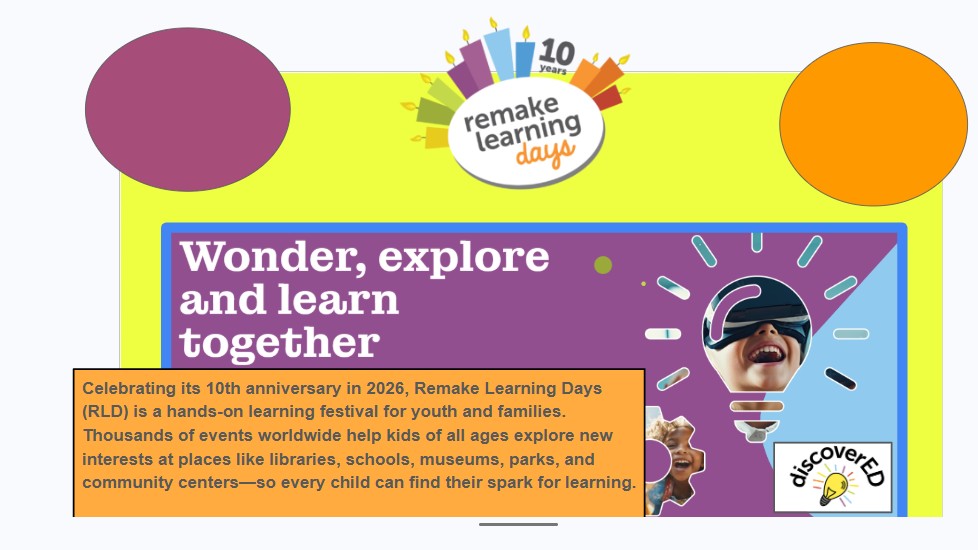
Are you looking for exciting, hands-on learning opportunities for your students and their families? Look no further than Remake Learning Days, an innovative learning festival that celebrates creativity, curiosity, and perseverance through engaging experiences!
Remake Learning Days is a global initiative that brings together thousands of free and low-cost events designed for youth of all ages, from pre-K through high school, along with their families, caregivers, and educators. These events take place at a variety of community hubs, including schools, libraries, museums, parks, tech centers, and more.
What can you expect?
Participants can dive into a diverse range of activities organized around six core learning themes:
-
Arts: Explore theatre, dance, visual art, music, and photography.
-
Maker: Tinker, build, and create with hands-on projects, from 3D printing to taking apart and rebuilding toys.
-
Outdoor Learning: Connect with the natural world and learn about the environment and sustainability.
-
Science: Conduct experiments and explore chemistry, biology, and how our world works.
-
Technology: Try coding, build robots, learn circuitry, and discover new digital skills.
-
Youth Voice: Engage in activities that amplify youth leadership and expression through various mediums.
This festival is a fantastic way for families to learn together, fostering a deeper appreciation for innovative educational practices and inspiring children to pursue further STEAM learning. Many events are designed for parents and caregivers to learn right alongside their kids, making it a truly collaborative experience .
Find Events Near You!
Remake Learning Days takes root in regions across the United States and internationally, with events typically held throughout April and May each spring [doc1, doc3]. This year, Remake Learning Days is celebrating its 10th anniversary, marking a decade of inspiring learners worldwide!
Explore the full calendar of events, find a region near you, or even learn how to host an event, visit the official website:
Don't miss this incredible opportunity to spark wonder, explore new ideas, and learn together!
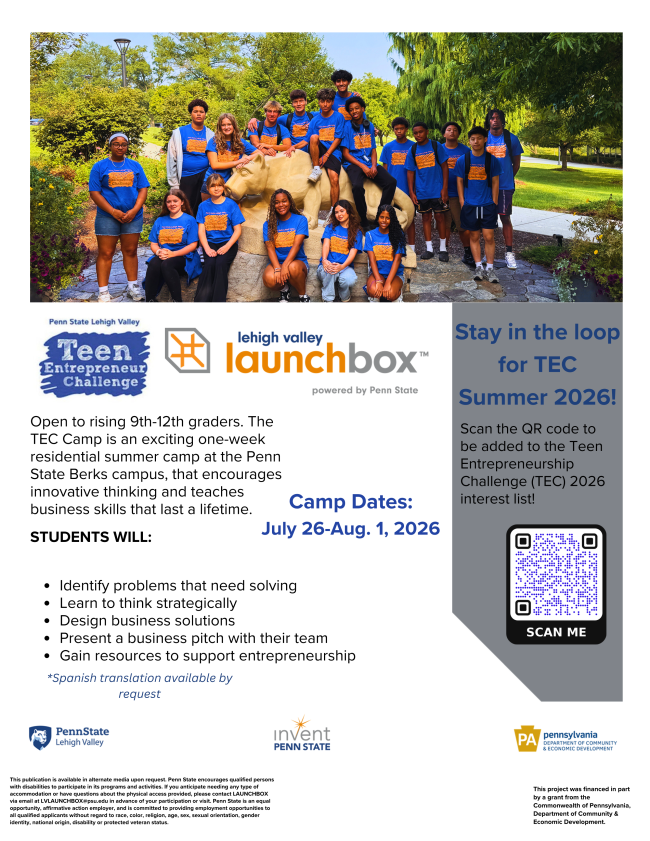
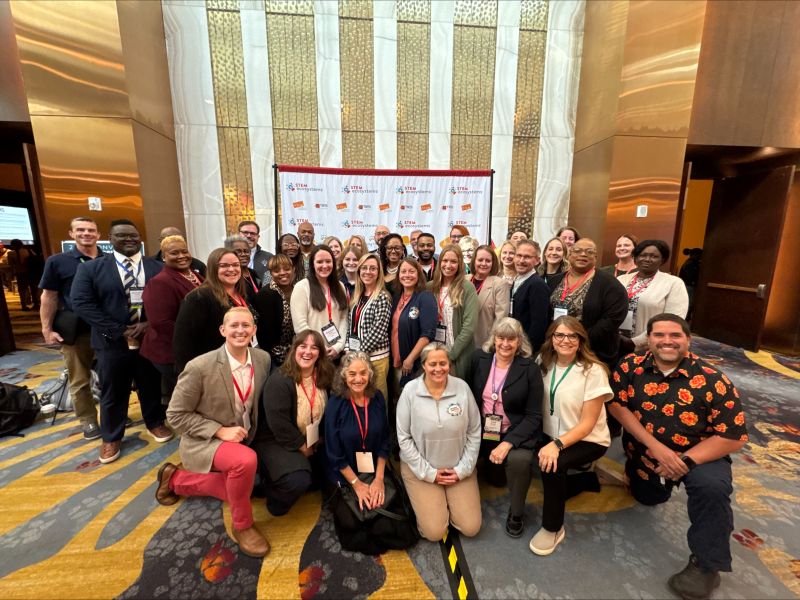
| | Posted on behalf of the Lehigh Valley Launch Box | Posted on behalf of the Pennsylvania Statewide STEM Ecosystem | | Consider Connecting with The Pennsylvania Statewide STEM Ecosystem (PSSE) | | |
In an era where STEM skills are essential for future careers and innovation, the Pennsylvania Statewide STEM Ecosystem (PSSE) stands out as a vital resource for educators, organizations, and advocates across the Commonwealth. As a collaborative network between regional STEM ecosystems and the Pennsylvania Department of Education, PSSE is designed to foster equitable access to quality STEM education and workforce pathways. Whether you're a classroom teacher, school administrator, or community leader, joining PSSE offers tangible benefits that can transform your work and amplify your impact. Here's why you should connect today.
Free Membership with Exclusive Access
Becoming a PSSE member is straightforward, free, and open to individuals, organizations, and institutions involved in STEM fields. Members gain immediate access to a wealth of resources, including the latest STEM industry news, upcoming events, grant opportunities, and scholarships. For K-12 educators, this means staying ahead of trends like the 2022 STEELS standards or AI integration in curricula without sifting through scattered sources. Recent newsletters, such as the September 2025 edition, highlight practical tools for back-to-school planning, while the October 2024 issue dives into AI's role in transforming education—topics that directly inform classroom strategies.
Networking and Collaboration Opportunities
PSSE's strength lies in its vibrant member directory, which connects you with a diverse community of STEM professionals, from fellow educators to industry experts and policymakers. Use it to share ideas, form partnerships, and tackle local challenges collaboratively. The platform emphasizes inclusivity, diverse perspectives, empathy, and joint action—core values that ensure every voice is heard. For instance, educators can collaborate on project-based learning aligned with Pennsylvania's economic pillars, such as clean energy or advanced manufacturing, creating real-world connections that engage students.
Curated Events and Professional Growth
PSSE curates a calendar of events tailored to STEM advancement, including conferences, webinars, training seminars, and job fairs. Members can submit and promote their own events, ensuring you never miss a policy update or creative workshop. Recent highlights include discussions on unleashing student potential through programs like the CSO Initiative and strategic STEM education plans. These opportunities provide professional development that goes beyond traditional PD, helping teachers build skills in equity-focused STEM while networking with statewide leaders. Consider registering for our Advocacy series that focuses on PA's 5 STEM-based economic pilars.
Advocacy and Policy Influence
As a member, you join a collective voice advocating for STEM initiatives and legislation. PSSE drafts policy recommendations and stewards a community of practice centered on equity, inclusion, and belonging. This is particularly valuable for K-12 educators navigating changes like the new STEELS standards or funding for sustainability programs. By participating, you help shape Pennsylvania's STEM landscape, ensuring resources reach underserved communities and prepare all students to become tomorrow's problem-solvers.
A Commitment to a Brighter Future
PSSE's vision is clear: All Pennsylvanians deserve access to quality STEM education and career pathways. Their mission—through cross-sector convenings, resource amplification, and advocacy—aligns perfectly with the needs of busy educators seeking meaningful support. The archives offer downloadable resources like introductory STEM guides and visual data, making it easy to reference materials for lesson planning or grant applications.
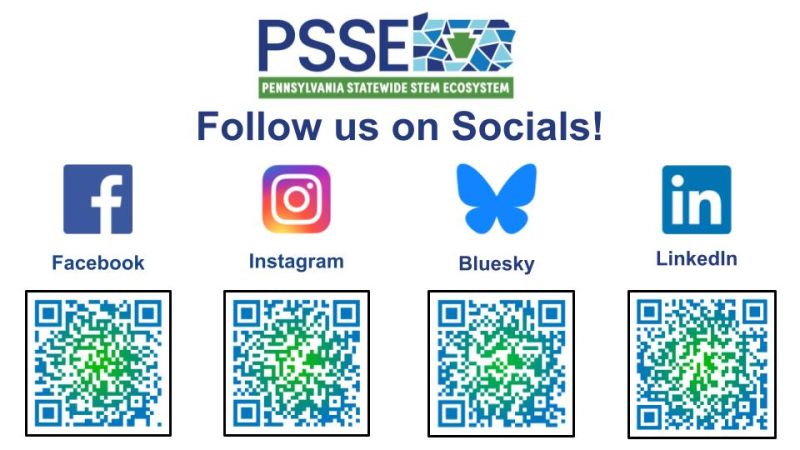
Joining PSSE isn't just about membership; it's about becoming part of a passionate network driving STEM forward. Head to pastemecosystem.org to sign up today—it's quick, free, and a step toward empowering your students for success. Follow PSSE on Facebook, Instagram, Bluesky, or LinkedIn for ongoing updates, and start connecting with like-minded advocates across Pennsylvania. Your involvement could spark the next big breakthrough in STEM education.
| | Posted on behalf of Penn State College of Engineering | | |
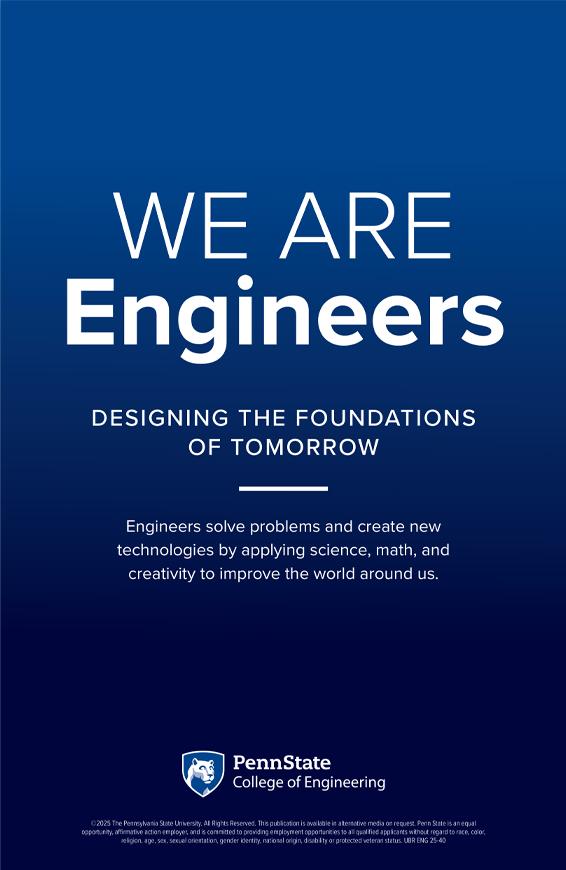
We Are Engineers Campaign
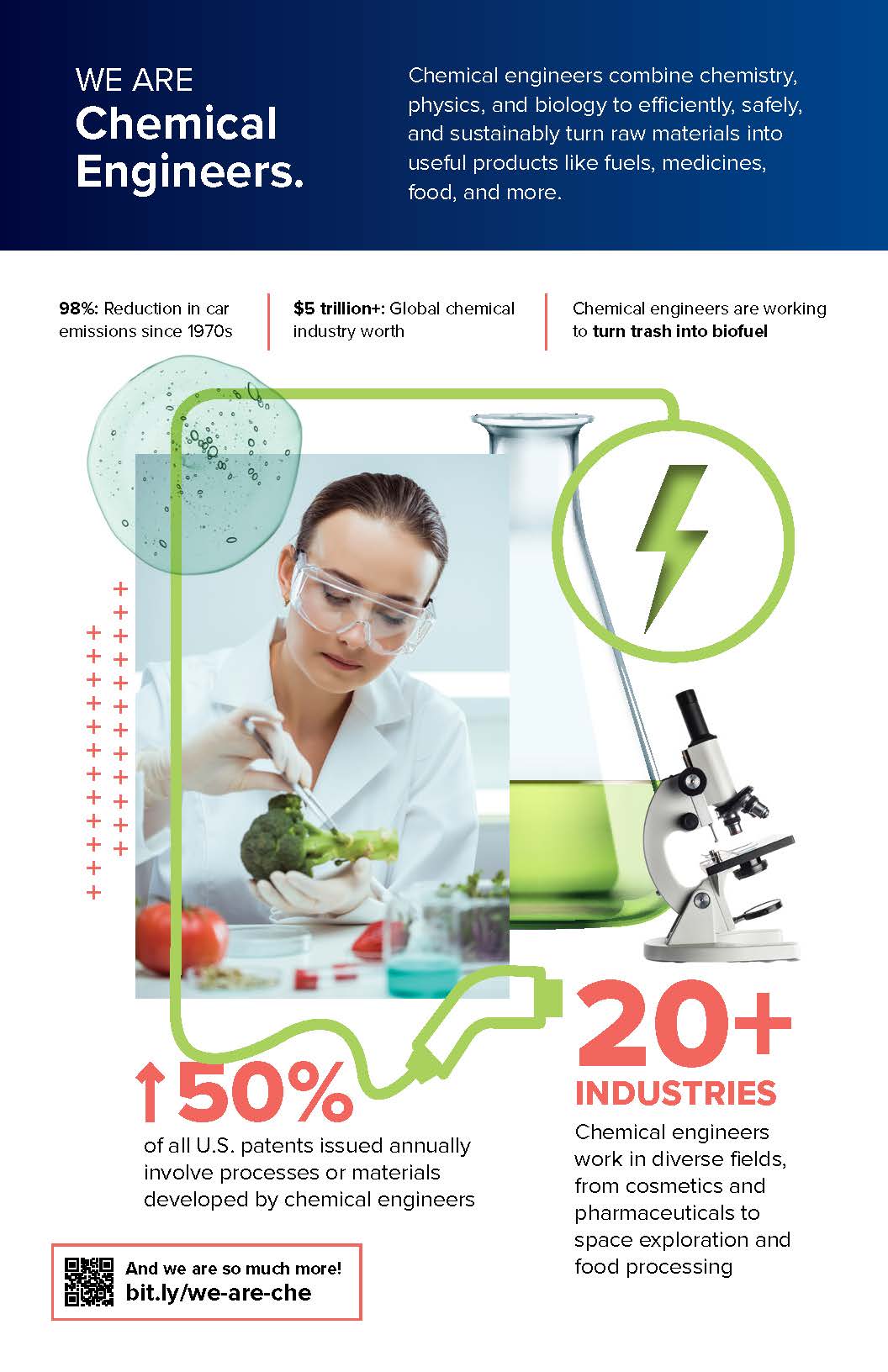
Have Your Students Explore 14 Different Engineering Disciplines
| |
Students don't know what they don't know. Although engineering is a popular major and a general aspiration of many secondary students, they seldom realize the depth and breadth of engineering possibilities. To help students explore engineering disciplines, a poster campaign was developed by the Penn State College of Engineering for the Engineering Ambassadors (EA) to share with teachers and schools. Part of the EA mission to inspire K-12 students to improve the world through engineering (https://bit.ly/46j4ACf).
Chemical Engineering is featured below. Explore "What is Chemical Engineering?" and learn all about Chemical Engineering, the undergraduate major experience, career pathways, and the latest enhancements in the industry from students, faculty, and alumni of the Penn State College of Engineering. What is Chemical Engineering? (Video)
For more information on all engineering majors at University Park in the College of Engineering, visit the Explore Majors section of the website which includes videos to share with K-12 students. View the playlist of the full Exploring Majors video series. #WeAreEngineers
| | Posted on behalf of the Spark Photonic Foundation | |
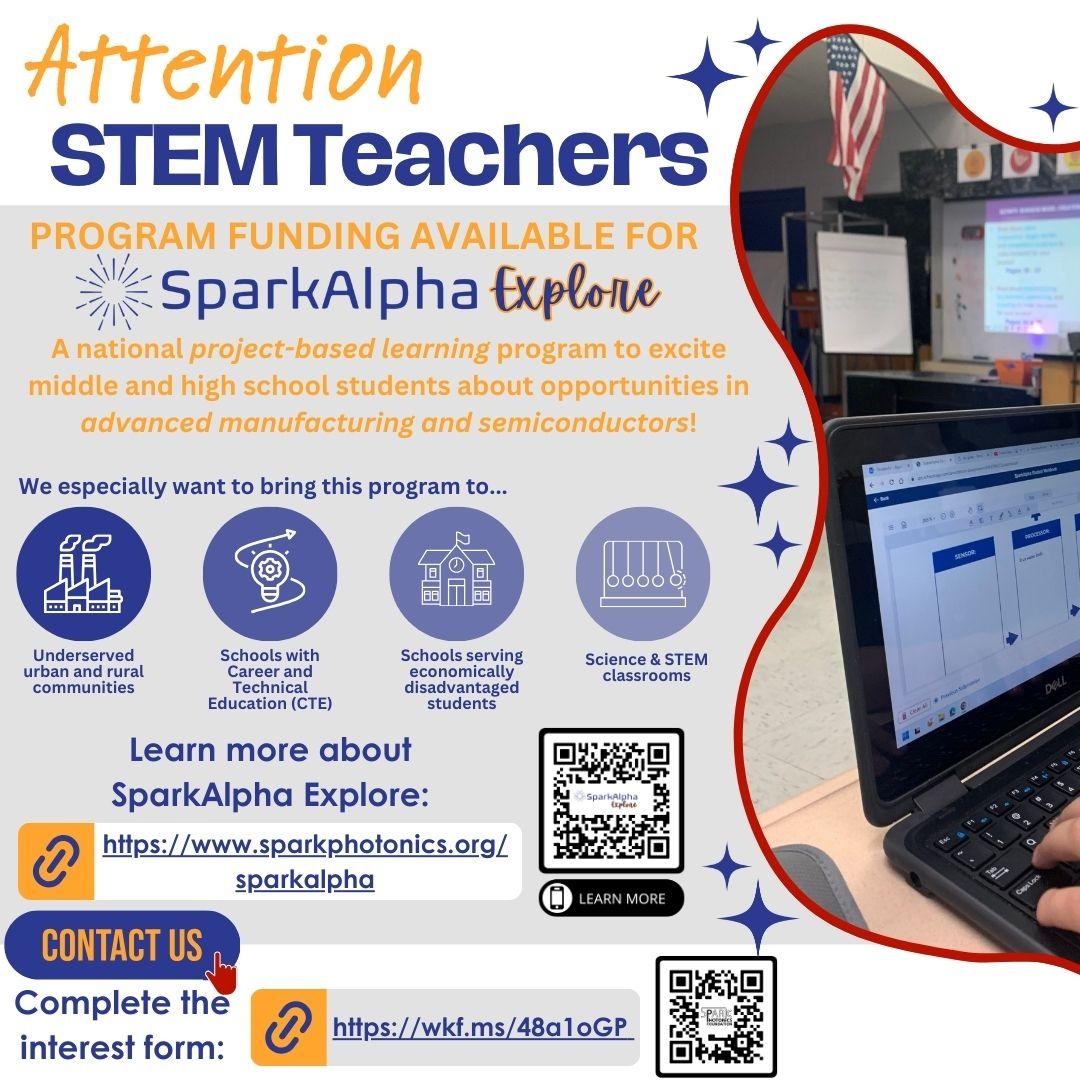
Explore Advanced Manufacturing
With Your Students
| |
How can CSATS help your school? | |
Interested in learning more about the Center for Science and the Schools and other opportunities for teachers and students available from Penn State? How can your school become involved in STEM projects with us?
Please contact the CSATS Outreach Liaison Jeff Remington (jeff_remington@psu.edu) to set up a phone or in-person appointment with your school to review your STEM needs and goals!
| | |
Our opportunities are possible due to research grants with scientists and engineers. However, in order to expand the work we do to further impact K-12 education in STEM and provide further resources, materials, and experiences for teachers, this is made possible by the support of our donors. To make a donation to Penn State Center for Science and the Schools, please visit our GIVE page and also see our current IMPACTS across Pennsylvania and the nation.
| | Follow us on social media | | | | |