News and information to help journalists serve the public and stay safe.
|
|
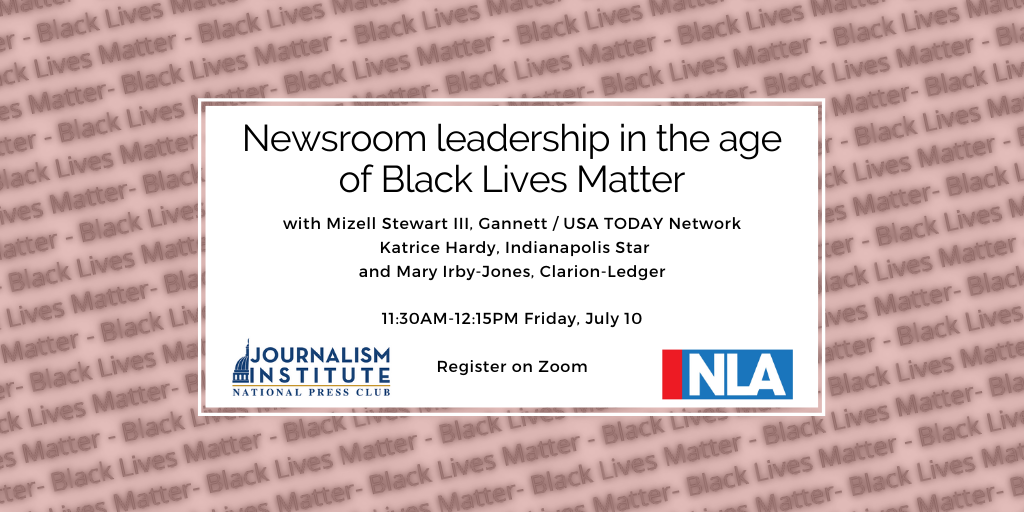
The pandemic, economic struggles, and demands for social justice are forcing newsrooms to account for their own failures at diversity, inclusion and representative coverage. Those failures have led to resignations of top leaders at The New York Times, Philadelphia Inquirer, and many other publications.
|
|
Language changes constantly. So should how journalists use it.
“It's our responsibility as journalists to listen to our sources and audiences and pay close attention to the subtleties and nuances of our language as it evolves,” says
Rachele Kanigel
, editor of
The Diversity Style Guide
.
As newsrooms work to ensure social justice pervades all beats and
grapple with their own racial reckonings
, changes to how media organizations reference race and identity markers within text seem to signal some progress in mirroring communities accurately.
Updates to
The Diversity Style Guide
— capitalizing Black, the addition of BIPOC, and more — are among definitions and information from more than two dozen style guides, journalism organizations and other resources. The guide “contains more than 700 terms related to race/ethnicity, disability, immigration, sexuality and gender identity, drugs and alcohol, and geography.”
Kanigel, journalism professor and department chair at San Francisco State University, said she hopes journalists and other media professionals will use the website and the book as a jumping off place for discussions about diversity, equity and inclusion.
“A lot of media organizations have one person — often a particular copy editor or copy chief — who makes most of the decisions about style,” Kanigel said. “I think these decisions should be made by a diverse group of people who consider multiple factors.”
When journalists look for guidance on style related to representation and identity, they have many reference points — AP, identity-based journalism organizations, and others. How does The Diversity Style Guide fit into that landscape of reference materials? Does it replace or supplement those guides, which sometimes give different advice on usage?
Kanigel
: The Diversity Style Guide is meant to be a supplement to the AP Stylebook and other general style guides. It pulls together guidance from more than 20 style guides and many other reference materials in one place and refers users back to those original sources. Because it relies on information from so many different sources, it offers users up-to-date information, often from the communities being written about. For example, many terms about Native people come from the Native American Journalists Association and terms about LGBTQ people come from
NLGJA
and
GLAAD
style guides. I like to think the advice is a little more current than some news organization style guides, which can be a bit slow to change.
How often does The Diversity Style Guide team update entries, and how do they research and decide what should be included? When there is a difference of opinion on what style should be, how is that addressed?
Kanigel
: The "team" is basically me. I update and add new entries frequently, based on suggestions from readers or changes in language I hear or read about. For example, just last week, I added an entry for
BIPOC
and I updated the entry for
Black
a couple of days ago to include news that the Associated Press, The New York Times and other media organizations had changed their style to capitalize the b in Black. When there is a difference of opinion among sources, I consult other reference materials and sometimes call individuals I trust to seek out their opinions.
|
|
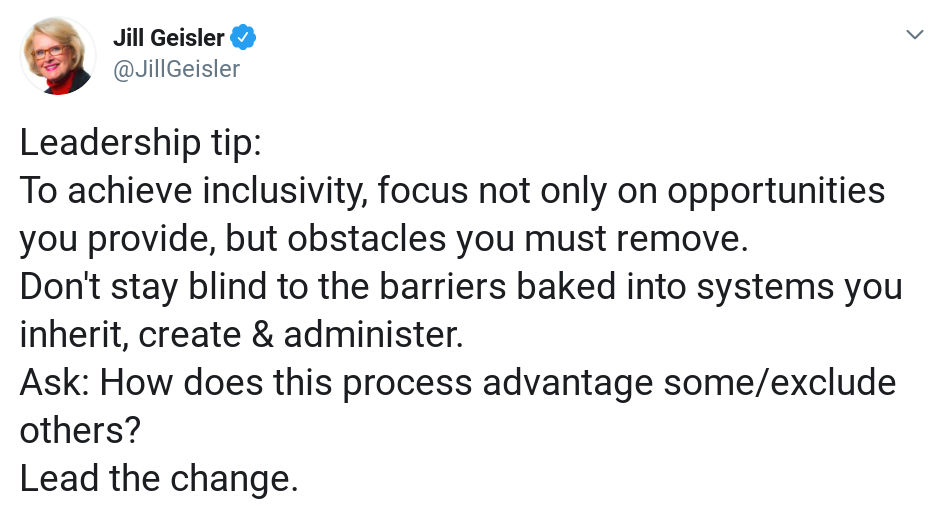
Advice from
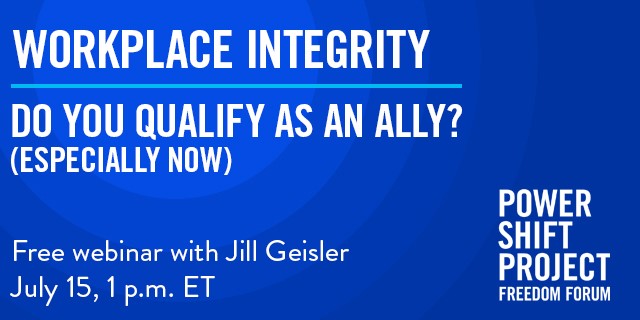
Jill Geisler
, Bill Plante Chair in Leadership & Media Integrity, Loyola University
Chicago, Freedom Forum Fellow in Women’s Leadership
|
|
|
2020 may in fact be “the best of times…[and] the worst of times” for journalism. Financial and market conditions have closed newspapers and media outlets, and layoffs of reporters and editors are accelerating. Yet tumultuous events in health, social justice, government, and politics have created a resurgent age of journalism, making solid and insightful news reporting more critical than ever before. Press freedom and professional development for reporters are paramount. And
Julie Moos
is at the forefront of efforts to achieve both objectives.
Join
The Alliance for Women in Media
for a vibrant conversation with Julie, moderated by
Rob Stoddard
, SVP, Industry and Association Affairs at NCTA – The Internet and Television Association, as they look at how the National Press Club Journalism Institute is coaching the women and men of journalism bringing home today’s life-changing stories.
Register here
.
|
|
When is the last time you checked on your friends and family? Not only the most vulnerable, but those you tend to leave alone because they seem to have it together.
Reaching out can help someone who may be in need of a chat or more, and it comes with
great side effects
: a sense of self-worth that
boosts our own mental health
. During this time of
collective trauma
related to both COVID-19 and addressing systemic racism, it’s important to recognize experiences vary day to day.
People to check in on:
- the person who recently moved to a new city or state
- the person who lives alone
- the person who is a parent
- the person who seems to have it all together
- the person who always “sees the bright side”
- the person who has pulled away recently
And, if you are the one used to being there for others, it’s OK to be vulnerable or
ask for help
.
|
|
This newsletter is written & edited by the National Press Club Journalism Institute staff: Beth Francesco, Holly Butcher Grant, Jim Kuhnhenn, and Julie Moos.
Send us your questions and suggestions
for topics to cover.
|
|
|
|
|
|
|