October 2026 | echochildren.org

News and Research Findings

from Across the ECHO Program

In This Issue:

ECHO Research Spotlight


Celebrating a Decade of ECHO


Recent Research Results


News from NIH


ECHO Discovery Webinar


Past ECHO Discovery Webinars: September


With a Childlike Wonder

Message from the NIH Program Office

This month, the ECHO Program Office is pleased to highlight new opportunities to explore ECHO data and to welcome a familiar leader to a new role. We also recognize Children’s Environmental Health Day.


ECHO Cohort Data Now Available in the All of Us Researcher Workbench

The ECHO Cohort public-use dataset is now available through the NIH All of Us Researcher Workbench, giving researchers access to one of the nation's richest longitudinal resources for studying early environmental influences on child health and development. The ECHO Cohort follows children from before birth to age 21, examining how influences from society to biology are associated with child health outcomes.


The dataset includes de-identified information from more than 80,000 participants—including 40,000 pregnancies—and spans demographic and socioeconomic characteristics, environmental exposures, pregnancy and birth information, child health and developmental measures, biospecimen assay results, and more.


Previously available through the Eunice Kennedy Shriver National Institute of Child Health and Human Development Data and Specimen Hub (DASH) platform, these public-use ECHO Cohort data are now hosted in the All of Us Researcher Workbench, where investigators can access the data alongside powerful cloud-based analysis tools to accelerate discoveries in child health.


Learn more about accessing ECHO data.


Dr. Erin Luetkemeier Now Serving as Acting Director of the ECHO Program

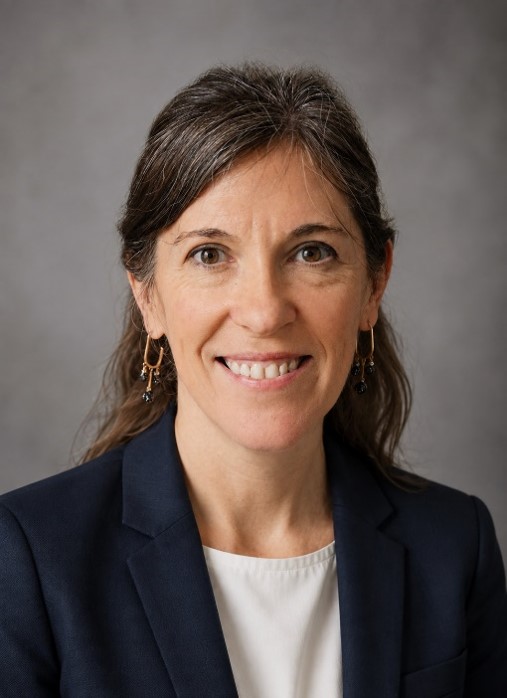
In September, NIH appointed Erin Luetkemeier, PhD, as Acting Director of the ECHO Program. Having served as ECHO Chief of Staff since 2019, Dr. Luetkemeier brings extensive knowledge of the ECHO Program and its community to her new role, providing continuity as ECHO moves forward. NIH has established the ECHO Director Search Committee, and recruitment for a permanent director is underway.


ECHO Celebrates Children’s Environmental Health Day

On October 8, 2026, ECHO joined the Children’s Environmental Health Network in celebrating Children’s Environmental Health Day. ECHO researchers are studying how exposure to chemicals in our water, food, household products, and air can affect children’s health and development, helping inform programs, policies, and practices that support healthier futures.


Explore ECHO’s chemical exposures research and resources.

ECHO Research Spotlight

ECHO Topic of Interest Video: Media Use

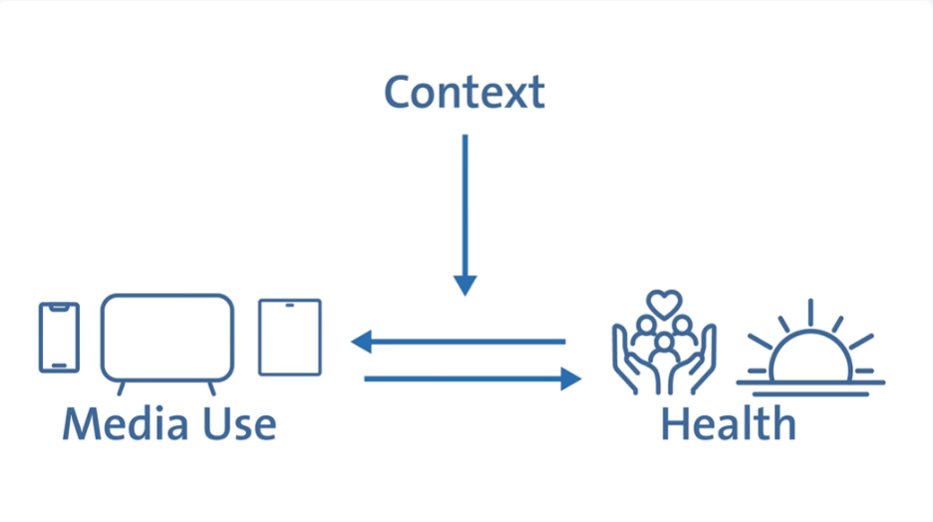
ECHO research includes investigation of children’s media use to examine the potential physical, developmental, and mental health outcomes associated with using social media and other digital tools.


In this new video, Dr. Courtney Blackwell, of the ECHO Measurement Core, discusses the complex associations between childhood media use and child health and well-being.

Celebrating a Decade of ECHO

The ECHO Program celebrates its 10th anniversary this year. Over the coming months, we’ll look back at the people, ideas, and scientific contributions that have shaped ECHO over the last decade. Follow along on the ECHO website and social media (LinkedIn and X) as we share stories from ECHO's first 10 years.

Recent Research Results

Adolescents Born Preterm Were Less Likely to Engage in Unhealthy Behaviors During the COVID-19 Pandemic

The COVID-19 pandemic affected many adolescents’ mental health, daily routines, and social lives. ECHO researchers looked at the ways that adolescents born at different stages of pregnancy self-reported how they coped with the COVID-19 pandemic. Compared with adolescents born at term, adolescents born preterm were less likely to say they drank alcohol, used marijuana, or took part in at least one unhealthy behavior.

Prenatal Exposure to Organophosphate Pesticides Not Associated With Autism-related Traits in Children

Organophosphate pesticides are chemicals used to kill insects. People can be exposed to them through food, especially non-organic fruits and vegetables. ECHO researchers looked at whether pregnant women’s exposure to these chemicals affected their child’s brain and behavioral development. They found no link between higher prenatal pesticide exposure and higher autism-related trait scores. This conclusion remained true between boys and girls, as well as when considering differences in the mothers’ diets.

Higher Fluoride Levels in Public Drinking Water During Pregnancy May Be Linked to Differences in Children’s Cognition Scores

Fluoride occurs naturally in some water sources and is commonly added to public water systems to help prevent cavities. ECHO researchers looked at whether fluoride levels in public drinking water during pregnancy were related to cognitive scores assessed during childhood. Pregnant women who lived in neighborhoods where public drinking water fluoride levels were near or above the current U.S. recommended levels tended to have children who scored lower on cognition tests as fluoride levels increased.


These results are based on fluoride levels in publicly available drinking water, not biological samples. The findings demonstrate an association between prenatal fluoride exposure and children's cognition, but they do not prove that fluoride caused differences in cognitive performance.

News from NIH

Funding Opportunity Available to Support Secondary Analyses of ECHO Cohort Data

The NIH ECHO Program Office has released a funding opportunity designed to maximize the scientific value of ECHO data.


This opportunity supports doctoral candidates and postdoctoral fellows interested in advancing child health research through secondary analyses of ECHO’s rich, longitudinal data available within a controlled-access NIH data repository:


* To access the full funding announcement, click the "Related Documents" tab at the top of the funding opportunity page.


ECHO’s datasets integrate deidentified longitudinal data from more than 71,000 participants across the U.S. and focus on child health outcomes including pre-, peri- and postnatal outcomes; upper and lower airway; obesity; neurodevelopment; and positive health.


Applications for RFA-OD-27-008 are due on December 2, 2026. For full details on eligibility, scope, and how to apply, please visit the NIH ECHO website.

ECHO Discovery


ECHO Discovery is a monthly webinar series of educational presentations for the ECHO community and anyone interested in environmental influences on child health.

Upcoming ECHO Discovery Webinar

The ECHO Discovery webinar series paused in October. Please join us for the next session in November. Keep an eye on the ECHO Discovery webpage for updates.

Past ECHO Discovery Webinars

September


Beyond the Usual Suspects: New Evidence on Priority Understudied Chemicals in ECHO


In September, Jessie Buckley, PhD, MPH, of UNC-Chapel Hill Gillings School of Public Health and Tracey Woodruff, PhD, MPH, of Stanford University School of Medicine presented on how the ECHO Program advances research on priority understudied chemicals, including new findings linking prenatal exposures to birth outcomes in more than 5,000 pregnancies.

Jessie Buckley, PhD, MPH

Tracey Woodruff, PhD, MPH

With a Childlike Wonder

We often think of the ocean as Earth’s hotspot for new species. In fact, we previously shared the Ocean Census, a project to discover and document ocean species in this section of the ECHO Connector.


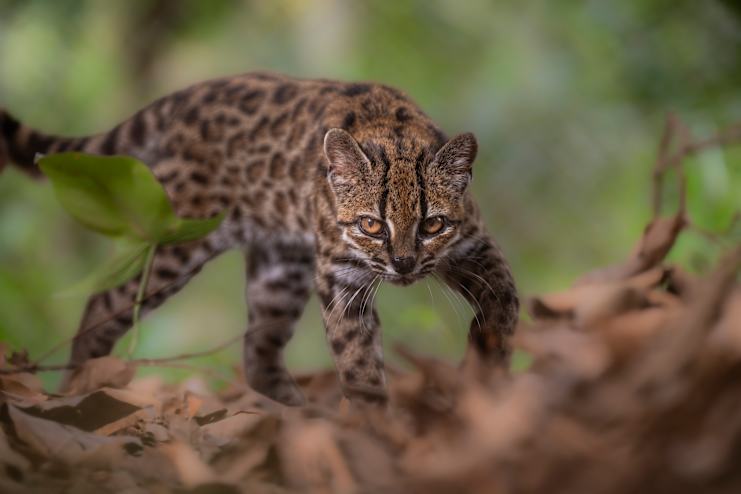
After over a century since the last species of wild cat was discovered, we didn’t expect to read this. Scientists recently identified a previously unknown species of wild cat living at a sanctuary in Bolivia. The cat has leopard-like spots and is surprisingly tiny, weighing just 3 pounds and measuring 18 inches from head to tail at 10 years old. Scientists named the new species Leopardus tilcayo.


Learn more about the discovery and DNA identification of the newest wild cat species.


Leopardus tilcayo

Credit: Fernando Faciole/National Geographic