Dear Friend,
The first Meeting of States Parties to the Treaty on the Prohibition of Nuclear Weapons begins in two weeks, 21 June 2022. Lawyers Committee on Nuclear Policy will be attending and monitoring the meetings throughout that week. Recently, we submitted a working paper to the conference, addressing the legal status of threats of nuclear force in the context of this new treaty in addition to international law at large and through the lens of the many recent nuclear threats we've seen—from Russia toward Ukraine, the United States, and NATO over the last months, as well as the incendiary threats exchanged between the United States and North Korea in 2017 and Pakistan's references in 2019 to possible nuclear war over Kashmir.
The TPNW MSP will be the first multilateral disarmament meeting since Russia's illegal war on Ukraine began in February this year and offers a crucial platform for states and non-governmental organizations alike to condemn threats of nuclear use and advocate for states to take concrete steps to follow-through on their commitments to disarm. This work will continue throughout the summer, leading to the Nuclear Non-Proliferation Treaty Review Conference in August as well.
As we prepare for these major meetings, we are asking our supporters to pitch in anything you can to support LCNP's work. Our virtual fundraiser will run through the end of the MSP. We set an ambitious goal to raise $10k by then, and we've only hit the 10% mark on this goal so far.
Can you help us cross the finish line over the next two weeks?
Thank you so much! Make sure you're following LCNP on social media, too, for updates on the MSP, the RevCon, and more.
Ariana Smith
Executive Director
|
|
End the War, Stop the War Crimes |
|
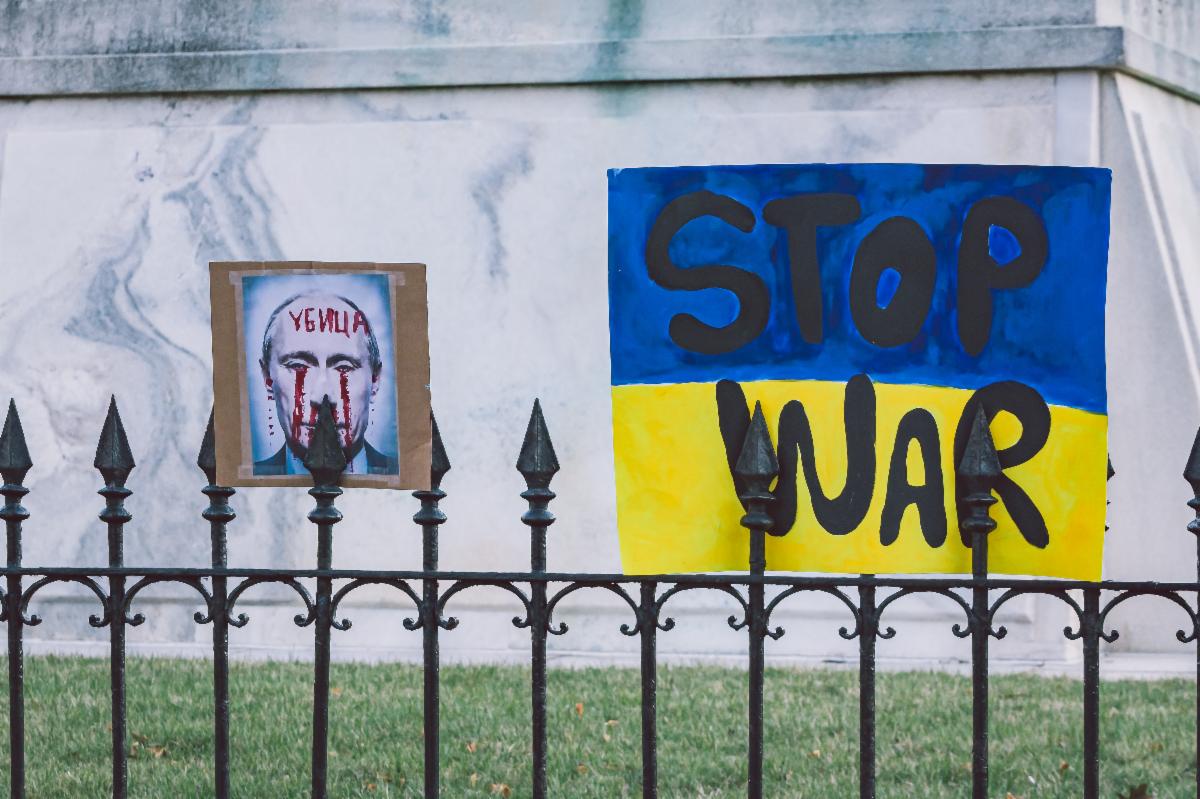
LCNP released a second statement calling for an end to the ongoing war in Ukraine and highlighting the grave atrocities being committed by the Russian Federation. The statement discusses the numerous violations of international law and calls for immediate steps to stop the war. An excerpt reads:
It is imperative, above all, to end the war. So long as the war continues, both sides must comply with international law governing the conduct of hostilities and refrain from such acts as the willful killing of civilians or injuring prisoners of war, which constitute war crimes and human rights abuses. Also in accordance with that law, they must refrain from use, and threat of use, of nuclear, chemical, and biological arms. Those imperatives apply to all wars, including those that persist in Yemen, Ethiopia, Syria, and elsewhere.
Speaking to the threats of use of nuclear weapons specifically, another excerpt reads:
President Putin has raised the possibility of Russian resort to nuclear weapons should the United States and NATO states intervene militarily in the war in Ukraine. Threats of this kind are illegal because they promise the commission of an illegal act—here, the use of nuclear weapons—should certain conditions be met.
International law prohibits the use and threat of use of nuclear, biological, and chemical weapons.
Read the full statement here.
|
|
Webinar Recap: The Threat or Use of Nuclear Weapons and Russia's War on Ukraine: Meeting the Legal and Political Challenge |
|
 |
Prior to and during Russia’s war against Ukraine, President Vladimir Putin has threatened the possible use of nuclear weapons should other states “interfere” in Russian military operations. Such threats of the use of force are the cornerstone of nuclear deterrence but, especially where states hold the option to use nuclear weapons first in a conflict, open the door to escalation and the actual use of nuclear weapons. This event considered the crucial questions: How can the international community meet the urgent challenges from the threat of use of nuclear weapons?
Panelists touched on the escalating risks of the current situation in Ukraine and condemned Russia's threats to use nuclear weapons. Other topics included the legal status of threats to use nuclear weapons and how to address reliance on nuclear threats going forward, including at the upcoming TPNW and NPT meetings.
Find the recording of the event here and read John Burroughs' remarks here.
|
|
|
|
You're Invited: Treaty on the Prohibition of Nuclear Weapons - A Commentary Article by Article |
On 7 July 2017, the Treaty on the Prohibition of Nuclear Weapons (TPNW) was adopted, and it entered into force on 22 January 2021. After biological (1972) and chemical weapons (1993), the remaining type of weapons of mass destruction is now banned contractually for states parties. The treaty reinforces the norm against nuclear weapons and relevant existing international (treaty or customary) law. It creates new momentum for nuclear disarmament, gives civil society a new tool in its fight for a world free from nuclear weapons, and puts more pressure on Nuclear Weapons States (NWS) and their allies.
For a better understanding of the treaty, Daniel Rietiker (Switzerland), Manfred Mohr (Germany) and Toshinori Yamada (Japan)—three leading experts in the field—have updated their commentary article-by-article and translated it from English into German, Japanese, and Russian. The commentary is intended to explain the main provisions of the treaty in a nutshell. Thanks to its accessible language, it is meant to assist a broad readership in analyzing and implementing the TPNW. Nathan Kang (South Korea) will give insights as to victim assistance in South Korea.
The International Association of Lawyers Against Nuclear Arms (IALANA) invites you to an event launching the updated commentary on 10 June 2022 at 13:00 CEST (7:00am EST).
|
|
A Closer Look: Ukraine vs. Russian Federation in the ICJ |
|
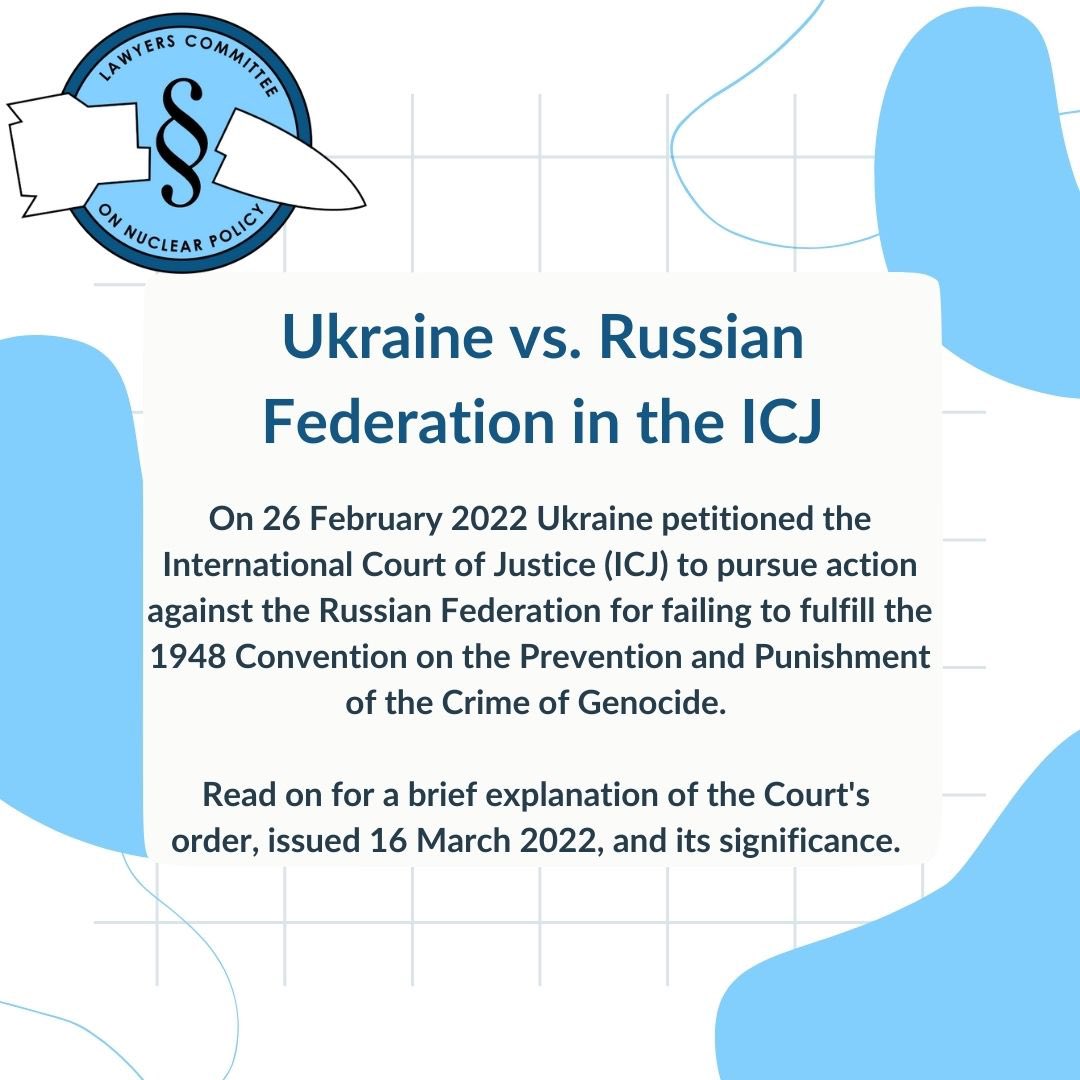
In a recent educational post, we outlined the significance of the recent Ukraine vs. Russian Federation ICJ Order, laying out the issues at hand, what the World Court decided, and its significance.
|
|
|
Spotlight: LCNP in the Media |
|
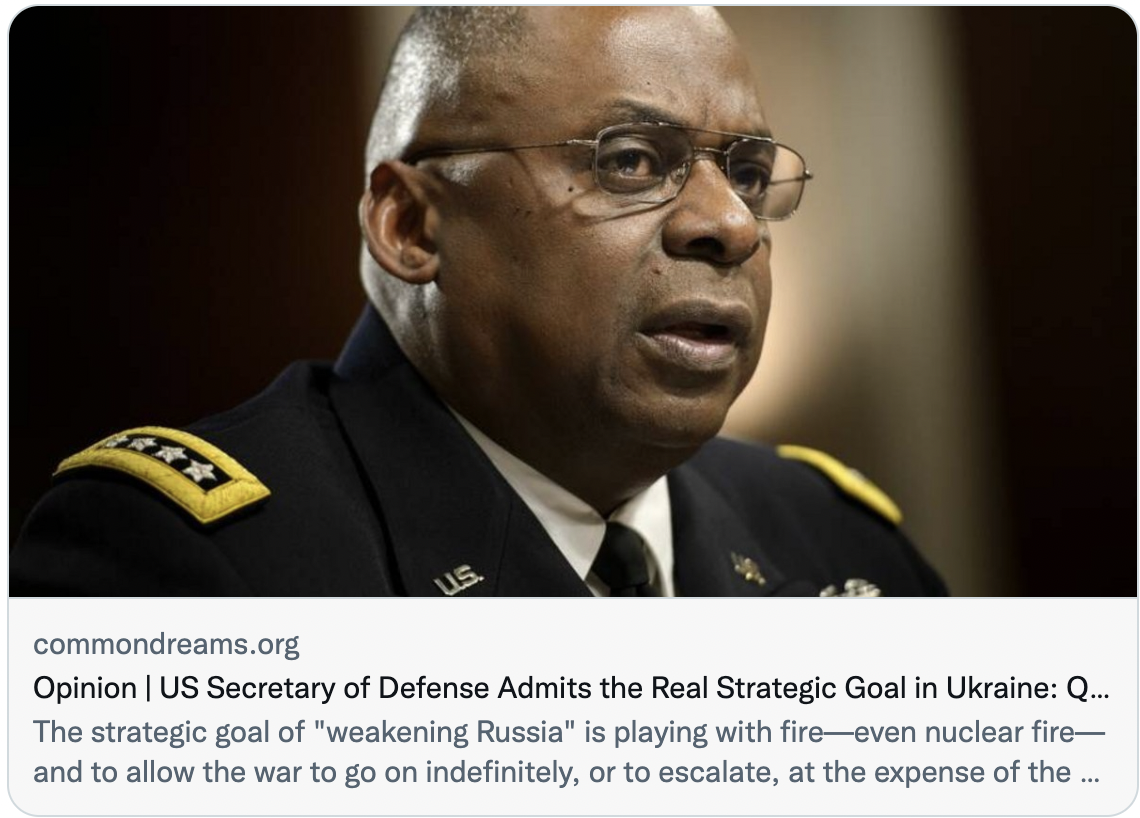
It cannot be said too strongly: The US government must not be guided by any notion that a quagmire in Ukraine would drain Russian resources, diminish Russian influence and power globally, and possibly lead to regime change. The United States instead should do all within its power to help bring the war to a close rapidly in order to limit suffering; to eliminate risks that the conflict will widen and escalate, possibly to nuclear war; and to limit the negative global economic and food security repercussions.
A broader reason for determined efforts to end the war is the need to work toward restoring a relationship with Russia enabling cooperation on nuclear arms control and disarmament, climate protection, public health, and other vital matters of global concern.
Read the full article here.
|
|
Nuclear Weapons & International Law 2020 in the Fordham International Law Journal |
|
|
Did you attend our November 2020 virtual conference, sponsored by the International Section of the New York State Bar Association? You can now revisit each panel and the expert discussion of nuclear weapons in the context of international law in this special issue of the Fordham International Law Journal.
Co-organizers and featured speakers at the conference included LCNP Board members Charles Moxley and Jonathan Granoff as well as LCNP Executive Director Ariana Smith and Senior Analyst John Burroughs.
View the issue in full here.
|
|
|
|
-
Arms Control Association's Daryl Kimball discusses the urgent need to avoid nuclear catastrophe and a new arms race in Russia's ongoing war against Ukraine.
-
The International Criminal Court is investigating atrocity crimes in Ukraine. Authors Christopher Hale and Leila Sadat discuss the role of international justice in the war in Ukraine and beyond—including how the role of the ICC would be strengthened without double standards at play and the importance of removing domestic legal obstacles to accountability for international atrocities.
-
The Center for Feminist Foreign Policy released a report entitled Finding Feminism in Nuclear Policy, detailing the role that a feminist foreign policy can play in nuclear disarmament. The report looks at how issues identified by feminist foreign policy frameworks are being addressed in nuclear policymaking.
-
"Forcing people to give birth is an act of violence," writes Ray Acheson. The growing assault on fundamental freedoms in the United States, including against birthing people, LGBTQ+ people, and people of color, "is materially and ideologically related to US war in general."
|
|
|
|
|
|
|