Welcome to the ISBD newsletter, a new initiative for our members. ISBD News will keep you connected and ensure you are kept informed. |
|
Notes from the President's Desk |
|
As the ISBD Experience draws closer, it is important to remember that the contributions of Society members are what makes our meetings possible and indeed special. Also, it is the work that we do that gives our organisation purpose and meaning. To this end, I strongly urge you to read the tribute below to Professor Charles Lee Bowden (1938-2022) – a person who lived his life to the full, and with meaning, by having found purpose.
In a similar vein, I acknowledge the many wonderful and dedicated ISBD members across the globe who through their enthusiasm, and by giving their time freely, have once again made World Bipolar Day (WBD) a tremendous success. In addition to the many marvellous initiatives outlined below, a couple of meetings that I contributed to personally, took place in Asia. In China, Dr Jun Chen, organised a forum aptly named East Meets West to promote a deeper appreciation of bipolar disorder. This meeting was a huge success and had nearly 3000 online attendees. A similar meeting that was organised by Dr Prasad Rao took place in India. This meeting focused on recent clinical practice guidelines for the management of bipolar disorder and had attendees from over 20 centres across the country.
Participating in both meetings it struck me that although the contexts in which we deal with bipolar disorder vary enormously around the globe, the challenges that patients, their families and clinicians face are much the same. It is in this space that ISBD plays a critical role and can enhance understanding and management through its core activities of education, advocacy, and research.
|
|
World Bipolar Day 2022 was a great success so far! We received information for local online webinars in Uganda, Indonesia, Australia, The Netherlands, India, and Denmark that ranged from bringing together experts answering questions on bipolar disorder to very personal stories from those with lived experience. The social media campaigns were very popular again and covered Facebook, Instagram, LinkedIn, and Twitter accounts for organizations in Lithuania, Germany, Brazil, and the US, just to name a few. One of the biggest online campaigns was the 4th annual Canada based CREST.BD Reddit “Ask Me Anything”. CREST.BD assembled over 40 bipolar experts ranging from psychiatrist, psychologists, social workers, and those living with bipolar to answer questions. Almost half of the panel was made up of ISBD members. Our members continue to share their knowledge of bipolar disorder and use opportunities like this to help end the stigma surrounding the disorder. As of Monday, April 4th, this event generated:
600+ questions
~2,300 comments
2,400+ shares
5,100+ upvotes (likes)
2.6 million total views
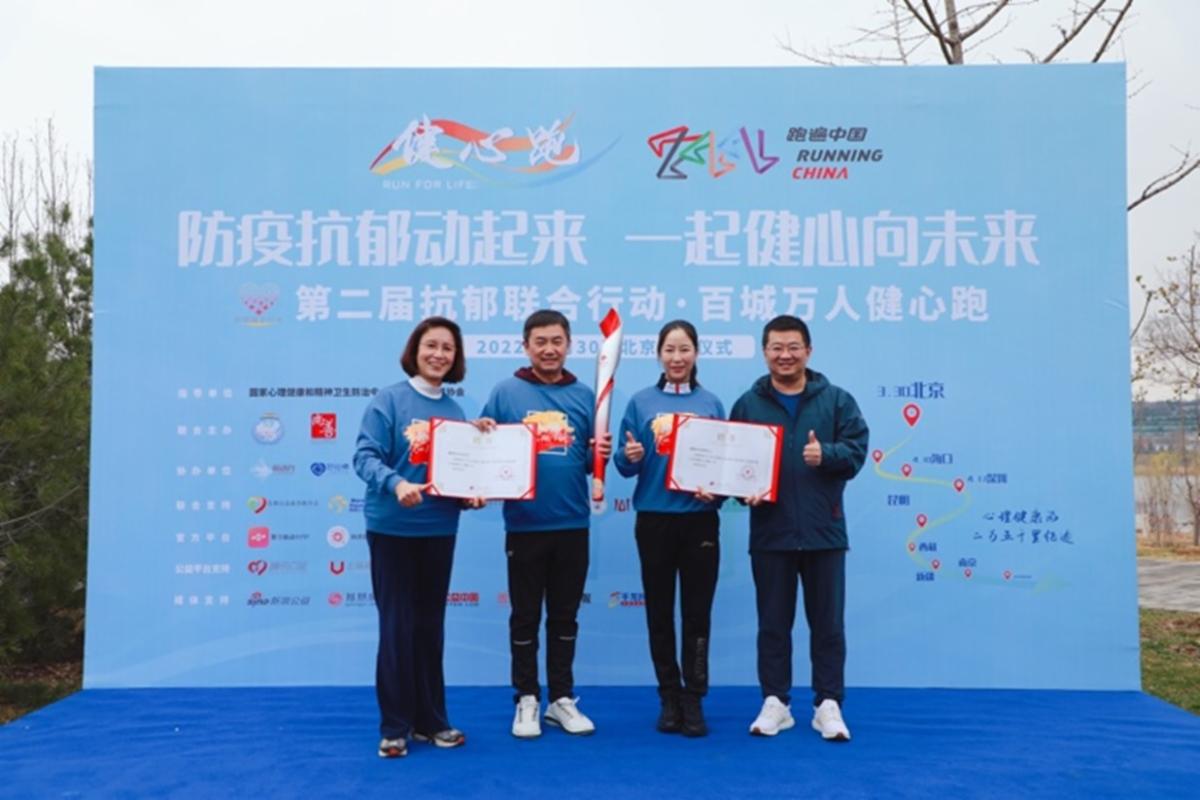
We also received some in-person event submissions from Ecuador, Canada (a hybrid event), and China. The event in China was sponsored by the ISBD Chinese Chapter together with National Center for Mental Health, Chinese Athletic Association, and Chinese Association for Mental Health, Shangshan Foundation and Xingyun Culture & Edu. These organizations continued to raise awareness for depression and bipolar disorders by hosting a “21 days 105k Challenge”. Participants are encouraged to run 5k (or walk 8000 steps) per day from March 30th – April 30th, 2022. Those who complete 105k will receive a medal and a souvenir T-shirt. Similar to last year, runners could participate both offline and online.
Image below: ISBD China Chapter President Professor Gang Wang (1st right) & Olympic champion Liping Wang (2nd right) joined the launching ceremony.
|
|
The ISBD also announced a special collaboration with Immersive Van Gogh for World Bipolar Day 2022. Folk rock legend Don McLean will release a new music video of his song “Vincent,” also known as “Starry, Starry Night.” The video was recorded at Immersive Van Gogh Los Angeles and is being released in commemoration of Van Gogh’s birthday and World Bipolar Day on Wednesday, March 30.
Viewers are encouraged to make a donation to support the ISBD; anyone making a donation of $40 or more will receive a two-for-one coupon code to visit Immersive Van Gogh in any of the 14 cities where it is currently being presented. Offer valid through April 30, 2022
|
|
In Memoriam: Professor Charles Lee Bowden, 1938-2022
|
Upon becoming President of ISBD in January 2020, Charlie, whom I always referred to in person as Professor Bowden, possibly because of his intrinsic rectitude, kindly wrote to me and said, “I shall support you, and am confident you will strengthen the organization.” It meant a lot to me, even though I had only had the pleasure of meeting Charlie a handful of times, and that too, solely at ISBD meetings. However, through his publications and mentions by colleagues discussing his work, I have always had a keen awareness of his presence, as I’m sure many of you have as well. But to paint a more complete picture I invited eminent colleagues in the field to reflect on their memories of Charlie and his work and asked each of them to provide me with a brief quote. I am heartened to say that despite a very small window within which to do so, the majority responded promptly, and thus this piece is an amalgamation of their tributes that I have woven into a suitable narrative.
In addition to his own research and clinical work in the field of bipolar disorders, one of the key contributions in recent years that Charlie and his wife Virginia made to the field of bipolar disorder was a significant personal donation to ISBD. Manuel1 reflected on his visit to their home in San Antonio, where he went to discuss the particulars of their gift, and recalls “Charlie shared stories about his beloved family and how he met his dear wife Virginia, his commitment to research and science, his passion for art and one of his hobbies to release stress: double-sided embroidery.”1 It seems that Charlie had a penchant for things that have two sides: except perhaps politics. Nassir2 describes him as a “broad-minded Democrat (capital D)”2 meaning that he was passionately affiliated with the ideal of caring for others. But he was “never an ideologue [and] we could disagree without him taking it personally, unlike most.”2 This is in keeping with the sentiments of others, and it’s clear from the responses that Charlie was one of those rare intrinsically likeable souls. Indeed, his agreeableness was a strong theme in many of the quotes. For example, Gordon3 wrote “my immediate impression of Charlie was of a gentle, thoughtful and helpful man,”3 and Andy4, who knew him well, extols “Charlie was unfailingly kind, generous, and curious as well as dedicated to his family, mentees, and colleagues.”4 These views were wholeheartedly echoed by Roy5 who described him as “an out and out gentleman in the real sense of the word, [always] civil, and measured in [his] responses.”5 Agreeing and providing some personal insights, Steve6 confides “this may sound old-fashioned [but] when I remember Charlie I think of a true gentleman.”6 Concurring, Willem7 also uses the description “a gentleman,”7 hinting perhaps at his social standing as well as his manners, whereas Sam8 refers to him more colloquially as “a nice fellow.”8
Referring both literally and metaphorically to his stature, Gary9 recalls Charlie as “a tall Texan”9 and describes him as a “towering figure among Bipolar researchers”9 with a “wry sense of humour.”9 Interestingly, he adds “Charlie also had a deep humanistic appreciation of global politics and the need for Americans to get to know and support people beyond our borders.”9 This caring instinct, while understandable and to be expected in relation to his patients, seems in Charlie’s case to have also extended to his colleagues and mentees. Hence why, Jair10 describes Charlie as “very impactful on”10 those “of us who were fortunate to work closely with him,”10 while Eduard11 lauds him as “a great inspiration for those … starting [their] careers”11 and adds “he always had a kind word for young clinicians.”11 Mentoring was certainly one of Charlie’s strong suits, as captured by Trisha12 who recounts him as always being “generous with his time and mentorship of younger colleagues.”12 Exemplifying this, Michael_O13 professes that his “life and career is certainly better for having had the good fortune of being able to work with him,” 13 and John_M14 characterises Charlie as “a model for clinical researchers beginning their careers.” 14
This theme of being a lodestar is continued by Mark15 who salutes his “measure and modesty” 15 and his achievements as “a model for us all,” 15 a perspective that Chantal16 shares and also anticipates “will remain an example for all clinicians.” 16 Undoubtedly, Charlie’s temperament and composure played a significant role in his achievements partly because as Steven17 explains his “calm demeanour … could diffuse any crisis and inspire confidence” 17 and “one always left a meeting [with Charlie] feeling things were going to work out.”17 Advancing similar emotions, Ralph18 intimates that Charlie “linked great talent and passion with kindness and modesty,” 18 affections that John_R19 amplifies by characterising him as “a truly outstanding clinician, scientist, teacher and human being.” 19
Charlie’s enormous influence in the field is largely a consequence of his tremendous personal contribution to science. By way of example, John_G20 recalls Charlie’s “expert advice regarding optimal dosing of divalproex … when designing the BALANCE trial” as “enormously helpful,” 20 and Rasmus21 divulges how personally for him, Charlie’s “deep knowledge … [of] trial methodology has always been a great inspiration,”21 and why he often quotes Charlie saying “One good experiment is better than 100 experts’ opinions.” 21 Adding to this, Terry22 states that he has been “continuously impressed by his knowledge,” 22 and that Charlie was “a key figure in the development of knowledge [itself].” 22 Guy23 points out that it was Charlie’s “work on the acute efficacy of valproate in mania [that] really kick started the modern era of research on bipolar disorder” 23 – and hence why Edward24 describes Charlie as having “pioneered the treatment of bipolar disorder with his studies of Depakote and Lamictal, [and notes that] these are historic contributions that will be long remembered.” 24 These accounts clearly justify Lakshmi’s25 description of Charlie as “the inventor of modern clinical trial designs for bipolar disorder” 25 and Allan’s26 attribution to him as “one of the giants of research, and the science of clinical care of bipolar disorders.” 26 At the same time, Michael_B27 reminds us of the clinical impact of Charlie’s research, and that he meaningfully “transformed the lives of vast numbers of people with bipolar disorder” 27 – to which Steven17 adds, that he achieved the same, at a personal level, by “caring for his patients [many of whom] were treated by him for decades.” 17
While integrating the wonderful tributes from colleagues, some words and phrases could not be accommodated. Therefore, for completeness, and to ensure that everything that needs to be said, is said, I have listed the words that I felt conveyed some additional insights: “accomplished, curious, dignified, good & goodness, leader, passionate, phenomenal, philanthropist, remarkable.”
Finally, on behalf of the ISBD “I formally recognize Professor Bowden’s invaluable contributions to improving the management of bipolar disorder and enhancing the lives of numerous patients and their families.”28
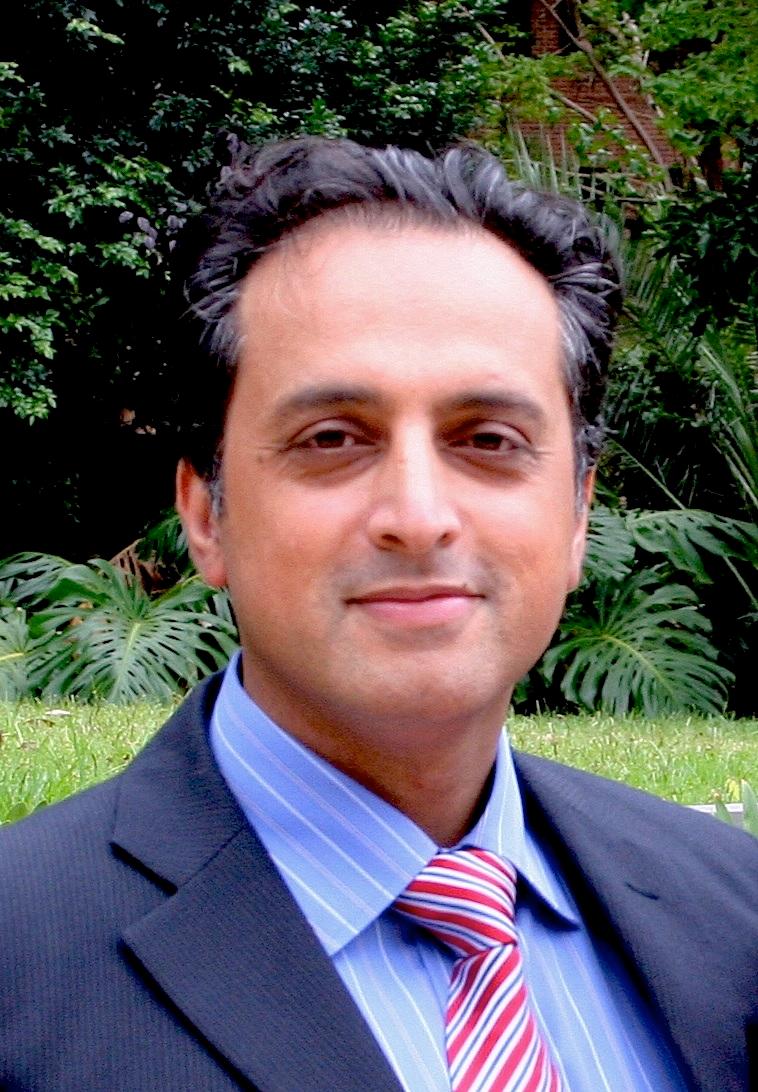
Professor Gin S Malhi,
President, ISBD.
Quotees:
Manuel Sanchez-de Carmona,1 Nassir Ghaemi,2 Gordon Parker,3 Andy Nierenberg,4 Roy Chengappa,5 Steve Strakowski,6 Willem Nolen,7 Sam Gershon,8 Gary Sachs,9 Jair Soares,10 Eduard Vieta,11 Trisha Suppes,12 Michael Osctacher,13 John Mann,14 Mark Frye,15 Chantal Henry,16 Steven Pilszka,17 Ralph Kupka,18 John Rush,19 John Geddes,20 Rasmus Licht,21 Terence Ketter,22 Guy Goodwin,23 Edward Shorter,24 Lakshmi Yatham,25 Allan Young,26 Michael Berk,27 & Gin Malhi.28
|
|
|
ISBD Honorary Awards Nominations CLOSING SOON!
We encourage our current ISBD members to nominate those who are making important contributions to the field of bipolar research in the respective categories covered by these awards.
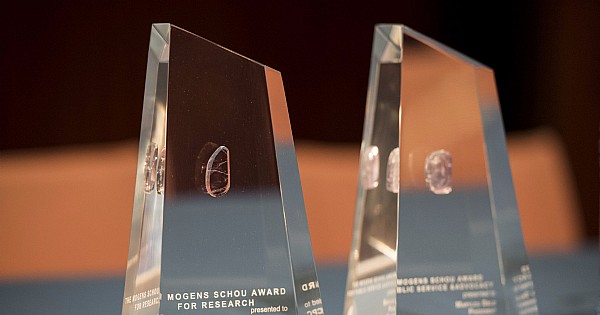
Mogens Schou Award
The Mogens Schou Awards recognize achievements in the following three categories:
Research
Education and Teaching
Public Service and Advocacy
Robert Post Mentoring Award
We will be accepting nominations for the Mogens Schou Awards and
the Robert Post Mentoring Award
until April 30, 2022.
|
|
The Early registration rates for the 2022 ISBD Experience go away April 21, 2022!
Registration rates for regular attendees are based on the attendee’s current country of residence. Attendees still in training qualify for a lower registration rate regardless of current residence (verification of student status is required during the registration process).
The ISBD Experience is totally new. It has been completely re-engineered from the ground up to deliver more thoughtful insights in less time, more exposure with less distractions, and more engagement and less talking heads. We believe it is inspiring and will be a tremendous success.
Register now to get the best rate!
|
|
Bipolar Disorders: "The Journal" |
|
The integrity of psychiatry is very much dependent on how psychiatry is practiced, and how this practice is perceived. Psychiatrists have to be suitably knowledgeable and remain informed and have the necessary skills to apply this knowledge in clinical practice. This knowledge is both evidentiary and experiential, and it simultaneously informs and guides our opinions, and also determines to some extent what we do in clinical practice. Thus, at the core of psychiatry is the knowledge that we have of illnesses and their treatment, and put simply, it is the role of doctors (and other specialists) to translate this into clinical benefit. In this process, there is natural tension between personal perspectives and opinions, and what evidence-based medicine (psychiatry) reports. Nevertheless, guidance is necessary, as are reviews and recommendations, and it is here that the BDTJ has excelled. The Journal provides guidelines and summary documents that educate, inform, advise, and attempt to help clinicians navigate the complexities of clinical practice.
To this end, I draw your attention to the many expert Task Forces (TF) that the ISBD facilitates. Currently there are 10 active TFs and a number on the horizon. The information they produce is usually published in Bipolar Disorders and these TF papers hold special significance in the field as they provide expert direction on key clinical and research issues. Participation in TFs is open to all ISBD members, and I would encourage everyone to consider contributing within their area of expertise – but especially those who are still early in their career and would likely also benefit from working alongside more experienced colleagues. To learn more about the TFs please contact Mary Miller.
|
|
International Society for Bipolar Disorders | ISBD.ORG
|
|
|
|
|
|
|
|