View as Webpage

zep_logo_horizontal_3.0.png
 
zep_header_3.0_tilted.png

New Climate Crisis Timeline

The Climate Crisis Has a History

Climate emergencies surround us. The gap between the severity of the climate crisis and the inadequate response in schools threatens students’ lives and the future of the planet. The Zinn Education Project has released an interactive timeline of the climate crisis to help bridge that gap, because young people deserve tools that help them understand who shaped the warming world they inherited and how to meet the crises in front of them.


Our timeline traces the roots of the climate crisis from European colonialism and racial capitalism to present-day fossil fuel industry and government projects that exploit the Earth. It also emphasizes moments and movements of resistance that inform climate justice work today. Scientific discoveries and disinformation — who knew what, when, and to what ends — punctuate this history, as do accelerating catastrophes that emphasize the urgency of the crisis. Use our timeline to help students explore how the climate crisis unfolded and to imagine paths to a more just future.

ZEP-ClimateTimeline-230823-v1-update-1017x534 image

The stories most timelines tell about the climate crisis wrongly cast it as a product of the natural world — not as a consequence of human history, of choices, of systems through which profit and injustice flow. These accounts often focus on the steady atmospheric buildup of CO₂ and climbing temperatures. They pay little-to-no attention to the authors of global warming, movements to curb it, and populations that bear the brunt of its effects. They promote a sense of inevitability, fueling a dangerous mix of despair and inaction.


In K–12 history textbooks, “there are no climate change timelines at all. In most textbooks there is simply no recognition that the climate crisis has a history,” explain Mimi Eisen and Ursula Wolfe-Rocca, who authored our new timeline. The phrase “climate change” only shows up in the final pages of textbooks, even as its causes — coal, oil, industrialization, military mobilization, “postwar prosperity” — appear throughout, celebrated and severed from the environmental emergencies they create.


The Zinn Education Project offers the Climate Crisis Timeline and classroom activities so that teachers and students can examine the choices and stakes that animate the climate crisis and work toward meaningful solutions.

Timeline and Teaching Ideas

Teach the Climate Crisis Timeline

Receive a Free Book

book-giveaway-paradise-2-650x341 image

How are you using the Climate Crisis Timeline in your classroom?


We want to hear from teachers who have used the timeline or any of the climate justice lessons from the Zinn Education Project website.


In appreciation for sending us your teaching story, we will send you a copy of Paradise on Fire by Jewell Parker Rhodes or The World We Need: Stories and Lessons from America’s Unsung Environmental Movement by Audrea Lim — thanks to generous donations by Jewell Parker Rhodes and The New Press.

Share Your Story

Teaching Guide

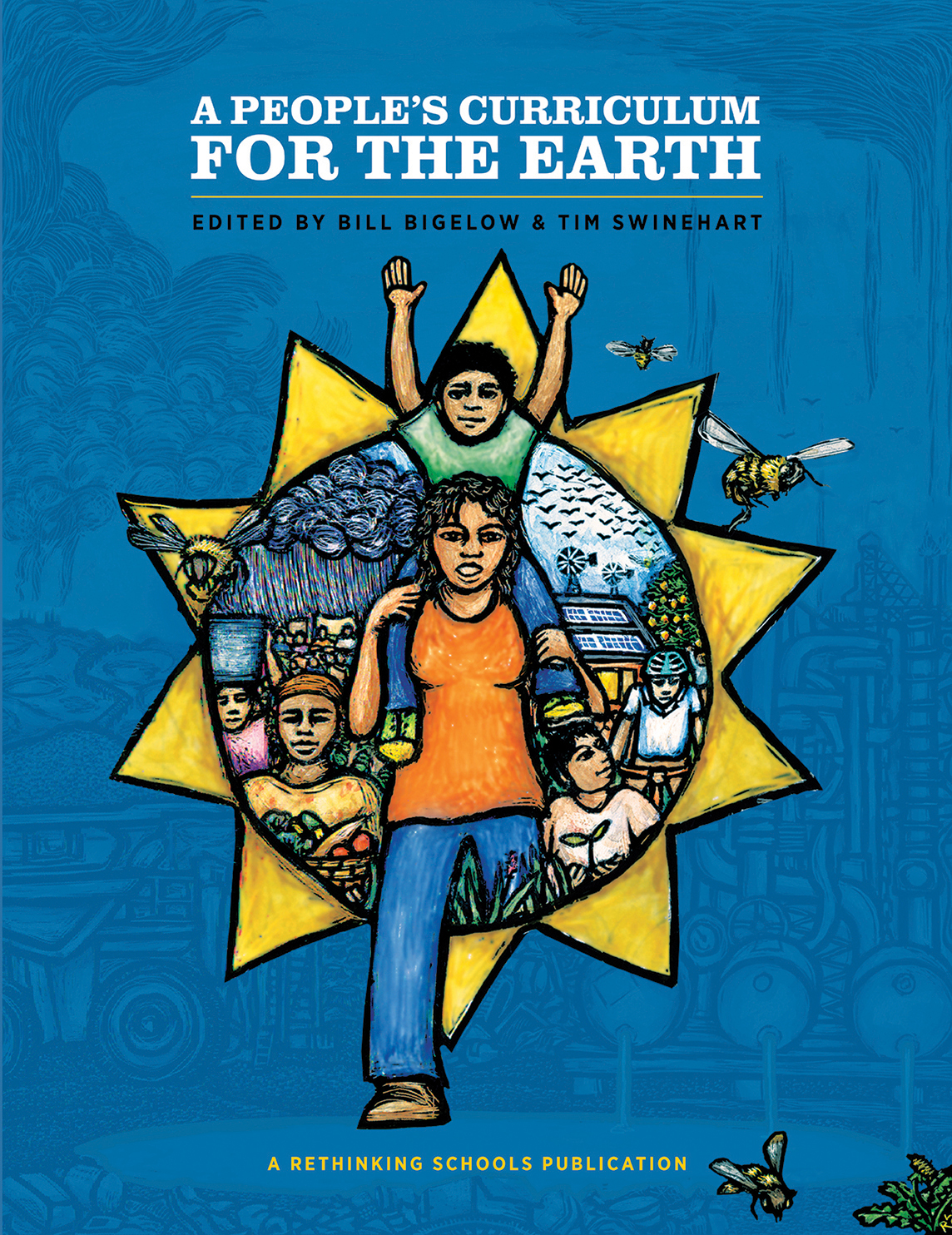
A People’s Curriculum for the Earth

A People’s Curriculum for the Earth is a collection of articles, lessons, stories, poems, and graphics to help breathe life into teaching for environmental justice.


The book features some of the best articles from Rethinking Schools magazine, alongside classroom-friendly readings on climate change, energy, water, food, and pollution — as well as on people who are working to make things better.

A-Peoples-Curriculum-for-the-Earth-Cover image
Order Today

Featured Lesson

Water and Environmental Racism

In this Rethinking Schools lesson by Matt Reed and Ursula Wolfe-Rocca, students learn about the struggle of residents to access safe water for drinking, cooking, and bathing in the majority-Black cities of Flint, Michigan; Jackson, Mississippi; and Newark, New Jersey.


By bringing the circumstances of these different locales into conversation with one another, students see that these water crises are not simply accidents that could have happened anywhere; they are manifestations of racism, past and present, that happen in some places — and to some people — far more than others. 

WaterIsLifePPC_Pete_Railand_detail-300x450 image
Access Lesson

This Week in People’s History

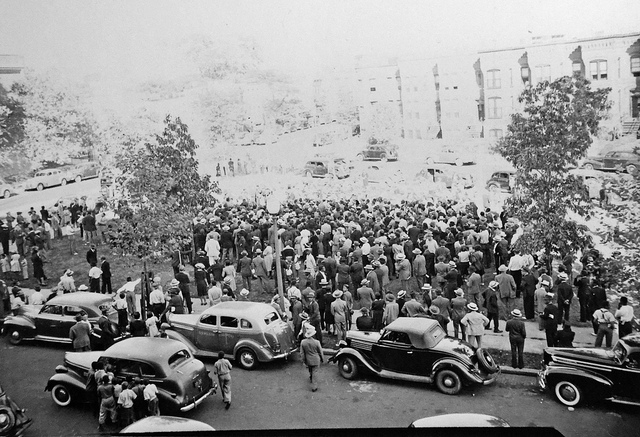
Rally Against Police Brutality in 1941

8658535685_6724161d25_z image

On Sept. 14, 1941, four marches from different points in Washington, D.C., got underway, involving an estimated 2,000 participants. Each march was dedicated to one of the four recent African American victims of police brutality.


Signs carried by protesters included, “Old Jim Crow Has Got to Go,” “Protect Our Civil Rights” and “Police Brutality Is a Disgrace to the Nation’s Capital.” A hearse and an undertaker’s automobile carried signs in memory of persons shot in recent months by the police.


Police brutality, and the fight against it, have a long history.

Protest of Police
More #TDIH

Additional events: 16th Street Baptist Church Bombing in 1963, Camilla Massacre in Georgia in 1868, First Meeting of the Colored Conventions Movement in 1830, Hurricane Maria Strikes Puerto Rico in 2017, and more.

Classes and Conferences

for Social Justice Educators

Check out the list of upcoming events hosted by the Zinn Education Project and our colleagues — including the Zinn Education Project Teach the Black Freedom Struggle online series, the 16th Annual Northwest Teaching for Social Justice Conference, and the National Council for the Social Studies conference in Nashville.

Events Calendar

We Need Your Help

Defend-Teachers-5 image

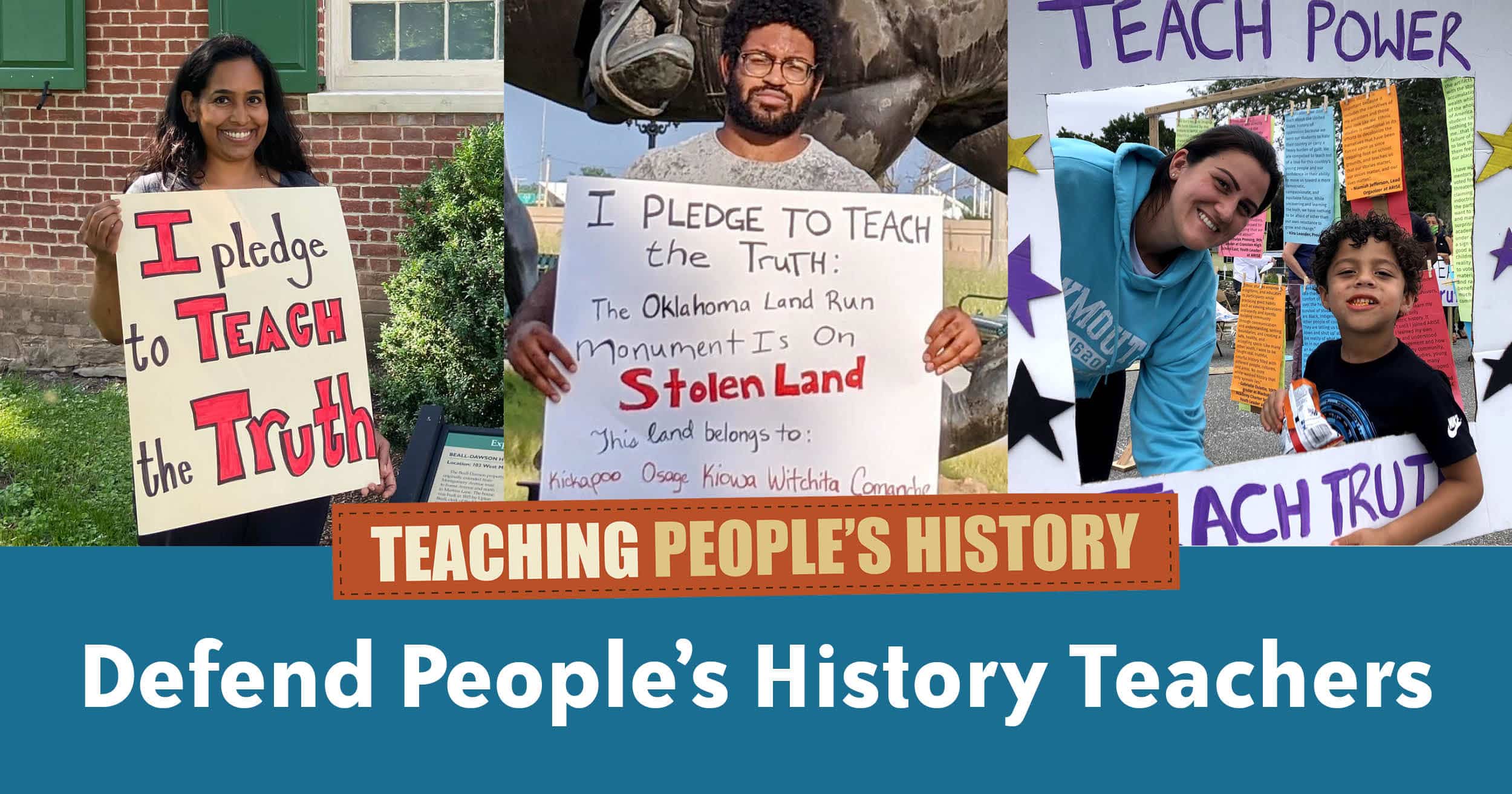
Teachers are under attack for teaching truthfully about U.S. history. Please donate so that we can continue to offer free people’s history lessons and resources, and defend teachers’ right to use them.

Donate Today
zep_logo_stacked.png
Donate Now

COORDINATED BY:

rethinkingschools_logo.png
TFC-Banner-2019-Update-2048x269.png

PO BOX 73038, WASHINGTON, D.C. 20056 

202-588-7205 | zinnedproject.org


Facebook  Twitter  Instagram