-
Hoffman Nursery receives Gold Star Grower Housing Award
- Grower to Grower Podcast
- Solving Regional Problems with Plants
- Low Water Use & Drought Tolerant Grasses
- Wonderful Trade Show Season
- Plant Spotlight: Bunny Blue®
- We're Hiring!
- Living Roofs Inc. receives Sustainable Business of the Year
- My Meadow Lab, Part 1
- How Urban Green Roofs are Gifts that Keep on Giving
- Beyond Bricks And Bytes: Bio Cities Are About To Bloom
- How We Build Cities can Help us Overcome Traumatic Events
- World Wetlands Day: The Hidden Potential of Tidal Landscapes
- ‘Learn to Live with Ugly’ after Freeze Damage
- 8 Gardening Trends to Look Out for in 2024
- Landscapers Reveal the Ideal Native Plants for Slopes
| |
|
Hoffman Nursery receives Gold Star Grower Housing Award
Greenhouse Management
| |
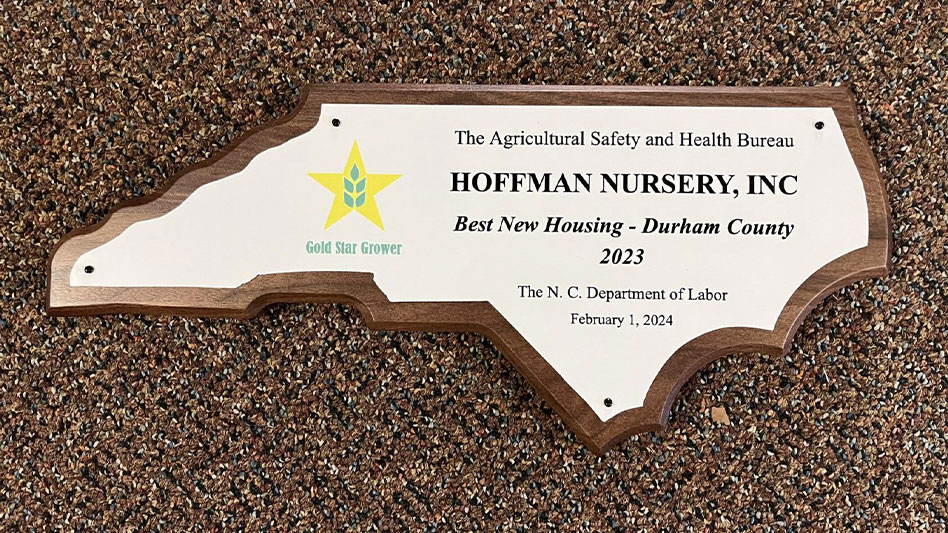
Hoffman Nursery was among the four growers in North Carolina recognized during the 30th Annual Gold Star Growers Meeting held February 1, 2024, at the McKimmon Center in Raleigh.
The North Carolina Department of Labor’s Gold Star Grower Housing Program identifies growers who provide housing that meets and exceeds all requirements of the Migrant Housing Act of North Carolina. The housing standards are required by law and used during annual inspections performed by the Department of Labor’s Agricultural Safety and Health Bureau. Over 1,800 houses are inspected yearly, and four awards are given statewide: two for “best maintained housing” and two for “best new housing."
Hoffman Nursery received one of the Best New Housing Awards and a Double Gold Star Award for perfect H-2A program compliance two years in a row.
| | | | |
|
|
Grower to Grower Podcast
Greenhouse Grower
A few weeks back, our COO David Hoffman and Marketing Coordinator Alex Stanley chatted with Brian Sparks from Greenhouse Grower on the Grower to Grower Podcast. They took a look back at 2023 and what's to come in 2024.
| |
|
Solving Regional Problems with Plants
Hoffman Nursery
| At Hoffman Nursery, we believe in plants that solve problems. In our “Solving Regional Problems with Plants” series, Jessica Hall and Sami Nickerson from our Sales & Customer Service team take a look at some of the environmental challenges in eight North American regions, and how the plants on our Regional Plant Lists help in solving these issues. See the links below to check them out! | |
|
Low Water Use & Drought Tolerant Grasses
Hoffman Nursery
| |
Simply put, using plants that are drought tolerant and have low water needs are smart choices. Drought tolerant plants do not need supplemental irrigation and can withstand periods of water scarcity and prolonged dry conditions (once established). Low water use plants have adapted to water scarcity, use water efficiently, and continue to look good in times of water scarcity (once established). In this video, Stephen Gillis, our Sales & Customer Service Manager, takes an in-depth look at the grasses and sedges on our low water use and drought tolerant lists. | |
|
What a Wonderful Trade Show Season!
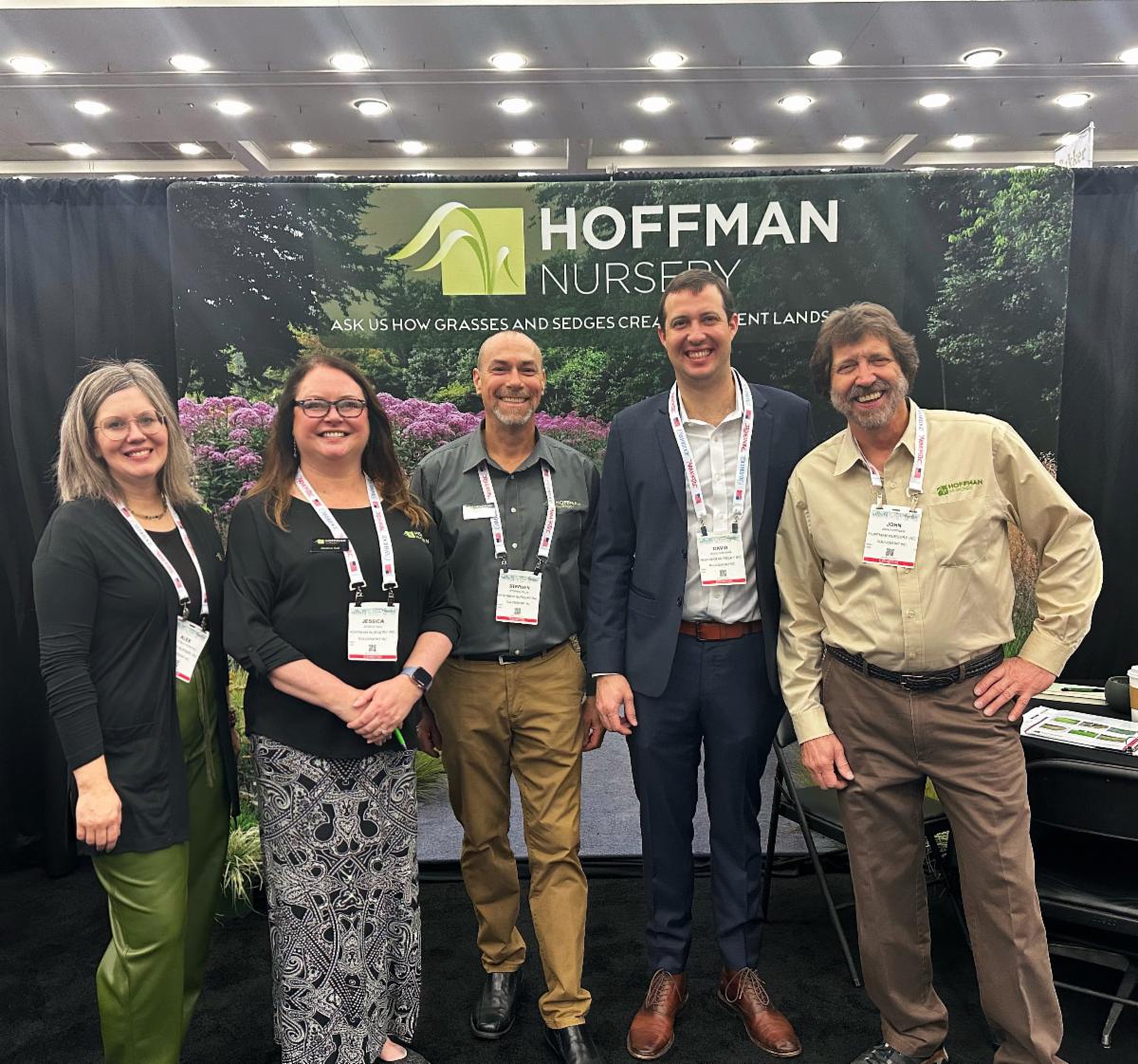
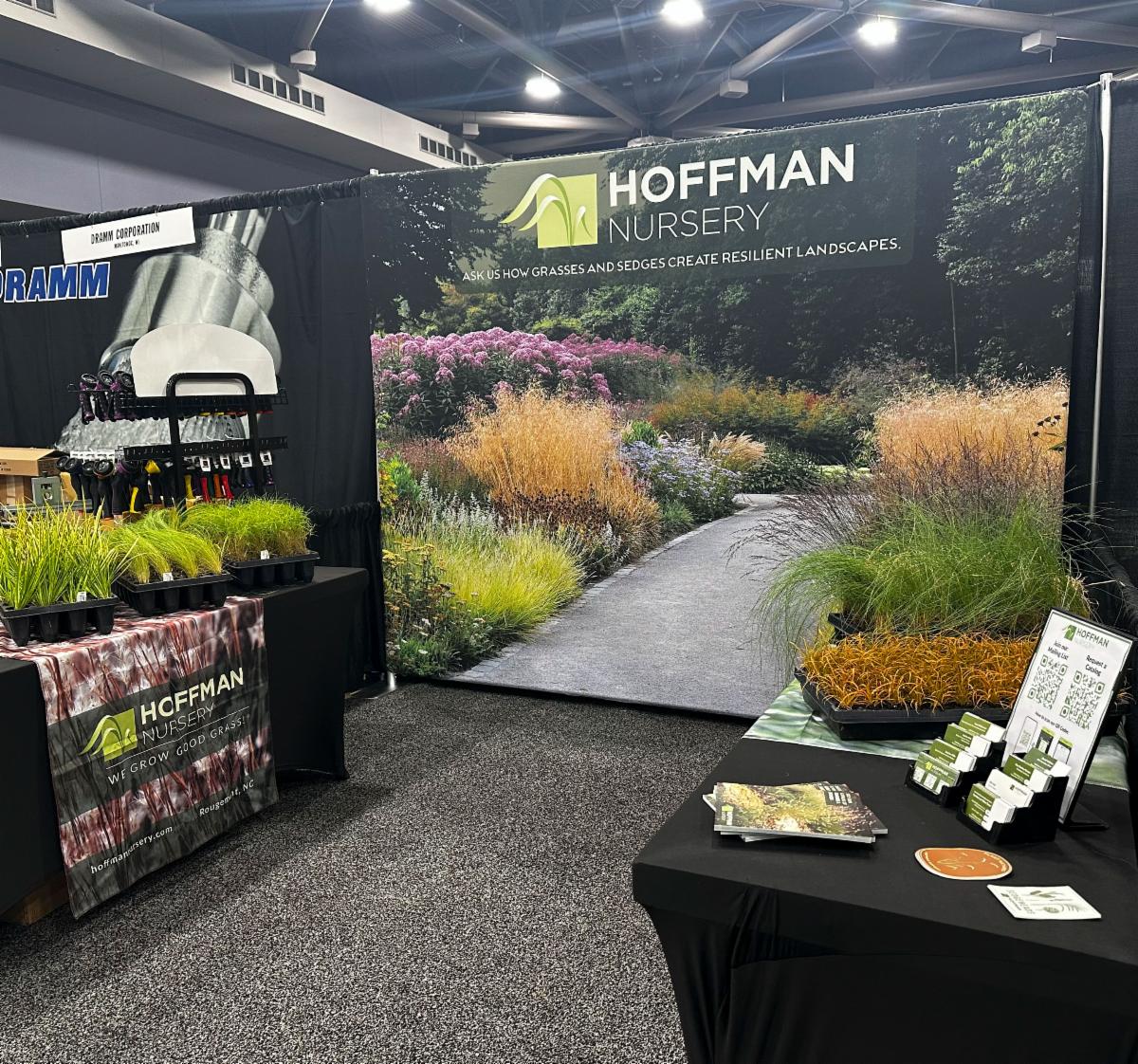
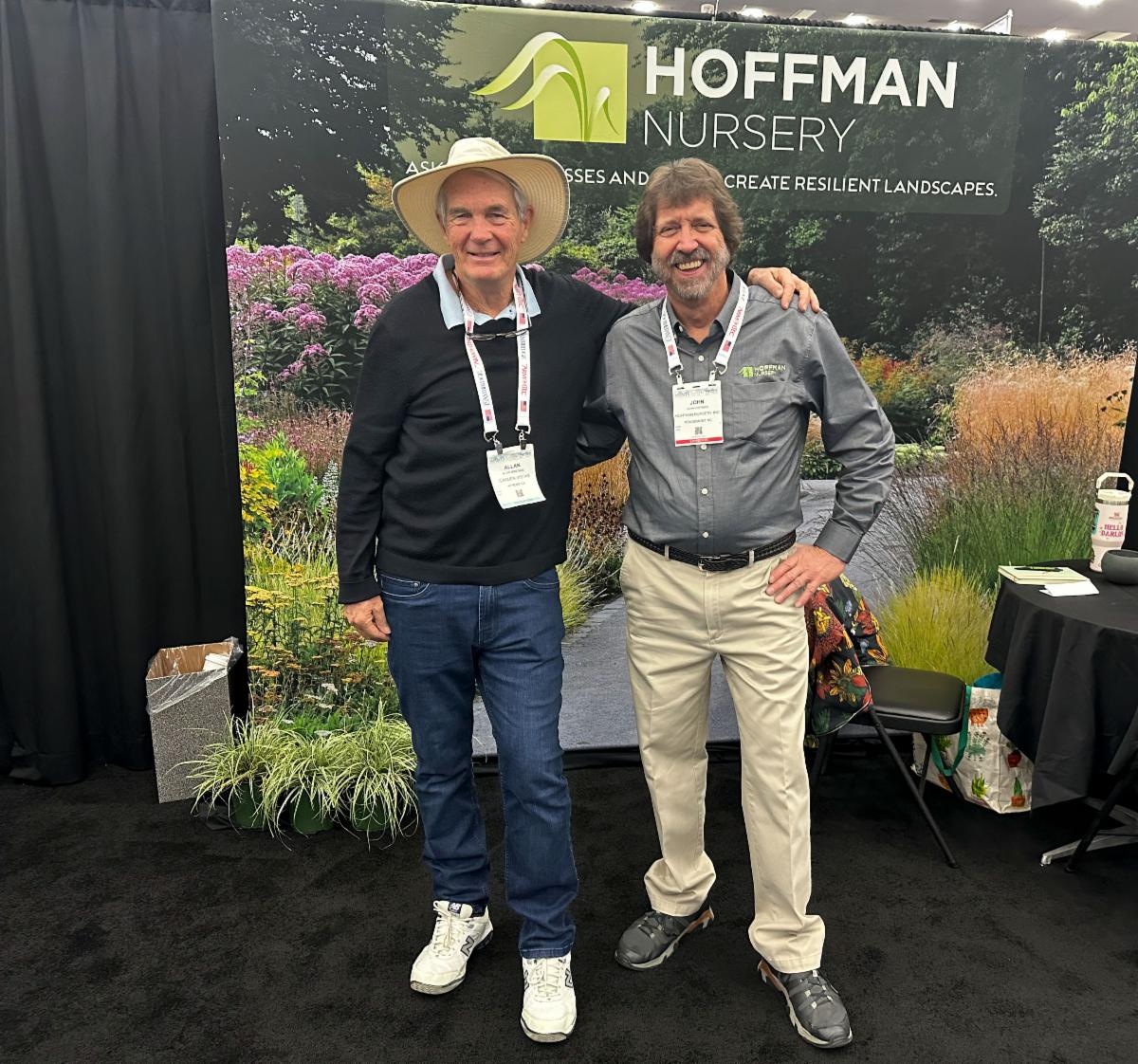
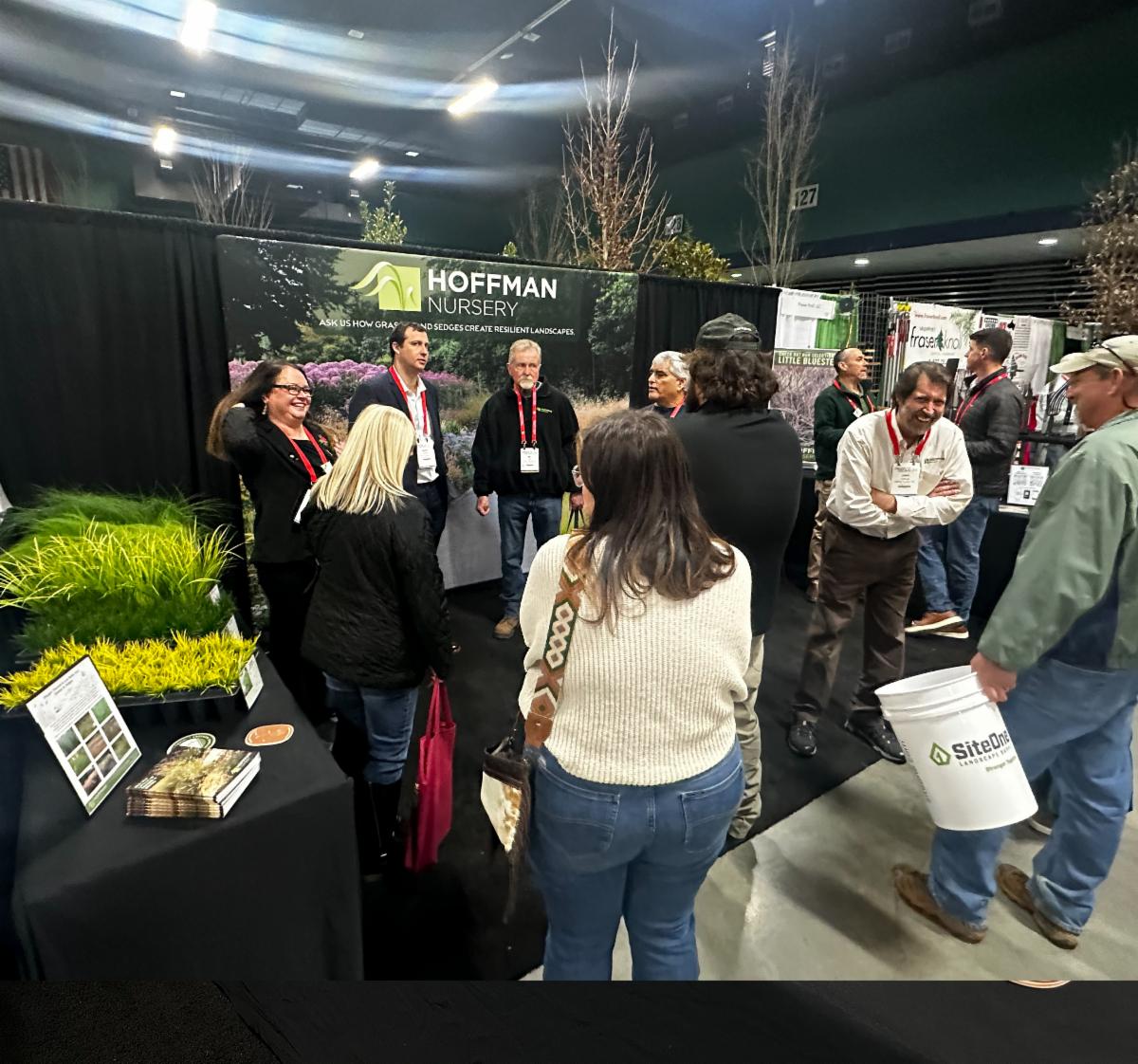
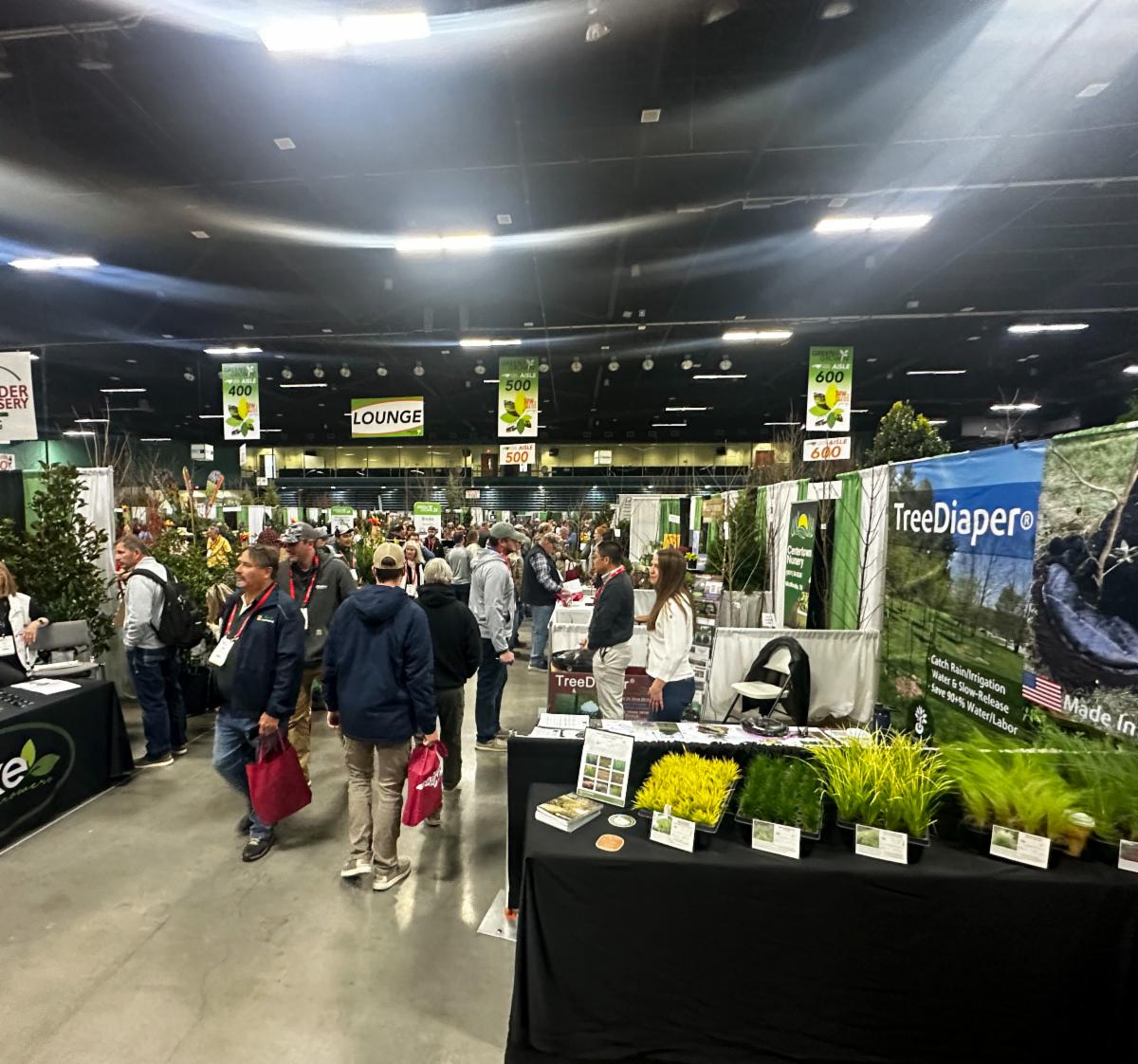
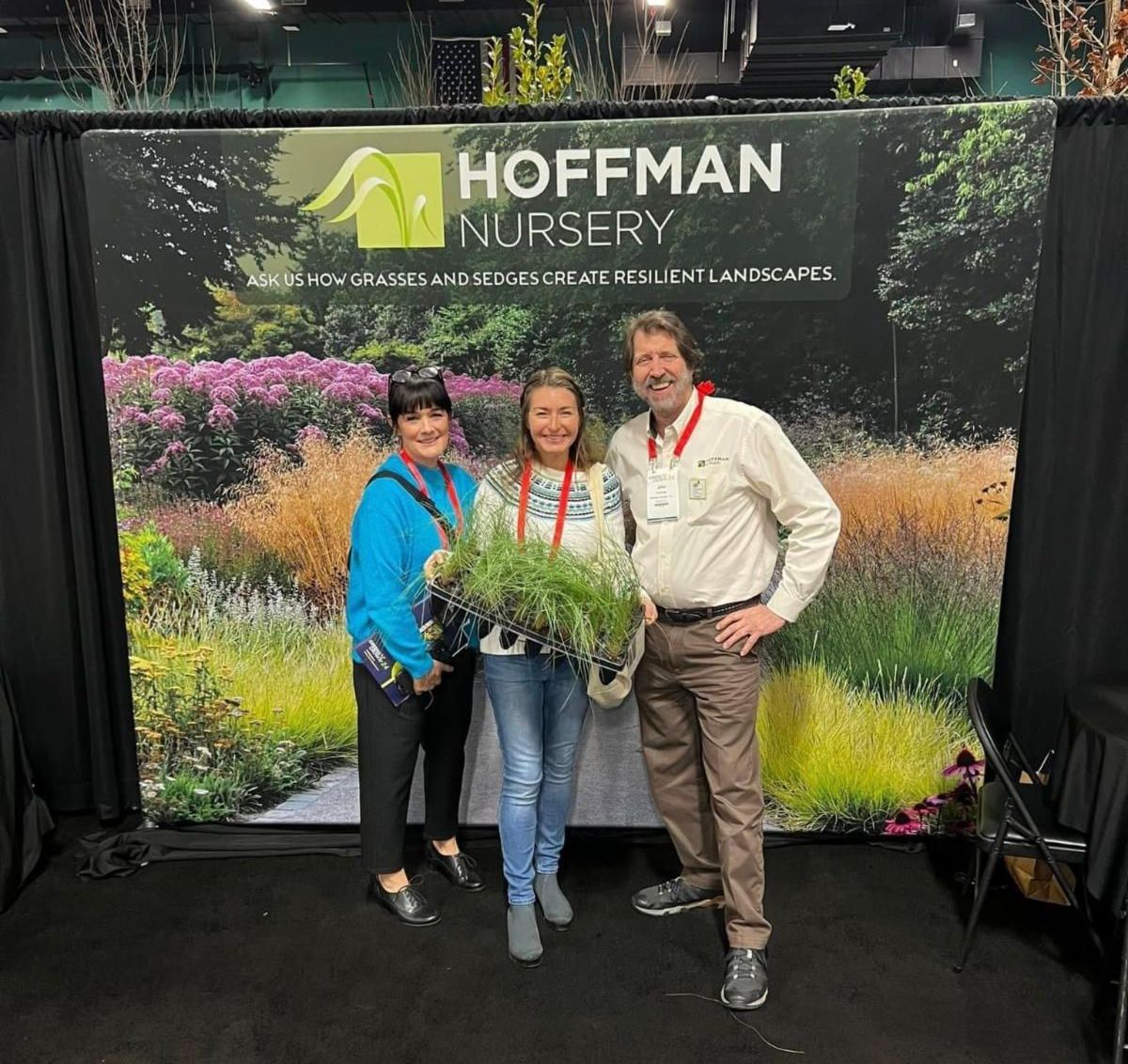
We spent the better part of January at the winter trade shows and we had a blast. It was wonderful catching up with old friends and meeting new ones at MANTS and Green & Growin' and we had a great time at our first Gulf States Horticultural Expo. We look forward to seeing everyone at the summer shows!
| |
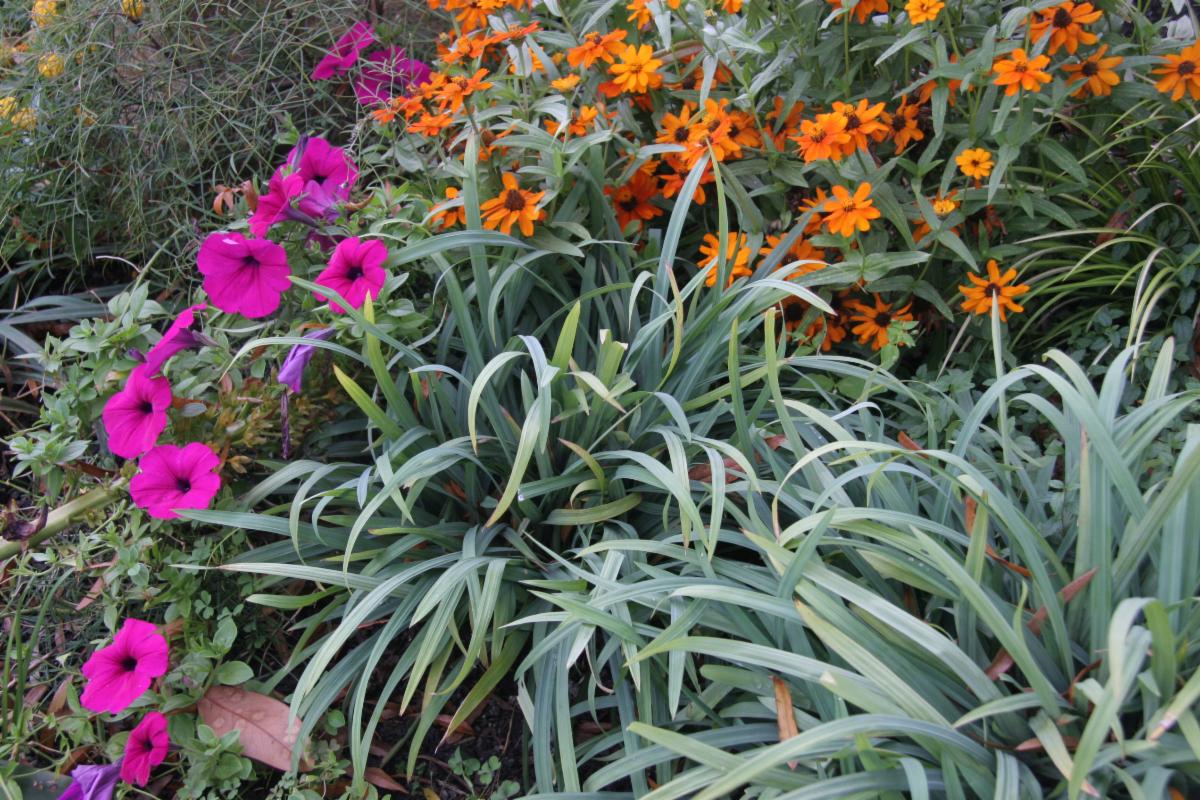
Carex laxiculmis ‘Hobb’ (Bunny Blue®) is a neat, well-mannered sedge—a showpiece of beautiful, wide, blue leaves. Compared to Carex flaccosperma, Bunny Blue® is a tidy cousin with a “cleaner” look. Low-growing mounds form an appealing shape in the shade garden, and the blue color acts as a magnet, drawing the eye to the leaves. Like other blue Carex, Bunny Blue® can take sun if planted in rich, moist soil; otherwise, plant in shade or part sun. Use this sedge as a ground cover, in borders, or mixed with shade-garden favorites. It also works great in middle-to-upper zones of rain gardens. | |
|
Office Assistant
In this position, you will work closely with our Office Manager to keep our office organized and help our business run smoothly. You will help with a variety of administrative tasks, especially accounts payable. You will use Microsoft Office and other Microsoft applications to match invoices with relevant documents, answer phones when needed, process mail, and perform general clerical duties and office errands.
This is a full-time, hourly, onsite position in a rural setting. It averages 40 hours/week.
See a detailed description and the application.
| |
|
Sales and Customer Service Assistant
In this position, you will join and support our Sales and Customer Service Team. You'll answer and direct all incoming calls, assist with order changes and other sales processes, and perform administrative tasks for the team. You'll need to be efficient and communicate clearly and tactfully on the phone. It's a big plus if you enjoy helping others. You will have the opportunity to progress as you learn our system and develop your knowledge of grasses and sedges.
This is a full-time, hourly, onsite position in a rural setting. It averages 40 hours/week.
See a detailed description and the application.
To learn more about working with Hoffman Nursery, go to our Careers page.
| |
Nature-Based Spaces & Solutions | |
|
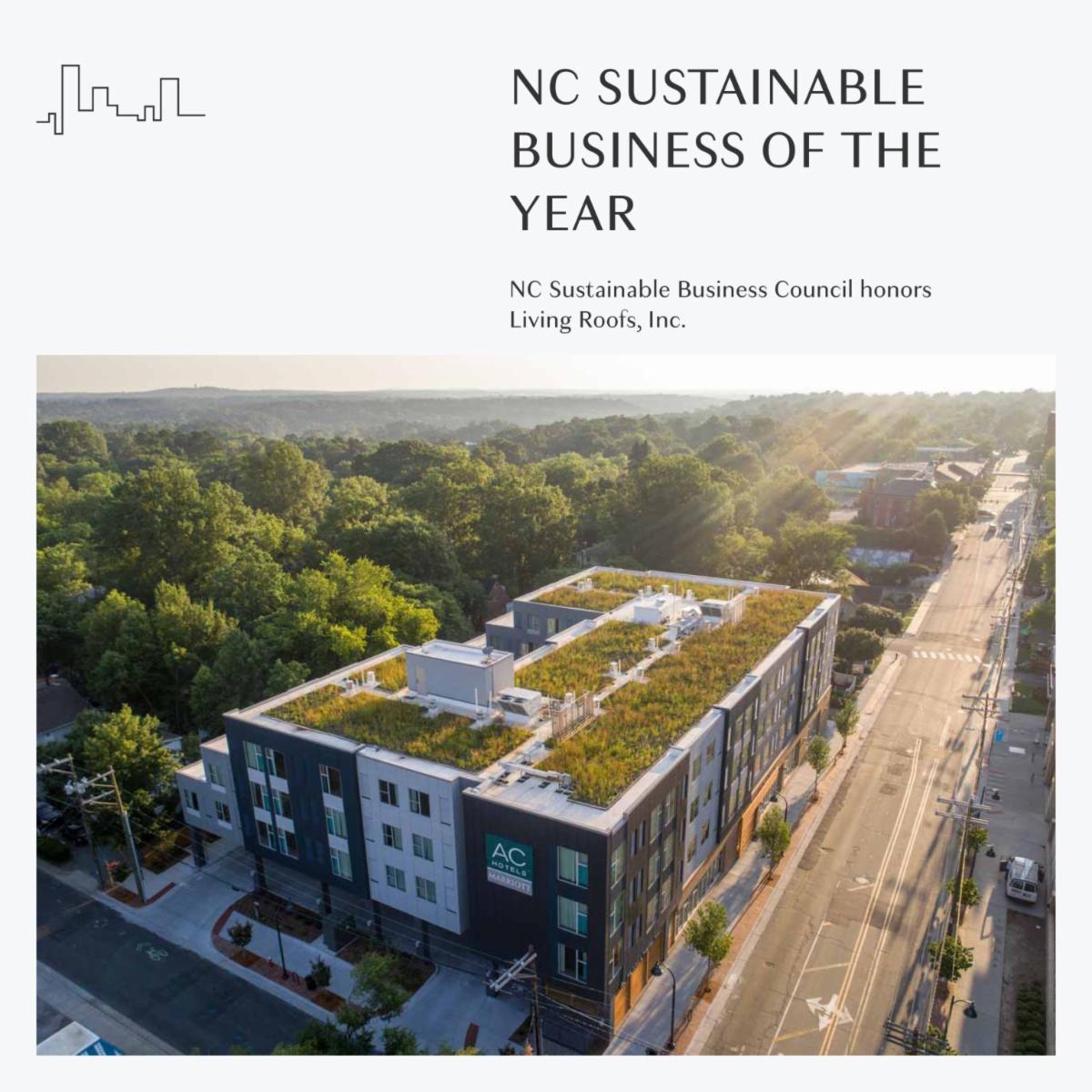
Living Roofs Inc. receives Sustainable Business of the Year
Congratulations to our friends at Living Roofs, Inc. on being recognized as the Sustainable Business of the Year by the North Carolina Sustainable Business Council (NCSBC).
The NCSBC Awards recognize exceptional businesses in North Carolina dedicated to making a positive impact on people, the planet, and profit through innovative practices, products, and services.
Living Roofs is an award-winning design and construction company based in Asheville, North Carolina. Over the past 18 years, they have successfully completed 100s projects spread out over the Southeast from sea level to over 5,000 ft in elevation! Led by founders Emilio and Kate Ancaya, their full scope of services range from Design and Construction to Maintenance & Restoration.
Learn more about Living Roofs, Inc. here and the NCSBC here.
| |
|
My Meadow Lab, Part 1
ASLA Blog/Dan Greenberg
Check out Landscape Architect Dan Greenberg latest meadow project in Raleigh, North Carolina. It's a 1,000 square foot experiment that is welcoming wildlife every day. In the past year, his meadow saved over 10,000 gallons of water, 6 gallons of gasoline, some engine oil, 8 pounds of lawn seeds, and 9 pounds of fertilizer / pre-emergent herbicide. It also saved him 30 hours of boredom, walking back and forth with a mower or a seed spreader. Learn more and see which plants he used in this blog post.
| |
|
How Urban Green Roofs Are Gifts that Keep on Giving
Greenroofs.com
| |
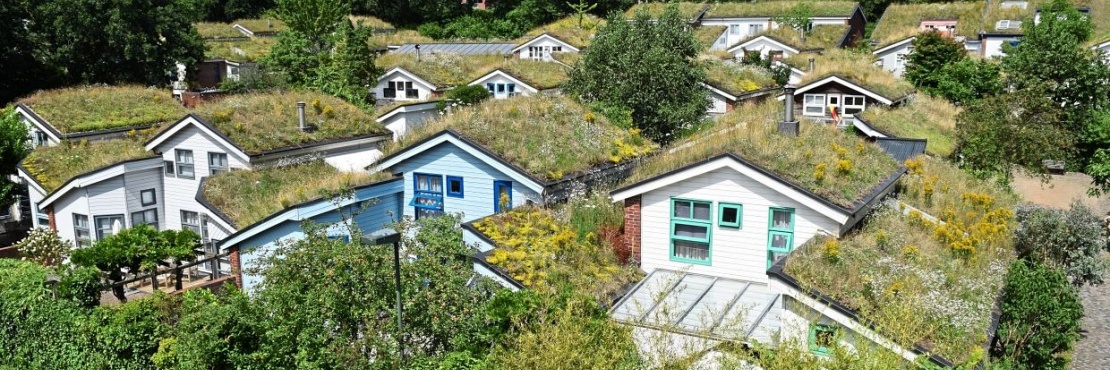
In the era of climate change, every surface that offers a habitat to plants and animals counts. That includes house roofs, garden sheds, garages, car porches, and dustbin boxes - even the tops of bird houses can be greened to nurture biodiversity. Learn how these cultivated spaces can create so-called stepping stone biotopes – places that serve as reproduction or retreat sites for different and often endangered species in this article from Greenroofs.com. | |
|
Beyond Bricks And Bytes: Bio Cities Are About To Bloom
Forbes
Bioplanning, fostering green spaces, and harnessing AI, can help build cities that are not just livable, but thriving ecosystems for generations to come. This article shares how choosing nature and bio cities can lead to a better quality of life and a better future.
| |
|
How We Build Cities can Help us Overcome Traumatic Events
Fast Company
U.S. cities are enduring an increasing number of shocks—from mass shootings to extreme weather events. These tragedies not only take innocent lives, but they tear at community bonds and can inflict trauma that can be hard to overcome. A city that isn’t resilient enough to withstand the aftermath of a disaster, manmade or natural, isn’t one that can serve for long as a viable center of commerce, culture, and society.
Trauma-informed urban development is a successful approach to inform city building, even before tragedy strikes. The goal is resilience, community cohesion, and aid in recovery. This article has seven recommendations that don’t need to be put into effect after disaster strikes, but can inform city building today.
| |
|
World Wetlands Day: The Hidden Potential of Tidal Landscapes
Earth.com
In a study released just ahead of World Wetlands Day, experts have re-evaluated the vital role of mangroves and salt marshes in carbon sequestration. The researchers determined that these tidal landscapes are far more effective in mitigating climate change than previously recognized.
According to the study, led by Gloria Reithmaier at the University of Gothenburg, these wetland ecosystems are perhaps twice as effective at capturing carbon as expected. This means that tidal landscapes can provide a much-needed boost in the fight against climate change.
| |
|
‘Learn to Live with Ugly’ after Freeze Damage
AgriLife Today
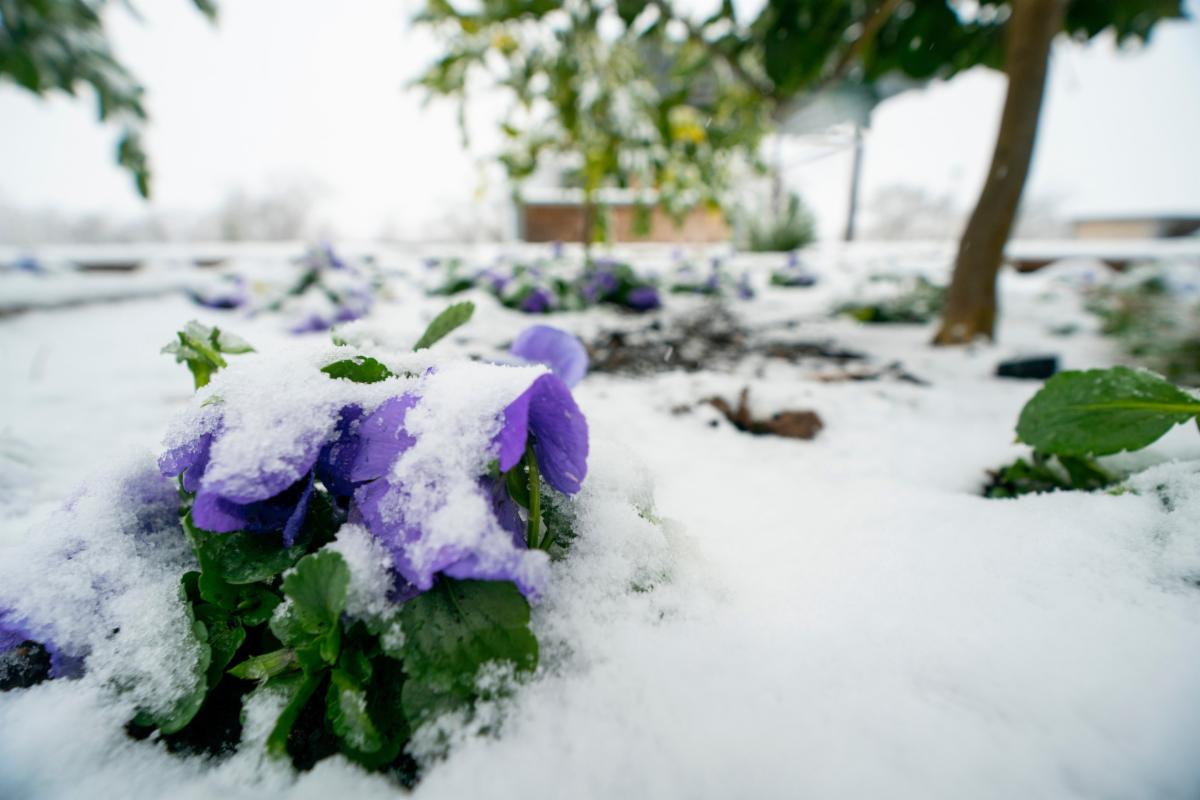
A hard freeze can make plants an ugly eyesore in a landscape or garden.
But practice patience when it comes to freeze-damaged plants, according to a Texas A&M AgriLife expert.
Michael Arnold, Ph.D., director of The Gardens at Texas A&M University and professor of landscape horticulture in the Department of Horticultural Sciences at the Texas A&M College of Agriculture and Life Sciences, Bryan-College Station, said warmer daytime temperatures may give gardeners the itch to get outside and prune back damaged leaves and clean up dead plant material following a hard freeze, but they should resist the urge.
| |
|
8 Gardening Trends to Look Out for in 2024
Thursd.
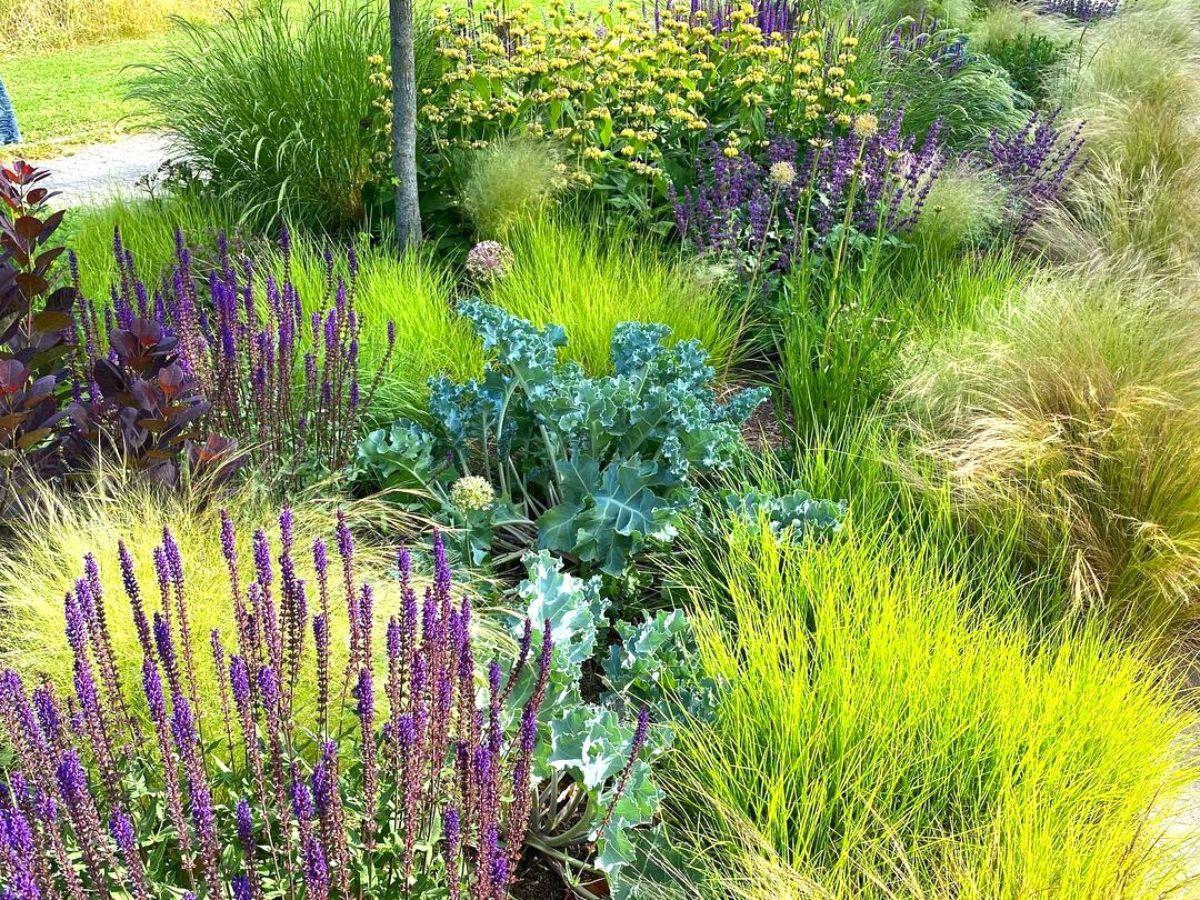
During the winter, your garden and yard may be out of sight, either dead or covered in snow, but spring will eventually arrive and everything will be in bloom again. Though you've probably assumed you'll be doing the same thing with your outdoor green space next year, look to experts' predictions for 2024 garden trends for some ideas on how to change things up and beautify one of the most important spaces in your home — your garden.
| |
|
Landscapers Reveal the Ideal Native Plants for Slopes
The Cool Down
Gardening can throw up a range of problems to solve. How can you ensure that what you’re growing can thrive in the local climate? Are any invasive species putting other plants at risk? Which native species would prove most beneficial to your needs?
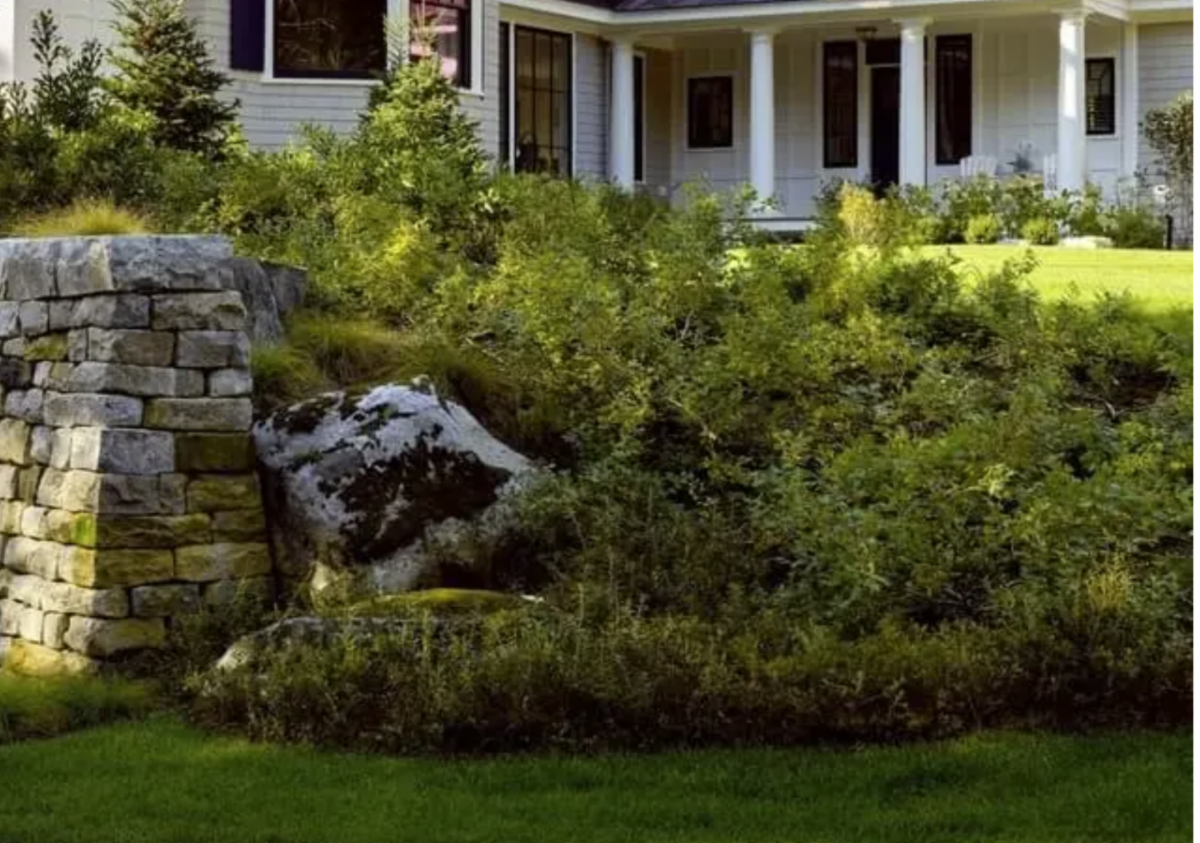
Awkward terrain presents another conundrum; slopes make planting awkward, and water runoff during storms brings the risk of soil erosion and damage to anything growing nearby.
But one landscaper has taken to Reddit to provide their “go-to” native plants that offer slope stabilization and prevent the loss of soil in the r/NativePlantGardening subreddit.
| |
|
Download Availability & Order Form
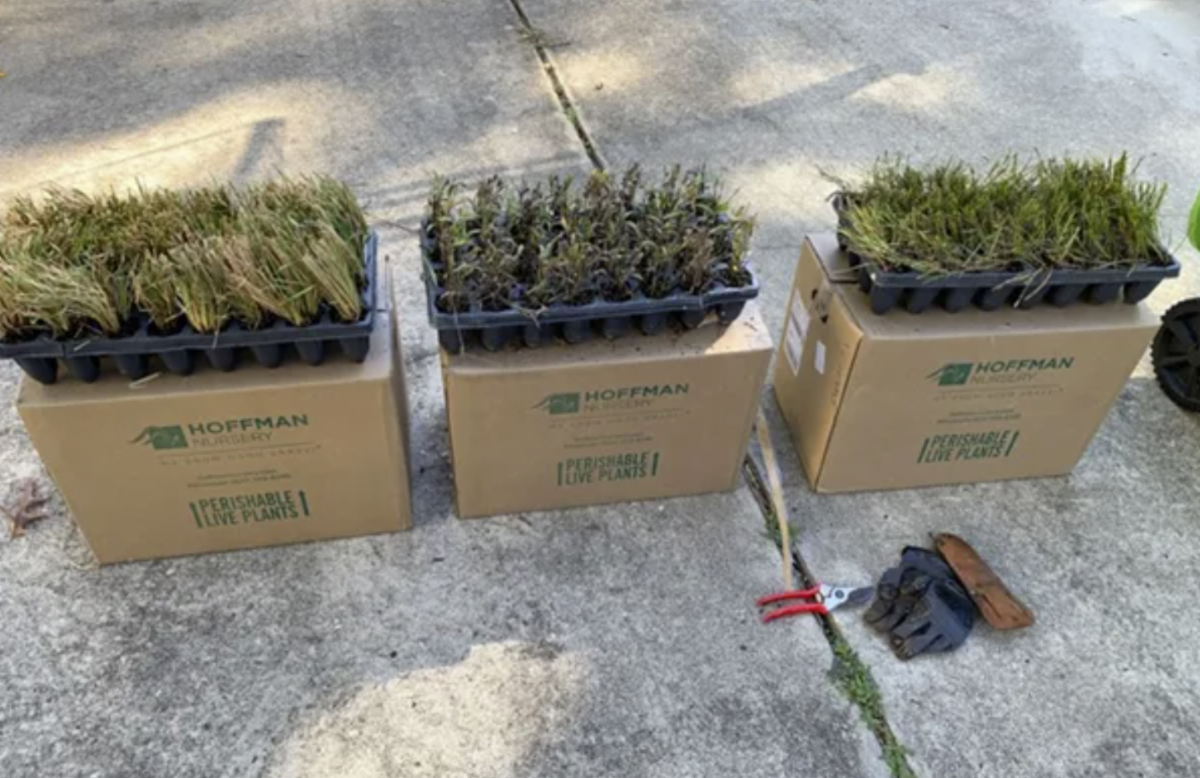
Prices for liners, number of liners currently in stock, and future availability are listed in PDF and Excel files. You may also use these as order forms. Need details on what the numbers mean? Learn more here.
| |
Join us for the best in grass-related content. | | | | | |