Eating high-fiber foods may reduce the effects of stress on our gut and behavior, according to new research.
Stress is a significant health concern and can cause major changes in the gut and in the brain, which can cause changes in behavior.
In recent years there has been growing interest in the link between gut bacteria and stress-related disorders including anxiety, depression, and irritable bowel syndrome.
Moreover, stress experienced over a prolonged period of time can affect the bowel by making the barrier between the inside of the gut and the rest of the body less effective and “leaky”.
This means undigested food particles, bacteria and germs can pass through the leaky gut wall into the blood and cause persistent inflammation.
Short-chain fatty acids (SCFAs) normally produced in the gut by bacteria are the main source of nutrition for cells lining our intestine and are essential for gut fitness. They are produced when beneficial bacteria ferment fiber in our colon.
A study conducted by scientists in Ireland found that levels of stress and anxiety-like behavior were reduced when SCFAs were fed to mice. The therapy with the SCFAs also reversed gut “leakiness.”
In the study, researchers fed mice with major SCFAs before subjecting them to stress tests. Using behavioral tests the mice were assessed for anxiety and depressive-like behavior, stress responsiveness, cognition and sociability, and how easily material passes through the gut.
Results of the study provide new insights into mechanisms related to the impact of the gut bacteria on the brain and behavior as well as gut health.
Developing dietary therapy, which targets gut bacteria, will be important for improving stress-related disorders.
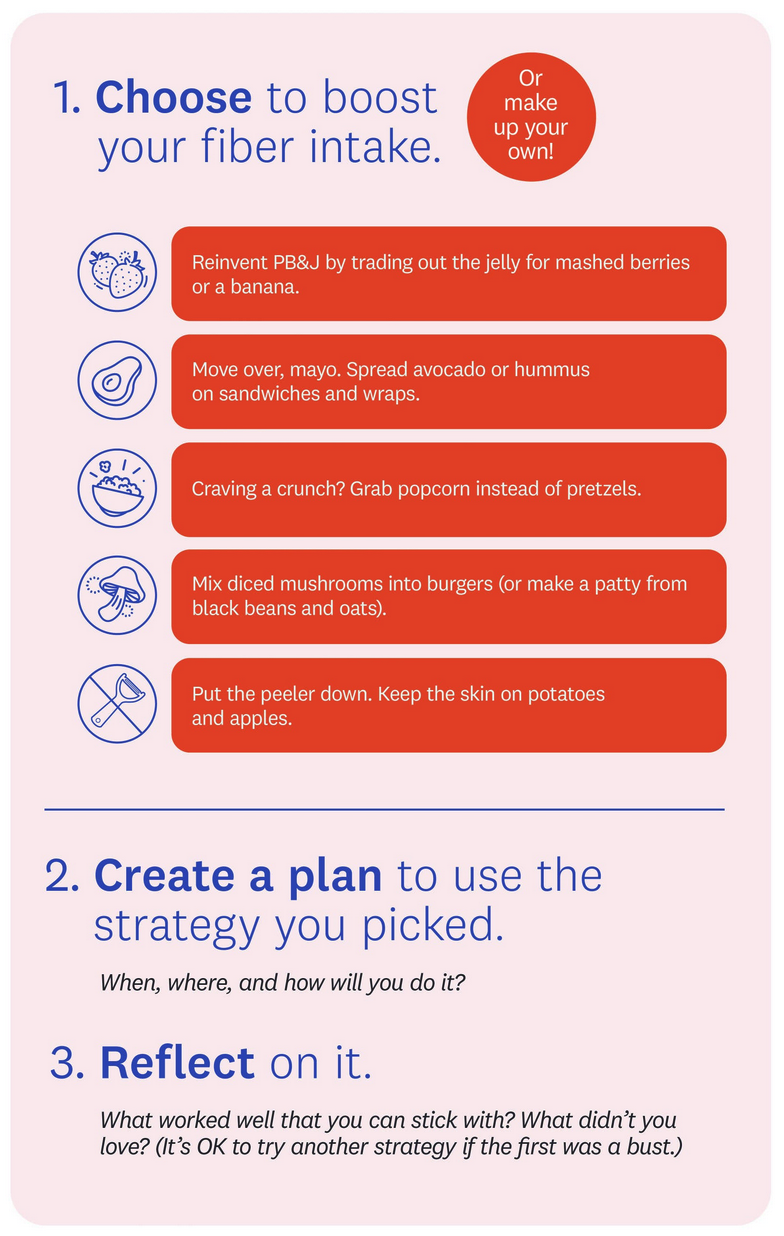
Foods such as grains, legumes, and vegetables, contain high levels of fibers and can stimulate the production of these SCFAs.