Rail & Labor News from RWU
| |
Weekly Digest Number 14 - April 2nd, 2024 | |
Welcome to the RWU Rail & Labor News! This news bulletin is produced and emailed out each Tuesday morning. We hope you find each week's news and information useful. If so, please share with co-workers, friends, and colleagues. If you like, you can sign them up to get all the news from RWU HERE. Or forward them the link. Got a hot tip? Please forward the article and a link to raillabornews@gmail.com. Note: If you read over this news bulletin each week, you will be sure to never miss the important news of what is going on in the railroad world from a worker's perspective! | |
Editor's Note: Just a couple rail unions make constitutional provision for One-Member-One-Vote elections for top officers. The BLET membership won this right about 15 years ago. The Machinists similarly employ this method of elections. Now a serious movement is underway in the BMWED to have ALL elected officers be by direct ballot election of the membership. The winds of change are blowing! | |
|
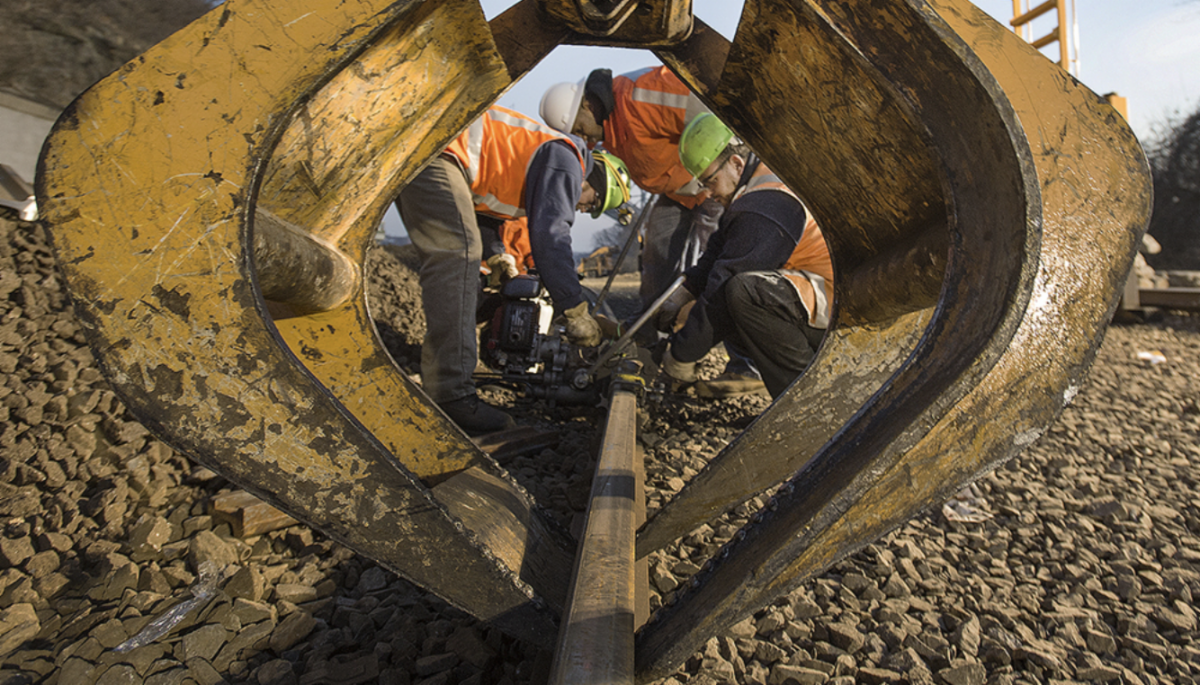
Railroad track workers have launched a campaign to get their union officers elected by the members, rather than by convention delegates. The Brotherhood of Maintenance of Way Employes is one of the largest of the 13 rail unions, with 31,000 members. The campaign is being organized by the group BMWED Rank and File United, with the backing of the longtime reform caucus Teamsters for a Democratic Union (TDU). “We don’t think a handful of delegates can fully express how the membership is feeling—which is why we vote on contracts!” said Deven Mantz, a 13-year BMWED member at BNSF railroad.
| |
|
A state legislator has introduced a bill calling for privatization of the Alaska Railroad — although even the bill’s sponsor says the purpose is as much about inspiring discussion as it is about potentially triggering a sale. [The bill,] introduced by Rep. Jesse Sumner (R-Wasilla), calls for the state’s governor to request proposals for purchase of the railroad and related assets by June 15 of this year, and sell the railroad by Feb. 15, 2025. Sumner’s Sponsor Statement for the bill says the railroad, under state ownership, “has faced limitations in terms of investment, innovation, and strategic expansion” and that the sale would “streamline governance and inject much-needed private sector expertise into the railroad’s operations.”
| |
|
Davis Legree / March 25
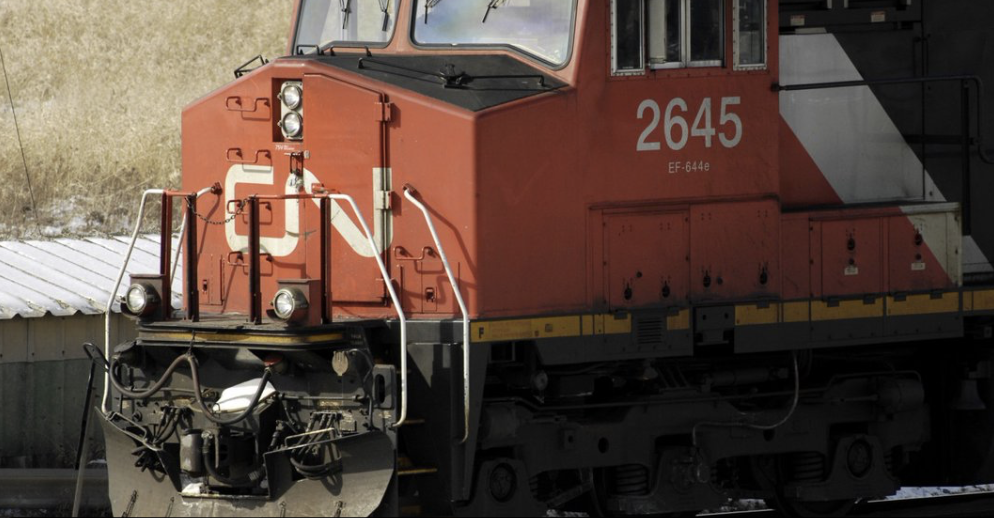
Workers of CPKC and CN, companies that own a combined 75 per cent of the country’s railroads, are set to hold a strike vote on April 8, which could have repercussions on everything from Via Rail to the shipping of grain. Combined, Canadian National Railway (CN) and Canadian Pacific Kansas City (CPKC, formerly CP Rail) own and operate over 75 per cent of the country’s rail network, though those tracks could soon go quiet as ongoing negotiations with the rail workers union have thus far been fruitless.
|
|
Editor's Note: RWU issued a Press Release last week about the massive failure of the nation's railroads to move freight, citing a 24% decline in carloads shipped since 2006. Various media and starting to pick up the story. | |
Popular Resistance w/RWU / March 26
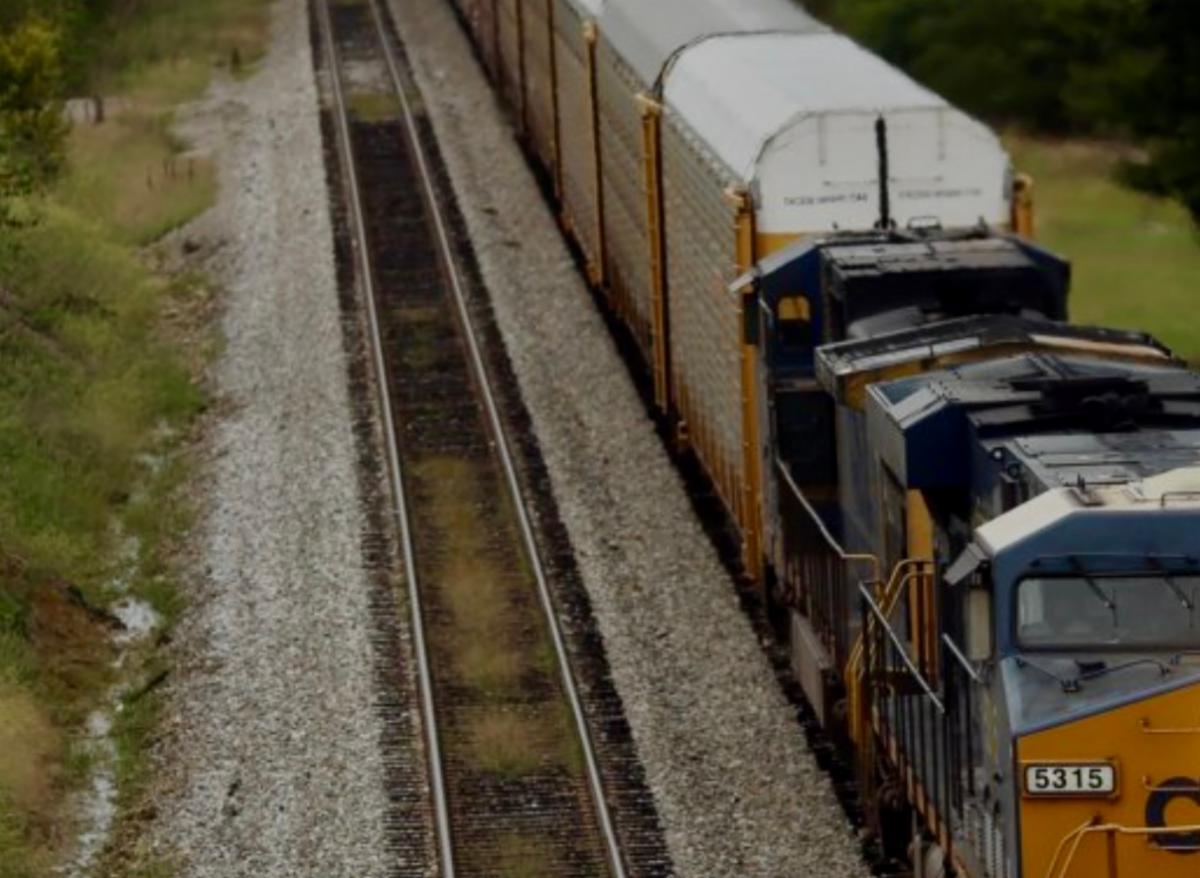
The number of carloads moved by U.S. Class One railroads has dropped dramatically over the course of the past 17 years. In 2006, the Class Ones moved 32.1 million carloads, while in 2023, they moved just 24.4 million, a 24% decline. For every 4 carloads handled in 2006, the Class Ones of the U.S. now handle just 3.
| |
Editor's Note: Here we go again. No matter what a state may try to do to protect itself and its citizens/workforce from harm - whether it be restrictions on train length, minimum crew staffing, limits on blocked crossings, public reporting, hotbox detector maintenance and inspection, WHATEVER, the railroads - and usually pro-corporate judges - simply rule that the railroad is above the law. They are true corporate outlaws. | |
|
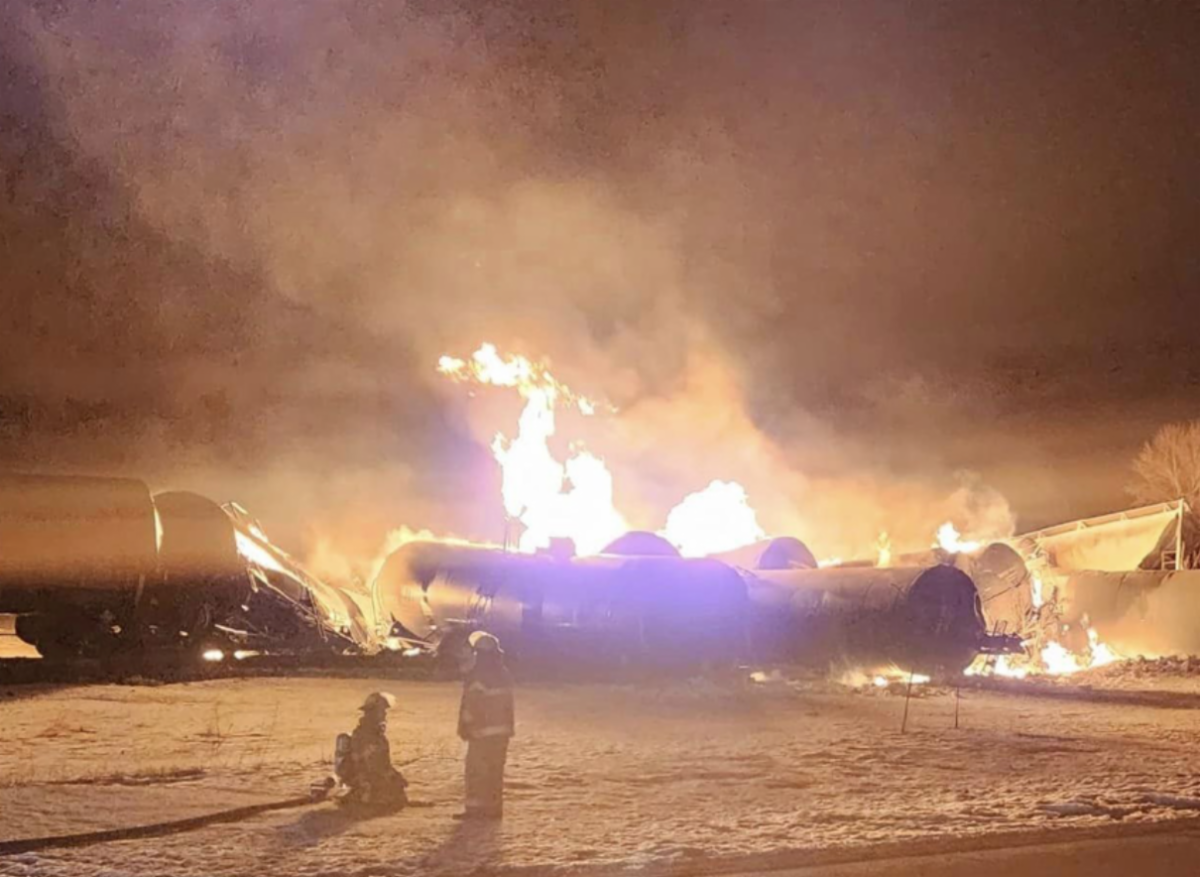
BNSF Railway and CPKC, the two largest railroads in Minnesota, do not plan to make payments of approximately $1 million to the state required by a law passed last year, saying the state legislation is “pre-empted by federal law.” The fees were established by the final version of a bill introduced the day after a derailment and fire in Raymond, Minn. State Sen. Scott Dibble (Democratic-Farmer-Labor Party, Minneapolis) told the station the railroads’ decision was “like a bolt out of the blue and a complete shock.” Dibble dismissed the claim that the legislation is illegal, saying “the railroads are always resisting any efforts we make toward public safety improvements … by citing federal preemption. They’re almost always wrong, and I’m sure they’re wrong in this case, as well.” He said the state may have to file a lawsuit if the railroads refuse to pay.
| |
Editor's Note: This is surely a step in the right direction, and there are some good people nominated to serve. Sadly, they are going to run into the brick wall of the Class One rail carriers' intransigence and lack of support for passenger rail. Let's face it - scheduled passenger trains are incompatible with PSR, and the freights know this. It will be up to this Committee to live (and die) with that reality OR condemn PSR and push for a better operating system. | |
|
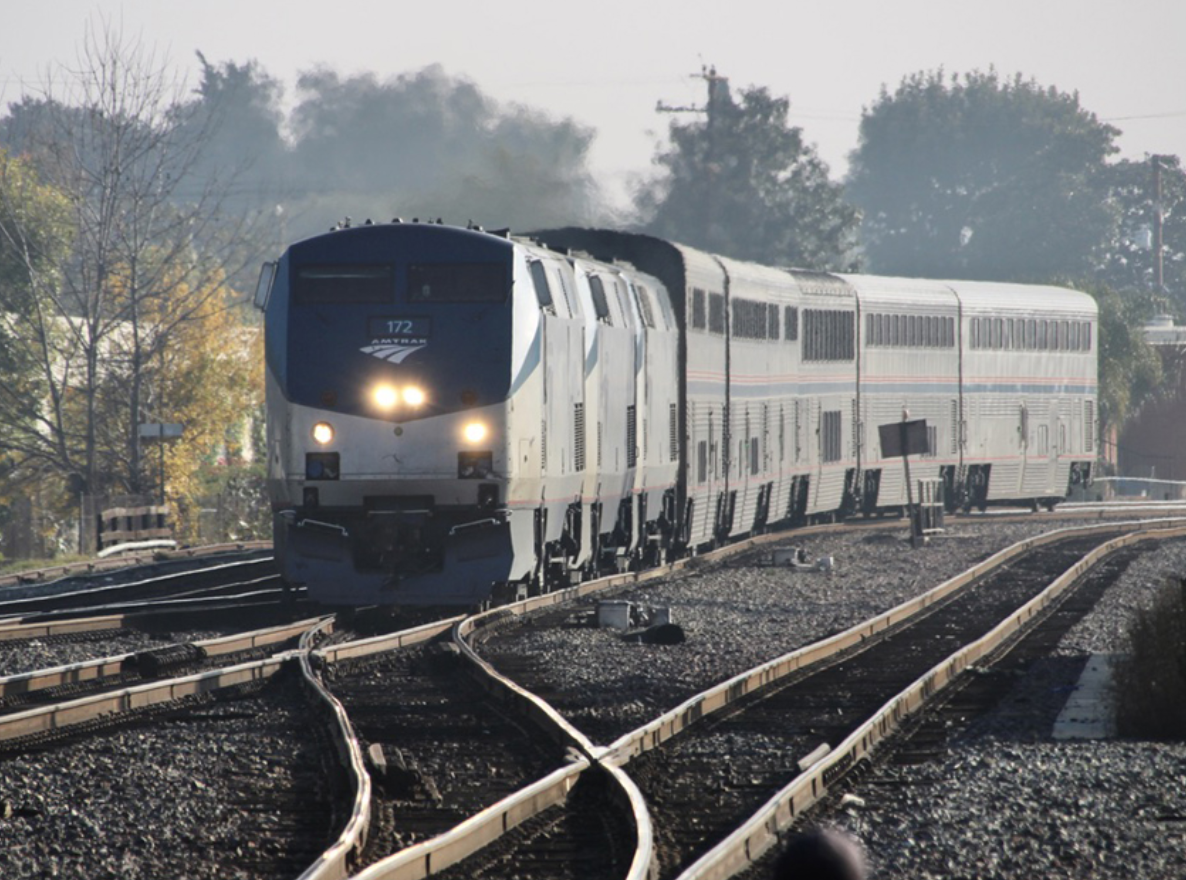
The Surface Transportation Board has named the inaugural members of its Passenger Rail Advisory Committee, which will help the board address issues affecting passenger rail service. Notably, while the original call for nominations had indicated there would be three at-large members and 18 voting members overall, the committee as announced today (March 28) includes 21 members, having expanded to include six at-large members. A board spokesman said Oberman, with board concurrence, “saw an opportunity to increase the diversity of voices and expanded the at-large members from three to six because of the number of distinguished and qualified applicants received.“
| |
Josh Funk / March 26
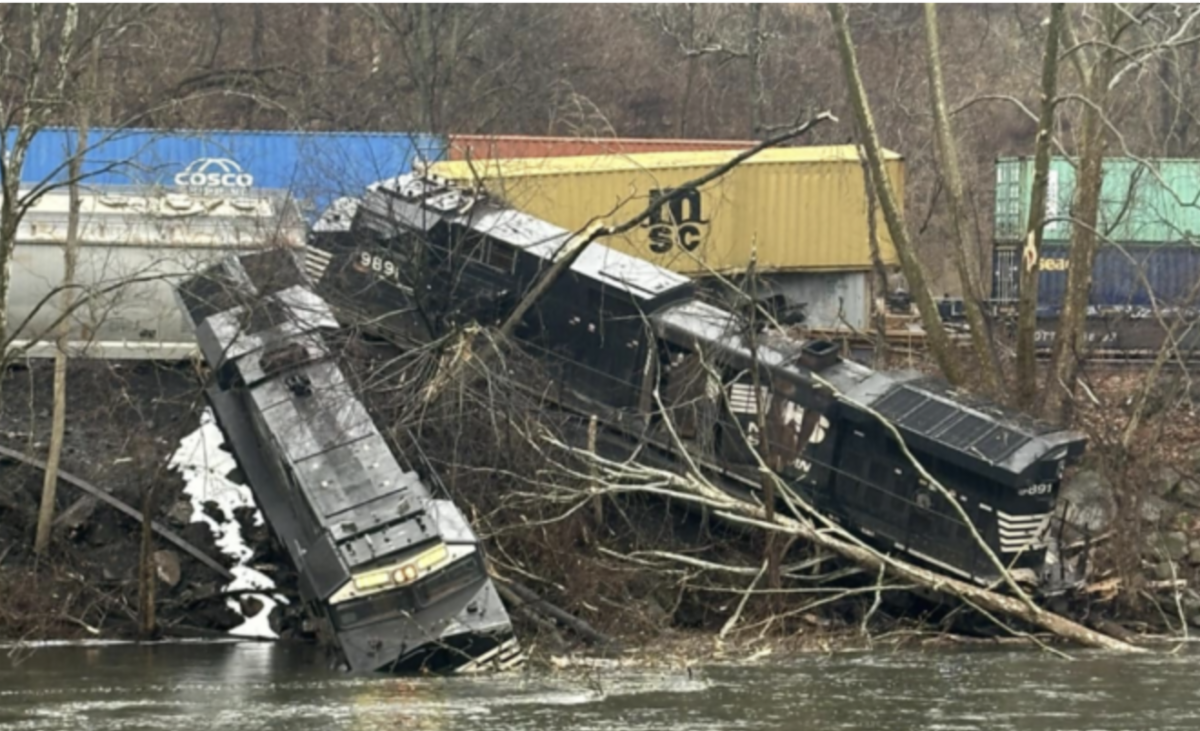
The collision of three Norfolk Southern trains in Pennsylvania early this month highlights the shortcomings of the automated braking system that was created to prevent such crashes. None of the circumstances the National Transportation Safety Board described Tuesday in its preliminary report on the March 2 derailment would have triggered the automated positive train control system to stop the trains. Not only was the system incapable of stopping the second train before it smashed into the back of a stopped train, but it also couldn’t stop the third train. It ran into the derailed cars blockings its track when it arrived less than a minute later.
| |
BLET / March 28
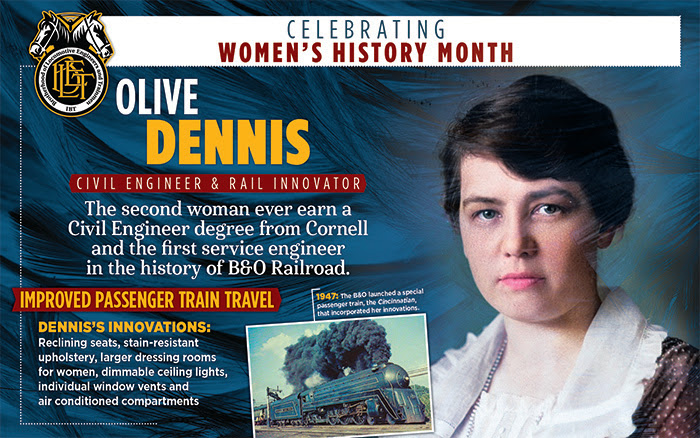
Olive Dennis (1885-1957) was an American engineer whose design innovations changed the nature of railroad travel. In 1920, she became only the second woman to obtain a Civil Engineer degree from Cornell University. She was hired by the Baltimore & Ohio Railroad to design bridges, and soon became the railroad’s first “service engineer.”
| |
Progressive Railroading / April 1
The U.S. Department of Transportation's Office of the Inspector General (OIG) recently found that the Federal Railroad Administration needs to improve its oversight of procedures related to railroad hours of service (HOS) compliance and railroad fatigue management requirements. The OIG issued its report following an assessment of the FRA's oversight of HOS compliance, pursuit of civil penalties for HOS violations and oversight of passenger railroad compliance with fatigue management requirements. The FRA concurred with all 19 of the OIG recommendations.
| |
Rail Users’ Network
"Please join us at the Rail Users’ Network’s Spring Virtual Conference, which is taking place on Friday, May 17, 2024, from 12:30 – 5 pm. This exciting event will highlight the work of rail advocates who are working to expand long-distance rail service in the U.S."
RUN networks passengers, advocacy organizations and their advisory councils. RUN is working to help secure an interconnected system of rail services that passengers will use with pride. RUN forms a strong, unified voice for intercity and regional rail passenger interests.
| |
NEWS FROM AROUND THE LABOR MOVEMENT | |
Southern Workers Assembly
The U.S. South is the least unionized region of the country, a bulwark of right to work and anti-labor laws. The region plays a unique role in shaping systemic racism and white supremacy in the U.S. – from slavery, to Jim Crow, to today. It is dominated by some of the most reactionary and backwards forces in the country. Nearly 60% of Black workers in the U.S. live in the South, and the region has the fastest growing population of migrant workers. We know that the only way to change the quality of work and life here is to get organized. The Southern Workers Assembly is currently recruiting workers who want to be a part of leading this change, by getting jobs in key strategic industries across the region and digging in for the long-term to build power with their coworkers.
| |
Editor's Note: So many "industrial accidents" are the result of employers not providing a safe workplace environment. As railroad workers, we know this all too well. Here in another sector of the transportation industry - this time maritime - another "East Palestine" style disaster has taken place. This comes on the heels of the Boeing fiasco. One thing they all have in common - private for profit powerful corporations running roughshod over shippers, workers and the travelling public. Time for public control! | |
|
DAVID SIROTA, HELEN SANTORO, FREDDY BREWSTER, LUCY DEAN STOCKTON, KATYA SCHWENK / March 27
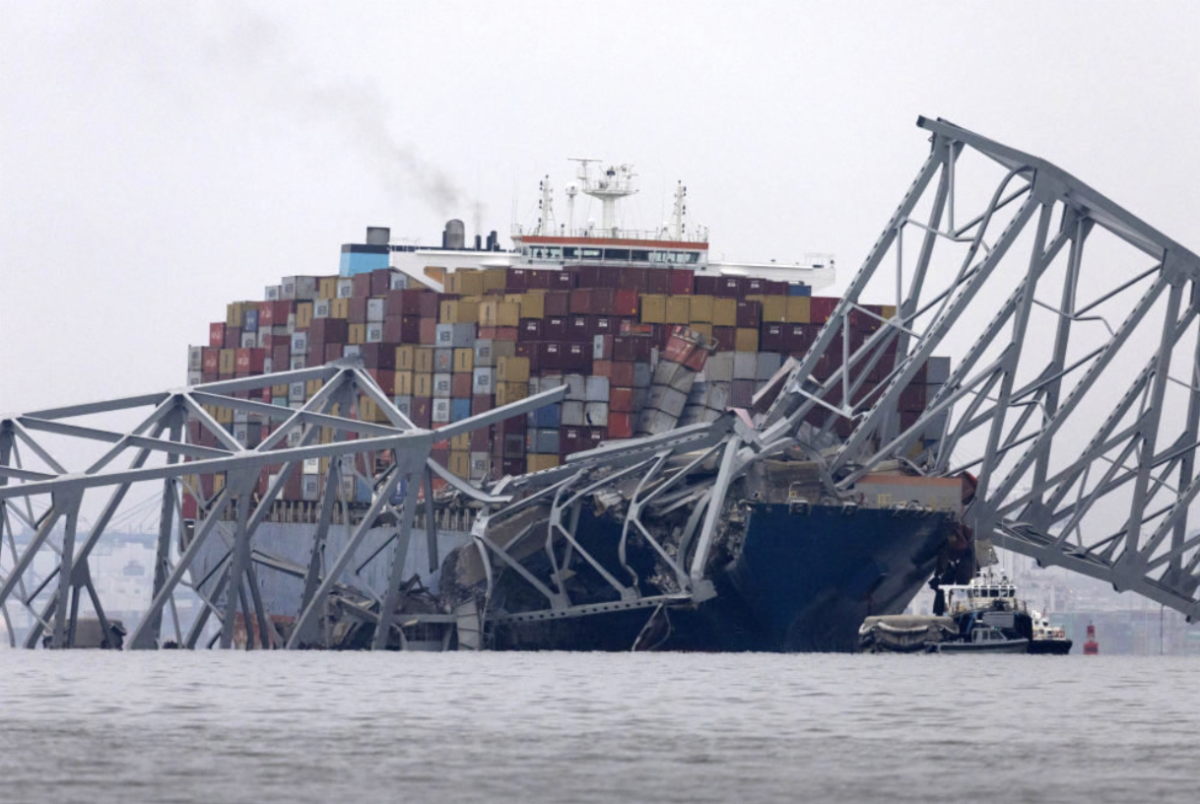
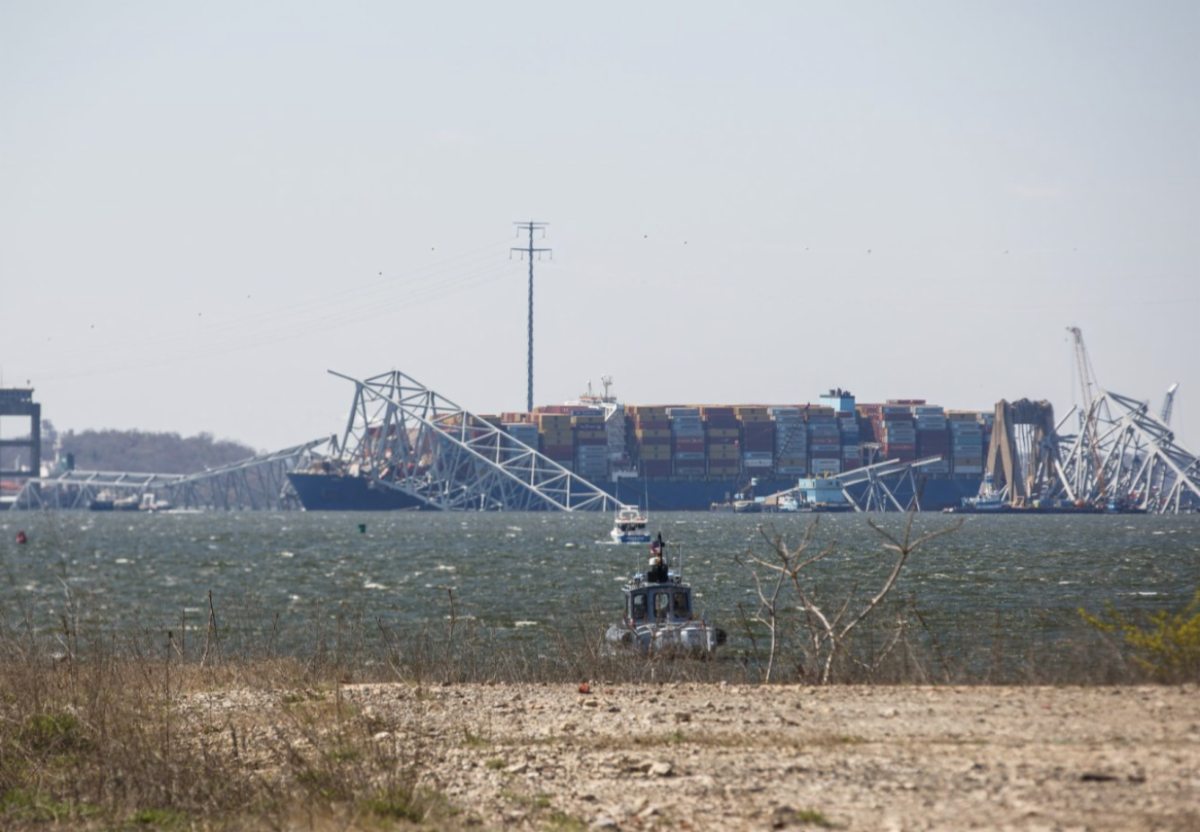
The company responsible for the Baltimore bridge collapse blocked its employees from reporting safety concerns to the US Coast Guard. It is now being sanctioned by federal regulators for violating a whistleblower protection law. Eight months before a Maersk Line Limited–chartered cargo ship crashed into the Baltimore bridge, likely killing six people and injuring others, the Labor Department sanctioned the shipping conglomerate for retaliating against an employee who reported unsafe working conditions aboard a Maersk-operated boat.
| |
Editor's Note: Like the related Jacobin article, this piece points to corporate profiteering and a lack of regard for safety as the root cause of this calamity. The article does not reference the East Palestine wreck, but the sam forces were obviously at work in that case as well. | |
|
Sonali Kolhatkar / March 30
The collapse of the Francis Scott Key Bridge in Baltimore has sent shock waves throughout the United States. The bridge was not built to withstand a direct hit from a container ship as large as the Dali, which brought down the structure within minutes after its engine failed and it became an uncontrollable force drifting toward the bridge. The incident is a symbol of how unfettered capitalism has resulted in safety concerns becoming secondary to profits.
| |
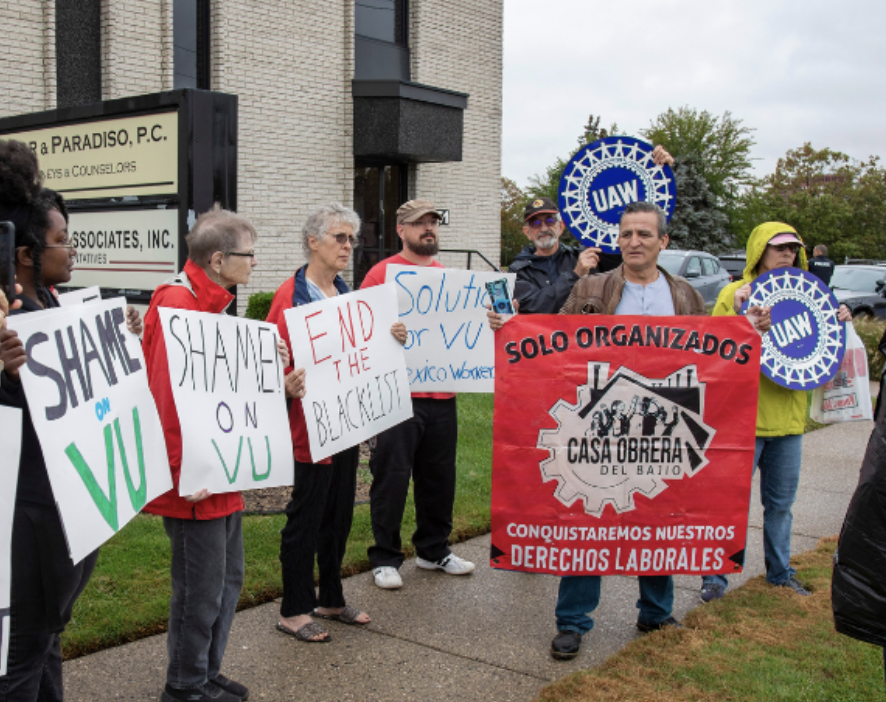
Editor's Note: For decades - accelerating after the passage of NAFTA - U.S., Canadian, and Mexican workers have been played off against one another. The UAW is trying to put an end to that endless whipsaw by building solidarity with these workers. Perhaps the U.S. based rail unions can take a page from that play book and build similar bridges of solidarity with Mexican rail workers. | |
Brandon Mancilla, UAW Director/ March 29
The United Auto Workers announced February 23 that it will provide material support to Mexican auto workers organizing in the independent union movement. As a member of the UAW Executive Board, I’m proud that our union understands how the futures of auto workers in the United States and Mexico are tied together. Our Mexico solidarity project is about empowering our membership to win strong contracts and protecting our jobs in the United States—and it’s also about ensuring justice for workers across the border. The auto industry is not nationally bound, and neither should the labor movement be. For every record contract there will come the threat of moving production to Mexico, where a partnership between the companies and the corrupt company unions keep wages low—a whipsaw that oppresses workers on both sides of the border.
| |
Weekly Derailment Department | | | | |