|
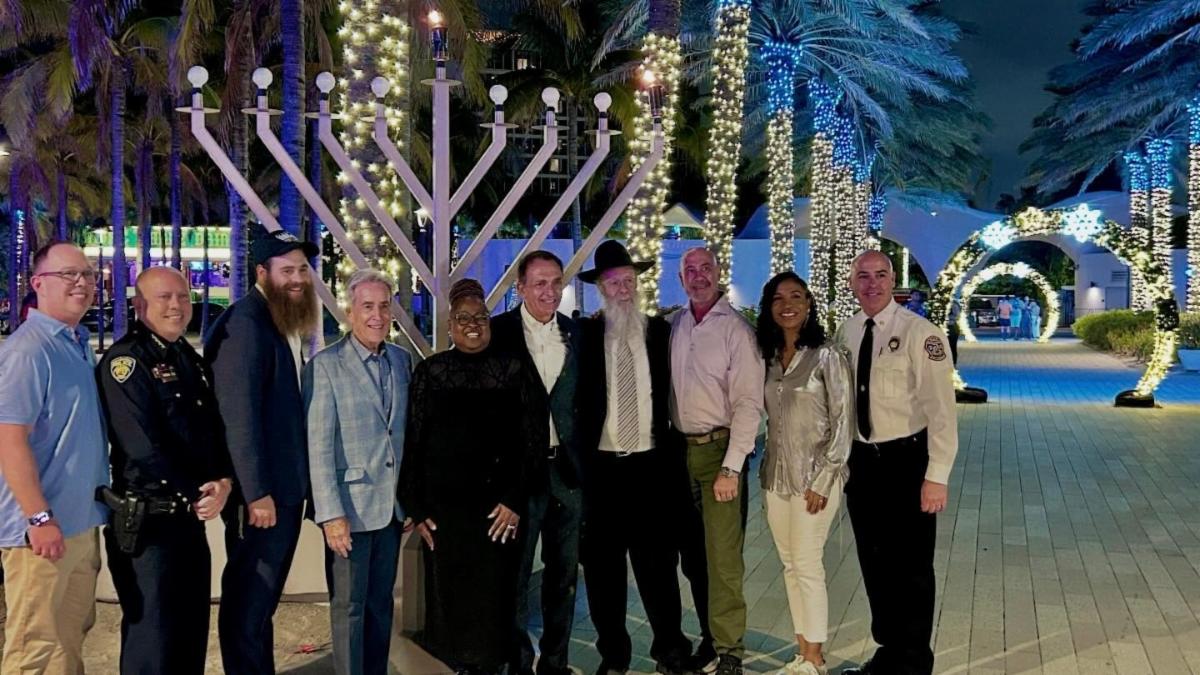
This is the final newsletter for 2025, and with it, I want to wish everyone a joyous holiday season. We have experienced so many triumphs this year alone, and as a community so rich and diverse as ours, we have so much to be thankful for.
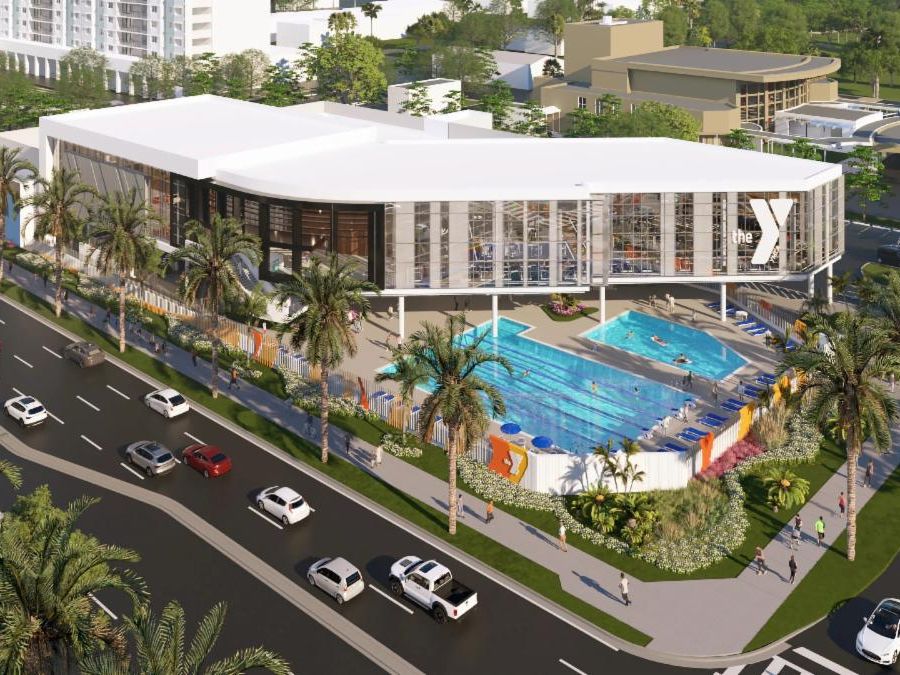
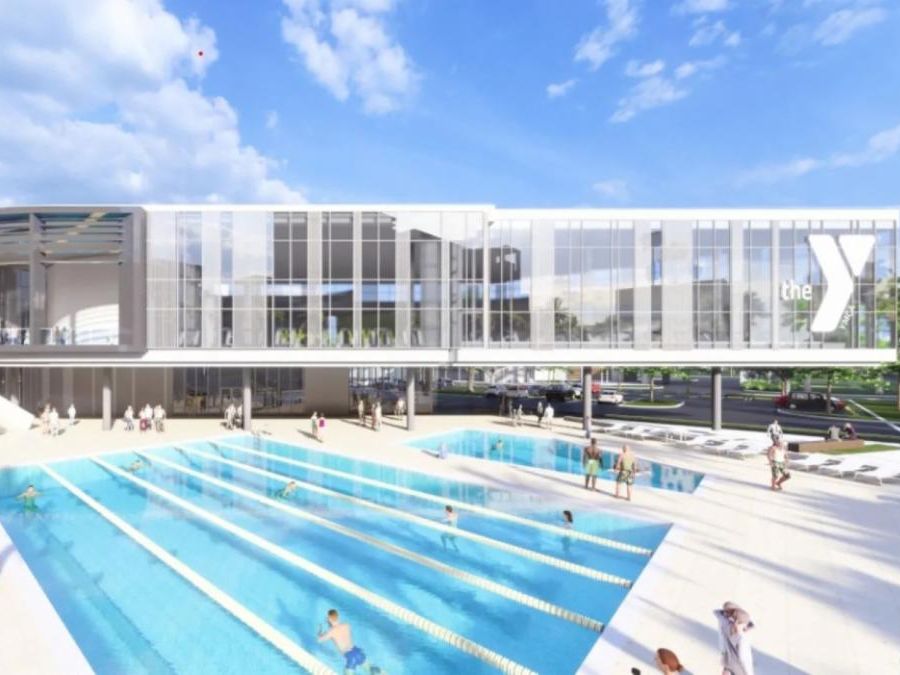
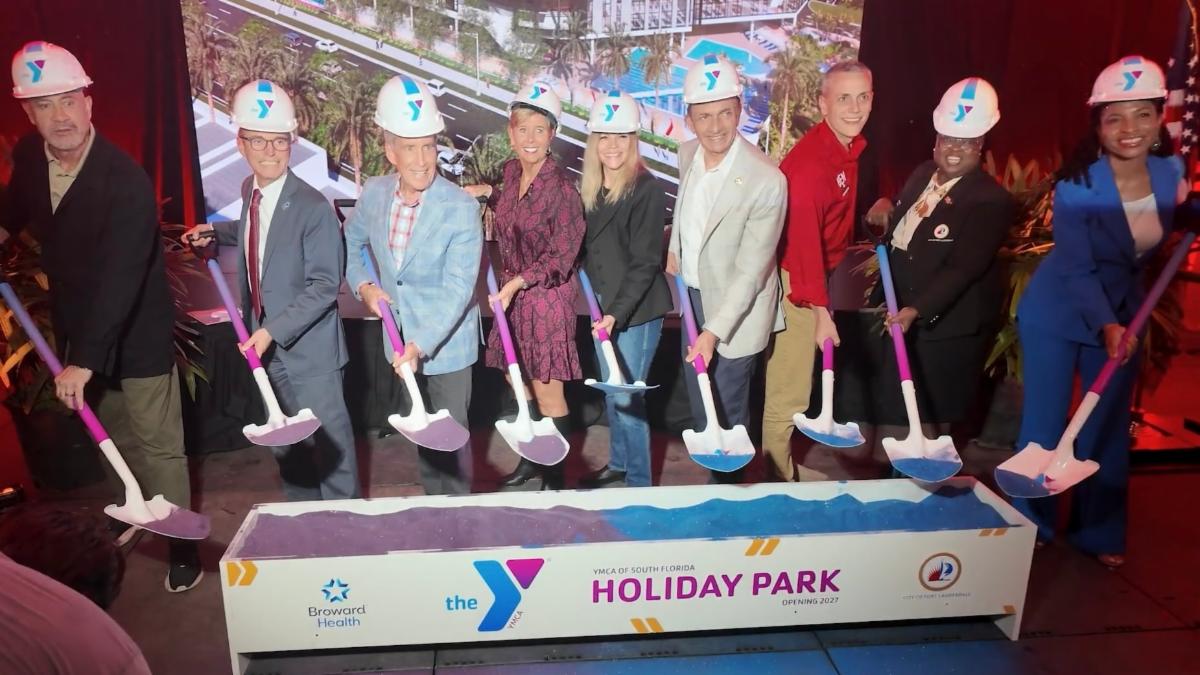
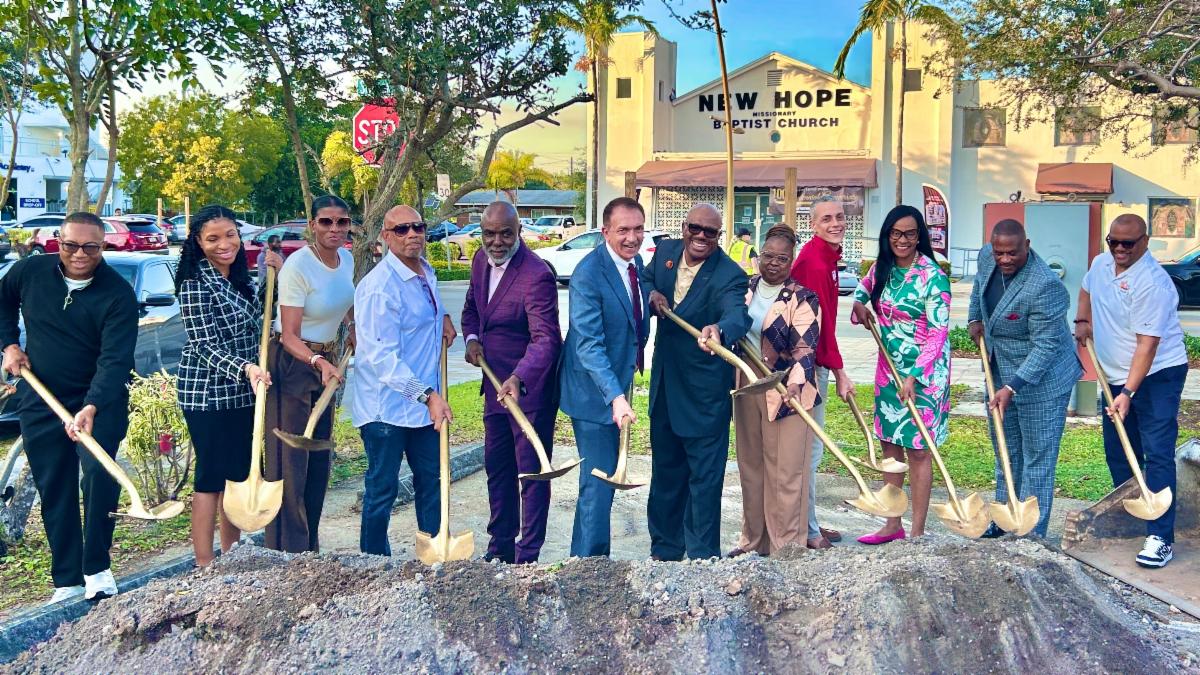
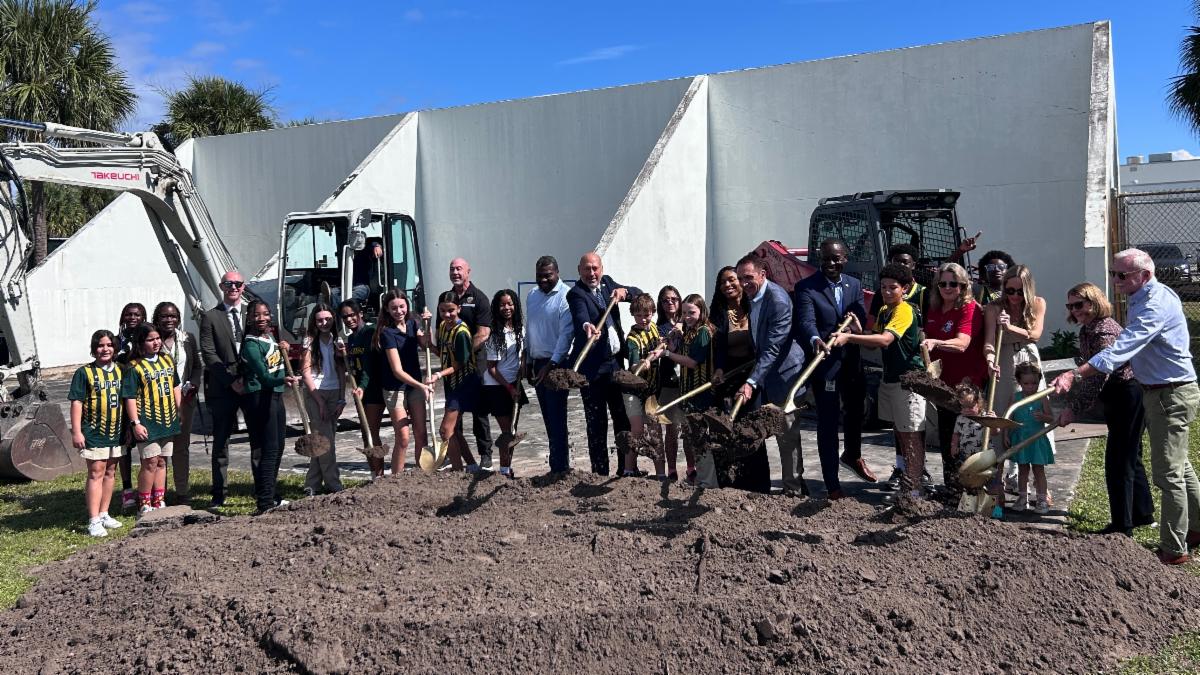
In just the last month, the city of Fort Lauderdale has launched two major projects that will serve residents for generations to come – the construction of a new city hall and a new downtown YMCA that will include an emergency medical center owned and managed by Broward Health.
These two projects are defining moments for our city. They are commitments — deliberate, forward-looking investments in how Fort Lauderdale governs itself and how it cares for the people who live here.
Taken together, these projects tell a single, cohesive story: Fort Lauderdale is a growing and increasingly cosmopolitan community that is taking its place on the world stage as a great place to live and work.
The old City Hall was damaged beyond repair during the drastic flooding that occurred in April 2023. Built in the 1960s, it represented its era with the brutalistic architecture then common for government buildings and it served the city well for a long time before its demise.
Fort Lauderdale now serves almost 200,000 residents, with millions of visitors each year, a complex infrastructure network and growing responsibilities tied to resiliency, public safety, housing, transportation and economic development.
Since the old City Hall was destroyed, we’ve undertaken an in-depth initiative to gauge what residents wanted in a new city hall and what would work best for the community as a whole.
For over the course of a year, our Infrastructure Task Force, made up of community members who volunteered their time, hosted numerous outreach meetings, taking in the opinions of hundreds of neighbors on size, location, design and financing.
The City Commission has now chosen to enter a public-private partnership with a team led by Plenary Americas, Core Construction and Stiles Corp. to build the new campus. We received other amazing proposals, including one from the team that just expanded the county convention center and built its on-site Omni hotel.
The Plenary team stood above all others.
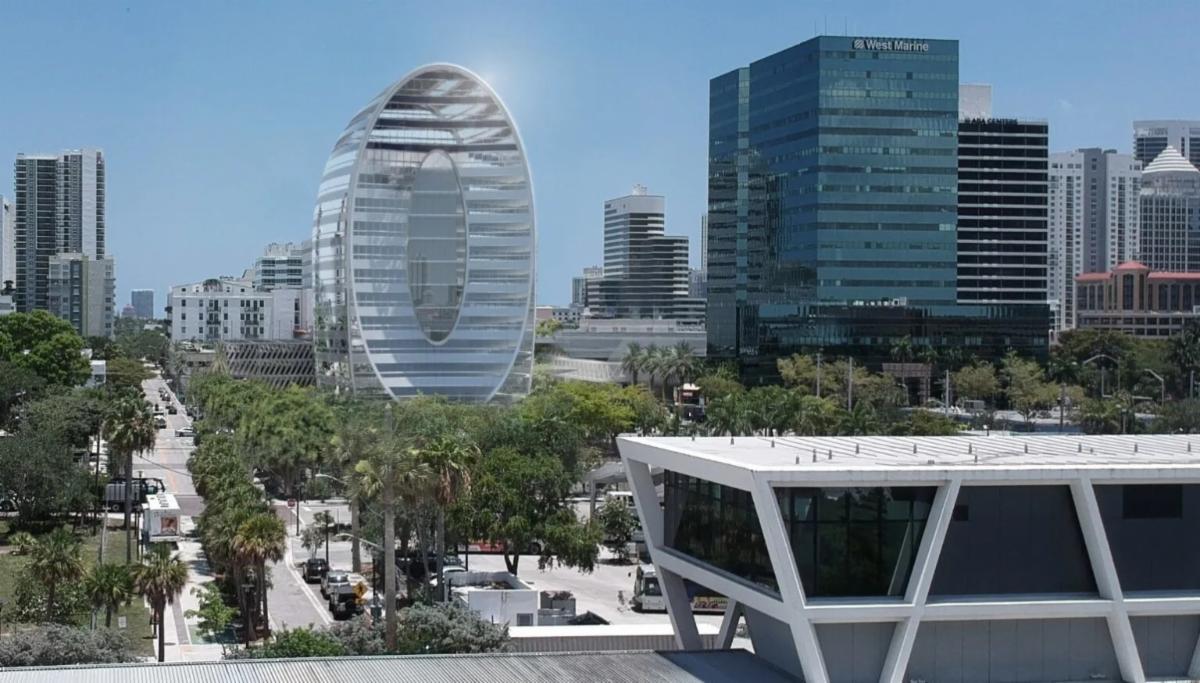
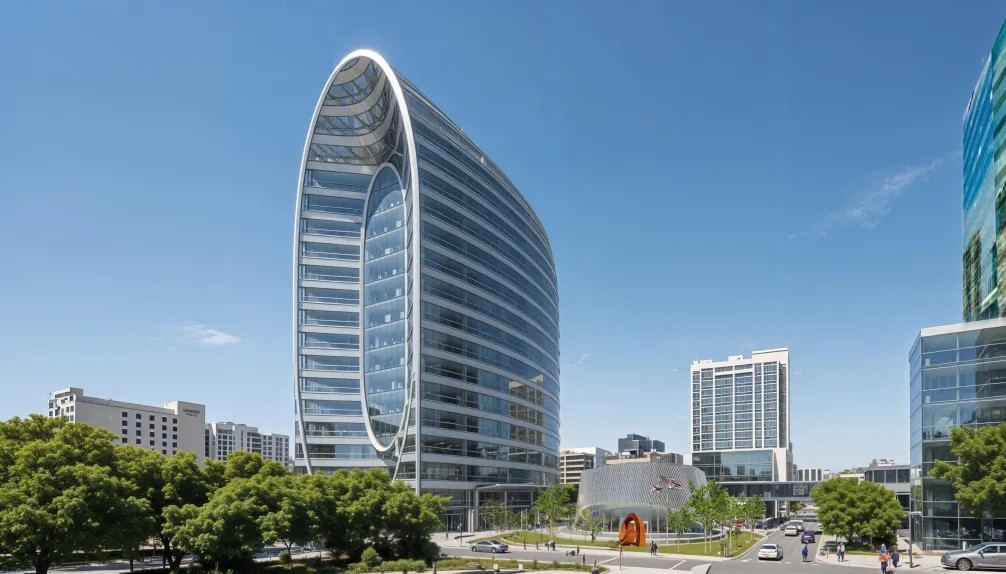
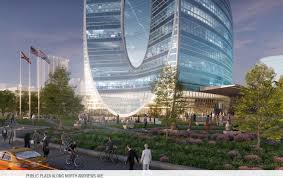
Their design, in particular, speaks to our future and to a city that is on the rise and a city on the precipice of great things. I think the design truly showcases our dynamism and our aspirations – creating a visual identity for us. It also further solidifies the remarkable transformation of our downtown and the wonderful public realm we are creating there. And, it re-enforces the idea that civic life belongs at the heart of the city.
George Hanbury, the city’s former manager and the recently retired president of Nova University, said it best when he called it “iconic and perfect for America's Riviera.”
We will now negotiate a contract with the Plenary team and look forward to them completing the architectural work and beginning construction. I’d like to move to the new City Hall by late 2028.
The new City Hall will help our government deliver on the expectations of our residents and businesses. As mayor, I hear a consistent message from residents across neighborhoods: they want a city government that is competent, transparent and responsive.
This building will be designed to consolidate city services in a modern, efficient, and resilient facility — one that supports collaboration among departments while making it easier for residents to engage with their local government.
That may sound basic, but it matters. When government functions well at the local level, it builds trust. When it doesn’t, frustration grows quickly. A well-designed City Hall shows through in its day-to-day performance.
It will also reflect what it means to govern in South Florida today. Resiliency is no longer optional given the growing patterns of extreme weather. It must be built to higher standards, with infrastructure that anticipates — not reacts to — the challenges ahead be that a major hurricane or a once-in-a-thousand-year flood.
|