|
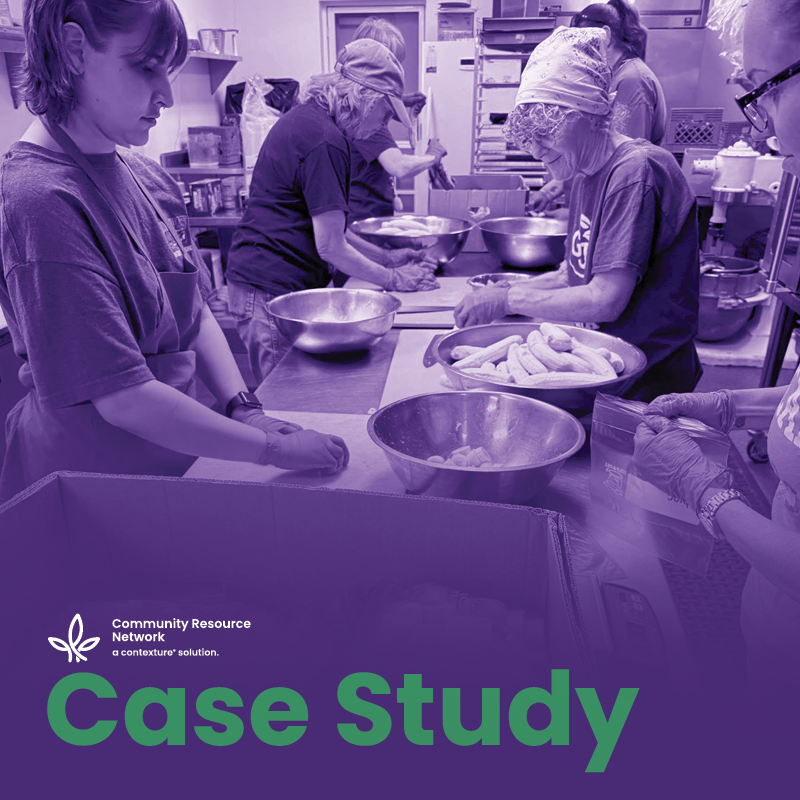
For nearly five decades, the Community Food Bank of Grand Junction has been a steady force in Mesa County, working not just to provide food, but to strengthen the overall health and stability of the community. Their work is rooted in a simple but powerful belief: everyone deserves access to fresh, nutritious food and the opportunity to thrive. Through initiatives like mobile markets, home delivery, food recovery, and bilingual resource navigation, they are helping build a more equitable, resilient local food system.
At the center of that work is a focus on connection, connecting people to food, resources, and support when they need it most. As their Development & Community Relations Director, Jessica Mays shared, her role is about building those bridges: creating partnerships, engaging the community, and ensuring the organization has the resources to meet growing needs.
“What means the most to me is seeing the direct impact of our work—knowing that through collaboration and compassion, we’re not just providing meals, but dignity, stability, and hope during some of life’s most challenging moments.”
That impact is growing. In the past year alone, the organization has nourished more than 11,000 neighbors, distributed over 800,000 pounds of nutritious food, and conducted more than 22,000 service visits. Behind those numbers are real people, families navigating tough circumstances, individuals seeking stability, and a community rallying to support one another.
The team continues to expand that impact through both day-to-day services and community-driven initiatives like Dancing with Western Slope Stars, an annual event that brings local leaders together in a high-energy, meaningful way to raise awareness and resources. It’s not just a fundraiser—it’s a reflection of the strong, connected community they’re helping to build.
As their work has evolved, so has their ability to support people more holistically. Through their partnership with Community Resource Network (CRN), the Community Food Bank has strengthened how they connect individuals to critical services beyond food access, helping address broader needs like healthcare, housing, and financial support.
“CRN has significantly strengthened our resource navigation program by creating a more consistent, streamlined way for partners to refer clients to us and improving how we track those connections.” shared Chelsea Crane, Program Director.
That visibility has made a measurable difference. The team has conducted more than 4,500 resource navigation sessions, helping individuals apply for programs like SNAP and WIC while connecting them to additional community services. With better insight into gaps and needs, they’re able to respond more effectively and meet people where they are.
“It’s allowed us to go beyond immediate food needs and provide more holistic support, connecting people to the resources that can truly change their situation.”
This combination of compassion, data, and coordination is what drives their success. By pairing strong community relationships with tools that improve visibility and connection, the Community Food Bank is not only expanding access to food—they’re helping create lasting stability for the people they serve.
And as they continue to grow, one thing remains clear: their impact goes far beyond what’s on a plate.
|