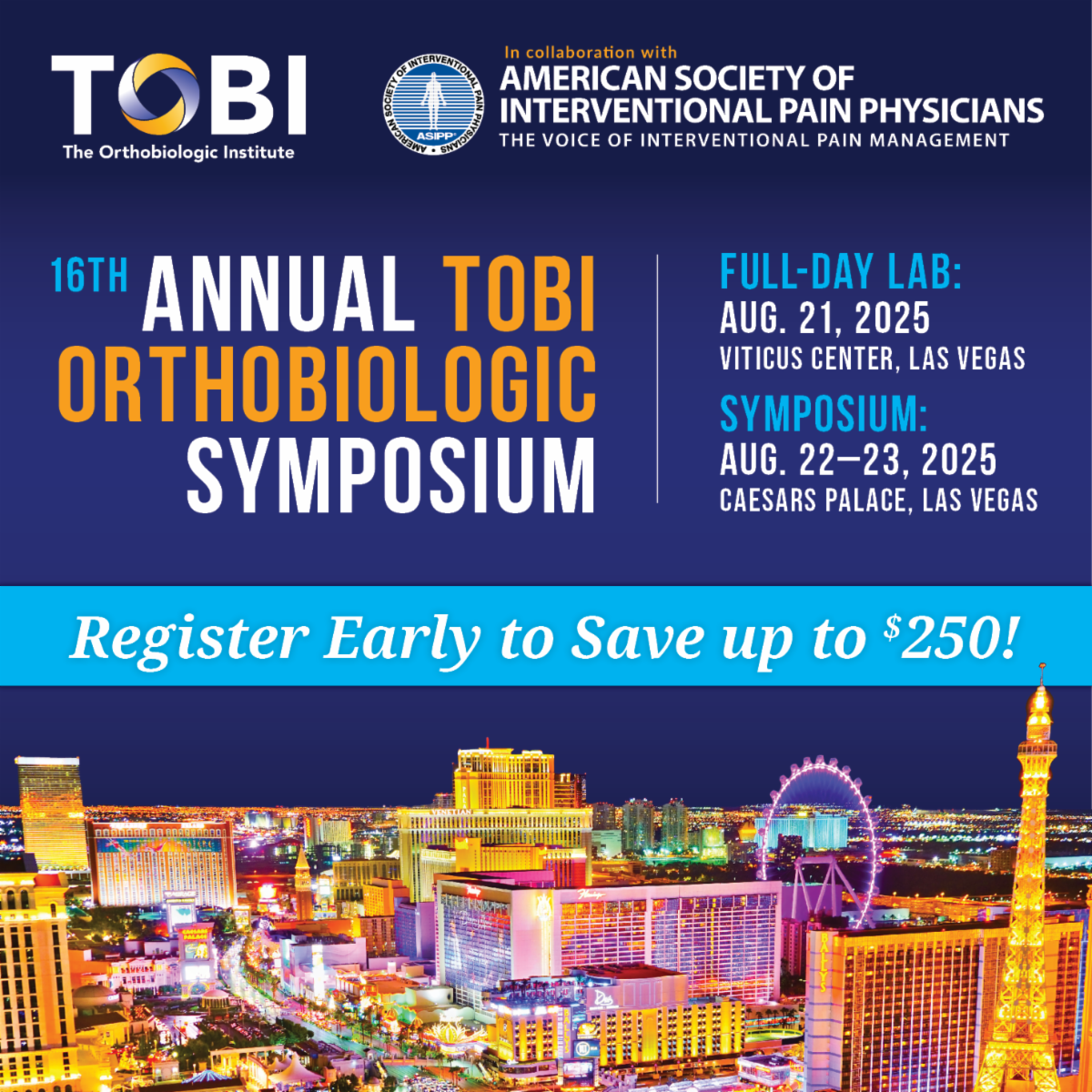
Only Three Days Left to Register
Don't miss out! Register Today!
| |
|
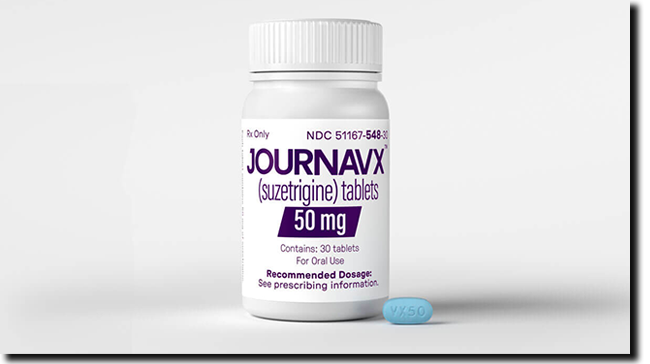
The active ingredient in Journavx is suzetrigine, a sodium channel blocker. Suzetrigine inhibits the transmission of pain signals to the brain and spinal cord by selectively inhibiting NaV1.8 voltage-gated sodium channels.
The approval was based on data from two phase 3 randomized, double-blind, placebo-controlled trials that evaluated the efficacy and safety of suzetrigine following abdominoplasty (ClinicalTrials.gov Identifier: NCT05558410) and bunionectomy surgery (ClinicalTrials.gov Identifier: NCT05553366).
To be eligible for these trials, participants had to have moderate to severe pain on the verbal categorical rating system and a pain score of 4 or greater on the numeric pain rating scale (NPRS), within 4 hours of abdominoplasty completion or during the 9-hour period after discontinuation of regional anesthesia following bunionectomy.
Read More
| |
Registration is open for
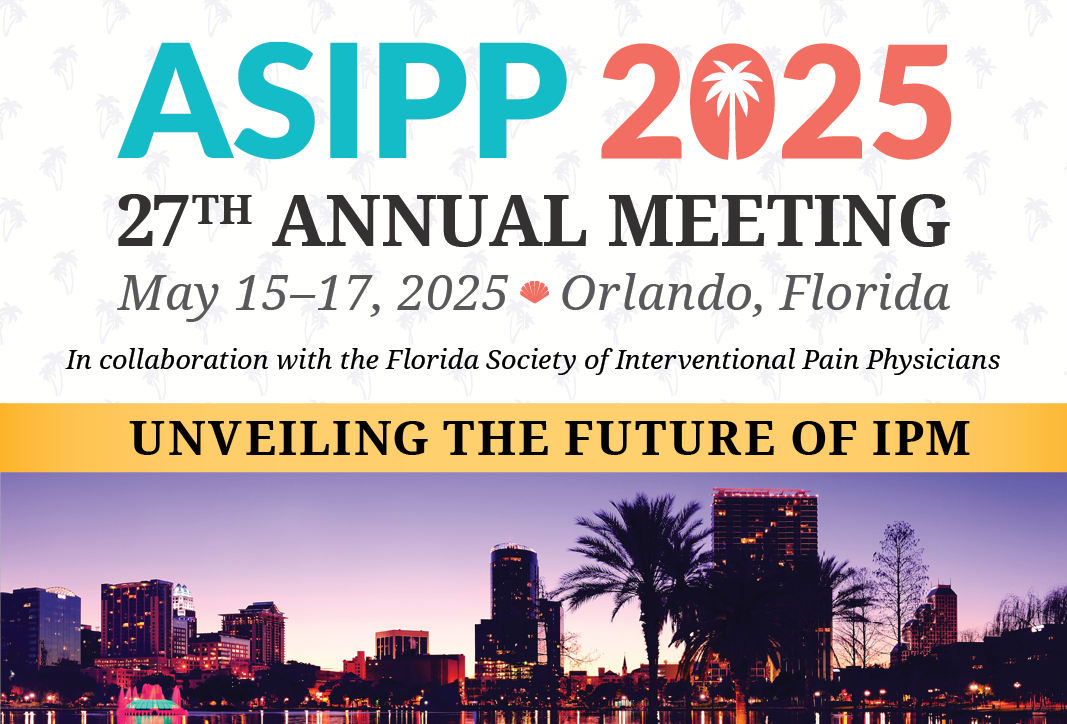
ASIPP's 2025 Annual Meeting
We would love it if you would register and join us in Orlando!
| |
Attention Fellows and Residents! | |
|
ASIPP is pleased to announce a scholarship to help fellows and residents participate in the 2025 ASIPP Annual Meeting. Recipients of this scholarship will receive reimbursement for up to three nights stay at the host hotel at the official ASIPP single-occupancy room block rate. This includes room block room rate and tax.
The number of scholarship recipients will be limited so it is important to apply soon!
| |
Abstract submissions are open for
ASIPP's 2025 Annual Meeting!
The abstract submission deadline is March 10, 2025.
Don't miss this opportunity to share your insights
and help shape the future of pain management.
| |
The move is unlawful and "creates a dangerous gap in the scientific data," complaint alleges
Physicians have launched a legal challenge against the Office of Personnel Management (OPM) and federal health agencies for removing webpages from health-related websites.
Doctors for America filed a lawsuit in federal court against the OPM, CDC, FDA, and HHS over the removal of a "broad range of health-related data and other information used every day" by health professionals and researchers. The announcement was made on Tuesday by Public Citizen Litigation Group, the legal arm of the Washington, D.C.-based nonprofit consumer advocacy organization Public Citizen.
Public Citizen Litigation Group is representing Doctors for America, a nonprofit comprised of 27,000 physicians and medical students from all 50 states, in the suit.
Read More
| |
|
At Children's Hospital Colorado, Aurora, Colorado, pediatricians will soon have a new ally in diagnosing and identifying complex neurodevelopmental conditions like epilepsy, attention-deficit/hyperactivity disorder (ADHD), and autism: Genetic testing.
Later this year, primary care clinicians and pediatricians at the health system will be able to initiate genetic testing for children with neurodevelopmental and other disorders directly through the electronic health record system. The goal is to make diagnosing genetic conditions and finding DNA variants more efficient.
“Pediatricians are busy. They are seeing lots of patients. They don’t have a lot of time,” said Scott Demarest, MD, a neurologist and medical director of the Precision Medicine Institute at the facility in Aurora, Colorado. “You have to think about how to make it easy on them, and I think we have the ability from a technology standpoint to start doing that more than we could in the past.”
Read More
| |
|
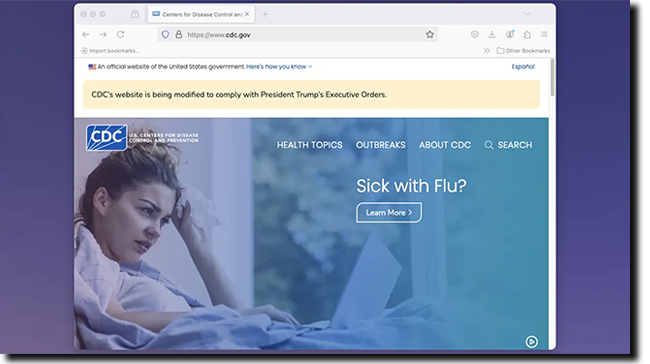
Banned terms must be scrubbed from CDC-authored manuscripts
The CDC has instructed its scientists to retract or pause the publication of any research manuscript being considered by any medical or scientific journal, not merely its own internal periodicals, Inside Medicine has learned. The move aims to ensure that no "forbidden terms" appear in the work. The policy includes manuscripts that are in the revision stages at journal (but not officially accepted) and those already accepted for publication but not yet live.
In the order, CDC researchers were instructed to remove references to or mentions of a list of forbidden terms: "Gender, transgender, pregnant person, pregnant people, LGBT, transsexual, non-binary, nonbinary, assigned male at birth, assigned female at birth, biologically male, biologically female," according to an email sent to CDC employees (click to view)."
An Expansion of an Emerging Censorship Regime at the CDC
The policy goes beyond the previously reported pause of the CDC's own publications, including Morbidity and Mortality Weekly Report (MMWR), which has seen two issues go unreleased since Jan. 16, marking the first publication gap of any kind in approximately 60 years. Emerging Infectious Diseases and Preventing Chronic Disease, the CDC's other major publications, also remain under lock and key, but have not yet been affected because they are monthly releases and both were released as scheduled in January, prior to President Donald Trump's inauguration. The policy also goes beyond the general communications gag order that already prevents any CDC scientist from submitting any new scientific findings to the public.
Read More
| |
|
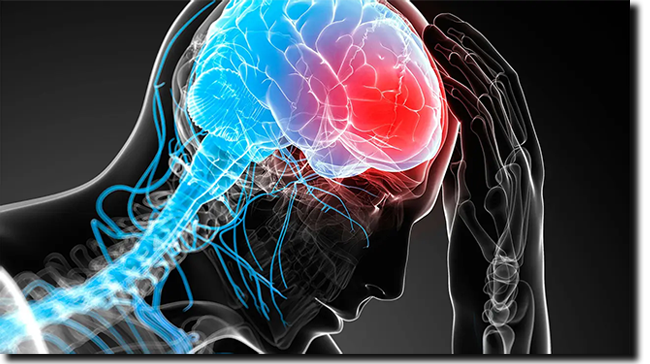
Trigeminal autonomic cephalalgia, post-traumatic headaches have strong links
Headache diagnoses were persistently associated with an increase in attempted and completed suicides, a population study of more than 100,000 headache patients in Denmark showed.
Across four types of headaches -- migraine, tension-type headache, post-traumatic headache, and trigeminal autonomic cephalalgia -- the association was robust, said Holly Elser, MD, PhD, of the University of Pennsylvania in Philadelphia, and colleagues.
The hazard of attempted suicide was twice as high among people diagnosed with headache (HR 2.04, 95% CI 1.84-2.27) versus a matched group of people without a headache diagnosis, Elser and co-authors reported in JAMA Neurology. The hazard of completed suicide was 40% higher (HR 1.40, 95% CI 1.17-1.68).
Read More
| |
|
New 2025 Dates
Mark your calendars!
February 15, March 1, & March 29
Four (4) hour virtual exam
- ABIPP Path – Combined CCPM/ CSM Exam
For those with subspecialty in Pain Medicine
Two (2) hour virtual exam
- ABIPP Competency Exam in IPM
For those without primary board certification
Two (2) hour virtual exam
- ABIPP Competency Exam in Regenerative Medicine
Two (2) hour virtual exam
- Controlled Substance Management Competency Exam
Two (2) hour virtual exam
- Documentation, Coding, Compliance, Practice Management Competency Exam
Two (2) hour virtual exam
| |
|
They play an essential role in the system and in shaping the patient experience
Imagine leaving your home on a bitter-cold morning, -10°F, scraping ice off your car, and trudging through the freezing air to a far-off parking spot. You arrive at the medical office, you're the first to unlock the door, preparing for the day ahead before anyone else shows up. By 7 a.m., the phones are already ringing.
Medical front desk staff or medical receptionists play a critical role in keeping healthcare offices running. Their responsibilities include managing day-to-day functions like scheduling appointments, answering patient calls, coordinating follow-ups, and troubleshooting issues on the fly. They wear many hats, balancing compassion with efficiency in a system that often offers them little support. Yet, despite their essential contributions, their work is frequently taken for granted.
Unlike some others in the healthcare ecosystem who may benefit from performance-based bonuses, profit-sharing incentives, or perks tied to organizational success, front desk staff typically work on fixed pay. Despite being central to managing patient flow and ensuring operational efficiency, they generally receive no additional rewards for their efforts. In smaller clinics, particularly those in rural areas, limited resources often increase their workload and responsibilities. Additionally, they lack the support of unions or professional organizations, leaving them without a voice in the system.
Read More
| |
- ASIPP Members Only Site Information - | |
-
To log in for the first time you will need to click “forgot password” at the bottom of the login window.
- Check your email and then log in as directed.
-
If you have problems logging into your account, click here.
| |
|
While most sources I spoke with don't plan to accept, some may leave
In recent days, mass censorship at the CDC has been a focus. But another potential crisis is looming there -- the prospect of mass firings. I was curious to learn how CDC employees see the next few days and weeks going. What I discovered in conversations with around half a dozen of them (of whom five are quoted below) was genuinely surprising -- and in some cases encouraging and inspiring. I hope you'll join me in supporting these deeply committed scientists by speaking out for them.
Most CDC Employees Not Fooled by Trump's Buyout Offer
Last week, President Trump's Office of Personnel Management offered millions of U.S. federal employees 8 months of compensation in exchange for their resignations. Since that time, scores of employees at the U.S. Agency for International Development (USAID) have been terminated, which many have interpreted as a warning shot meant to encourage mass capitulation at other agencies.
It's not working as hoped, I learned. At the CDC, Trump's gambit appears to have been a dud -- at least so far among many committed rank-and-file employees. "I'm not taking the deferred resignation," one career CDC official told me. "It's an insult to public servants, honestly. We are here because we believe in the mission. This smacks of desperation."
Read More
| |
|
One class showed the greatest benefit and least harm in a large meta-analysis
For acute pain in kids, nonsteroidal anti-inflammatory drugs (NSAIDs) appeared to work as well as ketamine and mid- to high-potency opioids, but carried less risk, a meta-analysis affirmed.
All three categories of drugs were better than placebo with at least moderate certainty across 41 randomized clinical trials, reported Laura Olejnik, MD, of London Health Sciences in Ontario, Canada, and colleagues.
But the reduction in pain severity was "modest" across the board and reached only around the minimally important difference (MID) of 1 cm on a 10-cm visual analog scale on which 10 represents the worst possible pain, the group wrote in JAMA Pediatrics.
Read More
| |
Upcoming ASIPP State Society Meetings | |
Join the Louisiana Society of
Interventional Pain Physicians (LSIPP)
2025 Annual Meeting on February 20
6 pm (CST) at Juban's Restaurant in Baton Rouge, LA
| |
|
Pain Medicine Case Reports (PMCR) and Editor-in-Chief Alaa Abd-Elsayed, MD, PhD would like to invite you to submit case reports and case series to the PMCR journal. Your article will be published free of charge.
Open access journals are freely available online for immediate worldwide open access to the full text of published articles. There is no subscription fee for open access journals. Open access journals are no different from traditional subscription-based journals: they undergo the same peer review and quality control as any other scholarly journal.
Interested in becoming a member of the PMCR Editorial Board?
Editorial board members are asked to review 2-6 manuscripts per year. Please submit your most up-to-date CV to sgold@asipp.org for consideration.
For more information or to submit your articles, click here.
| |
|
Patrick Fitzsimmons, MD, Robert P. Owens, MD, Andrew Simoncini, MD, Hannah W. Haddad, DO, Aleena Kazmi, MD, and Ramon F. Rodriguez, MD
Abstract
BACKGROUND: Tarsal tunnel syndrome (TTS) describes a compression neuropathy of the tibial nerve or its branches as they pass under the flexor retinaculum of the ankle. TTS is a clinical diagnosis, but often involves needle electromyography, nerve conduction studies (NCS), and magnetic resonance imaging. To our knowledge, the use of ultrasound to diagnose tibial nerve compression from synovial cysts (SCs) in the tarsal tunnel has been sparsely reported upon.
CASE REPORT: A 50-year-old male patient suffering from TTS whose diagnosis of SC-related compression was confirmed via ultrasound. Patient underwent excision confirming an intraneural ganglion cyst secondary to subtalar joint synovial fluid extension. At follow-up, the patient endorsed improvement in painful paresthesias and NCS indicated improving symmetry of tibial nerve function.
CONCLUSIONS: Our report demonstrates the successful evaluation and treatment of a rare cause of TTS utilizing ultrasound as the primary imaging modality. Ultrasound provides a rapid, cost-effective imaging method of the tarsal tunnel.
KEY WORDS: Case report, tarsal tunnel syndrome, synovial cysts, ultrasound
Read More
| |
|
Chuanbing Wen, MD, Maoying Wang, MS, Maotong Liu, MS, Chenyu Zhu, MS, Jinlong Zhao, MS, Qing Jiang, MS, RuRong Wang, MD, PhD, Jun Li, MD, PhD, and Li Song, MD, PhD
Abstract
BACKGROUND: Cancer-related neuropathic pain significantly affects patients’ quality of life. Despite existing treatments, pain control remains inadequate for many of these patients. There is a lack of strong evidence for the efficacy of the combination of pregabalin, which is often used to treat neuropathic pain, and opioids for treating cancer-related neuropathic pain.
OBJECTIVE: This study aimed to evaluate the analgesic effects and safety of pregabalin combined with opioids for managing cancer-related neuropathic pain through high-quality evidence analysis.
STUDY DESIGN: A systematic review and meta-analysis of pregabalin combined with opioids for cancer-related neuropathic pain.
METHODS: We systematically searched the PubMed, Web of Science, Embase, Cochrane Library and Cochrane Central Register of Controlled Trials databases from their inception through October 5, 2023. Two reviewers independently selected studies and extracted articles that met the inclusion and exclusion criteria. Quality assessments of the included studies were performed using the modified Cochrane Collaboration tool; data analysis was performed using RevMan 5.4 (The Nordic Cochrane Centre for The Cochrane Collaboration).
RESULTS: A total of 8 studies were included in our qualitative synthesis, and 6 studies were included in the meta-analysis (6 studies with 757 patients, including 342 in the experimental group and 415 in the control group). The results showed a significant difference between the pregabalin combined with opioids group and the opioids alone group in terms of Numeric Rating Scale (NRS-11) pain scores (weighted mean difference [WMD] = -1.00; 95% CI, -1.29 to -0.70; P < 0.001). However, no significant difference in the NRS-11 score was observed between the pregabalin combined with opioids group and active comparator combined with opioids group (WMD = -0.47; 95% CI, -1.05 to 0.11; P = 0.11). There was a significant difference between the pregabalin combined with opioids group and the active comparator combined with opioids group in terms of extra morphine milligram equivalents (relative risk [RR] = 0.37; 95% CI, 0.20 to 0.70; P = 0.002). No significant difference was observed in quality of life (WMD = -2.01; 95% CI, -5.29 to 1.27; P = 0.23). In general, the frequency of adverse events in the pregabalin combined with opioids group was greater than that in the opioids alone group, but the frequency of adverse events between the pregabalin combined with opioids group and the active comparator combined with opioids group was unclear.
LIMITATIONS: The limited number of articles and sample size are the limitations of this meta-analysis
CONCLUSIONS: Pregabalin combined with opioids reduces cancer-related neuropathic pain but increases dizziness, somnolence, and peripheral edema, thus supporting its use in the clinic for treating cancer-related neuropathic pain. However, further high-quality randomized controlled trials are needed to confirm these findings.
KEY WORDS: Pregabalin, cancer pain, meta-analysis, systematic review
Read More
| |
|
Andrew J. Ordille, MD, Michael Sabia, MD, Kingsuk Ganguly, MD, and Jasjit Sehdev, MD
Abstract
BACKGROUND: Although chronic pain is generally treated with pharmacological and surgical interventions, many patients still fail to reach adequate pain relief through these methods. Patients and providers have looked to complementary and alternative strategies for managing chronic pain due to these methods’ feasibility and cost-effectiveness and patients’ preferences for them. Some promising interventions for chronic pain include resistance training, fasting therapy, sauna therapy, and cryotherapy.
OBJECTIVES: The purpose of this narrative review is to provide a scoping overview of the mechanisms, efficacy, and applications of infrequently studied interventions for chronic pain disorders.
STUDY DESIGN: A narrative review of peer-reviewed literature examining the analgesic effects of 1) resistance training, 2) fasting therapy, 3) sauna therapy, and 4) cryotherapy on chronic pain.
METHODS: In September 2023, the PubMed, Embase, and Google Scholar databases were reviewed to identify research on the effects of resistance training, fasting therapy, sauna therapy, and cryotherapy on chronic pain. Our selection included randomized control trials, cohort studies, cross-sectional trials, qualitative studies, and review articles.
RESULTS: The mechanisms by which resistance training, fasting therapy, sauna therapy, and cryotherapy contribute to analgesia occur either in isolation or synergistically. The details of these mechanisms have yet to be fully elucidated, but they likely include central processes, peripheral mechanisms, neurotransmitters, nervous system activation, and mood enhancement. These modalities have shown promising results for a variety of chronic pain disorders, such as arthropathies, rheumatoid and rheumatoid-related conditions, and musculoskeletal conditions.
LIMITATIONS: This narrative review is not systematic in nature but is instead focused on providing an overview of the effects of the interventions on chronic pain disorders. Some of the studies included in this review are limited by their sample sizes, study periods, and lack of control groups for adequate comparison. Furthermore, many of the chronic pain conditions mentioned in this review lack investigations sufficient to suggest specific recommendation statements.
CONCLUSIONS: The experimental evidence that confirms the pain-alleviating properties of these therapeutic modalities is scarce and warrants further investigation. However, a substantial amount of work supports the use of these modalities in the multimodal and multidisciplinary managements of chronic pain disorders. Future work should continue to elucidate the relationships between chronic pain disorders and resistance training, fasting therapy, sauna therapy, and cryotherapy so that guidelines can be developed.
KEY WORDS: Chronic pain, complementary therapies, resistance training, exercise, fasting therapy, diet, sauna therapy, heat therapy, cryotherapy, cold water immersion
Read More
| |
|
ASIPP is now in collaboration with Curi Medical Liability Program
Since this malpractice insurance program officially launched in November 2018, ASIPP has signed up hundreds of providers with an average savings of 30%. This is professional liability insurance tailored to our specialty and will stand up for us and defend our practices.
Curi is a full-service advisory firm that serves physicians and their practices. Their valued advice is grounded in your priorities and elevated in your outcomes. They are driven by a deep understanding of your specific circumstances in medicine, business, and life. To read a few important points to keep in mind about the program, including discounts, administrative defense, cyber coverage, aggressive claims handling, and complimentary risk management CME activities, visit our website.
| | |
|
Group Purchasing Organization Offer Better Pricing and Creates Added Value
ASIPP has formed a partnership with Henry Schein and PedsPal, a national GPO that has a successful history of negotiating better prices on medical supplies and creating value-added services for independent physicians. Working with MedAssets, PedsPal provides excellent pricing on products like contrast media that alleviate some of the financial pressures you experience today.
Learn More
| |  |
|
ASIPP, Fedora Healthcare Solutions Partnership
ASIPP offers our members the benefit of a unique revenue cycle management/ billing service.
We have received a tremendous amount of interest in the ASIPP billing and coding program.
Click here to learn more about the negotiated rate for practices and more!
| |
|
Like and follow ASIPP® on Facebook, X, and LinkedIn for the most
up-to-date news related to you, your practice, and your patients!
| | | | |