|
PRE-K UPDATE
July 24, 2024
| |
|
Did you know?
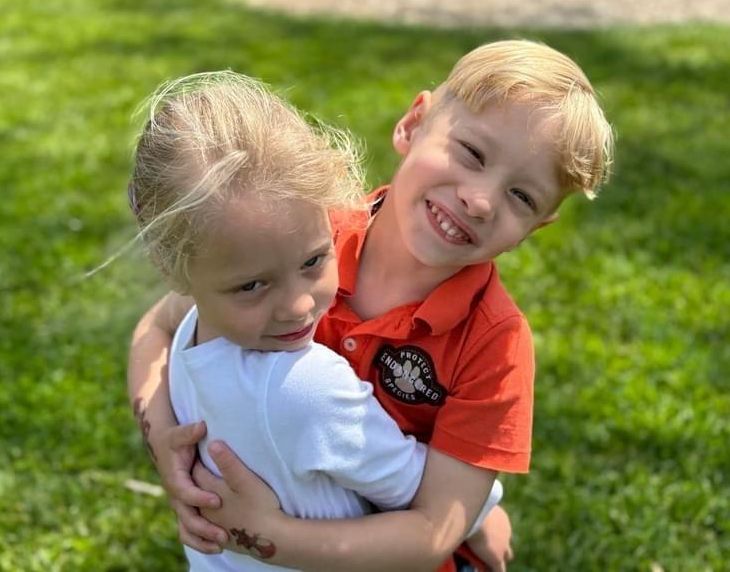
July 30 is Share a Hug Day. The day was started in 2018 by Mike Brundritt as a way to share a positive tradition with the world after he tragically lost his wife and son. The tradition is to give and receive hugs from people who are special to you, and to not be afraid to ask for a hug if you need one.
| |
|
Call for Proposals!
Long Island Regional Technical
Assistance Center (LI-RTAC)'s
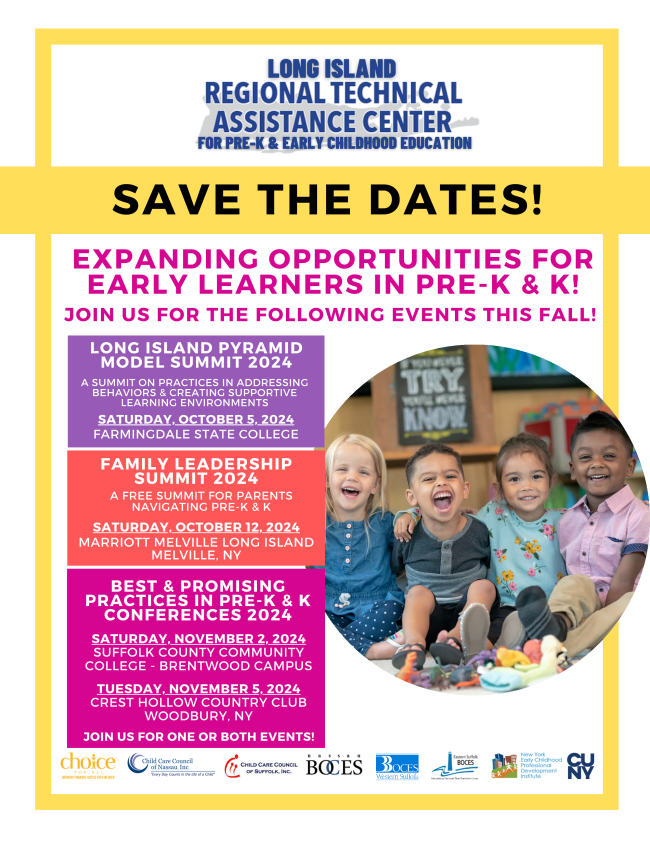
2024 Expanding Opportunities for Early Learners in Pre-K & K Conference
-
Saturday, November 2, 2024 at Suffolk County Community College - Brentwood Campus and/or
- Tuesday, November 5, 2024 at Crest Hollow Country Club
Please join us!
We invite you to be a presenter at our annual conference to share your knowledge and expertise regarding best practices, strategies, and tools to develop and support developmentally appropriate practices for children in Pre-K and K. We anticipate welcoming between 200 - 400 attendees at this professional development conference. We seek presentations to be varied in format, designed to appeal to diverse learning styles while allowing practitioners to share ideas, techniques and best practices. We truly appreciate your consideration to share your thought leadership and experience.
RFP Deadline: August 1, 2024
Any questions? Please contact Sheryl Haimovich, LI-RTAC Consultant at shaimovich1@yahoo.com.
| |
|
DON'T FORGET TO
RESERVE YOUR SEAT!
| |
How to set up a classroom rich in literacy | |
|
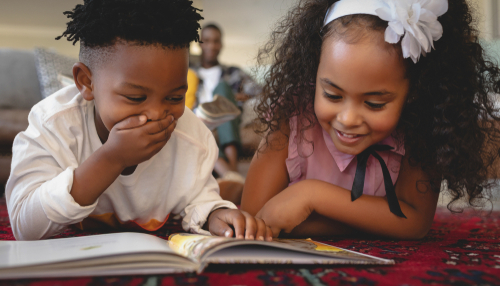
Language and literacy skills in Pre-K are directly linked to children’s academic success in all subject areas through the end of high school. Children remember information best when they can pull it from their prior knowledge. According to an article by Amanda Reardon in Edutopia, educators can support this by “offering real and meaningful experiences that help children connect new learning to what they already know.” Classrooms can actually be filled with materials and opportunities featuring literacy-rich components, allowing educators the ability to facilitate meaningful learning at many points throughout the day. Check out these creative methods by which educators can create strong, literacy-friendly environments while encouraging natural curiosity:
-
Label children’s personal items and spaces with their names and photographs. The first letters children learn are those in their own names; next, they learn those in the names of their friends. Reardon suggests adding labels with photos and names to cubbies, coat hooks, seats, or any other individual items. When children seem to be ready, educators may remove the photos. They might ask questions like, “How do you know that is Amy’s seat?” This will help them identify letters in their friends' names.
-
Label classroom materials with pictures and words. Pictures of materials with word labels on baskets, shelves, garbage cans, etc. help children locate items and know where they belong for clean-up times. “They also allow children to see that print has a purpose and that groups of printed letters represent words,” says Reardon. As children clean up, educators might ask questions like, “What goes in this basket?” Children should be encouraged to “read” labels using the pictures and the words.
-
Add books to every learning center or interest area. Excellent book subjects for interest center libraries include community helpers in the dramatic play center; buildings and maps in the block area; colors and shapes in the art center; counting and numbers in the math center; and nature in the science center.
-
Offer writing materials in every learning center or interest area. Reardon says that children learn best “through meaningful and contextualized experiences.” They should have opportunities to write for a number of purposes and audiences. Children might take restaurant orders or make price tags in the dramatic play center, or record discoveries about science experiments in the science center.
-
Create resource rings with relevant vocabulary words. Educators know the importance of modeling the use of new words while exposing children to them in various ways. Reardon suggests creating rings with words and picture cues to place around the classroom in different centers. Group topic-related word cards on individual binder rings so that children in the centers can discuss them with their friends.
Educators should not feel anxiety or pressure over planning direct instruction for the inclusion of lessons centered on literacy and language skills. This learning should transpire organically with classrooms that include these five tactics, which are “engaging, contextualized, and driven by each child’s interest,” says Reardon.
Click here to read more about straightforward ideas for creating a literacy-friendly environment.
| |
|
Picture books to help children
comprehend physical differences
| |
|
When educators and parents choose not to speak with children about physical and intellectual differences, it leads children to believe that it’s a taboo topic. In an article in Brightly, Melissa Taylor reminds educators that it would be beneficial to prioritize educating children about many differences. “One way to do this is to read children’s books that show respectful and accurate representation,” says Taylor. Check out a few of the books that she recommends reading with children:
-
Just Ask! by Sonia Sotomayor. Children with many differences work together to plant a garden. In doing so, they realize that, like the plants, all of their differences make them unique and special. Children will learn about allergies, ADHD, blindness, diabetes, and other physical and neurological differences. Sotomayor asks questions such as, “How do you use your senses?” to help children empathize.
-
Fauja Singh Keeps Going, by Simran Jeet Singh. Sing was unable to walk as a child, but through working on a farm he strengthened his legs and became a runner. He eventually set the record as the oldest man to run a marathon at 100 years-old.
-
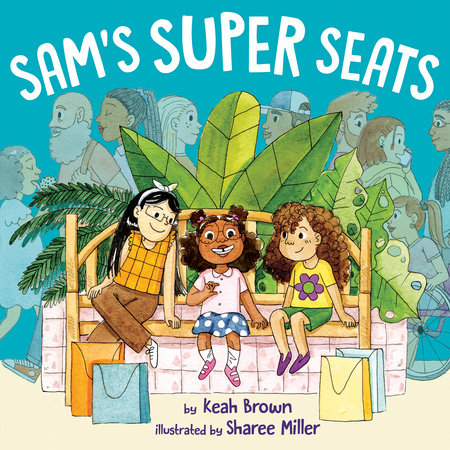
Sam’s Super Seats, by Keah Brown. This book about a young girl with cerebral palsy educates children about the different needs of their friends and the importance of rest. Sam gets tired when she is shopping with her friends and needs a break. Finding the right seat in which to sit is not easy for Sam, until a great idea hits her. “Warmhearted and charming, this book is a great affirmation of self-love,” says Taylor.
-
She Persisted in Sports, by Chelsea Clinton. In this collection of biographies, women face discrimination and physical challenges; however, their perseverance leads them to becoming successful athletes.
Click here to check out more great books to help children understand differences.
| |
71 Clinton Rd. Garden City, NY 11530-9195
For questions or more information, call us at
| | | | |