Bright Spot
 

BRIGHT SPOTS


Akron is making headlines for efforts to improve student reading scores. Three Akron public schools were honored with the Governor’s Reading Recognition Program. The University of Akron received a nearly $1 million grant to create the Center for Structured Literacy, with plans to become the first Ohio university to receive accreditation by the International Dyslexia Assocation.


QUOTABLE & NOTABLE

“Child care providers in rural America are not prepared for Head Start to go away because in rural America, one in three child care centers are Head Start programs. A report from the Institute for Child Success points out that 86 percent of rural counties have a Head Start center. In some communities, it’s the only source of child care available. ... 


“Access to pediatric care can also be limited for families in rural areas. Children enrolled in Head Start receive more access to comprehensive care, including annual physicals, trips to the dentist, disability testing and an overall focus on nutritional services. Often, these families won’t have health insurance, making Head Start’s intervention critical, given that early detection in early childhood can lead to more cost-effective and lasting treatment options.”

Who:

Claire Woodcock

Where:

“Head Start’s Future Is Uncertain. Rural Americans Aren’t Ready for What Happens Next,” published by EdSurge


FACT OF THE WEEK

 
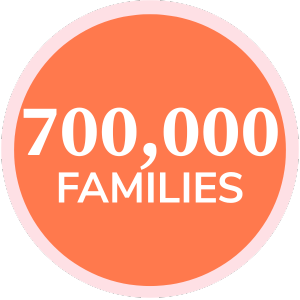
700 thousand families
 

Head Start cuts would jeopardize child care access for 700,000 families. Writing for Fast Company, Elliot Haspel describes the impact of losing these spots in a sector where child care access is already so limited, arguing that no American family nor American business would go unaffected.


POLICY RADAR

Ohio

Children’s media use 

A law requiring children under age 16 to obtain parental permission to use social media apps has been deemed unconstitutional and permanently struck down nearly two years after it was signed into law by Gov. Mike DeWine.

Medicaid 

The Cincinnati Enquirer describes what’s at stake if Ohio lawmakers are successful in undoing prior work to obtain a Medicaid waiver enabling children birth through age 3 to stay enrolled in the program. The waiver — used by several states — enables continuous enrollment in Medicaid to minimize gaps in health care coverage and ensure consistent access to care during a child’s vital developmental years.


FYI

Gov. DeWine announced that all Ohio counties will have access to a youth crisis hotline number by July 1.


EVENTS & HAPPENINGS

The Center for American Progress is hosting an online event about potential cuts to Head Start funding on Monday, May 5, at 3 p.m. ET.


BEYOND THE BUCKEYE STATE

EdSurge reports on Multnomah County, Oregon’s universal preschool initiative established by voter ballot in 2020 and funded through a tax on high-income earners. The article reflects on components of success as the program nears its halfway implementation point (expanding to 11,000 preschool slots by 2030); these include a gradual timeline for expansion, a dedicated funding source, and competitive wages and benefits for preschool teachers.

A guest blog written for New America outlines the process to develop a cost model for Early Intervention (EI) in Illinois in order to better understand “the decline of EI providers ... and quantify what it would take to expand the supply of providers.”


WHAT WE'RE READING

A research brief published by the Prenatal-to-3 Policy Impact Center synthesizes research on state-level Child Tax Credits — a tax policy enacted by 17 states and proposed in many others (including Ohio). The brief examines evidence on possible impacts of CTCs on child poverty, family resources, labor force participation, and child maltreatment.

On a related note: Shannon Jones, a former Ohio state senator and representative and current Warren County commissioner, wrote an opinion piece supporting Gov. DeWine's proposed refundable Child Tax Credit. Jones calls the proposed $1,000 per child credit “a commonsense, pro-family policy that aligns with conservative values and places Ohio's children at the forefront.”


RESEARCH ROUNDUP

Drs. Joyce Y. Lee and Susan Yoon from The Ohio State University’s College of Social Work are piloting a study called The Daddy REAds with Me (DREAM) Project to promote shared book-reading between Black non-resident fathers experiencing low income, and their preschool-aged children. Their study, published in the journal Children, found that when fathers engaged in “cognitive stimulation” by telling stories and reading books, their children experienced better behavioral, socioemotional and academic outcomes.


This edition was written by Jamie O’Leary and Janelle Williamson.

If you like this newsletter, forward to a friend! Subscribe here.


crane.osu.edu

X  LinkedIn