Neutrophils help prevent the transition from acute to chronic pain after injury. Dampening their activity with anti-inflammatory drugs, like ibuprofen or diclofenac, can prolong pain duration.
In the last few weeks, several news outlets like The New York Times and The Guardian have published provocative stories warning their readers that taking analgesics, like ibuprofen, can lead to the development of chronic back pain.
These articles relate to new research from an interdisciplinary team led by Luda Diatchenko and Jeffrey Mogil at McGill University, Canada, and Massimo Allegri at the Pain Therapy Service in Monza, Italy.
|
|
Why You Should Have a Specialty Designation of 09 for Interventional Pain Physicians
Specialty codes are used by CMS for programmatic and claims processing purposes. Medicare and commercial payers use the primary specialty designation in processing claims. Physicians in a group of the same specialty must bill and be paid as if they were one physician. Appropriate use of specialty codes helps reduce inappropriate suspensions and improves the quality of utilization data.
Physicians should monitor their specialty status to ensure that they are enrolled in the specialty type that most accurately represents their practice. This is particularly important as physicians change the focus of their practice and become more specialized. Failure to notify Medicare of specialty changes can affect reimbursement. If you are performing interventional pain procedures but your primary designation is Anesthesiology (5) or Pain Management (72) this will negatively affect the reimbursement for pain procedures. Interventional pain physicians’ primary designation should be 09 – Interventional Pain Management, a designation that ASIPP fought for and gained to assure more representation and reimbursement.
You may check your current specialty designation and/or to change it to Interventional Pain Management (09) on the following CMS website: https://nppes.cms.hhs.gov/#/please
Before doing so, CLICK HERE for a step-by-step instructional guide created by ASIPP member Dr. Rohit Choudhary to assist members in this process.
|
|
NEXT EXAM DATES:
Part I
June 18, July 30, August 27, September 17, October 22, November 19 & December 17
Part II
September 23
|
|
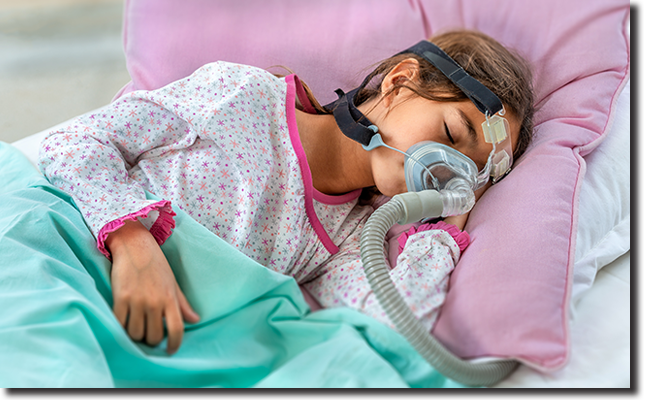
Sleep apnea is not only seen in adults!! It’s a common problem in children all day from infancy to teenage years and needs to be treated to avoid adverse consequences.
While the removal of tissues in the back of the throat (adenotonsillectomy) can treat sleep apnea in children, sometimes they need CPAP (similar to adults).
CPAP is safe and effective in young children with sleep apnea, however, there are limitations due to concerns about their weight and age. As a result, it’s sometimes a battle between insurance companies, and equipment companies to get these devices approved for our little vulnerable ones.
|
|
Key Points
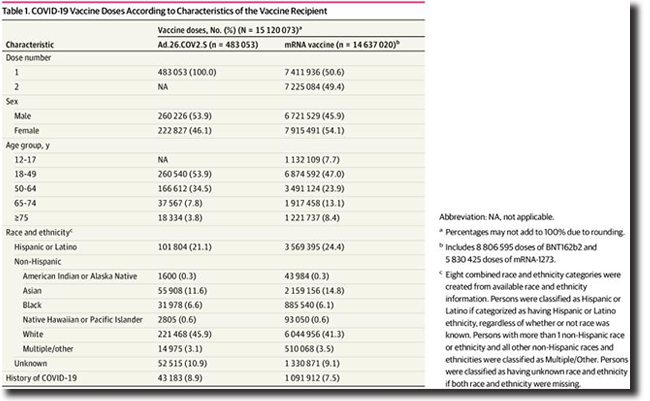
Question: Are COVID-19 vaccines associated with Guillain-Barré syndrome (GBS)?
Findings: In this cohort study of surveillance data from the Vaccine Safety Datalink that included 15.1 million doses of COVID-19 vaccines, the unadjusted incidence rate of confirmed GBS in the 1 to 21 days after receiving the Ad.26.COV2.S (Janssen) vaccine was 32.4 per 100 000 person-years, which was significantly higher than the background rate of GBS. The unadjusted incidence rate of confirmed GBS in the 1 to 21 days after mRNA vaccines was 1.3 per 100 000 person-years, which did not differ from the background rate.
Meaning: These findings suggest an increased risk of GBS after Ad.26.COV2.S vaccination.
|
|
Three cancer pain guideline strategies that aimed to significantly improve pain outcomes in adult outpatients using oncology and palliative care services compared with control care did not achieve that goal, according to a pragmatic randomized, non-blind clinical trial conducted in Australia between 2014 and 2019.
The three interventions were health professional education using email-delivered cases, patient self-management tools, and audit and feedback.
The study published in JAMA Network Open (2022;5[2]:e220060) found the percentage of patients who achieved a 30% or greater reduction in pain from baseline were comparable in the control and intervention phases.
|
|
AAPM&R calls for greater awareness of post-COVID cardiovascular complications among clinicians
Risks for cardiovascular complications, including pulmonary embolism, arterial and venous thromboses, myocardial infarction, and stroke, are higher in patients with post-acute sequelae of SARS-CoV-2 (PASC), or long COVID, highlighting the need for greater awareness of these conditions among clinicians, according to a consensus statement released by the American Academy of Physical Medicine & Rehabilitation (AAPM&R).
Cardiovascular complications may arise weeks or months after a patient's initial COVID-19 infection, with severity of the symptoms ranging from "mild to incapacitating," according to the PASC Collaborative, a multidisciplinary group of physicians, clinicians, and patient advocates, who developed the statement. They noted that 5% to 29% of COVID-19 survivors complain of cardiovascular symptoms such as chest pain, dyspnea, or palpitations months after their recovery from the acute infection.
"Unfortunately, many people could have chronic cardiovascular conditions due to COVID-19 infection -- even patients without previous cardiovascular disease, comorbidities, and otherwise low risk of cardiovascular disease," said lead author Jonathan Whiteson, MD, of NYU Langone Health in New York City, in a press release. "Because of the chronic nature of cardiovascular conditions, there will likely be long-lasting consequences for patients and health systems worldwide."
|
|
The key? Reducing the effort patients need to make
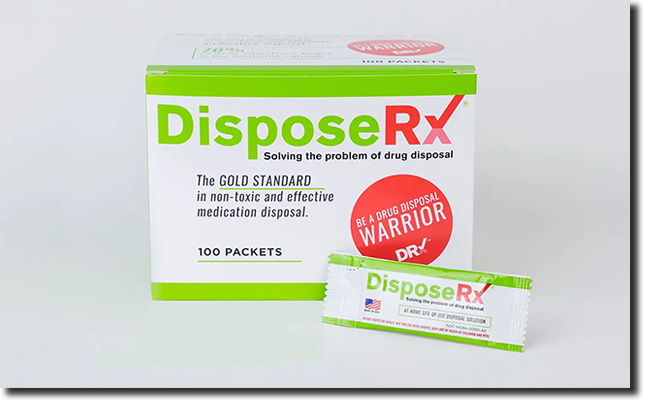
Surgery patients were more likely to dispose of leftover opioid pills when an opioid disposal kit was mailed to them, a randomized clinical trial showed.
Among patients who received opioids after an orthopedic or urologic procedure, 60% of those who received an at-home disposal kit said they disposed of extra opioid tablets, reported Anish Agarwal, MD, MPH, MS, of the University of Pennsylvania in Philadelphia, and co-authors.
In contrast, 42.7% of patients who did not receive a kit said they disposed of their drugs. Baseline self-reported disposal rates were 25% to 30%, Agarwal and colleagues wrote in a JAMA Network Open research letter.
|
|
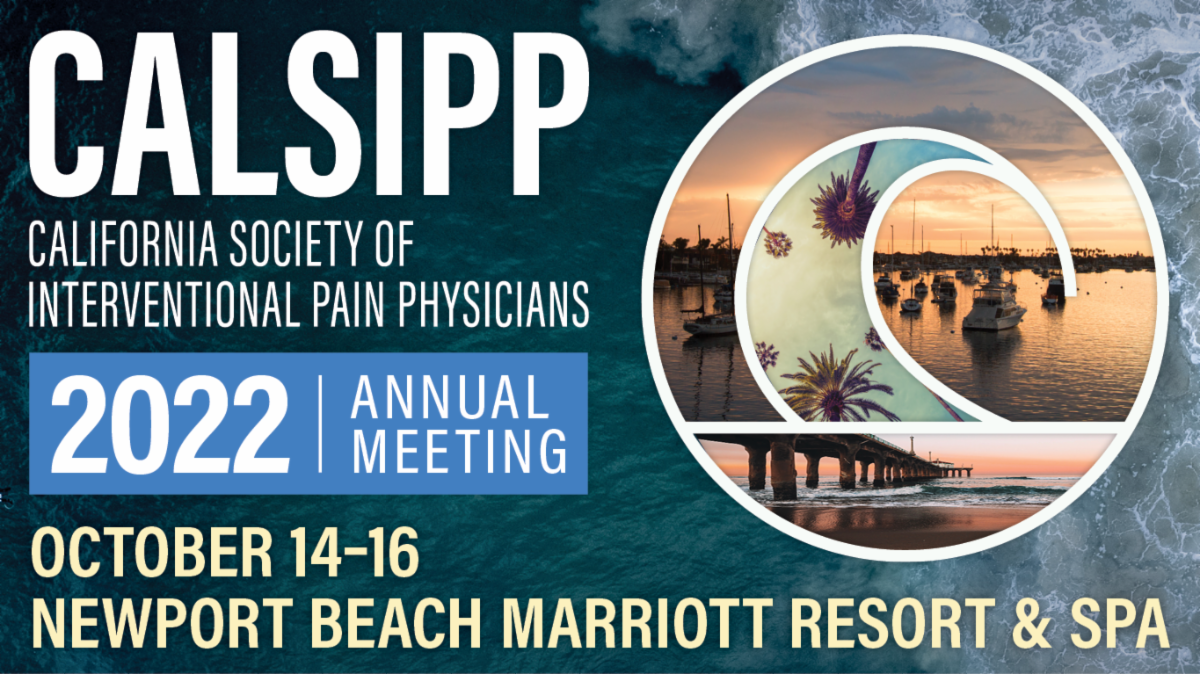
REGISTRATION BEGINS OCTOBER 2022 |
|
- ASIPP Members Only Site Information - |
|
-
To log in for the first time you will need to click “forgot password” at the bottom of the login window.
- Check your email and then log in as directed.
-
If you have problems logging into your account, click here.
|
|
Pain Medicine Case Reports (PMCR) and Editor-in-Chief Alaa Abd-Elsayed, MD, PhD would like to invite you to submit case reports and case series to the PMCR journal. Your article will be published free of charge.
Open access journals are freely available online for immediate worldwide open access to the full text of published articles. There is no subscription fee for open access journals. Open access journals are no different from traditional subscription-based journals: they undergo the same peer-review and quality control as any other scholarly journal.
Interested in becoming a member of the PMCR Editorial Board?
Editorial board members are asked to review 2-6 manuscripts per year. Please submit your most up-to-date CV to sgold@asipp.org for consideration.
For more information or to submit your articles, click here.
|
|
New edition now available! |
|
| CASE REPORT |
Liang Yu, MSc, Yang Yu, MSc, Huan Wang, MSc, and Jianliang Sun, MD
Abstract
BACKGROUND: As one of the various treatments for primary hyperhidrosis, chemical destructive block of the thoracic sympathetic nerve chain may cause postoperative complications such as recurrent laryngeal nerve injury, but this complication is rare in clinical practice.
CASE REPORT: We found that one patient had symptoms of hoarseness and dysphonia after chemical damage to the thoracic sympathetic nerve chain, mainly occurring at high pitches. Combined with the patient’s imaging data and video laryngoscope examination results, we considered that a recurrent laryngeal nerve injury had occurred on one side. Three months after the operation, the patient’s symptoms of hoarseness were alleviated.
CONCLUSIONS: Although there is low probability of recurrent laryngeal nerve injury in chemical destructive block of the thoracic sympathetic chain, it still requires an experienced thoracic surgeon to perform precise operations under computed tomography guidance. Percutaneous radiofrequency thermocoagulation may greatly reduce the possibility of nerve injury caused by the fluidity of anhydrous alcohol, so it can be better applied in clinical practice.
KEY WORDS: Chemical destructive block, recurrent laryngeal nerve injury, thoracic sympathetic chain
|
|
New edition now available! |
|
| HEALTH POLICY |
Laxmaiah Manchikanti, MD, Vidyasagar Pampati, MSc, Mahendra R. Sanapati, MD, Radomir Kosanovic, MD, Douglas P. Beall, MD, Sairam Atluri, MD, Salahadin Abdi, MD, PhD, Shalini Shah, MD, Mark V. Boswell, MD, PhD, Alan D. Kaye, MD, PhD, Amol Soin, MD, Christopher G. Gharibo, MD, Bradley W. Wargo, DO, and Joshua A. Hirsch, MD
Abstract
Background: Multiple publications have shown the significant impact of the COVID-19 pandemic on US healthcare and increasing costs over the recent years in managing low back and neck pain as well as other musculoskeletal disorders. The COVID-19 pandemic has affected many modalities of treatments, including those related to chronic pain management, including both interventional techniques and opioids. While there have not been assessments of utilization of interventional techniques specific to the ongoing COVID-19 pandemic, previous analysis published with data from 2000 to 2018 demonstrated a decline in utilization of interventional techniques from 2009 to 2018 of 6.7%, with an annual decline of 0.8% per 100,000 fee-for-service (FFS) in the Medicare population. During that same time, the Medicare population has grown by 3% annually.
Objectives: The objectives of this analysis include an evaluation of the impact of the COVID-19 pandemic, as well as an updated assessment of the utilization of interventional techniques in managing chronic pain in the Medicare population from 2010 to 2019, 2010 to 2020, and 2019 to 2020 in the FFS Medicare population of the United States.
Study design: Utilization patterns and variables of interventional techniques with the impact of the COVID-19 pandemic in managing chronic pain were assessed from 2000 to 2020 in the FFS Medicare population of the United States.
Methods: The data for the analysis was obtained from the master database from the Centers for Medicare & Medicaid Services (CMS) physician/supplier procedure summary from 2000 to 2020.
Results: The results of the present investigation revealed an 18.7% decrease in utilization of all interventional techniques per 100,000 Medicare beneficiaries from 2019 to 2020, with a 19% decrease for epidural and adhesiolysis procedures, a 17.5% decrease for facet joint interventions and sacroiliac joint blocks, and a 25.4% decrease for disc procedures and other types of nerve blocks. The results differed from 2000 to 2010 with an annualized increase of 10.2% per 100,000 Medicare population compared to an annualized decrease of 0.4% from 2010 to 2019, and a 2.5% decrease from 2010 to 2020 for all interventional techniques. For epidural and adhesiolysis procedures decreases were more significant and annualized at 3.1% from 2010 to 2019, increasing the decline to 4.8% from 2010 to 2020. For facet joint interventions and sacroiliac joint blocks, the reversal of growth patterns was observed but maintained at an annualized rate increase of 2.1% from 2010 to 2019, which changed to a decrease of 0.01% from 2010 to 2020. Disc procedures and other types of nerve blocks showed similar patterns as epidurals with an 0.8% annualized reduction from 2010 to 2019, which was further reduced to 3.6% from 2010 to 2020 due to COVID-19.
Limitations: Data for the COVID-19 pandemic impact were available only for 2019 and 2020 and only the FFS Medicare population was utilized; utilization patterns in Medicare Advantage Plans, which constitutes almost 40% of the Medicare enrollment in 2020 were not available. Moreover, this analysis shares the limitations present in all retrospective reviews of claims based datasets.
Conclusion: The decline driven by the COVID-19 pandemic was 18.7% from 2019 to 2020. Overall decline in utilization in interventional techniques from 2010 to 2020 was 22.0% per 100,000 Medicare population, with an annual diminution of 2.5%, despite an increase in the population rate of 3.3% annualized (38.9% overall) and Medicare enrollees of 33.4% and 2.9% annually.
Keywords: adhesiolysis; chronic spinal pain; disc procedures; epidural injections; facet joint interventions; interventional techniques; other types of nerve blocks; sacroiliac joint injections; Interventional pain management.
|
|
| HEALTH POLICY REVIEW |
Laxmaiah Manchikanti, MD, Thomas T. Simopoulos, MD, Vidyasagar Pampati, MSc, Maanasa V. Manchikanti, Radomir Kosanovic, MD, Salahadin Abdi, MD, PhD, Mahendra R. Sanapati, MD, Dhanalakshmi Koyyalagunta, MD, Nebojsa Nick Knezevic, MD, PhD, Douglas P. Beall, MD, Amol Soin, MD, Alan D. Kaye, MD, PhD, Alaa Abd-Elsayed, MD, and Joshua A. Hirsch, MD
Abstract
Background: Among the multiple causes of low back and lower extremity pain, sacroiliac joint pain has shown to be prevalent in 10% to 25% of patients with persistent axial low back pain without disc herniation, discogenic pain, or radiculitis. Over the years, multiple Current Procedural Terminology (CPT) codes have evolved with the inclusion of intraarticular injections, nerve blocks, and radiofrequency neurotomy, in addition to percutaneous sacroiliac joint fusions. Previous assessments of utilization patterns of sacroiliac joint interventions only included sacroiliac joint intraarticular injections, since the data was not available prior to the introduction of new codes. A recent assessment revealed an increase of 11.3%, and an annual increase of 1.2% per 100,000 Medicare population from 2009 to 2018, showing a decline in growth patterns. During the past 2 years, the COVID-19 pandemic has also had significant effects on the utilization patterns of sacroiliac joint interventions.
Study design: The impact of the COVID-19 pandemic and analysis of growth patterns of sacroiliac joint interventions (intraarticular injections, nerve blocks, radiofrequency neurotomy, arthrodesis and fusion) was evaluated from 2010 to 2019 and 2010 to 2020, with a comparative analysis from 2019 to 2020 to assess the impact of the COVID-19 pandemic.
Objectives: To update utilization patterns of sacroiliac joint interventions with assessment of the impact of the COVID-19 pandemic.
Methods: The Centers for Medicare and Medicaid Services (CMS) Physician/Supplier Procedure Summary (PSPS) Master dataset was utilized in the present analysis.
Results: The results of this evaluation demonstrated a significant impact of the COVID-19 pandemic with a 19.2% decrease of utilization of sacroiliac joint intraarticular injections from 2019 to 2020. There was a 23.3% increase in sacroiliac joint arthrodesis and a 5.3% decrease for sacroiliac joint fusions with small numbers from 2019 to 2020. However, data was not available for sacroiliac joint nerve blocks and sacroiliac joint radiofrequency neurotomy as these codes were incorporated in 2020. Overall, from 2010 to 2019, sacroiliac joint intraarticular injections showed an annual increase of 0.9% per 100,000 Medicare population. Sacroiliac joint arthrodesis and fusion showed an annual increase from 2010 to 2020 per 100,000 Medicare population of 29% for arthrodesis and 13.3% for fusion.
Limitations: Limitations of this study include a lack of inclusion of Medicare Advantage patients constituting approximately 30% to 40% of the overall Medicare population. As with all claims-based data analyses, this study is retrospective and thus potentially limited by bias. Finally, patients who are non-Medicare are not part of the dataset.
Conclusions: The study shows the impact of the COVID-19 pandemic with a significant decrease of intraarticular injections of 19.2% from 2019 to 2020 per 100,000 Medicare population. These decreases of intraarticular injections are accompanied by a 5.3% decrease of fusion, but a 23.3% increase of arthrodesis from 2019 to 2020 per 100,000 Medicare population. Overall, the results showed an annual increase of 0.9% per 100,000 Medicare population for intraarticular injections, a 35.4% annual increase for sacroiliac joint arthrodesis and an increase of 15.5% for sacroiliac joint fusion from 2010 to 2019.
Keywords: sacroiliac joint arthrodesis; sacroiliac joint fusion; sacroiliac joint radiofrequency neurotomy; Sacroiliac joint nerve blocks.
|
|
Since this malpractice insurance program officially launched in November 2018, ASIPP has signed up hundreds of providers with an average savings of 30%. This is professional liability insurance tailored to our specialty and will stand up for us and defend our practices.
Norcal Mutual is A-Rated by AM best and is licensed in all 50 states. To read a few important points to keep in mind about the program, including discounts, administrative defense, cyber coverage, aggressive claims handling, and complimentary award-winning risk management CME activities, click here.
|
|
ASIPP® has formed a partnership with Henry Schein and PedsPal, a national GPO that has a successful history of negotiating better prices on medical supplies and creating value-added services for independent physicians. Working with MedAssets, PedsPal provides excellent pricing on products like contrast media that alleviate some of the financial pressures you experience today.
|
|
ASIPP® is now offering our members the benefit of a unique revenue cycle management/ billing service.
We have received a tremendous amount of interest in the ASIPP® billing and coding program.
Click here to learn more about the negotiated rate for practices and more!
|
|
|
up-to-date news related to you, your practice, and your patients!
|
|
|
|
|
|
|