SGHT Newsletter May 2026

While the island settles into its quieter austral winter, SGHT's work continues. This year’s Earth Raise match‑funding campaign has been a standout success, helping us raise vital support for our WildCounts project, a long‑term programme we’re launching with our American affiliate Friends of South Georgia Island which is dedicated to better understanding South Georgia’s remarkable wildlife. The off‑season is when much of our behind‑the‑scenes work happens: preparing for next season, planning new outreach, and getting ready to welcome supporters on the SGHT cruise in November. Your generosity ensures that even as the island’s pace slows, our commitment to safeguarding its past, present, and future remains in full motion.


In this month’s newsletter, learn more about Shackleton's heritage on South Georgia, discover more about WildCounts, and see another brilliant image from our supporters.


Stromness Manager's Villa update

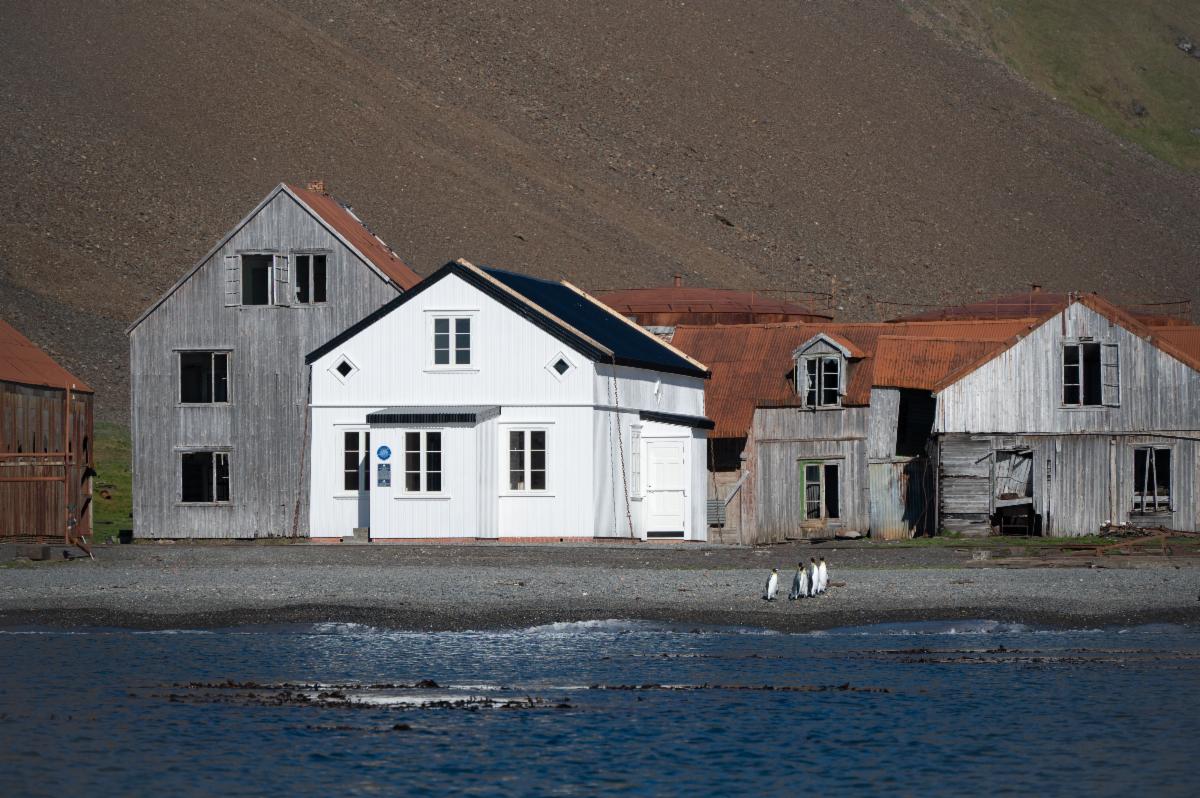
The stabilised Stromness Manager's Villa. Credit: Art Lewry/SGHT.

In one of the former whaling stations on South Georgia, work has now been successfully completed to save one of the most globally important pieces of heritage relating to the survival of crew of the Endurance and Sir Ernest Shackleton – the original Stromness Manager’s Villa. This culturally significant building is where Sir Ernest Shackleton, Frank Worsley and Tom Crean sought help on 20 May 1916, after their epic journey crossing the island, following the sinking two years earlier of their ship the Endurance in Antarctica.


This work was funded and undertaken by South Georgia Heritage Trust and Friends of South Georgia Island with permission from the Government of South Georgia and the South Sandwich Islands.


Our Saving Shackleton Heritage team spent four months at Stromness undertaking the painstaking work to save this incredibly dilapidated building. This process started with preparing the area and making the work site safe. A team of professionals then carefully removed asbestos-containing materials from the Villa, allowing the skilled team of builders and carpenters to undertake the detailed structural work to stabilise the building - saving it for future generations.


With the physical stabilisation complete, the project now moves into its next exciting phase. Our team of digital specialists have been using photogrammetry, LiDAR scanning and drone imagery to create a high-resolution 3D digital replica of the Villa. This virtual model will then allow people anywhere in the world to explore this historic building inside and out and experience one of the many key moments from the Heroic Age of Antarctic Exploration.


This digital version will focus on how the Villa would have appeared in 1916, the year that Shackleton and his men arrived seeking rescue. We will be sharing more of this wonderful conservation story in the months to come, along with the results of the digital work, so watch this space for the next chapter of the story. You can follow SGHT and FOSGI on social media and visit our websites, sght.org or fosgi.org, to support our ongoing work.


Thank you for your support

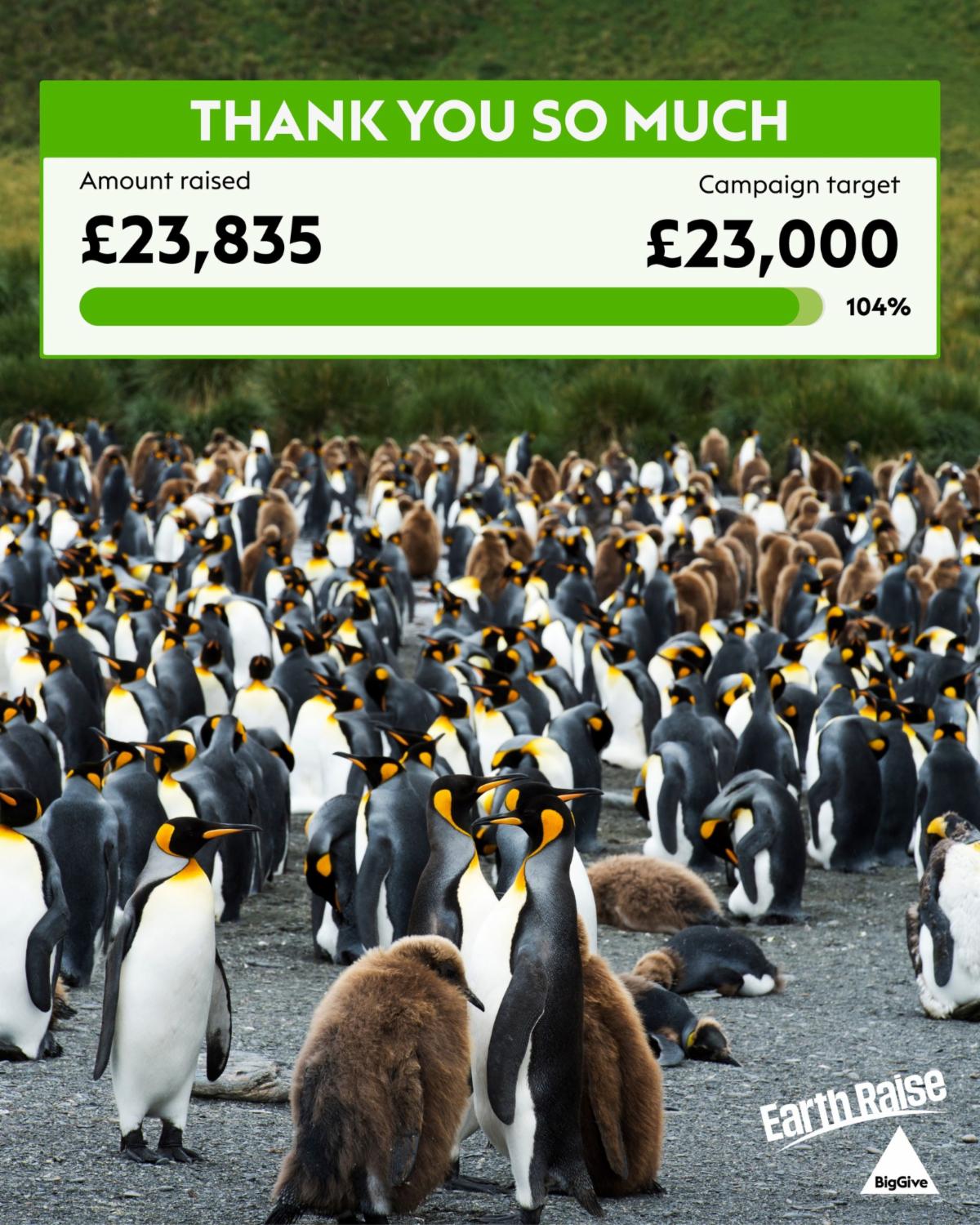
Thanks to you and the rest of our incredible supporters, we’ve raised more than our original target for Earth Raise. SGHT and FOSGI simply couldn’t deliver this work without people like you, and your generosity is going to power the next phase of South Georgia WildCounts.


WildCounts is our long‑term programme designed to build a clearer, more accurate picture of South Georgia’s wildlife - from penguins to seals and the many species that depend on the island’s recovering ecosystems. The project complements the population monitoring and environmental data work already being carried out by the British Antarctic Survey and the Government of South Georgia & the South Sandwich Islands, ensuring that conservation decisions are based on the most up-to-date data available.


Your support means we can deepen this work: improving the accuracy of wildlife counts, tracking changes over time, and helping those in charge of the environment to respond quickly to emerging threats such as avian flu and climate‑driven shifts. With Earth Raise match funding doubling donations, every gift has gone even further for the island’s future.


Thank you again for standing with South Georgia’s wildlife.


If you’d like to explore more about what your contribution is helping to achieve, you can read about WildCounts below.


Shackleton's traverse for survival

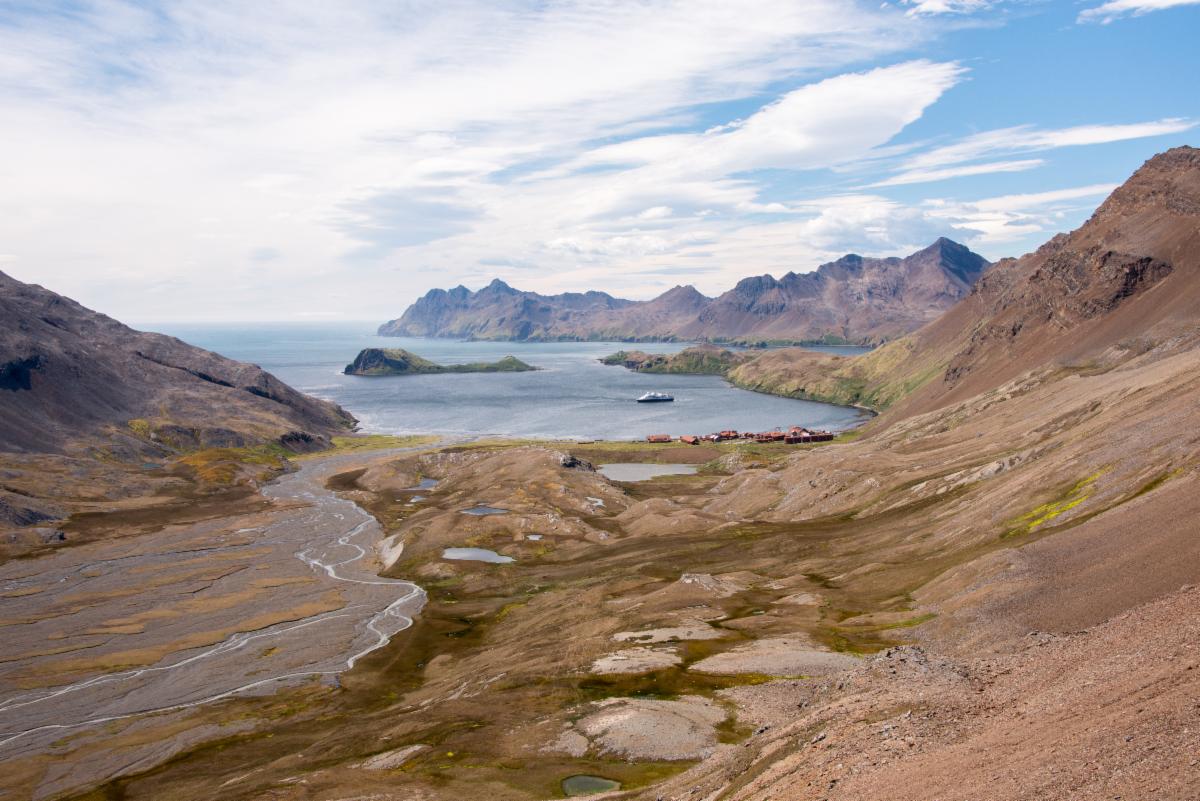
View over Stromness. Credit: Stephen Bolcso.

It was 110 years ago this month, after 36 hours of treacherous ice and snow as they journeyed over South Georgia, that Shackleton, Worsley and Crean heard the sound of a whistle from Stromness Whaling Station. It was the first sound of humanity outside of their crew that they had heard in over a year.


As they approached the whaling station, the men attempted to make themselves look somewhat presentable, in Shackleton’s words, 'for the thought there might be women at the station made us painfully conscious of our uncivilised appearance.' Clearly right, two children who first saw them ran away in fear!


The party was guided to the Stromness Manager's Villa by a reluctant worker and were left on the doorstep while he fetched Mr Sorlle. As the extract in Shackleton's South says: 'Mr. Sorlle came out to the door and said, "Well?"

"Don't you know me?" I said.

"I know your voice," he replied doubtfully. "You're the mate of the Daisy."

"My name is Shackleton," I said. Immediately he put out his hand and said, "Come in. Come in."

"Tell me, when was the war over?" I asked.

"The war is not over," he answered. "Millions are being killed. Europe is mad. The world is mad."'


Mr Sorlle ensured the three men were given food, a chance to bathe, and new clothes while he made arrangements for the three crew members who stayed with the James Caird on the other side of the island to be rescued the following morning. In August that year after many failed attempts, Shackleton, Worsley and Crean returned to Elephant Island to retrieve the 22 men left behind.


All of Shackleton’s crew on Elephant Island survived and the story is now legendary as a testament to man's endurance in the face of hopelessness.


If you enjoy stories like this, you can follow us across social media: Facebook, Instagram, or LinkedIn.


South Georgia through your eyes

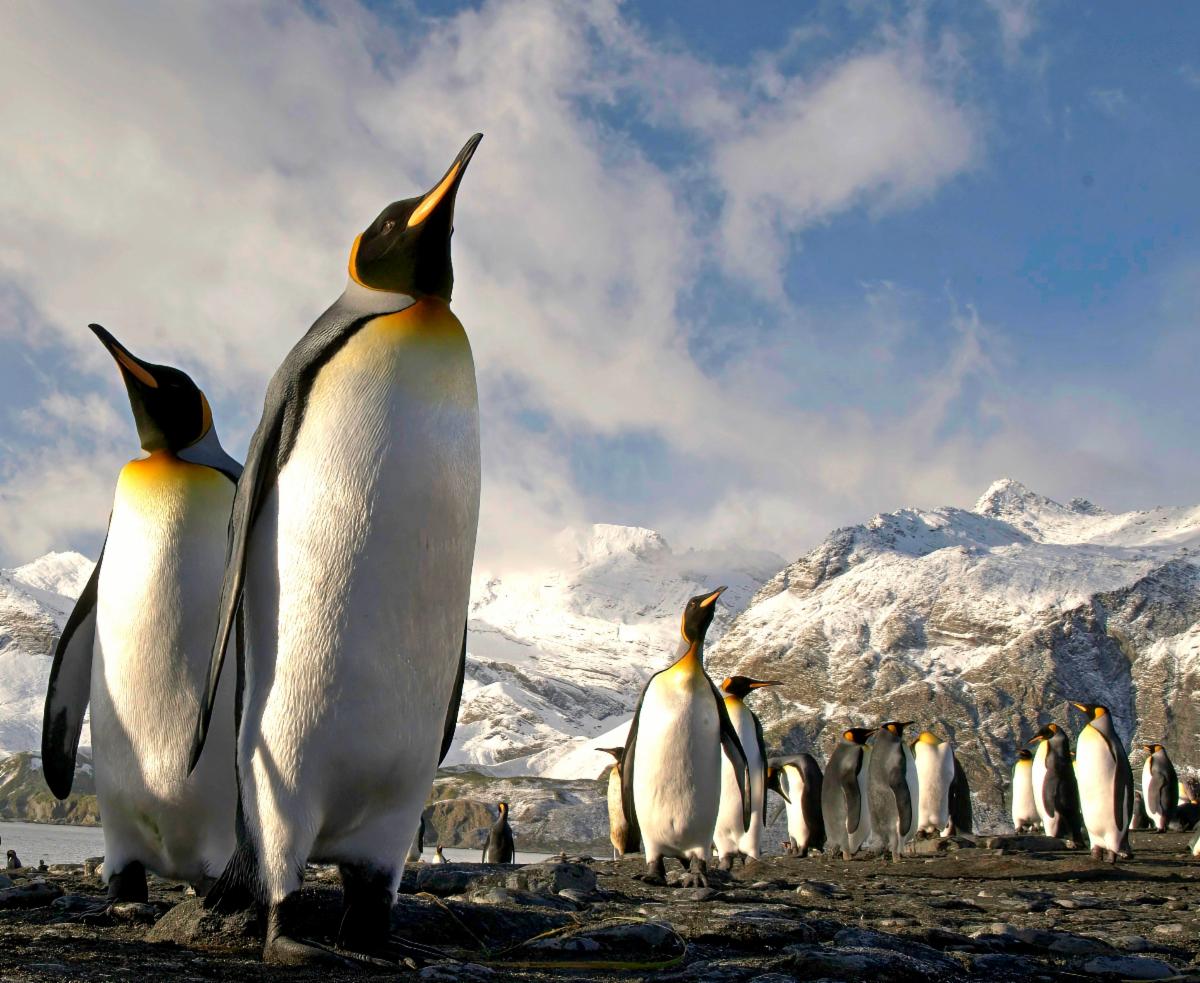
Credit: Lee Collins from Sydney, Australia, taken in 2012.

Would you like to share your favourite image of South Georgia? Email it to us!


There are regular news and other updates from SGHT on Facebook, Instagram, and LinkedIn


Follow us on your favourite platform to find out so much more about South Georgia and the activities of SGHT

 
Facebook  Instagram  Linkedin