Delegate Dispatch
UCOWR news & updates
|
|
In this issue:
- Spotlight - Pre-Conference Field trips you shouldn't miss!
- UCOWR's Best Paper of 2021 Announced
- Building Connections
- Dates and Deadlines
|
|
UCOWR/NIWR Annual Water Resources Conference
June 14-16, 2022
Greenville, South Carolina
Pssst - only a few more days to catch our EARLY BIRD Conference Rates!!
|
|
SPOTLIGHT: Perfect Pre-Conference Places
Pre-Conference Field Trips
|
|
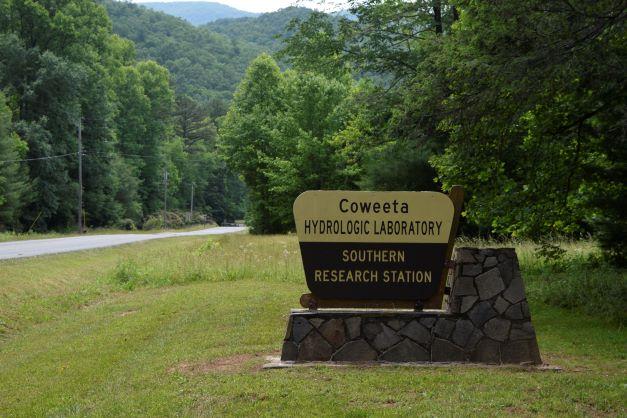
Coweeta Hydrologic Laboratory
|
|
Pre-Conference Field Trip
Monday, June 13, 2022
8:00 AM - 5:00 PM
Coweeta is one of the oldest, ongoing ecological research studies in the world, located in the Appalachian Mountains in southeastern U.S., south of Franklin, North Carolina.
Established in 1934, Coweeta became an extensive hydrological and forestland laboratory. Early research looked at logging, grazing and farming impacts in the forested watershed. From the start, the Coweeta site produced important data used for research on riparian vegetation and water supply, groundwater movement, relationships between forested watersheds, atmosphere, and environment, and erosion control practices. Today, research is focused in the areas of land use and water quality, climate change, prescribed fire, and the invasive pest Hemlock Woolly Adelgid, as well as the continuation of its Long Term Ecological Research (LTER). This unique research station continues to inform broadly applicable, forest ecosystem management practices that protect and improve valuable water resources. READ MORE
|
|
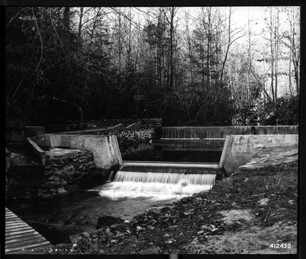
Since the 1930s, 32 stream-gauging stations, or weirs, have been installed in the Coweeta basin, of which 16 are currently in use. (Credit: USDA Forest Service. srs.fs.usda.gov)
|
|
“[One] rather unusual feature at Coweeta is that we have, over time, retained the same basic objective from the start...to assess the effects of forest management practices and natural disturbances on the water resource, and that includes quality, quantity and timing. ”
|
|
|
|
“The Coweeta basin...was strategically selected due to its topography and aspect and the unusually high rainfall (70 to 90 inches per year). The solid bedrock underlying the soils permits the hydrologist to account for most of the rainfall that enters the basin. Many of the watersheds in the basin are very similar in terms of size, climate, soils, and vegetation. The relationship between rainfall and streamflow before disturbance has been charted for many of the watersheds since 1934."
|
|
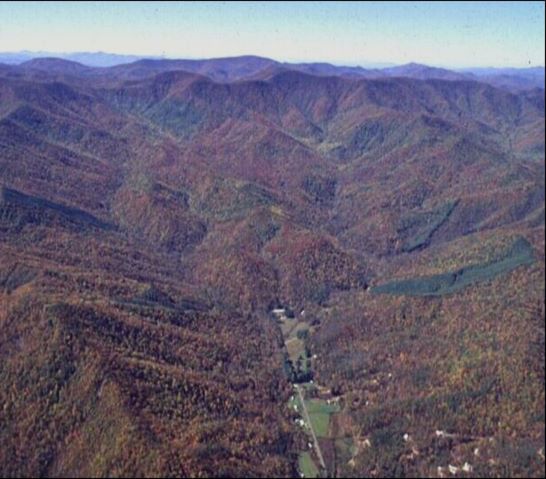
Arial view of Coweeta Watershed region.
|
|
Pre-Conference Field Trip
Monday, June 13, 2022
1:00 - 5:00 PM
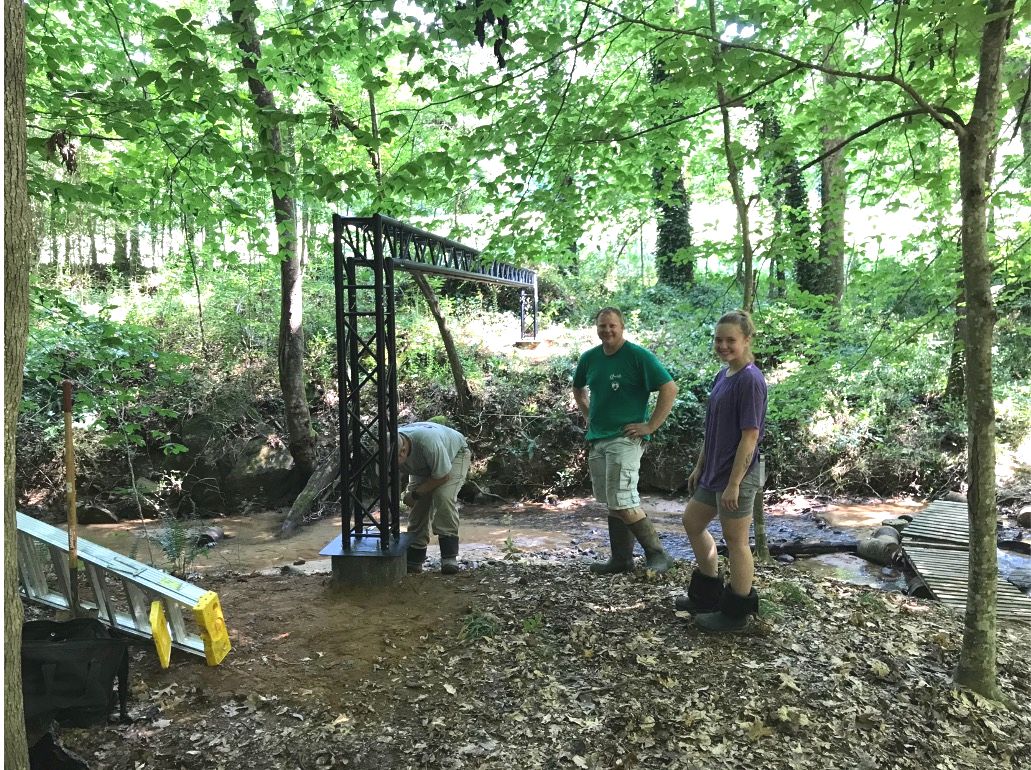
The Hunnicutt Creek restoration project aims to repair the creek and its tributaries from 19th century agricultural land practices.
Previously converted to straight channels, the creek and its tributaries run through the Clemson University campus, the South Carolina Botanical Garden (SCBG), and ultimately the Calhoun Field Laboratory. An extensive integrated network of 24 monitoring sites have been installed to monitor water quality, water levels, and discharge throughout the stream network. READ MORE
|
|
Sign up for a field trip today!
-
Contact us by clicking the link at right
OR
-
Modify your registration and add the trip
|
|
|
Building Connections
Special events for students and early career professionals:
|
|
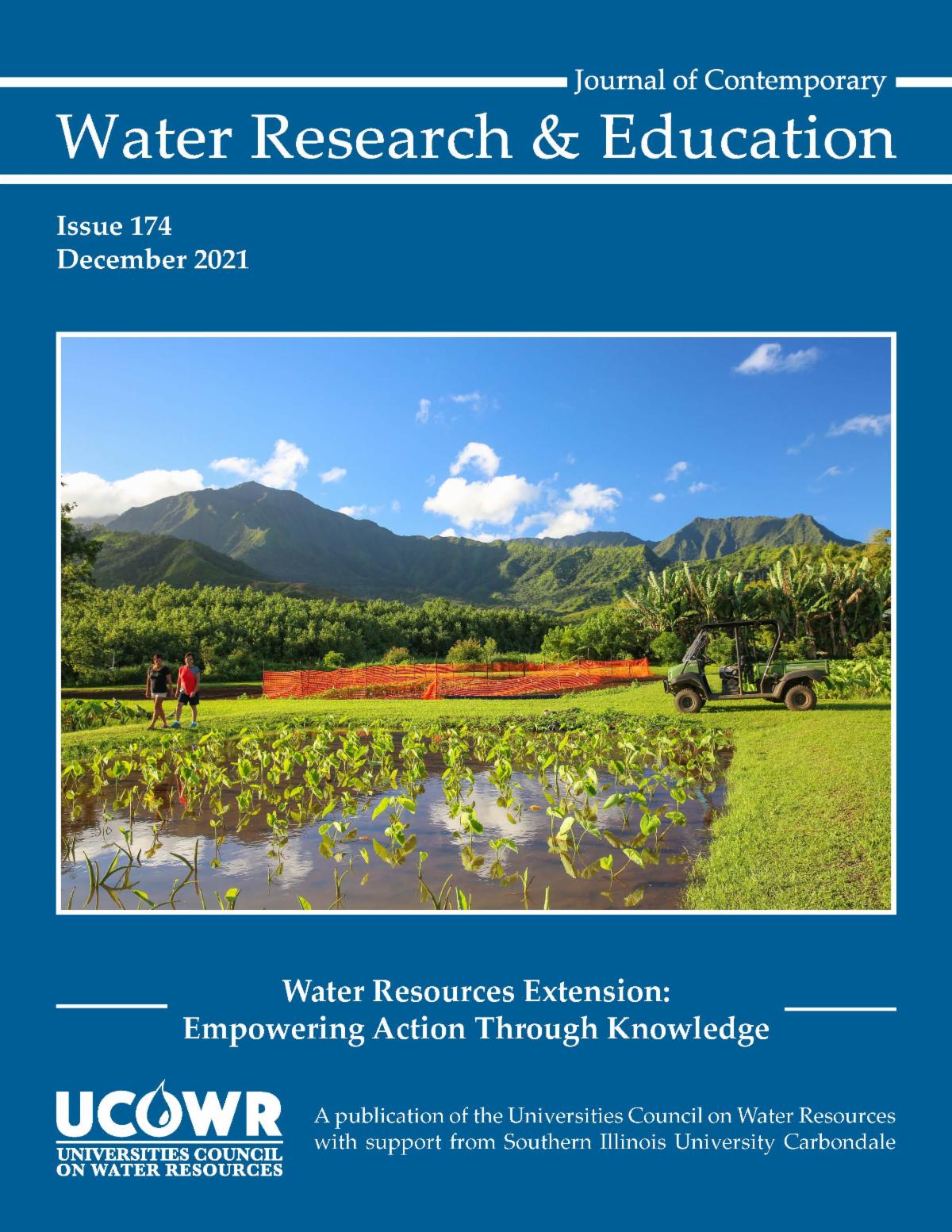
JCWRE 2021 Paper of the Year
UCOWR' Editors Announce the Selection
|
|
UCOWR's Editors are pleased to announce their selection for
JCWRE 2021 Best Paper of the Year:
Theresa Sinicrope Talley, Ph.D.
California Sea Grant
Scripps Institution of Oceanography University of California, San Diego
“Using Community Science to Address Pollution in an Urban Watershed: Lessons about Trash, Diverse Engagement, and the need for Science Mindsets."
Journal of Contemporary Water Research and Education Issue 174 (2021) pp.21-44
|
|
Click issue to read the article |
|
April 29 - Early Bird conference registration rates end at midnight
May 2 - "Do or die" decisions on scheduled pre-conference field trips - if you are interested, sign up today!
June 14 - 16 - UCOWR/NIWR 2022 Conference!
|
|
|
|
|
|
|