|
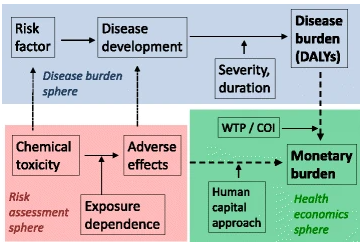
A recent study provides a compelling case for re-evaluating the economic and health impacts of chemical exposures. The study, conducted by researchers from Harvard University, the University of Southern Denmark, and the EHESP School of Public Health in France, reveals that the economic costs of preventable environmental risk factors, including pesticides, are vastly underestimated. These findings suggest that environmental chemical exposures, particularly neurotoxicants like organophosphate pesticides (OPs) and polybrominated diethyl ethers (PBDEs), significantly contribute to the global burden of disease and associated economic losses.
As leaders responsible for the safety and well-being of patients and staff, you understand the importance of maintaining a healthy environment while also being fiscally responsible. Recent findings highlight the significant costs associated with environmental chemical exposures, including pesticides, which contribute to a considerable disease burden and corresponding health expenses. These costs, which may exceed 10% of global GDP, underscore the urgent need for a shift in environmental policy and practice.
One of the most effective strategies to also mitigate pest management costs for facility managers and to protect human health is the implementation of a prioritized Integrated Pest Management (IPM) program in healthcare facilities that focuses on identifying potential pest pressure areas in a facility and addressing needed actions to prevent pests at their source. Reducing reliance on pesticides that not only pose health and financial impacts but also build resistance in pests over time is a step well taken. Reliance on pesticides as a first line of defense can lead to an increased need for more frequent and costly chemical applications, creating a cycle of escalating expenses and diminishing effectiveness.
Replacing reliance on pesticides labeled "DANGER" or "WARNING" by the US EPA, eliminating use of PFAS pesticides, and implementing prioritized IPM not only enhances safety but also offers long-term cost savings for healthcare facilities.
|