News Centered on Food Safety image of start


Summer Edition

Who would have predicted that explosive diarrhea would be having its big viral moment this summer? But here we are... I guess everybody gets their 15 minutes of fame, and right now foodborne illness is definitely in the spotlight.


From Cyclospora to Salmonella, our teams have been working nonstop: conducting interviews, collecting invoices, coordinating with federal partners, and navigating media storms to get clear, actionable information out to the public amid a haze of confusing information.


It’s been a whirlwind, but it’s also a reminder of the impact and importance of the work we do every day.

Outbreak Technical Assistance


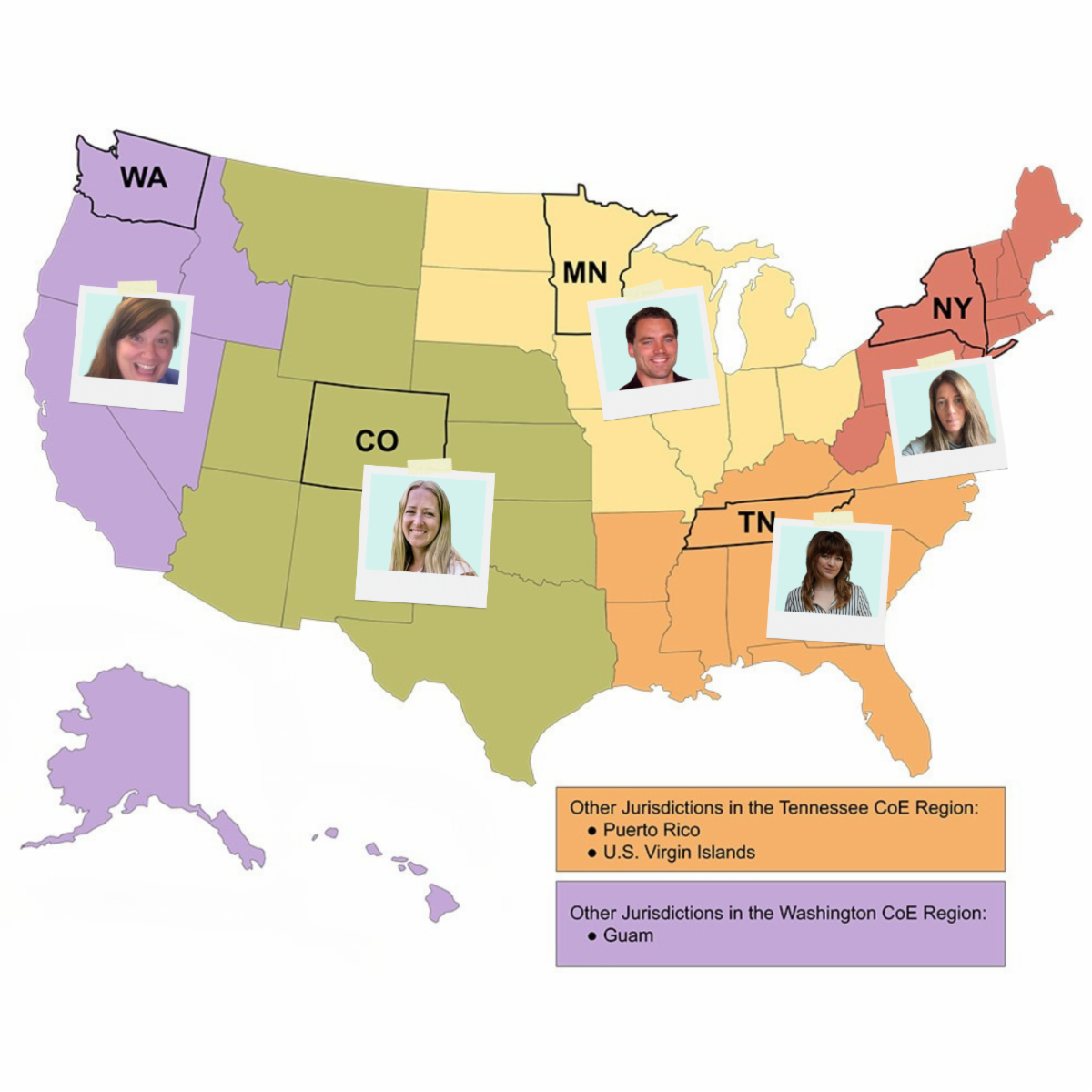
As you navigate this 15 minutes of fame remember, you’re never tackling these outbreaks alone. Your regional Food Safety CoE is here to support you, whether you need rapid guidance, investigative backup, or just a sounding board in the chaos.


Please reach out anytime for outbreak support.

Just-in-Time Cyclospora Outbreak Resources


We wanted to re-share the just-in-time resources we sent out last week for related to the multi-state outbreak of domestically acquired cyclosporasis cases.


Access the resources here


Food Safety CoE New Products

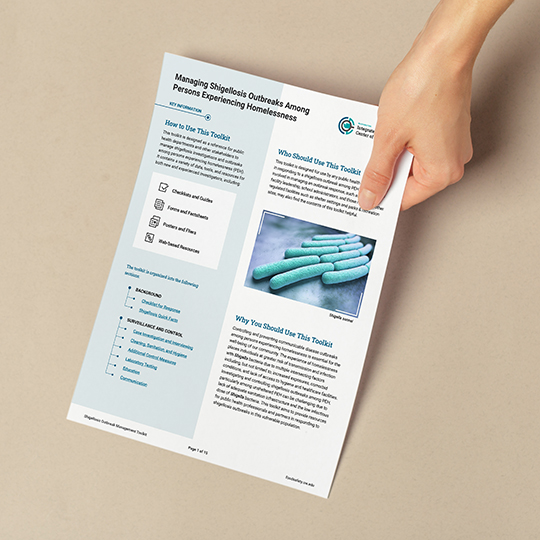
Shigellosis Outbreak Management Toolkit

The Washington CoE, in collaboration with the CA Department of Public Health, recently released a new shigellosis outbreak management toolkit. This toolkit specifically addresses outbreaks among people experiencing homelessness, providing evidence based guidance to address the unique challenges of outbreak investigation in low resource or hard-to-reach environments.


Access the toolkit here

Foodborne Interview Workshop

When foodborne outbreaks require an "all hands on deck" approach, more people on your team might need to jump into case interviews. Enter the Tennessee CoE Foodborne Interview Workshop. Participants will hone in on their skills through real-world examples to help prepare for their next batch of interviews.


Take a look at the training materials here.


What Happens During a Foodborne Outbreak Investigation

During a Food Safety Virtual Office Hours in April 2026, Dr. Martin Wiedmann provided an overview of the typical steps and sequences of a foodborne illness outbreak, including case studies on interactions between regulatory and public health agencies and implicated firms that can occur during these investigations.


Access the recording here


SAVE THE DATE: Public Meeting on Listeria Prevention

Day 1: Tuesday, August 18

9:30am-4:30pm EST


Listeria monocytogenes is the fourth leading cause of death of foodborne illness in the United States. To discuss outbreak management and prevention, the FDA is hosting a public meeting on August 18-19, 2026. Sessions will discuss best practices for managing outbreaks of Listeria and feature the following presentations:


  • Advances in Understanding and Control of L. monocytogenes
  • Best Practices in L. monocytogenes
  • L. monocytogenes Dose Response Modeling: Applications and Advancements
  • Using Food Safety Management Systems for Controlling L. monocytogenes in Retail Environments
  • Preventing Listeriosis in an Era of Changing Demographics and Dietary Patterns


In Case You Missed It...

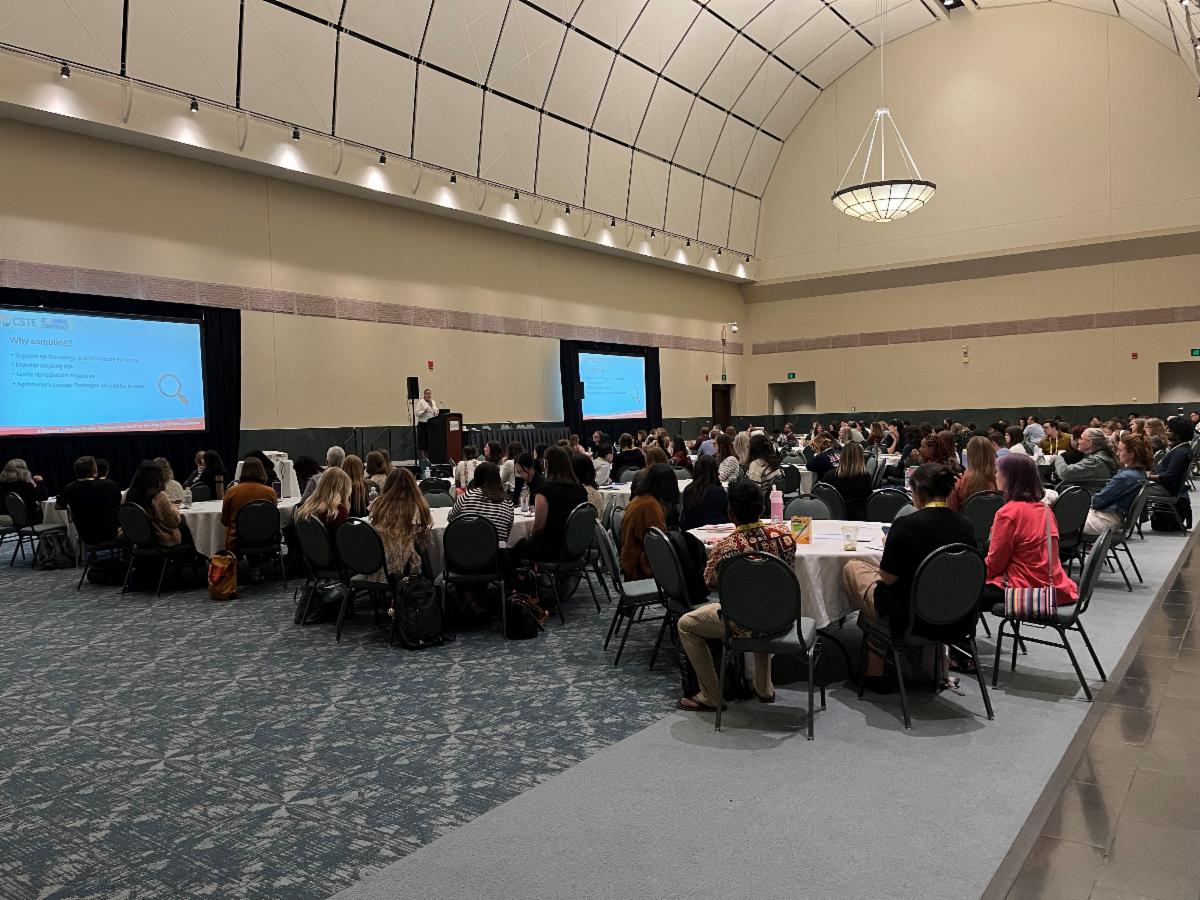
Building Capacity for Zoonotic Enteric Outbreaks: A Collaborative CSTE Workshop


This year, the CSTE Vectorborne and Zoonotic Disease Subcommittee and CSTE Enteric Disease subcommittee joined forces to create a unique workshop for the 75th CSTE Annual Conference. The workshop centered on investigation of zoonotic enteric disease outbreaks associated with public animal contact venues. As agritourism continues to grow, these types of outbreaks are occurring more and more frequently, and can have devastating consequences. To help prepare state and local public health staff for this challenge, the workshop entailed an outbreak investigation exercise focused on the types of outbreaks commonly associated with and agricultural animal contact settings.


Throughout the workshop, participants explored the full arc of outbreak response, from surveillance methods used to identify outbreaks, to conducting the investigation itself, and then to using investigation results to control the outbreak and design prevention tools and strategies to prevent future outbreaks. Critical investigation concepts included the importance of conducting detailed epidemiologic studies to identify specific risk factors for illness; conducting animal and environmental testing; auditing the outbreak venue to determine which of the National Association of State Public Health Veterinarians Recommendations to Prevent Disease Associated with Public Animal Contact Venues were followed; and finally, creating a detailed report that presents the findings, builds the evidence base to help us better understand why these outbreaks keep occurring, and provides lessons learned that can be used to prevent future outbreaks.


To support continued learning, planning committee members and speakers compiled a comprehensive resource list, including example outbreak publications, sample questionnaires, venue guidance documents, environmental sampling tools, and prevention/education materials. These resources are available on CSTE Connect in the Enteric Disease Subcommittee community library and will be updated regularly. Please review and share the attached document, and feel free to reach out if you have additional resources to contribute.


Download the resources here


Food for Thought: WA CoE Journal Club

The Food Safety CoE Journal Club is a student-driven, academic-professional meeting place designed to foster collaboration and networking among students, postdocs, and CoE staff across the CoE regions. Each month, students share an article and lead a group discussion, creating a low-stakes setting to build confidence, sharpen presentation skills, and strengthen the habit of critically engaging with published research. Over the past year, the group has explored a wide range of timely and thought-provoking topics.


The Impact of Integrated Genomic Surveillance on Non-Typhoidal Salmonella Infection in Australia: An Ecological Study

Using the National Notifiable Diseases Surveillance System, this study estimates the effects of whole genome sequencing (WGS) on non-typhoidal Salmonella in Australia. Researchers used the dates that WGS was implemented in each jurisdiction in Australia, and compared implementation to Salmonella infection rates.


Reptile Exposure in Human Salmonellosis Cases and Salmonella Serotypes Isolated from Reptiles, Ontario, Canada, 2015-2022

Reptiles and amphibians can frequently have Salmonella living in their intestinal tract without any sign of illness. A retrospective analysis of Salmonella cases in Ontario was performed to understand the rise of reptile associated Salmonella in 2015-2022. Serotypes and reptile species were compared to investigate infection association.


Transmission of Norwalk Virus During a Football Game

On a September Saturday in 1998, football teams from North Carolina and Florida faced off in the Florida sun. Team members from NC began to feel ill during the game but continued to play. The following day, players from the FL team also developed gastrointestinal symptoms. Click the link to read more about this historical Norwalk Virus outbreak.


Foodborne Infections an Mortality Associated with Expressed Breastmilk, Donated Breastmilk, and Infant Formula in High-Income Countries: A Scoping Review of Peer-Reviewed Evidence Cases

Caregivers may turn to alternatives to breastmilk such as powdered infant formula and donated human milk. Alternatives can be susceptible to contamination, putting infants at risk of infection. In a systematic review, 20 studies were selected to identify which pathogens may be the most common in breastmilk alternatives, and highlight need for enhanced hygiene protocols.


Machine Learned Epidemiology: Real-Time Detection of Foodborne Illness at Scale

This study tested the efficacy of a machine learned model of foodborne illness detection using anonymous and aggregated web search and location data. Researchers found their machine learned model successful in identifying restaurants that may have been associated with illness and/or a lower restaurant inspection score.


Artificial Intelligence in Food Science and Nutrition: A Narrative Review

AI has been integrating into research areas since late 2010. This narrative review discusses the history of AI in food science and nutrition, how AI is used in other fields, and the applications AI.


Deep Learning Enabled Rapid Detection of Live Bacteria in the Presence of Food Debris

Deep learning allows us to get creative with approaches to previously time-consuming processes. This deep learning based strategy proves to be 100% accurate and cost effective for rapid detection and classification of live bacteria.


We Want to Hear From You!

We are here for you! Reach out to your Regional Center of Excellence for support when implementing resources with your teams.

LinkedIn  YouTube  Web