|
Homeowners Holding on to Low Mortgage Rates
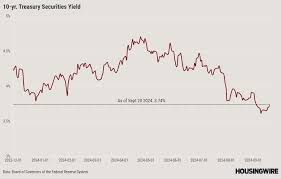
The U.S. housing market continues to experience a homeowner "lock-in effect,” where homeowners with ultra-low mortgage rates are staying put, causing housing inventory to remain at historic lows and keeping home prices high. This trend has persisted despite the Federal Reserve's recent move to lower interest rates by 50 basis points last week, offering some temporary relief from the relentless rate hikes over the last 2 years. However, mortgage rates are unlikely to ever get back to the historic lows that drove the current housing dynamics.
During the pandemic, mortgage rates fell to record lows. Many homeowners were able to lock in rates under 4%, with some securing rates below 3%. According to the Federal Housing Finance Agency (FHFA) and other reports:
-
21.9% of homeowners have mortgages with interest rates below 3%.
-
59.5% have rates below 4%.
-
78.7% of homeowners have rates below 5%.
Even with last week's Fed rate cut, mortgage rates remain higher than they were just a few years ago, with the average 30-year fixed-rate mortgage still sitting around 6%. For homeowners with low-rate mortgages, the prospect of selling and then financing a new home at a much higher rate is unappealing, creating a lock-in effect where they are effectively trapped in their homes. This has severely restricted the supply of homes for sale, contributing to higher home prices across the country.
While the Fed's rate cuts may ease some financial pressure, it is unlikely that mortgage rates will return to pre-pandemic levels below 4%. With fewer people listing their homes and demand from potential buyers still relatively strong, home prices are expected to remain elevated.
As homeownership becomes increasingly out of reach for many Americans, more people are renting, a trend that benefits the multifamily sector. With the high cost of borrowing and limited home inventory, would-be buyers are staying in the rental market longer. This extended renter population drives demand for multifamily units, keeping occupancy rates high and rents stable—despite the record new supply of apartments. Multifamily properties are well-positioned to capture the growing demand for rental housing, especially as first-time homebuyers struggle with affordability issues. The combination of constrained housing supply, high home prices, and steady demand for rental units means that multifamily investments should remain a strong asset class long-term.
|