Gardening Books
By Catherine Weller
|
|
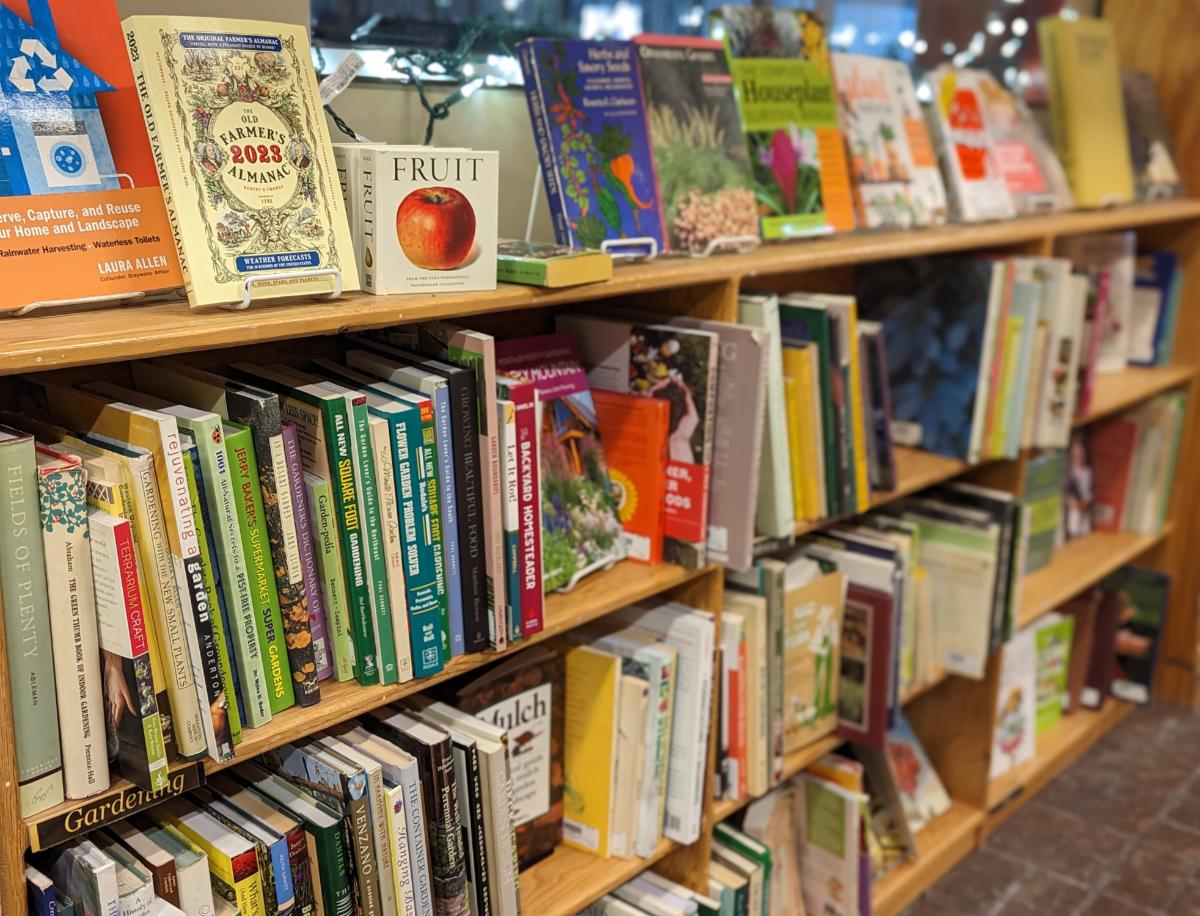
Ah, February—when a gardener’s hands begin to get itchy! The ground is still too cold and too wet to dig. We can’t put plants in the ground unprotected for fear of frost. But we can plan. Seed and nursery catalogs and emails arrive. I start eyeing the local garden shops near me, wondering when I should go in and browse the racks of seed packets; when I should talk to them about the big perennials I’ll plant this year. And then there are the planter boxes to build. It’s going to be a busy summer for me and I can hardly wait. So what do I do in the meantime? Aside from the above, read books of course. A good gardening resource in paper form is still highly useful and easily accessible. Right now I’ve got my eye the following: |
|
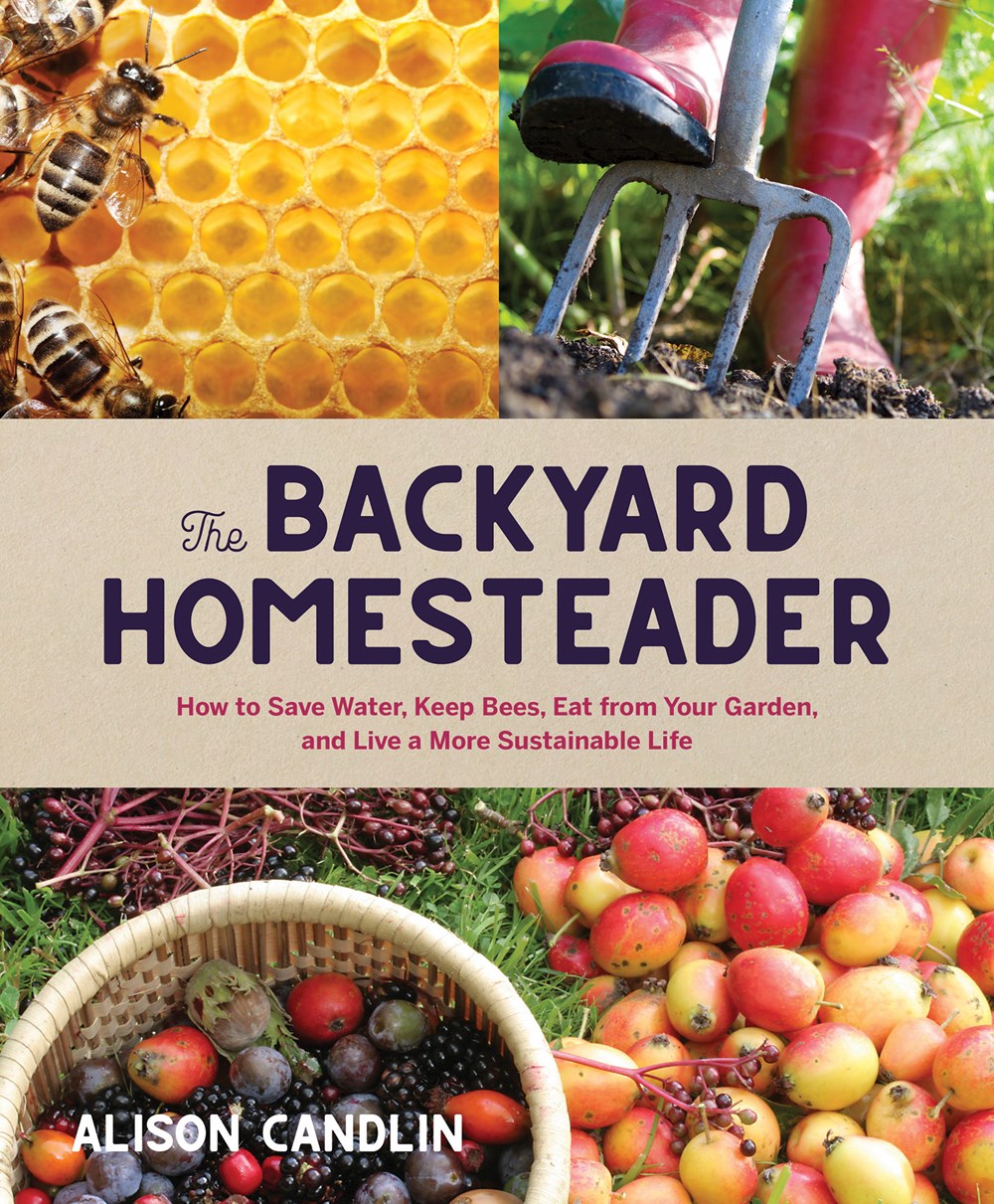
Backyard Homesteader: How to Save Water, Keep Bees, Eat from Your Garden, and Live a More Sustainable Life by Alison Candlin. Ready to do more than put a tomato plant or two in the ground? Well this book is for you. It will take you through vegetable, fruit, and herb crops to consider. In addition to the usual chapter on chickens, there’s information on ducks, geese, goats, pigs, and rabbits. Then there’s the foraging section. The breadth of this book means there’s less depth. I don’t see that as a drawback though. It’s like the one or two volume encyclopedia you had as a kid. You can leaf through it to learn basics, broaden your scope, or provide inspiration. If you need more detail, additional resources are easy to find.
|
|
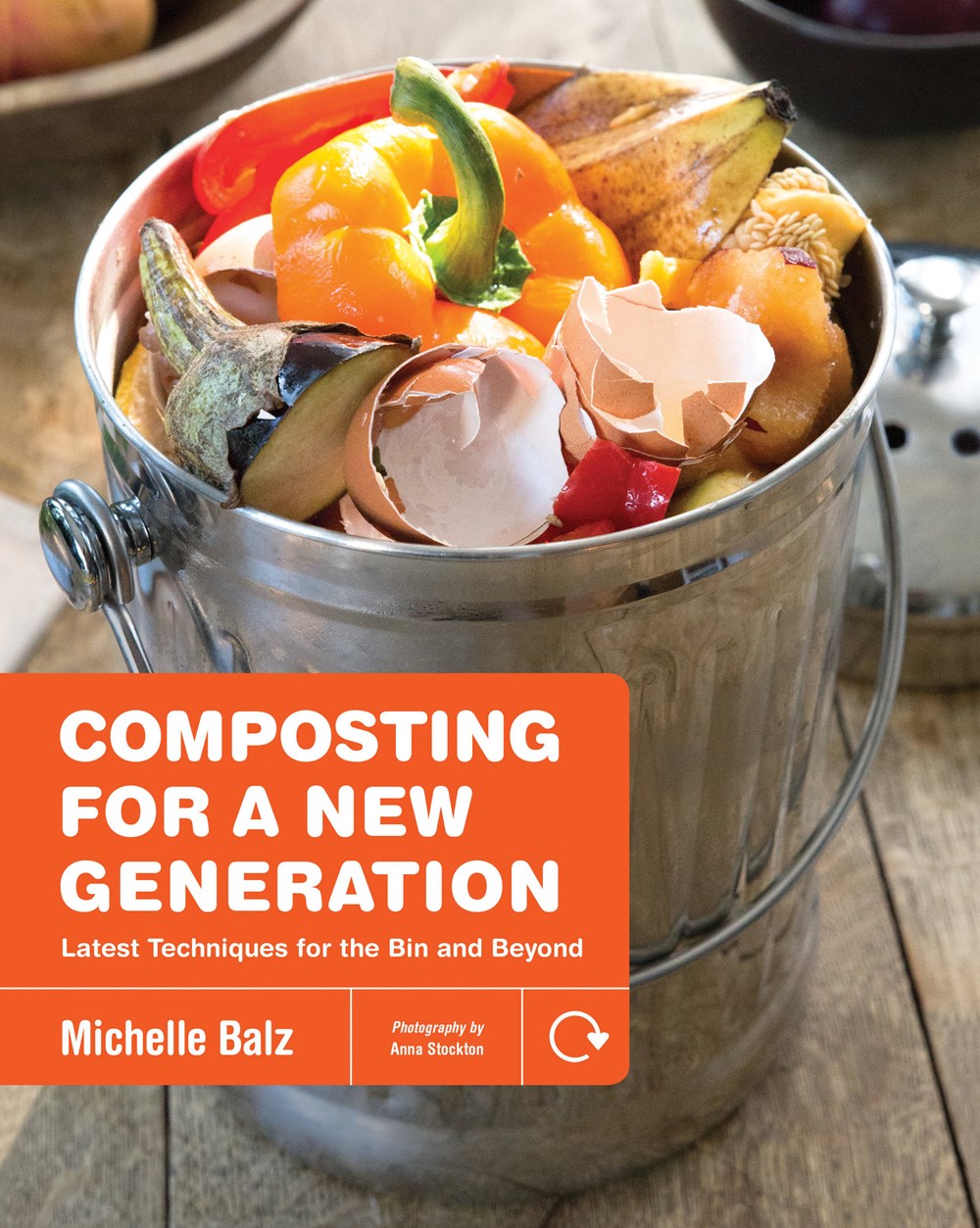
Composting for a New Generation: Latest Techniques for the Bin and Beyond by Michelle Balz. As this book points out, composting is not new. George Washington composted and ancient Mesopotamian tablets reference gardening with manure. But perhaps you’re new to composting. This book provides composting basics and an excellent overview of composting science. Or perhaps you’ve composted in a bin but you’d like to graduate to a multi-unit bin or an African Keyhole Garden. No problem! This book will provide instructions for building your own. Balz also delves into vermicomposting and black soldier fly larvae. With info on harvesting, troubleshooting, etc, this book is resource-rich and easy to read.
|
|
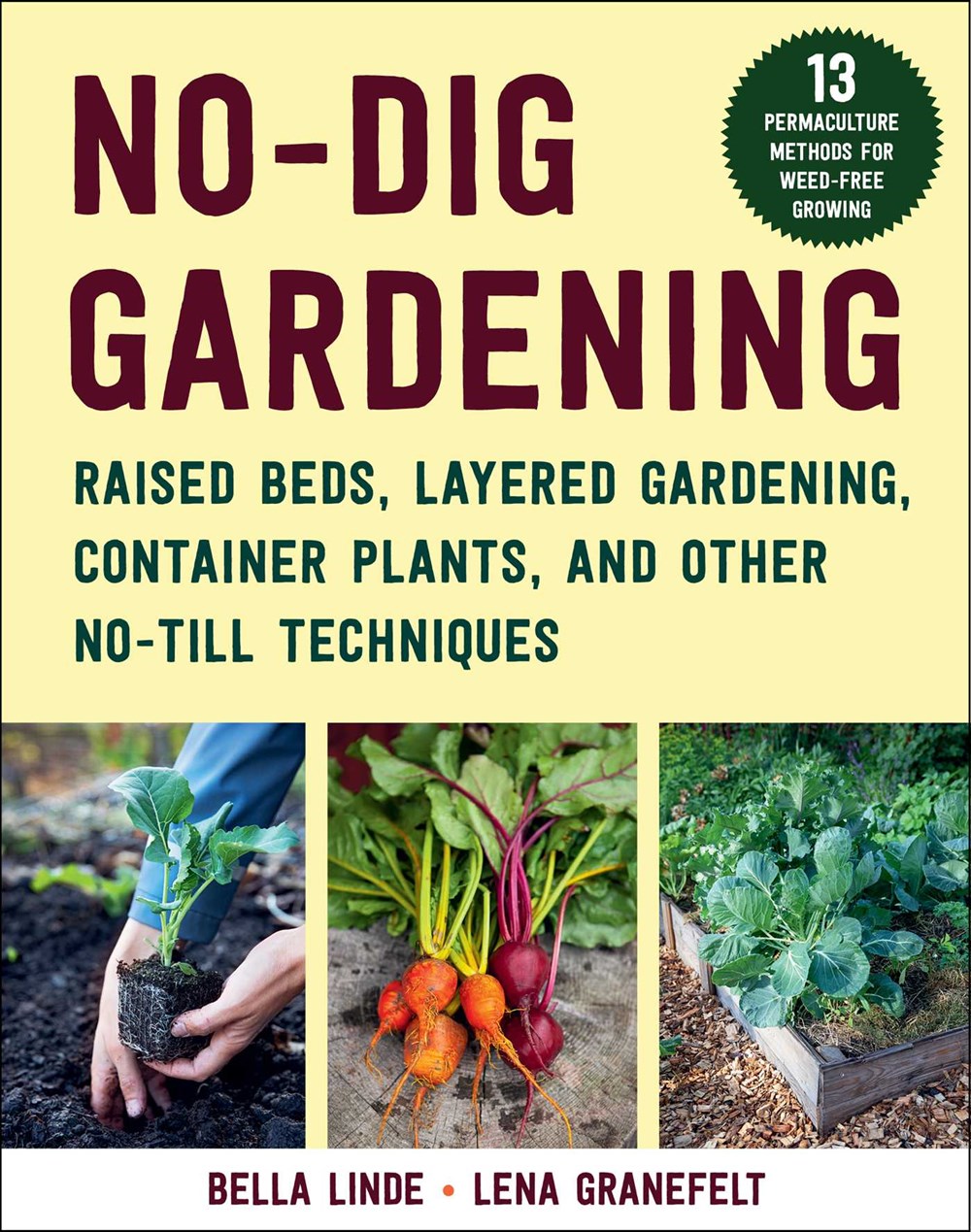
No-Dig Gardening: Raised Beds, Layered Gardens, and Other No-Till Techniques by Bella Linde and Lena Granefelt. When we think of gardening, many of us think of digging. My reference to ground too cold or wet to dig (above) shows that I do. But gardeners around the world are increasingly embracing permaculture techniques to build healthy soil and bind carbon at the same time. Lasagne gardening, Hugel beds, understanding your soil, and organic gardening techniques fill this informative book.
|
|
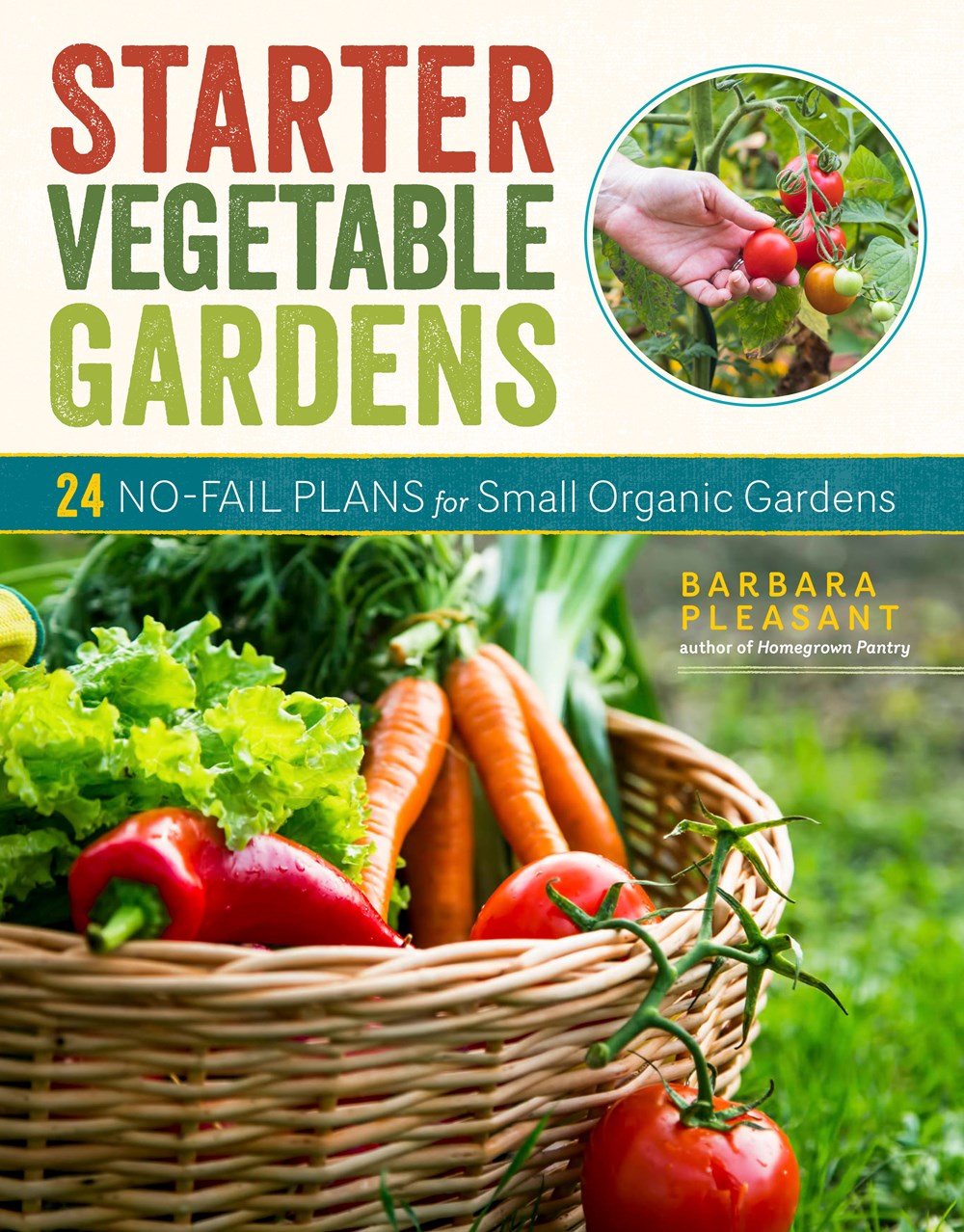
Starter Vegetable Gardens: 24 No-Fail Plans for Small Organic Gardens by Barbara Pleasant. Wow! The plans in this book range from an “easy care bag garden,” to a sizeable family food garden with specifics for succession plantings from early spring to late fall, to a “six-weeks-sooner” plan for cold frame gardening. The book is packed with advice and tips for growing and harvesting success. I especially appreciate the section titled “How to Pound a Stake” and the vertical gardening advice.
|
|
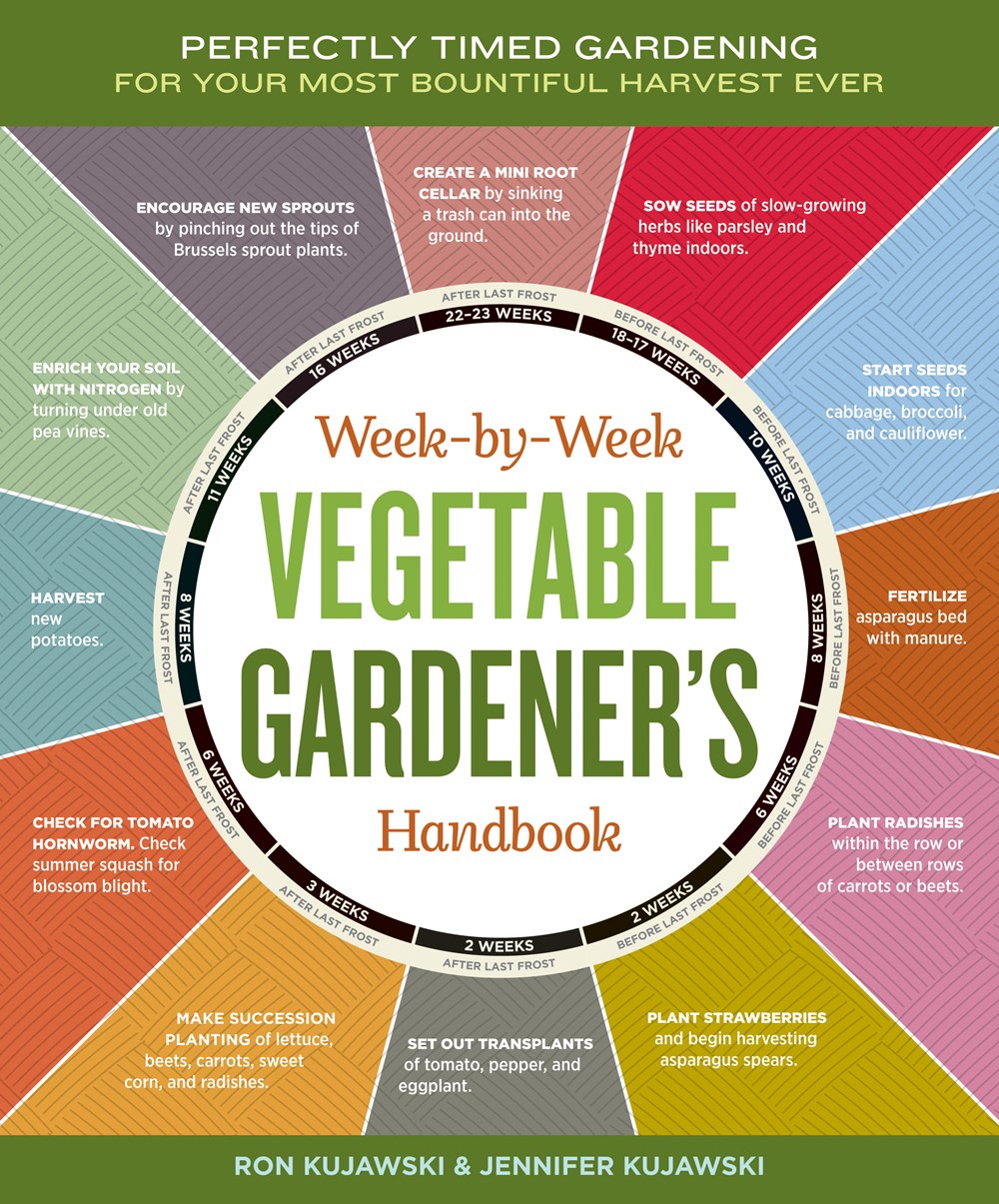
Week-by-Week Vegetable Gardener’s Handbook by Ron Kujawski and Jennifer Kujawski. If you’re like me you’ve looked at week-by-week gardening books and gardening calendars and wished you could find one tailored to our location and our climate. There are a couple of titles out there but they’re far and few between. The Kujawskis bypass that problem by asking the reader to determine their average last frost date. Readers then use the charts in the book to help plan their garden work. For example “6-4 weeks before average date of last frost,” shows seeds to start, plants to put in the ground, and maintenance. Since this book is meant to be written in, there are also pages for three years worth of notes.
|
|
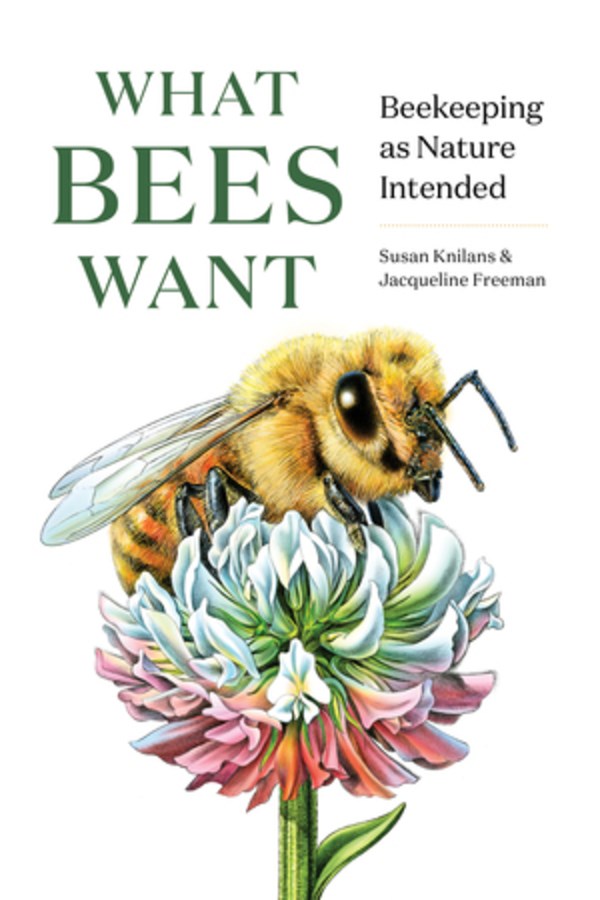
What Bees Want: Beekeeping as Nature Intended by Susan Knilans and Jacqueline Freeman. You can tell by the title this book is about honeybees, not our native wild bee friends. It’s fascinating though—the way the authors radically rethink ideas of honeybees. They uncouple the animal from the agricultural model of honeybee keeping. The well known Langstroth hive boxes are designed to maximize honey production and harvesting. Preservation beekeepers like Knilans and Freeman look to other, often older ways in order to allow bees to not just survive but thrive in a variety of situations and locations.
|
|
These fine books and many more are in our gardening and farming sections right now. Stop by now to feed your dreams and your family. |
|
Rare Books
By Tony Weller
|
|
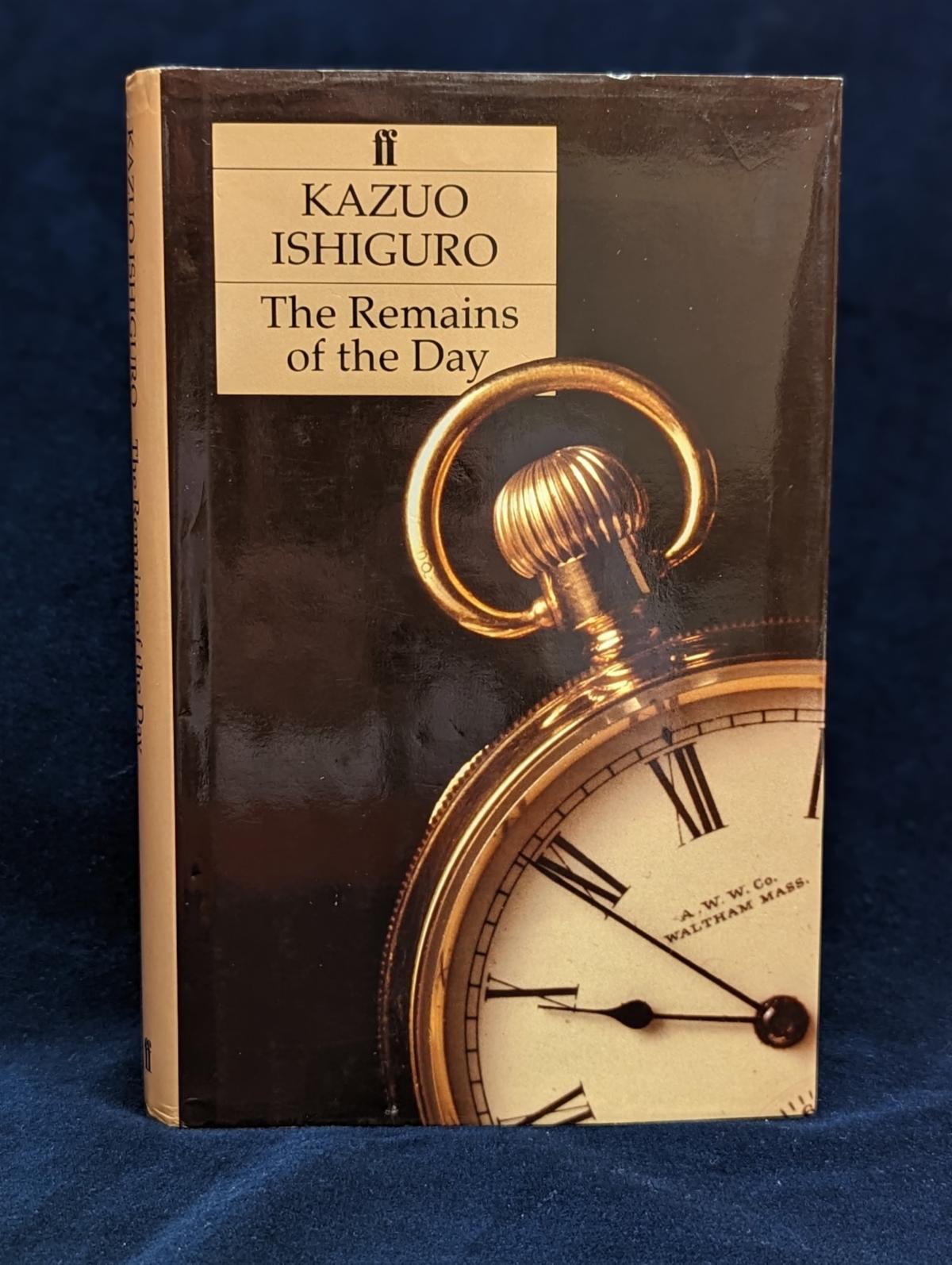
The Remains of the Day is Kazuo Ishiguro’s third novel. In 1989 it won the Booker Prize. In 1993 the film adaptation starring Anthony Hopkins and Emma Thompson was released to critical acclaim. It would be nominated for eight Academy Awards. In 2023 we offer a great jacketed British Faber and Faber 1st edition with no flaws worthy of mention. $500
|
|
Receive 20% off when you purchase during January & February
|
|
Picador
Paperback
Sale price $14.40
To erect a monument to memory sometimes obscures the very thing it is meant to memorialize. Sometimes conscious forgetting is the best way to remember. A Primer for Forgetting is not an argument but is deeply compelling. From the start, Hyde transparently eschews formal organization and presents his ideas piecemeal. He also tells us this book is latent fruit. The result is an intuitive lace, with plenty of interstitial space to contemplate. His stream of association is clear and erudite, it has rich sources and it flows into various pools of reflection. We are presented with poignant examples from ancient to contemporary, his personal story and cultural spheres. I fell in love with this book because Hyde touches on, cites, and quotes a good sampling of my favorites: Marcel Proust, Gary Snyder, Paul Bowles, the ancients.
Here are some things I gleaned from this book, in no order of importance. Remembering and forgetting are conscious acts most useful to us when they are understood to be interlinked, not binary or mutually exclusive. The practice of forgetting is not erasure. The truth is inborn and must be un-hidden. There are some things that must be remembered, we must not forget them; but the enforcement of that memory can sometimes incite its original violence. Fearing loss can overwhelm and cloud our perception, dis-enabling future memory. Over-concerning ourselves with the document can detract from the direct experience that will firmly implant itself in our minds, only needing a taste, or smell, or some small association for the brain to reveal it, intact, instantaneously.
|
|
Click here for our February events newsletter.
And, as always, view our events calendar to see all of our upcoming events.
We host both virtual and in-person events, and we look forward to seeing you soon.
|
|
Come visit us!
SUNDAY 12-5
MONDAY-THURSDAY 10-8
FRIDAY & SATURDAY 10-9
|
|
Can't make it to the store?
Support your local indie from home!
Order by phone or online, then pick up at the store or the curb! We also ship!
|
|
Give us a call at 801-328-2586.
Browse our entire inventory of new, used and rare books on Biblio.com.
|
|
Thanks for supporting your local, independent bookstore!
Store hours: Sunday 12PM-5 PM | Monday-Thursday 10AM-8 PM | Friday & Saturday 10 AM-9 PM
|
|
|
|
|
|
|