|
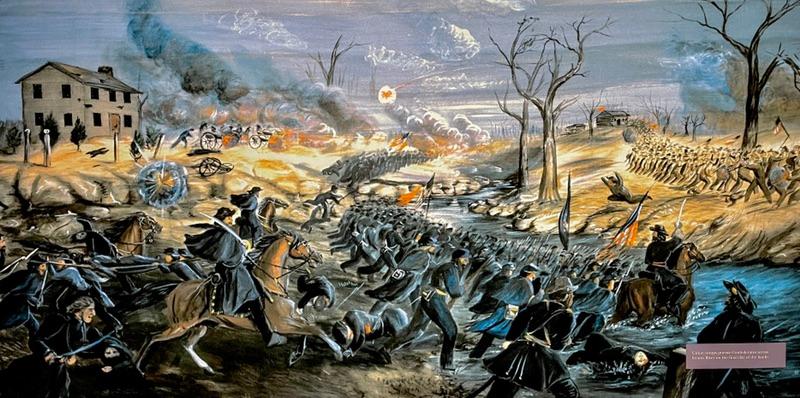
Union forces in the Western theater, where Grant, Sherman, and others racked up victory after victory, faired much better than in the Eastern theater, where Bobby Lee made fools out of a series of Union Generals. There were precious few Confederate victories in Tennessee. The Battle of Stones River, fought from December 31, 1862 to January 2, 1863 was a bloody victory for the Union.
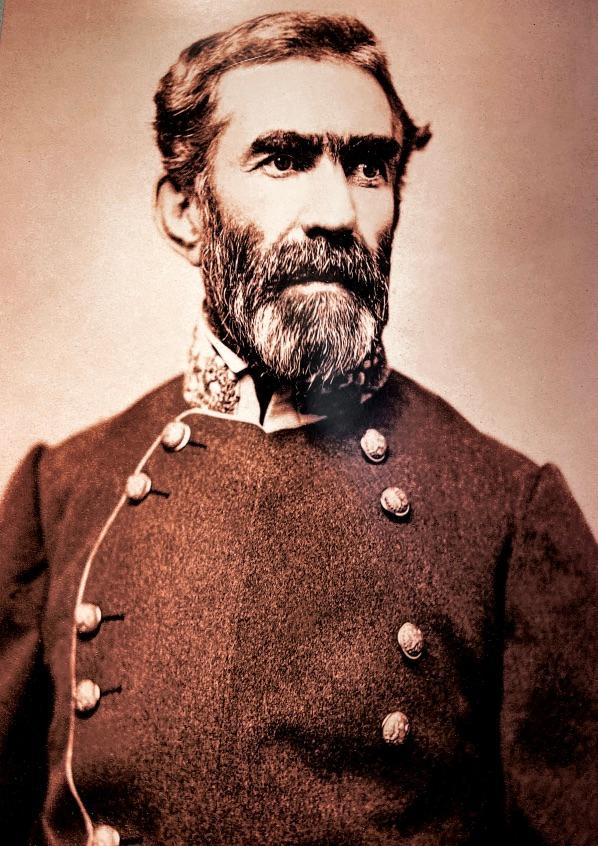
General Braxton Bragg, commander of the Army of Tennessee, is considered the worst of the Confederate Generals. It is said that he could “snatch defeat out of the jaws of victory.” That’s what happened at Stones River. The battle opened as an overwhelming success for Bragg’s Confederates.
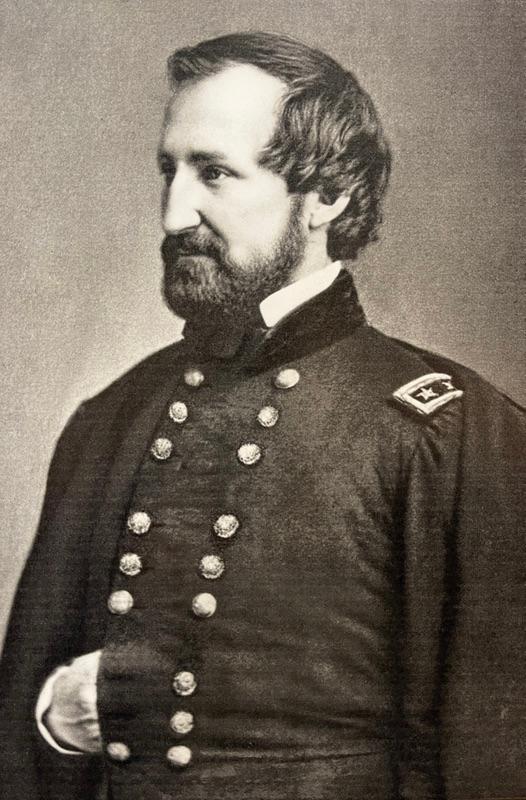
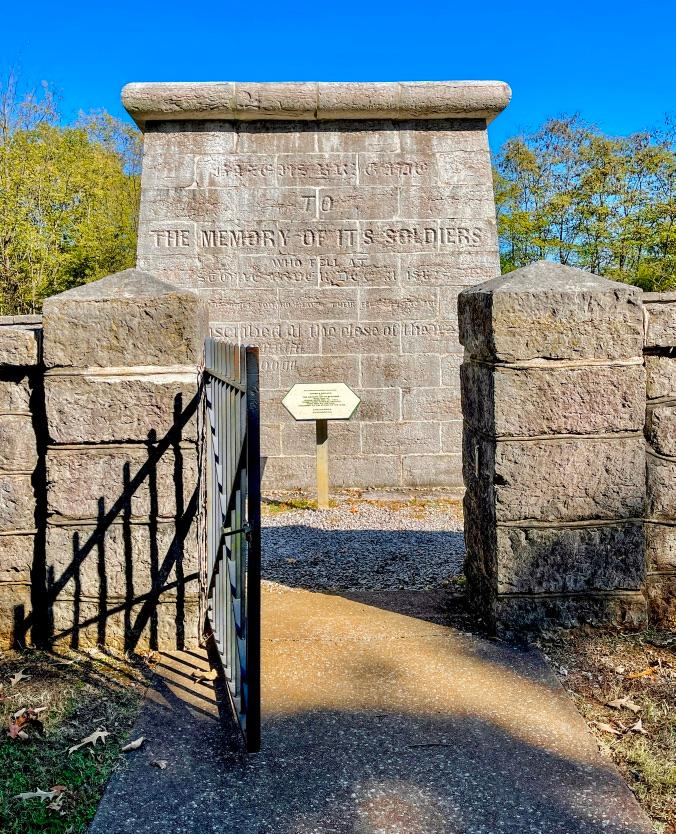
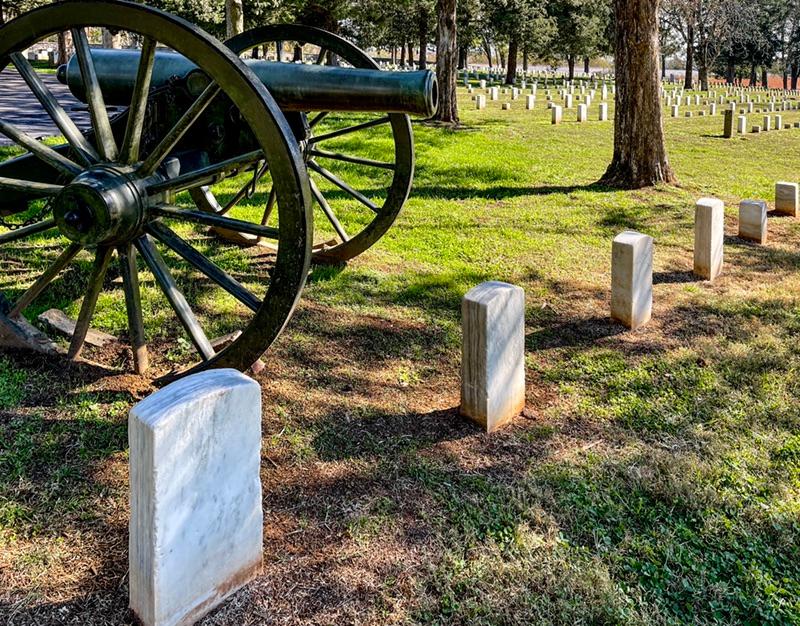
Union General Rosecrans’ Army of the Cumberland, was pushed back three miles during the first day in a rout. While nearly every element of the Union army fell back in disarray, Union General Hazen’s brigade held off the Confederate advance just long enough for Rosecrans to reassemble a defensive line. Hazen’s brigade paid a terrible price in casualties, and the spot they held was nicknamed Hell’s Half-Acre. The stand was so crucial that a monument was erected at the site even before the war ended. It is the oldest Union Civil War monument still standing.
Rosecrans’ new line held until nightfall. During the Civil War, battles paused for the night. Both armies were so battered that the next day was spent gathering the dead, caring for the wounded, and reorganizing and planning.
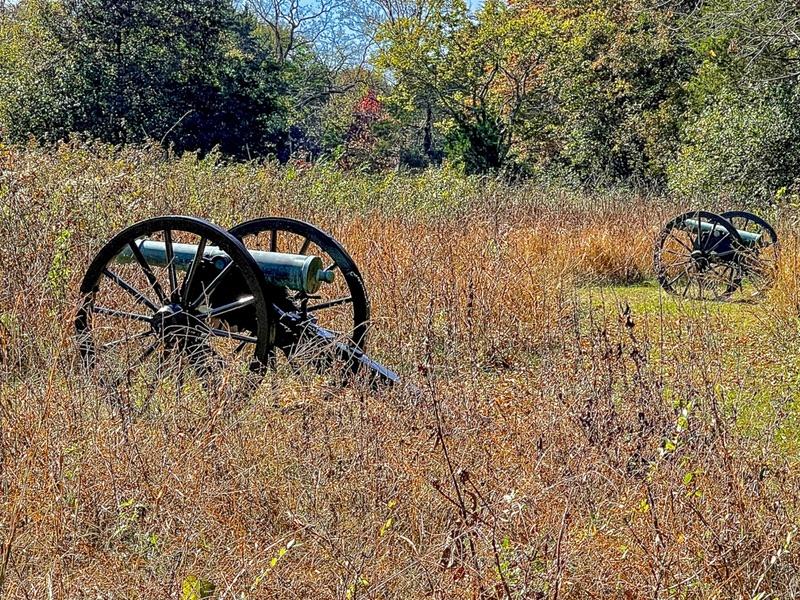
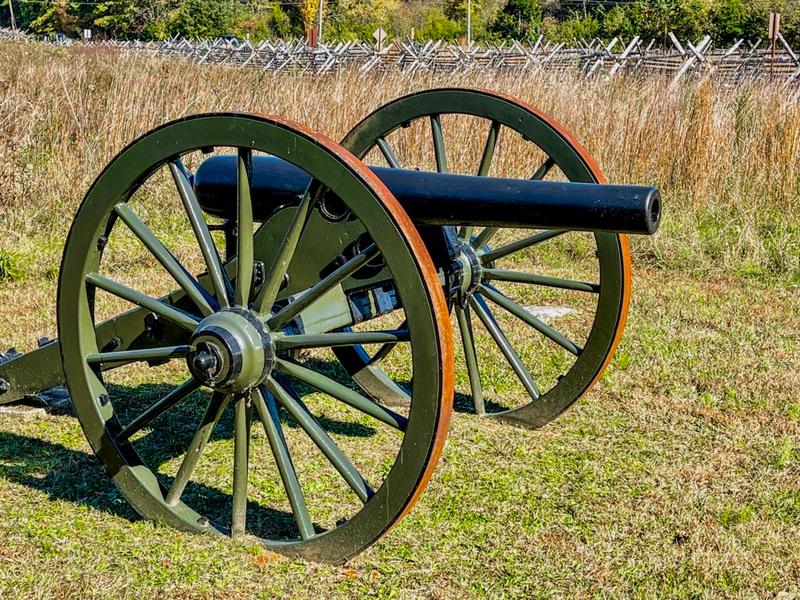
Bragg was rightfully pleased with the results of the battle and wanted a knockout punch. He figured that if he could take a strategic hill from the Union he could sweep the board. On January 2, he ordered an ill-fated charge squarely into a mass of Union cannons on the hill. His top subordinates begged him not to do so, calling it a suicide attack. He ordered the attack anyway. He lost 1800 men in minutes to the Union cannons.
Ultimately, Bragg retreated out of the area. Rosecrans built a giant supply depot in the nearby city of Murfreesboro. This proved to be an essential source of supplies for Union forces in the West for the remainder of the war.
Even though Union forces suffered more casualties than Confederate forces, and Bragg tried to spin the debacle as a win for him, it was Bragg’s army that retreated and Rosecrans’ army that stayed.
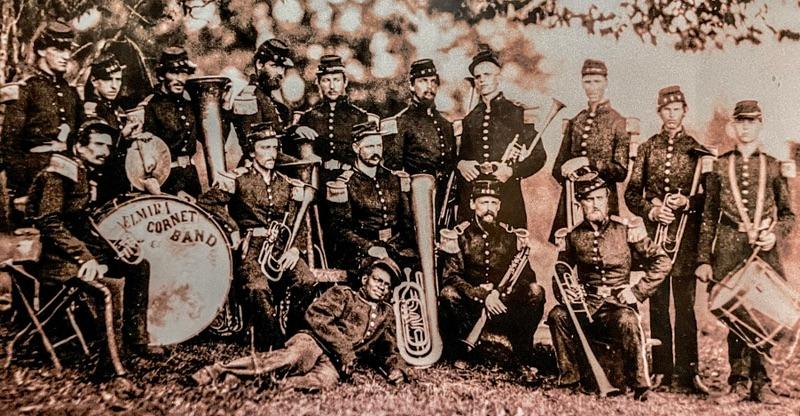
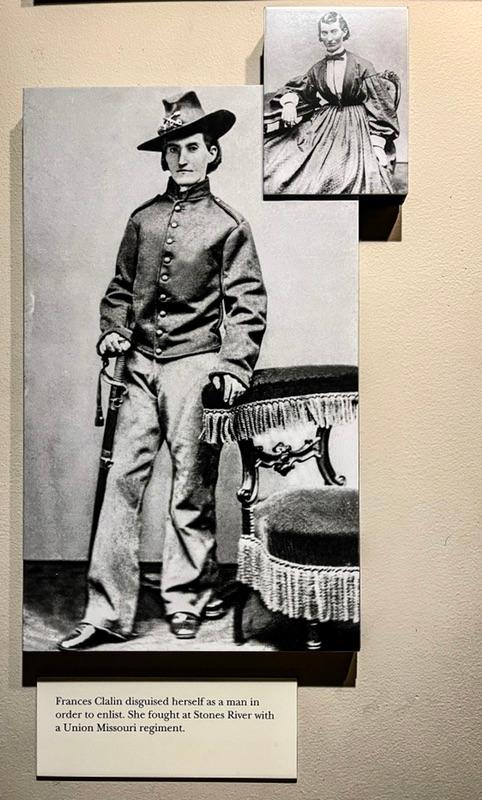
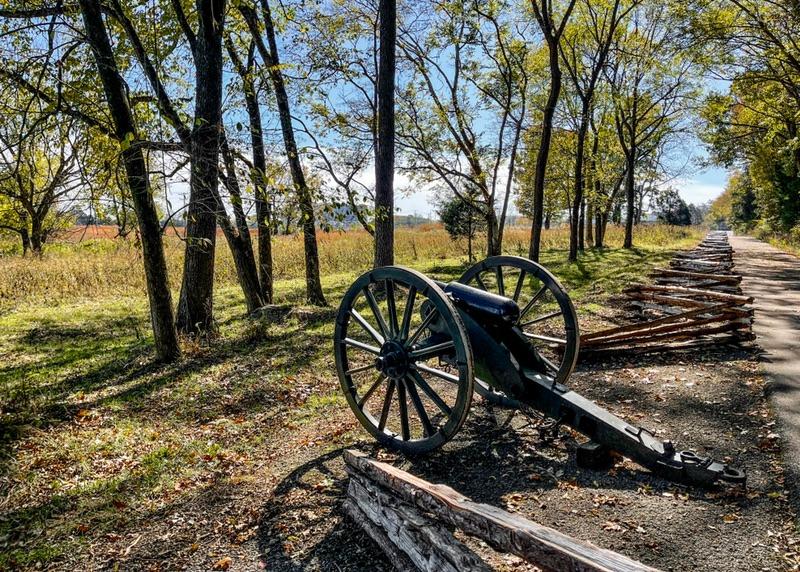
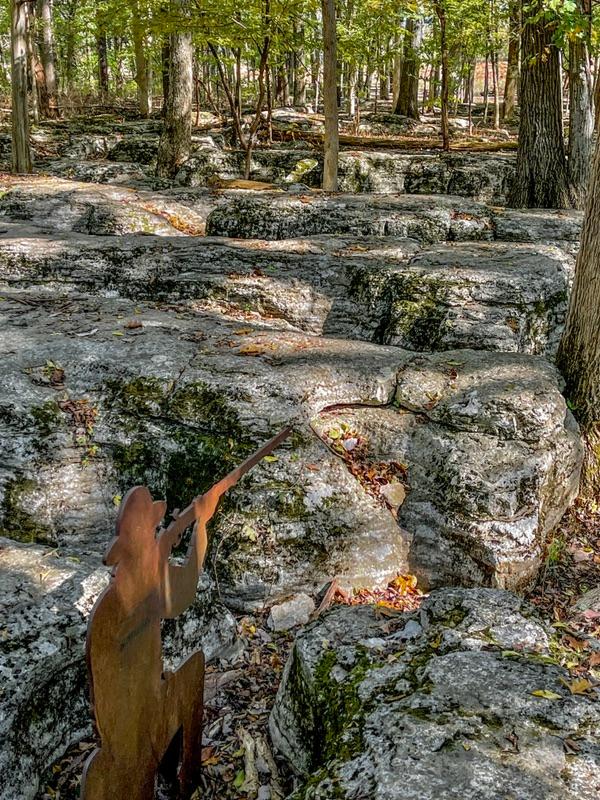
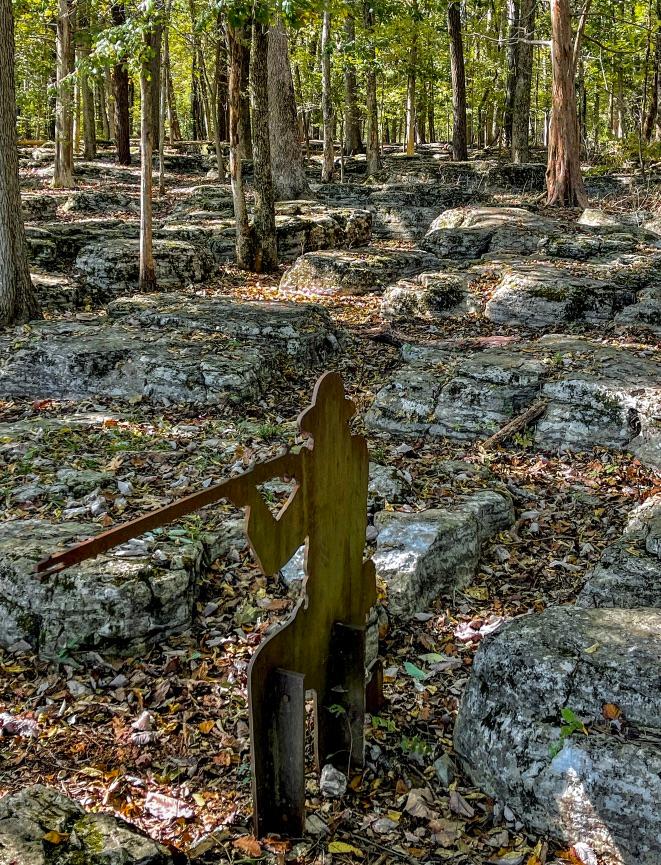
So, back to the present. The Stones River National Battlefield does a masterful job of presenting the battle. The visitors center houses a small. but nicely laid out museum to explain the flow of the battle and its ramifications. The park rangers were well versed in the battle’s details and were eager to go over the maps and explain all of the battle’s nuances. A car tour and miles of hiking trails hit all spots where major action occurred. Totally enthralled, we stayed much longer than we expected.
|