PUP- Pick Up Poop
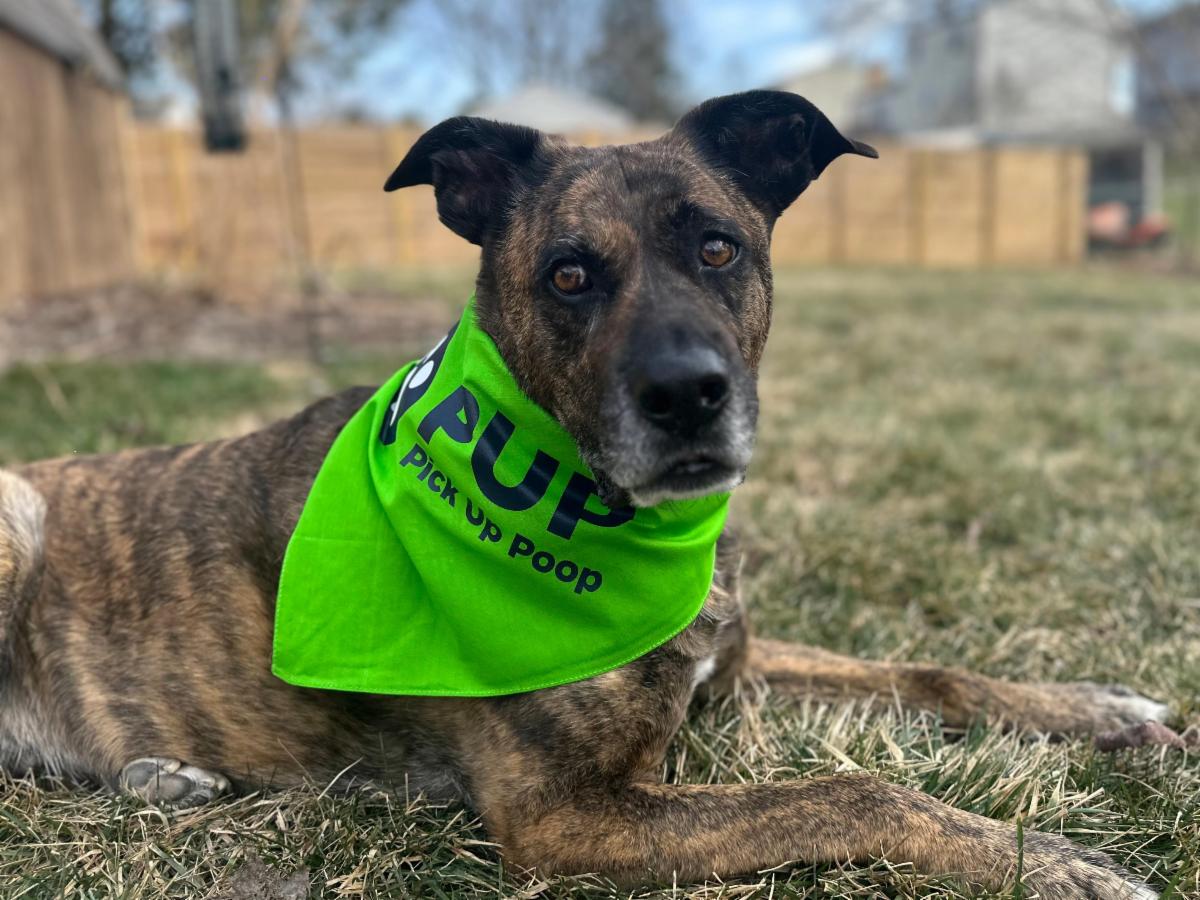
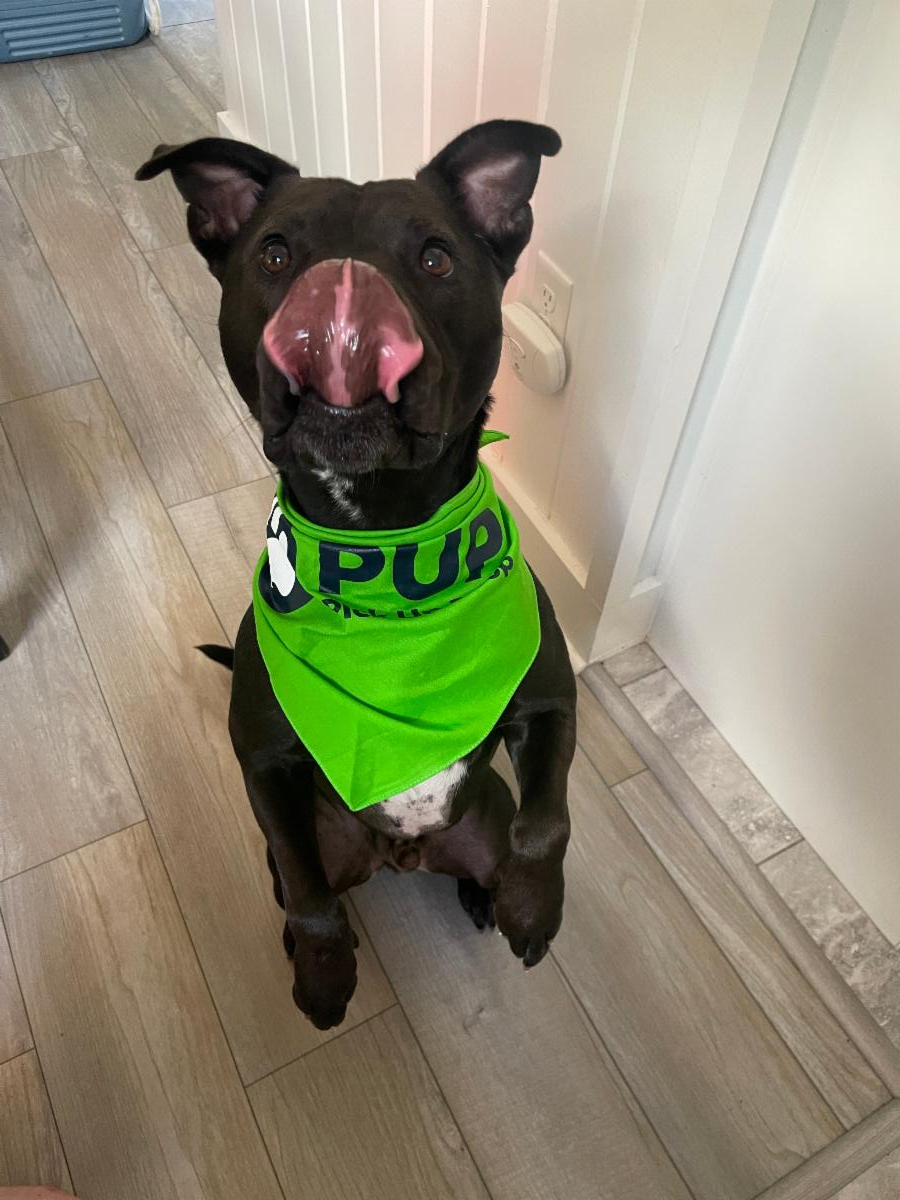
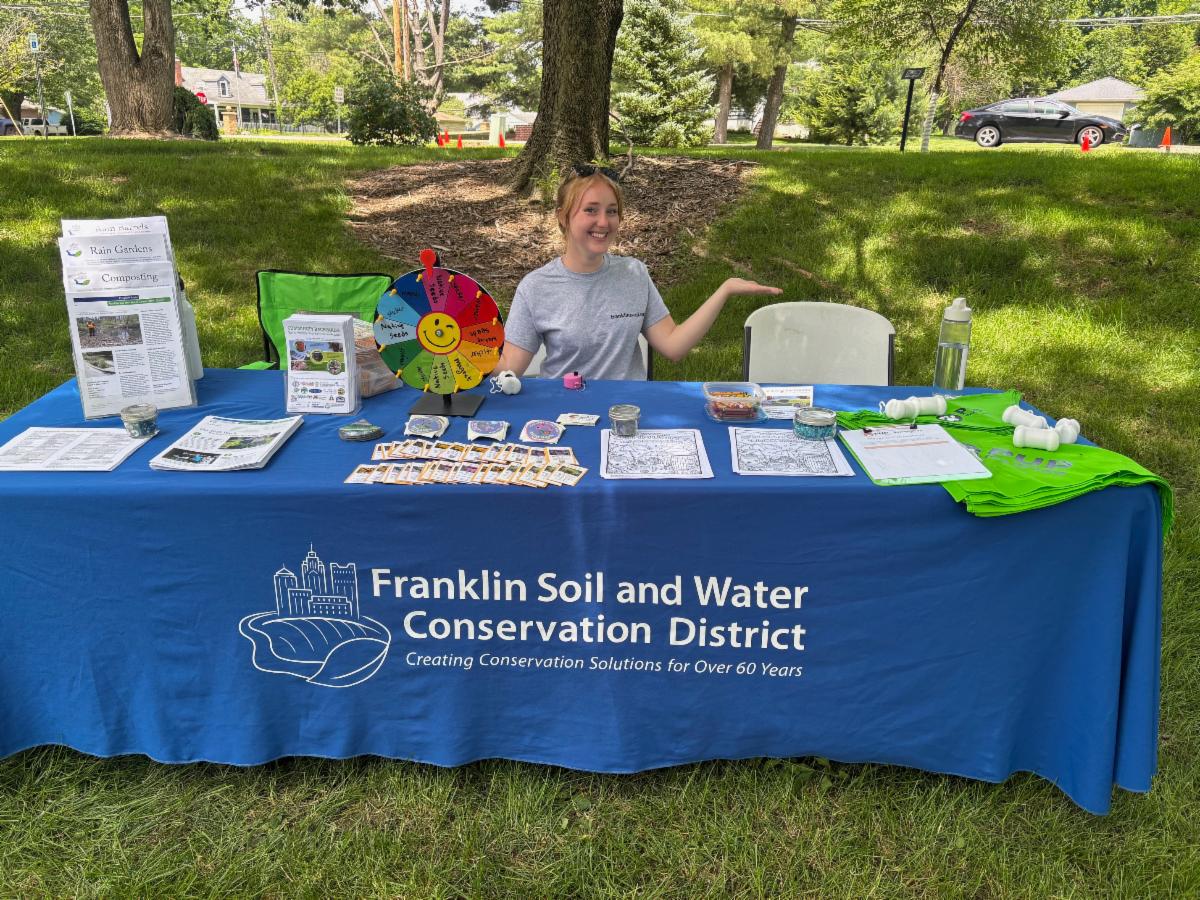
Something as simple as leaving dog poop can actually affect water quality. There are 391,000 dogs in Franklin County alone that produce 147 tons of dog poop per day. When we don't pick it up right away, we contaminate our waterways. Our Pick Up Poop (PUP) campaign encourages residents to clean up after their pets to protect our waterways and promote a healthy community. Dogs like Wrigley Field Spranger (pictured) can't pick up their own poop, so remember to PUP!
How Pet Waste Affects Water Quality
During rain events, dog waste and its contents get picked up and transported to our storm drains and waterways. Dogs eat a high protein diet, and their waste is subsequently high in nutrients like nitrogen and phosphorus. Nitrogen and phosphorous contribute to algae in our waterways, reducing the water's available oxygen for fish and other aquatic life. Many important aquatic organisms are very sensitive to oxygen levels and contaminants. Plus, dog waste contains E. coli and can transport other pathogens like parasites, posing a health hazard for both humans and animals. TLDR; we should Pick Up Pet Waste for environmental health.
Recommended Pet Waste Management Practices
What should I do with my doggy doo?
Pick it up! Use a bag or a poop scooper, and throw your waste in the trash. Not only is it environmentally healthy, but it is the courteous thing to do. There are also emerging options for diversion of dog waste from landfills. Check to see if you have a local option to come pick up and compost dog poop in a heat-controlled compost pile (Do not compost dog poo in a home compost pile!), or consider using an in-ground waste composter that uses micro-organism tablets to break down the poo.
Is it better to bag waste, or leave it on the lawn?
It is better to bag your waste! It will still end up in a landfill, but the overall negative impact is lessened as fewer bacteria are left in the environment.
Isn’t poop good lawn fertilizer?
No, not all poop is good lawn fertilizer. Due to the protein filled doggy diet, dog waste is acidic and leaving it on your lawn will kill the grass and leave dry brown spots! Not all poop is created equal.
Does dog poo really affect stormwater that much?
In 1993, the US EPA reported that 95% of fecal coliform found in urban stormwater was of non-human origin (Alderiso et al., 1996 and Trial et al., 1993). Much of this waste is from dogs, as they are concentrated in urban areas (unlike wildlife, which moves around freely).
Are there other options other than disposing of pet waste in the trash?
While picking it up and disposing in the trash is the recommended method, there are other options. You can install in-ground pet waste composters; flush the waste down the toilet; or hire a pet waste pick up service that has new uses for pet waste such as a source for energy.
|