Facebook  Instagram  Bluesky  Youtube  Linkedin
 

HRAF News Vol. 2026-9

New Publications From HRAF Researchers

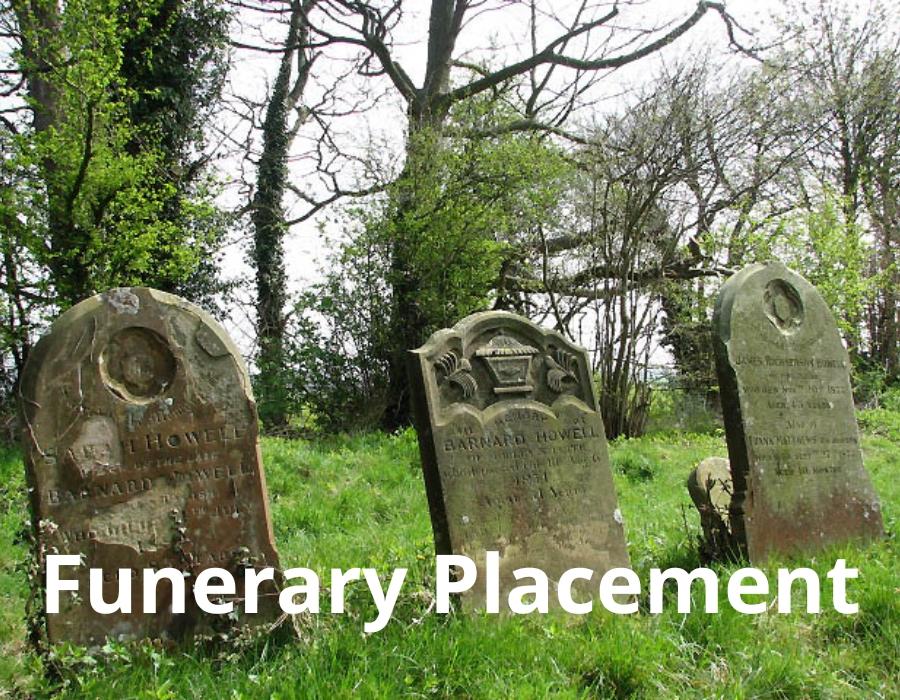
Using data from eHRAF Archaeology and eHRAF World Cultures, a recent study published in the journal American Antiquity investigated burial practices from around the world.


The researchers wanted to understand why some cultures buried their dead in or near their homes, and others did not. The study was co-authored by three researchers from The Field Museum in Chicago (Sabina Cveček, Gary Feinman, and William Parkinson) along with HRAF President Carol Ember and former HRAF Board Member Timothy Earle of Northwestern University.


An initial idea was that residential burials would be associated with people living in more permanent residences, but the data do not support this idea. The research team quickly realized that the pattern in the archaeological record was quite different from that in the ethnographic record. Specifically, there was more evidence of residential burials in the archaeological record of ancient societies than in the ethnographic record of more recent societies.


One possible explanation for the difference is the arrival of colonization and organized religion. For those practicing Christianity, burials involved cemeteries and for those practicing Hinduism, cremation became an alternative to burial.


Click here to read about Funerary Placement 

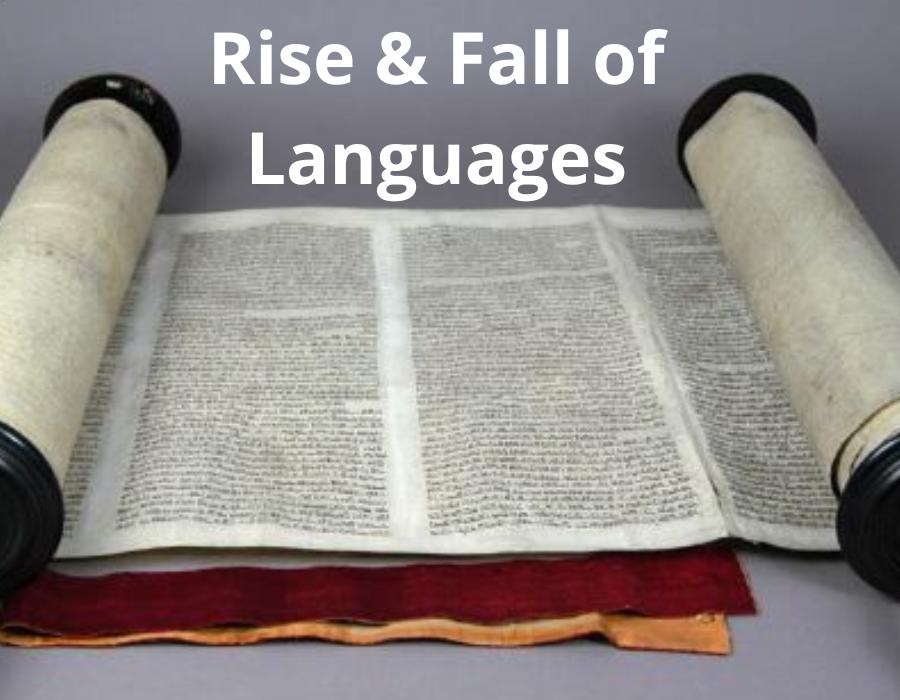
A new study published in the journal Science models language diversity over the last 12,000 years, including a "golden age" with tens of thousands of languages spoken between 1,000 and 3,000 years ago. The roughly 7,600 languages spoken or signed today represent a small sample of the languages that once existed.


The study was co-authored by three HRAF affiliates. Damián Blasi, the lead author, is a HRAF Research Associate (also a Research Professor at the Center for Brain & Cognition, Pompeu Fabra University). Russell Gray (Max Planck Institute for Evolutionary Anthropology) and Claire Bowern (Yale University Linguistics Department) are HRAF Executive Committee members, who represent their Sponsoring Member institutions. A fourth co-author is Marcus Hamilton (University of Texas at San Antonio Anthropology).


The transition to agriculture and accompanying population increase is postulated to have led to increased language diversity, which began to decrease rapidly with the spread of multi-national empires and later colonial expansion.


The reason for this may be that the dominant groups spread their languages and cultures to previously independent populations. European colonialism intensified the steep decline in linguistic diversity.


Click here to read about the Rise and Fall of Languages

Please join us for one of our upcoming workshops hosted by Matthew Longcore which will provide an informative overview to teaching and conducting research using the eHRAF databases. Register here:


Thursday, Sep. 17, 11am ET

Wednesday, Oct. 14, 1 pm ET

Thursday, Nov. 5, 1 pm ET 

Wednesday, Dec. 2, 11 am ET


These workshops are designed for faculty members and librarians at colleges that have membership with the eHRAF databases, or those who are interested in learning more about membership.


HRAF has developed resources to support teaching, learning, and research across the social sciences and beyond. We will explore Teaching eHRAF, our collection of ready-to-use exercises and syllabi that make it easier to integrate eHRAF into classrooms and curricula. These materials are designed to help instructors engage students with cross-cultural comparison, ethnographic case studies, and hands-on data analysis. We will also demonstrate the eHRAF Workbooks for introductory courses in cultural anthropology and archaeology with activities to engage students.


Click here to read about the eHRAF Workshops

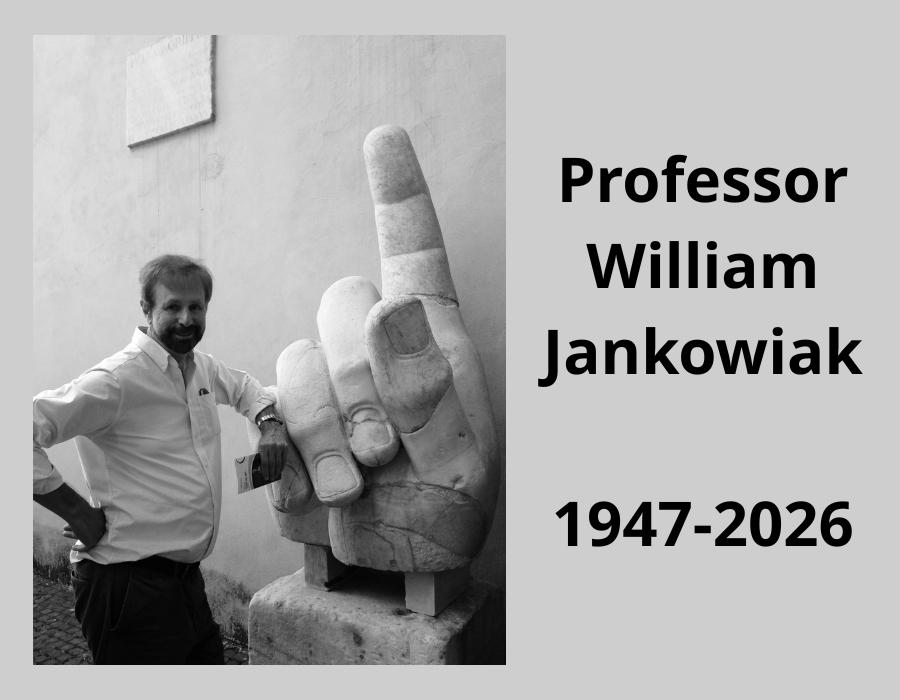
HRAF was saddened to learn of the recent passing of Professor William Jankowiak. Bill was an anthropologist and a leading scholar of love, intimacy, marriage, family life, ethnicity, and social change. His work profoundly shaped how many of us think about love cross-culturally.


Bill earned his Ph.D. in Anthropology from the University of California, Santa Barbara in 1986, before joining the faculty at the University of Nevada, Las Vegas, where he spent much of his career as a Professor of Anthropology and Ethnic Studies.


Throughout a career that spanned four decades, Bill combined rigorous ethnography with broad comparative analysis to illuminate both the diversity and commonality of the human experience. Over the years, HRAF has mentioned the work of Professor Jankowiak on several occasions. This includes his research on romantic kissing, which is not a cultural universal. 


HRAF shares a remembrance of William Jankowiak which includes a eulogy from his friend Victor de Munck from the Institute of Asian and Transcultural Studies at Vilnius University.


Click here to read about Professor William Jankowiak

 
HRAF at Yale University|hraf.yale.edu