The voice for pharmacy compounding • June 26, 2020
|
|
Enjoy our latest edition. Send your suggestions and questions to
info@a4pc.org
|
|
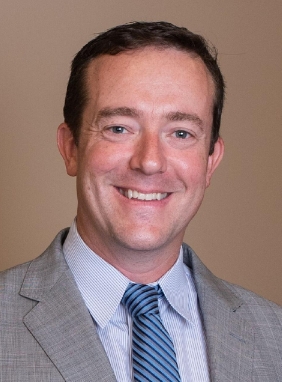
Shawn Hodges
APC President
|
|
Dear friend,
These past two weeks you’ve seen APC at its best -- gathering information, leveraging relationships, providing resources, speaking out, all in the interest of helping many of our members deal with an incredibly unfair and improper recoupment effort by Tricare and ESI.
The work we’ve done and are doing on that issue is a good example of why compounding professionals like you belong to APC -- even if you weren’t touched by this egregious clawback. Just because some of us dodged the bullet on this one doesn’t mean we’re not all at risk for the next attack on our patients and our livelihood, be it financial or regulatory. I want APC to be here fighting for you and me when that next threat comes. And the one after that. And the one after that.
But here’s the thing:
Amid the coronavirus-induced cancellation of some of our events, a downturn in member renewals and a drop-off in OneFund gifts, I’m growing concerned about APC’s financial future. I’m not talking about next year or the year after that. I’m talking about cash-flow for the next six months.
We can only do what we have funding to do. And right now, without your help, we’re looking at a significant revenue shortfall, one for which we have very little cushion. We’ve cut expenses to the bone. What we need is revenue to help cover basic services: staffing, lobbying and the like.
Compounding has been good to many of us. APC -- and IACP before it -- has aided our success. Now I’m asking you to go the extra mile in aiding APC’s success by investing in OneFund, which provides financial support for our advocacy work.
We need to raise $150,000. I’m counting on this plea to help us accomplish that.
Your $5,000, $2,500, or $1,000 gift can reduce and perhaps avoid that shortfall I mentioned. I’ve invested, as have most of our APC board members. Now -- please -- won’t you invest, too … so we can keep doing what we do for you and others like you?
(Between the time I originally wrote this and the time we hit Send, APC member Brad McCloskey of Troy, Mich., invested $5,000 in OneFund.
Be like Brad!)
Thank you. Now read on for five big things you need to know right now....
Best,
Shawn
P.S. In the wake of the ESI/Tricare recoupment, we’re hearing lots of interest from compounders wanting to know more about a cash-only business model. While APC does not favor or recommend one model over another, we do see our role as providing good info to our members. That’s why we’re putting together a
free
webinar on the pros and cons of a cash-only compounding model. We’ll be announcing details soon, so stay tuned.
|
|
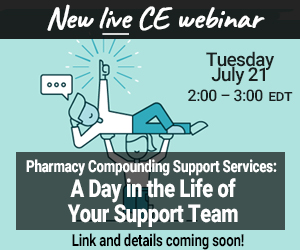
July 21 -- "Pharmacy Compounding Support Services: A Day in the Life of Your Support Team"; 2:00 to 3:00 pm EDT
|
|
2020 OSHA Training:
Bloodborne Pathogens
|
|
|
1.
APC continues to fight Tricare clawback, updates info for members
APC held its second conference call on the Tricare clawbacks on June 18, giving the 150 compounders who joined the call the latest information: what we know, what we're doing, and how compounders should respond.
The place to get the most up-to-date information on the issue is here:
a4pc.org/clawbackhelp
. It includes the latest recommendations from attorneys and specific steps you need to take if you received a recoupment letter.
|
|
"You must respond to the ESI/Tricare letter,
deny the allegations, and defend yourself."
|
|
The point that we cannot stress enough:
This is not an audit. The recoupment is a based on an investigation into fraud, waste, and abuse. No matter how small the amount being clawed back, you must respond to the ESI/Tricare letter, deny the allegations, and defend yourself. Not doing so risks not only further recoupments, but potentially criminal investigation.
APC continues to work with NCPA in fighting this clawback on Capitol Hill. We're in touch with attorneys, the media, the Defense Health Agency, and with members of Congress, and while we feel strongly that compounders will eventually prevail on the issue, until Tricare blinks, pharmacies need to continue fight back.
|
|
2.
Temp guidances, MOU are hot topics in FDA listening session
In an FDA listening session this week, APC President Shawn Hodges suggested to FDA officials that their estimate that 45 states would sign the recently released final MOU with states may be overstated, and he referenced APC’s conversations with reps of several state boards of pharmacy who say they continue to be concerned about the administrative burden required by the MOU.
The MOU and FDA’s Covid-era temporary guidance documents were the main discussion topics in the two-hour invitation-only forum convened Monday to assist FDA in hearing stakeholder input on FDA’s implementation of its statutory authorities regarding compounding, including sections 503A and 503B of the Federal Food, Drug and Cosmetic Act. Several other pharmacy associations and groups were also represented on the call, including ACHC, APhA, ASHP, NASPA, and NCPA.
Hodges also shared details of a protocol in Georgia that was the model for FDA’s “Temporary Policy for Compounding of Certain Drugs for Hospitalized Patients by Pharmacy Compounders not Registered as Outsourcing Facilities During the Covid-19 Public Health Emergency.”
“The Georgia program was a collaboration between compounders, hospitals, the state board of pharmacy, and the Georgia Drugs & Narcotics Agency,” Hodges said, and added that it included even tighter guardrails for 503As to provide shortage drugs to hospitals than FDA’s guidance did, among them pharmacy inspections by GDNA and a requirement that the hospital provide a prescription within seven days. “We believe tight guardrails like those are worth considering as a possible pathway for 503As under the MOU.”
APhA, NCPA, and APC each expressed concern that FDA’s estimate of 45 states signing the MOU was overstated, and each advised FDA officials that patient access nationwide could be negatively affected if even one state does not sign.
“If a patient in, say, North Carolina gets a compounded medication from a pharmacy in Georgia, and Georgia won’t sign the MOU, that North Carolina patient will be hurt,” said Hodges. “There’s a ripple effect for patients. It’s not just one state.”
That’s why we need an MOU that all states can sign. Pharmacy associations’ message to FDA was that we’re not there yet.
|
|
3. Three new APC task forces to be appointed
A few of the issues APC is working on will require a detailed response on behalf of the association and our members. We're appointing three new limited-duration workgroups — they're expected to convene virtually over the next few months.
Task Force cBHRT. NASEM's FDA-funded compounded bio-identical hormone replacement therapy study is expected to be released on July 1. APC wants to be be prepared to offer our input on the FDA's guidance on the issue, so the task force will develop a plan for gathering evidence documenting the effectiveness of cBHRT such as research (existing or new) and patient-outcome data. If FDA is opposed to cBHRT, we want to have demonstrably valid counter arguments ready.
Task Force Compounded Pain Creams. NASEM has already released its study (also funded by the FDA) on the effectiveness of compounded pain creams. Despite being inconclusive, FDA remains opposed to compounded pain creams. The task force will prepare our response to the agency by gathering evidence documenting the effectiveness of compounded topical pain creams and developing our counterarguments to its opposition.
Task Force Third Party Reimbursement. Compounders who are reimbursed by third parties face a variety of challenges. This task force will identify those challenges, make recommendations for addressing them, and "develop or identify tools and resources for assisting APC members" in navigating them.
Remember, APC doesn’t take a position one way or the other on our members' business models. We exist to help ensure a regulatory framework and legal environment in which every business type can thrive.
|
|
4
.
APC's Advocacy Town Hall provides an important mid-year update
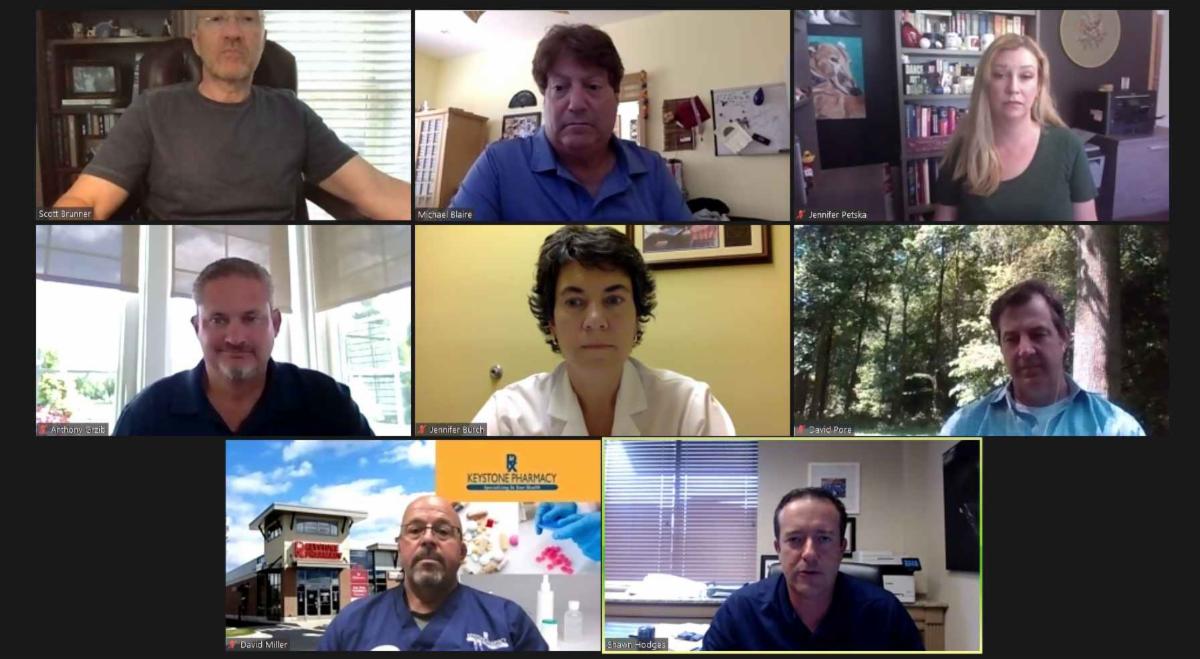
This past Wednesday, APC held a virtual Advocacy Town Hall, where we updated members on the progress we've been making on our most important issues.
Some of the issues brought up:
Animal health GFI: We reminded members that the comment period on the FDA’s draft GFI #256 has been extended to October 15, and that they should take advantage of that: submit comments and have patients (or their owners) explain how the current version could negatively affect their daily lives. In the meantime, Representative Ted Yoho, who is also a veterinarian, is taking the lead in drafting a letter from Congress to the FDA. (We'll share the letter when it's done, of course.)
FDA MOU on out-of-state shipments. While our arguments to the FDA itself may be falling on deaf ears, we do have an opportunity to push back on this poorly conceived MOU.
The FDA submitted a report to the Office of Management and Budget explaining the expected impact of the MOU. Luckily for us, it did an inadequate job of collecting information, and has severely underestimated the cost to state agencies. We think we now have a strong case that OMB should send the MOU back to FDA to have those deficiencies fixed -- giving us more time to change the FDA's definition of "distribution" to one that's in line with the established meaning.
ESI/Tricare clawbacks. APC vice president David Miller also provided an update on the Tricare/ESI clawback issue that's affecting hundreds of compounders across the country — you can read about that in item #1 of course.
|
|
5. You need to join us on the Hill, please
Have you been paying attention? Have you read the first four Big Things You Need to Know Right Now, up above? Tricare clawbacks, a poorly considered MOU, biased research, animal-compounding confusion -- these are just some of the issues facing compounders, and we'd be willing to bet they're going to impact your business.
None of these are issues you can tackled effectively by yourself. That's why you're part of APC: As an alliance, our voices are louder together.
And they're even louder -- and clearer -- in person. Yes, your calls, e-mails, and faxes (!) to legislators help tremendously. But they pale in comparison to being in the office, face-to-face with a member of Congress.
That's why being at Compounders on Capitol Hill this September is critical. At no other time during the year do we have a chance to be quite as loud, clear, and, to be blunt, in their faces.
September 9 and 10 in Washington, D.C. It's our biggest shot of the year to make Congress hear
our side.
|
|
|
|
|
|
|