Faulkner County Agriculture Update
April 11, 2025
| | |
Weather
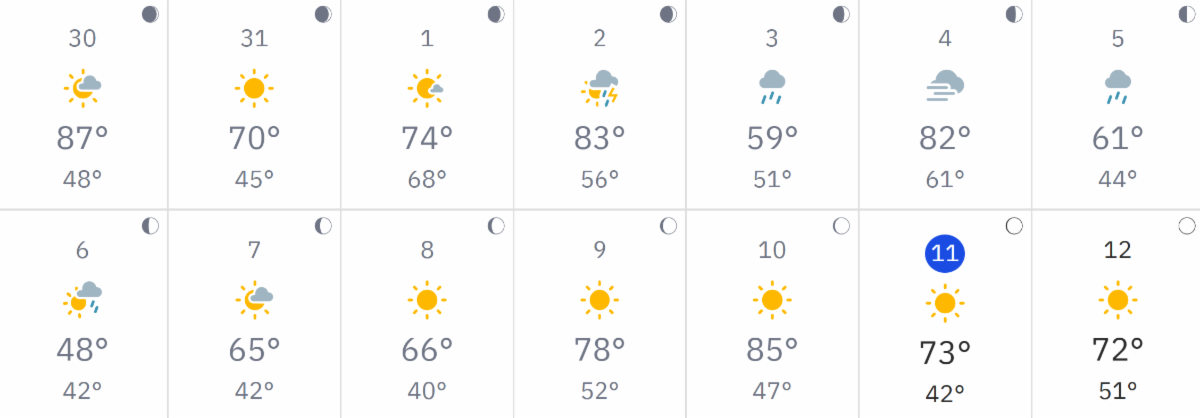
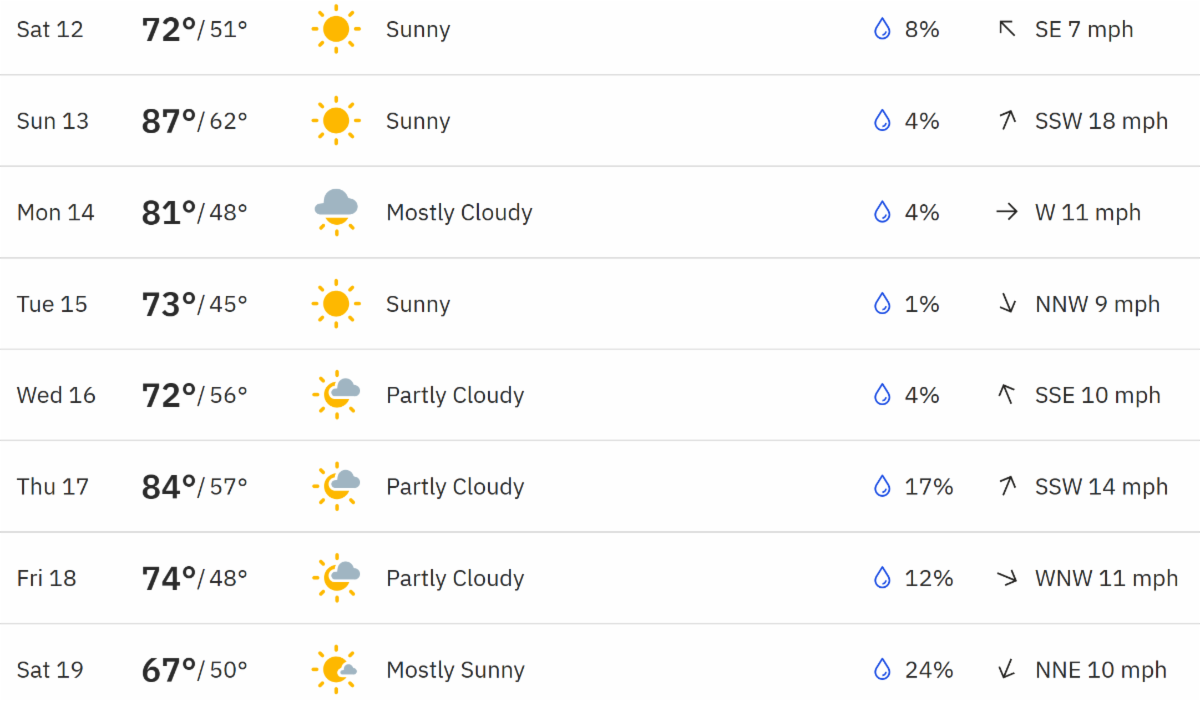
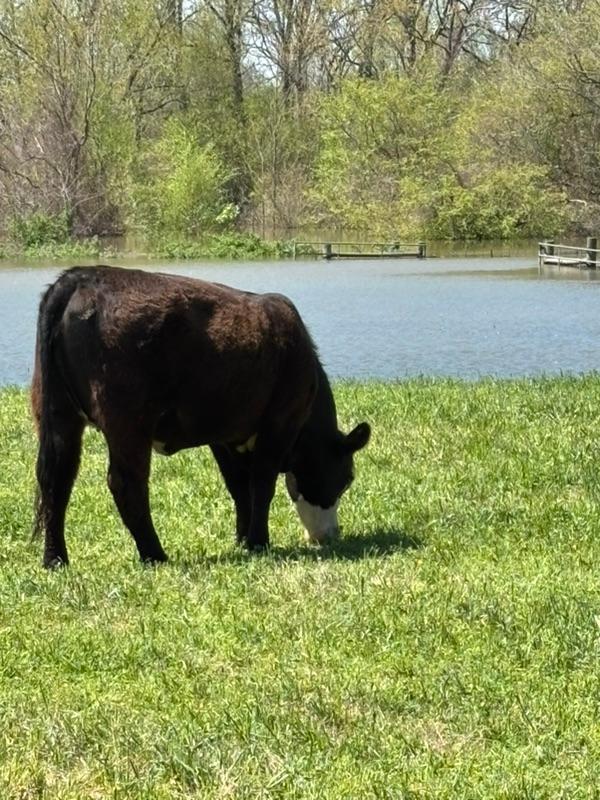
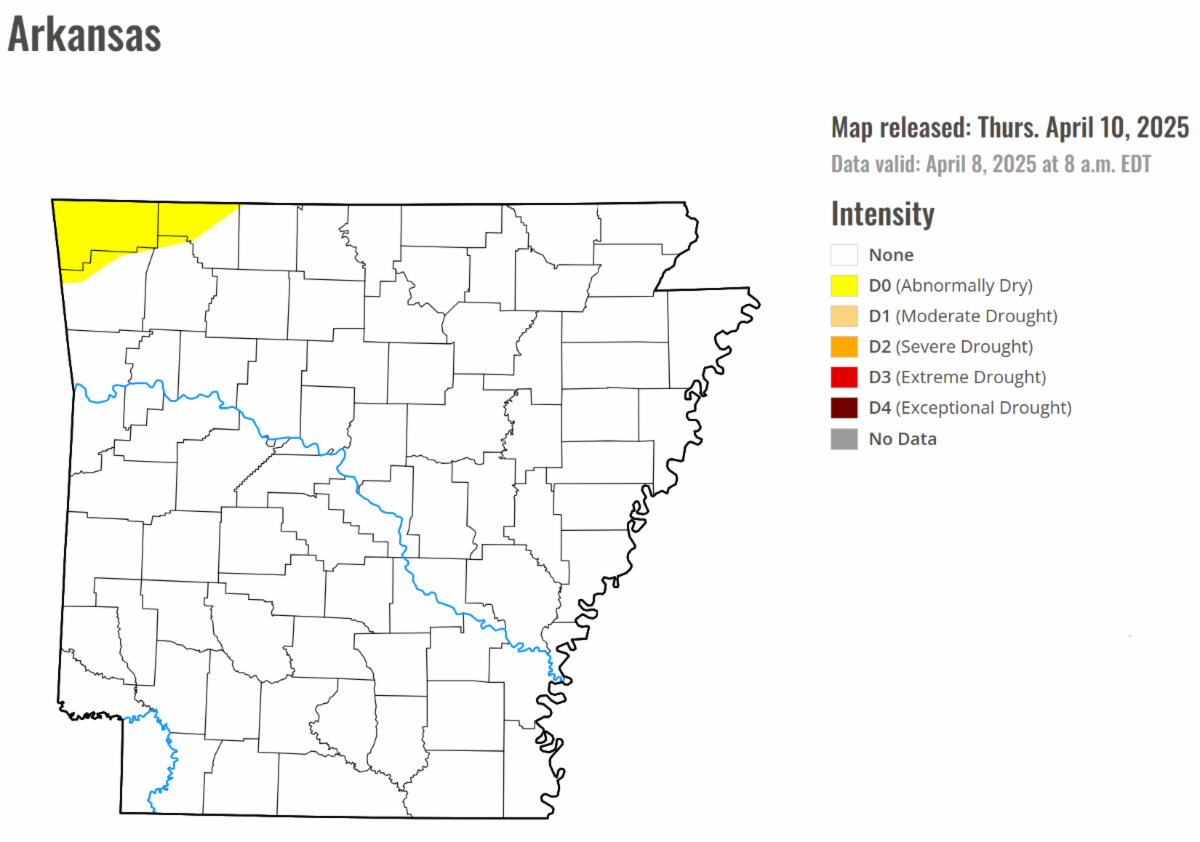
We made it through last week with some damage but all and all it could have been worse. From people I have talked to we got somewhere between 8 and 10 inches of rain. This week was a nice week and we got up in the high 80's yesterday. The long term forecast shows another nice week next week with our next best chance of rain maybe by next weekend.
| | |
Arkansas and Mississippi River
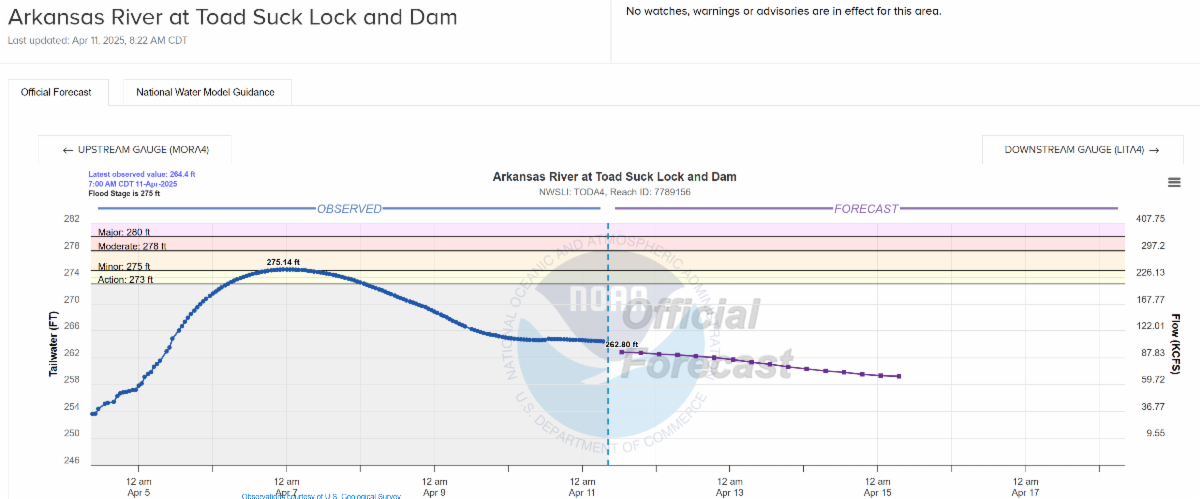
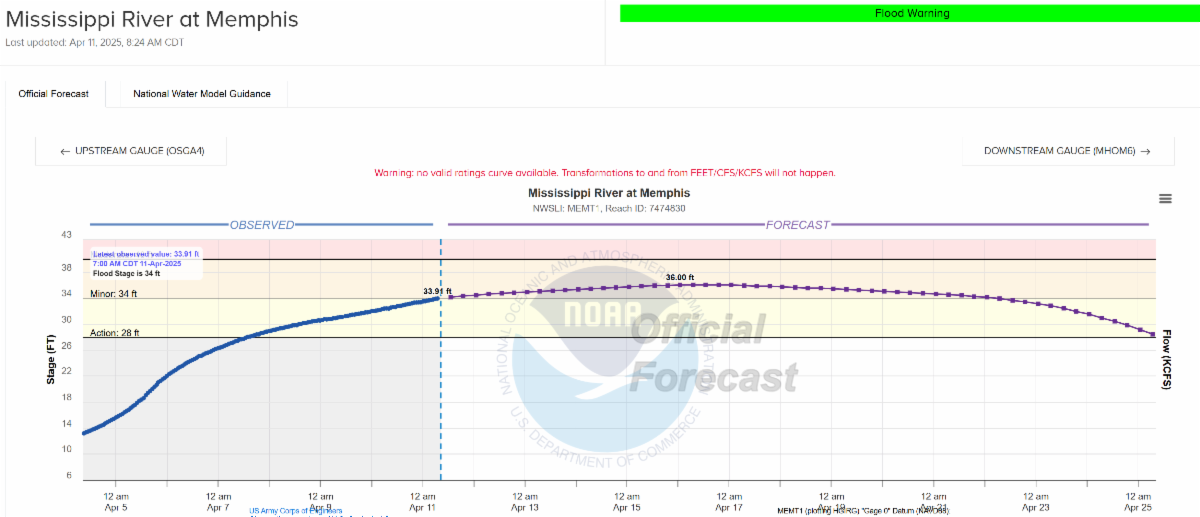
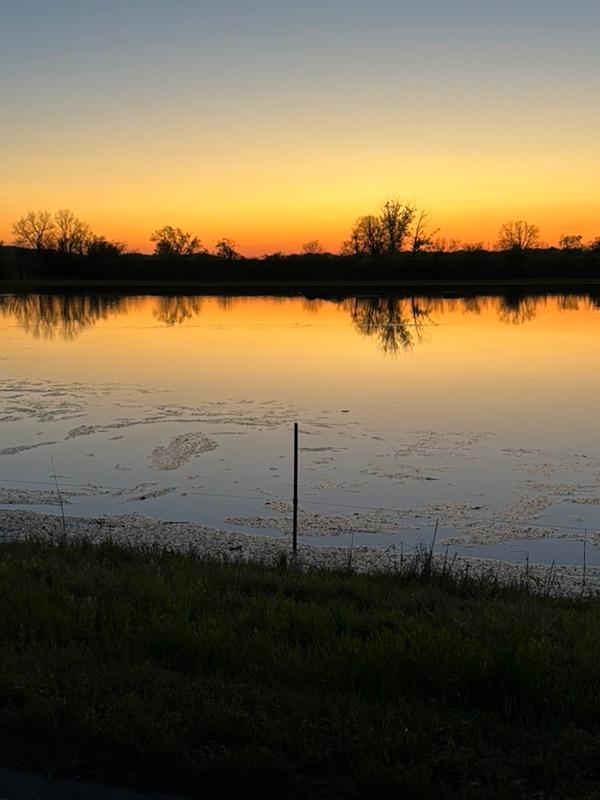
This time last week we were looking at a prediction of the Arkansas River reaching 278 feet which would have been one of the top 10 highest crests on record. I kept telling myself I couldn't see it getting that high, and as I watched the gauge it just wasn't rising at a rate to get that high. Sure enough the crest only got to 275 which saved a lot of farm land around Lollie. One of the issues we did run into was once the river got to that high level the flood gates at Lollie were shut and then it rained all day on Saturday. All that water came in from Conway and didn't have anywhere to go, so we had some flooding in Lollie just due to the fact that the water didn't have anywhere to go. Once the flood gates were opened all the water finally left and we can get back to farming now.
The Cadron did what was expected and flooded several acres as it waited on the Arkansas to fall enough to start draining.
| | |
March 31st Prospective Plantings and Price Implications for Corn and Soybeans
Mr. H. Scott Stiles, Program Associate, University of Arkansas
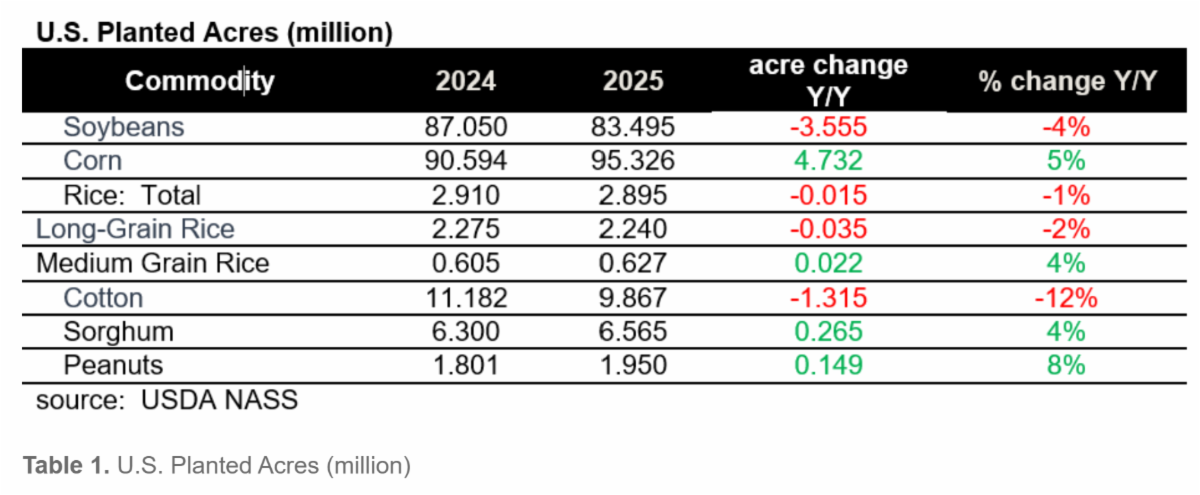
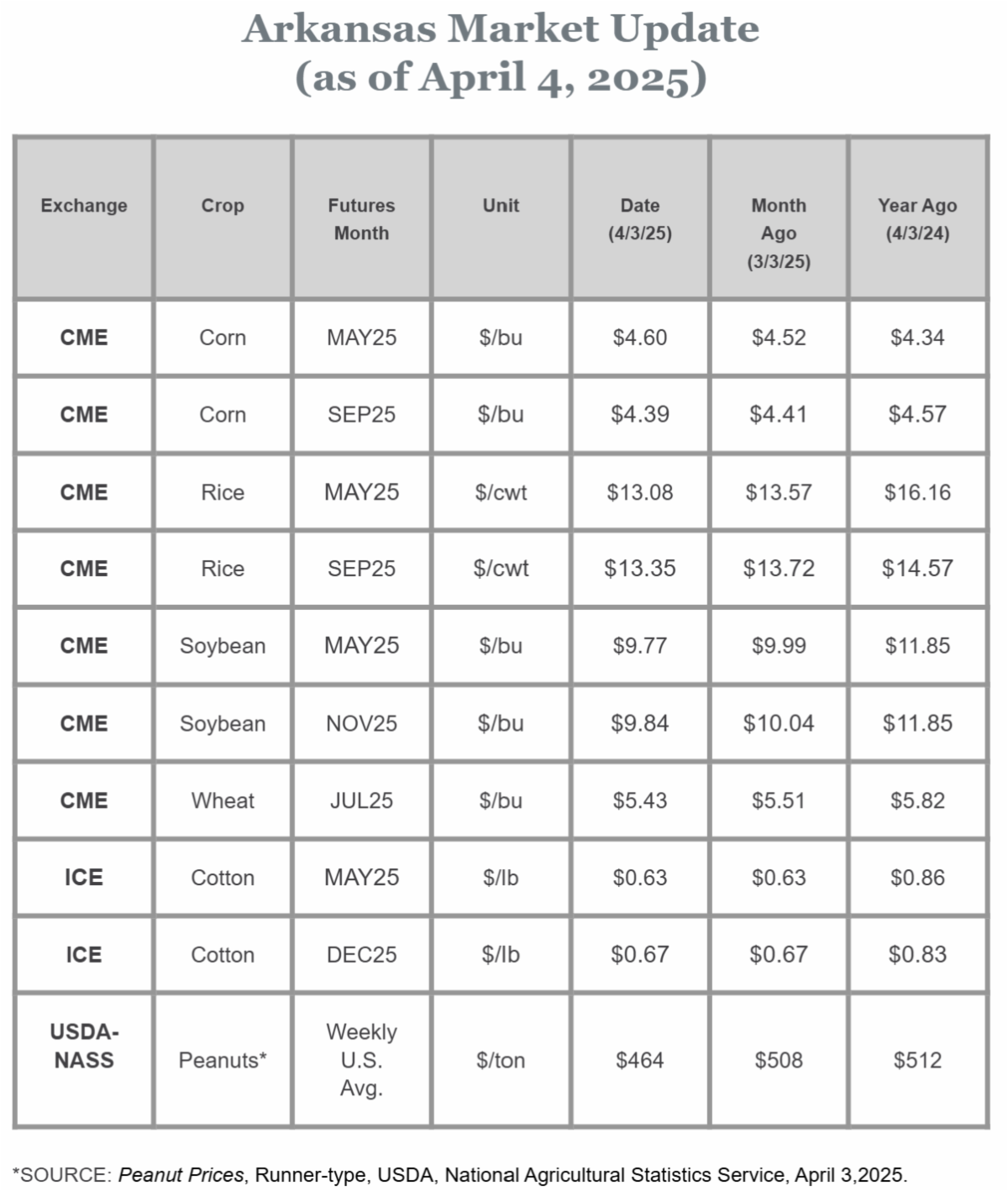
The USDA’s closely watched March Prospective Plantings confirmed industry estimates for 2025. In particular, a sizeable increase in corn acres is expected. U.S. producers reported intentions to plant 95.3 million acres of corn, 4.7 million more acres than last year. This would be the highest U.S. corn acreage since 2013 and the third highest since 1944. Increased corn acreage is planned at the expense of soybeans and cotton as shown in the table below.
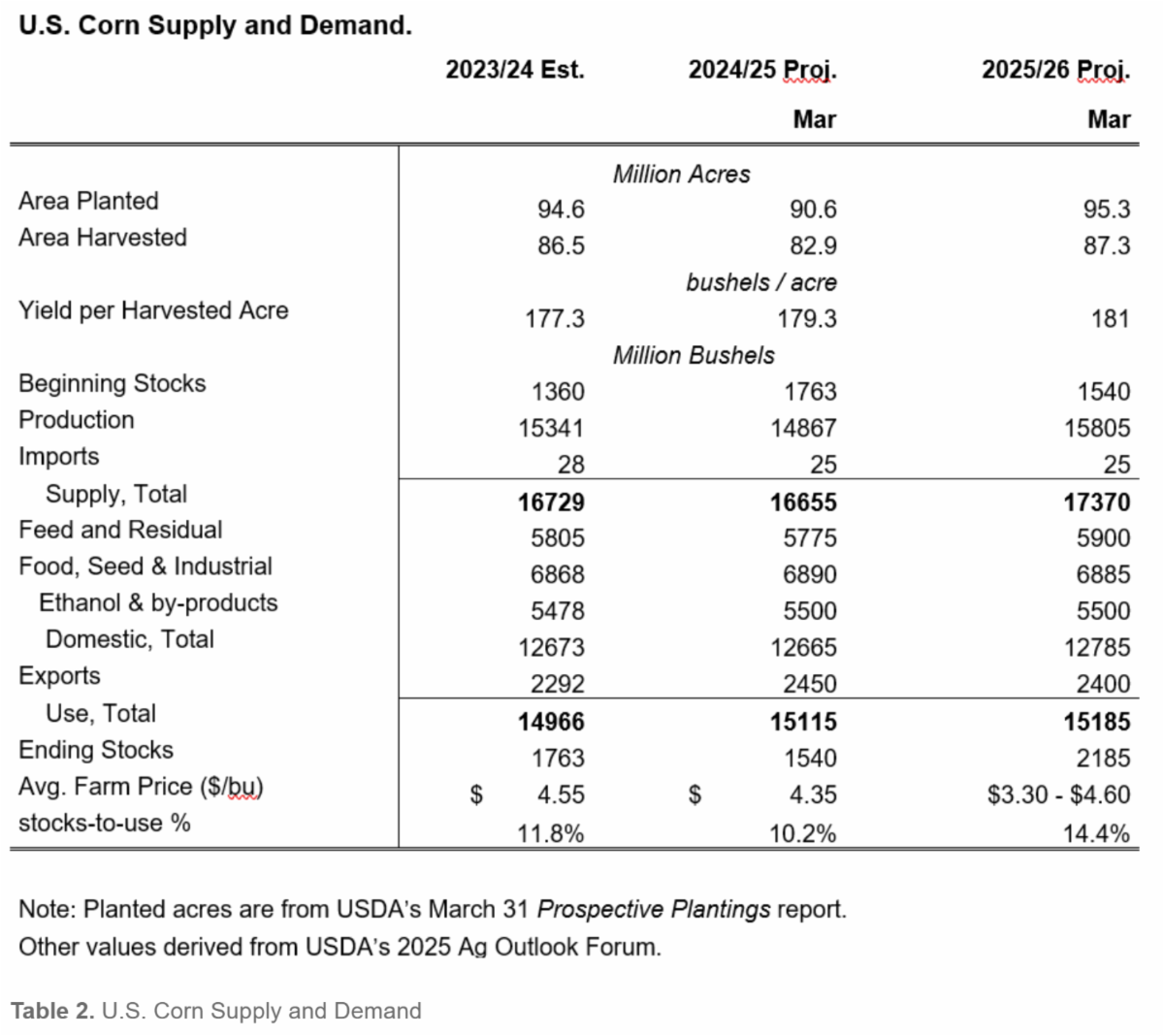
| While the Prospective Plantings didn’t include a major surprise, the findings do have a fundamentally negative bias longer-term for the corn market. Corn planting intentions point to harvested acreage of about 87.3 million acres. Using USDA’s Ag Outlook Forum trend yield of 181 bushels as a starting point, would result in a record crop of 15.805 billion bushels. A crop of that size would likely lead to a significant build-up of ending stocks by the end of the 2025-26 marketing year. This also suggests that the average corn price for the 2025 crop will be less than the average of $4.35 projected for the current marketing year. For illustrative purposes, we include a projected 2025-26 corn balance sheet that incorporates information USDA’s Ag Outlook Forum and the March 31 Prospective Plantings. | | |
Soybeans:
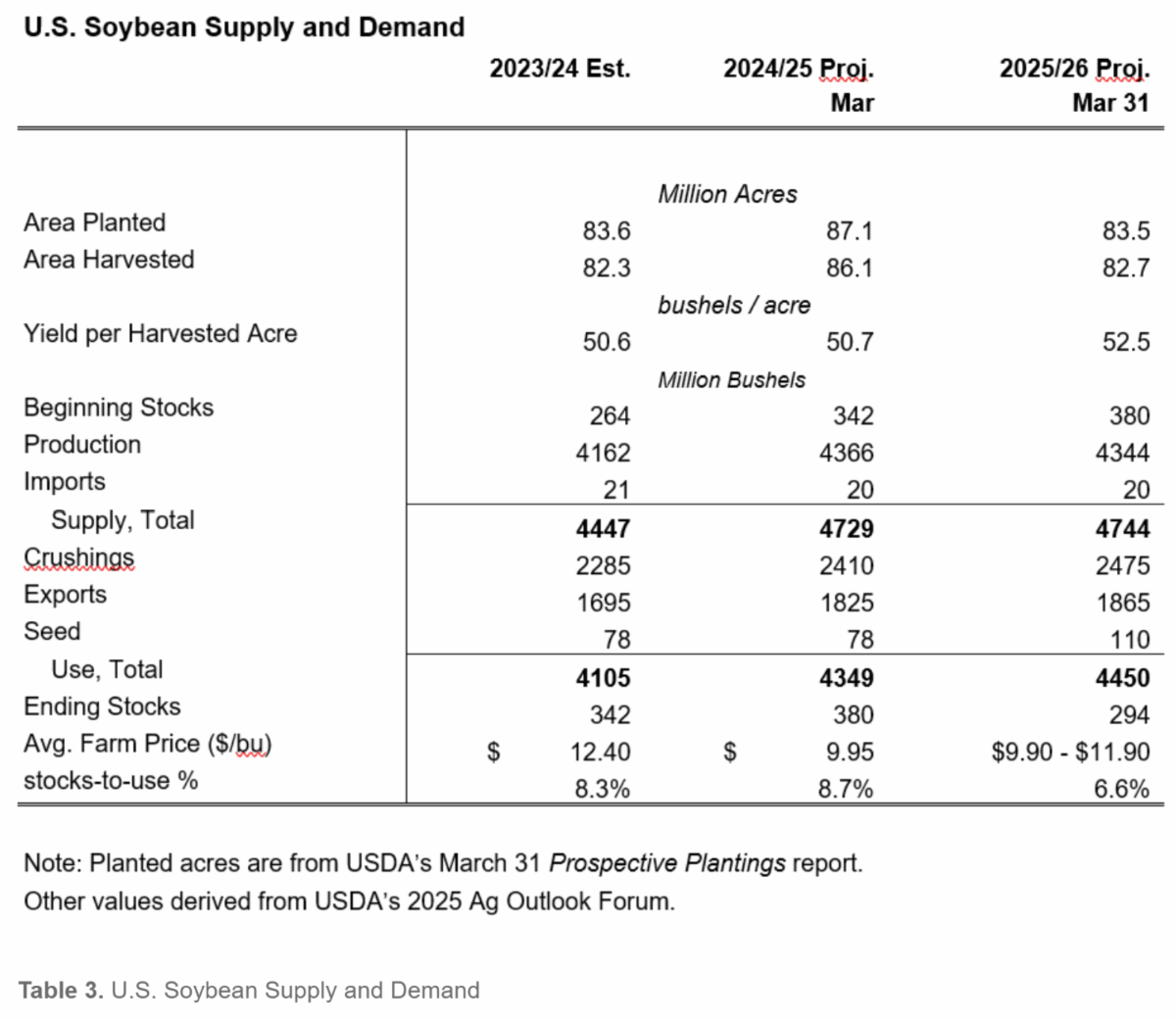
Producers reported intentions to plant 83.5 million acres of soybeans in 2025. That would be the lowest in five (5) years and 3.5 million acres less than last year. Planting intentions point to harvested acreage near 82.7 million acres. A trend yield of 52.5 would point to a crop of 4.344 billion bushels, slightly below last year’s production of 4.366 billion bushels. With USDA’s outlook for total demand of 4.45 billion bushels, U.S. soybean ending stocks could fall to 294 million bushels by the end of the 2025-26 marketing year. With a resulting stocks-to-use of 6.6%, this also suggests higher average soybean prices than the average of $9.95 projected for the 2024 crop year.
With expectations for a significant decline in soybean acres, this also emphasizes the need for “favorable” weather during the 2025 growing season. A modest yield reduction from trend levels would easily put the 2025-26 soybean market in a demand rationing situation. Note, each 1 bushel per acre reduction in yield removes almost 83 million bushels in production. Included below is a projected 2025-26 soybean balance sheet that incorporates information from USDA’s Ag Outlook Forum and the March 31 Prospective Plantings.
| | |
Summary:
Estimates from the March Prospective Plantings will shape the initial market outlook for the 2025 crop year. Given the expected sizeable increase in corn acres, growers should also expect downward pressure on corn prices, especially if trend yields can be achieved in the upcoming growing season. The price outlook for soybeans could be favorable if the intended acreage shifts do occur, as soybean ending stocks could slip below 300 million bushels. However, the 2025 price outlook for soybeans is much more difficult to predict in the year ahead as exports are a larger component of total demand. Price expectations for 2025 could vary considerably with weather and trade uncertainty being two key factors.
| |
One Week Left to Enroll for ARC and PLC – Deadline is April 15
by Scott Stiles
For the 2025 crop year, growers are reminded to make their Agriculture Risk Coverage (ARC) and Price Loss Coverage (PLC) elections and enroll by April 15, 2025. Even if you are not changing your program election from last year, an ARC/PLC contract will need to be signed for 2025.
Covered Commodities
There are twenty-two (22) covered commodities eligible for the ARC/PLC programs. These include: wheat, oats, barley, corn, grain sorghum, long grain rice, medium/short grain rice, temperate japonica rice, seed cotton, dry peas, lentils, large and small chickpeas soybeans, peanuts, sunflower seed, canola, flaxseed, mustard seed, rapeseed, safflower, crambe, and sesame seed.
How To Apply
To enroll in the ARC or PLC programs, agricultural producers can contact their local FSA office or apply for ARC and PLC online. For more information about FSA programs, visit the Farm Service Agency’s ARC and PLC webpage or contact the FSA at your local USDA Service Center. Make the most of your time and sign-up for other FSA programs including the new Emergency Commodity Assistance Program (ECAP).
| | |
Wheat
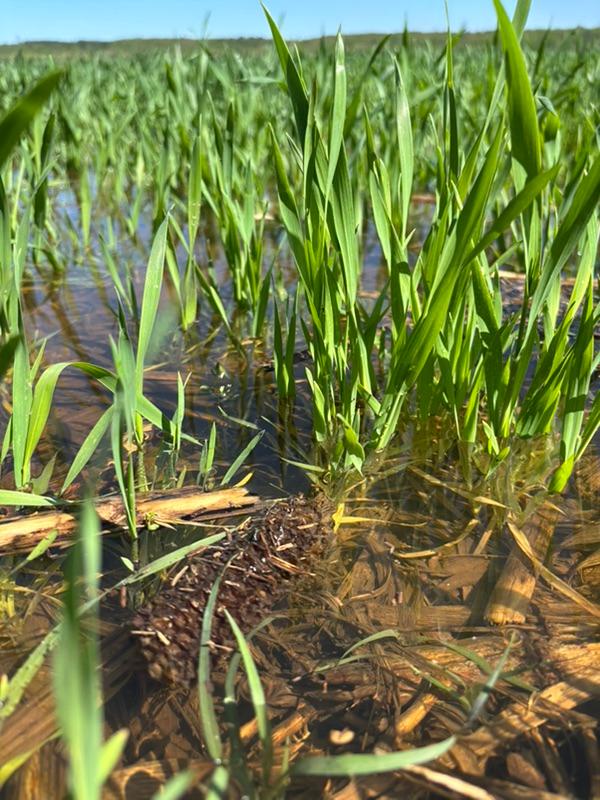
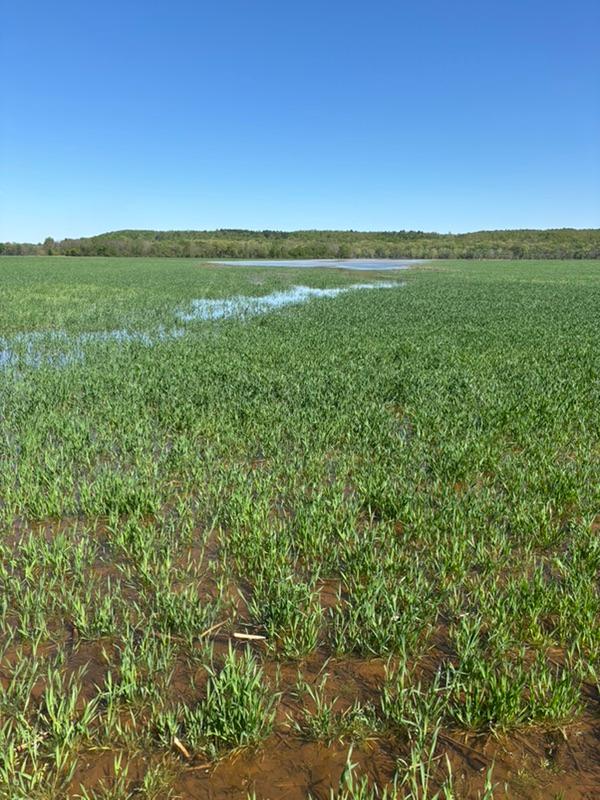
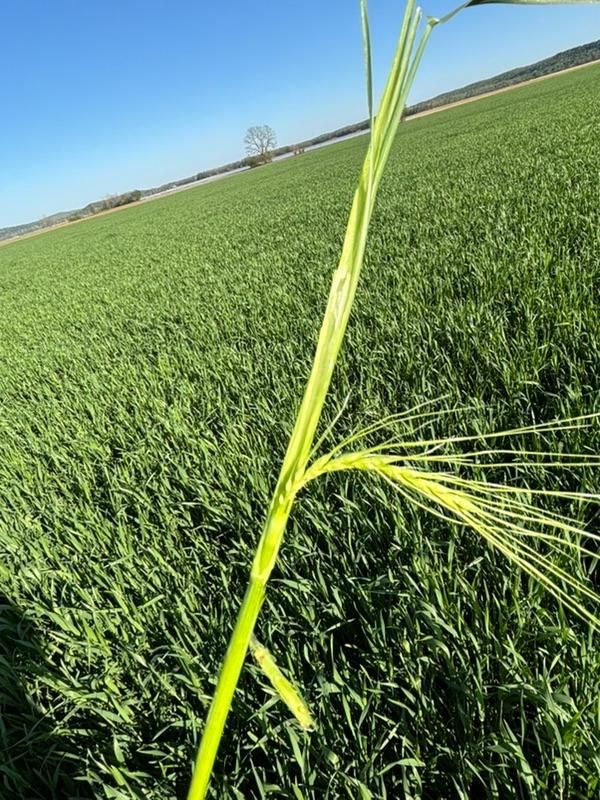
Some of our earlier planted wheat is really booting up and I figure we will see heads emerging next week. A couple of fields got some flood damage, but it wasn't too bad. Herbicides that were applied are doing a good job and so far I haven't seen any disease.
| | |
Corn
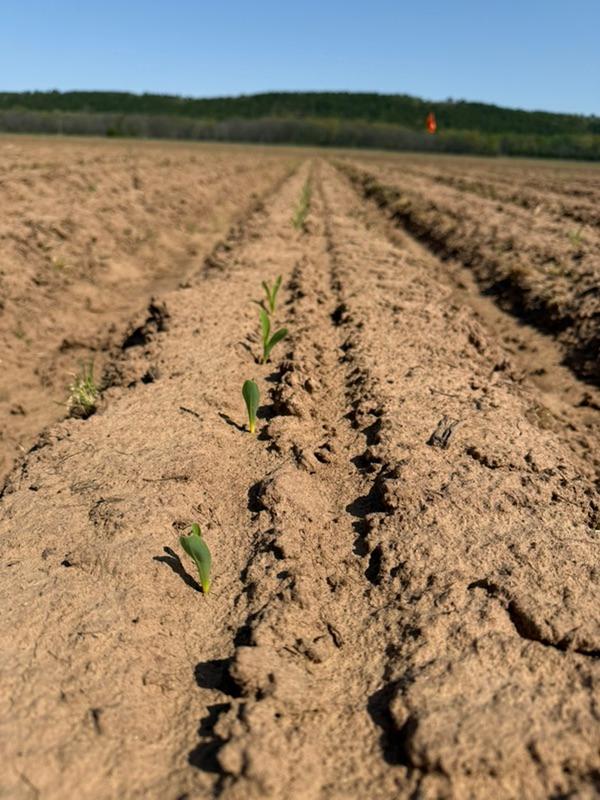
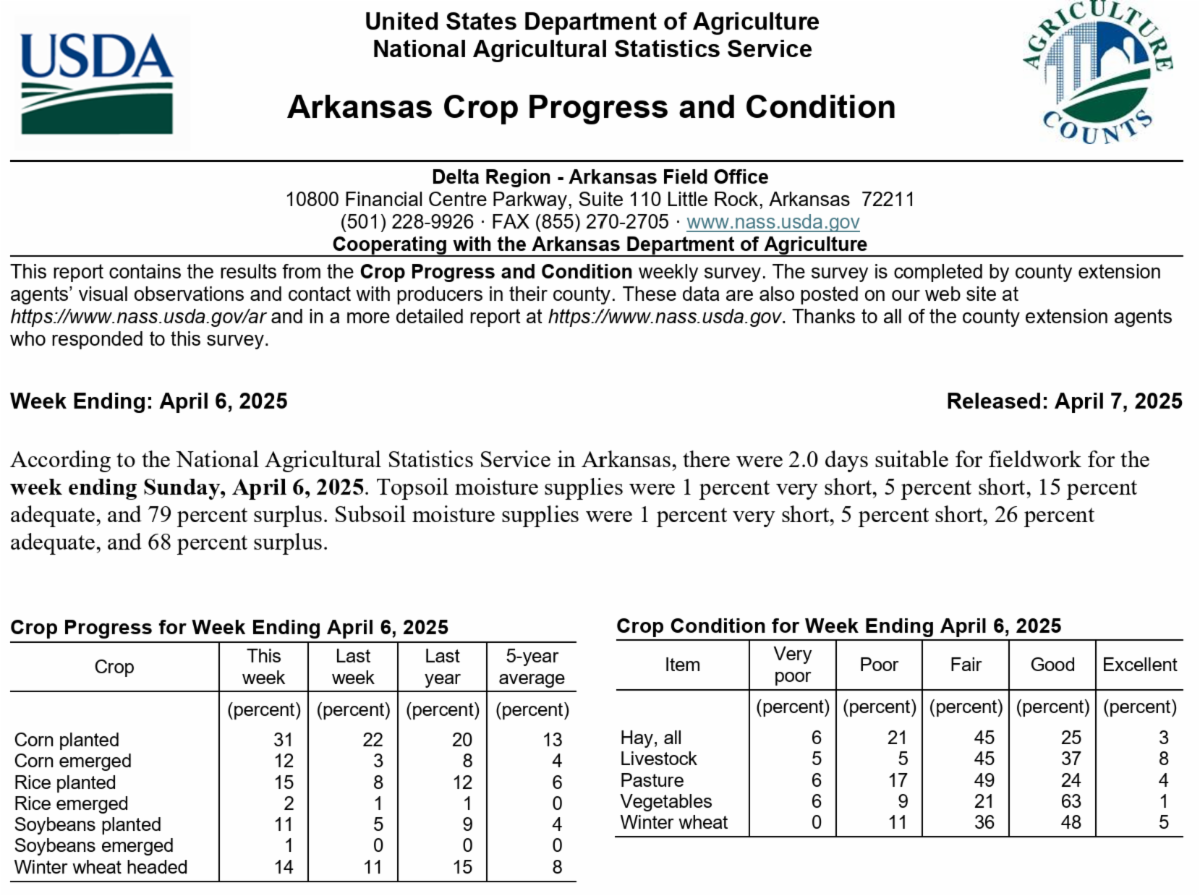
This afternoon I plan on walking some corn fields that have been planted to evaluate the damage from the rain and storms. I know we have some physical damage from wind blown sand and some emergence issues. Hopefully we won't have to replant any of the acres that are already in the ground. I think most producers can get back to planting Monday.
Arkansas Corn DD50 Program - Arkansas Corn DD50
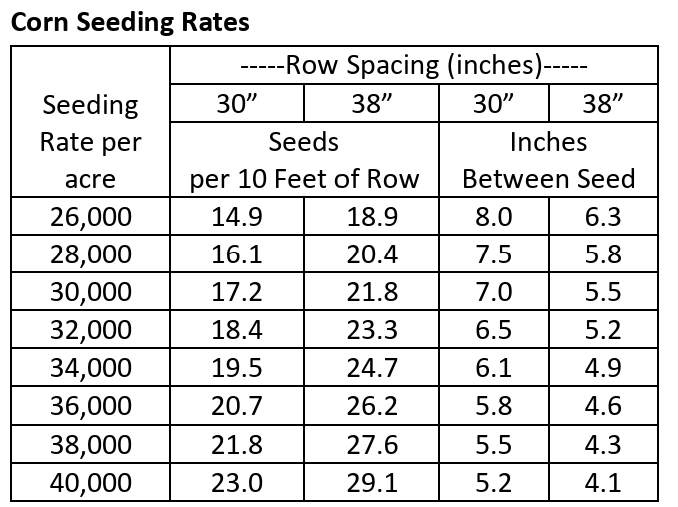
The 2025 Arkansas Corn Quick Facts is available by clicking the following link.
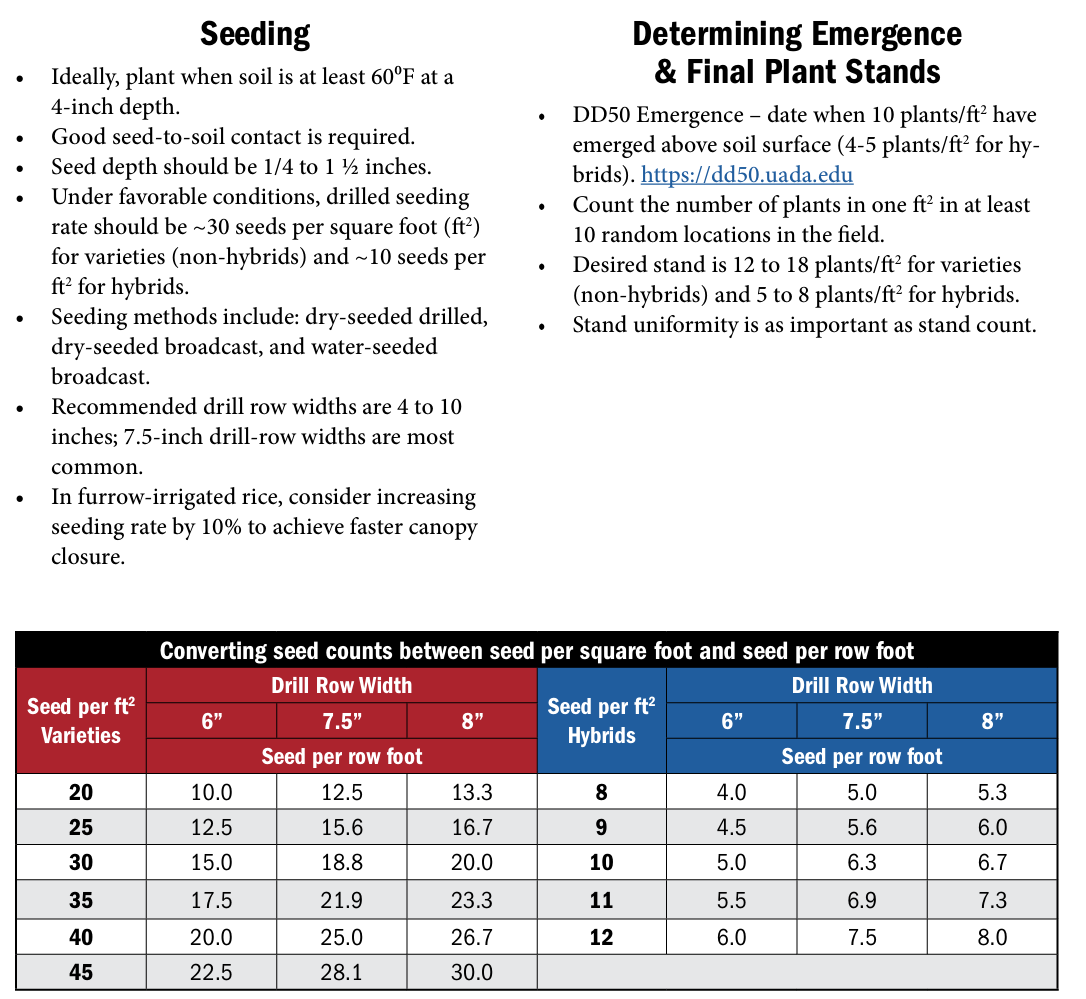
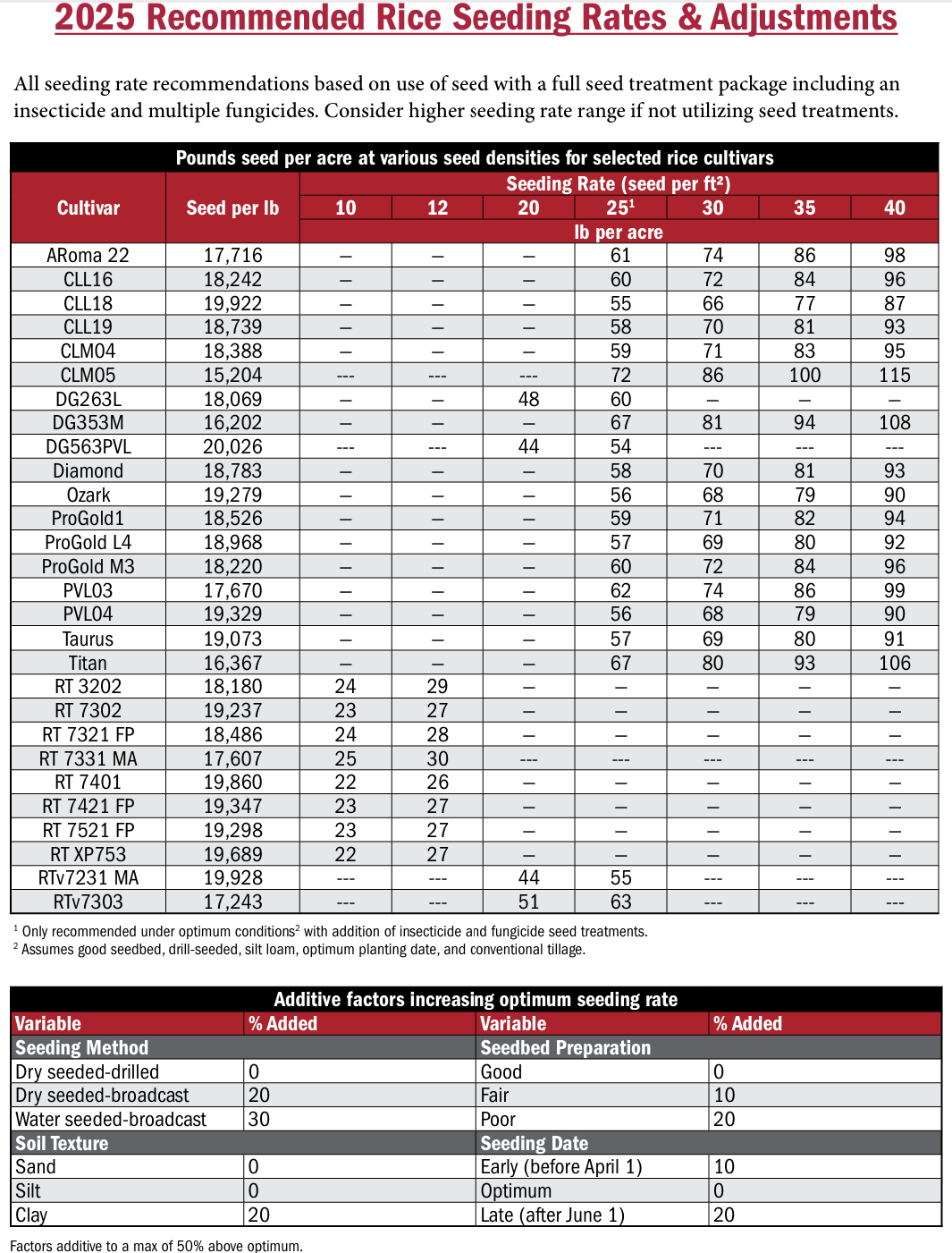
| | Here is Dr. Jarrod Hardke's latest Arkansas Rice Update. | | Beef, Small Ruminants, & Forages | | |
Fertilizing Our Forages
I always like to wait until we have had warm temperatures at night (above 60 degrees) for about a week before I fertilize summer pastures and hay fields. We are getting closer to that but we aren't quite there yet. BUT, we are looking at a chance of rain by the end of next week. If I was going to take a chance and fertilize early, end of next week may not be a bad time to do it. It is a gamble, we could still see an early freeze, but most of the long range forecasts don't predict one. I think the bermuda and bahia out there have been growing well for the last few weeks and I think are about ready for some fertilizer. This is a different year, I usually wouldn't go this early, BUT this has been a spring that has allowed for some early things to happen.
| | |
What to Know: The Asian Longhorned Tick and Theileriosis
Kirsten Midkiff, PhD Extension Animal Health and Wellbeing Specialist
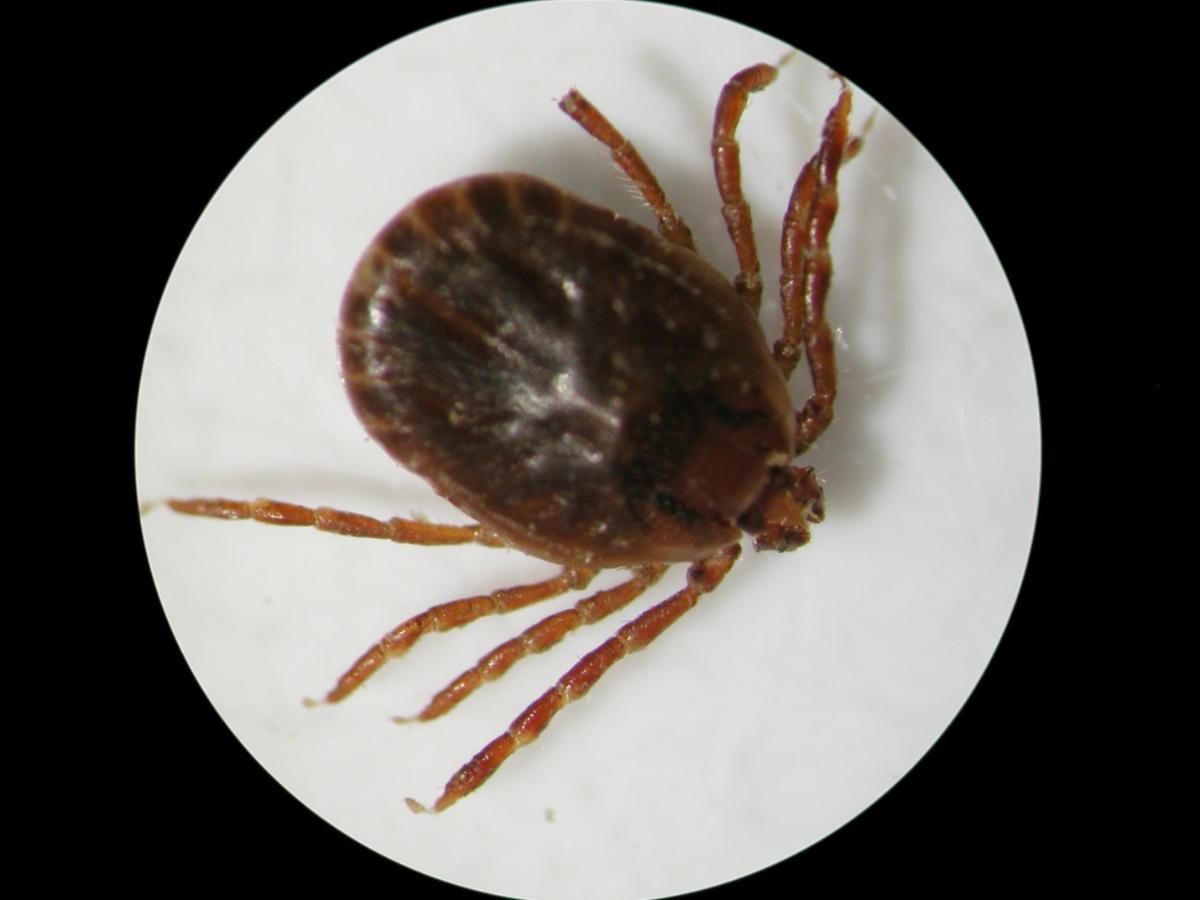
As we move into spring, pests that can affect our herds welcome warmer weather as well. Ticks are one of the pests we look out for in these months, with one that we have been keeping an eye on for several years. The Asian Longhorned Tick (Haemaphysalis longicornis) has spread throughout much of the eastern United States. Many states have reported established tick populations in their counties, with the counties reporting at least 6 individual ticks or at least two host-seeking life stages identified. These states range from New York as far south as Georgia, and reaching far west into Missouri, Arkansas, and Oklahoma.
In Arkansas, The Asian Longhorned Tick has been identified in several counties in the northern part of the state including Benton, Washington, Boone, Independence, and Searcy Counties. The tick can spread various diseases, including Theileria orientalis Ikeda strain, that can cause severe illness in cattle. Symptoms of Theileriosis in cattle are fever, anemia, weakness, abortions, and even death. In many cases, symptoms in the herd can mirror that of Anaplasmosis. Confirmed detections of T. orientalis Ikeda have been found in Carroll, Baxter, and Arkansas Counties. Marion County also has a confirmed case of T. orientalis Ikeda, but the Asian Longhorned Tick has not been collected yet.
Other than transmitting disease, surveillance efforts are important for many reasons, but two stick out quickly. The first being Asian Longhorned Ticks can be difficult to find because of its size. It is about the size of a sesame seed; even when engorged from feeding, it is around the size of a pea. This makes the tick incredibly difficult to find on animals. Secondly, the Longhorned tick is parthenogenic, meaning that the female ticks can lay eggs without a male being present. In fact, it is not common to find males during tick collections. This makes the spread of the Longhorned tick so difficult to control, combined with the female’s ability to lay between 1,000 and 2,000 eggs at a time.
The best thing we can do, especially with the possibility of infestation in the environment and herds, is to protect our livestock from the harmful pest. Consider regular tick treatments for the herd and consult your veterinarian about what would be best to use on your operation. Check animals regularly for ticks. The Longhorned tick is small, so it may be difficult to see; look around the ears, chin, brisket, and tailhead for ticks. Ticks can also be found between the forearm and brisket (what can be considered the armpit area) and around the udder. Environmental control can be used as well – start thinking of a good time (between the rain we so desperately need, of course) to clear the brush from your pastures.
Remember – ticks don’t discriminate, and the Asian Longhorned Tick is no exception. Be vigilant in protecting your herd, pets, and yourself from acquiring tickborne diseases. If you suspect Asian Longhorned Ticks on your cattle, reach out to the local extension office, Arkansas Department of Agriculture, or the USDA Animal and Plant Health Inspection Service. Also, if you are interested in having ticks collected from your cattle or collecting ticks yourself, tick collection kits are available. These collections are an effort by University of Arkansas researchers to survey the Asian Longhorned tick, and come with information about identifying ticks to collect, how to collect ticks, and where to send samples. Reach out to the extension office for more information on the tick collection kits.
| | |
BROWN MID-RIB TRAIT TRADEOFFS IN
SORGHUM-SUDANGRASS AND PEARL MILLET YIELD
Kenny Simon – Extension Forage Instructor
Jonathan Kubesch – Extension Forage Specialist
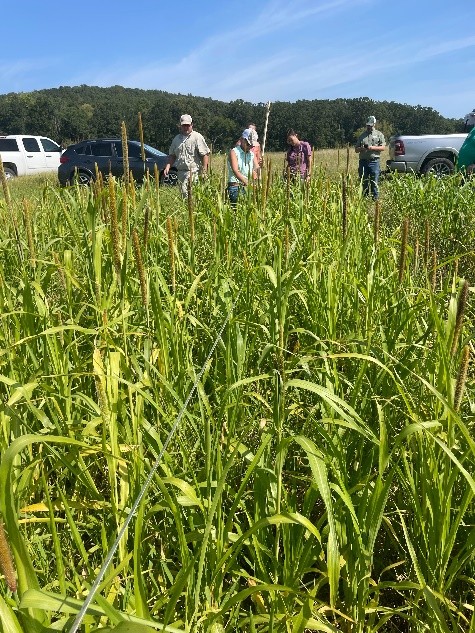
Current Arkansas Extension publications provide average quality characteristics for summer annual forages based on forage testing results produced in the state. While these results represent general trends for submitted samples, forage quality can vary significantly among summer annuals depending on management practices. The brown midrib (BMR) trait has been used to improve the nutritive value of sorghum-sudangrass and pearl millet, however it is known to affect yields. Seed cost/lb. might influence a producer’s seed selection; BMR seed costs twice as much as standard seed. This trial sought to quantify the forage yield and nutritive value of sorghum-sudangrass and pearl millet, both with and without the brown midrib (BMR) trait, under two distinct management regimes.
A field trial was conducted at the Livestock and Forestry Research Station in Batesville, AR. Pearl millet and sorghum-sudangrass with and without the BMR trait were no-till planted at 25 lbs./acre on 5/30/24. Two weeks prior to planting, glyphosate was applied to control the existing grasses and broadleaf weeds. Fertilizer was applied equally in 3 split applications, at planting and after the first & second harvest, according to soil test recommendations. Plots were harvested three times. They were managed as either best management practices (BMP) or common producer practices (CPP). The BMP plots first & second cuttings were harvested either on a 6-week interval or when they reached a target height of 36”, whichever came first. The CPP plots first & second cutting were harvested either on an 8-week interval or when they reached a target height of 72”, whichever came first. The final harvest was October 18. The first two harvests were cut to 6” stubble and the final harvest was at 2” stubble.
The presence of the BMR trait did not affect harvested forage mass, nor did species selections. The plots managed according to BMP had lower forage yield than the CPP in the first and second harvests.
Forage production costs came to a difference of <$0.005/lb. between BMR and standard options of both forages. The two-fold seed cost difference seen in BMR and standard summer annual forages does not compare to the greater investments made in weed control, soil fertility, and harvest management.
Management style was the main factor affecting nutritive value. Plots managed to BMP had higher total digestible nutrients (TDN) than CPP in the first and second harvests, but not in the third harvest. Crude protein (CP) varied depending on forage species and harvest management. The BMR trait did not influence the CP of the harvested forage. Average nutritive values for sorghum-sudangrass were slightly lower and CP of pearl millet was higher than those reported in FSA2032.
This trial quantified forage yield and nutritive value of summer annual grasses with and without the BMR trait, under different harvest regimes. This data represents a single growing season. The trial will be repeated to establish clear expectations for nutritive value and the data will be used to update Extension resources.
| | |
Weed of the Week
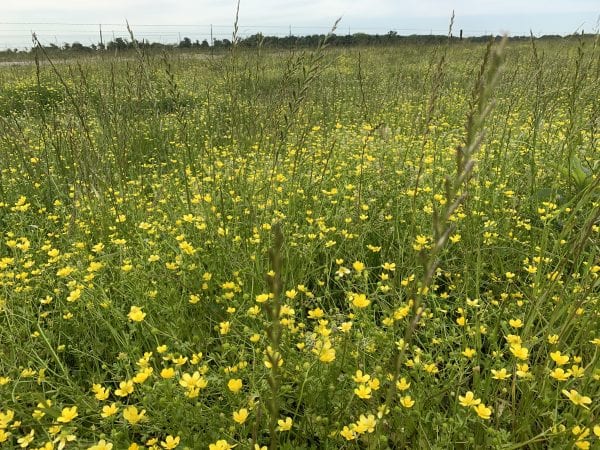
The weed of the week is my most asked about winter weed, buttercup.
Every year about this time I get the same question, "How can I kill those yellow flowers in my pasture!". I always try to get producers to spray earlier in the year if this is a weed you want to control. At this point these flowers have taken up nutrients or shaded out summer grasses and killing them now is just revenge. But revenge is easy with this beauty, just some 2,4-D and they will be gone. Now is a good time also to go in and bush hog the tops out of them and allow your summer grass to grow if you don't want to spray a herbicide.
Before buttercups flower, they are really a very good plant for livestock to graze on. I had a neighboring agent send some off once and the nutrient value is actually really good. The problem happens when they flower. They are really bitter and actually can be toxic to livestock. That is why you will see most livestock avoid them at this stage.
Love them or hate them, the buttercup bloom is on in Faulkner County!
| | |
Lanceleaf Ragweed Research
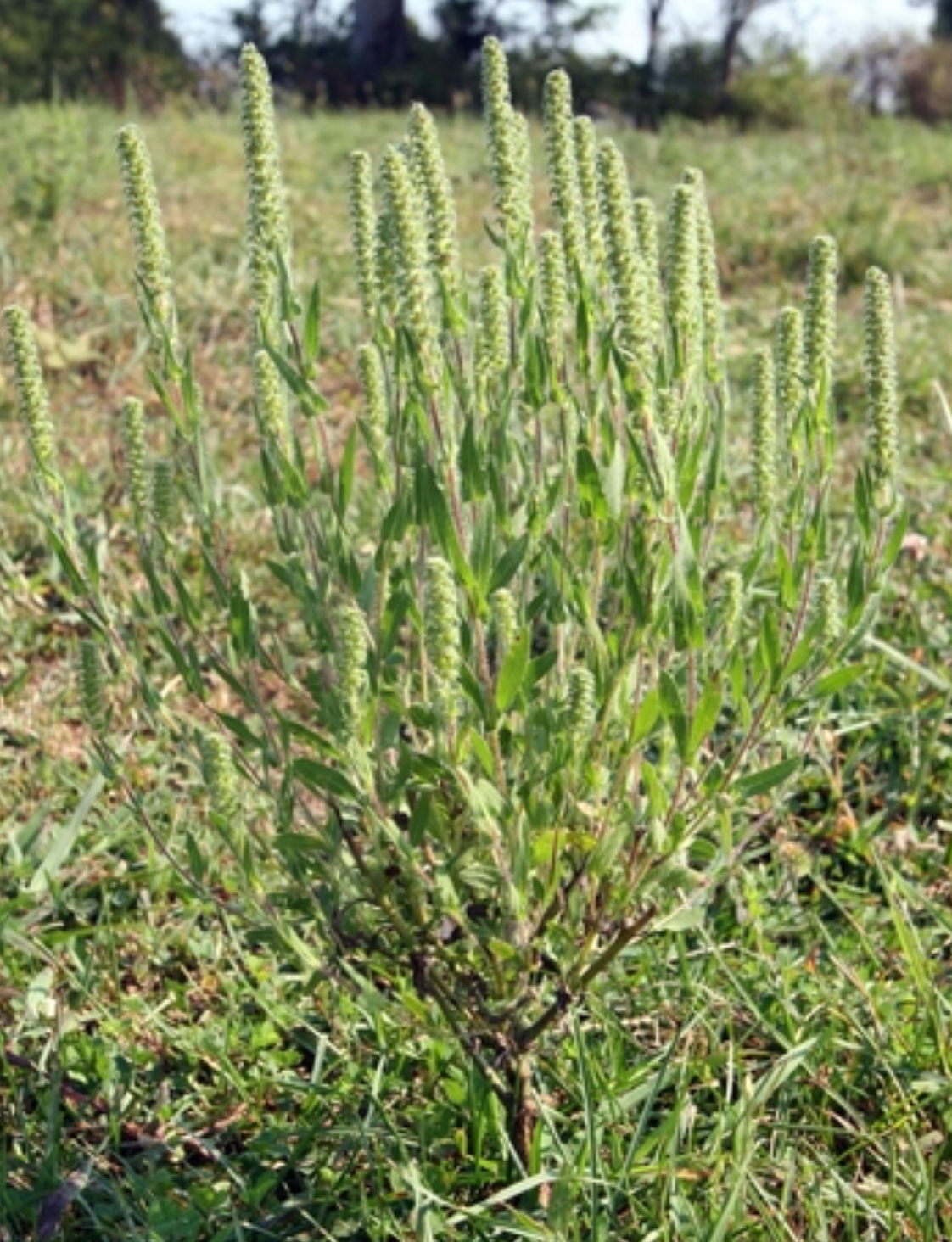
I have had a request for a location for some small plot lanceleaf ragweed research. If anyone has a good location for this research and would be willing to work with me and Dr. Hannah Smith I would really appreciate it. Either send me an email, shoot me a text or call me if you have a good location.
| | |
Livestock Market Report
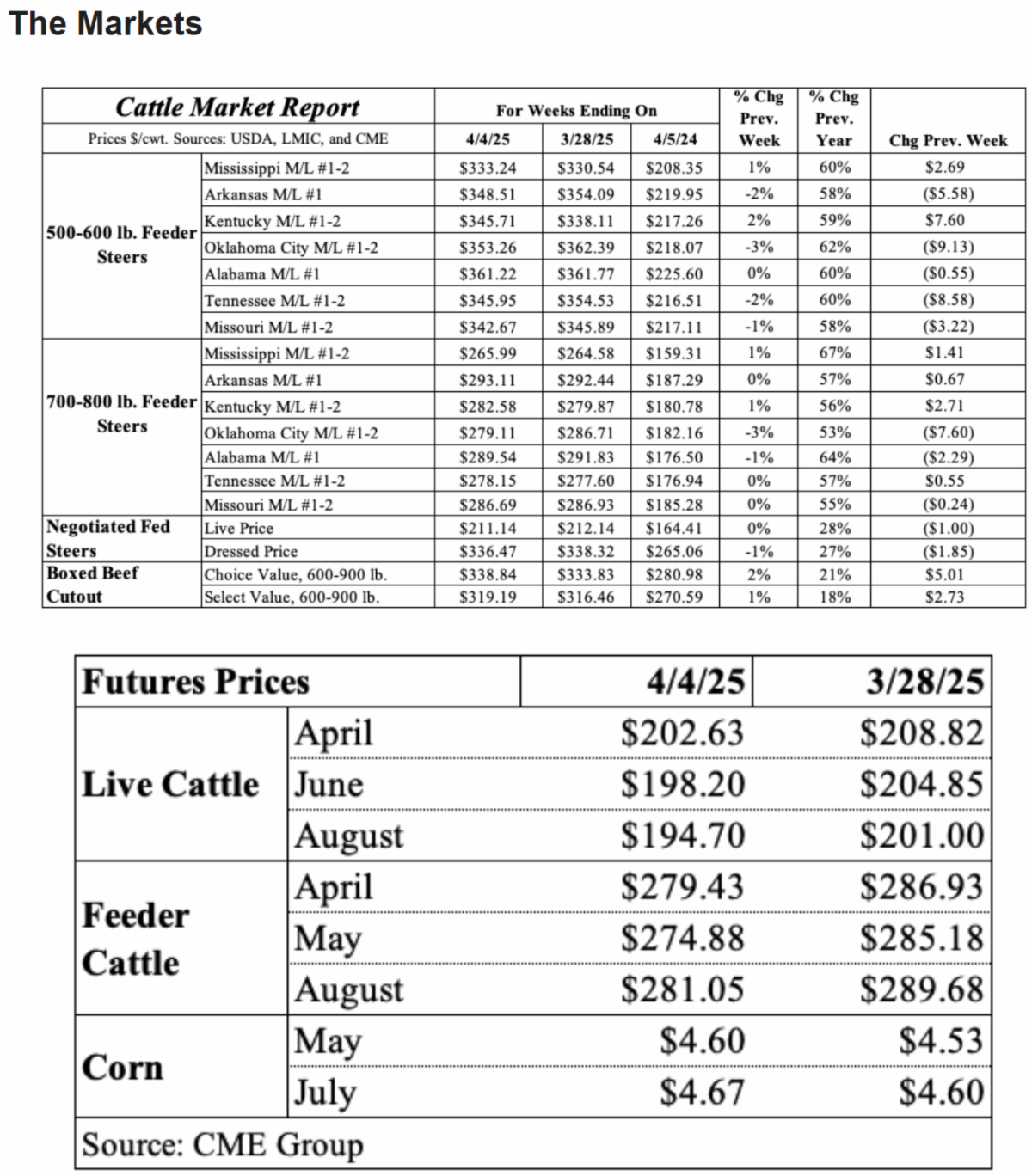
The weekly livestock market report is available on the Arkansas Department of Agriculture website.
| | |
Pesticide Applicator Trainings
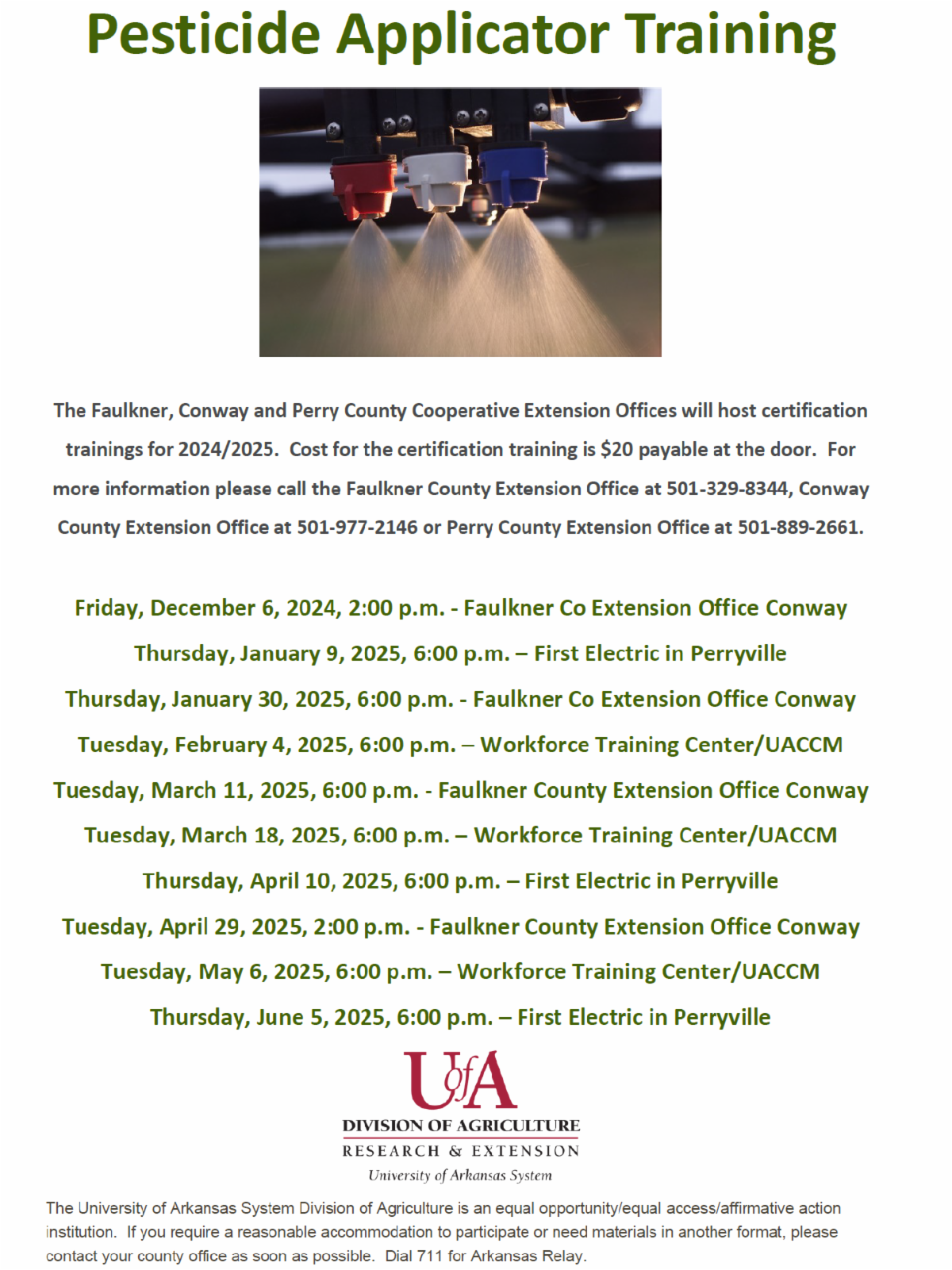
This is the Pesticide Applicator Training Schedule for Faulkner, Perry and Conway County.
Cost for the certification training is $20 that is payable at the training. It is a good idea to call and register for the class or if you have any questions, feel free to call and ask. Office numbers are located below. Anyone can go to any of these trainings. You don't have to just go in your county.
Faulkner County call and talk to Mindy Beard at the office at 501-329-8344 or email at rbeard@uada.edu
Perry County - 501-889-2661
Conway County - 501-977-2146
You can also get certified online. It also costs $20. The link to the online training is listed below.
| | |
Sign up for Text Alerts
You can now sign up for text alerts from me throughout the year. I have two areas you can sign up for which includes Faulkner Livestock or Faulkner Ag (Row Crop Updates). To sign up you can follow one of these links or use the QR Codes below.
| | Pursuant to 7 CFR § 15.3, the University of Arkansas System Division of Agriculture offers all its Extension and Research programs and services (including employment) without regard to race, color, sex, national origin, religion, age, disability, marital or veteran status, genetic information, sexual preference, pregnancy or any other legally protected status, and is an equal opportunity institution. | | | | |