|
Juneteenth: America’s Second Independence Day
Celebrating Freedom, Resilience, and the Ongoing Pursuit of Equality
Every year on June 19, communities across the United States gather to celebrate Juneteenth, a holiday that commemorates the end of slavery in the United States. Often referred to as “America’s Second Independence Day,” Juneteenth marks a pivotal moment in the nation’s history and serves as both a celebration of freedom and a reflection on the continuing the struggle for civil rights and equality.
The Origins of Juneteenth
The story of Juneteenth begins during the American Civil War. On January 1, 1863, President Lincoln issued the Emancipation Proclaimation, declaring that enslaved people in Confederate states “shall be then, thenceforward, and forever free.”
However, the proclamation could not be fully enforced in areas still under Confederate control. As a result, many enslaved people remained in bondage despite the declaration of freedom.
On June 19, 1865—more than two years after the Emancipation Proclamation—Union Major General, Gordan Granger, arrived in Galveston, Texas, with federal troops. He announced General Order No. 3, informing the people of Texas that all enslaved individuals were free under federal law.
For approximately 250,000 enslaved African Americans in Texas, the announcement represented the long-awaited realization of freedom. The date became known as “Juneteenth,” a blending of the words “June” and “nineteenth.”
Early Celebrations
The first Juneteenth celebrations took place in 1866. Freed African Americans organized gatherings that included prayer services, music, storytelling, community meals, and educational events. These celebrations became important opportunities for families separated by slavery to reunite and for communities to honor their newfound freedom.
Because many public spaces were segregated, African American communities often pooled resources to purchase land specifically for Juneteenth festivities. One notable example is primary Independence Day, established in 1872 by formerly enslaved Texans as a dedicated place for Juneteenth celebrations.
Cultural Traditions and Symbolism
Juneteenth celebrations have evolved over the decades while preserving many traditional elements.
Food and Community
Food has always played a central role in Juneteenth gatherings. Barbecues, family reunions, picnics, and community feasts are common features of the holiday. Traditional foods often include:
- Barbecue and smoked meats
- Collard greens
- Cornbread
- Sweet potato dishes
- Red velvet cake
- Strawberry soda and fruit punches
The color red carries special symbolism in many Juneteenth celebrations. Historians suggest it may represent resilience, sacrifice, and the cultural traditions brought from West Africa by enslaved peoples.
Music and Storytelling
Music has long been an essential part of Juneteenth observances. Gospel music, spirituals, jazz, blues, and contemporary genres all play a role in commemorations. Storytelling sessions and historical readings help preserve community memory and educate younger generations about the experiences of their ancestors.
Education and Reflection
Modern Juneteenth celebrations frequently include lectures, museum exhibits, historical reenactments, and discussions about African American history. These educational activities emphasize that Juneteenth is not only a celebration but also an opportunity for learning and reflection.
Juneteenth and the Civil Rights Movement
During the twentieth century, Juneteenth celebrations expanded beyond Texas as African Americans migrated to other parts of the country. Interest in the holiday grew alongside the Civil Rights Movement, which highlighted the ongoing struggle to secure the promises of freedom and equal citizenship.
Juneteenth became a powerful symbol connecting the end of slavery with broader efforts to combat discrimination, segregation, and systemic inequality.
Recognition as a National Holiday
Texas became the first state to officially recognize Juneteenth as a state holiday in 1980. Over the following decades, advocacy efforts led more states to acknowledge the holiday.
A major milestone occurred in 2021 when Juneteenth became a federal holiday after legislation was signed into law by President Biden. The establishment of Juneteenth National Independence Day marked the first new federal holiday created in the United States since 1983.
Federal recognition brought increased national awareness and encouraged broader participation in commemorative events across the country.
Why Juneteenth Matters Today
Juneteenth is more than a historical anniversary. It serves as a reminder that freedom and justice have often been achieved through perseverance, sacrifice, and collective action.
The holiday encourages Americans to examine the nation's history honestly while celebrating the achievements, contributions, and resilience of African Americans. It also provides an opportunity to engage in meaningful conversations about citizenship, equality, and the ongoing work of building a more inclusive society.
For many communities, Juneteenth represents hope, progress, and the enduring belief that freedom should be shared equally by all people.
Looking Forward
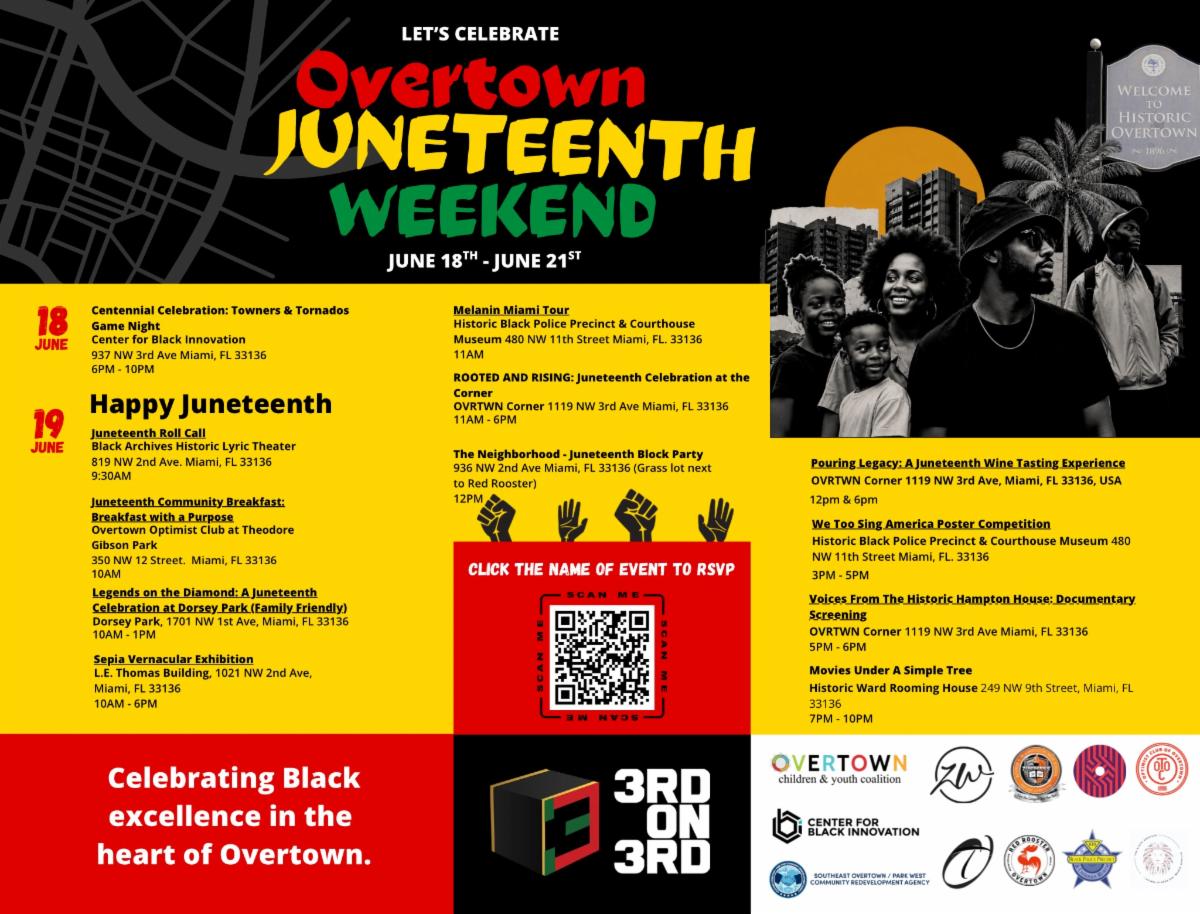
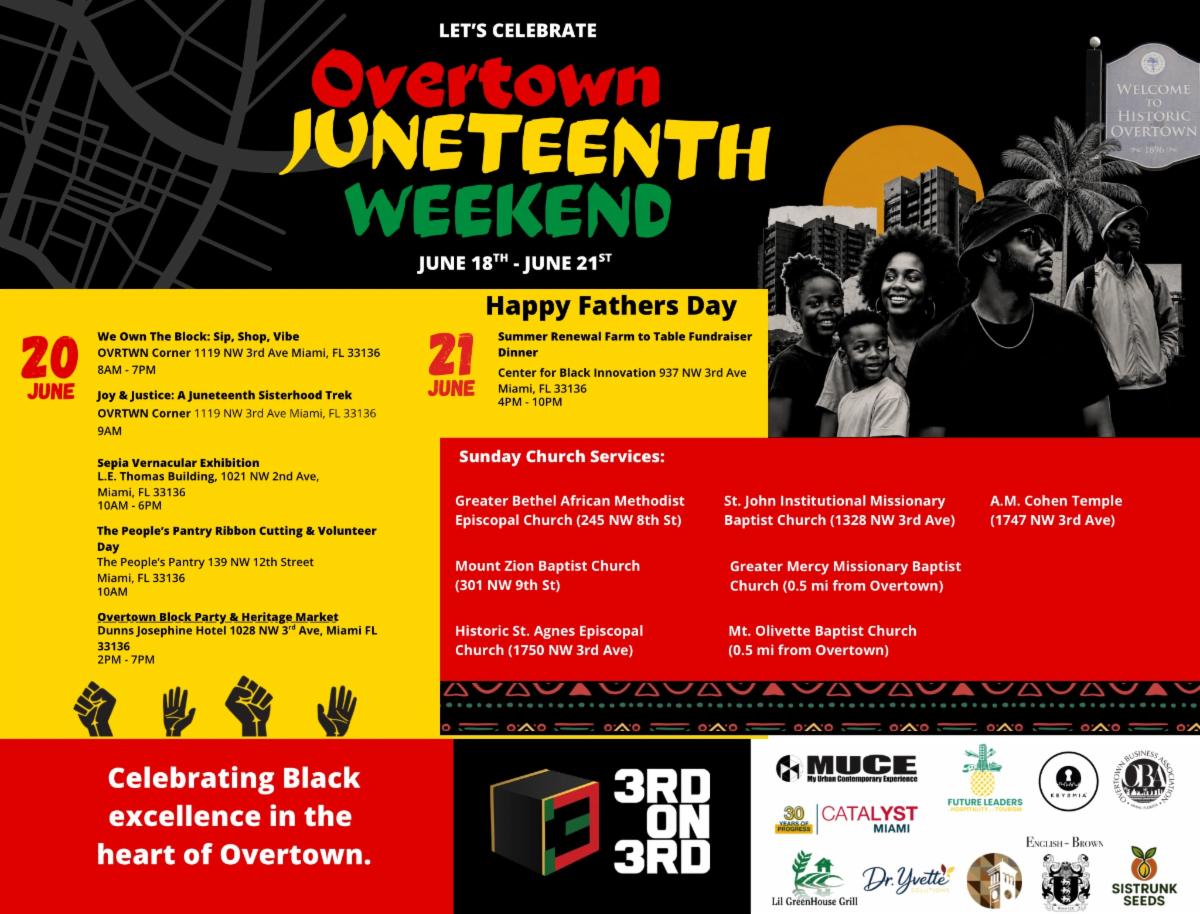
As Juneteenth continues to gain recognition nationwide, it has become a unifying occasion for people of all backgrounds. Festivals, educational programs, artistic performances, and community service projects reflect the holiday’s growing significance in American culture.
By honoring the experiences of those who endured slavery and celebrating the triumph of freedom, Juneteenth invites Americans to remember the past, appreciate the present, and work toward a future grounded in dignity, justice, and opportunity for all.
“No one is free until we are all free.”
The spirit of Juneteenth reminds us that freedom is not merely a historical event—it is an ongoing commitment that each generation must uphold.
Article AI Generated
|