|
As we mark the second anniversary of our Read LA! campaign, I’m filled with both pride and urgency. Two years ago, Families In Schools took a stand to address the decades-long literacy crisis in L.A. and across California. With our Read LA! Coalition, we set a bold goal: by 2030, at least 70% of LAUSD’s third graders reading on grade level.
Since then, we’ve seen what’s possible when families, educators, and communities unite:
- Hundreds of families joined literacy workshops, learning how children learn to read.
- The majority of LAUSD's K-5 educators have been trained in science-based reading instruction.
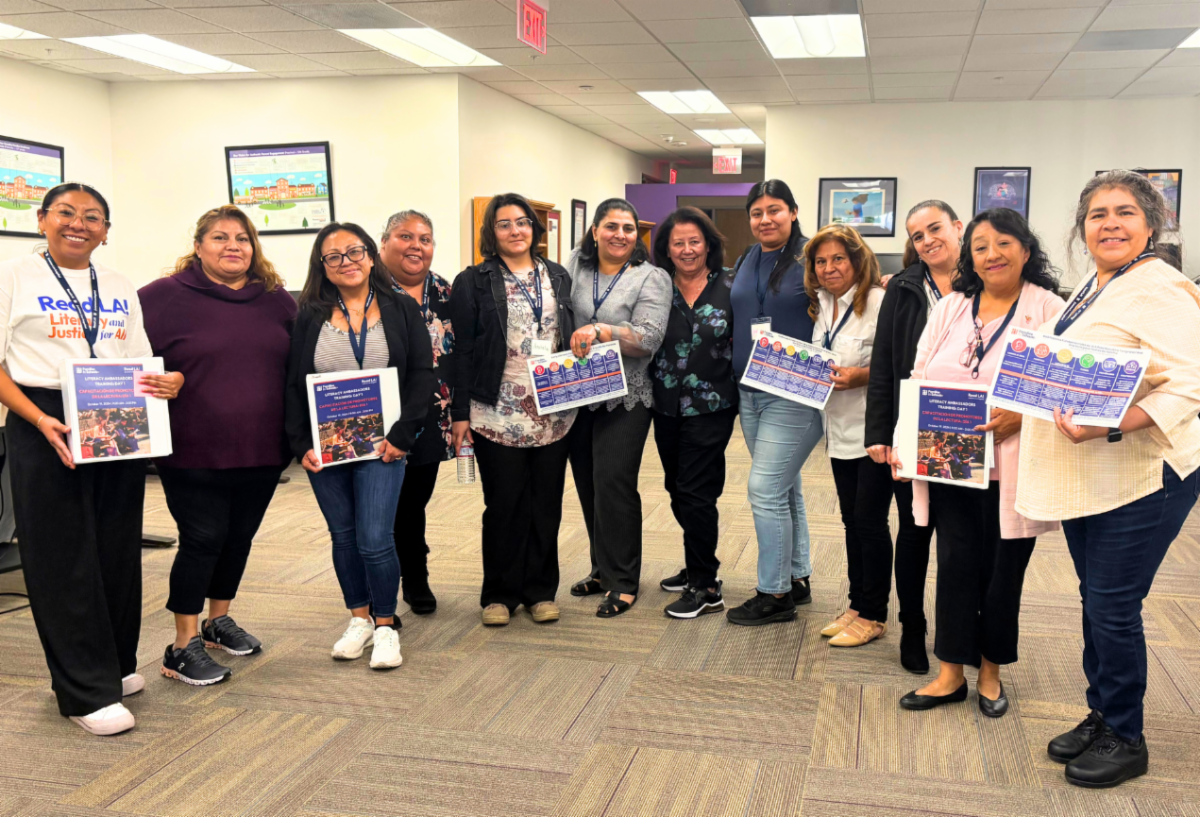
- 88 Literacy Ambassadors are championing early literacy in their communities.
- The California legislature unanimously passed early literacy legislation.
We celebrate and thank Governor Newsom for signing AB 1454—a bill FIS fiercely championed. This victory will bring evidence-based reading instruction to TK-5 classrooms. And we applaud LAUSD for demonstrating the largest gains in the state for all student groups, including in reading. These milestones affirm that, when we invest in families, equip our teachers, and elevate our expectations, our children rise.
But even as we celebrate, we cannot ignore growing challenges. Too many vulnerable families are being targeted—their voices dismissed, their rights threatened, and their children’s futures put at risk. Just this week, the Trump administration took steps towards dismantling the Department of Education, a direct attack on students as I detailed in a piece for The 74. At FIS, we will not be silent. We will continue to speak out and work with partners to create a society that sees every family and every child as a source of strength.
We have much more work to do to make education and well-being equitable for all our children. Together, we can—and we will—make it happen.
With gratitude, courage, and hope,
| | |
Across Los Angeles, families are feeling the impact of the SNAP cuts in real and immediate ways. Even though the government shutdown has ended, the inequities it exposed remain. Many parents who have long depended on SNAP were suddenly receiving reduced or no benefits at all. They are doing everything they can, working extra hours, taking on temporary jobs, stretching every dollar, and still facing impossible choices no parent should ever have to make.
At FIS, we are speaking directly with families about what these cuts mean for their children’s well-being, their stability, and their ability to put food on the table. Hunger should never be a daily fear. It should never be a barrier to learning.
|
|
|
“One parent we know is struggling daily with her husband to put food on the table for not just themselves but also their young child. Her temporary job just ended, her husband’s hours have been cut due to the tariffs, and they lost $298/month in SNAP overnight. With rent and rising food prices, even a dozen eggs and a gallon of milk can exceed their daily food budget of $3.31 per person. No family should have to choose between a roof and a meal.”
— Sandy Mendoza, Director of Advocacy, Families In Schools
|
| | |
During the 2023–24 school year, nearly one in three Latino kindergarteners in LAUSD was chronically absent. Attendance has improved since the pandemic, but significant disparities persist, and too many young learners continue to miss the instructional time essential for early literacy and long-term success.
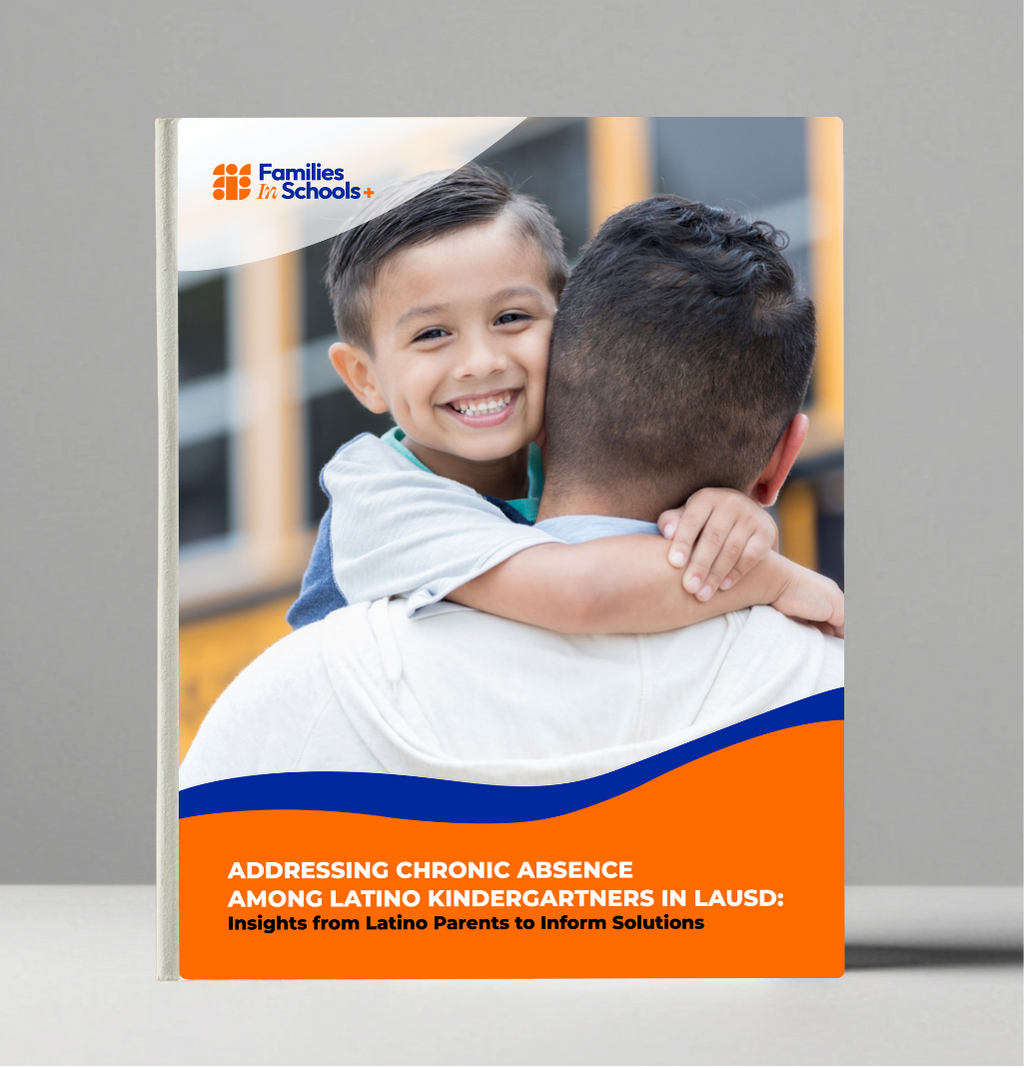
To better understand the underlying challenges, Families In Schools partnered with Dr. Kevin Gee to conduct focus groups with 48 Latino parents and caregivers across eight LAUSD schools. Their insights shaped a comprehensive set of district-aligned recommendations grounded in what families identified as the most pressing barriers to daily attendance.
| | | | |
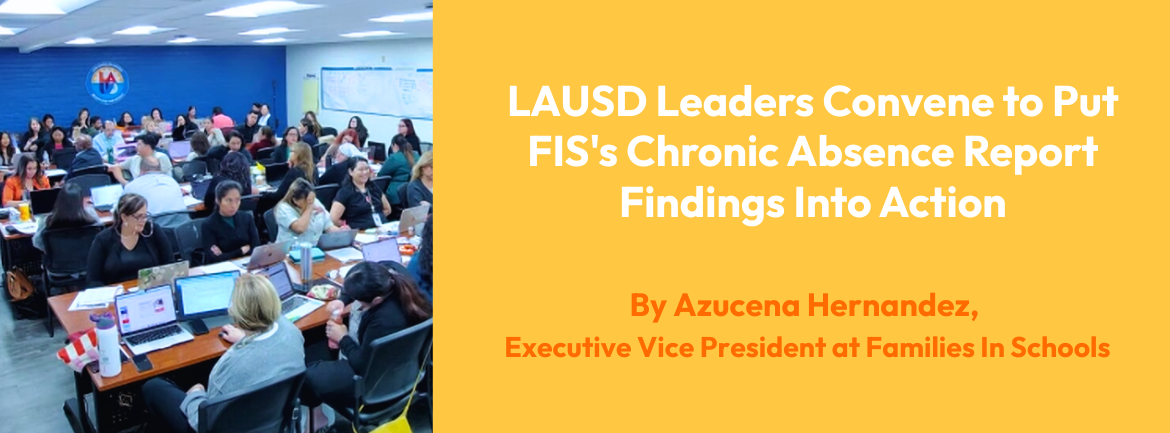
LAUSD welcomed the findings and recognized the ways they strengthen the district’s existing iAttend strategies. In October 2025, FIS was invited to present the report to more than 75 leaders at LAUSD’s Regional Family and Community Engagement (FACE) convening. The session focused on opportunities to implement the recommendations, deepen collaboration, and align supports for families.
The report also garnered strong media attention. Coverage in Edsource and a feature in the Los Angeles Times helped elevate the issue statewide and underscore the importance of coordinated district and community action.
| | |
“Laguna Beach USD receives more than twice as much
funding per student each year than LAUSD.”
To better understand how funding differs among California’s school districts and why “Basic Aid” policy leads to a lack of educational equity, we spoke with Todd Collins, a former Palo Alto school board member, educational advocate, and founder of the California Reading Coalition. In this interview, Todd shared his insights on how LCFF’s Basic Aid affects most of California’s students and the urgency in addressing it so that all students have equal opportunities for school success:
How does funding for school districts work in California?
School funding in California is really a tale of two systems. The majority of schools are funded by the state through the Local Control Funding Formula (LCFF). The LCFF provides every district with a base amount per student, plus additional funding for “high-need” students, which include low-income students, foster youth, and English learners. Districts with over 80% high-need students receive even more funding. The core principle is clear: the higher the need, the higher the funding.
However, about 10% of districts operate as a holdover from an older era when local property taxes funded individual communities' schools. Examples in the LA area include Beverly Hills, Malibu, Laguna Beach, and Newport-Mesa. These are now called “Basic Aid” districts, and they represent the wealthiest districts in the state. Some of these can have two or three times the funding of neighboring state-funded schools, despite having a far smaller number of high-need students.
Read the full interview here.
| | |
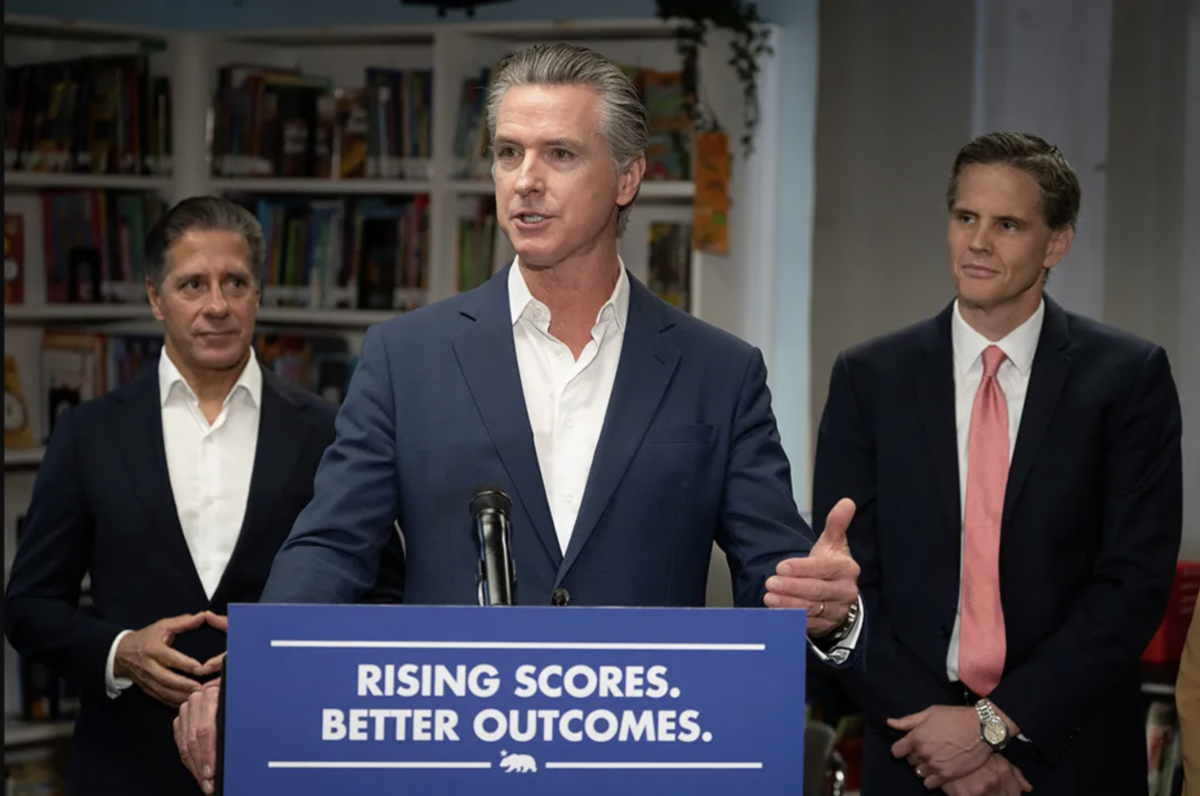
FIS Championed AB 1454, Now Signed by Governor Gavin Newsom | Early literacy bill AB 1454 (Rivas, Muratsuchi, Rubio) was signed into law by Governor Newsom on October 9, 2025, bringing evidence-based reading instruction into classrooms. Championed by FIS, this bill won unanimous, bipartisan support and marks a historic step toward ensuring that every child in California can learn to read. We thank AB 1454’s authors and co-authors, lead partners—EdVoice, Decoding Dyslexia CA, and NAACP—the over one thousand Californians who signed the petition, and 95 supporting organizations for getting it across the finish line! | |  |
FIS Issues Report to Address Early Chronic Absenteeism at LAUSD | In September, in partnership with LAUSD, FIS released a report highlighting families and schools as essential partners in combating chronic absenteeism. Addressing Chronic Absence Among Latino Kindergartners in LAUSD: Insights from Latino Parents to Inform Solutions shared insights from our focus groups of 48 Latino parents and caregivers of LAUSD students to identify barriers and challenges families face in bringing their children to school every day. The report garnered 25 media mentions, including an exclusive article in the LA Times. | | |
FIS Surpasses Recruitment Goal for Literacy Ambassadors | Read LA! has trained 88 parents, caregivers, educators, and community leaders for our Literacy Ambassador program who are now promoting early literacy throughout our Los Angeles communities. Our Literacy Ambassadors will help advance Read LA’s campaign message through advocacy, resource-sharing, and leadership opportunities with families in their neighborhoods. | | | |
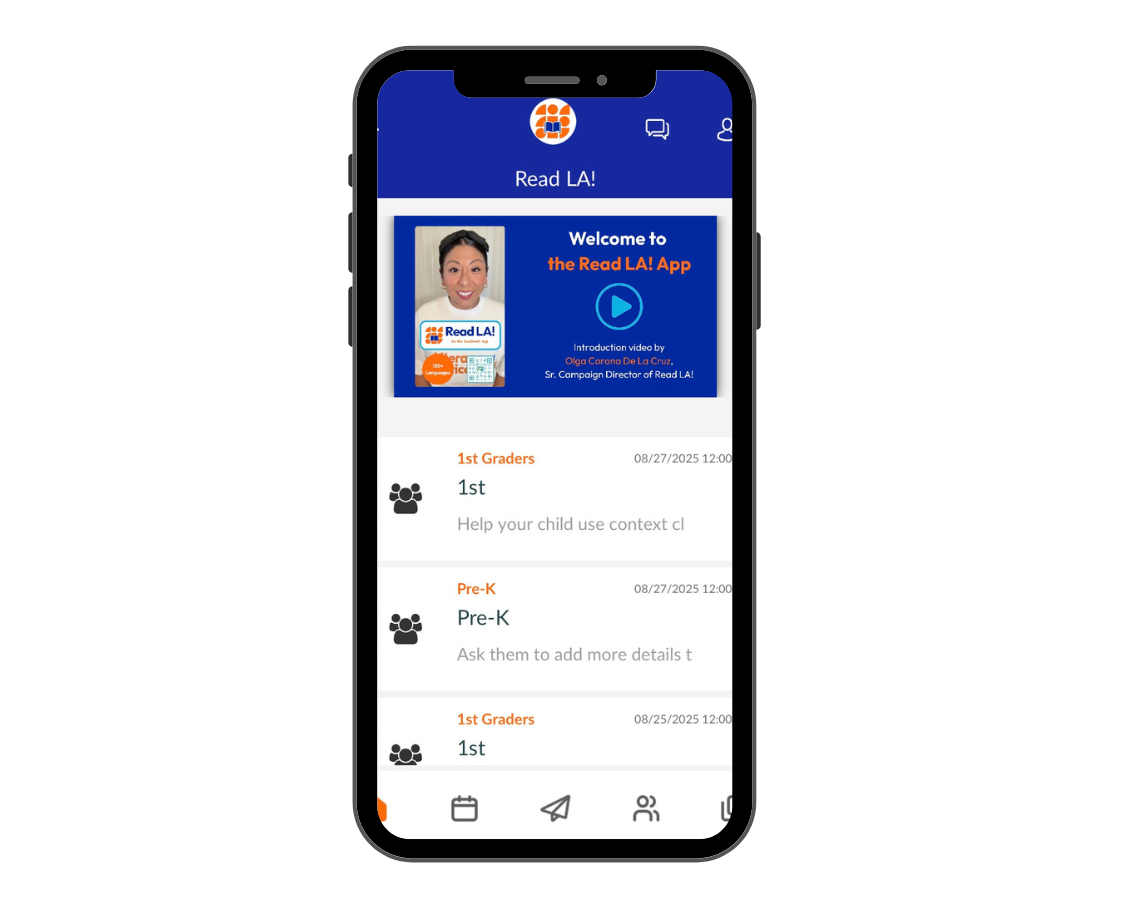
FIS Launches the Beta Version of the Read LA! App, Bringing Early Literacy Tools to Families | Powered by ReachWell, this app—currently in beta form—offers parents and caregivers the information they need to support their children’s literacy at home and advocate for them at school. The Read LA! App—to be formally launched in 2026—makes content available in over 130 languages, requires no personal information, and offers tips for Pre-K to third grade students, giving families new content every week to support their children’s reading skills. | | |
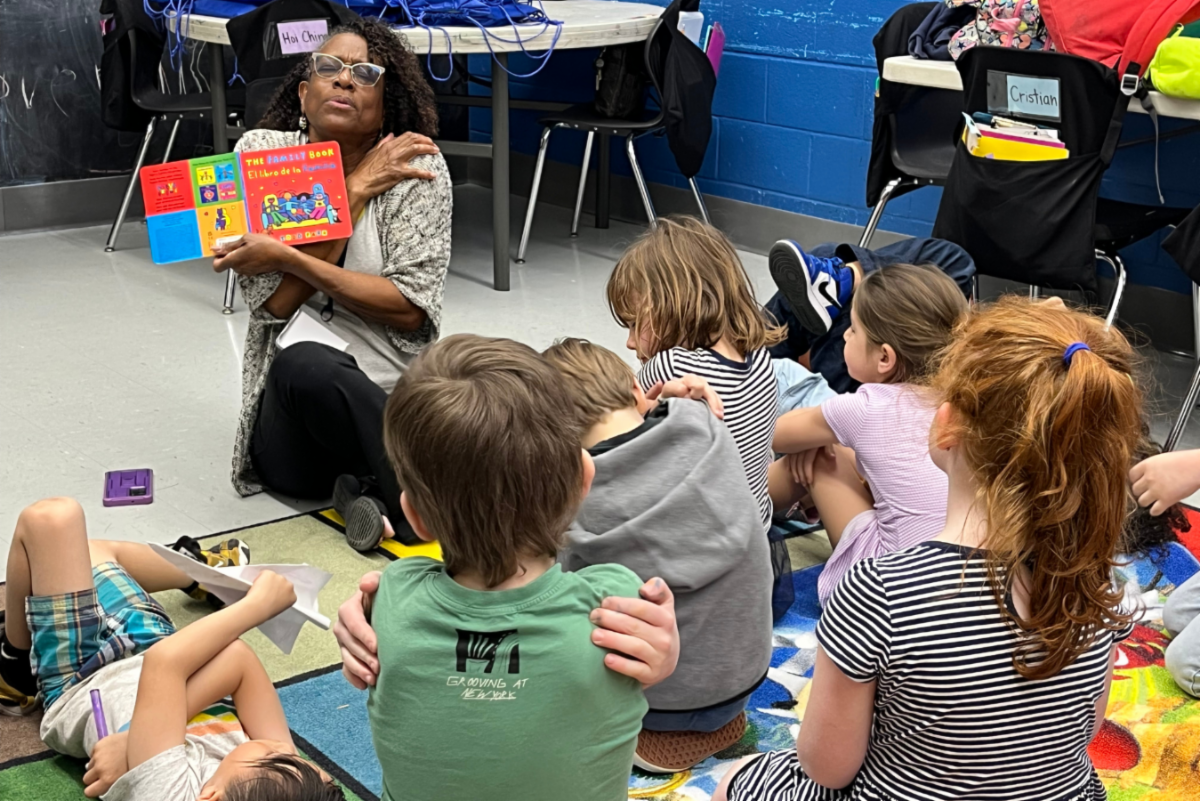
FIS Expands Read LA! Storytime Program to Comfort More Children | We continue to reach even more children and families affected by the L.A. wildfires with our volunteer-led Storytimes and book giveaways in Altadena, Pacific Palisades, and other impacted communities. To date, we’ve provided 3,860+ books (from partners Scholastic and PaperPie) to over 1,720 students through our 51 trained volunteers. | | |
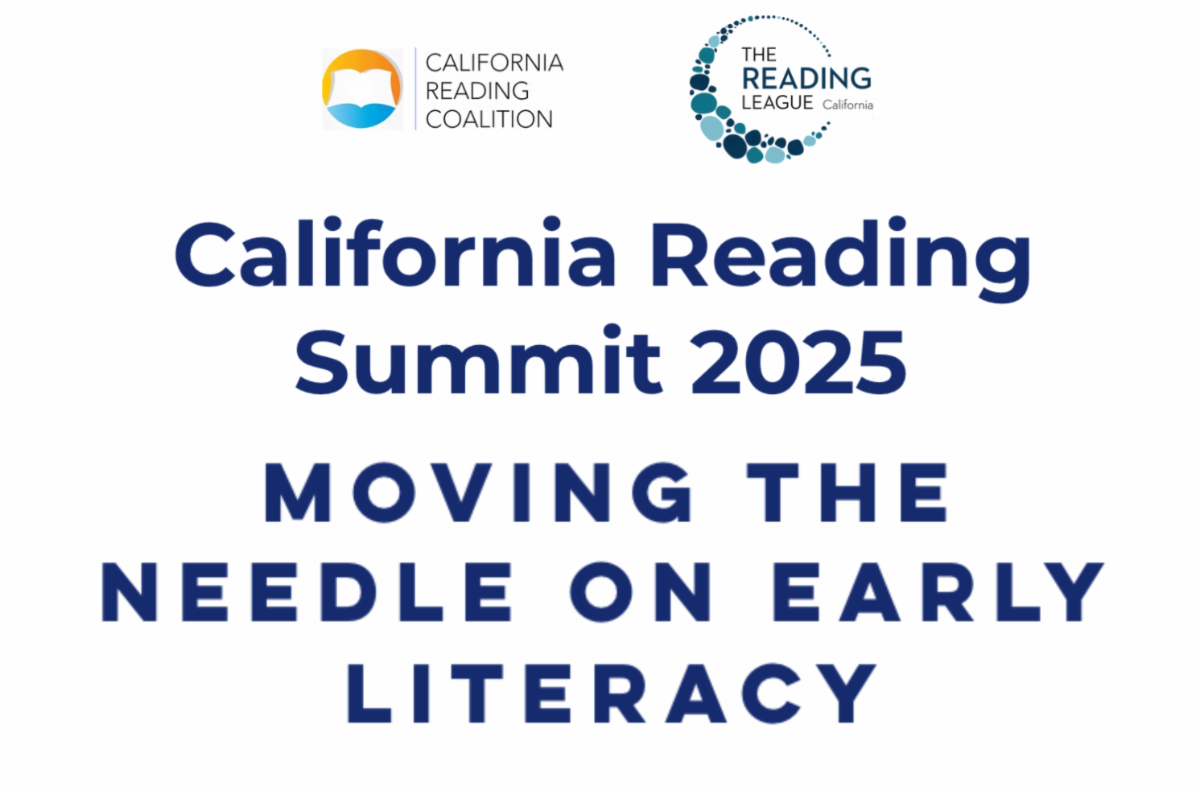
FIS’s CEO Yolie Flores Leads Panel at the 2025 CA Reading Summit | This fall, our CEO moderated a panel titled “Parents as Change Agents for Reading Success,” which was attended by nearly 400 summit participants and elevated the powerful role parents are playing in advancing reading equity for all of California’s children. The summit itself had 1,200 attendees, making it one of the most successful Reading Summits ever hosted by the California Reading Coalition and The Reading League-California. | | | | |
With the launch of the beta version of the Read LA! App, the Beverly Press and Park Labrea News published an article diving into the app’s purpose, the content it will provide to parents and families, how it will advance Read LA’s core campaign goal of getting 70% of LAUSD third graders to read proficiently by 2030, and what key developers behind the app had to say about our partnership with ReachWell to create it. Read here. | | Reporting on our Chronic Absenteeism Report | | |
Following the release of our report, Addressing Chronic Absence Among Latino Kindergarteners in LAUSD: Insights from Latino Parents to Inform Solutions, FIS received more than 35 media mentions across local and statewide outlets. Key highlights include:
-
Los Angeles Times reporter Jenny Gold published an exclusive story on our findings, including quotes from the LAUSD Superintendent, FIS President and CEO Yolie Flores, and Literacy Ambassador Dulce. Read here.
-
EdSource covered the report’s major themes, including the challenges surfaced through our parent focus groups and the recommendations we provided to LAUSD. Read here.
-
A month after the report’s release, Jenny Gold authored a follow-up piece in the LA Times that examined health-related absences and parental perspectives on the issue. Read here.
| | | |
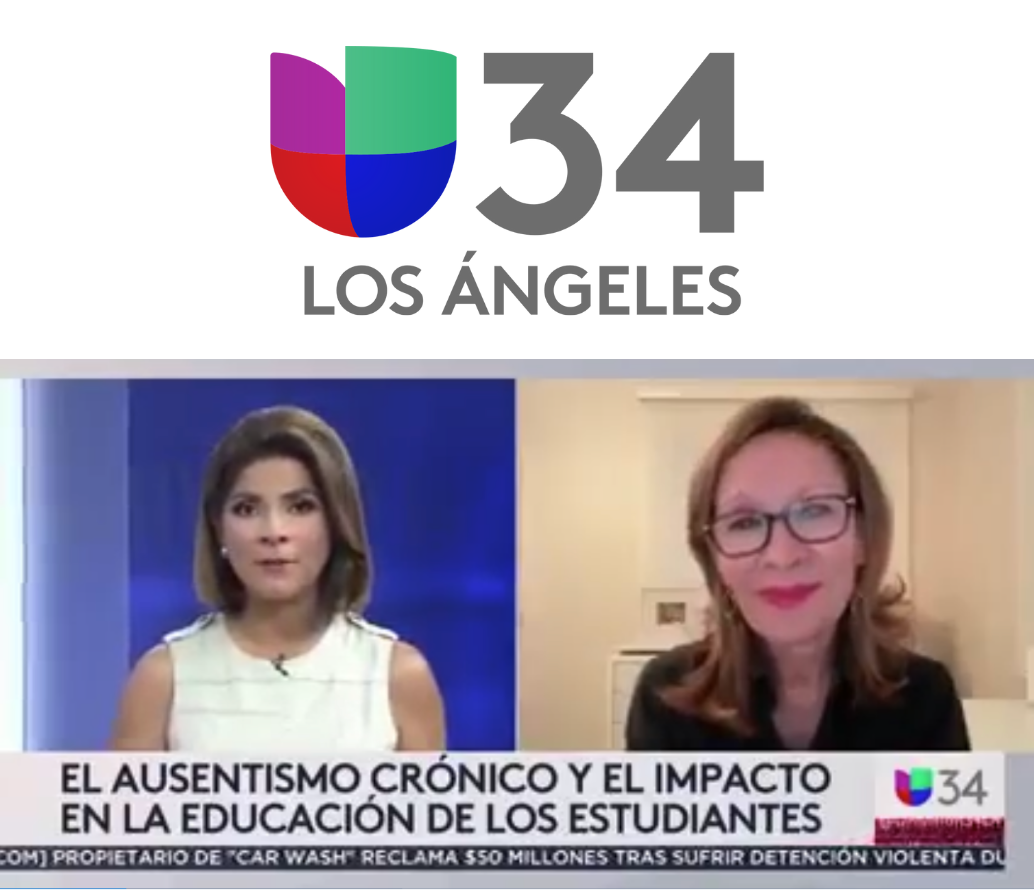
As part of the attention generated by the report, FIS President and CEO Yolie Flores joined KMEX TV Univision34 (A Primera Hora) for an interview discussing the impact chronic absence has on students’ education and what can be done to combat this issue. Watch here. | | For 25 years, Families In Schools (FIS) has served low-income, immigrant, and communities of color, knowing that education remains the single most important opportunity for them. The mission of Families In Schools is to involve families and communities in their children’s education to achieve lifelong success. | | | | |