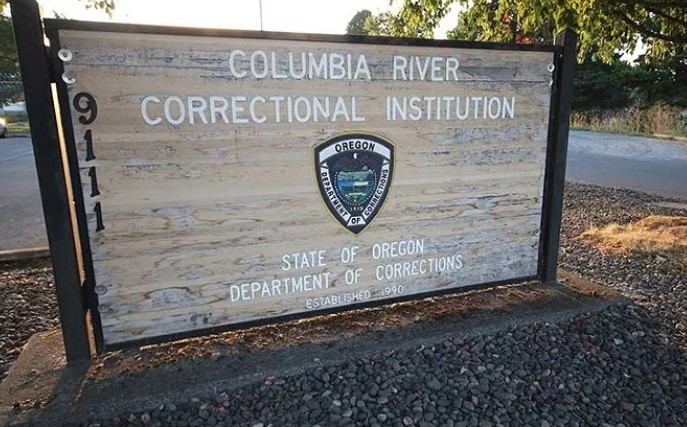
Earlier this spring, led by PLC Vice President Linda Rountree, and Multnomah County Library GED Educator, Colleen Latimer, PLC kicked off a GED Tutor Training for GED peer tutors at Columbia River Correctional Institution (CRCI). One of fourteen correctional institutions in the state, CRCI has a peer tutor program in place and CRCI's education coordinator, Sarah Mooney (a Portland Community College (PCC) instructor) contacted PLC to offer tutors an opportunity for further professional education.
The Department of Corrections (DOC) GED program around the state is contracted through the community colleges in the region. PCC is responsible for CRCI as well as the women's prisons at Coffee Creek in Wilsonville and South Fork Forestry Camp outside Tillamook. Of the fourteen Oregon DOC institutions, six community college–DOC contracts are currently in place to manage the education programs.
Currently, at correctional facilities across Oregon, all Adults in Custody (AICs) have jobs; one of the most highly sought after is to be a tutor. To be a tutor, AICs have a GED® Certificate, high school, and in some cases some college. Because it is a relatively well paid position, Colleen Latimer explained, the job is based on an individual's enthusiasm to teach. However, currently the DOC has not been able to provide enough training. So, DOC tutors requested a GED training with a particular focus on communication and professionalism.
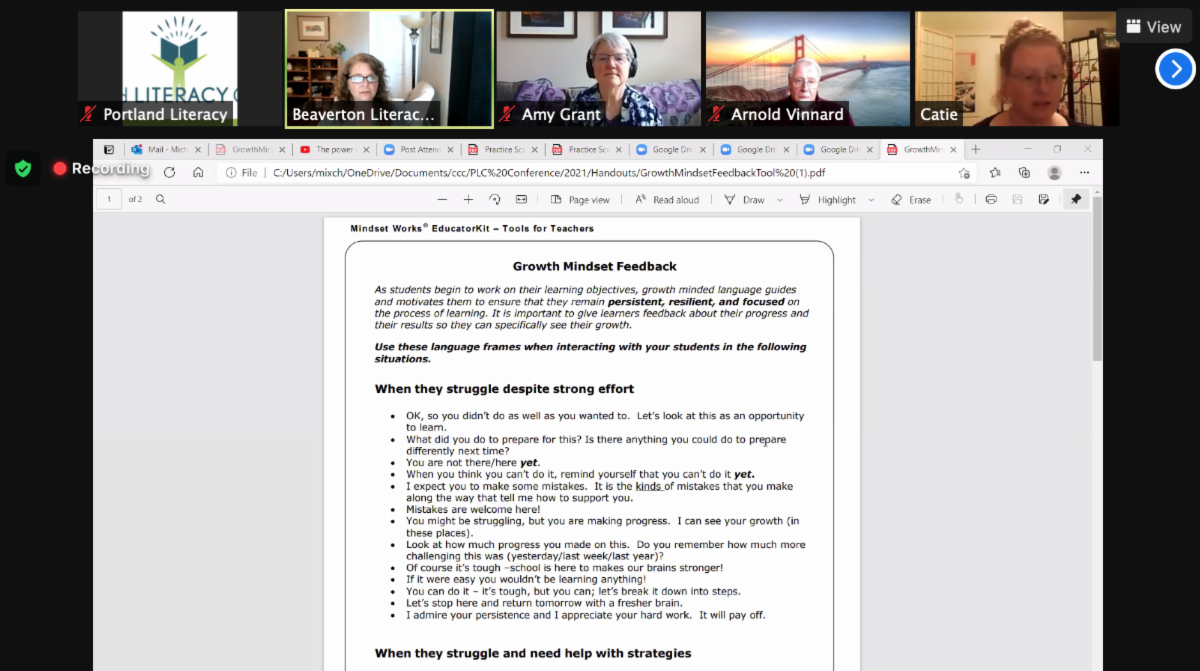
PLC's tutor training, which was held over the course of two sessions, provided a general overview of the basics of being a GED tutor, and as Colleen explained, answered some professional development-themed questions: "As a tutor, what do you do first before meeting with your student, what should your tutor session look like, and what should you do after the meeting as follow-up? What can you gain as a tutor? We emphasized being professional, documenting the course for yourself as a tutor, and for the student. The more professionally you handle it while in custody, what can being a GED tutor mean for you once you leave custody?"
Colleen explained, exposing AICs to these concepts was clearly very inspirational and motivational--it was an opportunity for some true professional development. "We provide a framework. It's good to be motivated for what you're doing for your students, and what you're in turn doing for yourself."
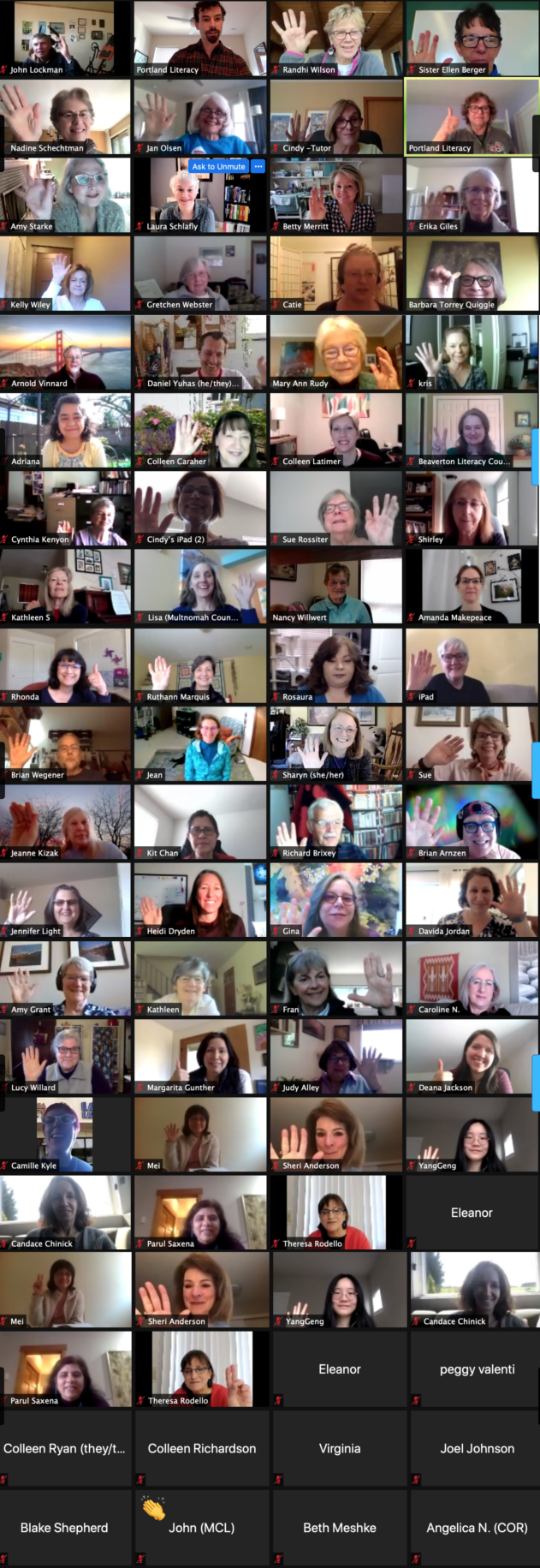
Colleen taught the course on Zoom with CRCI's education coordinator, Sarah Mooney projecting eight students on one big screen, as students are not permitted individual Zoom accounts or internet access. Colleen explained the challenges: "Because it was not possible to see everyone in the room at the same time, Sarah tried to turn their laptop camera to catch people as they talked to ask questions. It was a unique challenge, but it went as well as expected. It would have been easier to get more interaction and to see hands if everyone had individual Zoom access."
When asked what take-aways she had from the experience, Colleen shared, "How impressed I was with these guys who are truly committed to help their fellow AICs in getting their GED. Really asking great questions and really desperate to know they're doing the best job they could. Going into it not knowing how it was going to go, and what kind of participation we would get, they just wished they could get more, and are looking forward to do more in person. All they could share with us were their thoughts about what they wanted to hear and learn next time we're there to teach a course."