|
Re-sterilization: A Debated Practice
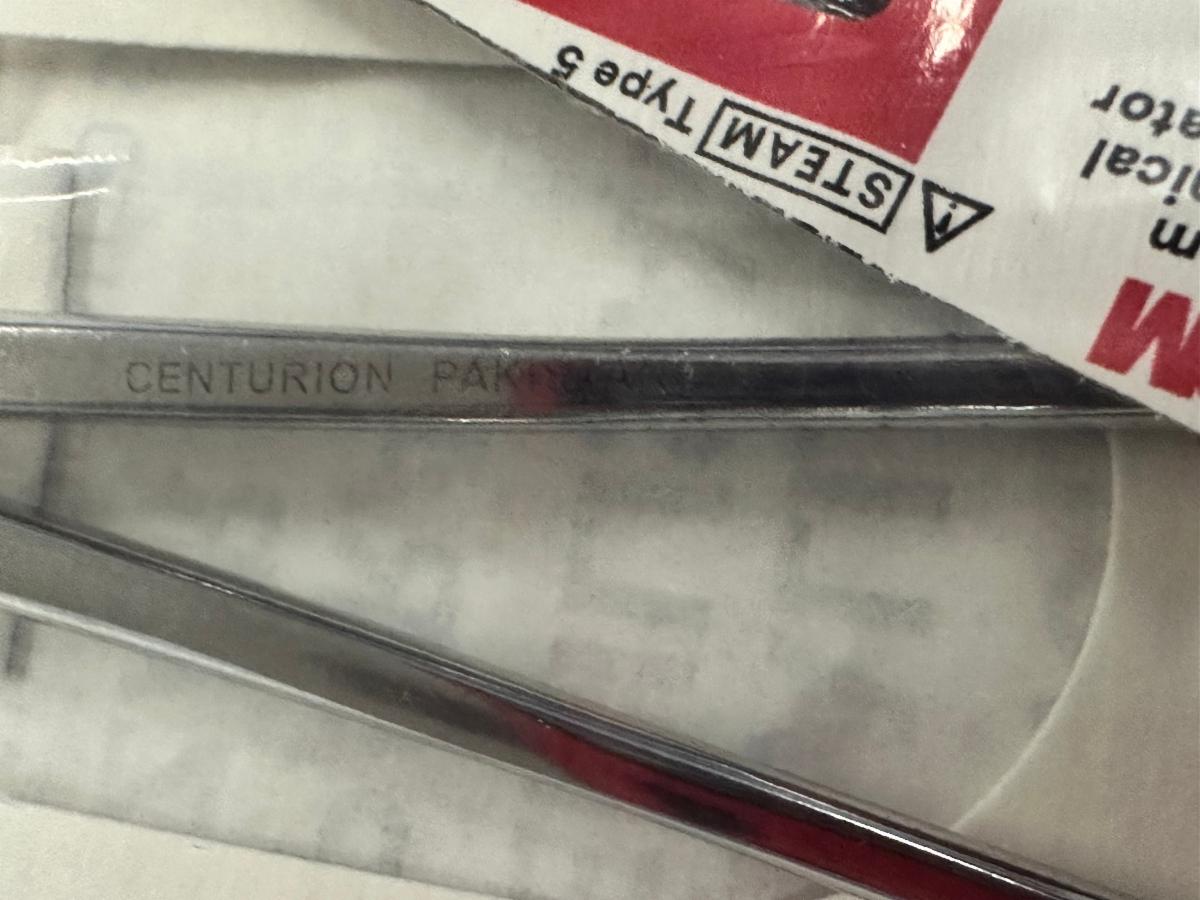
Despite the intended single-use nature of these instruments, some clinics and providers choose to repeatedly sterilize and reuse them. This practice, often driven by cost-saving measures, involves reprocessing instruments through various sterilization techniques after initial use. However, re-sterilization of single-use instruments raises the following significant risks and challenges.
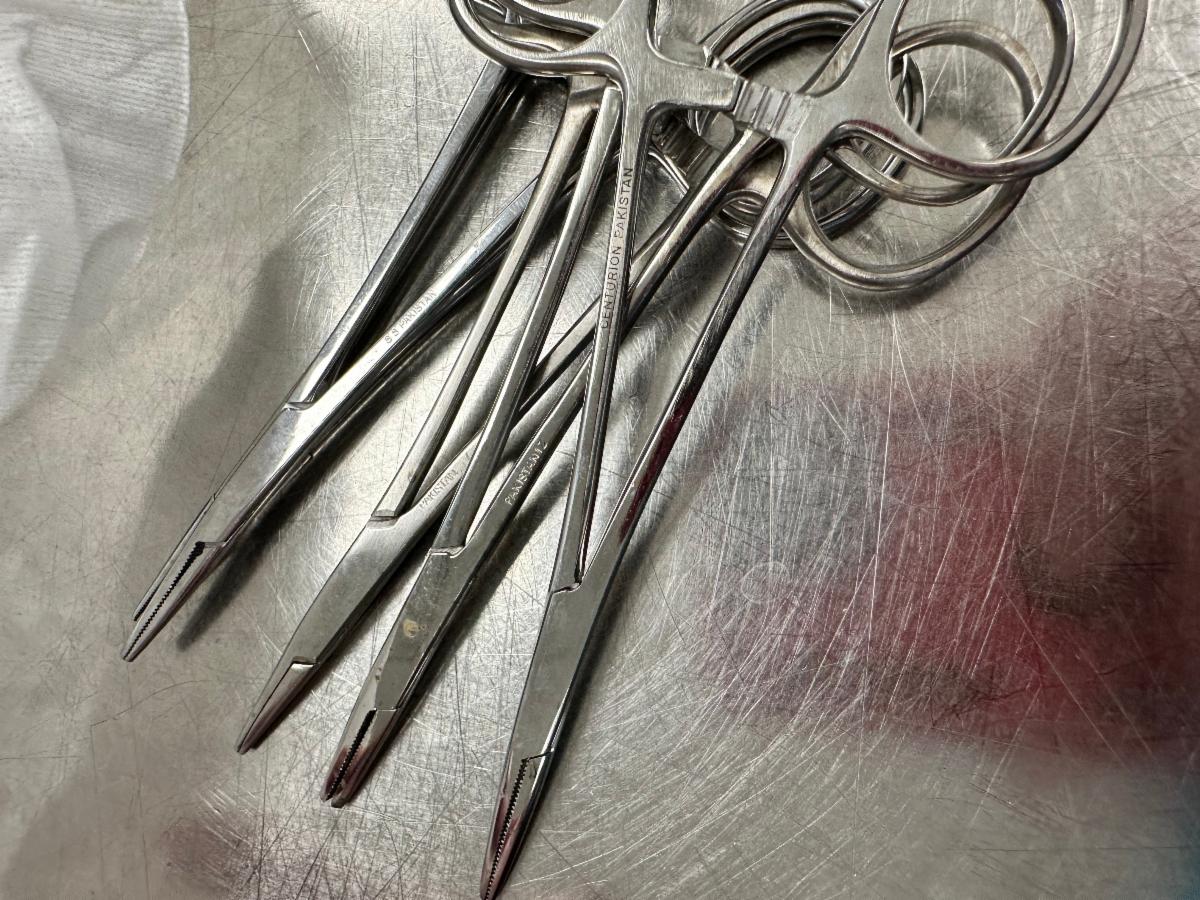
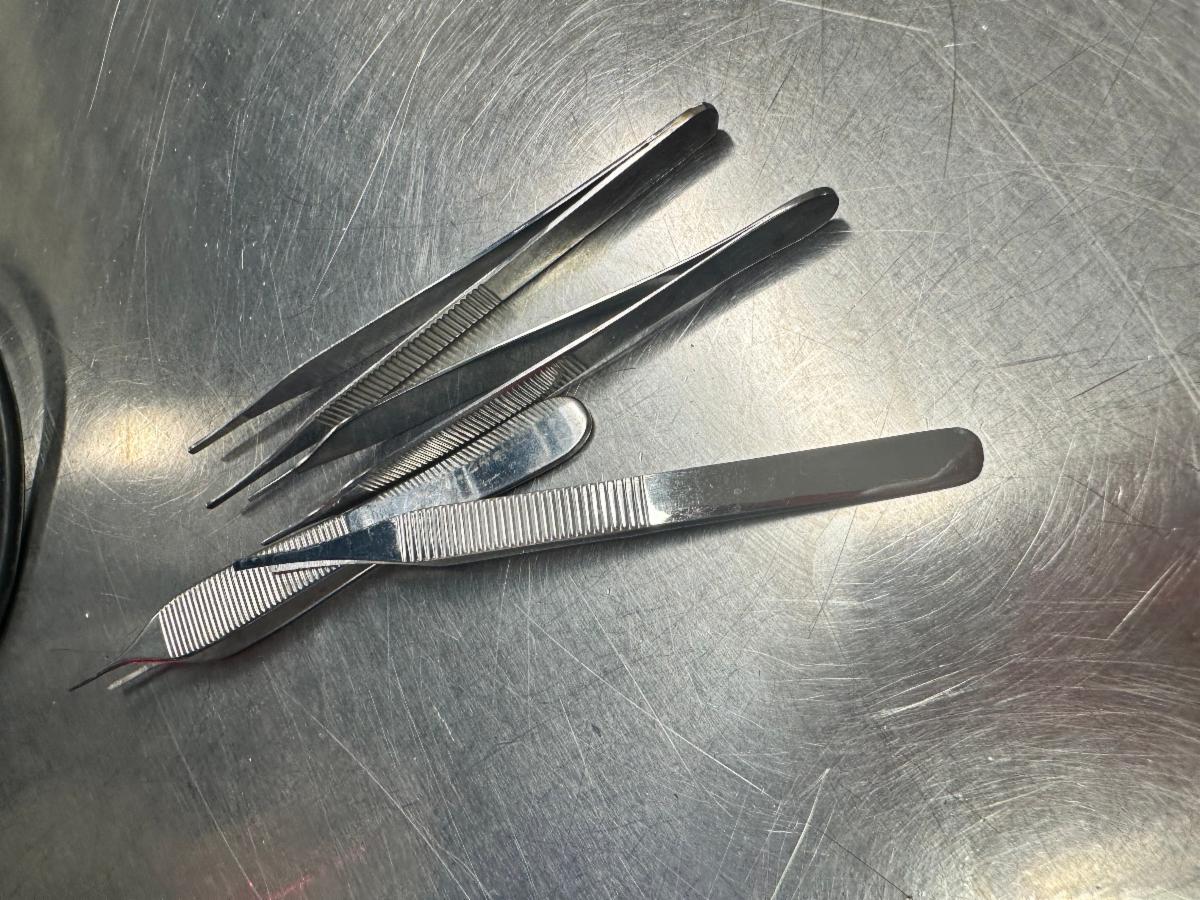
1. Compromised Sterility: Each sterilization process, whether it involves steam, ethylene oxide, or another method, can potentially compromise the integrity and sterility of the instrument. This increases the risk of introducing pathogens or contaminants that could lead to infections in subsequent patients. Single-use devices are not manufactured to withstand additional sterilizing practices that cause the surface to break down.
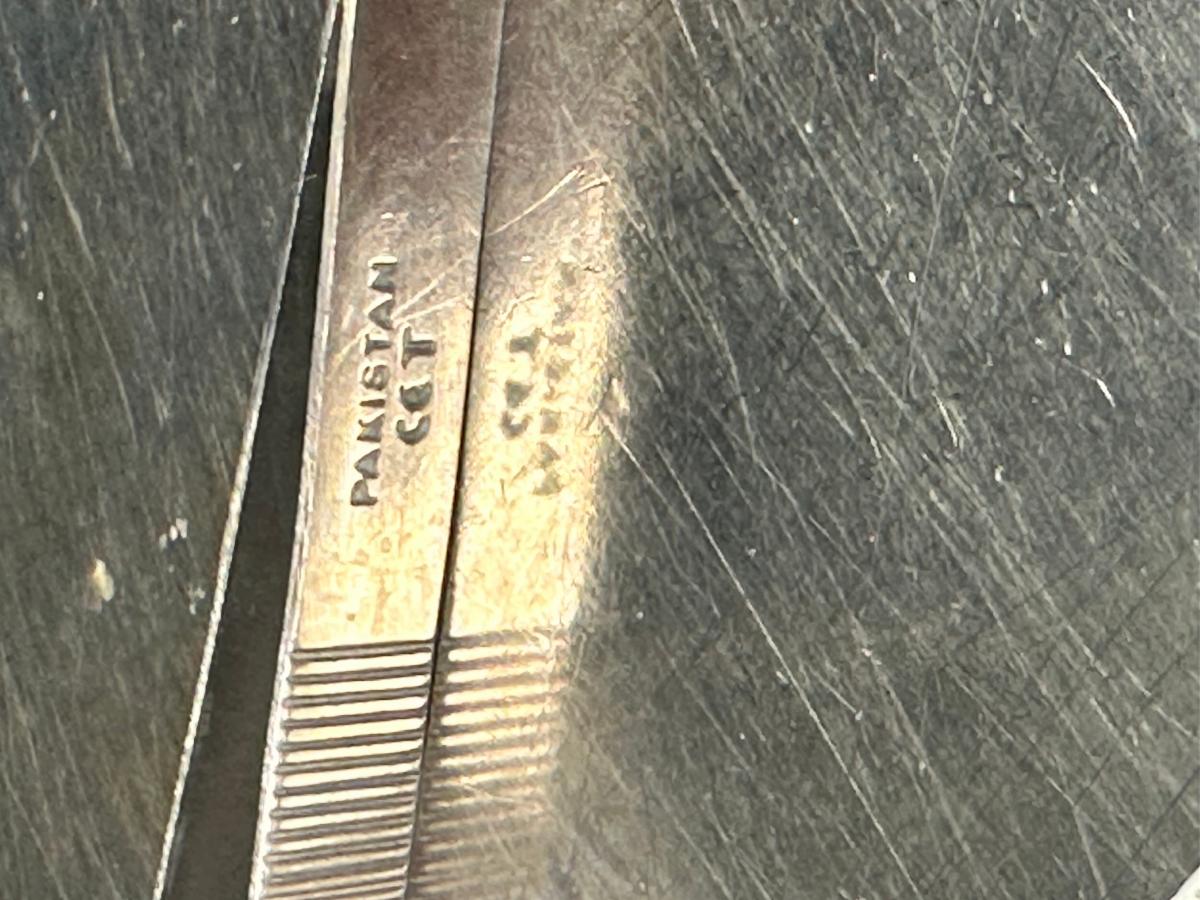
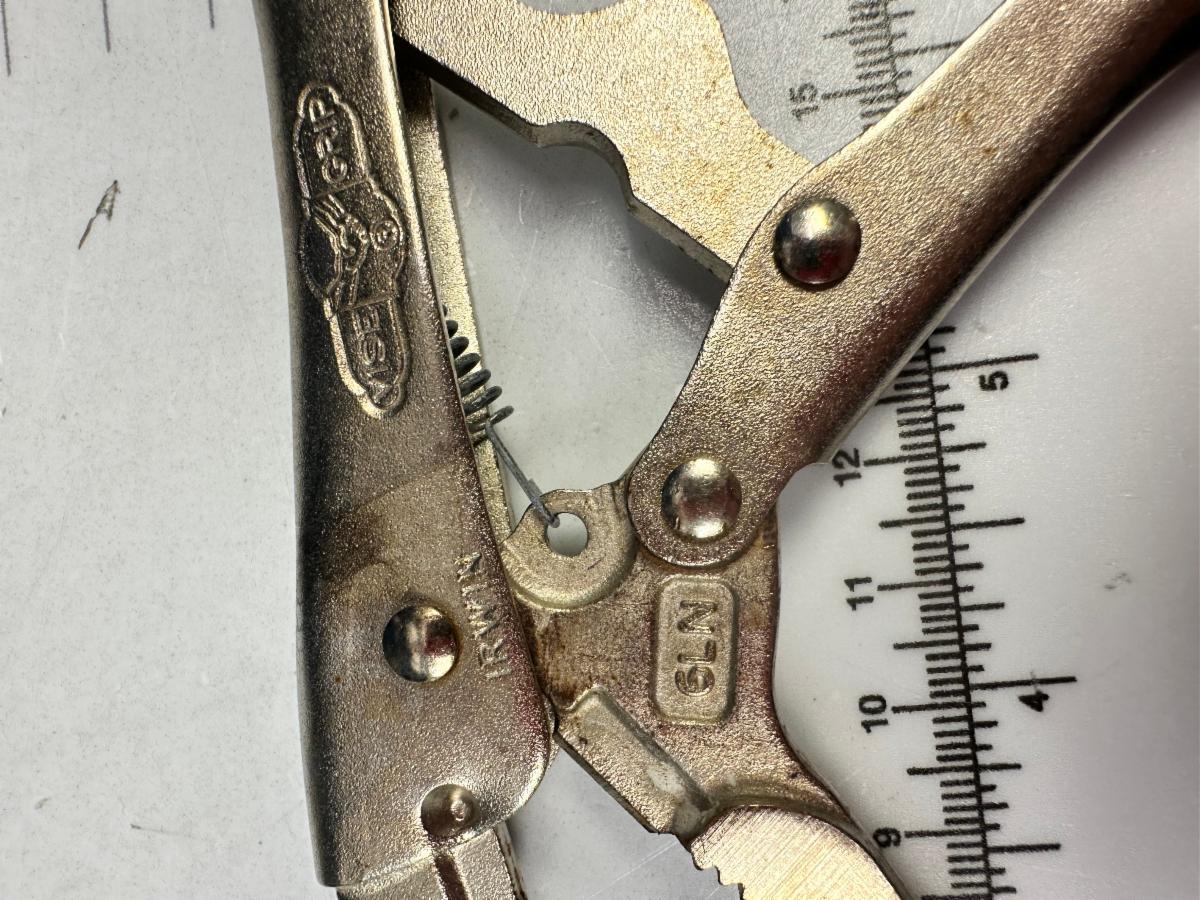
2. Material Degradation: Single-use surgical instruments are designed and manufactured to withstand limited use. Re-sterilization can lead to material degradation, affecting the instrument's performance and reliability during procedures. After a single sterilization process, the surface discolors becomes much darker, and discoloration may look like staining. A trained eye will identify these instruments before they are introduced to the decontamination process and quickly discarded.
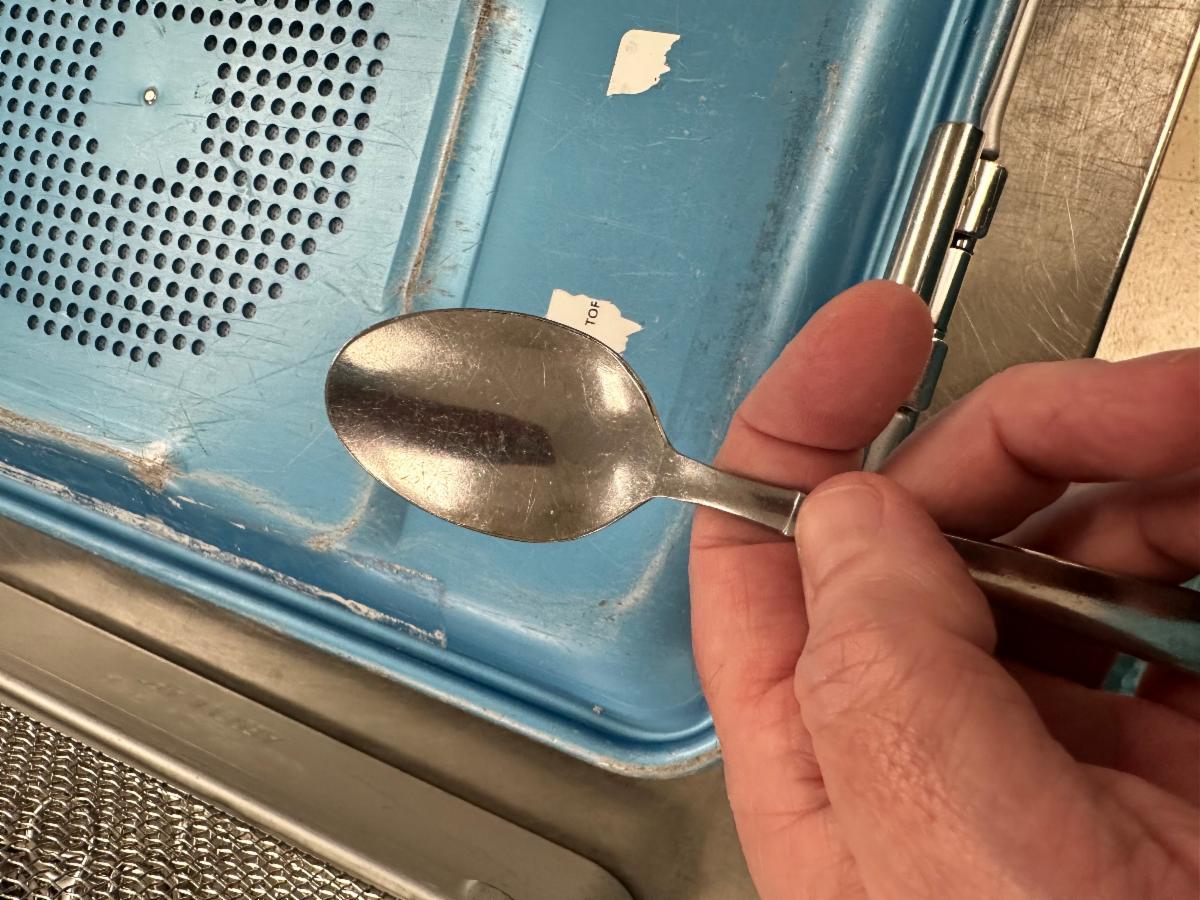
3. Manufacturer Guidelines: Manufacturers of single-use instruments typically do not recommend or support their re-sterilization and re-use. Doing so can void warranties and liability protections, as the instruments were not intended for multiple uses. We have spoken with providers about re-using disposable instruments during our tracers, and often, they are unaware that instruments packaged in disposable packs cannot be sterilized. Providers frequently favor a particular disposable instrument and instruct their medical assistant or other staff members to mark it with tape (or etching), and then sterilize it to ensure its return to the clinic. All staff members and providers must be instructed to dispose of all single-use instruments to prevent the risk of recirculating.
4. Regulatory Concerns: Regulatory bodies such as the FDA, the Joint Commission, the Centers for Medicare and Medicaid Services, and other standard setting agencies have strict guidelines regarding the use and reuse of medical devices. Re-sterilizing single-use instruments does not comply with these standards, exposing providers to legal and regulatory consequences. The likelihood of immediate jeopardy or an immediate threat to health and safety survey outcome is high due to the critical nature of finding single-use devices in sterilized surgical trays.
Patient Safety Concerns
Ensuring patient safety is the primary challenge when considering whether to re-sterilize single-use disposable surgical instruments. Surgical procedures are invasive, and any compromise in instrument sterility can lead to severe consequences including infections, prolonged hospital stays, and even life-threatening complications.
When we see instrument issues during our tracer activities, such as finding single-use devices in sterilized surgical trays, we will review surgical site infection (SSI) data and ask whether the integrity of instruments and instrument processing was included as a probable cause of the SSI. Quite often, the entire instrument processing procedure has been left out of the investigation, usually as an oversight.
|