June 11, 2021
Top stories
Pulitzer Prize: Congratulations to Atlantic staff writer Ed Yong!
Ed Yong, a staff writer at The Atlantic who has been shaping our collective understanding of the coronavirus and its impact, has been awarded a 2021 Pulitzer Prize in Explanatory Reporting.

In 2020, Yong was the recipient of the National Press Club Journalism Institute’s 2020 Neil and Susan Sheehan award for investigative journalism, which he accepted at the Fourth Estate Award Gala. Watch his remarks:
The Institute also reached out to Yong for his advice to the journalism graduating class of 2020.

Here's what he said:
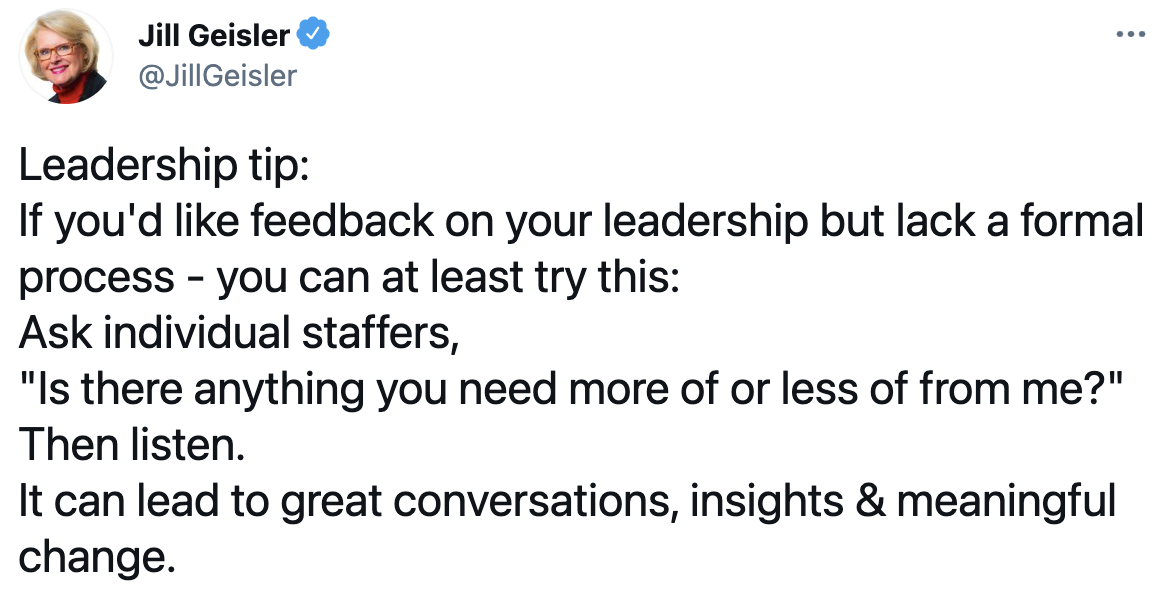
Your news organization probably has long-established systems for employee feedback. Performance reviews, staff meetings, and even the editing process give you plenty of opportunity to let your team know how it’s doing. Good leaders know that feedback flows two ways, and they don’t shy away from nudging for employee opinions. Not sure where to start? Ask each of your staffers what they could use more or less of from you, and you just might be surprised at how much you learn from listening. 

Advice from Jill Geisler, Bill Plante Chair in Leadership & Media Integrity, Loyola University Chicago, Freedom Forum Fellow in Women’s Leadership

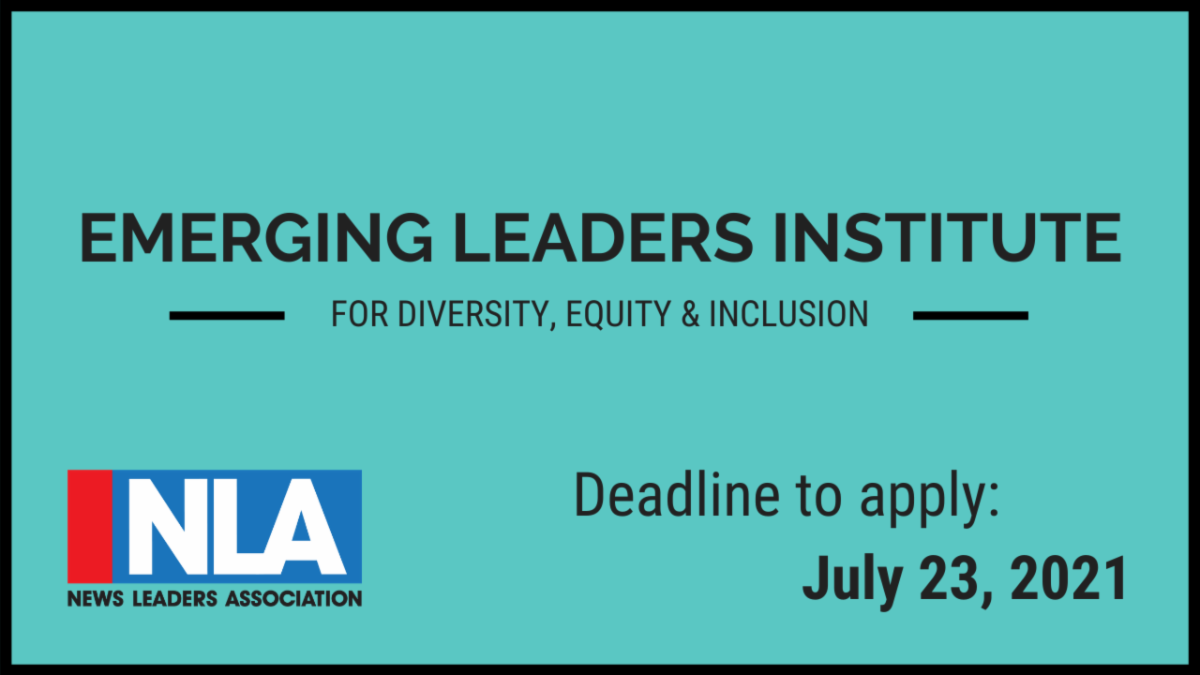
The Emerging Leaders Institute trains journalists in finance, strategy, leadership style, driving diversity, technology and innovation so that they are leading their organizations and the journalism industry from wherever they are.
Numbers, like those in polling and survey audiences, population samples, and research cohorts, are not inherently objective or neutral. They are a sample of real humans and the product of myriad factors. And just because big data is big does not mean that it, or algorithms that stem from large data sets, are representative or unbiased.

How do journalists fairly use numbers in reporting? What does it really mean for a sample to be representative? In what ways can reporters vet numbers quickly and reliably for potential bias?

Join the National Press Club Journalism Institute and the National Association of Science Writers for a program that will answer these questions and leave participants with new tactics to:

  • Detect deep bias in numbers before they use them
  • Surface hidden traps and avoid them
  • Accurately represent the people and lives reflected in the data

The panelists will be:

  • Fernand Amandi, managing partner of Bendixen & Amandi, the nation’s leading multilingual and multiethnic public opinion research and strategic communications consulting firm
  • Caroline Chen, health care reporter at ProPublica, and 2019 winner of the June L. Biedler Cancer Prize for Cancer Journalism for her series with Riley Wong on racial disparities in clinical trials
  • Dr. Kyler J. Sherman-Wilkins, assistant professor in the Sociology and Anthropology department at Missouri State University and a Mellon Emerging Faculty Leader for 2021

Registration is open for this program, which will take place on Wednesday, August 11 at 11:30 a.m. ET. This program is free to attend; donations will support the Institute’s programs.
Events and resources
The National Press Club Journalism Institute just started a reading group for people who love journalism and books and want to discuss them both. The group meets Thursdays from 6-7 p.m. ET, and you can drop in just once or join every time. Learn more and sign up here.
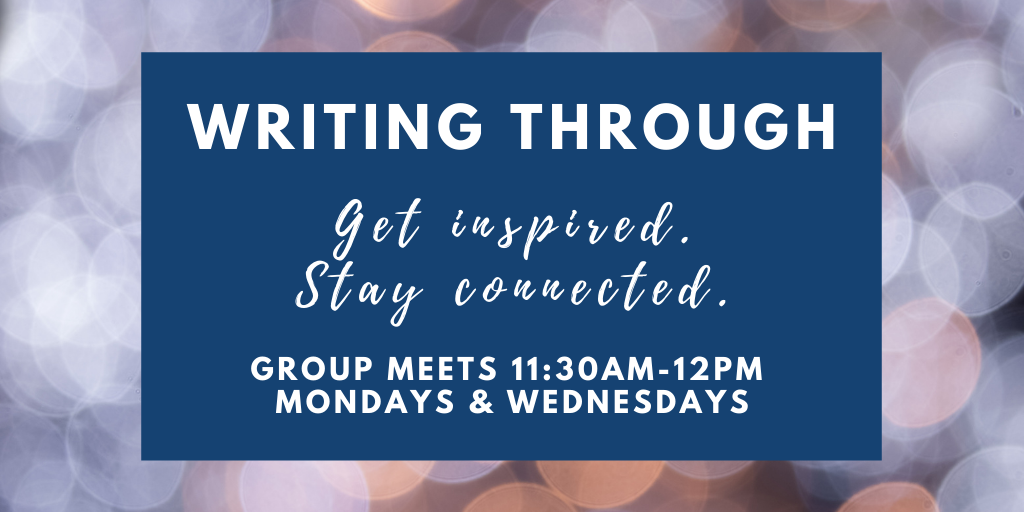
Spend time with other nonfiction writers in the National Press Club Journalism Institute's writing group every Monday and Wednesday at 11:30 a.m. ET on Zoom. Newsroom journalists, memoirists, historians, whatever your preferred nonfiction form of writing — all are welcome. Learn more and sign up here.
This newsletter is written & edited by the National Press Club Journalism Institute staff: Beth Francesco, Holly Butcher Grant and Julie Moos. Send us your questions and suggestions for topics to cover.

Get this from a friend? Subscribe, and view the archives.