|
Gerry,
The students leading this inspiring organizing effort for reproductive health care access approached me this year seeking legislative support for emergency contraception and medication assisted abortion access for UW students. They came to me because I represent many of them in the Legislature and knowing that I teach at the UW School of Public Health.
I brought them together with students from campuses across the state in the Washington Student Assocaition, and we did the research to write and introduce HB 1837.
On the one year anniversary of the loss of recognition of what we know should be a constitutional right to access abortion, this is one of many glimmers of hope from organizing efforts.
Our goal is to provide very low barrier emergency contraception and other contraception products along with access to medication assisted abortion to students in every corner of the state from community colleges and WSU near Idaho to here in Seattle.
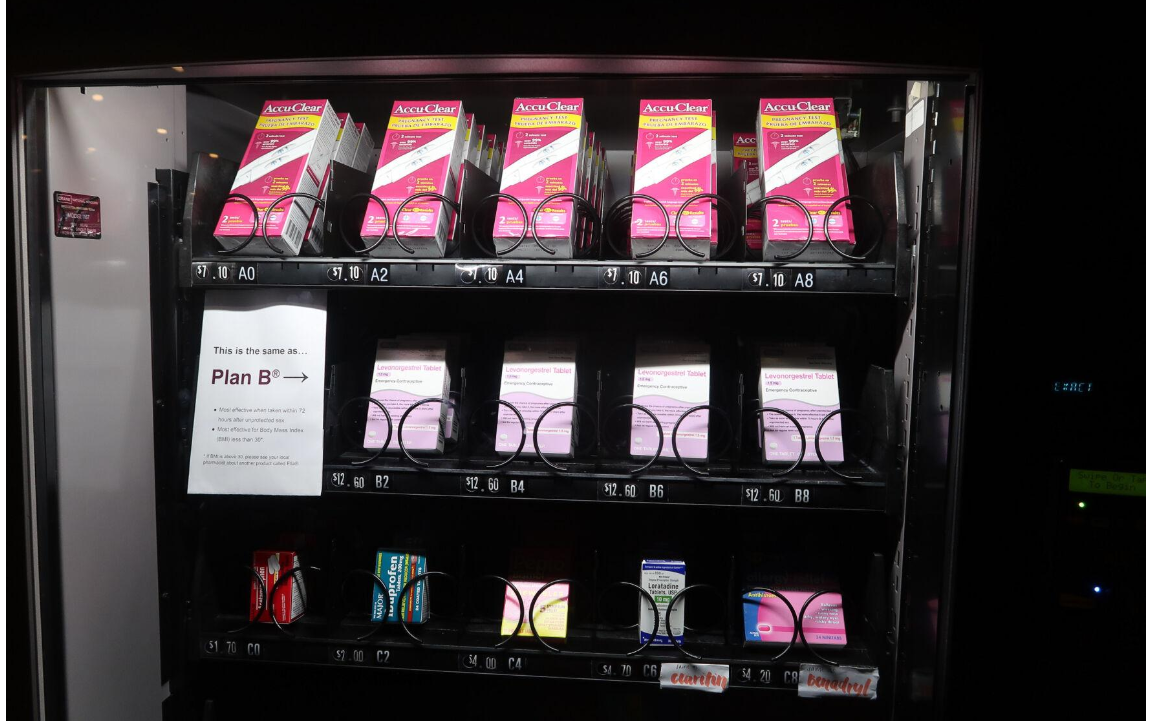
In the State budget for the biennium starting on July 1, a provision I sponsored provides funding for half of all the public campuses in Washington to have emergency contraception vending machines.
As the Times editorialized:
"The whole point of this effort was access. The campus pharmacy at Hall Health is closed after 5 p.m., on weekends and holidays. Meanwhile, the clock is ticking.
Emergency contraception, known colloquially as “the morning-after pill,” is effective within the first 72 hours after unprotected sex, and the sooner the better. It is not medication abortion. That’s a different pill, which cannot be dispensed without counseling."
I'll be working with students statewide to expand next year to all 40 public colleges and universities. Secondly, we need to examine how we can provide medication assisted abortion at campus health centers or with contracted access at the many campuses that lack a health center.
We also have to ensure that our medical and nursing students are trained in providing abortion access and counseling for a full range of reproductinve health care without being constrained by the domination of religiously affiliated hospitals accorss the state - which is limiting what interns and residents learn and practice.
One year after the Dobbs decision, we are organizing and acting - with scores of inspirational organizing examples such as the work by Huskies for Reproductive Freedom.
|