Instagram


October 2026: Being Comfortable with Being Uncomfortable


Blog

Services

FAQs

Greetings!


Being Comfortable with Being Uncomfortable

A note from Garrett, our newest physical therapist.


Starting a new job is equal parts exciting and nerve-wracking. Even when the big things line up, how we treat people and what the business stands for, it is still uncomfortable figuring out where you fit in a new culture.


Then Shawn asked me to write this newsletter, and a second wave of discomfort hit. It has been a while since I wrote one of these. Will it land with the people reading it? Will my new colleagues agree with it? I will admit I put it off for a few days, but it never left the back of my mind.


What kept surfacing was a book I read years ago, The Comfort Crisis by Michael Easter. His argument is simple: a life with no discomfort in it makes us weaker, physically and emotionally, and short, manageable doses of the hard stuff do the opposite. I was living a small version of that, and my whole approach as a PT is about bridging the gap between rehab and real training, so it felt like the right place to start.


Fear of change, two weeks in


As Shawn mentioned in a previous email, he was my patient about five years ago. We had plenty of table time to talk about the state of physical therapy, the good, the bad and the ugly, and we agreed on nearly all of it. Even so, as my first day got closer, I was nervous about how I would fit in and whether I would be any good here. Call it fear of change or imposter syndrome. It was uncomfortable.


Two weeks in, some of that is still there. But Shawn and Will have been incredibly welcoming, I am finding my groove in the flow of the clinic, and the discomfort is slowly turning into excitement. Which is exactly Easter's point: repeated, manageable discomfort is what builds resilience.

The same thing is true in your body


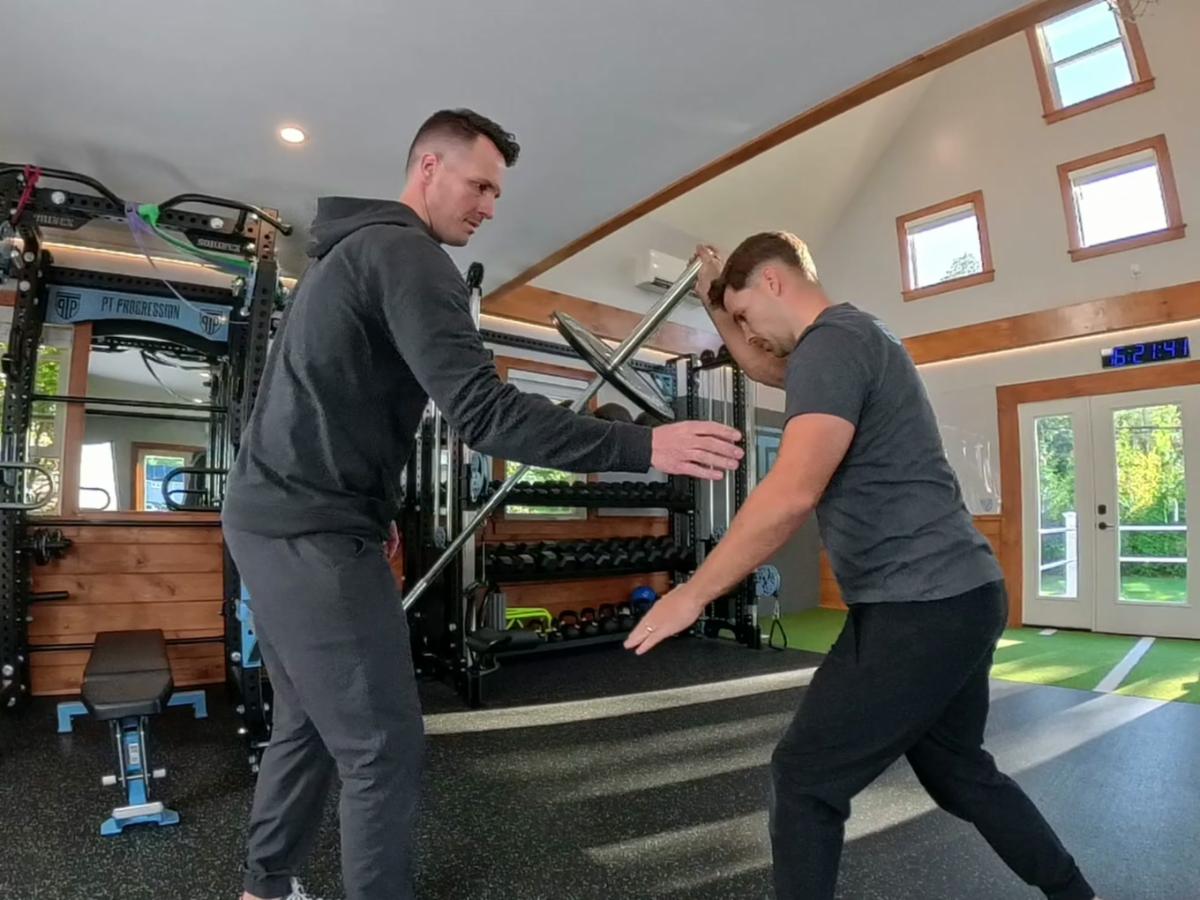
I would not be much of a PT if this did not come back to rehab, so here it is. Most people come to me in pain, with something they cannot do that they want to do. As we move from gentle early exercises toward real training, I see the same pattern every time: when something hurts, the last thing you want is more discomfort. That is completely reasonable. Challenging a muscle and pushing through pain are different things, though, and the gap between them is where the progress hides. Our job is to find a challenge that fits your starting point and adjust it as you improve.


The first time you try a new movement it feels clumsy and harder than it should. That is your nervous system learning to control your body in a new position, and it gets easier fast. Muscle gets stronger when a set gets genuinely hard near the end. If you can chat comfortably through a set of ten, there is more in you. Bone gets denser when it carries a little more than it is used to. Every system in the body answers the same way: give it a dose of stress that is a touch beyond what it is used to, with time to recover, and it adapts. That adds up over weeks, not days.


Here is the good news: that is a dial, not a wall. Picking the right exercise, the right dose, and the right next step is the whole craft of physical therapy, and it is where I can help the most. The discomfort is temporary. What it builds, strength, confidence, and a body that can handle more, is what you keep.


Where to start


I am excited to be part of the team at PT Progression, to embrace the discomfort that comes with change, and to grow into the culture Shawn has built. If you have been avoiding something because it feels hard right now, come talk to us. That is usually the exact place to start.


Garrett

Worth a read


The science version of this newsletter: people who stay active can tolerate more discomfort. A Norwegian study tested more than 10,000 adults twice, eight years apart, by having them hold a hand in near freezing water for as long as they could. The most active group lasted about 116 seconds. The least active lasted about 99. More is not the goal, the right dose is, and that dose is trainable. Read the study

Learn More From Us!


  • Have questions? We're happy to help! Shoot us an email at ptprogressionma@gmail.com
  • Rather call? We're happy to chat over the phone at (508) 650-1984

Ready to Get Started with Physical Therapy?


There's never a perfect time. You're busy. Work is crazy. The kids have something every night - the list is (always) endless. We love chatting with our community and hearing about what you have going on and how we can help. That's why we offer a FREE 15-minute phone consultation to find out if NOW is the right time.


BOOK YOUR FREE 15-minute Phone Consult Today


PT PROGRESSION

10 Eliot Street

South Natick, MA 01760

(508) 650-1984

ptprogressionma@gmail.com

Instagram