Dear Supporter,
In our last
two e-newsletters
, we highlighted our endeavors in two different regions of our state to advance environmental justice (EJ) in predominantly low-income, African-American communities. There is special urgency
to address the challenges in these communities because these EJ problems are layered upon other injustices, including chronic under investment in schools and infrastructure and inadequate access to healthy foods and quality health care. These injustices are undoubtedly tied to decades of racial injustice. We're hosting an
online training
, featuring the head of our Indy EJ Initiative, on how you can help to address some of the issues that we highlighted in our first e-newsletter.
|
|
I.) Environmental Injustice Can Also Be Found in Small Town Indiana
The problem of low-income communities bearing a disproportionate burden of pollution is concentrated in, but not restricted to, communities of color.
Consider the situation in Cass County, a rural community in the northwest central of our state. Out of 92 Indiana counties, Cass ranks 66th in per capita income and 79th out in health outcomes. 1 in 7 people in the county live in poverty.
Today, Cass County is facing the prospect of being home to a deeply controversial industrial plant that would convert electric arc furnace dust to zinc oxide - a project that was previously defeated in Delaware County (in East Central Indiana). HEC members in Cass County requested our support, and we've come to believe that the plant:
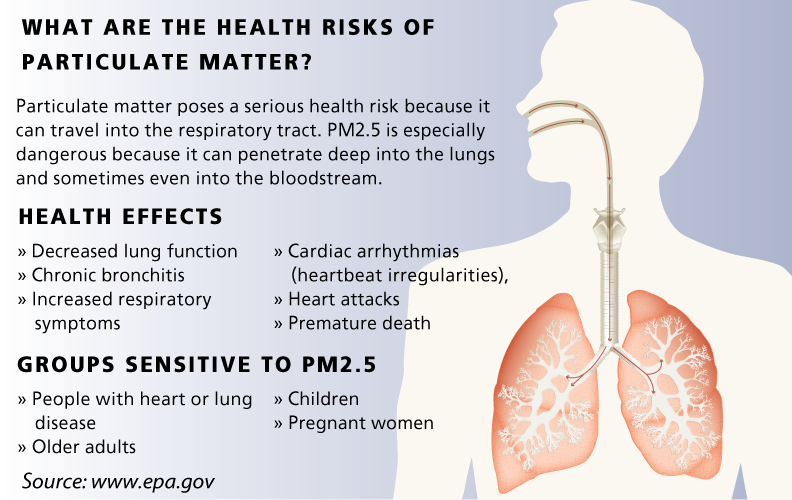
- Would emit unhealthy levels of several air pollutants, including carbon monoxide, particulate matter, lead, mercury, and dioxin. (The image here highlights the impacts of mercury alone on the human body.)
- Is based on an air permit application with an array of concerning omissions
- Is being accelerated without the public being able to pose sufficient forthright, sound questions directly to local elected officials
- Would increase the vulnerability of the community to future pandemics, given that respiratory-related illnesses are exacerbated by chronic air pollution exposure
- Could lead to mercury being ingested by fish in the Wabash or Eel Rivers, both of which flow through Cass County
To read our white paper on the health impacts of this controversial project, please
reach Dr. Indra Frank
, our Environmental Health Director, the author of that paper.
II.) Three Things that You Can Do
2.) Encourage friends or family who live in, or have lived in, Cass County (for which the county seat is Logansport), to be sure to submit comments to our state environmental agency, IDEM, once the air permit for this project is released. We will notify our supporters via
social media
.
Thank you for your care for improving the lives of Hoosiers,
Jesse Kharbanda
Executive Director
Hoosier Environmental Council
P.S. Be sure to read the inspiring profile of our HEC member Theresa Bruno below!
|
|
Supporter Spotlight: Theresa Bruno
|
|
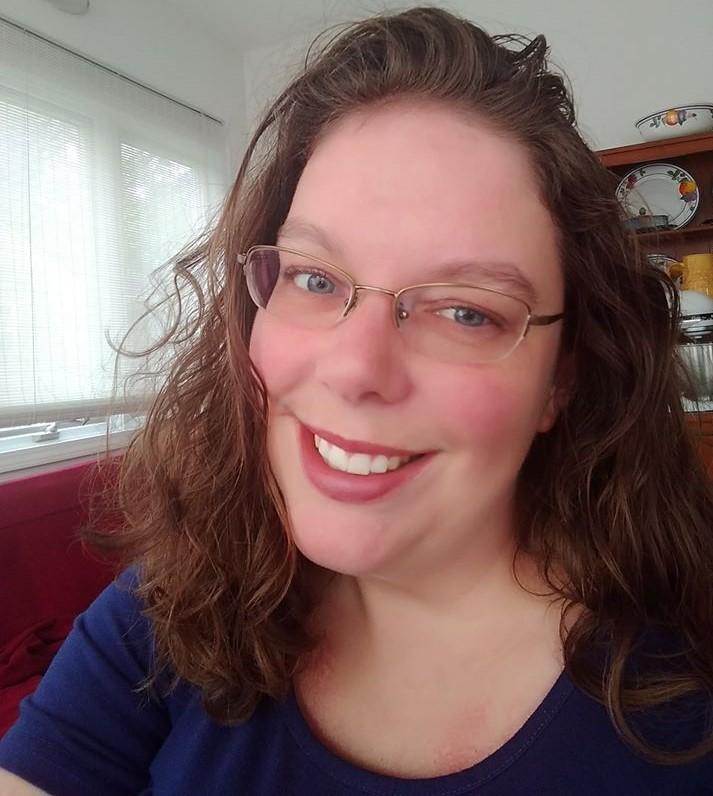
HEC member and supporter Theresa Bruno was born and raised in Elkhart in North Central IN (population, 50,000). She graduated from Butler University and has lived in Central Indiana since. Today, she lives on the east side of Indianapolis, teaches history at Ivy Tech Community College, is married, and has two “handsome, rambunctious” boys and nine chickens. She is a voracious reader of nonfiction and has a “pie” garden: growing raspberries, gooseberries, cherries, and currants, along with an abundance of native flowers to feed the bees. Theresa says she bakes a lot when she is not involved in advancing social justice-oriented public policy.
Theresa says that she was fairly indifferent to environmental issues until she began studying history. She recalls seeing a picture in a history book of the Cuyahoga River on fire. It was then she realized how important it was to protect our environment.
Theresa cares a great deal about HEC and the environmental issues we work on, attending several educational opportunities HEC has provided, most redistricting reform events (for which HEC works closely in coalition with others), and being a part of Renewable Energy Day at the Statehouse.
She says HEC’s environmental justice work is very important to her too
. Theresa is a survivor of a ruptured brain aneurysm, so she says access to affordable healthcare is important to her. She says she’s witnessed first hand how vulnerable populations’ health is negatively affected when the environment is neglected, such as when someone with asthma has to worry whether their expired inhaler can get them through an ozone action day, or, when a young mother has to worry about the lead paint in her home causing long term health damage for her children. “I don’t think many people realize that when we care for the environment, we make it easier for vulnerable populations to literally breathe.
Environmental justice is social justice
,” Theresa says.
Like many HEC supporters, Theresa has called and written her local, state, and federal government on numerous environmental issues…even meeting them in person as she is able. “
I love how HEC collaborates with other organizations
,” Theresa continues. “
I love the presence this organization has at the Statehouse
.
I love the cheerful and can-do attitude.
The legislative process can be frustrating, but this organization just keeps on fighting!” Thank you, Theresa, for your passion for environmental justice, renewable energy, and for redistricting reform!
|
|
Hoosier Environmental Council | 317-685-8800 | comments@hecweb.org | www.hecweb.org
|
|
|
|
|
|
|