|
August
Fun activities, aligned with the Pennsylvania Early Learning Standards,
to help prepare children for school success!
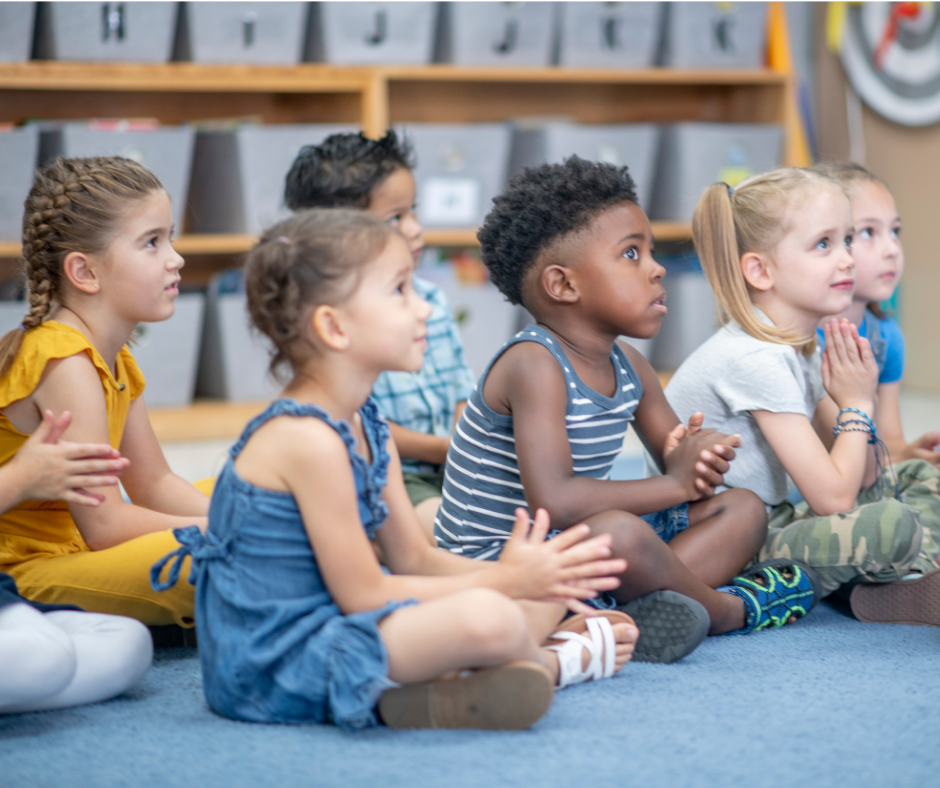
| | We're Learning in an Early Learning Program! | | |
Babies
Use a song to describe everyday activities. The tune of London Bridges Falling Down is an easy one. Just insert the description of what is being done. "Now we're putting on your socks, on your socks, on your socks. Now we're putting on your socks, my dear baby." Sing and sign the song to your baby; while holding their hand to your throat so they can feel the vibration. If your child avoids music, make picture cards or signs and braille to make task cards. Picture cards posted in the area where the tasks are done. If they respond to movement, add fun gestures that make the activity more enjoyable. Read more.
Toddlers
Use a wading pool or bathtub and different sized cups. Encourage your toddler to pour water from one place to the next. Help them select the big cup or the little cup. Talk about full and empty. Ask them to make predictions about what will happen when they move the containers. Will the large cup of water fit in the small cup? How many small cups fill the large cup? Encourage them to move their hands to explore the containers and feel the water moving. Explore what the water sounds and feels like when it's dumped out of the container. Read more.
Preschoolers
What is your preschooler's favorite book about kindergarten? Visit your local library to discover books with different characters who go to kindergarten or see the 11 family recommended books about going to school (below). What do they like best about each book? Try to find books that show a child similar to your preschooler in the illustrations. If your preschooler uses a wheelchair or wears glasses, they will enjoy seeing similar characters in the books. If your preschooler is concerned about a certain part of school, try to find a book or write a story that directly addresses their concern. Read more.
Kindergartners
Make giant ice-cubes by using clean yogurt, cottage cheese or sour cream plastic containers filled with water, then set into the freezer. Add a small item to the water filled container, like a small toy or other item. Have your kindergartner decide what item will be added. Is it too big or will it fit? Can they see the item once the ice is frozen? Once it's frozen, remove it from the container and use the ice block as ice puck. Kick or push the ice puck in the grass or hard area, like a sidewalk. How fast will it melt? What happens when it melts? Provide your kindergartner opportunities to touch the containers, feel the water before and after freezing, feel the weight and compare the containers empty, filled with water, and filled with ice. Read more.
| |
11 Books About Going to School
The Night Before Preschool by Natasha Wing
Look Out Kindergarten, Here I Come! by Nancy Carlson
First Day Jitters by Julie Danneberg
Countdown Kindergarten by Alison McGhee
Do I Have to go to School? by Pat Thomas
If You Take a Mouse to School by Laura Numeroff
The Bus for Us by Suzanne Bloom
The Kissing Hand by Audrey Penn
My Teacher Sleeps in School by Leatie Weiss
Dinosaur Roar! by Henrietta Stickland
My Kindergarten by Rosemary Wells
Print this list!
| |
There's Still Time to Enroll in
PA Pre-K Counts!
Quality pre-kindergarten can give your child a strong start in school and life. Pennsylvania Pre-K Counts provides free half-day or full-day pre-kindergarten for at-risk children throughout Pennsylvania.
Children and their guardians must meet the following requirements to be eligible for the PA Pre-K Counts program:
- They must be residents of the Commonwealth of Pennsylvania.
- They must meet the income eligibility requirements of at or below 300% of the federal poverty level for their family size.
- The child must be between the ages of 3 and younger than the kindergarten entry age for the district in which they reside.
Once these eligibility requirements are met, enrollment procedures are based on local community needs. These procedures may contain other considerations for enrollment, such as diagnosed disabilities or developmental delays, English as a second language, or any other factor that the program deems a priority to ensure that their communities’ needs are being served.
There are PA Pre-K Counts classrooms in many Pennsylvania counties. To find PA Pre-K Counts programs near you, visit www.findchildcare.pa.gov and search for a program in your area using your County and your child's age. (The PA Pre-K Counts options will be in the tab at the top of the search results.)
You can also contact your local Early Learning Resource Center (ELRC), and they can help you locate your local PA Pre-K Counts program. Find your ELRC at the Raise Your Star website.
Please contact the lead agency directly for enrollment information, including classroom locations and how to apply. Many PA Pre-K Counts programs are partnering with other programs to provide classrooms in nearby cities, so contact them directly for information on their locations.
| |
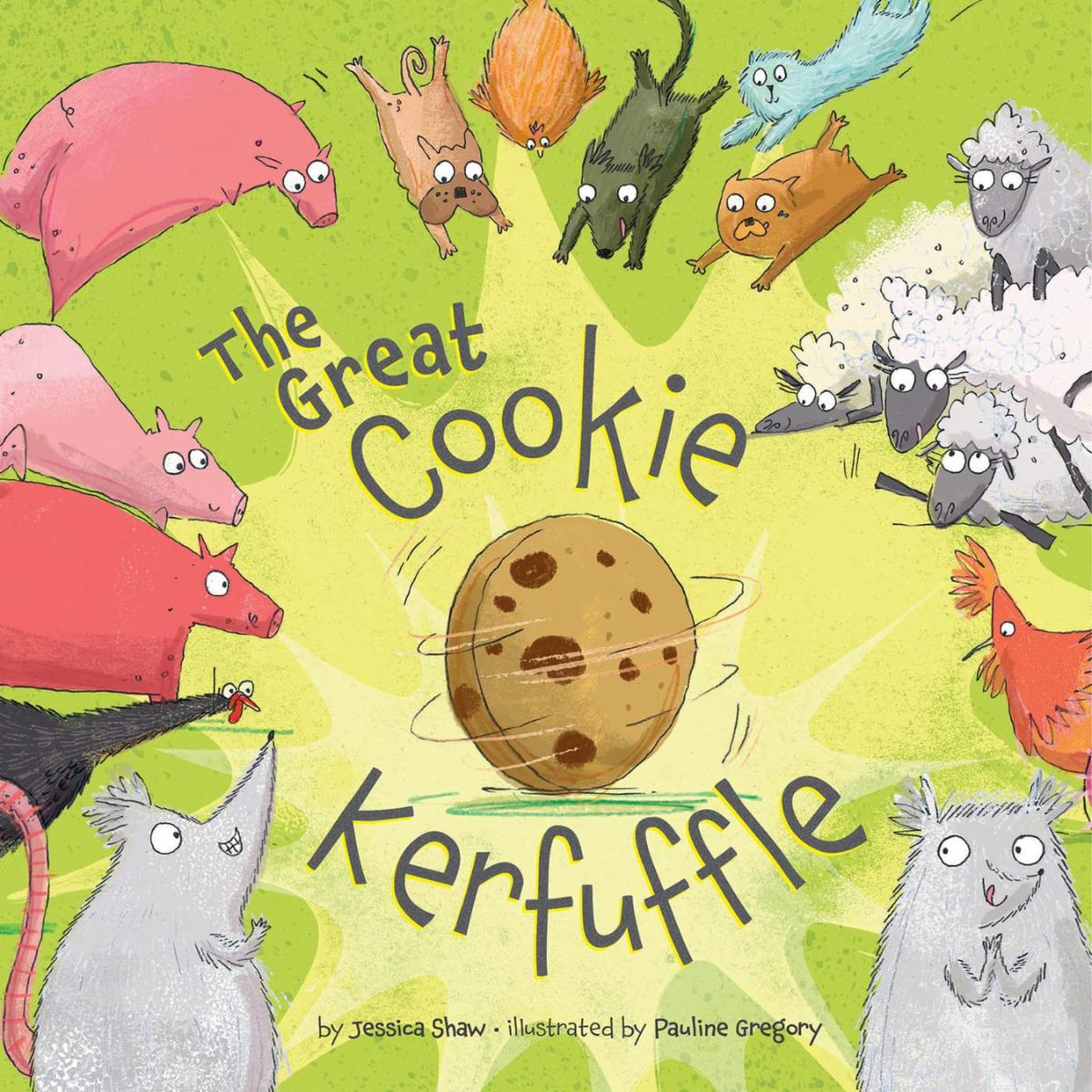
Share Your Thoughts on The Great Cookie Kerfuffle!
Have you and your child enjoyed reading the 2026 PA One Book selection, The Great Cookie Kerfuffle? We’d love to hear about your experience! Please take a few minutes to complete the online survey and share your thoughts, favorite moments, and how the story sparked learning and conversation at home.
Your feedback helps the PA One Book program better understand its impact and shape future family literacy experiences. Thank you for lending your voice!
| |
Pennsylvania's SUN Bucks (Summer EBT) program
Application deadline: Aug. 31
Pennsylvania's SUN Bucks (Summer EBT) program helps eligible families purchase groceries during the summer months when school meals are unavailable. Eligible children receive a one-time $120 benefit that can be used to buy food at participating retailers. Most eligible children are automatically enrolled through programs such as SNAP, TANF, Medicaid, with qualifying income, or free/reduced-price school meals, while some families may need to apply.
Benefits for Summer 2026 began in early June, and applications remain available for eligible households. Families can also access an online eligibility navigator, outreach materials, and multilingual application resources through the Pennsylvania Department of Human Services. The application deadline for Summer 2026 benefits is Aug. 31.
| |
Pennie’s 2027 Open Enrollment Will Now Run from November 1 to January 15!
Pennie offers health coverage from the top health insurance companies in Pennsylvania. You can also get personalized help from a Pennie-certified professional at no cost to you.
Open Enrollment Period: Nov. 1 - Jan. 15
You must enroll during the Open Enrollment Period to have coverage for the year. If you have a Qualifying Life Event, such as loss of health coverage, marriage, change of residence, or many others, you can enroll during a Special Enrollment Period.
How to enroll?
- Preview. With the Plan Comparison Tool, see plans in your area and within your budget.
-
Apply. Gather your household information. See Pennie’s Shopping Checklist at pennie.com/learn/how-to-enroll.
- Shop. Filter and compare health plans by needs and cost.
- Pay. Your coverage will not begin until you pay your first month’s premium. For most health plans, you can make your first payment at the same time that you enroll.
High-Quality Coverage!
- Free preventive care.
- Covers a wide range of medical services.
- Can’t be denied because of a preexisting condition.
Free, expert help is available from Pennie Certified Assisters and Brokers. Enrollees can find in-person support and schedule an appointment at pennie.com/find-local-help.
| |
New Resources Make Pennsylvania State Parks and Forests More Accessible for All Visitors
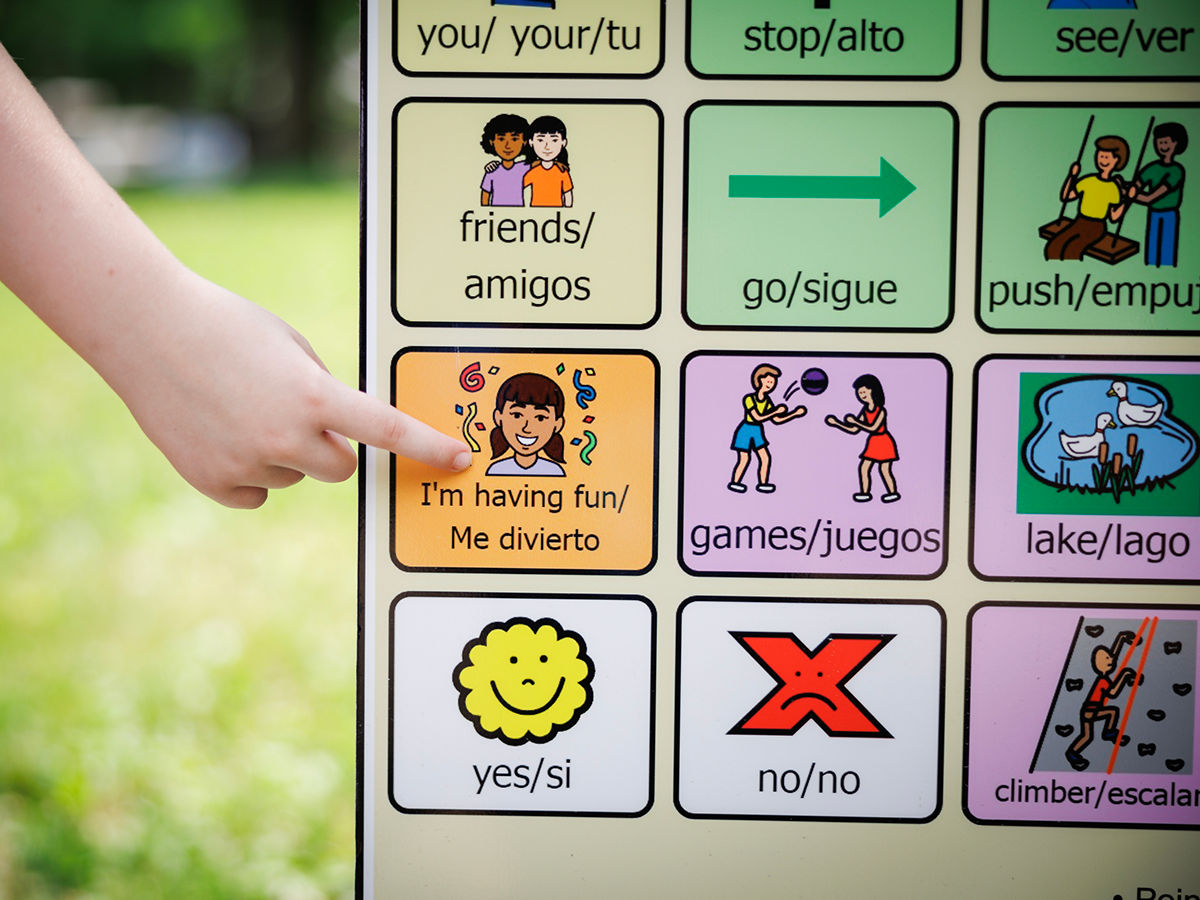
New online planning tools, communication boards, Handy Talkers, and colorblind viewing resources make it easier for all visitors to plan trips and enjoy Pennsylvania’s public lands. Communication boards are located in seven PA State Parks throughout the Commonwealth.
The Department of Conservation and Natural Resources (DCNR) also announced major updates to its accessible recreation website pages. More than 100 state park and forest webpages now list detailed accessibility features. These pages continue to be updated and include information about accessible facilities and amenities, such as lodging, pavilions, water access, fishing access, hiking, hunting, beaches, loaner equipment, colorblind viewfinders, wildlife-watching areas, theaters, amphitheaters, and environmental education centers. A new search function allows visitors to filter locations by the specific accessibility features they are looking for. Learn about the other features offered and how to access them.
| |
Virtual Conversations: Parents Rising to Child Developmental Challenges
The Brazelton Touchpoints Center invites families to join the fifth season of Parents Rising to Child Developmental Challenges, a free, 4-episode virtual conversation series that offers a warm, inviting opportunity for parents and families of children with differences in or challenges to their development to connect with one another.
Through engaging conversations with families who know what it’s like to raise children with developmental differences, challenges, delays, or disabilities, share the unique and common experiences of loving and raising children whose developmental journey is delayed or atypical.
What You'll Gain
💙 Honest conversations with families who understand
🤝 Practical insights and shared experiences
🌱 A supportive community where every family's story matters
Episodes
📅 Mondays | 3–4 pm ET
September 14 • October 26 • November 2 • December 7, 2026
🌎 Free and open to all
🗣️ Live Spanish interpretation and captioning available
👉 Register for one or all four conversations and connect with families who understand your journey
Learn more and register at the Brazelton Touchpoints Center website.
|
Back-to-School Routines
Familiar routines around waking up, mealtime, and bedtime can help children feel safe and secure as they transition to child care or Kindergarten. Create predictable routines with these fun, brain-building tips from Vroom®.
| |
Helping a Child Get Ready for Kindergarten
Is your child ready for kindergarten? You may be thinking about early reading, writing, or math skills, but success in school may depend more on a child’s ability to be independent, follow directions, and communicate their needs. These tips from Child Care Aware can help your child feel ready for the first day of kindergarten.
| |
What Early Learning Resource Centers Can Do for You
Pennsylvania's Early Learning Resources Centers, or ELRCs, are a single point of contact for families, early learning service providers, and communities to gain information and access services that support high-quality child care and early childhood education programs.
An ELRC can help you find the best child care for your child. They offer links to or information about services like:
- Individualized list of child care programs based on a child's specific needs
- Child Care Works, Pennsylvania’s child care subsidy program
- Keystone STARS, Pennsylvania’s quality improvement program for child care providers
- PA Pre-K Counts and Head Start
- Early Intervention Services
- Family Centers
- Supplemental Nutrition Assistance Program (SNAP)
- And other services
To find your ELRC and additional information, visit www.raiseyourstar.org and search by your County.
|
Thriving Kids: A Parenting Podcast From the Child Mind Institute
Thriving Kids is a podcast for parents and caregivers who want clear, honest answers about child and adolescent mental health. Hosted by Dr. Dave Anderson, clinical psychologist at the Child Mind Institute, each episode tackles a common parenting challenge — from anxiety to tantrums to school struggles — with practical strategies backed by science. Hear real talk, expert advice, and compassionate guidance from clinicians who work with kids every day. New episodes every other week, with companion newsletters for easy reference.
| |
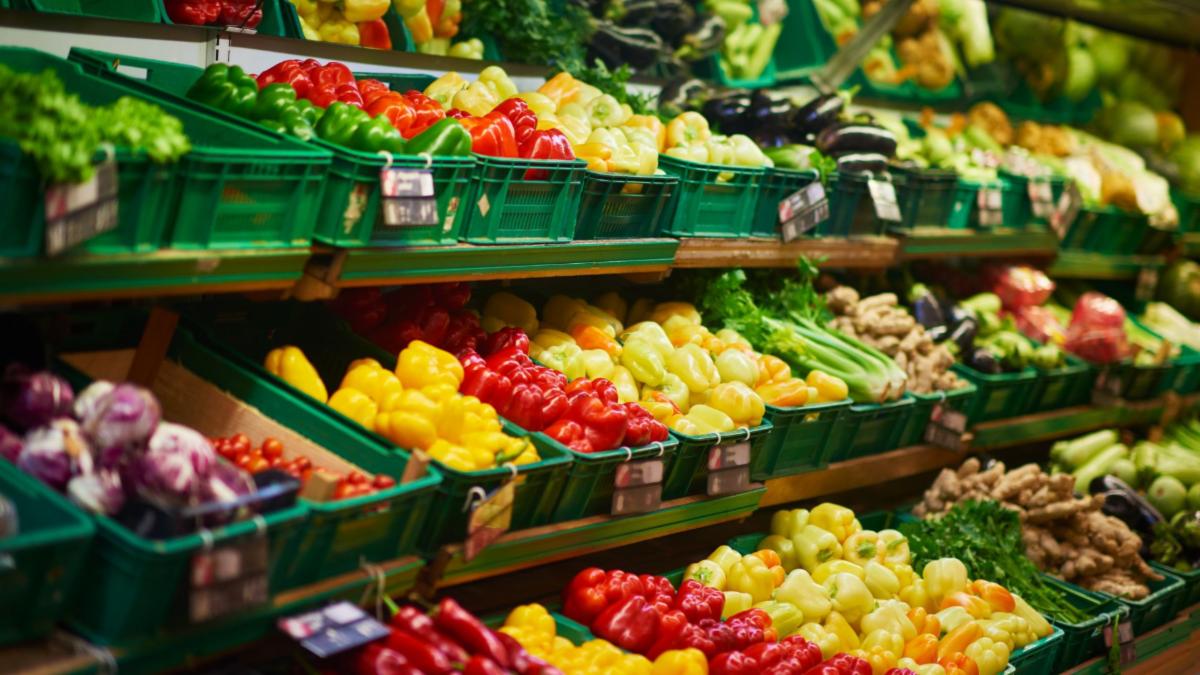
August Health Trends in Early Childhood: Food Safety Matters: Preventing Food Poisoning
In 2026, the United States is experiencing a “foodborne illness summer,” and it is difficult to keep track of which foods are safe to eat and where! Dominating the news cycle is the Cyclosporiasis outbreak. The August release of Health Trends in Early Childhood focuses on Food Safety Matters: Preventing Food Poisoning.
Each year, roughly 48 million or one in six Americans (16.7%) get food poisoning (also called foodborne illness) after eating contaminated food. Foodborne illnesses occur when viruses, bacteria, parasites, or toxins (poisons) produced by them get into the foods we eat (e.g., Listeria, Salmonella, Cyclospora, Shigella, STEC, Vibrio, Yersinia, and others). Anyone can get food poisoning, but children are more likely to be affected and have a more serious illness. Read the August release of Health Trends in Early Childhood for more information on how to prevent food poisoning.
| |
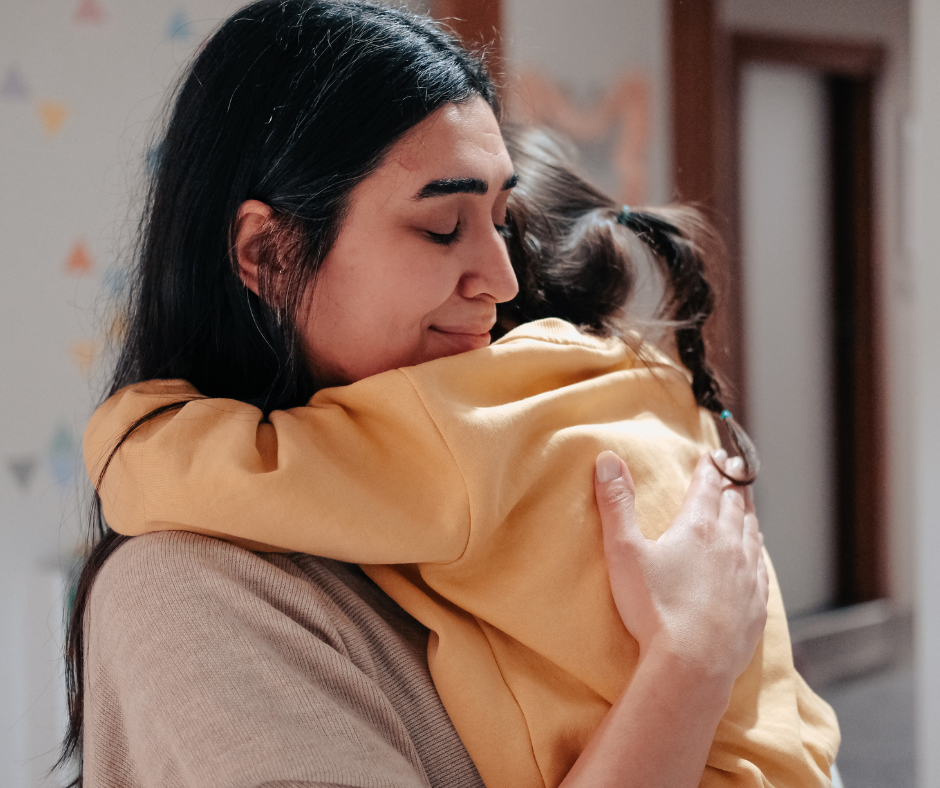
Your Calm Is Their Calm: Co-Regulation Strategies for Infants and Toddlers
As parents, caregivers, or early childhood professionals, we’re often told that young children need help learning to manage their emotions. But what does that actually look like for babies and toddlers who don’t yet have the words to explain how they feel?
This is where co-regulation comes in. Read the article from ZERO TO THREE.
| |
Me Moments
Me Moments are practices children (and adults) can do at school and at home. These practices build self-regulation – an important social-emotional skill for identifying and managing emotions - which helps prepare you to learn and engage with others. The Alliance for a Healthier Generation has created a virtual hub of Me Moments to use in classrooms, at child care or early learning programs, or at home.
| |
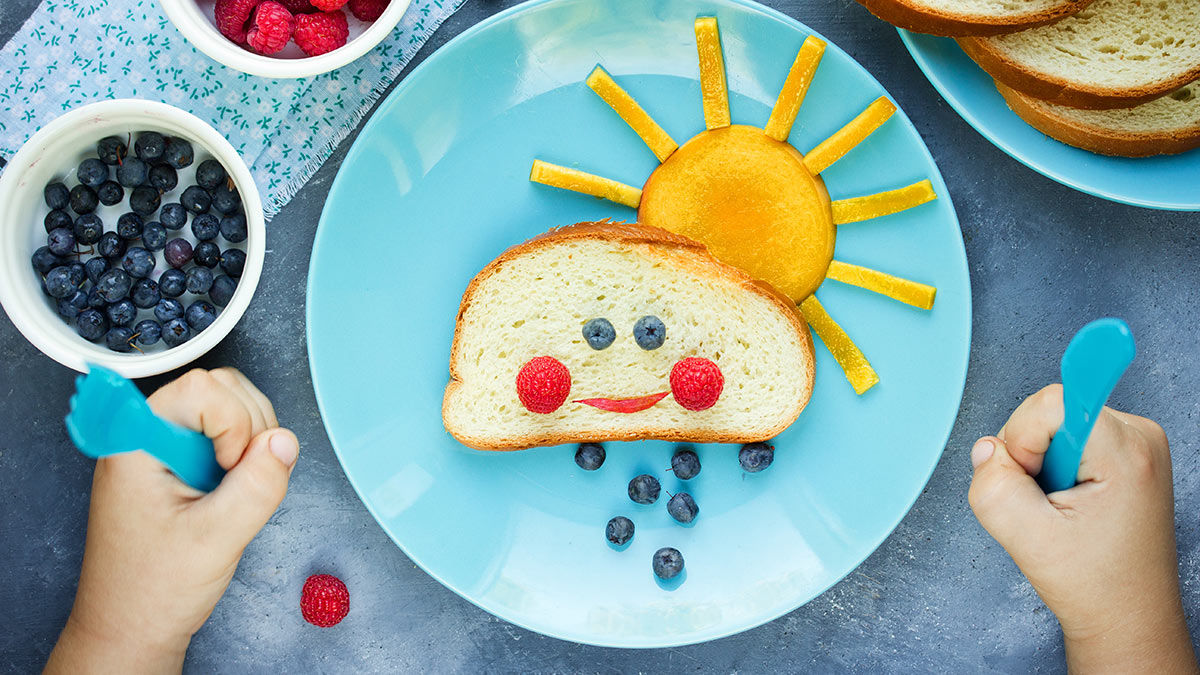
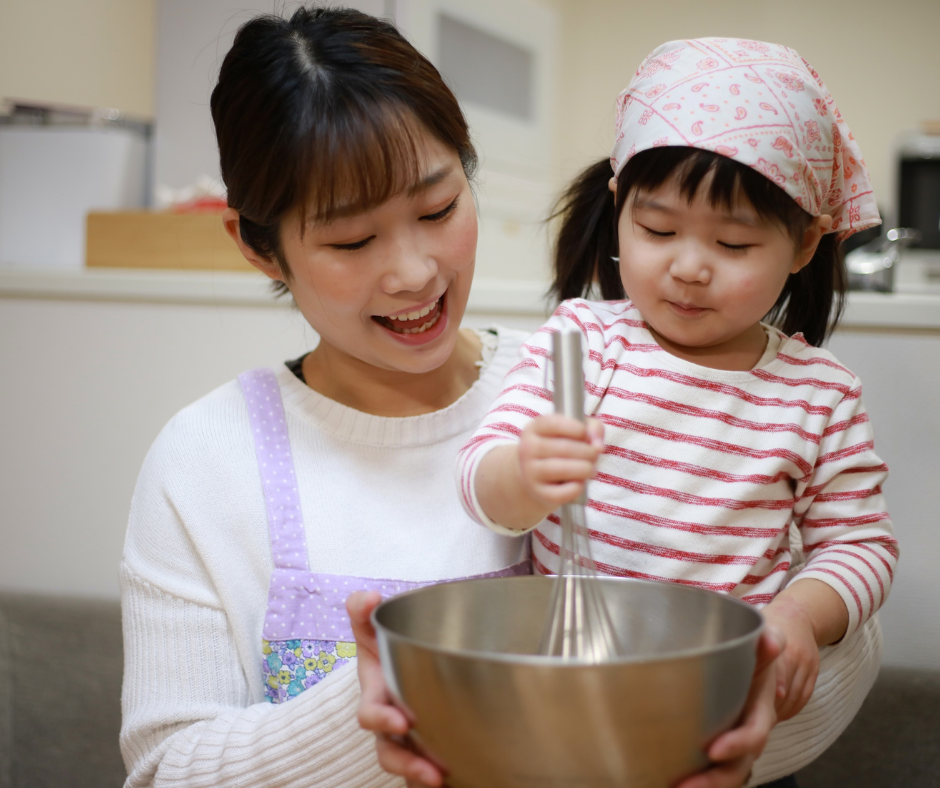
Cooking Fun for Families
Helping to prepare their own food can help children learn about nutrition, practice meal planning, get to know other cultures, and build basic math skills. It also encourages creativity and independence. The Alliance for a Healthier Generation has resources to help families cook safely and confidently with these kid-friendly cooking tips!
| |
A Family Activity That Encourages Healthy Eating
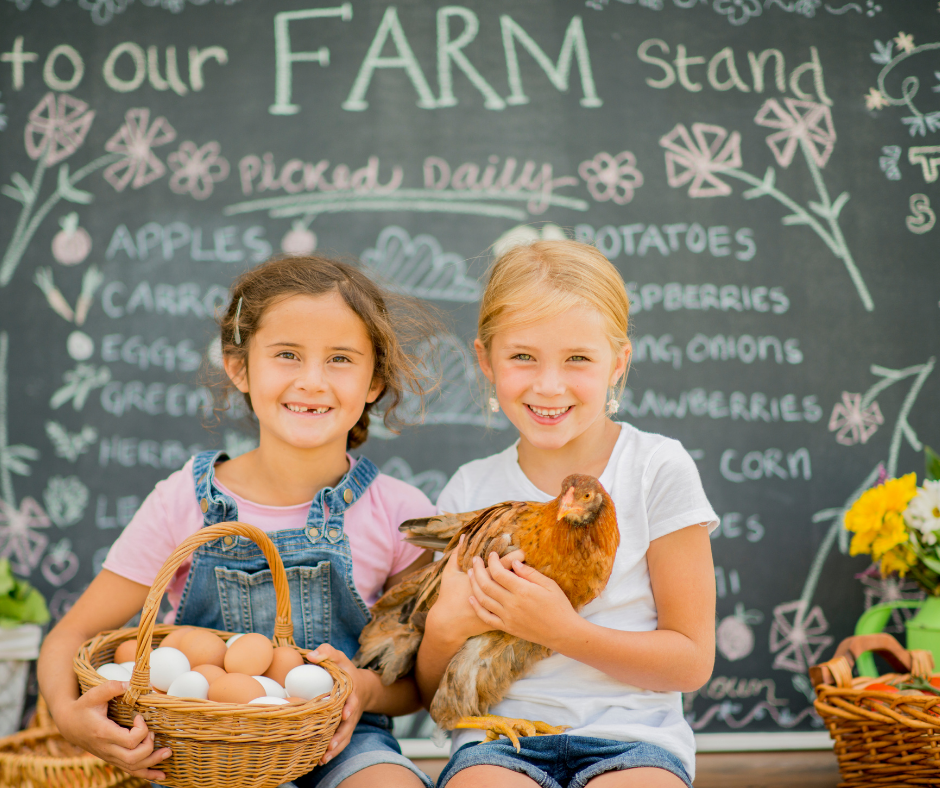
How can your child enjoy a valuable learning experience while having family fun? Where can you get the freshest fruits and vegetables for your family without digging or planting? Try a Pick-Your-Own farm near you!
Children of all ages can help pick fruits and vegetables. Helping also means they're more likely to try an unfamiliar fruit or vegetable!
Pick-Your-Own farms allow families to pick and purchase fruits and vegetables that have been planted. There are several locations throughout Pennsylvania where families can pick their fruits and vegetables. How much you buy depends on how much you can pick! Find a location near you.
| |
August 1-7: World Breastfeeding Week
Having a new baby is an exciting time for a family. By choosing to breastfeed, moms provide their baby with uniquely tailored nutrition and benefit their own health and well-being.
The WIC Program can answer any questions and help with any breastfeeding challenges a mom may face. Get information about how the WIC Program can help moms and their families reach breastfeeding goals with loving support.
| |
National Farmers' Market Week
National Farmers’ Market Week is August 2-8! This annual celebration highlights farmers’ markets' important role in our nation’s food system. How do you plan to celebrate? Plan a visit to a local farmers' market with your child and explore the various foods available.
Use the USDA’s Local Food Directories: National Farmers’ Market Directory to find a market near you.
| |
Is Your Child Starting Kindergarten in the Fall?
Will your preschooler enter Kindergarten in Fall 2026? Sign up for the FREE monthly Kindergarten, Here I Am eNews! Each month get activities, tips and resources you can use to help your kindergartner prepare for and have a successful Kindergarten year.
| | |
Calendar of Activities for Early Learning Professionals
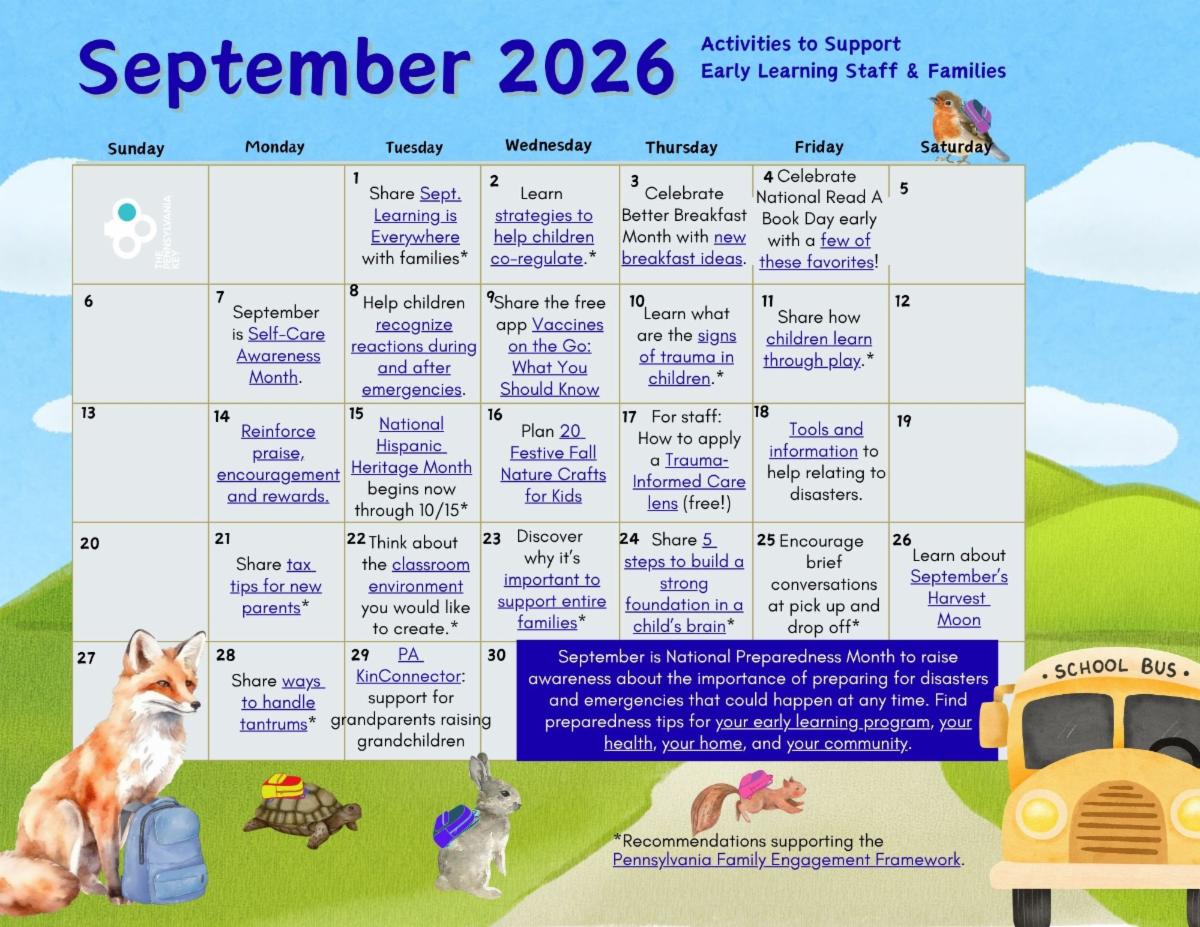
September is National Preparedness Month, a time to help families and caregivers get ready for emergencies, just in case they happen.
Take a look at the September Calendar of Activities! It’s filled with helpful tips and fun ideas to support early learning professionals and staff as they guide children and families in preparing for school success.
Still need some ideas for August? The August Calendar of Activities for Early Learning Professionals is still available!
| | | | |