Volume 02 | September 2026 | | Center for Resilient Agriculture & Food Systems Newsletter | Message from the Center Director | |
Welcome to our second CRAFS newsletter. I'm so glad you’re here. With so much happening across all nine CRAFS programs, we have to be careful and not write a novel! Here are some highlights -- a taste of CRAFS.
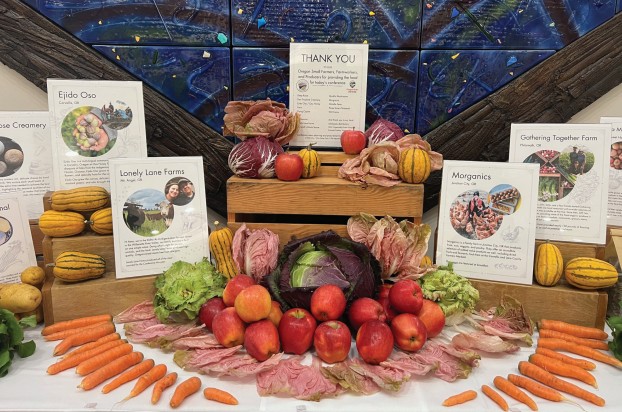
And on taste – every fall, I’m again gobsmacked (in the best way) at all the colors, shapes, and flavors at my local farmers market. I also love seeing photos from markets and food hubs around Oregon, with their own local bounty, and I love knowing that the local food trade network is sharing their flavors with each other, community to community (curious? Check out the Oregon Food Hub Network, a partnership between CRAFS and Oregon Community Food Systems Network).
That same abundance and variety will be in full effect this fall and winter when we gather with you around Oregon for workshop and conference season (see you February 20 at Small Farms Confference!). At our events and those hosted by partner organizations, I know I'll hear both pragmatism and power: powerful visions for agriculture and food systems, and practical strategies and steps needed to get there.
Our CRAFS team is out there with you, listening intently and learning together. When you share your challenges and ideas and goals with us, you are entrusting us with what matters deeply to you. Thank you for that trust. We’ll keep working to earn it.
Please enjoy this issue!
In partnership,
Lauren
CRAFS mission: Through innovative research, collaborative partnerships, community-driven initiatives, and diverse perspectives, we aim to transform agriculture and food systems into a force for positive change.
| |
Dry farming research aims to stay ahead of water shortages | |
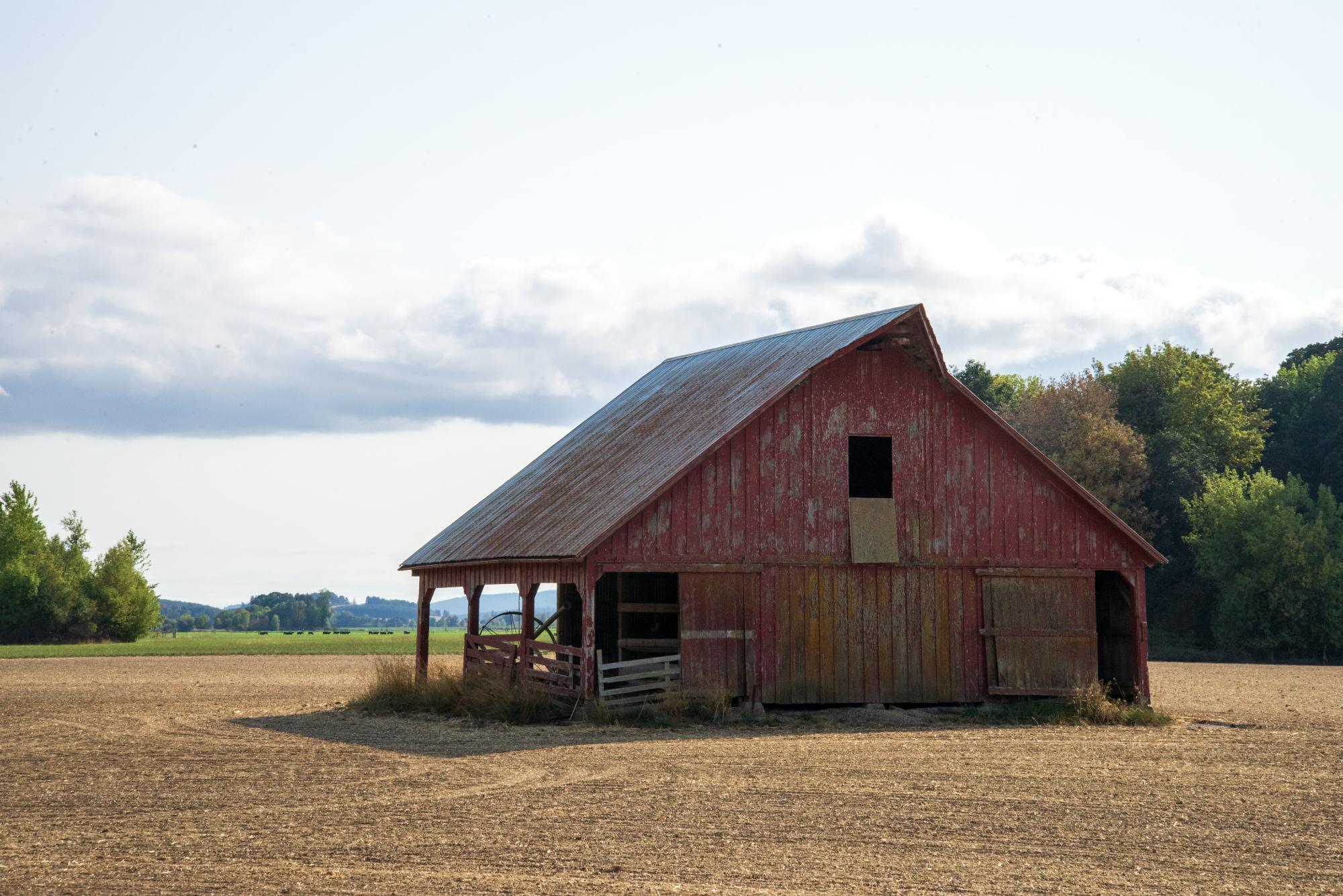
Depriving crops of summertime irrigation is sometimes an unfortunate necessity during Western droughts. But in some cases, farmers and researchers are withholding water by design — and still achieving successful harvests.
For over a decade, Oregon State University has been exploring the practice of “dry farming,” which involves purposely avoiding irrigation during the dry season, relying instead on moisture stored in the soil.
| | | Commentary urges support for farmer climate stress | |
After years of drought, and then a month of record-breaking heat in 2021, Maud Powell and her husband made a decision that still carries grief: They sold their family farm.
For 23 years, the couple had transformed a Southern Oregon cattle ranch into a productive vegetable and seed farm. They fed hundreds of families through a Community Supported Agriculture program, trained new farmers, grew certified organic vegetable and flower seed and built deep ties to the land.
| | | |
Water Resilience Toolkit Headwaters - Dry Farming Institute | |
The Dry Farming Institute, in partnership with Oregon State University Center for Resilient Agriculture and Food Systems, is co-developing this Water Resilience Toolkit with growers and agricultural service providers across the West Coast.
This toolkit is a living, dynamic resource. You can move through it in the order we’ve outlined, or jump straight to the article that meets your current need.
| | | OSU field day helps growers choose cover crops | |
Standing at the edge of dense green rows of clover, vetch, grasses, brassicas and other cover crops, Shannon Cappellazzi looked across 238 research plots at Oregon State University’s Vegetable Research Farm and named the question she hears most often from growers. “What should I plant?” she said.
That question brought about 50 growers, educators, agricultural professionals and researchers to the farm April 29 for the Cover Crop Variety Trial Field Day, hosted by the OSU Organic Agriculture Program
| | | |
Feed'em Freedom, OSU Extension cultivate community food hub | |
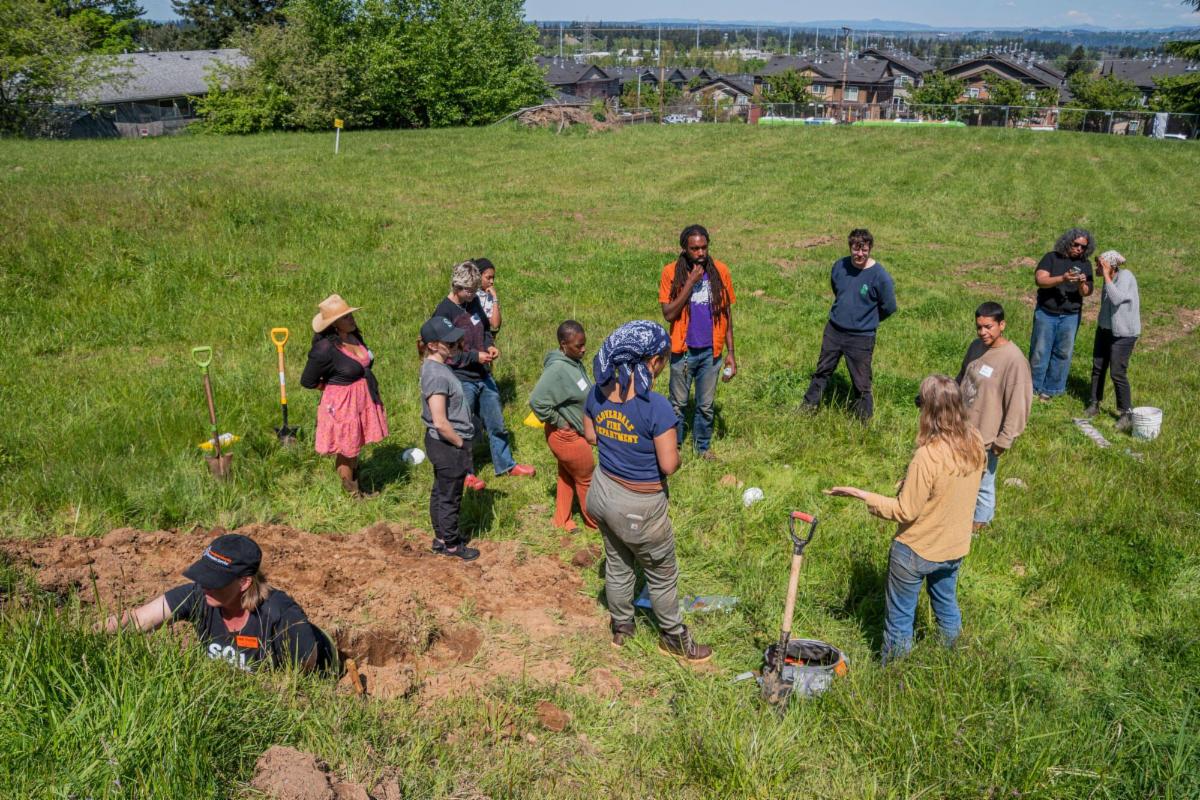
GRESHAM, Ore. — Participants pressed their shoes onto long, narrow sharpshooter shovels, rocking them back and forth to drive the blades six inches into the ground in a grass field.
“Jump on it,” Oregon State University Extension Service soil health specialist Shannon Cappellazzi called out as a circle of community members laughed and leaned their weight into the tools.
| | | | CRAFS making a difference | OSU Extension helps beginning dry farmers test irrigation-saving practices | As drought and water limits create new risks for farmers, dry farming offers one way to produce crops with little or no irrigation in parts of Western Oregon and the maritime Pacific Northwest. By helping producers understand soil, site conditions and crop choices, OSU Extension is supporting more resilient farming systems in regions where irrigation water may become less reliable. | | | |
Job Search Club helps OSU students build confidence and find work
By Michelle Markesteyn and Ben Davis
Searching for a job can be stressful, especially for students navigating the process with limited support. Oregon State University’s Job Search Club gives students a place to work on applications, practice interviews and talk through the challenges together.
The pilot launched in January 2025 with students recruited through TRIO Student Support Services. Of the 12 students who completed the club that spring, six had found employment in their field by June 13.
My path to helping co-create the club began in an unexpected place: school gardens. As OSU’s Farm to School Specialist, I saw growing interest in using gardens to support students’ social and emotional learning. To better understand that work, I pursued a master’s degree in clinical mental health counseling, which I completed at OSU in June 2026.During my coursework, I designed a group counseling program focused on career development. I wanted to explore how practical job-search assistance and a sense of connection could support students facing barriers to completing college.
That classroom assignment became a collaboration. Katie Harvey in the College of Agricultural Sciences introduced me to Mihal Kawka, OSU’s director of career education. We discussed how to provide more hands-on support for historically underrepresented students, including first-generation and neurodivergent students. As a neurodivergent person myself, I was especially interested in that need.
We then met with Juan Navarro of TRIO Student Support Services to test our ideas and develop the pilot.
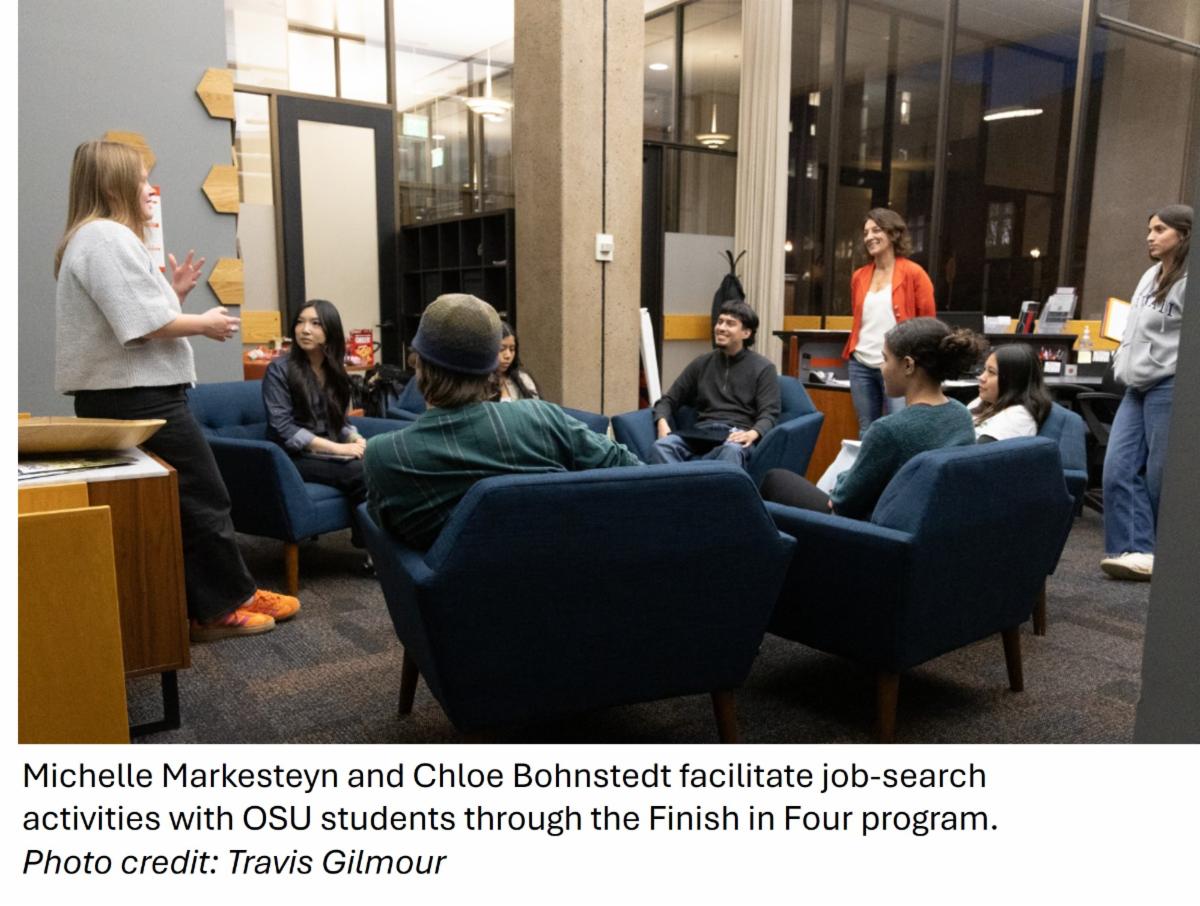
Students met in small groups for 90 minutes each week, with additional individual support available. Sessions covered finding jobs, preparing competitive applications, interviewing, negotiating offers and making decisions.
The program offered in-person and virtual options, with Tuesday evening or Saturday morning sessions. Pilot participants were also offered a $150 stipend to help cover job-search and interview expenses. Student worker Emma Patridge supported the club, and food helped make evening participation more manageable.
Twenty-two students were accepted into the January–June 2025 pilot. The program reported 106 job applications, 21 interviews and six job acceptances. Those results helped prompt broader recruitment across OSU’s EOP programs beginning in summer 2025. Career coordinator Chloe Bohnstedt joined the team, co-facilitating sessions, supporting individual students and strengthening the club’s structure and materials. She presented the pilot results and lessons learned at a national career-services conference in 2026.
Students’ feedback points to the value of pairing practical guidance with emotional support.
“I loved the experience of this Job Search Club because it gave me practical skills, helped me feel more confident in interviews, and provided really helpful guidance on resumes and cover letters,” one participant in the fall 2025 cohort wrote. “The support from everyone made the whole process much easier and more enjoyable.”
Another fall participant highlighted the challenges of being a first-generation, low-income student: “I am thankful for the support with materials and feedback, and also for the extra support with the emotions/stress that comes with being a first-gen/low income student on their job searching journey.”
| |
Oregon Tilth
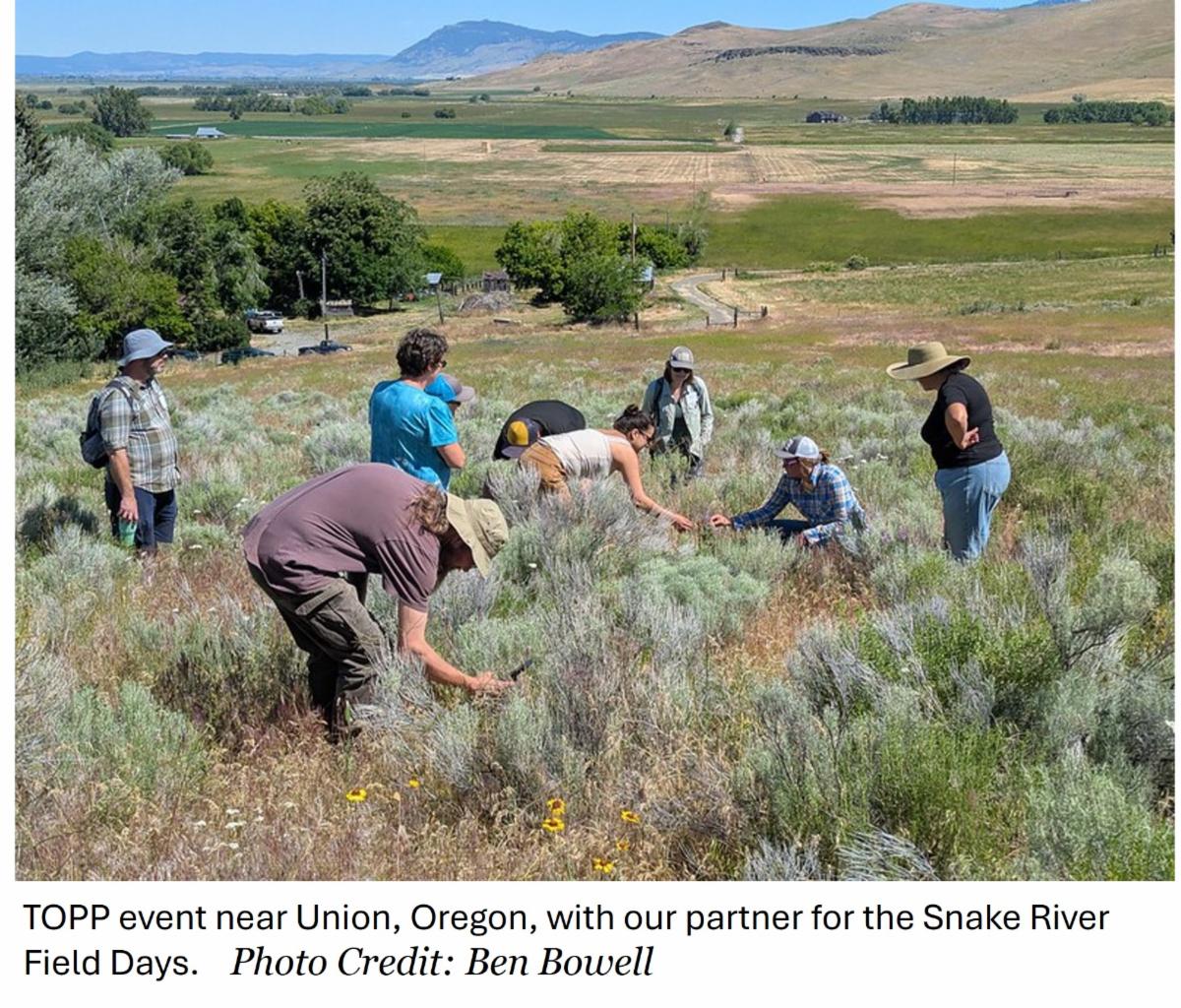
Oregon Tilth has proudly supported and partnered with Oregon State University Extension and the Center to strengthen organic extension programming because we know farmers across Oregon are looking for research, technical assistance, and resources tailored to organic agriculture," said Oregon Tilth’s Director of Education and Advocacy Ben Bowell.
Oregon Tilth is a leading certifier, educator, and advocate for organic and sustainable agriculture since 1974. The nonprofit organization is dedicated to making our food system and agriculture biologically sound and socially equitable. For more than 50 years, we've supported farmers, ranchers, processors, and handlers through trusted organic certification services while advancing the growth of organic and regenerative agriculture. Working alongside thousands of certified organic clients and agricultural partners across the country and Latin America, we provide the expertise, resources, and community needed to help producers succeed while protecting the health of people and the planet.
In addition to certification services, Oregon Tilth's Education team develops practical, farmer-centered programs that strengthen agricultural communities and support resilient farms. Our main focus areas are organic transition, conservation, and farm viability. Through training, technical assistance, field days, mentorship, and educational resources, we help producers transition to organic, improve long-term farm viability, adopt conservation practices, and navigate new opportunities. By connecting farmers with research, peer networks, and trusted expertise, we work to ensure that organic and regenerative agriculture continues to thrive.
Learn more about Oregon Tilth: oregontilth.org/education
| |
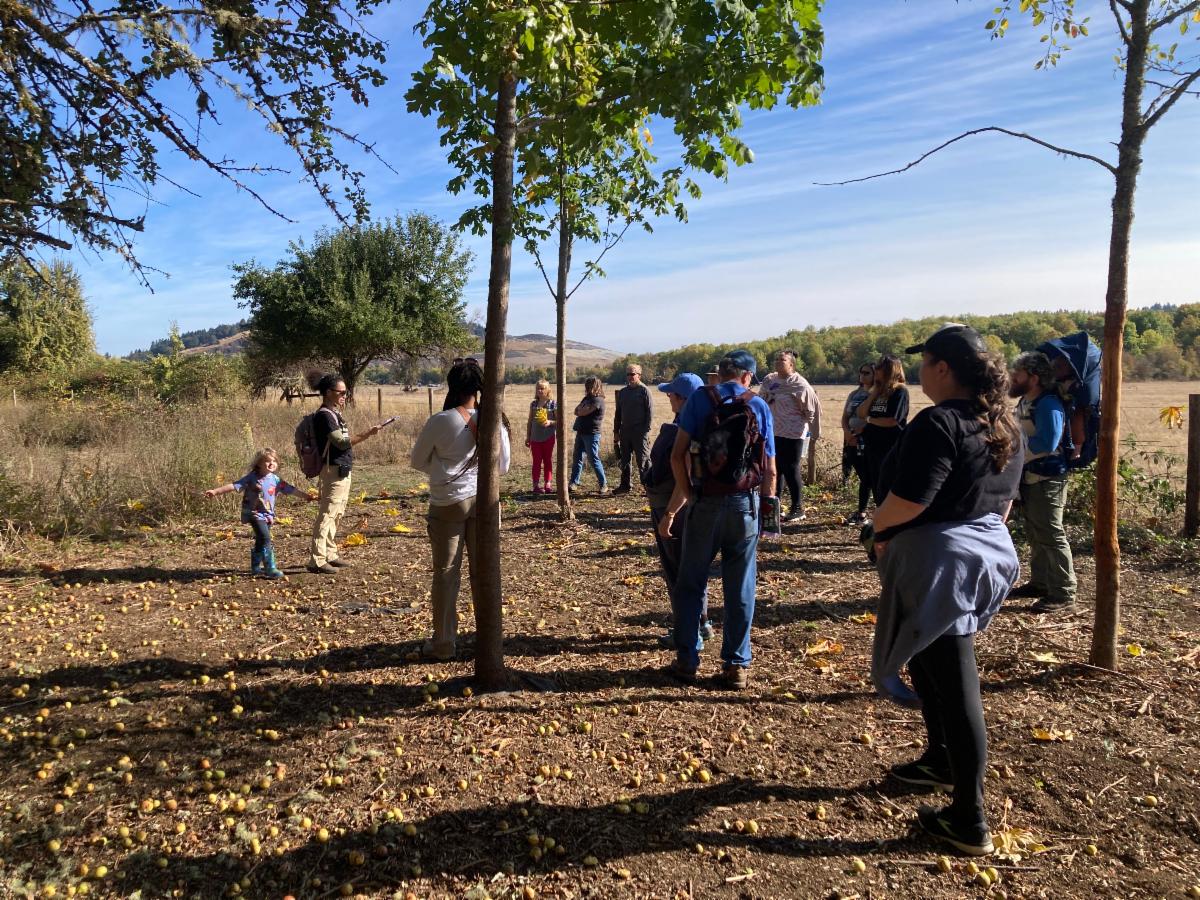
Letitia Carson Legacy Project "Fruit and Forage" Field Day
Saturday, October 3, 2026
The Letitia Carson Legacy Project invites you to visit the land Letitia and David Carson first settled in Oregon in the spring of 1846.
Learn more and register on the LCLP event page
| |
Annual Small Farms Conference
Saturday, February 20, 2027,
LaSells Stewart Center, Corvallis.
event page
| |
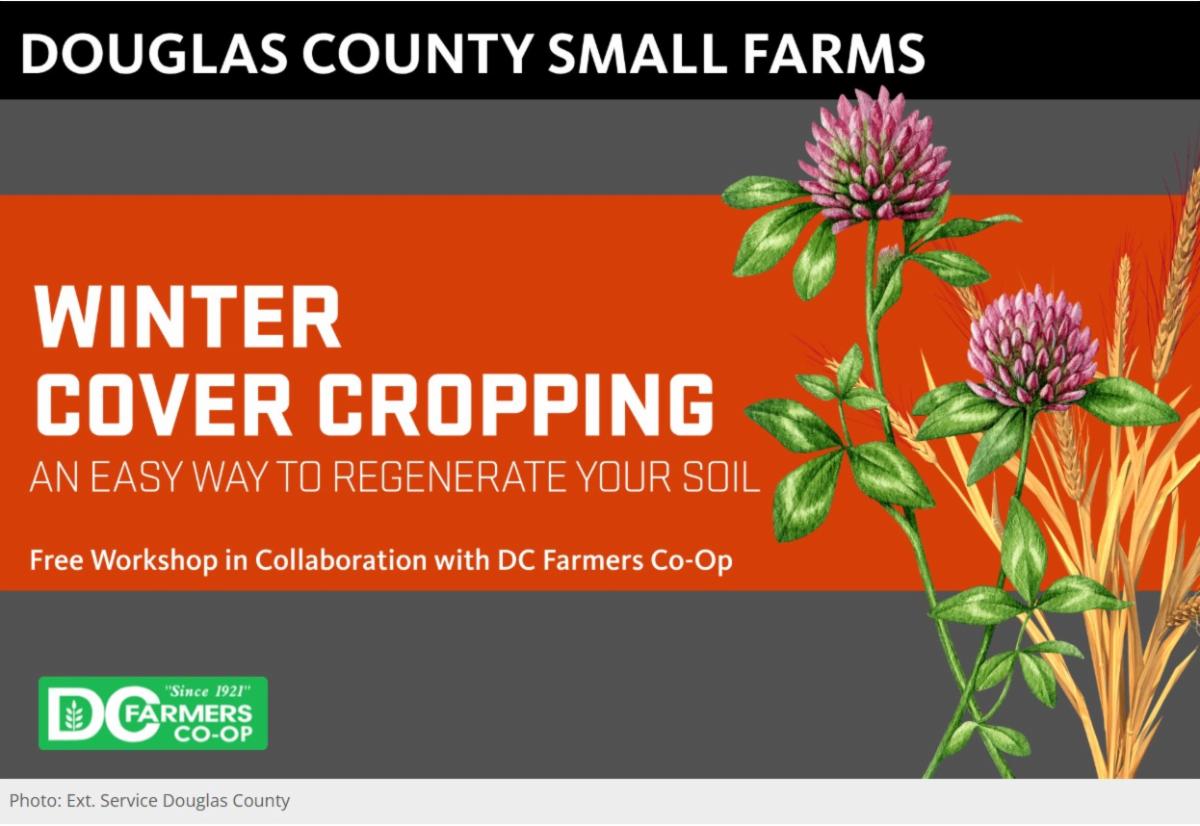
Winter Cover Cropping
Thursday, October 1, 2026 4-5 pm
DC Farmers Co-op
Join us for an engaging look at cover crops and how they can work in Douglas County's unique climate and soils.
event page
| | Visit our program websites for updates and events: | | Message from friends of CRAFS | |
“OSU’s Small Farms Program staff have been incredible partners in our work developing new regenerative farmers in Oregon. From guest instructing in our Beginning Farmer Educational Event Series to partnering on season-long hands-on place-based programming, this collaboration is essential in equipping beginning farmers with the skills and connections they need to build successful farming careers.” Matt Gordon, Executive Director
Oregon Farm Corps www.oregonfarmcorps.org
| | | | | |