Spotlight on Yolanda Brunson-Sarrabo :
Bringing Awareness to Racial Diversity Within the Multiple Myeloma Community
|
|
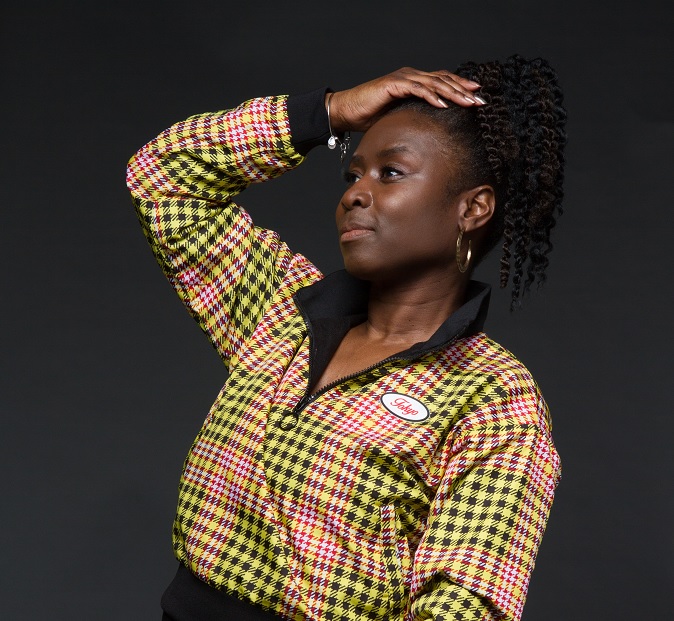
Editor’s Note: This month, Yolanda, an American who has been living with myeloma since 2008, agreed to be featured in our Spotlight section. Her story is both one of strength and perseverance in facing her illness and the challenges this represents as a black woman living in the United States. Yolanda reminds us of the importance of self-advocacy in navigating through our health care system.
|
|
|
|
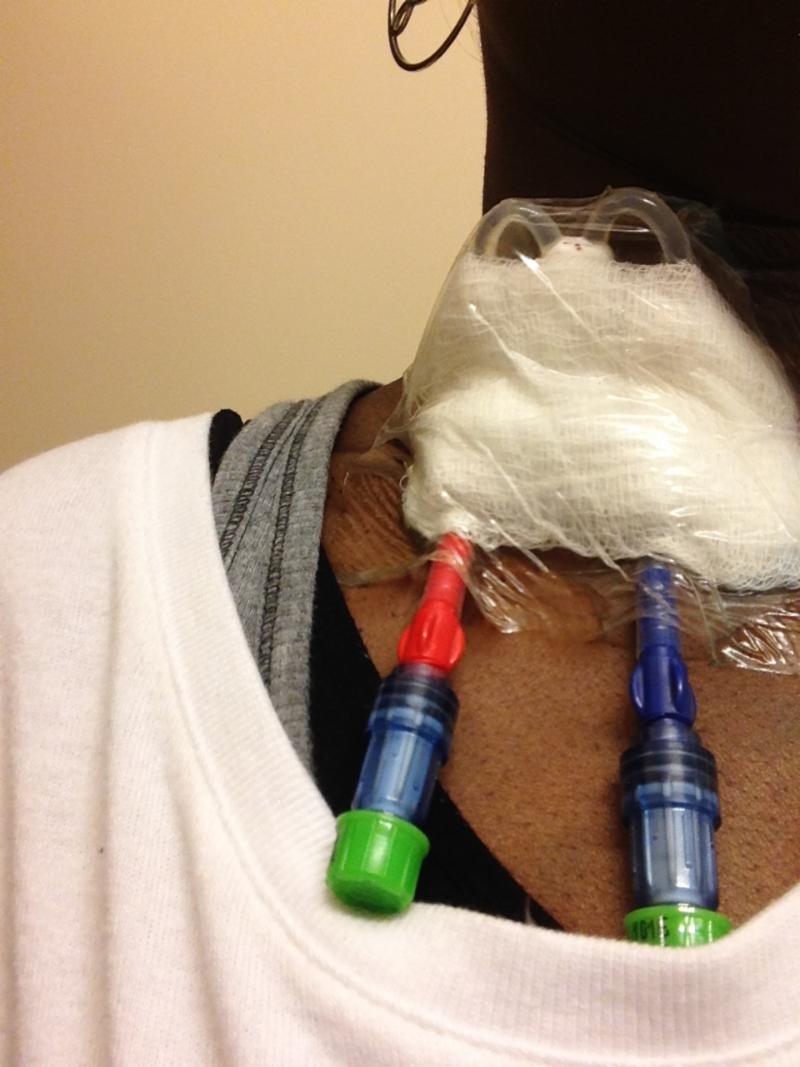
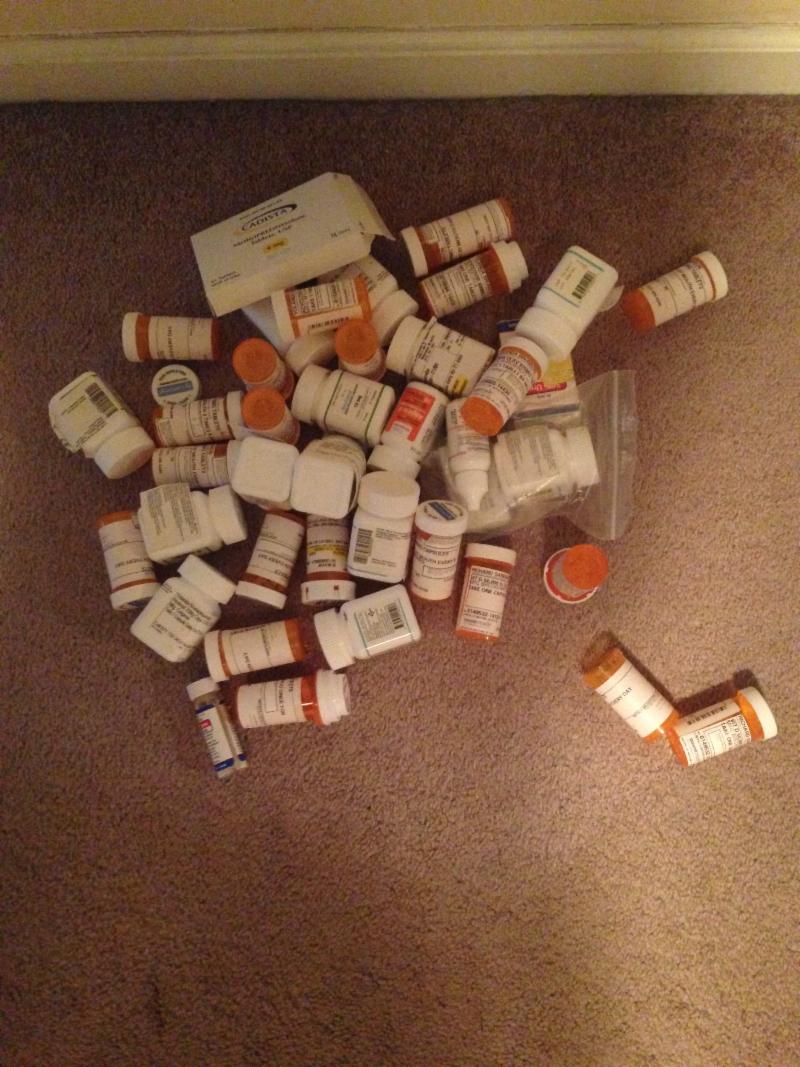
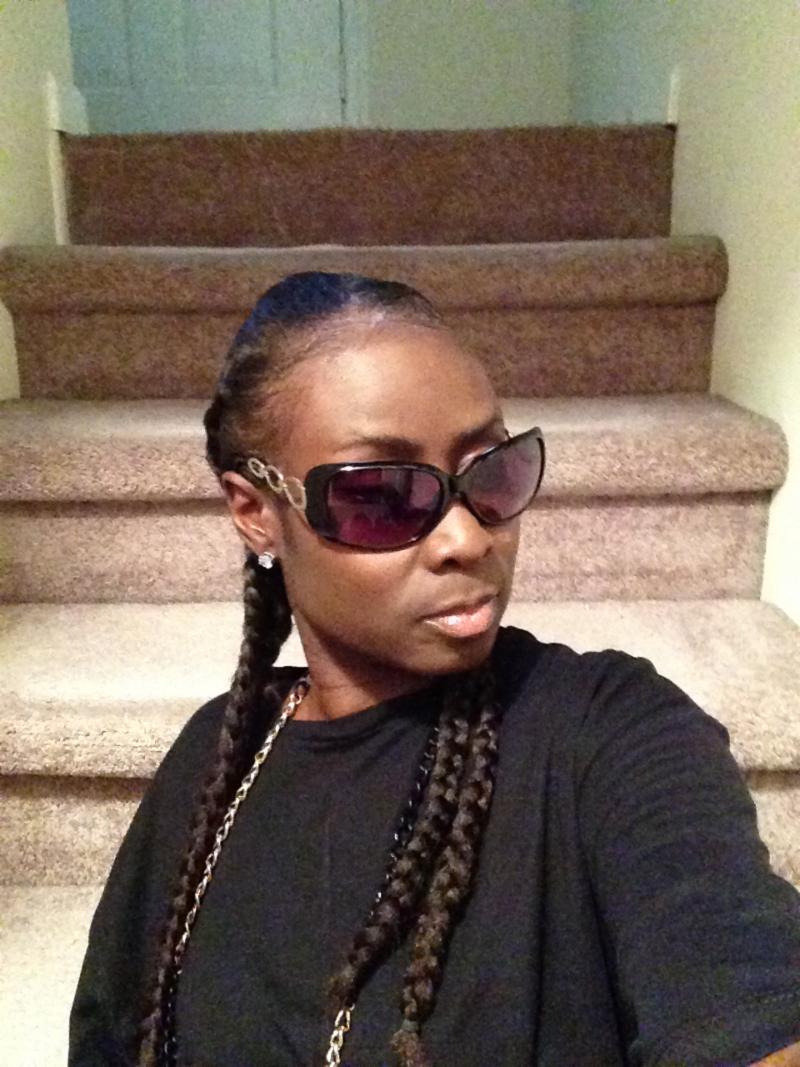
After working for many years in the US fashion industry and parting ways from a successful career - a highly and unnecessarily stressful job - I never imagined I would become the poster person on diversity three years later. While my journey may be relatable to so many, I have found it rather interesting trying to find people I could relate to. Yes, it’s been 11 years - give or take - since my myeloma diagnosis. I began with asymptomatic/smouldering myeloma that progressed to active multiple myeloma.
|
|
After a few years of treatment, I am happy to say I am now in remission, and I have beat the 5-year statistic that many deem as our last rites. I’m here to say there are many more like me, fighting and clawing our way to live with this horrible disease.
|
|
In 2013, I wrote my second book
(my first one was about the fashion industry), addressing
my journey with myeloma, entitled “
Another Face of Multiple Myeloma
”.
Another Face
speaks of my reflection living as a patient like so many, but the spin has been living with this cancer as a black woman. I’ve had so many questions, sought answers from so many people, and quite frankly, the answers were few and far between. People of colour represent the most predominant group of people affected by multiple myeloma, with the highest incidence in diagnosis and deaths. That said, finding people who look like me has been challenging, to say the least. I’ve had so many questions for anyone affected by myeloma, yet when it came to actual faces within the US community, there have just been a handful that stood out: Cheryl A Boyce, the late Elijah Alexander, and Brenda Jenkins, to name a few.
|
|
The topic of racial diversity is somewhat recent for me and rather perplexing. While we haven’t yet discovered a cure for myeloma, I’ve found that there’s a negative connotation between black people and myeloma. Why is that? I’ve met people on social media who associate the disease to someone in their family that died from it, all the while wishing me dismal luck. Most people who are diagnosed with myeloma had never heard of it before. For many black people, the diagnosis is even more puzzling as it’s not one of the typical diseases that affect many of us such as diabetes, hypertension, and sickle cell anemia. Multiple myeloma seems like a foreign term, but it’s not.
|
|
|
The problem is this racial divide of the haves and have-nots, or the silence rooted by history. I’ve been approached by many white patients in the myeloma community who ask me “Where is everyone” (referring to black people)? I’m not really my brother’s keeper, but I can say that there is a connection - or disconnect – as to why many are missing these forums and conferences.
|
|
The wrongs of history have a stronghold on matters of health, even when one doesn’t feel some situations are necessarily relatable. I can speak for the United States in mentioning there have been some atrocities when we talk of the wrongs of the medical community regarding black people. Either we were deemed a resource or a nuisance, and sometimes both. We were experimented on, whether for sterilization, misdiagnosis, or infected with a disease (Tuskegee Experiment). Many times, if we questioned or complained about a symptom, we were considered a pest. So, with these odds, is it any wonder that many people of colour are silent and not quick to come forward? I’ve also found that often, gender fails many black women, even in 2019. It seems we must be extra diligent in expressing ourselves when we don’t feel well and that it isn’t just psychological. Take for example super tennis star Serena Williams who has a history of pulmonary embolism. Upon experiencing pain and discomfort, she had to alert a nurse who then dismissed it as not being a big deal. Serena took charge and informed the nurse that this was a pattern she had experienced before.
She
had to tell the nurse what had to be done before she keeled over.
|
|
|
|
When black people alert a medical team that they aren’t feeling well, our pain is no different than anyone else’s. Due to dismissed concerns, many people of colour are therefore disproportionately likely to face fatal crisis.
I’ve learned to take hold of any situation that may put me in harm, or challenge answers that don’t make sense.
I know if I have questions, I would like to believe my team will be empathetic to any hesitancy. Based on what has been mentioned, I can’t, nor will I, go down that rabbit hole of being disregarded. Living with multiple myeloma can easily be a time game; most are diagnosed in the later stages of the disease.
|
|
While this is true for many patients, perhaps the playing field is uneven, and the disease is diagnosed even later in the black community…and late diagnosis means even more delays in getting proper treatment. If myeloma is identified earlier in black patients, then this may help to change percentages significantly affecting those faced with higher myeloma incidences.
|
|
So here we have it, this elephant in the room facing the why and how we’ve gotten to this place where many may not receive timely or proper care because of racial and gender disparities.
My advocacy is about sharing my story and raising awareness for all so that it is easier and less taboo going forward.
Trust is a big deal that many looking in take for granted. To understand the plight of any patient, regardless of colour and gender, you must know our past and our concerns. When we tell our team that we have specific pains, or worries, these should not be dismissed with a “No, you don’t”. When we go to smaller clinics with questions on our condition, answers like “I don’t know what to tell you” simply aren’t acceptable. It’s these trivialized answers that have patients, especially black patients, holding back.
|
|
Therefore, I do my little part, showing a face of encouragement as I carry on living. I write for various channels regarding multiple myeloma. I have discussions when I’m asked to do so, and I continue to move forth like many of you, taking one day at a time. I represent myself by being myself.
I do what I want to do because even though I have this monster, multiple myeloma, by no means does it have me.
I move forward by bringing together health and fitness awareness for those with some challenges. Currently, I’m a certified Personal Trainer CPT NASM, and I’m working on a life coach certification BCS. I hope to continue breaking down the walls of racial disparity so the many faces and shades of myeloma can be seen by all.
|
|
|
Am I my brother’s keeper? Perhaps I am.
Yolanda Brunson-Sarrabo
|
|
|
|
|
|
|