Center for Healthy Eating and Activity Research logo

Dear Colleagues,


In this month’s blog, Binge Eating Disorder: You Don’t Have to Hit Rock Bottom to Get Help, we explore a clinical reality many providers encounter: patients often delay seeking care for binge eating disorder because their symptoms don’t feel “severe enough.”


In practice, BED frequently presents outside of crisis. Patients may not describe classic binge episodes. Instead, they may report feeling out of control around food, cycling between restriction and overeating, or experiencing persistent shame tied to eating behaviors. Distress often precedes diagnostic clarity.


Listening for language such as “I keep trying to get back on track,” or “I’m good during the week but lose control on weekends,” can open space for deeper assessment. Subtle behavioral shifts, particularly during periods of stress or medical focus on weight outcomes, may signal emerging binge–restrict patterns.


At CHEAR, our evidence-based programs emphasize behavioral regulation, cue awareness, and reduction of shame-driven cycles. We value collaborative care and welcome consultation when presentation feels nuanced rather than acute.


Early support does not require visible crisis — and often leads to steadier outcomes.


Warm Regards,

Dr. Kerri Boutelle

Founder & Clinical Director

Center for Healthy Eating and Activity Research (CHEAR)

Covered care seamless referrals

Insurance and Referrals

We know financial concerns are often a barrier to treatment. That’s why CHEAR’s Outpatient BED Clinic partners with a broad range of insurance providers, including Aetna, Optum (UnitedHealthcare), Cigna, Anthem Blue Cross, Kaiser Permanente, Sharp, MHN, and Health Net.


Our admissions team takes care of verifying benefits, explaining coverage in plain language, and outlining any potential costs before treatment begins. This transparency helps patients feel more comfortable committing to care.


By referring to CHEAR, you can assure patients that both clinical excellence and financial accessibility are part of the process.

CHEAR’s Approach to Binge Eating Disorder

At CHEAR, our work is grounded in the understanding that binge eating disorder is not a failure of willpower. It is a learned behavioral pattern shaped by stress, restriction, emotion regulation, and environmental cues.


Effective treatment focuses on restoring regulation — not imposing more control.


Our evidence-based framework integrates:


Rather than centering treatment on weight outcomes alone, we emphasize behavioral stabilization, cue awareness, and reducing shame-driven cycles that perpetuate binge–restrict patterns.


Our programs support children, adolescents, and adults, with coordinated communication that aligns with medical and mental health providers.


We invite you to read this month’s blog at the link below to explore how early intervention can shift outcomes in binge eating disorder care.


If you have a patient whose presentation feels nuanced, subthreshold, or evolving, we welcome consultation. Our team is available to collaborate, answer questions, and support coordinated care.


🔘 Learn more about Center for Healthy Eating and Activity Research programs and referral options here.

Thank you for being a trusted physician partner and referring patients who could benefit from our services and studies. Questions? Call: 855-827-3498

CURRENT STUDIES

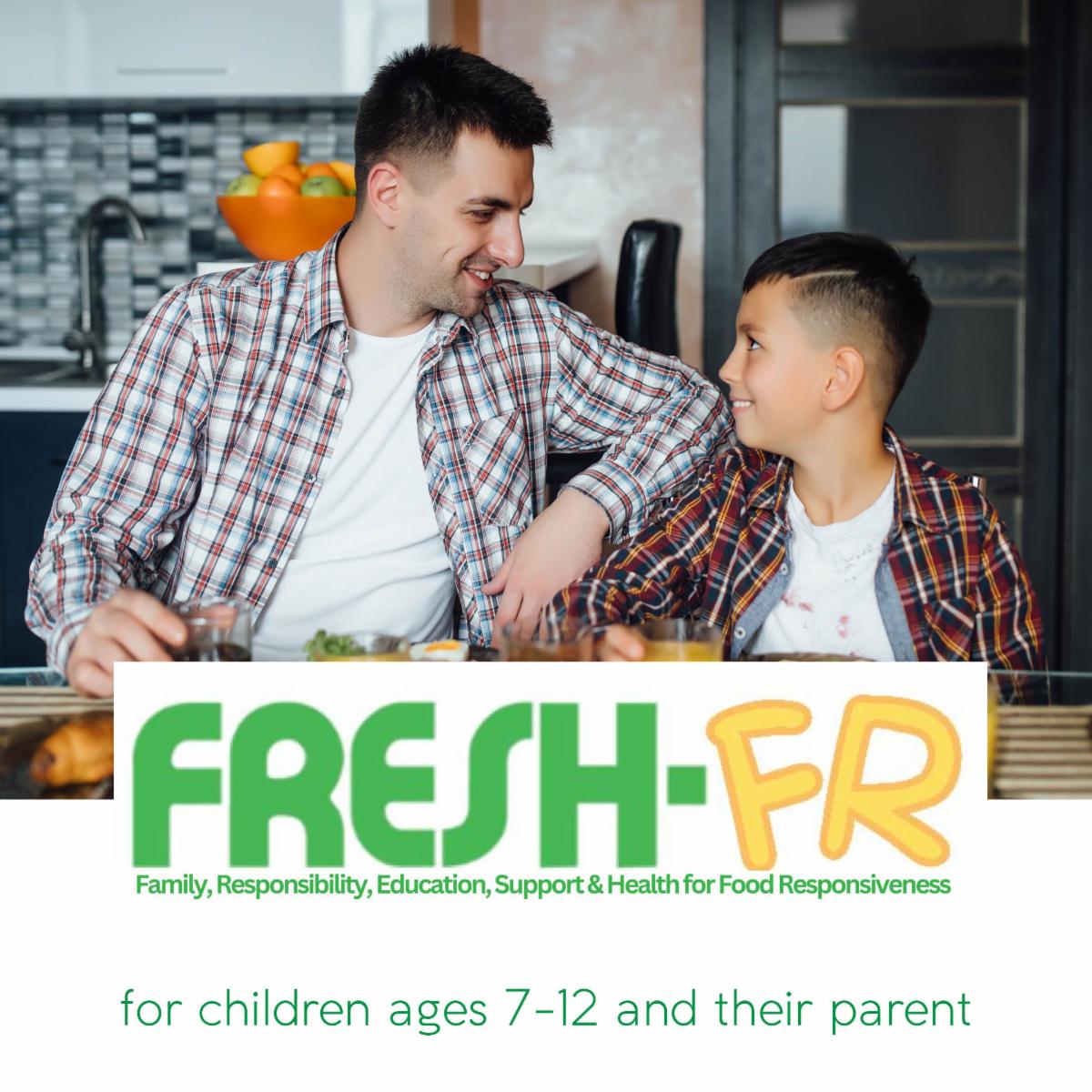
FRESH-FR

The FRESH-FR program is a no-cost weight loss program for children ages 7-12 with obesity & their parent who tend to think and talk about food a lot and overeat. The FRESH-FR program examines 4 different treatments that may help children reduce their overeating and lose weight.

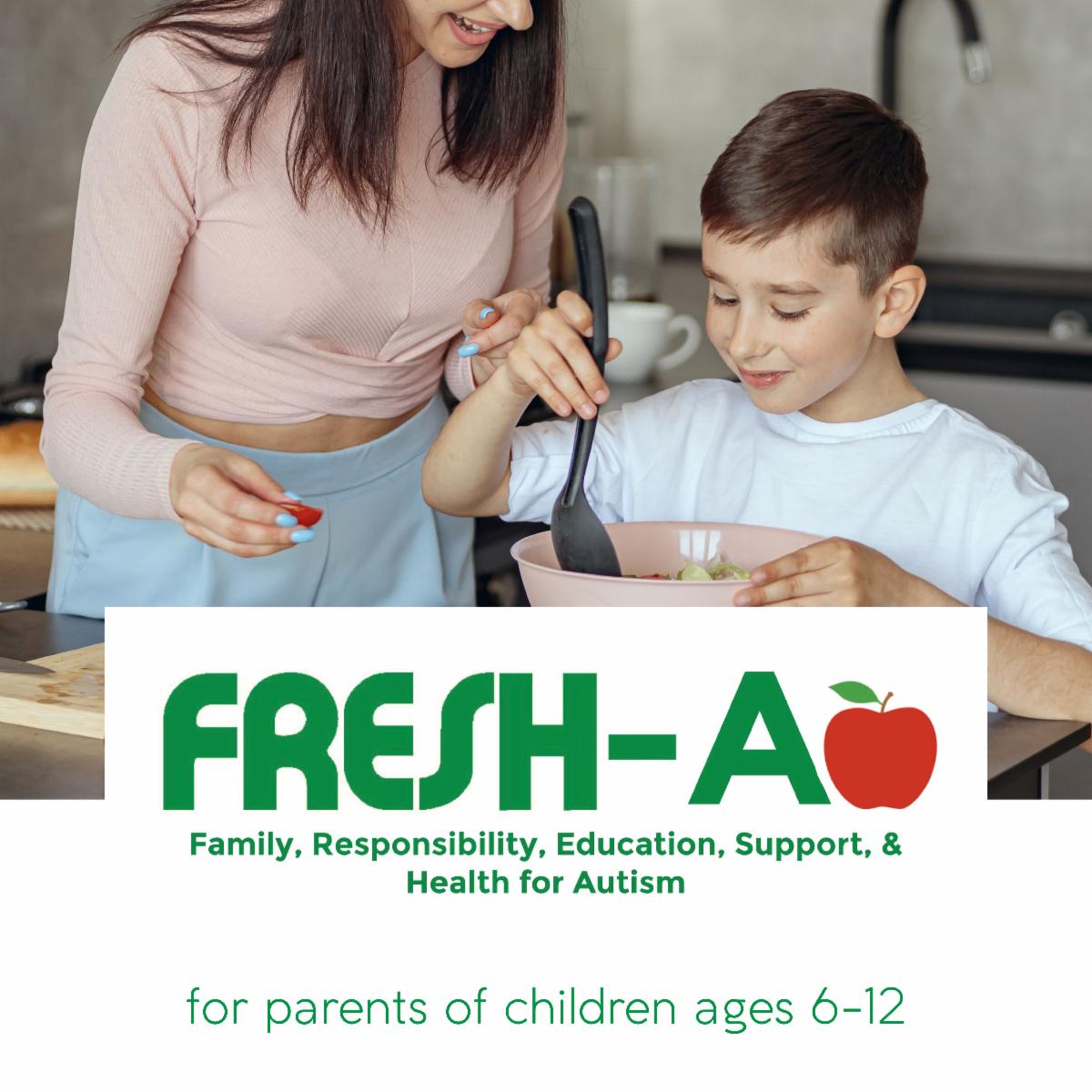
Family, Responsibility, Education, Support and Health for Autism

The FRESH-A study is a telehealth program for parents of children ages 6-12 with autism and overweight or obesity that focuses on developing healthier eating and activity behaviors. The no-cost treatment program is 6-months and only parents attend weekly groups. 


A Curiosity-Based Self-Check to Share with Patients

For patients who express distress around eating but may not clearly identify binge episodes, a brief curiosity-based check-in can help open discussion without introducing shame or premature labeling.


Rather than focusing immediately on diagnosis, consider encouraging patients to begin with awareness.


You might invite them to reflect on questions such as:

  • Does eating feel stressful more often than peaceful?
  • Do you find yourself eating to manage emotions more than hunger?
  • Do you feel stuck in patterns you haven’t been able to shift on your own?
  • Do you spend significant mental energy thinking about food, control, or “starting over”?
  • Do you experience relief while eating followed by guilt or shame?
  • Are there foods you strictly avoid, only to later feel out of control around them?


A brief cue-awareness check can also be helpful:

  • Before eating, rate hunger on a simple 1–5 scale.
  • After eating, notice fullness without judgment.
  • Ask: “What did I need in that moment — physically or emotionally?”


These prompts are not diagnostic tools. They are conversation starters that can help surface patterns patients may minimize or normalize.

Curiosity often precedes disclosure.


If these reflections reveal emerging binge–restrict cycles or distress, early referral to evidence-based behavioral treatment may prevent further entrenchment.


We invite you to read this month’s blog for additional clinical insight and to reach out to CHEAR if consultation or referral support would be helpful.

During National Eating Disorders Awareness Week (February 23 – March 1), we are reminded that eating disorders often present in ways that do not match common assumptions.


They may not involve extreme restriction.

They may not involve purging behaviors.

They may not involve visible weight changes.


Binge eating disorder is the most common eating disorder, yet it remains frequently overlooked in clinical settings — particularly when patients do not present in crisis.


Many individuals live with binge–restrict patterns for years before receiving appropriate behavioral support. Patients often minimize symptoms because they do not perceive them as “severe enough,” or they attribute distress to lack of willpower rather than a treatable behavioral condition.


National awareness efforts provide an opportunity to normalize conversations about eating behaviors — not just weight outcomes. Early, nonjudgmental inquiry can reduce stigma and improve disclosure, particularly when patients feel their experiences fall outside traditional eating disorder presentations.


Recognizing that distress can precede diagnostic clarity allows for earlier intervention and steadier outcomes.


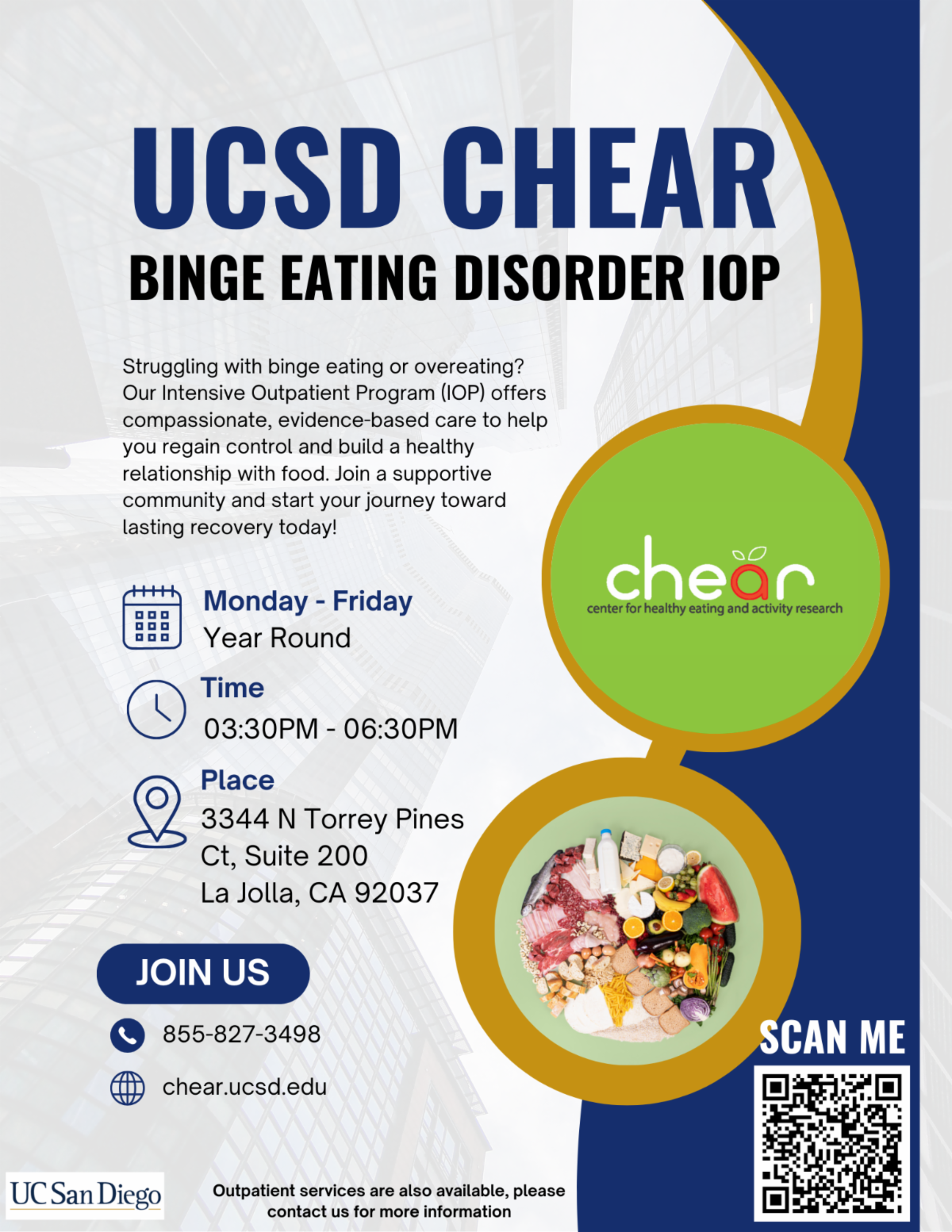
At CHEAR, we provide evidence-based, behavior-focused treatment for binge eating disorder across developmental stages. We welcome collaboration and consultation when concerns arise — including cases that may not yet meet full diagnostic thresholds.


Awareness begins with conversation — and conversation can begin before crisis.

GET INSPIRED!

Follow Us On Social Media

Facebook  X  YouTube  Instagram
X Share This Email
LinkedIn Share This Email