MIT Department of Aeronautics & Astronautics | December 2021 |
|
🎉 This is our final Roundup email of 2021. We will be back in February 2022. Have a safe holiday season and a happy new year! 🎉
|
|
MIT Response to Omicron & Plans for January
MIT has updated guidance in response to the rise of Covid-19 cases, so AeroAstro has adjusted our approach to IAP:
-
Indoor masking is required at all times and KN94/95 masks are highly desirable. AeroAstro will have a set of these masks available in Headquarters (33-207) and with Anthony Zolnik.
- They are also available at the testing drop-off points.
- Effective Dec. 22, 2021, all hybrid work plans for staff in the Department are suspended through IAP. All staff who can work remotely are asked to do so.
- All students should reflect on whether they need to be on campus during IAP. If they do not, then they are encouraged not to be on campus.
|
|
Watch the historic James Webb Telescope launch on Dec. 25 at 7:20 a.m. EST
On Saturday, Dec. 25 at 7:20 a.m., NASA will launch the James Webb Telescope, a historic event more than two decades in the making. Thanks to its revolutionary technology, Webb’s infrared telescope will directly observe a part of space and time never seen before. Webb will gaze into the epoch when the very first stars and galaxies formed, over 13.5 billion years ago. Ultraviolet and visible light emitted by the very first luminous objects has been stretched or “redshifted” by the universe’s continual expansion and arrives today as infrared light. Webb is designed to “see” this infrared light with unprecedented resolution and sensitivity.
|
|
Faculty: Indicate your interest in being an MSRP Faculty Mentor by Dec. 23
The 37th Annual MIT Summer Research Program-General (MSRP) is still recruiting faculty mentors. As you may know, MSRP has a rich 36-year history in inspiring and cultivating the next generation of talented undergraduate scholars from identities traditionally underrepresented in graduate education (e.g., low socioeconomic background, first-generation college, veterans). The charge of the program is threefold:
- Promoting the value of advanced education.
- Addressing the underrepresentation of underserved identities in the research enterprise.
- Allowing bright students to explore their intellectual curiosity in preparation for graduate education at MIT or beyond.
|
|
-
Nancy Leveson gave the keynote address at the first Latin American STAMP Conference. This new conference joins the original one at MIT and yearly STAMP meetings in Europe and Japan.
-
Adriana Mitchell was awarded the Progetto Roberto Rocca Fellowship to participate in a research exchange with Politecnico Di Milano in Milan, Italy. She will be researching in the Deep-space Astrodynamics Research and Technology (DART) group with Professor Francesco Topputo, a collaborator of her advisor, Richard Linares, for the duration of the spring semester, and will continue her PhD research on autonomous visual navigation for space vehicles.
-
Adrián Lozano-Duran was awarded an NSF Career award for his project Information-Theoretic Approach to Turbulence: Causality, Modeling & Control.
-
Zoltán Spakovszky was invited to deliver the 2022 Turbomachinery Distinguished Lecture in Mechanical Engineering at the J. Mike Walker ’66 Department of Mechanical Engineering at Texas A&M University. The Turbomachinery Distinguished Lecture Series was established by the Turbomachinery Laboratory at Texas A&M University in 2013, with the intention of providing a series of lectures given by prominent speakers in the area of Turbomachinery to further enhance interest and awareness in this field.
-
Alumni Lars Blackmore PhD ’07 and Yoshiaki Kuwata, PhD ’07 received the 2021 Control Systems Technology Award “for developing the guidance, navigation and control for the Falcon 9 and Falcon Heavy reusable rockets.” The award recognizes individuals or teams with outstanding contributions to control systems technology either in design and implementation or in project management.
-
Spot Award recipients for the month of December include: Karen Bruce, Beth Marois, Jess Johnson, Ping Lee, Robin Courchesne-Sato, and Sara Cody (x2!) Learn more about how you can recognize your colleagues (note: click "LOGIN" on the top right menu to log in via Touchstone to view internal pages) with AeroAstro's Spot Recognition program.
-
Juliana L. Chew is a recipient of the Wings Club Foundation scholarship. The scholarship supports students who have demonstrated both the interest and academic success in a higher education program designed to lead students to professional careers within the aviation or aerospace industry. The scholarship award was presented to Juliana on October 22, 2021 at The Wings Club Foundation Annual Gala in New York City.
-
Bill Kuhl is among six MIT students who have been awarded 2022-23 Schwarzman Scholarships! These students will head to Tsinghua University in Beijing next August to pursue a one-year master’s degree in global affairs. The students will also receive leadership training, career development, and opportunities to gain a greater understanding of China’s role in the world.
On behalf of the Office of Diversity, Equity and Inclusion, thank you to the following graduate students for their leadership and participation in the Graduate Application Assistance Program
(GAAP) for 2020 and 2021.
2020 GAAP Executive Team
- Charles Dawson
- Golda Nguyen
- Max Li
2020 Mentors
- Harsh Bhundiya
- Becca Browder
- Arthur Brown
- Katie Carroll
- Durgesh Chandel
- Chris Chin
- Mary Dahl
- Annick Dewald
- Allegra Farrar
- Sarah Gonzalez
- Jenny Gubner
- China Hagström
- Miles Lifson
- Charlotte Lowey
- Adriana Macieira Mitchell
- Rachel Morgan
- Siddharth Nayak
- Chelsea Onyeador
- Allison Porter
- Elizabeth Qian
- Ezra Tal
- Hannah Tomio
- Sophia Vlahakis
- Kevin Wang
- Lydia Lihui Zhang
- Syed Shayan Zahid
2021 Executive team
- Charles Dawson
- Rosemary Davidson
- Golda Nguyen
- Kevin Wang
2021 Mentors
- Harsh Bhundiya
- Arthur Brown
- Sathwik Chadaga
- Maryl Dahl
- Ryan de Freitas Bart
- Annick Dewald
- Kevin Doherty
- Sydney Dolan
- China Hagström
- Ryann Hee
- Menna Hussein
- Hanna-Lee Harjono
- Asha Jain
- Michelle Lin
- Miles Lifson
- Ben Martell
- Aaron Makikalli
- Adriana Macieira Mitchell
- Rachel Morgan
- Siddharth Nayak
- Cameron Pittman
- Bazyli Szymański
- Ezra Tal
- Sunbochen Tang
- Hannah Tomio
- Sophia Vlahakis
- Syed Shayan Zahid
|
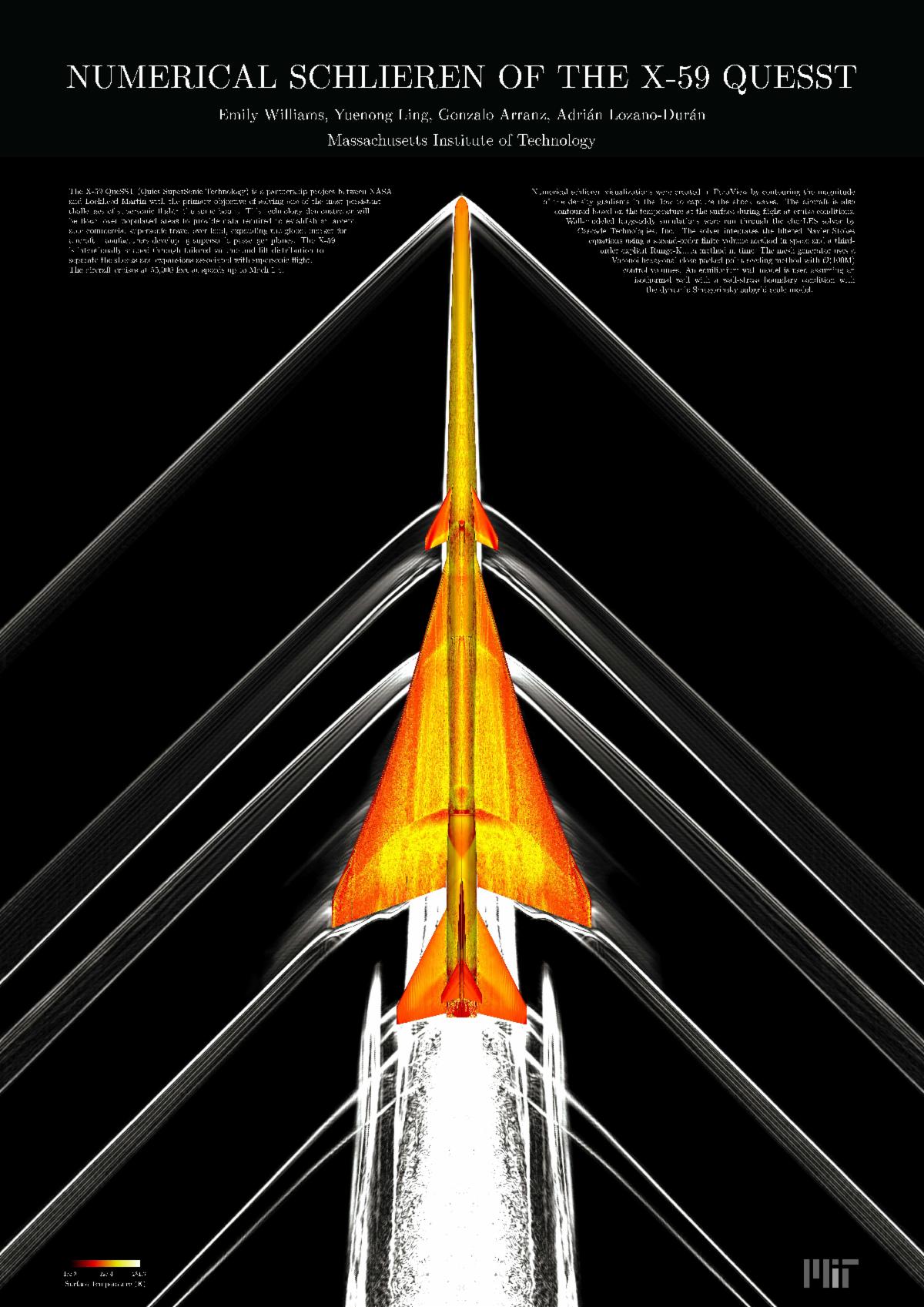
The Computational Turbulence Group recently presented a poster above) to the Gallery of Fluid Motion at the conference APS DFD 2021 (American Physical Society Division of Fluid Mechanics).
|
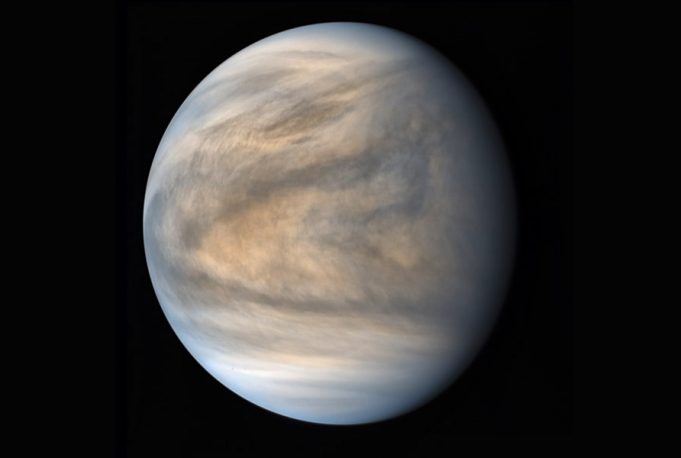
A team led by MIT researchers laid out the scientific plan and rationale for a suite of scrappy, privately-funded missions set to hunt for signs of life among the ultra-acidic atmosphere of the second planet from the sun. Using a laser instrument specially designed for the mission, the probe will aim to detect signs that complex chemistry is occurring within the droplets it encounters on its brief descent into the haze. Fluorescence or impurities detected in the droplets could indicate something more interesting than sulfuric acid might be wafting around up there, and add ammunition to the idea that parts of Venus’ atmosphere might be habitable.
|
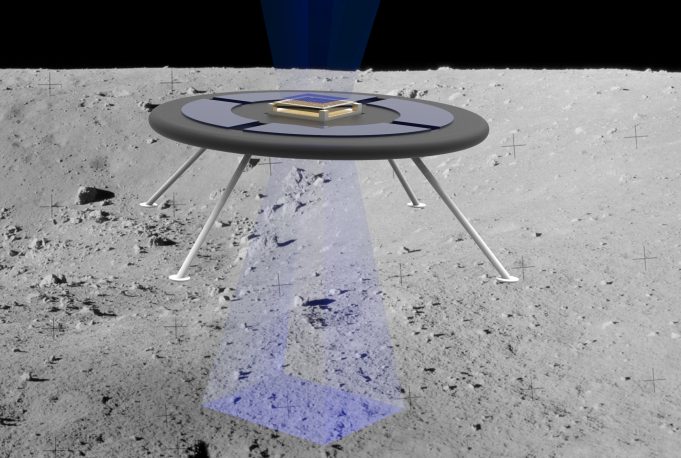
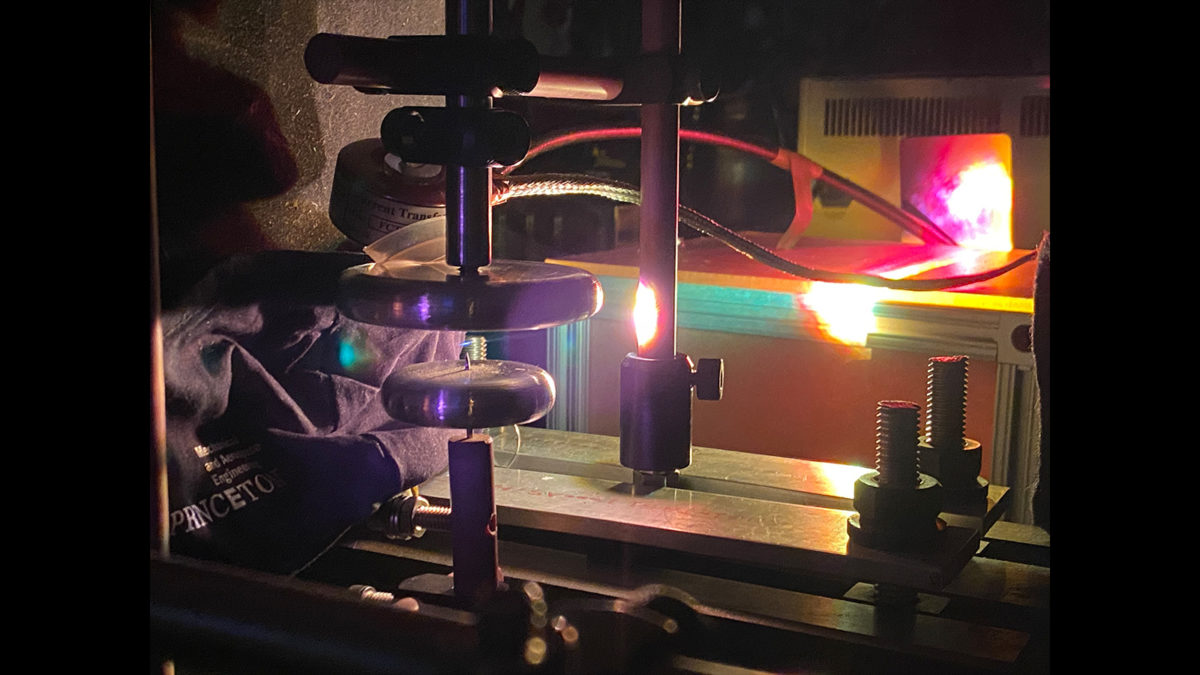
Oliver Jia-Richards, Paulo Lozano, and former visiting student Sebastian Hampl, now at McGill University, are testing a new concept for a hovering rover that levitates by harnessing the moon’s natural charge. Because they lack an atmosphere, the moon and other airless bodies such as asteroids can build up an electric field through direct exposure to the sun and surrounding plasma. On the moon, this surface charge is strong enough to levitate dust more than 1 meter above the ground, much the way static electricity can cause a person’s hair to stand on end.
|
Carmen Guerra-Garcia co-authored the Aerospace America 2021 Year in Review for the plasmadynamics and lasers section.
|
|
Diversity, Equity, and Inclusion (DEI) |
Dear AeroAstro Community,
As we conclude 2021, I express my sincere thanks and appreciation for your commitment, action, and engagement in this year’s Diversity, Equity, and Inclusion Committee and events. I encourage you to reflect on lessons learned over the past year as we continue to build a more welcoming, diverse, equitable, and inclusive AeroAstro in 2022. I wish you a Happy Holiday Season and look forward to our work together in the New Year!
Sincerely,
Denise Phillips, Diversity Officer
DEI Annual Report Feedback:
We are pleased to share the Annual Report developed by the AeroAstro DEI committee, chaired by Professor Paulo Lozano. Please view the DEI Annual Report, Implementation Plan, an updated DEI Strategic Plan, and additional initiatives at https://bit.ly/2XV kh1N .
Please note the options to provide your feedback on the Annual Report
-
Via email to aa-diversity@mit.edu
-
Online anonymous feedback https://bit.ly/3FYKU6c
Thank you for championing the Diversity, Equity, and Inclusion, efforts in AeroAstro as we embark on our quest for DEI excellence.
|
As we continue to face challenges as a community, we must take care of one another and expand our own knowledge base. MIT has highlighted a resource called Race Matters: What Can I do?, a graphic capturing action steps you can take to support this work.
|
Successful Thesis Defenders |
Dr. Ben Zhang
Efficient Sampling Methods of, by, and for Stochastic Dynamical Systems
December 13
Did you successfully defend your graduate thesis? Send a photo to aa-communications@mit.edu to be featured as one of our Successful Defenders!
|
Check out one of AeroAstro's newest courses, in partnership with MIT Math Department, and the Center for Computational Science and Engineering: Computing the World Around Us.
This class provides an introduction to computational algorithms for understanding scientific phenomena and designing engineering systems, drawing from diverse applications including mechanics, robotics, climate science, biology, aerospace, and others.
|
Isaiah M. Blankson '69, MS '70, PhD '73
|
Below are a few highlights of AeroAstro media coverage: |
Oliver Jia-Richards and Paulo C. Lozano
Journal of Guidance, Control, and Dynamics
Gizmodo
Peter Belobaba
New York Times
Sara Seager
Newsweek
AP
New York Times
|
|
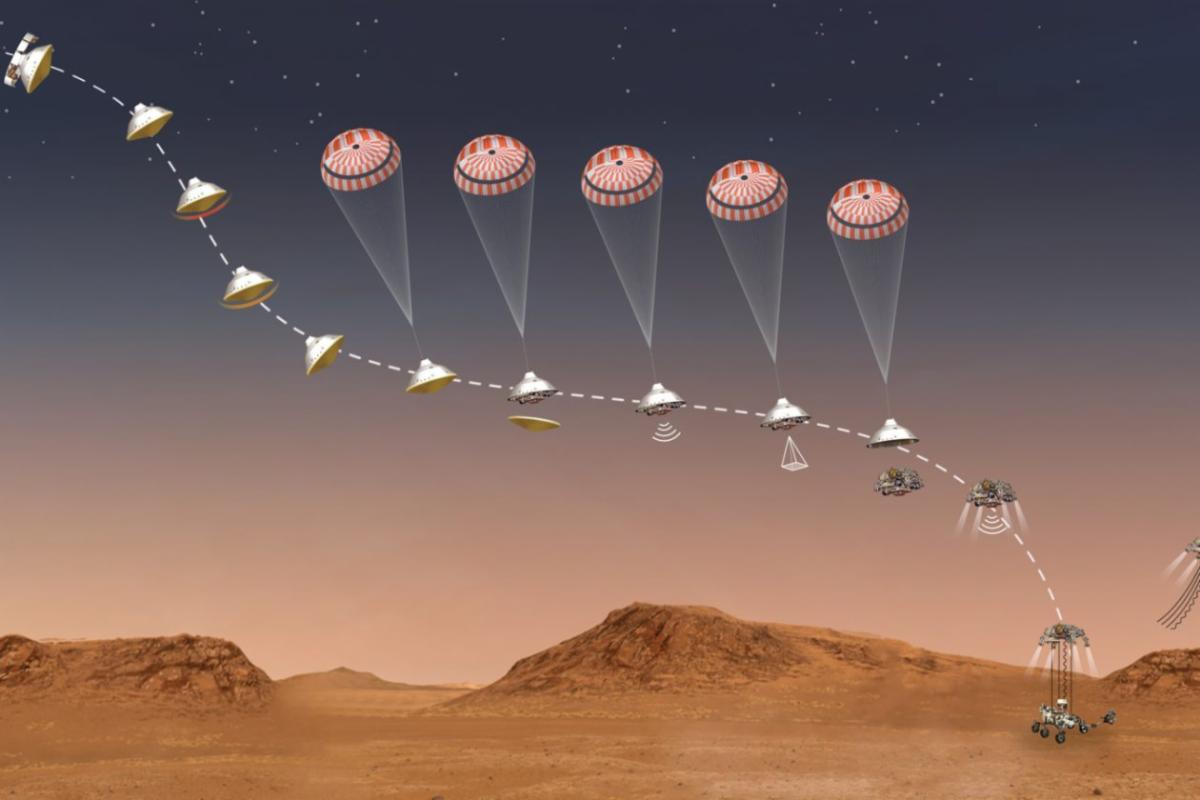
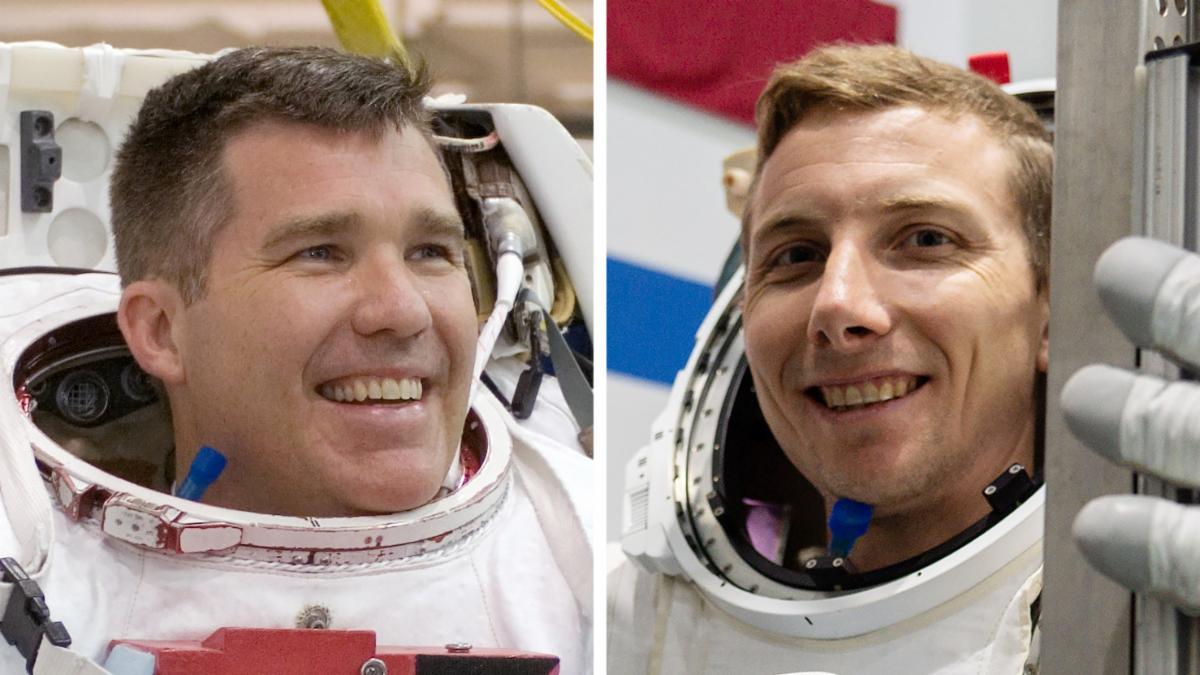
Two MIT alumni and NASA crew members have been assigned to launch on the agency’s SpaceX Crew-6 mission – the sixth crew rotation flight aboard a Crew Dragon spacecraft to the International Space Station. NASA astronauts Stephen Bowen ENG’93 and Woody Hoburg ‘08 will serve as spacecraft commander and pilot, respectively, for the mission. Hoburg graduated from MIT with a bachelor's degree in aeronautics and astronautics and was a member of the AeroAstro faculty prior to his astronaut training. Bowen received his master's degree from MIT in ocean engineering from the Joint Program in Applied Ocean Science and Engineering. The mission is expected to launch in 2023 on a Falcon 9 rocket from Launch Complex 39A at NASA’s Kennedy Space Center in Florida. Bowen, Hoburg, and the international crew members (to be named) will join an expedition crew aboard the space station.
|
|
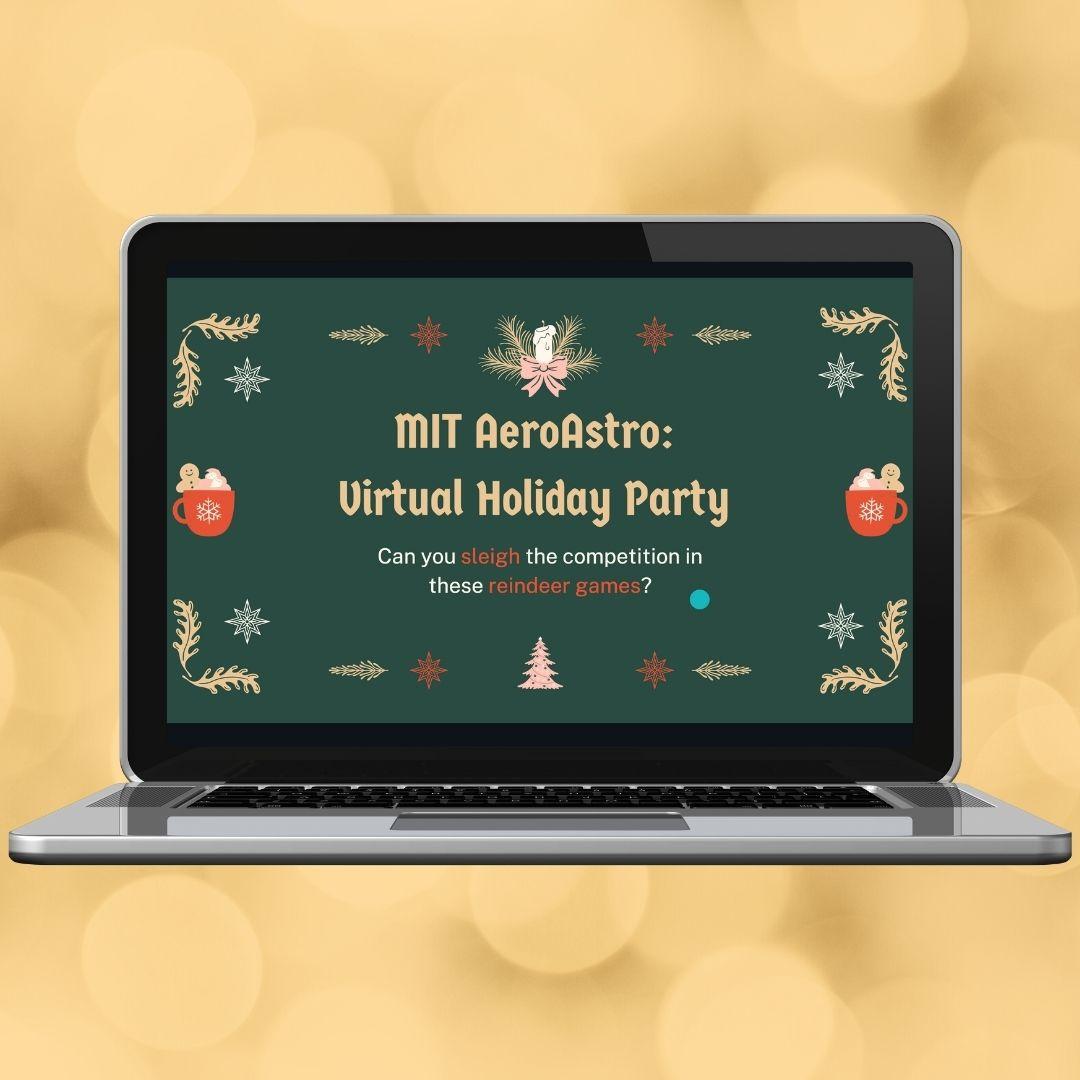
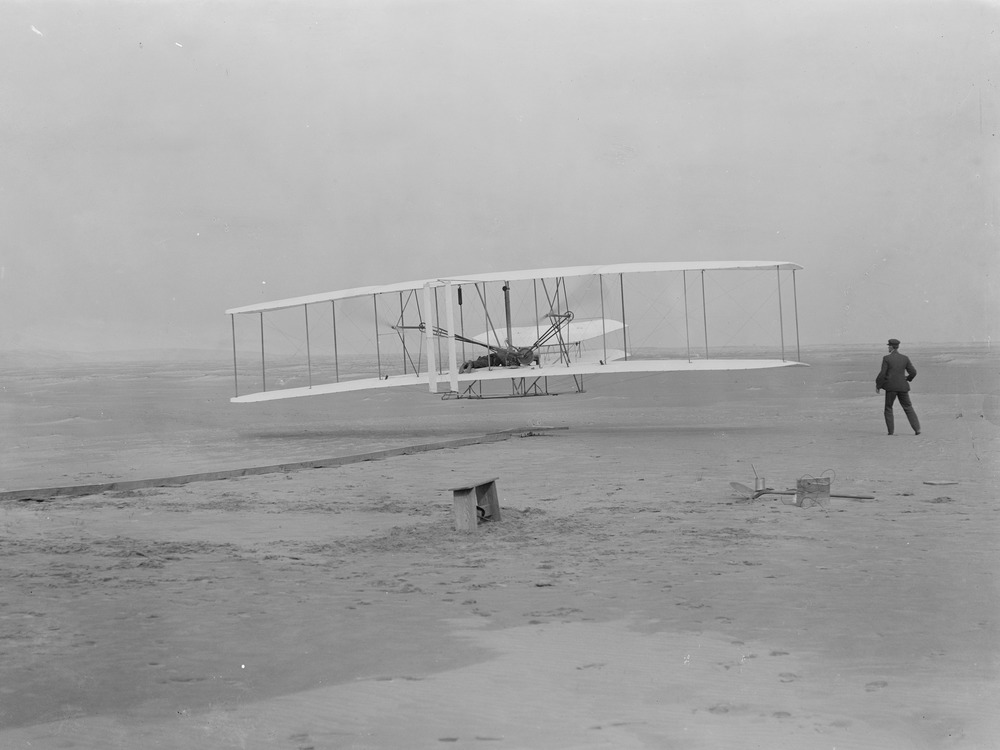
On Friday, Dec. 17, AeroAstro hosted our annual holiday party, held virtually for the second year in a row. Organized by Joyce Light, the event featured holiday-themed games as well as a Wright Brothers Trivia match in honor of the 118th anniversary of their historic first flight piloting a powered aircraft at Kitty Hawk in 1903 (below.) Attendees enjoyed treats sent in a Zingermans gift box prior to the event, and the party culminated with a slideshow of furry friends and family members belonging to the AeroAstro community.
|
|
The Graduate Association of Aeronautics and Astronautics (GA^3) represents current graduate students within the Aeronautics and Astronautics Department at MIT. Their goal is to organize social and professional activities which strengthen and enrich the community within the department and to help publicize various research activities within the department. They organize social hours, host talks by guest speakers and students, and help communicate with the department and the Graduate Student Council.
They recently held elections to nominate their Executive Council for 2022:
Incoming 2022 GA^3 Executive Team:
-
Co-Presidents: Andrea Henshall, Evan Kramer
-
Vice President: Hanna Tomio
-
Treasurer: Andrew Fishberg
-
Social Chairs: Carter Waligura, Spencer McDonald, Chris Womack
-
Academic Chair: Kota Kondo
-
Professional Development Chair: Shravan Hariharan
-
International Chair: Mennatallah Hussein
-
Outreach and Diversity Chair: Michelle Lin
-
Intramural Chair: Harsh Bhundiya
-
Graduate Student Council Representative: Ryan de Freitas Bart
Special thanks to the 2021 Executive team:
-
Co-Presidents: Hannah Tomio, Jonathan MacArthur
-
Vice President: Andrew Cummings
-
Treasurer: Andrew Fishberg
-
Social Chairs: Cadence Payne, Ara Mahseredjian, Will Parker
-
Academic Chair: Charles Dawson
-
Professional Development Chair: Axel Garcia
-
International Chair: Elwyn Sirieys
-
Outreach and Diversity Chair: Regina Apodaca
-
Intramural Chair: Harsh Bhundiya
-
Graduate Student Council Representative: Alejandro Cabrales, Mary Dahl, Joey Murphy
-
Webmaster/Social Media: Chelsea Onyeador
|
|
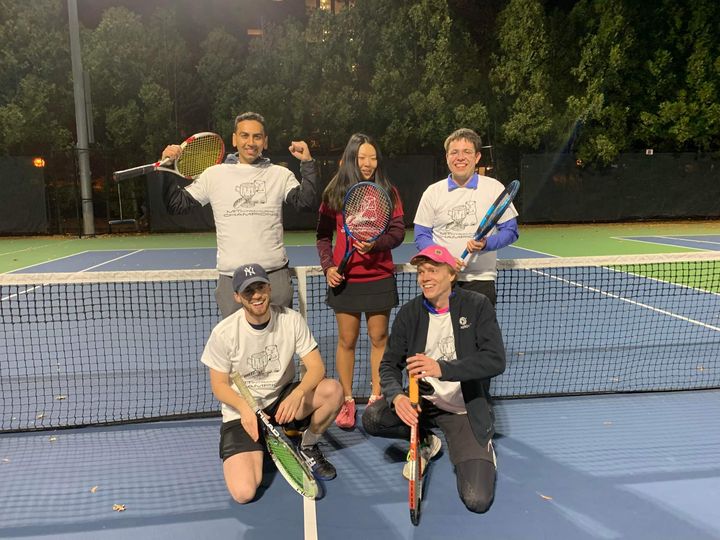
🏆 Congrats to the AeroAstro intramural team for winning this year's Tennis League B Intramurals! 🏆
Pictured: (top left to bottom right): Harsh, Alyssa, Alex, Matt, Björn
Not pictured: Katie, Albert, Chhor, Chris, Chuangchuang, Justine, Michael, Michelle, Peter, Rumya, Skylar, Vaik, Xinzhe
|
|
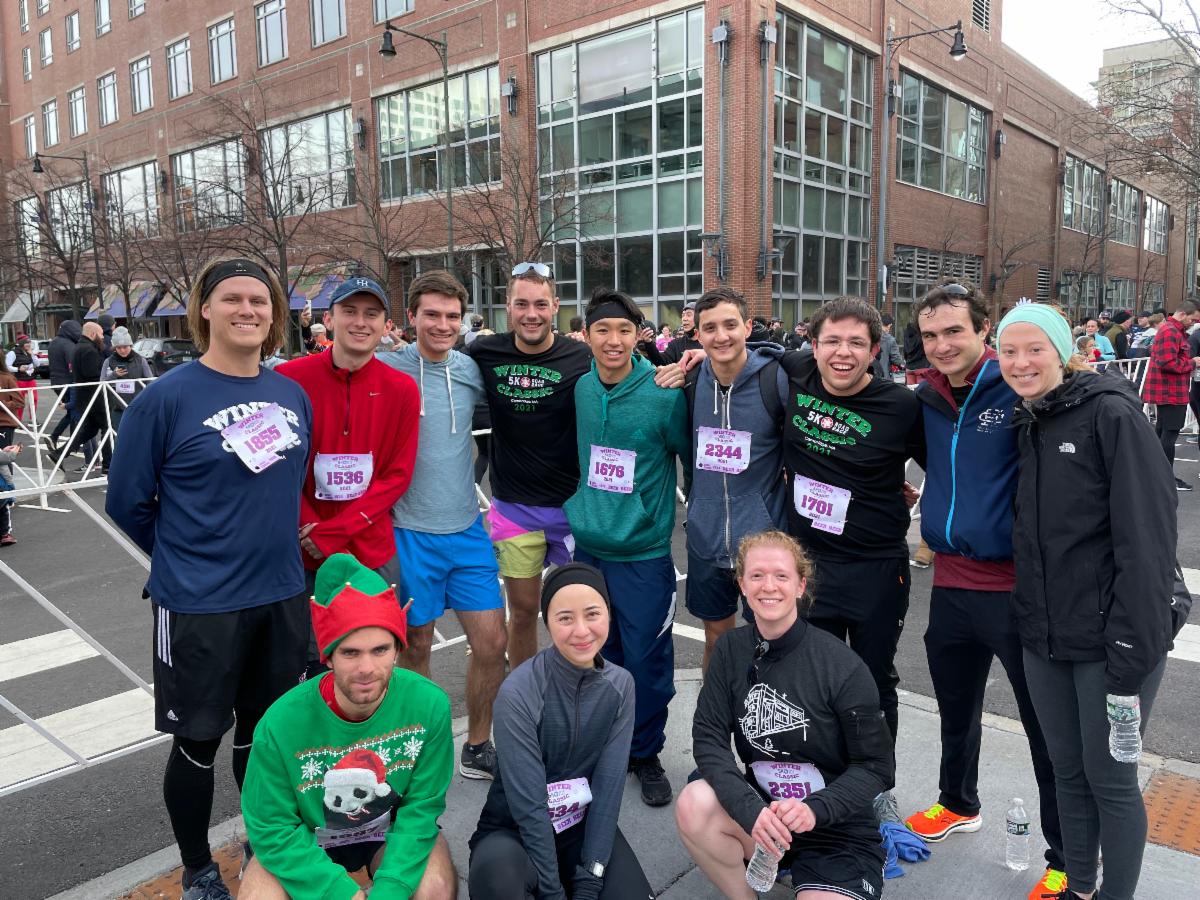
A group of AeroAstro grad students teamed up to run the Cambridge Winter Classic 5K! |
|
16.55/22.64J visited MIT’s Nuclear Reactor in person! The course features a hierarchy of models to study ionized gases or plasmas: including simple description through the motion of charged particles in prescribed electric and magnetic fields, statistical description of those particles through their distribution functions in energy and velocity (i.e. kinetic theory), fluid models, and more. In collaboration with Dr. Gordon Kohse, Managing Director for Operations of the MIT Nuclear Reactor Lab, Prof. Carmen Guerra-Garcia organized a class trip to the MIT Nuclear Reactor to perform a lab. The experiment consisted of measuring the velocities of neutrons escaping the reactor to measure the distribution function of their energies and the temperature of the moderator.
|
|
Get involved with the Beaverworks Build-a-Cubesat program!
The Beaverworks Summer Institute Build-A-Cubesat Challenge runs for 5 weeks each summer, was funded by AIAA, SWE, and NSBE to host a large number of teams this year. The program will be run virtually and is open to high school teams from around the country. The deadline to apply is Dec. 31, 2021, so please spread the word to any high schoolers you know!
Additionally, the program is still looking for a lead instructor (this will be a paid position for approximately six weeks over the summer and potentially could be negotiated to include an internship at MIT Lincoln Laboratory for the remainder of the summer). This would be ideal for grad students in the department looking to round out their CV with more teaching experience as well as a research internship. They are also looking to fill several TA positions for the summer program – which would be ideal for undergrads or early grads with research experience.
In the lead-up to the summer program, Beaverworks hosts a spring course online and distributes “Build-a-Cubesat” kits to folks for this program. We are having a “Packing Party” in January to prepare those kits to be sent if folks want to stop by for an hour and help box up some satellites.
Finally, the summer program is looking for mentors or technical volunteers to work with the student teams (~2-5 hours/week), if you’re interested in getting involved on a longer time scale. Again, this is an excellent experience to put on your CV, and you get to build and keep a CubeSat yourself in the process! Find out more about what those volunteer positions entail (scroll down to the grey box covering Volunteer positions.)
|
|
Do you have highlights to include in future editions of the
Monthly Roundup?
|
|
|
|
|
|
|