Proposed rule change would alter how science, arts and more are funded
The federal Office of Management and Budget (OMB) has proposed a rule change that would fundamentally alter how federal financial assistance is provided to non-profit research organizations like Sanford Burnham Prebys, as well as universities, theaters, museums, libraries and food banks.
The proposed change would impose new compliance obligations, including highly prescriptive political criteria, increased administrative requirements and higher costs. The OMB is accepting public comment until July 13, 2026.
For more information, please visit these sites:
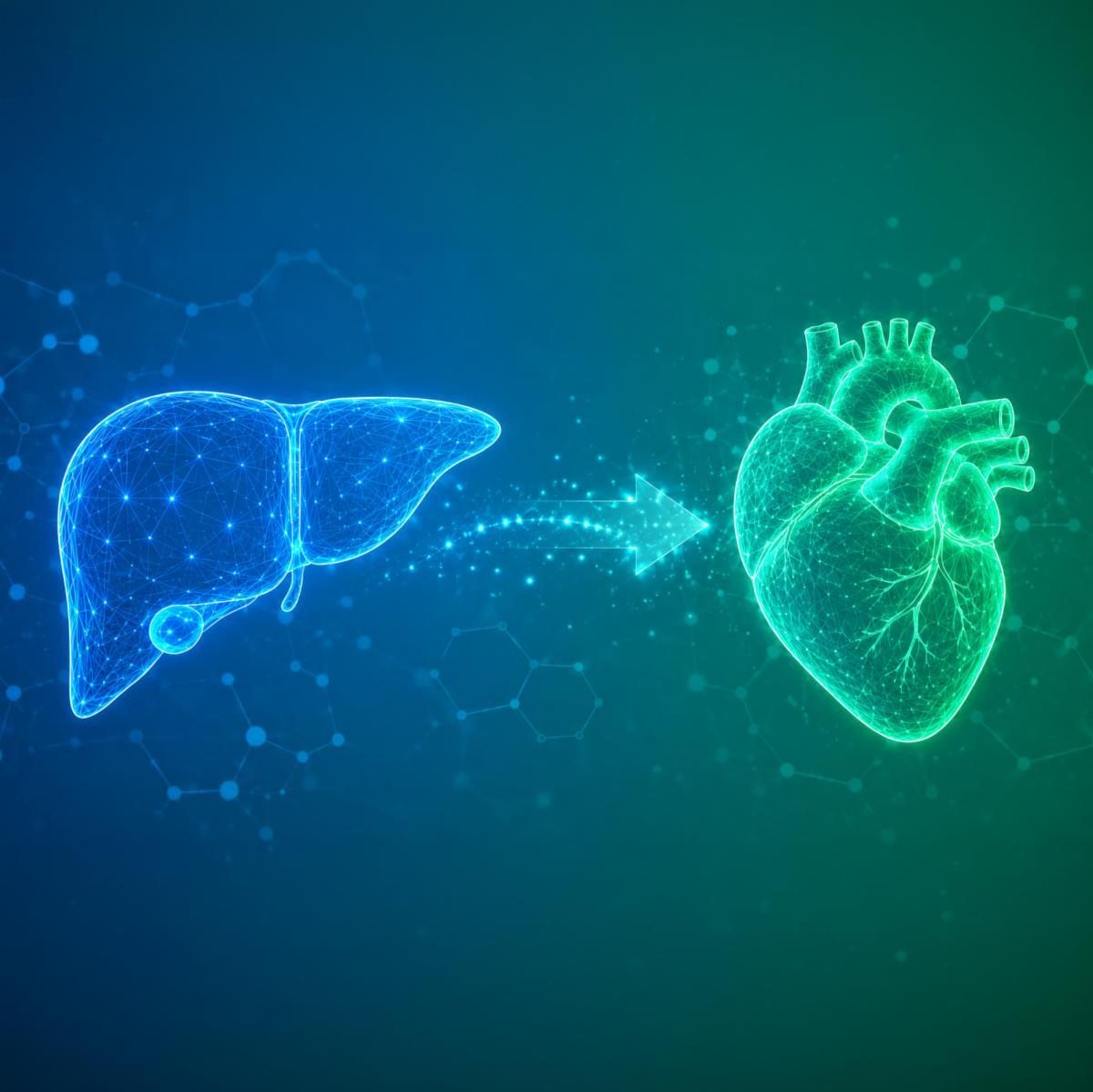
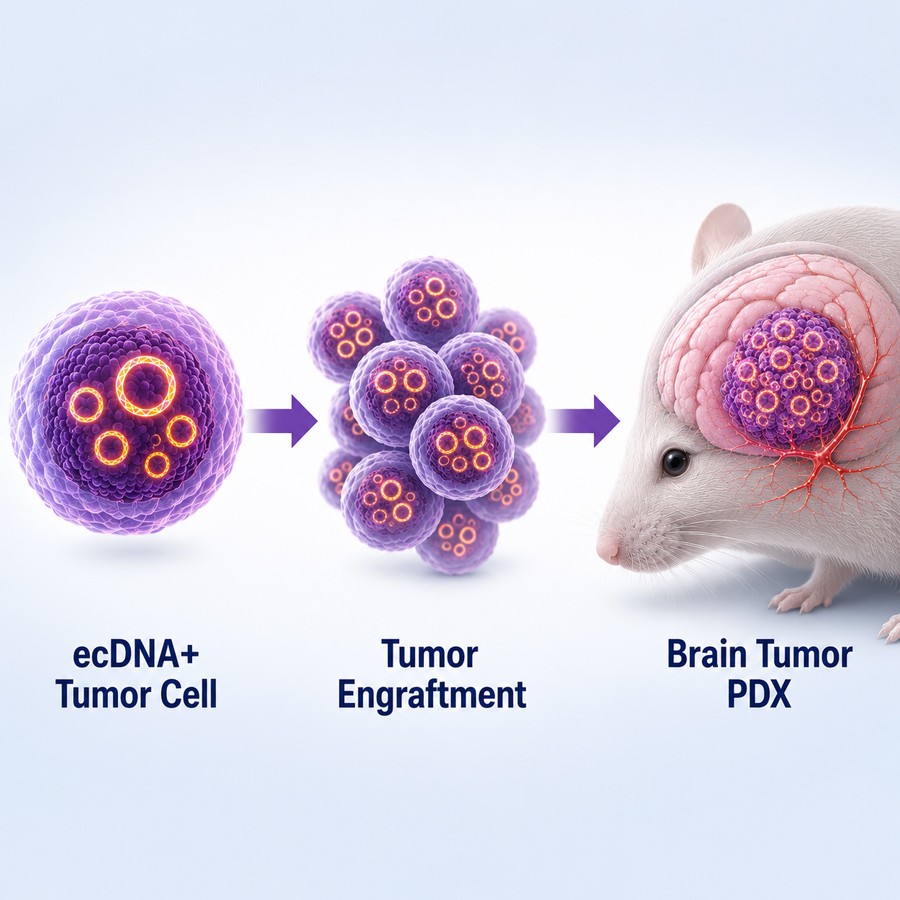
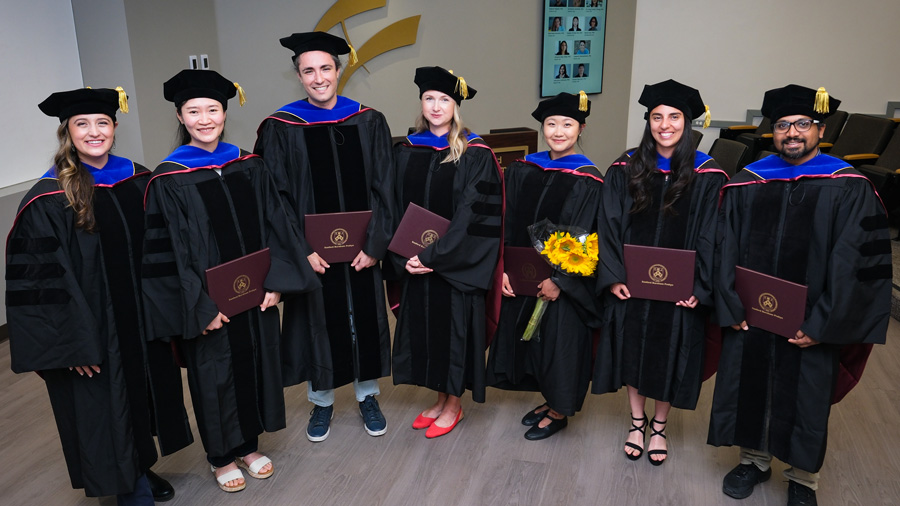
| | Why are people with metabolic liver disease also at higher risk of heart disease? | | | | A team led by Debanjan Dhar, PhD, developed a translational model that begins to explain why people with metabolic liver disease are at higher risk of heart disease, providing new insights into the connection between liver and cardiovascular health. The researchers believe the model will accelerate efforts to understand how metabolic stress in the liver affects the heart and help identify therapies that can prevent or reverse disease progression. | | Improving protein folding may lead to new diabetes treatments | | | | Our cells must fold proteins into specific three-dimensional shapes so they can carry out their biological jobs. The Kaufman lab and collaborators published in the Proceedings of the National Academy of Sciences revealing new insights into how insulin-producing cells manage protein folding—and how this system can be thrown out of balance. | | Using patient-derived research models to study deadly DNA loops | | | | Damage to DNA in cancer cells can cause pieces of chromosomes to break off and form separate DNA fragments. Published in Genome Medicine, the Chavez lab compared tumors containing these fragments with research models developed from the same tumor samples. Because these models closely match human disease, they can help scientists improve the diagnosis and treatment of these cancers. | | Sanford Burnham Prebys recognizes 10 doctoral degree recipients | | The Sanford Burnham Prebys Graduate School of Biomedical Sciences celebrated 10 new PhD graduates during its Commencement ceremony on May 29. Faculty, family and friends gathered to recognize the graduates' achievements and welcome them into the Institute's alumni community. Commencement speaker Cosimo Commisso, PhD, encouraged the new scientists to let their evolving sense of purpose guide their careers and future discoveries. | | CIAO Study: Annual symposium provides peek at longer, healthier lives | | |
What can we learn from people who live healthy, active lives well past 100?
Researchers, physicians and aging experts from Europe and the United States gathered at Sanford Burnham Prebys to share the latest discoveries from the CIAO Study, an international effort to uncover the biological, lifestyle and environmental factors that promote healthy aging and exceptional longevity.
| | | | We are so grateful for the partnership of caring people like you who invest in the success of biomedical research and our Graduate School of Biomedical Sciences at Sanford Burnham Prebys Medical Discovery Institute. As we celebrate our 50th year throughout 2026, we count you as an important partner. | | |
Our philanthropy team would love to assist you in exploring all the possibilities for including charitable giving to Sanford Burnham Prebys in your estate plan. Please get in touch at your convenience with Sandy Liarakos, vice president of philanthropy, at sliarakos@sbpdiscovery.org.
More information is available in our free guide to estate planning:
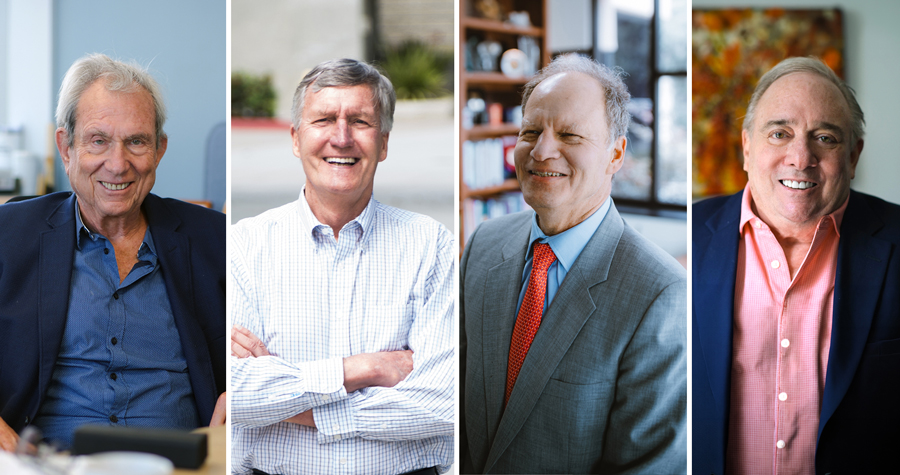
| | Sanford Burnham Prebys Medical Discovery Institute is a 501(c)(3) nonprofit organization. Tax ID: 33-0319504. | | Latest ranking of world’s best scientists includes four at Sanford Burnham Prebys | | | | Congratulations to four Institute scientists who have been named among Research.com’s 1,000 best scientists in the world for 2025/26: Michael Karin, PhD; Erkki Ruoslahti, MD, PhD; David Brenner, MD; and Randal J. Kaufman, PhD. | | Research.com’s rankings are based on publication and citation data from OpenAlex and CrossRef, along with researchers’ H-index, a widely used measure of scientific productivity and impact. | | Celebrating 50 years of discoveries | | Fifty discoveries highlighting 50 years of translating science into health | | |
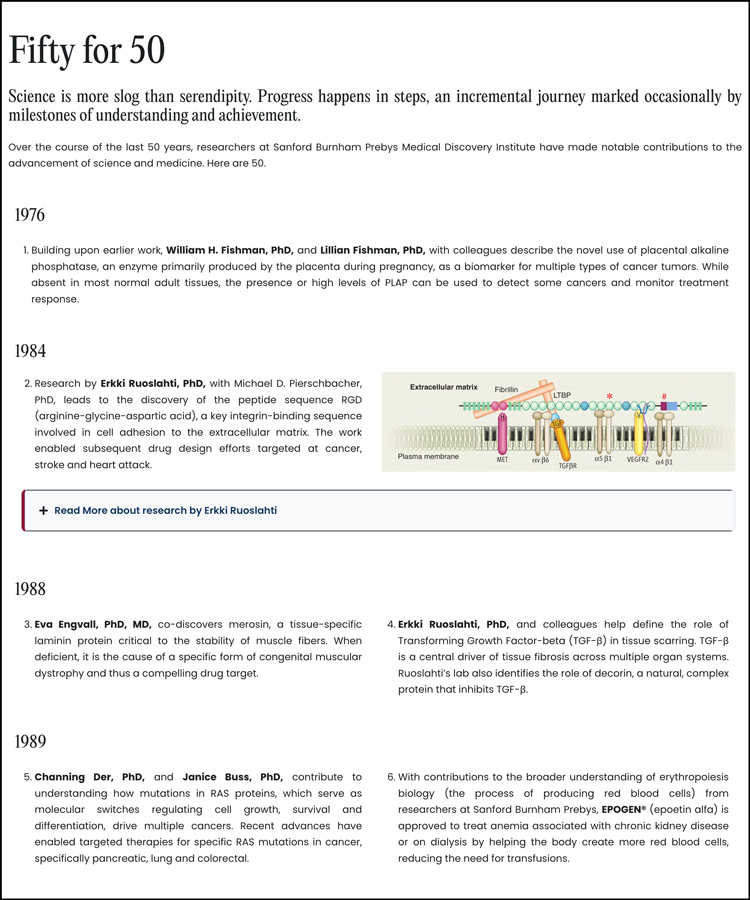
As part of the Institute’s anniversary celebration, Fifty for 50 showcases a curated collection of discoveries from our first five decades. Some transformed entire fields of research. Others laid the groundwork for future breakthroughs.
Together, they reflect 50 years of curiosity, innovation and scientific impact.
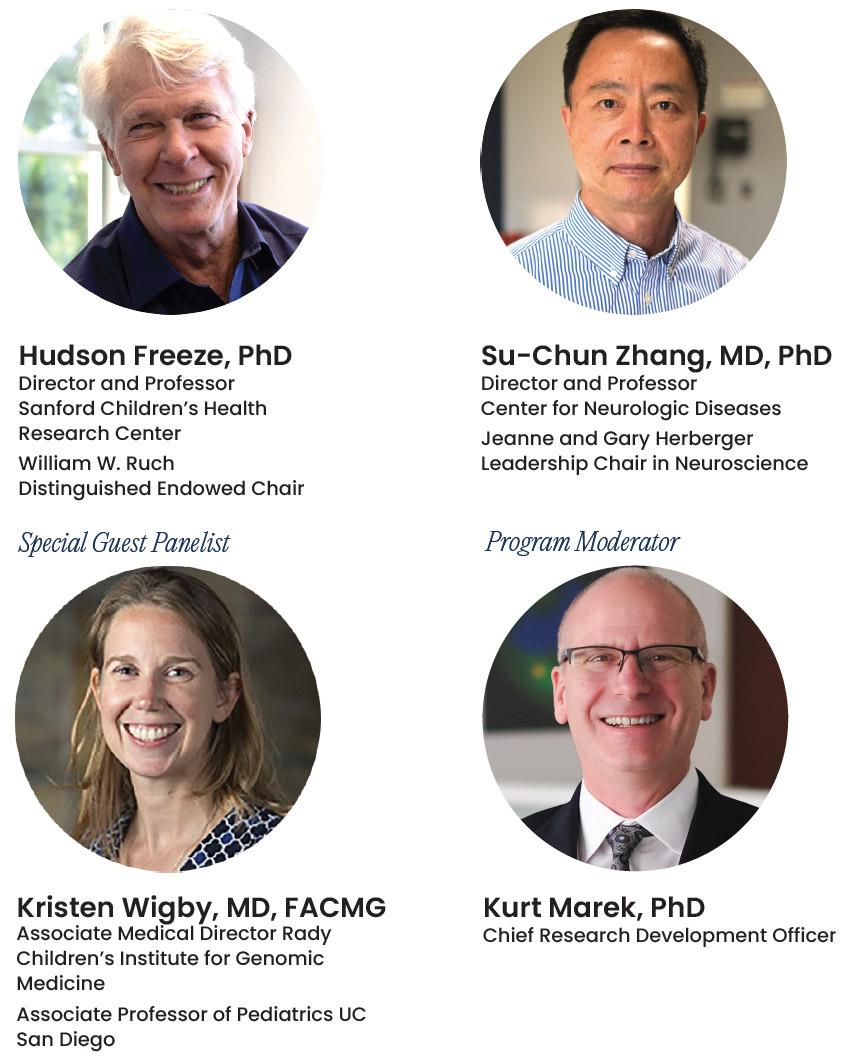
| | | Discoveries Series • Inside the Science: Big Ideas from Rare Diseases | |
Thursday, August 13, 2026
4:00 p.m.
Victor E. LaFave III Memorial Auditorium, Building 12
| | | |
| Our Discovery Series program offers a behind-the-scenes look at rare disease research at Sanford Burnham Prebys Medical Discovery Institute. Attendees will gain a greater appreciation of rare disease research and a deeper understanding of the groundbreaking work being done by our scientists and clinical partners. | | |
50th Anniversary Illumination Gala
October 3, 2026
| | | | Join us in celebrating 50 years at our Illumination Gala. Together, we’ll celebrate five decades of incredible achievements and the visionary thinkers and partners who got us here. Our science is fueled by a passion to transform lives. | | |
Join us as we celebrate 50 years of discovery and the people who continue to drive our mission forward.
To learn more about the Gala and about sponsorship opportunities, please visit sbpdiscovery.org/gala.
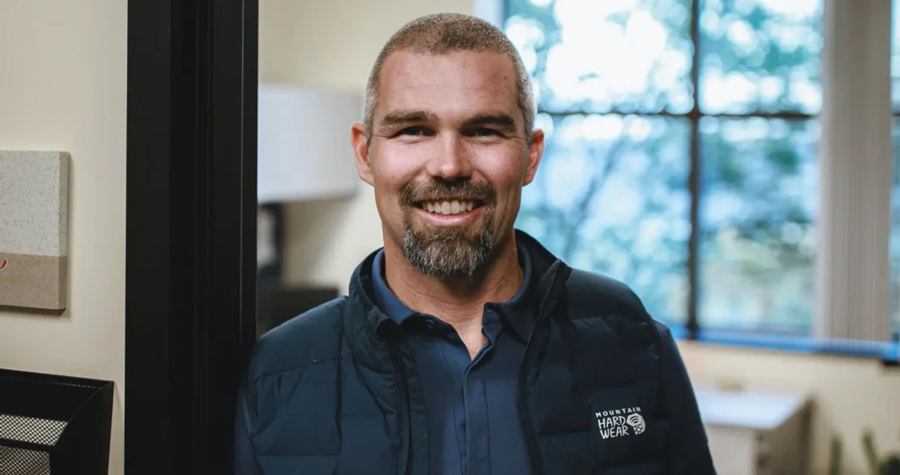
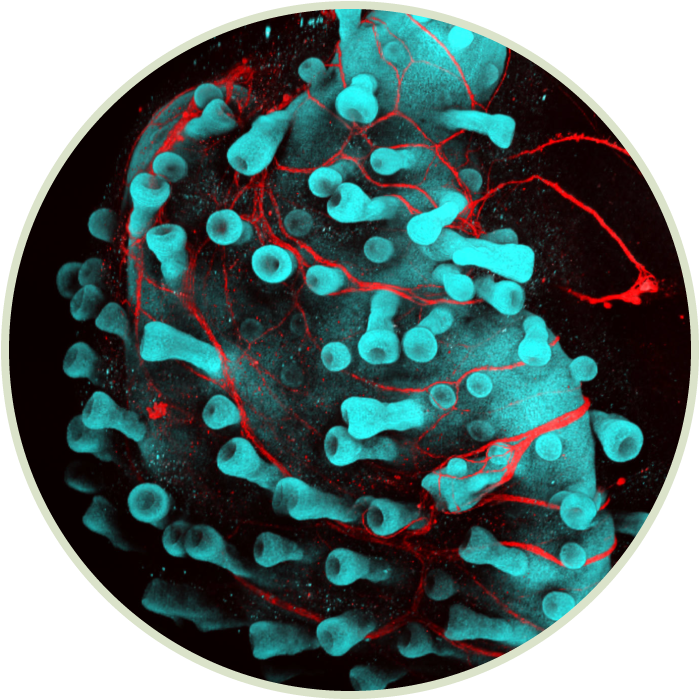
| | Kevin Tharp awarded $450,000 Ovarian Cancer Research Alliance grant | | | | Kevin Tharp, PhD, was awarded a three-year, $450,000 Ovarian Cancer Research Alliance grant to study high grade serous ovarian cancer. Tharp will use the new funding to follow up on research findings regarding how high grade serous ovarian cancer circumvents the immune system’s anti-tumor defenses. | | Confocal microscopy reveals human hair follicles growing from a stem cell-derived organoid (cyan) with nerves (red). Image courtesy of Karl R. Koehler and Jiyoon Lee. | | | Sanford Burnham Prebys | 10901 N Torrey Pines Road | La Jolla, CA 92037 US | | | | |