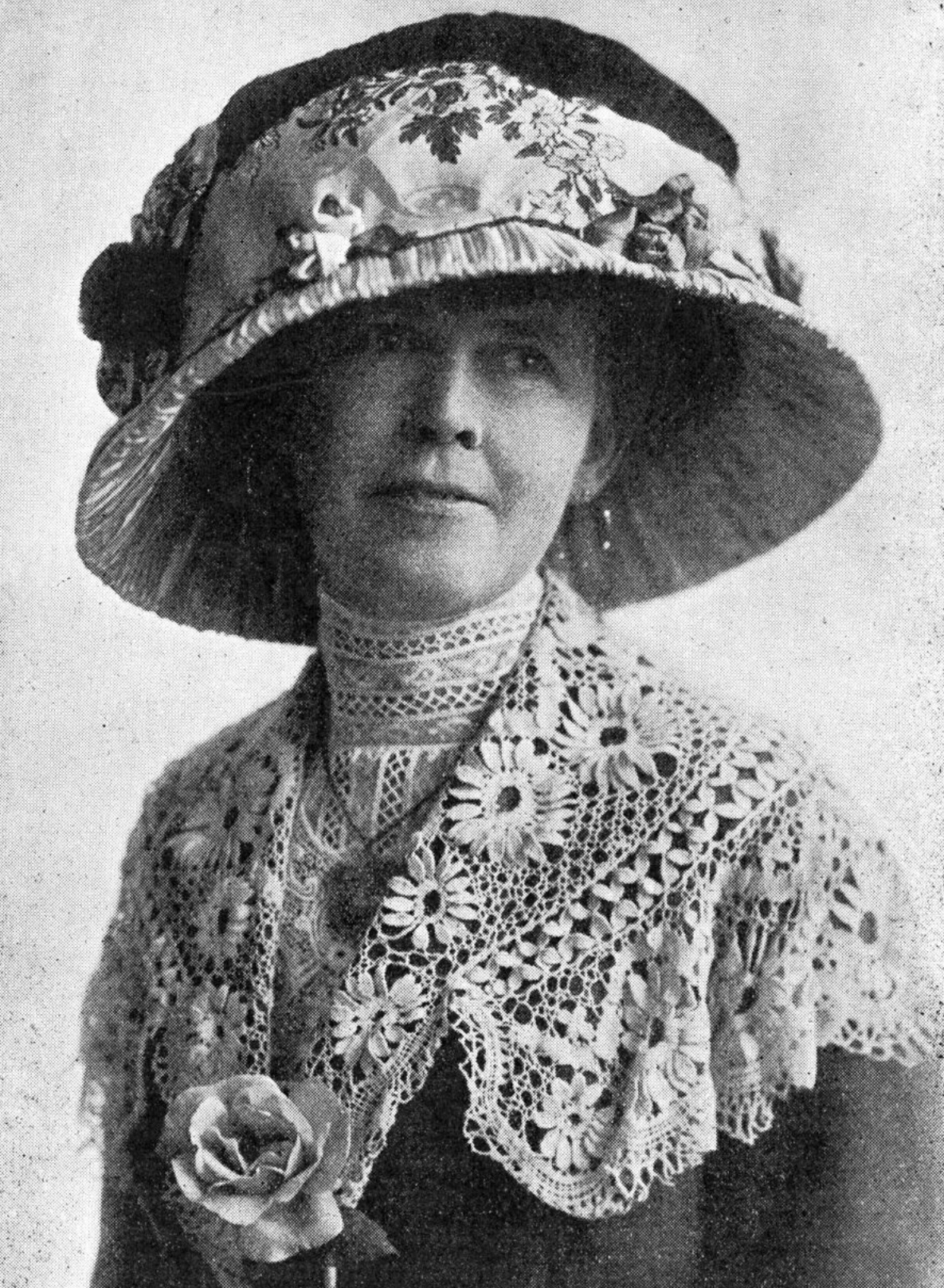
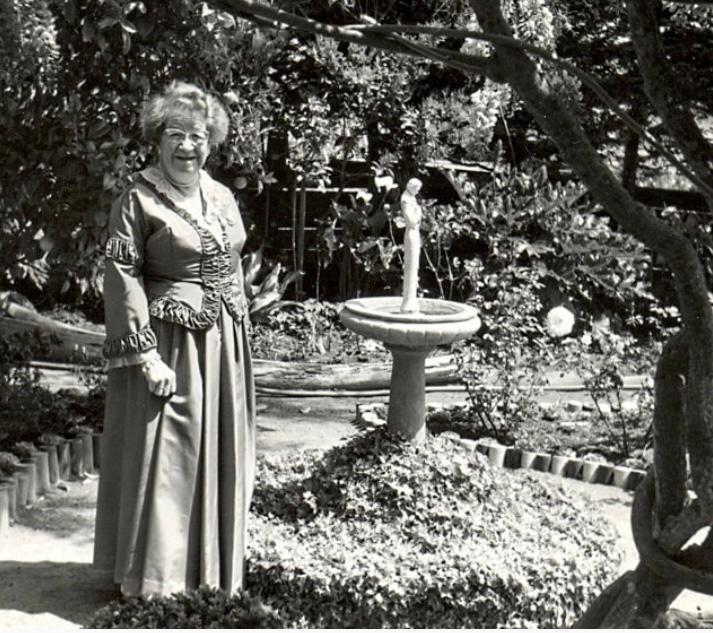
Mayo Hayes O’Donnell’s article published in the Monterey Peninsula Herald on January 26, 1951 makes for an interesting read. Most of the topics mentioned in her column can be explored further by searching in the ‘Peninsula Diary’ section of the library’s website.
Four Centuries of Januaries
We have chosen today to recount some of the historical incidents which have happened in Monterey in the month of January from 1543 until after the discovery of gold in California in 1849.
On January 3, 1543, Cabrillo died at La Posesion on the present San Miguel Island from a broken arm, probably infected, which he suffered during a shore journey on the Island near Santa Barbara.
On January 3, 1603, Vizcaino discovered the Carmel River, which he named “Rio del Carmelo,” in honor of the Carmelite friars who accompanied his expedition.
On January 8th, 1774, Captain Juan Bautista de Anza left Tubac, Sonora, to explore an all-land route between the settlements on the mainland of Mexico and the presidios, pueblos, and missions of Alta California. He reached Monterey May 1st – the first white man ever to make the journey from Sonora to the California coast by land.
On January 31, 1825, Lieutenant-Colonel Jose Maria de Echeandia was appointed Governor of California, the new territory of the Republic of Mexico, to succeed Luis Antonio Arguello. Don Luis was California’s first native governor. He was born in San Francisco on June 21, 1784, where he entered the military service in 1799, was promoted rapidly, and became governor in 1822. It was later reported of him: “Courage, proved; ability, more than average; health, broken; loyalty, supposed faithful. His services merit all consideration.” (California, Through Four Centuries, by Hanna). He died in San Francisco in 1830 and is buried in the mission church next to Father Estenega.
On January 27th, 1827, Auguste Dehaut-Cilly, commanding the French ship Le Heros, arrived at San Francisco in the course of a trading voyage around the world. After trading up and down the coast he sailed back to Peru. He returned to Monterey on May 3, 1828, again traversed the coast, and sailed for Hawaii on August 30, 1828. He recorded his observations of California in a book “Voyage autour du monde, principalement a la Californiae et aux iles Sandwich,” published in Paris in 1834.
January 11, 1832 – Pio Pico was chosen by a session of the ‘diputacion’ at Los Angeles to become ad interim governor, succeeding Jose Maria de Echeandia who had assumed the office December 9, 1831, but by February 16, he abandoned his claim to the office.
January 14, 1833 – Ten missionaries from the college of Nuestra Senora de Guadalupe de Zacatecas (Franciscans) arrived at Monterey with Governor Jose Figueroa, in charge of their prefect, Father Francisco Garcia Diego y Moreno. Shortly afterward they assumed charge of the seven missions from San Carlos northward.
General Manuel Micheltorena was appointed governor, commandante-general and inspector of California on January 22, 1842. Depredations of the cholos who stole from the Californios, created hostility and finally resulted in a revolt against Micheltorena, and forced him to leave Monterey, with two hundred soldiers. He had succeeded Juan B. Alvarado who was born in Monterey, served as secretary of the ‘diputacion’, and president of that body in 1836. He later became administrator of the Monterey Custom House and received numerous large land grants.
In January 1847, the first newspaper was published in San Francisco, the second in California. The first, “The Californian” was published in Monterey. The California Star was the name chosen for the San Francisco publication.
January 24, 1848 – James Wilson Marshall discovered gold in the tailrace of a sawmill he was building for John Sutter at Coloma, on the American River, thus precipitating the California gold rush of 1848 to 1850, which drew thousands of venturesome men and women from all parts of the world.
Peter H. Burnett resigned as the first governor of California under the American constitution formulated at Monterey. He was succeeded by Lieut. Gov. John McDougal. Burnett was born in Nashville, Tennessee, on November 15, 1807. He led an overland party to California from Oregon in 1848 and became an attorney for Sutter. He was the Democratic party’s first candidate for governor and California’s first constitutional governor. He retired from public life and continued the practice of law. He died in San Francisco on May 17, 1895.
January 8th, 1852 – John Bigler third American constitutional governor of California, was inaugurated. He was a delegate of the constitutional convention in Monterey and was elected lieutenant-governor in 1849. Historians agree that he was wholly unsuited to the office.
Photo Credit: Mayo Hayes ODonnell article
from the Monterey Peninsula Herald November 9, 1950