|
We are in a Drought
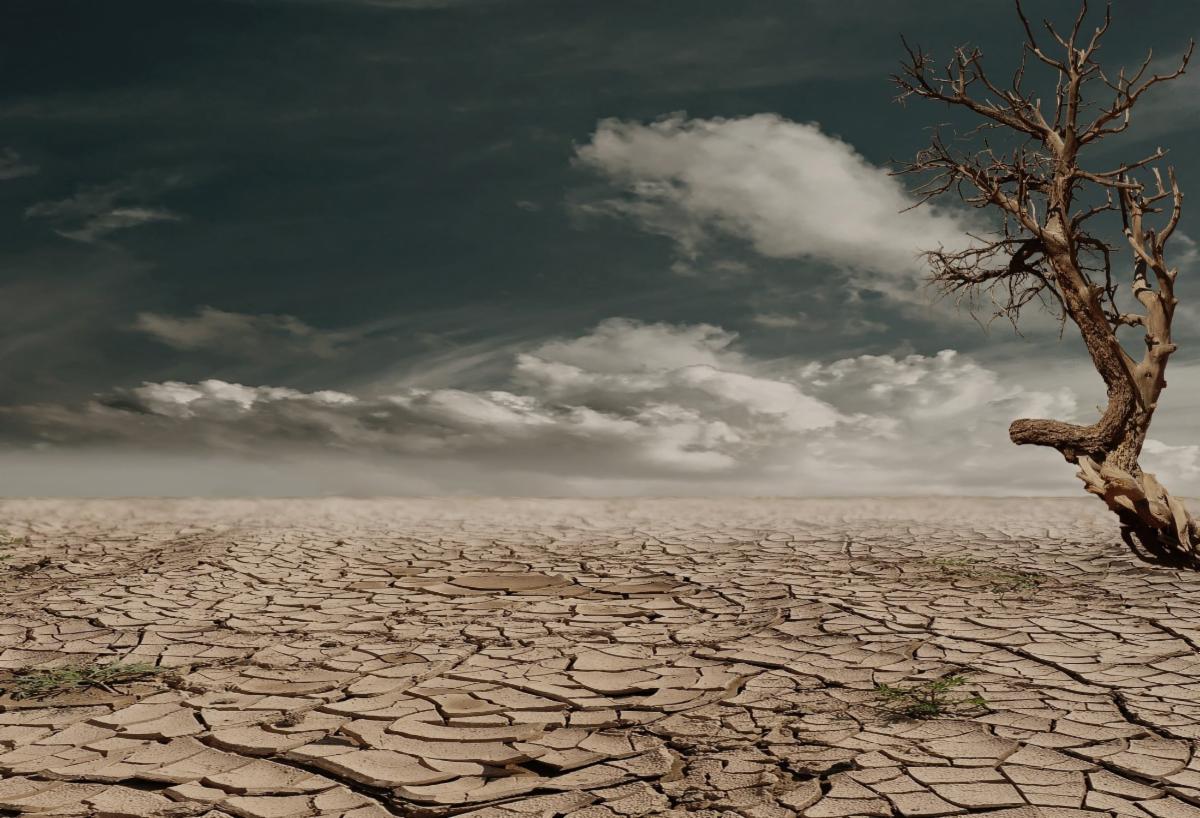
Massachusetts has been in a serious drought since August 2024, and the recent rain has done little to change this situation. Beacon Hill is considering drought legislation to help cities and towns address this problem. The state Senate incorporated the Drought Bill into the Bond Bill ("Mass Ready Act"), and as of this writing, it is pending in the House. The House may vote on this bill very soon.
Parts of Massachusetts are in a Level 1, mild drought; parts are in a Level 2, significant drought; and parts are in a Level 3, critical drought. At level 3, the water table in our river basin is dangerously low. And that means that our private wells are at risk of failing. Even if a well does not completely fail, a common result can be water production that is silty, cloudy, or has excess iron and manganese.
When a private well fails, it leaves the residents without water to drink and unable to flush toilets or bathe. Because this is considered to be a public health emergency, the Board of Health will likely condemn such a dwelling and force the occupants to move until water can be restored.
Water Use Restrictions Needed
Pursuant to the state Drought Management Plan, cities and towns in a Level 3, critical drought, should now implement stringent restrictions on “nonessential outdoor water use.” This means: no car washing, no filling of swimming pools, and no outdoor watering of lawns. There are exceptions for food production and to meet core business functions.
These restrictions, however, are currently only recommendations coming from the Secretary of Energy & Environmental Affairs (EEA). Pursuant to state law, she has no legal authority to require cities and towns to implement them - as a result, many cities and towns simply don’t. This is the problem the Drought Bill addresses.
Enforcement at the Local Level is a Challenge
The challenge for towns relying on private well water is enforcement. Many homeowners assume that if their own well is working, then things are fine; what they don’t recognize is that our wells tap into a shared aquifer. If you water your lawn every day, you are using a shared - and now increasingly scarce - resource. Your water use could impact your neighbor’s well. Meanwhile, local health boards are reluctant to enforce water restrictions and have little to help them do so. This bill helps local boards by creating a public understanding of our mutual responsibility. It will take public education as well as enforcement to protect our shared resource.
We Need the Drought Bill!
The House may be voting on the Drought Bill in early June. During the debate in the Senate, the Mass Municipal Association came in at the last minute to oppose it, leaving enforcement up to the cities and towns. However, the bill now allows the EEA Secretary to exempt a municipality that has ample access to water and requires her to issue guidance for implementing and enforcing water conservation measures. It also allows EEA to provide grants and technical assistance to support cities and towns with communication and enforcement for water conservation measures.
We need the Drought Bill - ask your state representative to support this necessary measure.
Rick Lent
|