Faulkner County Agriculture Update
August 29, 2025
| | |
Weather
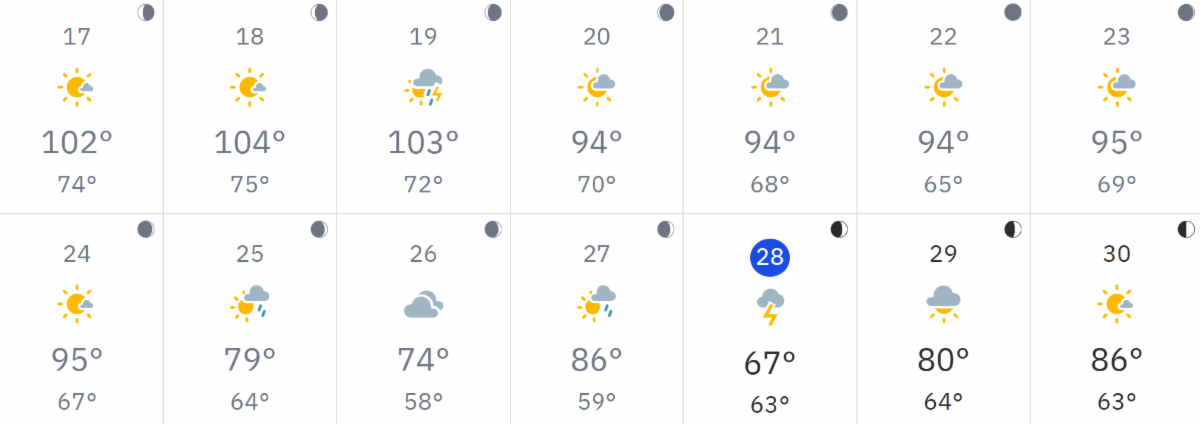
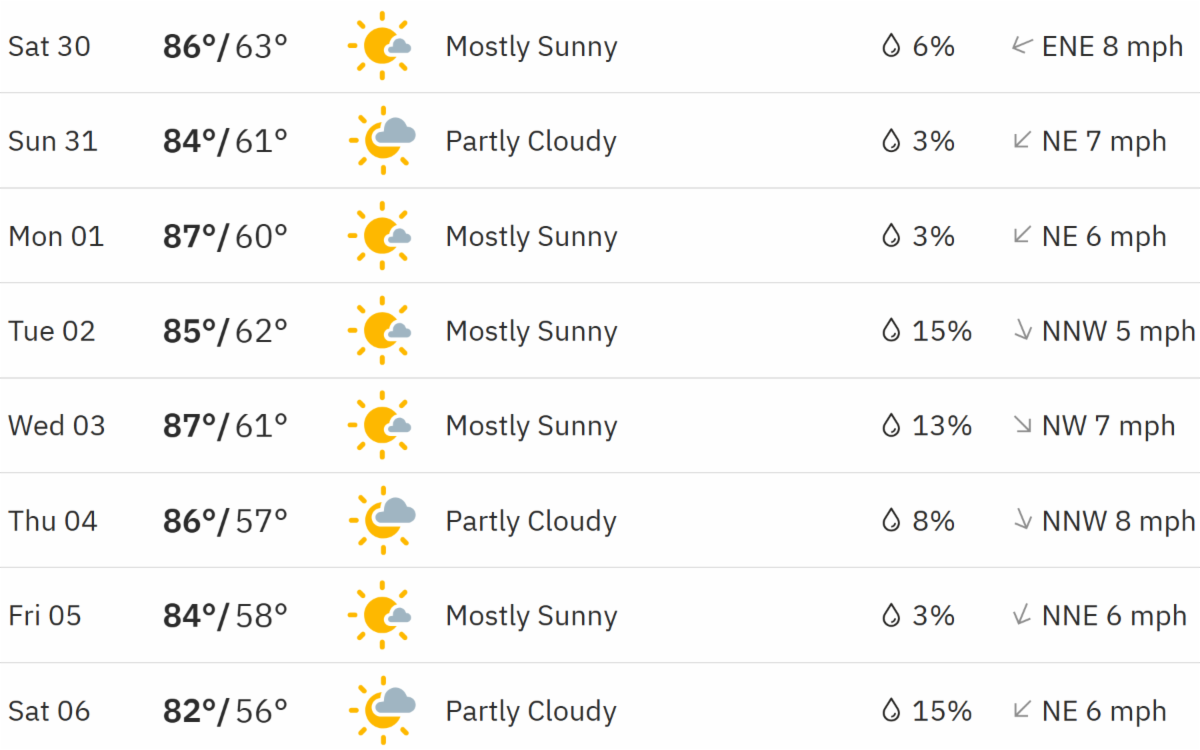
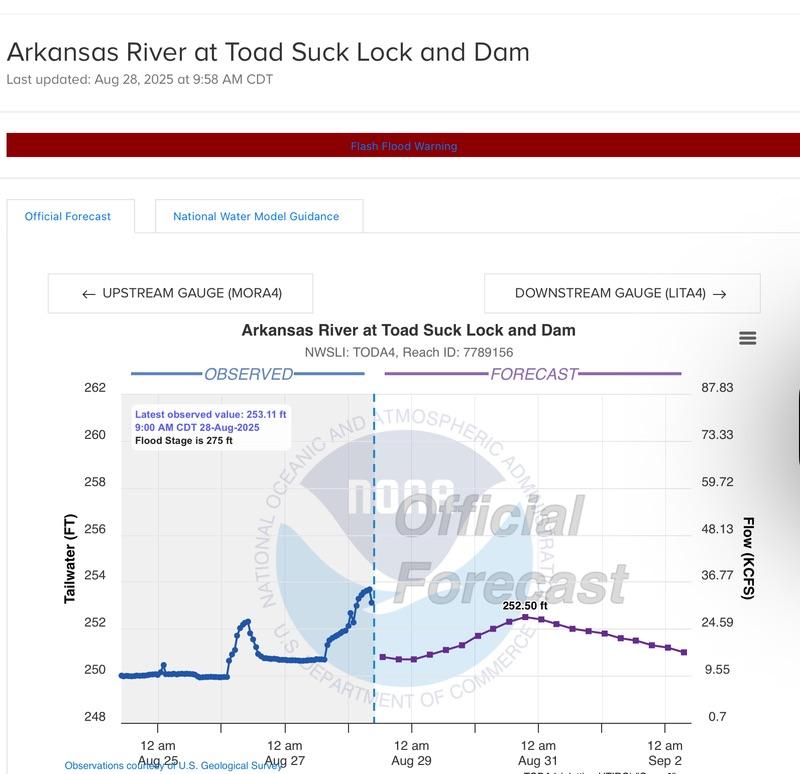
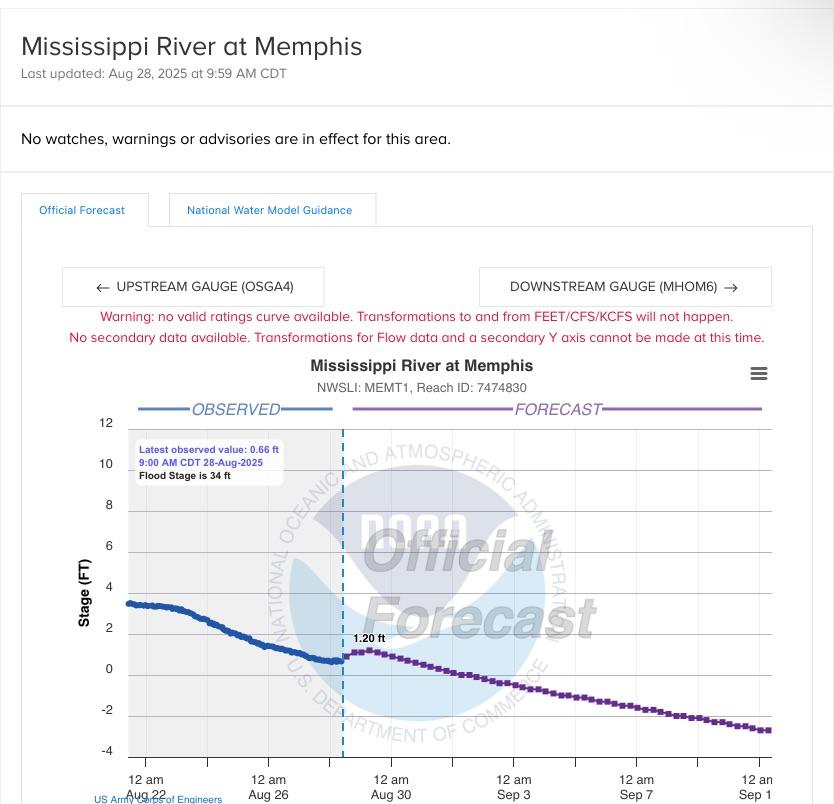
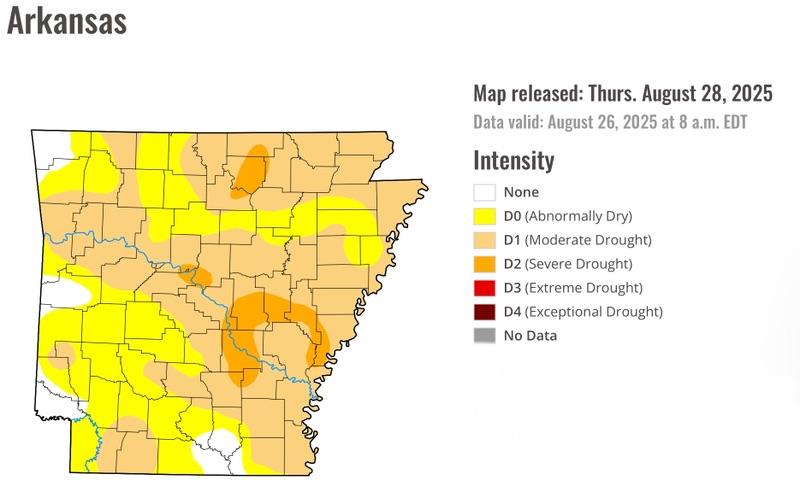
I happen to be writing this week's newsletter on Thursday and the rain continues to fall this morning. We have had around 2.5 inches in Conway, 3 inches in Lollie, 1.5 inches in Greenbrier and 1.3 inches in Enola. West of Faulkner County some areas have seen 5 inches. This is a much needed rain! If you look at the drought monitor, the south part of the County had officially moved into D2 status. The drought was getting serious. This rain and the temps that are in the forecast should help get us out of that situation. Also, with the rains we got earlier in the week, the County Judge has lifted the burn ban. Next week looks like a nice week.
| | Arkansas and Mississippi River | | |
Corn
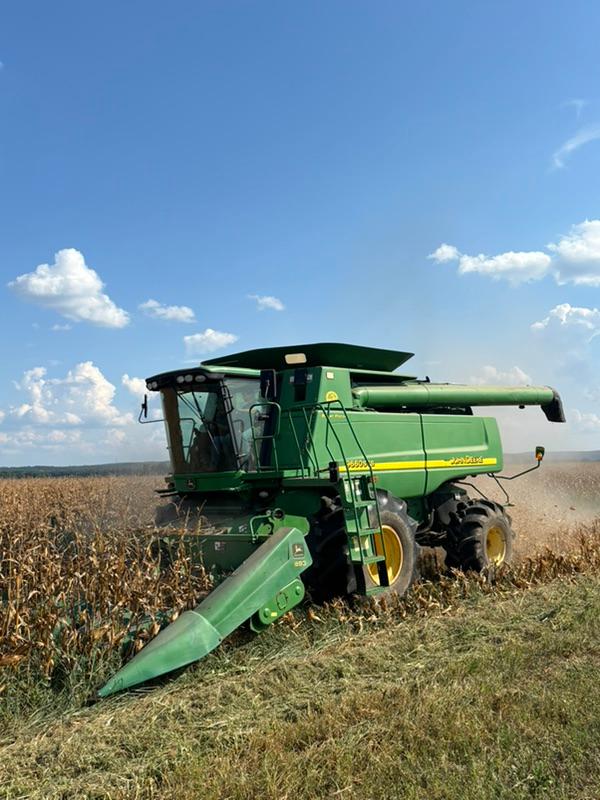
Corn harvest was put on hold as producers experienced rain and breakdowns. Seems like everyone I have talked to have had some kind of combine issue this past week. After this rain we should get back to it. We are about 65% done with harvest.
| | |
Rice
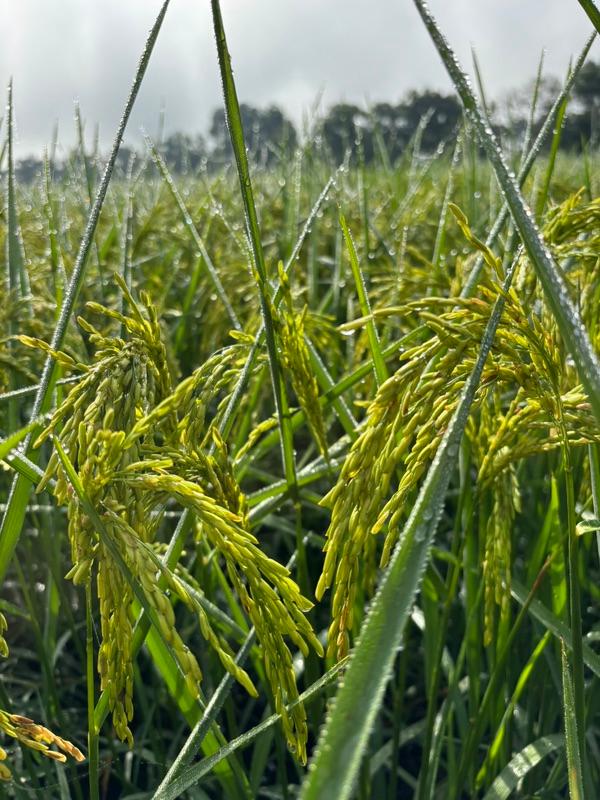
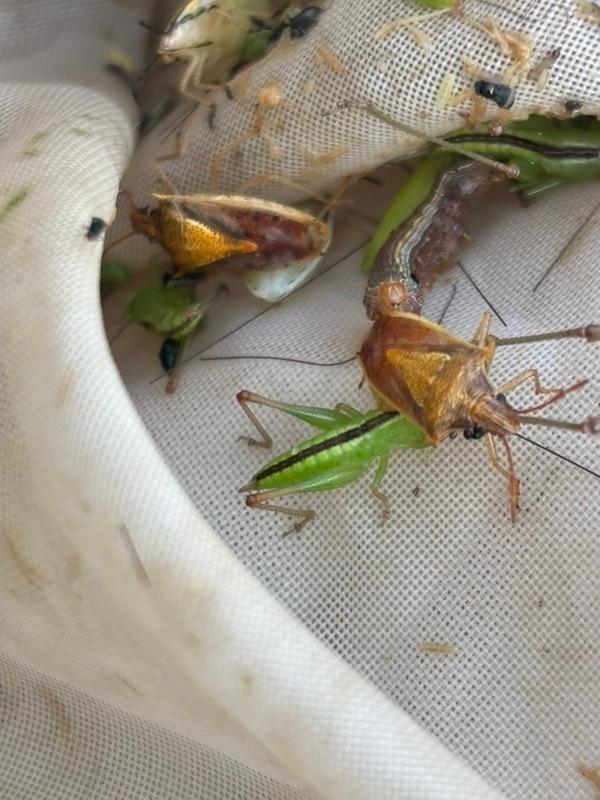
Stinkbugs are still hammering late planted fields. Make sure to scout and spray those fields if needed. The last planted fields are in the same boat the first planted fields were in earlier in the year. They are the only rice for stinkbugs to jump on and the numbers are high. Keep an eye out for armyworms also.
| | Dr. Hardke's Latest Rice Update | | |
Soybeans
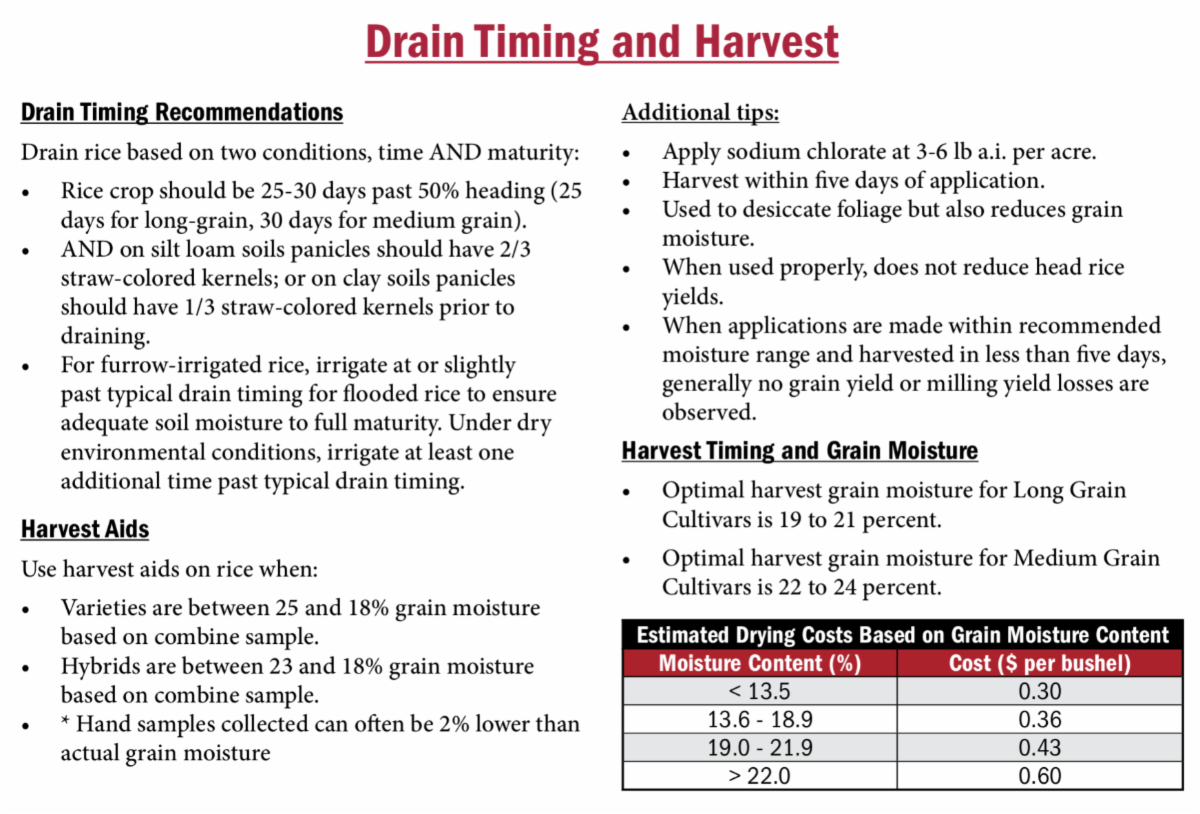
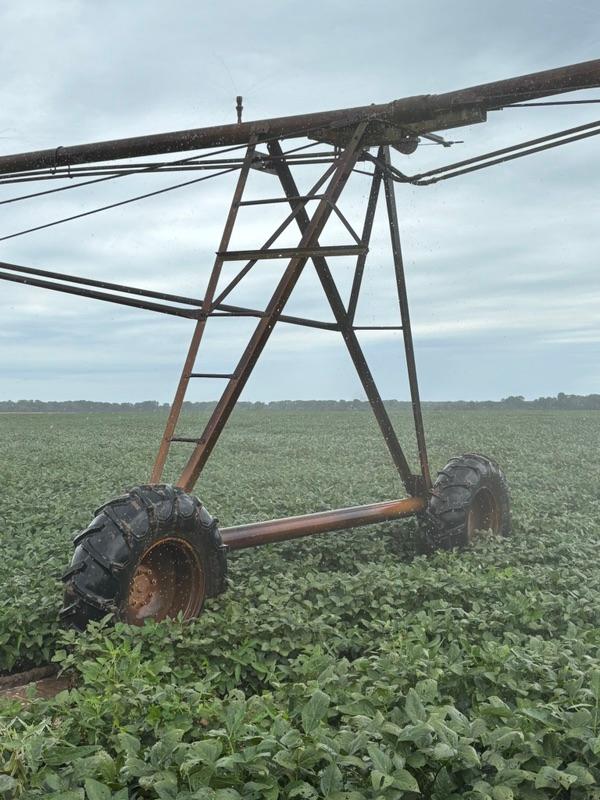
This rain is much needed for our soybean crop. Dryland fields were starting to turn and late planted fields were struggling to grow. The cooler temperatures were allowing pivots to work more efficiently, but this rain is way better! Hopefully this will get up moving back in the right direction.
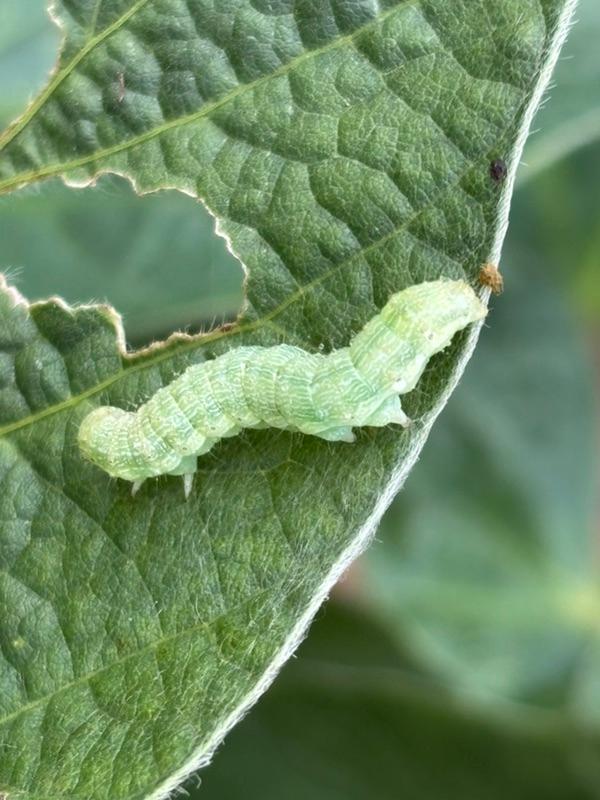
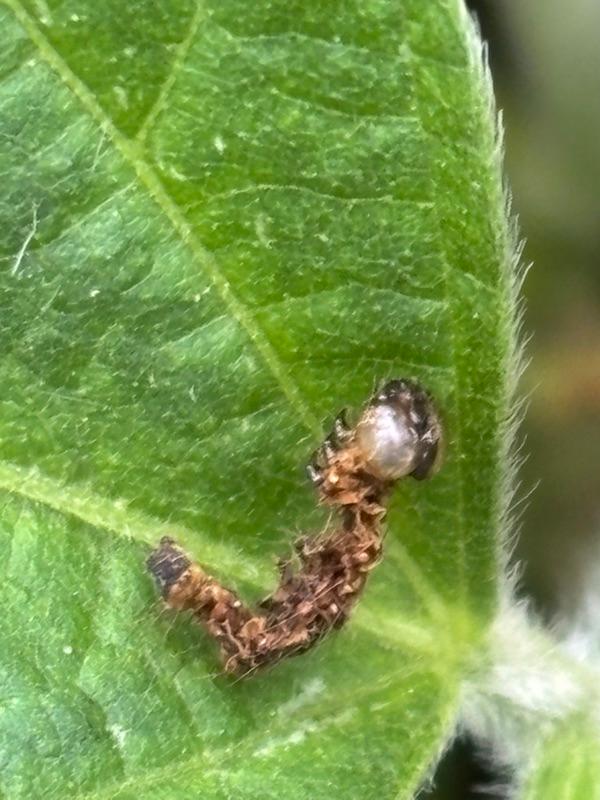
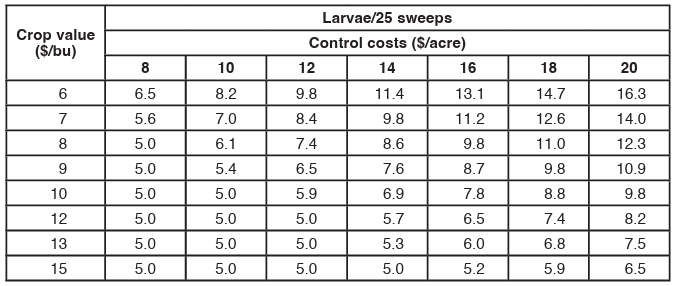
Worms are still out there. I am hoping that this cool weather will knock out the velvetbean and soybean loopers. We sprayed another field of late planted soybeans for earworms this week, so keep scouting. The Heligen demonstrations are still showing postive results. One field was sprayed July 30 and I am still finding dead worms up in the top of the canopy.
| | Heligen Sick Corn Earworm | |  | Dead Corn Earworm from Heligen | | | |
Corn Earworm Moth Traps
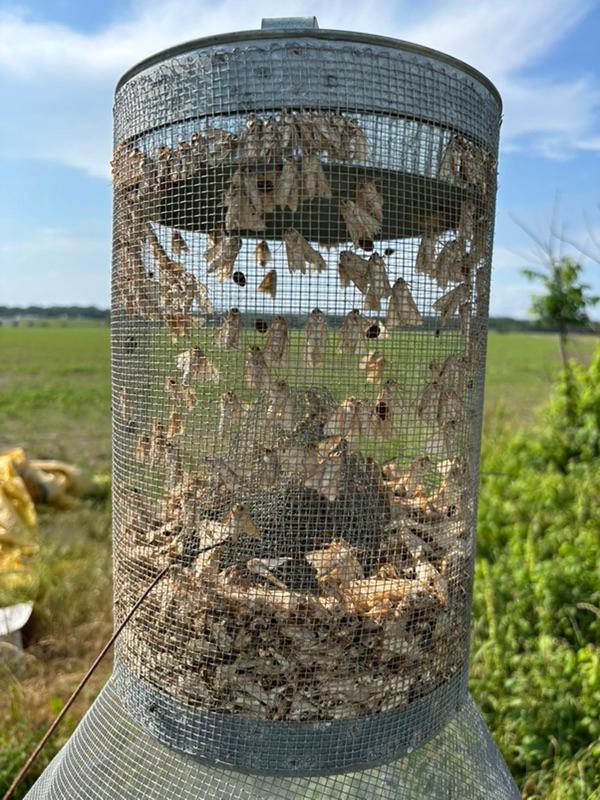
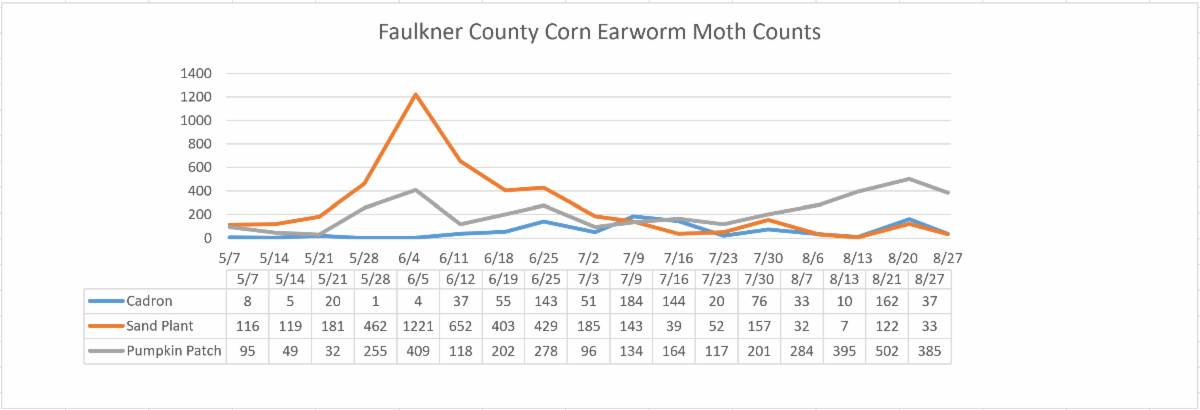
Trap numbers crashed in the Cadron and Sand Plant trap, but are still high at the Pumpking Patch. I am still finding moths in fields that I am sweeping, so they are still out there. Continue to scout soybeans.
Cadron - 37 moths
Sand Plant - 33 moths
Pumpkin Patch - 385 moths
| | |
Tracking Chapter 12 Bankruptcies in the South: 2015 – 2025 Trends
Ryan Loy, Assistant Professor and Extension Agricultural Economist, University of Arkansas
Erica Barnes Fields, Associate Center Director, Southern Risk Management Education Center
What is Chapter 12 Bankruptcy?
Chapter 12 bankruptcy is a provision under the U.S. Bankruptcy Code tailored specifically for family farmers and fishermen. Introduced in 1986 during the height of the farm crisis, Chapter 12 allows qualifying family farmers to restructure their debts while continuing to operate and offers a more flexible repayment structure than Chapter 11 or Chapter 13. Farmers filing under Chapter 12 typically face economic stress due to volatile commodity markets, rising input costs, and burdensome debt obligations. Trends in Chapter 12 filings can serve as indicators of financial stress in the farm sector.
Chapter 12 Filings in the Southern Region
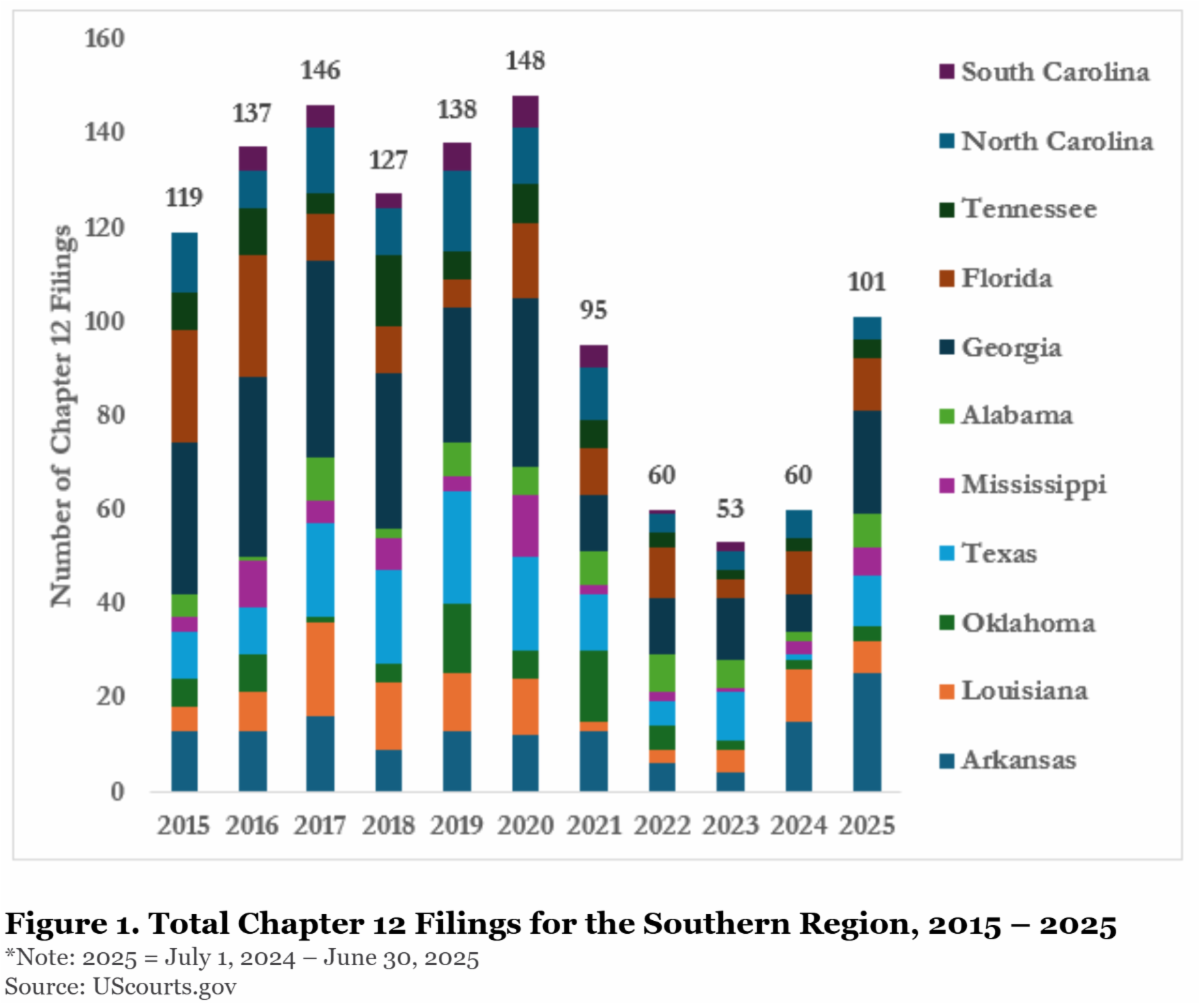
Data from 2015 to 2025 (measured from July 1 of the preceding year to June 30 of the labeled year) highlight important developments in Chapter 12 bankruptcy trends across the southern United States. Total Chapter 12 filings in the south have fluctuated over the past decade, peaking at 148 filings in 2020 before sharply declining to 53 in 2023 (see Figure 1). This decline aligns with post-pandemic trends across the United States due in part to government assistance and higher commodity prices, which improved short-term farm financial conditions. However, the most recent year of data (e.g., July 1, 2024 – June 30, 2025) shows a rebound to 101 filings. This may suggest that on-farm financial pressures are intensifying for southern producers.
| |
Digging deeper into state-level filings reveals that Georgia, Texas, and Arkansas account for a large share of filings over this period. Georgia recorded the highest total filings, with more than 30 annually through 2018 and peaking at 42 in 2017. Arkansas has shown a significant surge in the most recent reporting period from 4 filings in 2023 to 25 in 2025 (Figure 1). This increase in Chapter 12 filings signals financial stress in Arkansas despite more stable trends in neighboring states (e.g., Mississippi and Louisiana). The current state-level differences may point to uneven financial pressures within the southern region, which is likely shaped by crop mix, farm size, or local credit conditions.
The 2025 rebound in filings could be due to the cyclical nature of agriculture following several years of low bankruptcy filings. But it also raises concerns about on-farm financial stress in southern agriculture. Increasing input costs, low commodity prices, and higher borrowing costs have likely eroded farm balance sheets. For smaller, family-owned farms that often operate with limited liquidity, this pressure can become untenable, making Chapter 12 bankruptcy a necessary option.
Bankruptcies serve as a reminder that financial stress in agriculture extends beyond the farm. It often impacts families, rural communities, and personal well-being. Tight (or non-existent) margins, elevated costs, and debt pressures can erode financial stability and a producer’s sense of identity. These challenges highlight the importance of timely support (e.g., open conversations, proactive engagement, and access to financial and mental health resources). If pressure continues to mount, directly addressing farm stress is essential to ensuring the longevity of agriculture and rural communities.
| | Beef, Small Ruminants, & Forages | | |
Preparing for Cool Season Annuals
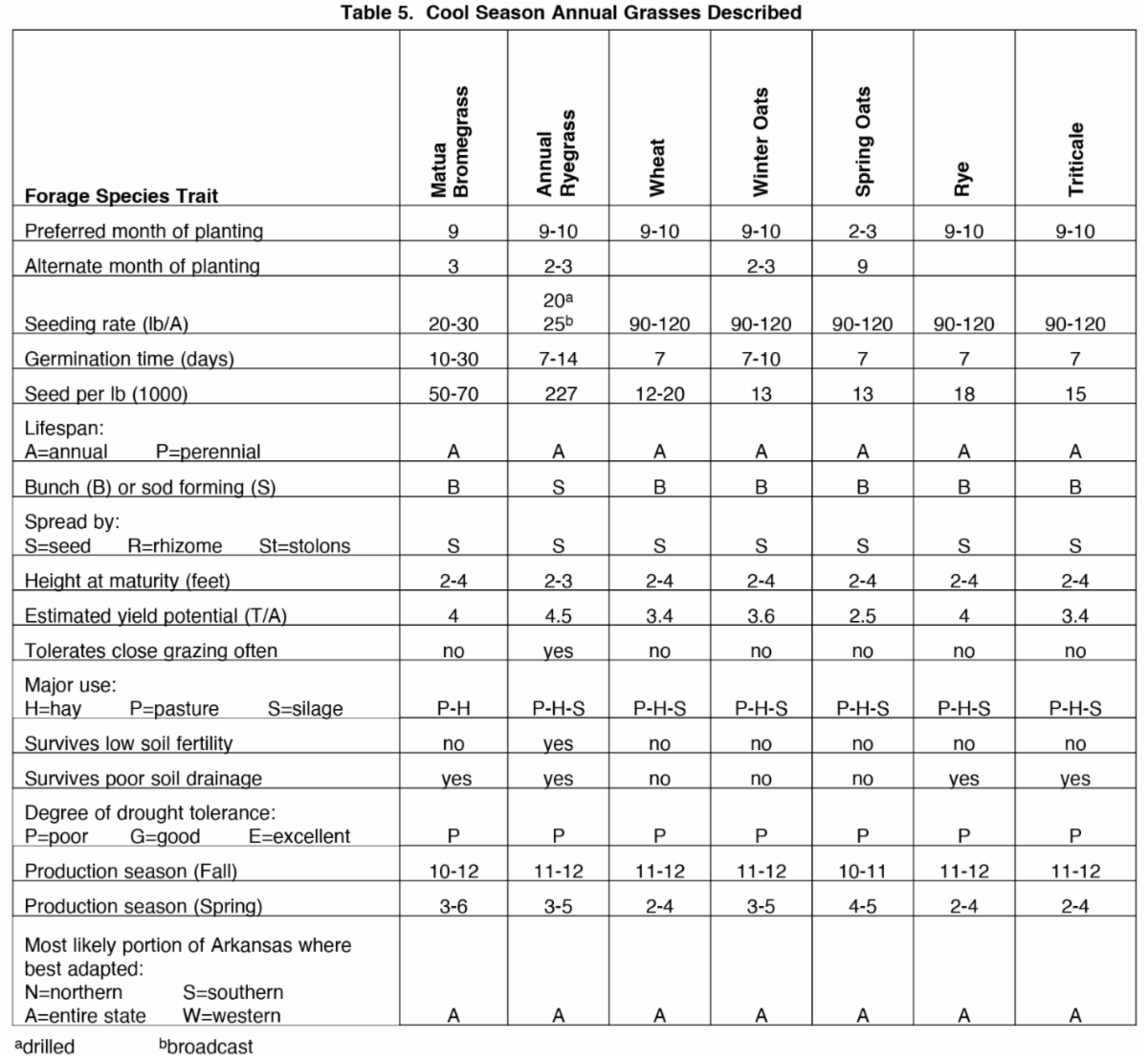
It is time to start thinking about what you want to plant this fall for cool season annuals. These annuals allow producers to start grazing cattle earlier in the spring and help to close a gap between feeding hay and summer grasses taking off.
Every year I get lots of questions about what is the best to plant. Everyone has mixes they like, and every year someone comes up with something new that we will look at, but year in and year out it is tough to beat ryegrass or a wheat ryegrass mixture. If you are looking at maybe getting some late fall/early winter grazing, you could add some spring oats to the mix. They will grow fast and get you some grazing, but one good freeze and they will be gone, so mixing them with some ryegrass works good also.
If you are thinking about drilling some of these cool season annuals, the Faulkner County Conservation District has three pasture drills that Faulkner County producers can rent.
These grasses can be planted starting in September and go through October. I have attached several fact sheets on planting cool season annuals and drill calibration.
| | |
Preconditioning Calves
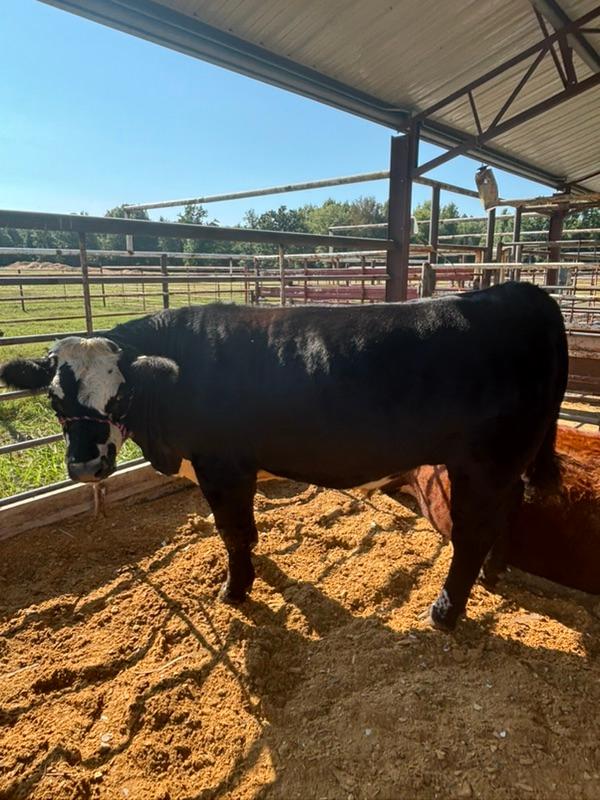
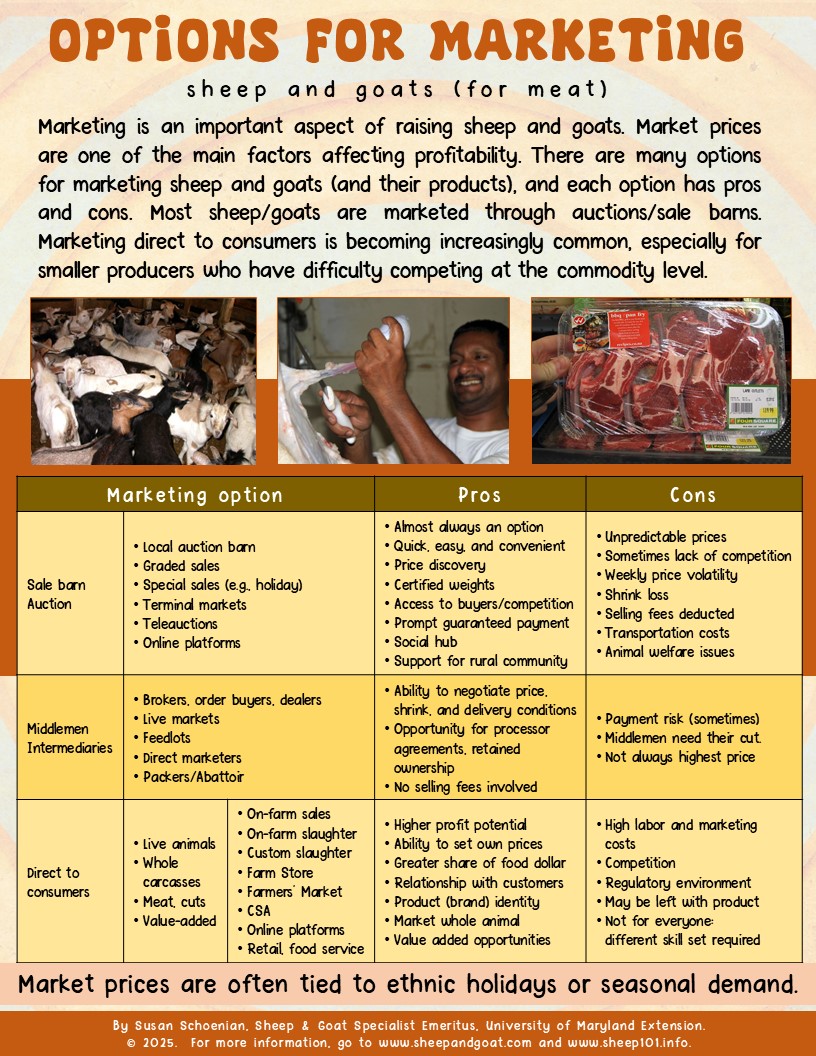
I know with the price of cattle, several producers are selling calves at weaning. With today's prices though, I think there still is value on preconditioning your calves. The first step in preconditioning is weaning the calves.
Weaning Calves should be weaned at least 45 days prior to sale or according to the requirements of the specific preconditioning program. A large amount of stress is associated with weaning. Techniques that minimize or lessen stress during this time may benefit calf health and growth performance. Oklahoma State University reported that sorting and hauling freshly weaned calves to the sale facility the day before the auction can result in increased shrink compared to preconditioned calves or calves weaned the day of the sale. By preconditioning, calves are transitioned smoothly from milk to solid feedstuffs, which can ultimately minimize shrink associated with transport and add additional sale weight.
Weaning techniques for preconditioning programs should focus on reducing calf stress. Additional stress results when calves are introduced to unfamiliar surroundings post-weaning. Giving calves access to the weaning area a few days before weaning may be useful. Corrals, drylots or small pastures can serve as calf weaning facilities. These facilities must have good fencing that will prevent nursing. Small lots have the advantage of reducing fence walking or pacing, but dust can become a problem in dry conditions.
Fenceline weaning, where calves remain in sight of and in close proximity to their mothers, may reduce weaning stress. One weaning technique involves initial nose-to-nose contact between cows and calves followed by gradual increases in separation distance by moving electrified wires or tapes further from each side. Training cattle to respect electric fencing prior to weaning can facilitate the weaning process. Fenceline weaning also allows high-quality pastures to be used as weaning facilities in place of dusty drylots. Recent research findings show that fenceline contact with dams at weaning minimizes losses in weight gain in the days following separation. In addition, calves totally and abruptly separated from their dams did not compensate for losses in weight gain even after 10 weeks post-weaning compared to fenceline-weaned calves. Properly weaned calves will be “bawled out” and readily consuming feed and water well before the preconditioning period ends. Additional research has shown that fenceline weaned calves have a reduced morbidity at the feedlot.
| | |
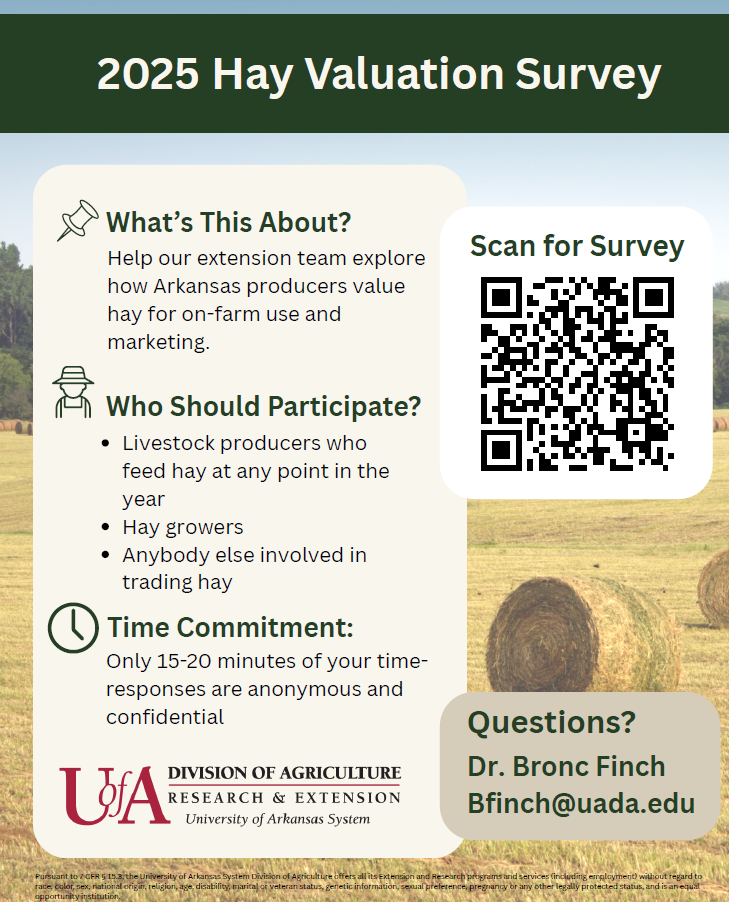
2025 Hay Valuation Survey
If you are a hay producer, please take the time to take our hay valuation survey. Our specialists are wanting to learn more about how producers value their hay.
| | Upcoming Meetings and Field Days | | |
Livestock Market Report
The weekly livestock market report is available on the Arkansas Department of Agriculture website.
| | |
Sign up for Text Alerts
You can now sign up for text alerts from me throughout the year. I have two areas you can sign up for which includes Faulkner Livestock or Faulkner Ag (Row Crop Updates). To sign up you can follow one of these links or use the QR Codes below.
| | Pursuant to 7 CFR § 15.3, the University of Arkansas System Division of Agriculture offers all its Extension and Research programs and services (including employment) without regard to race, color, sex, national origin, religion, age, disability, marital or veteran status, genetic information, sexual preference, pregnancy or any other legally protected status, and is an equal opportunity institution. | | | | |