|
A Few Words from Pastor Bryan...
…and Cameron Trimble
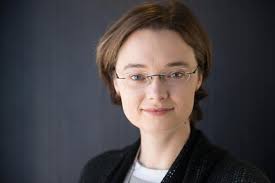
Cameron Trimble is a good friend and colleague of mine. In addition to being a UCC minister, Cameron is the founder/director of the Convergence Network. Convergence offers progressive Christian resources and coaching to congregations and clergy, and it is the non-profit umbrella organization under which the worship music company I founded in 2016 called The Convergence Music Project exists. (www.convergencemp.com in case you're curious.)
Cameron sends out a devotional email message just about every morning, and they are really good. I often share them with our own Morning Devotional zoom group that meets weekdays on zoom from 8:00 to 8:30 a.m. This morning (I’m writing this on Dec. 26th), Cameron sent out the devotion I’m sharing with you here. It felt like a perfect continuation of my Christmas Eve message in which I focused on Jesus being the Light of God in human form, and how God’s main purpose in coming to us in this way—God becoming a human being-- was to show us what a human completely in union with God looks like, and to show US how to receive and become the Light of God ourselves.
Cameron’s devotional reminds us of the Light that is at the heart of the story of the Jewish Holiday season called Hanukkah. And it just got me thinking more and more of how so many of the miracles in the Bible and in the history of biblical people start off with people doing the small little things in their own lives that they can do to try to cooperate with God’s intentions. Especially when circumstances are overwhelmingly difficult and threatening.
I think most of us can relate to this. So often the little, mundane, seemingly irrelevant and powerless things we CAN do feel so insignificant in the face of the challenges we face. In fact we often don’t do them at all because they seem so small and insignificant. “What’s the point—this won’t make a difference.” You know how we talk ourselves out of our own power and wind up not even doing the little things that we could do simply because we're convinced they won't be enough.
But God’s power is so often ONLY released when we first do what’s in our own power to do. So often huge movements start with one person doing a small thing. Like Rosa Parks refusing to give up her seat on the bus. History changing movements almost always start with one person doing the one little thing he/she/they can do, and then seeing how God uses THAT one little thing to to turn a spark into a blazing creative force for change that winds up transforming situations beyond our wildest dreams.
So what’s the one little thing that you CAN do with who you already are and what you’ve already got access to? Do THAT—and then trust God. If there’s a formula for change in the Bible, it’s just that—one person or one small group doing what they/we can do in response to God’s call. Refusing to be intimidated or overwhelmed by fear. Refusing to be shut down by our own feelings of smallness and inadequacy. Finding the courage and grace to do the humble and simple things we can do… and then watching God be God.
I think this is an important truth for us to embrace as we enter 2025.
Enjoy Cameron’s meditation. Hope to see you in church this Sunday.
Shine the Light—even when it feels like one small flicker of a flame in the face of a very windy world.
Pastor Bryan
Cameron Trimble—Light In The Darkness
“Not by might, nor by power, but by my Spirit, says the Lord Almighty.” (Zechariah 4:6)
As the second candle of Hanukkah is lit in Jewish homes across the world today, they will pause to reflect on a story that has been told for over 2,000 years—a story of courage, resilience, and hope. It’s a story that reminds us, no matter our faith, that light can shine even in the darkest of times.
The story of Hanukkah begins during a time of oppression. The Jewish people lived under the rule of the Seleucid Empire, and their sacred temple in Jerusalem had been desecrated. Their freedom to worship had been stripped away. But a small group of faithful rebels, known as the Maccabees, refused to give up. Against overwhelming odds, they reclaimed the temple and set about rededicating it to God.
When it came time to relight the menorah—the eternal flame symbolizing God’s presence—they found only enough oil for one day. But they lit it anyway, trusting that God would provide. And the miracle? The oil burned for eight days, long enough to prepare more.
Rabbi Jonathan Sacks once wrote, “Faith is the ability to see the miraculous in the everyday.” That’s the heart of Hanukkah—faith in what we cannot yet see, courage to act even when we feel unprepared, and hope that sustains us when the future seems uncertain.
We don’t need to face monumental battles to carry this message forward. Hanukkah reminds us that light can begin small—a single flame, a single act of courage—and grow brighter as we keep showing up. It invites us to step out in faith, to do what we can with what we have, and to trust that it will be enough
.
So as we light candles this week—whether for Hanukkah, Christmas, or simply to chase away the winter darkness—let’s ask ourselves: Where are we being called to bring light? How can we keep hope alive, not just for ourselves but for others? The miracle of Hanukkah wasn’t just about oil. It was about ordinary people believing in something bigger than themselves—and watching that faith turn into something extraordinary.
|