AIB Intelligence Briefing | | | Independent analysis and strategic research from the Association for International Broadcasting. | Welcome to the AIB Intelligence Briefing, read by 15,000+ media leaders in 150 countries. | |
Executive Briefing
This month, there are three developments that stand out:
• The BBC’s global audience has exceeded half a billion people a week for the first time.
• International media organisations are calling for stronger safeguards for the independence of the Seychelles Broadcasting Corporation.
• Radio Free Europe/Radio Liberty is preparing for a leadership transition during a period of exceptional uncertainty.
Together, these developments illustrate both the enduring reach of international broadcasting and the pressures facing the institutions that provide it.
Audience demand for trusted global media remains substantial, but editorial independence, sustainable funding and effective leadership cannot be taken for granted.
This edition of the AIB Intelligence Briefing examines what the latest developments reveal about the changing strategic environment for international media.
|
BBC global audience exceeds half a billion
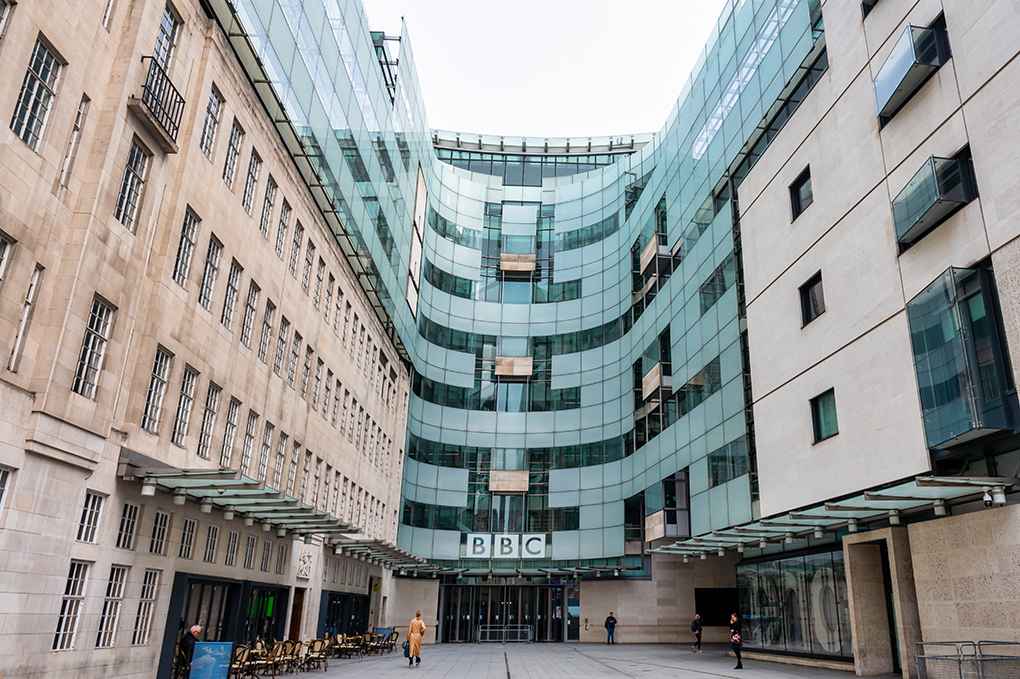
The BBC says its international audience has exceeded half a billion people a week for the first time under its current measurement system.
Across BBC News, the BBC World Service and content distributed internationally by BBC Studios, the Corporation reached a weekly audience of 502 million people—an increase of 11% over the previous year.
The figures underline the scale of the BBC’s international presence across news, factual and entertainment content, distributed through television, radio, digital platforms, social media and commercial partnerships. They also demonstrate the continuing global demand for BBC output at a time of intense competition for audiences, influence and trust.
Why it matters
The audience milestone provides powerful evidence that international broadcasting remains capable of achieving substantial audience growth, despite fragmenting consumption habits and competition from global streaming platforms. It also strengthens the case for sustained investment in trusted international media: reach on this scale gives the BBC - and consequently the United Kingdom - significant soft-power, public-diplomacy and commercial value.
However, the headline figure also illustrates how the definition of an international broadcaster is changing, or has changed. The BBC’s global reach is no longer generated principally by linear news channels and radio services, but by a combination of journalism, entertainment, digital distribution, social platforms and BBC Studios content. For other international media organisations, the lesson may be that future growth will depend on building an integrated portfolio of services rather than relying on any single platform or form of output.
| MBC takes broadcasting into the retail environment | |
MBC Group and Cenomi Centers have announced plans to establish television and radio studios within Westfield Riyadh, a major new retail and lifestyle development in Saudi Arabia.
The facilities are expected to host live broadcasts, audience participation, celebrity appearances and content-production activities. The partnership combines MBC’s television and radio brands with Cenomi’s physical retail environment, creating opportunities for direct audience engagement and integrated commercial campaigns.
Why it matters
The initiative illustrates a growing convergence of media, retail, entertainment and experiential marketing. Innovative broadcasters are looking beyond conventional transmission and streaming platforms to create physical spaces in which audiences can encounter programmes, presenters and brands directly. For MBC, the project offers new commercial inventory and audience touchpoints; for the wider industry, it provides a useful test of whether live, location-based experiences can deepen loyalty and convert media attention into measurable consumer engagement.
| |
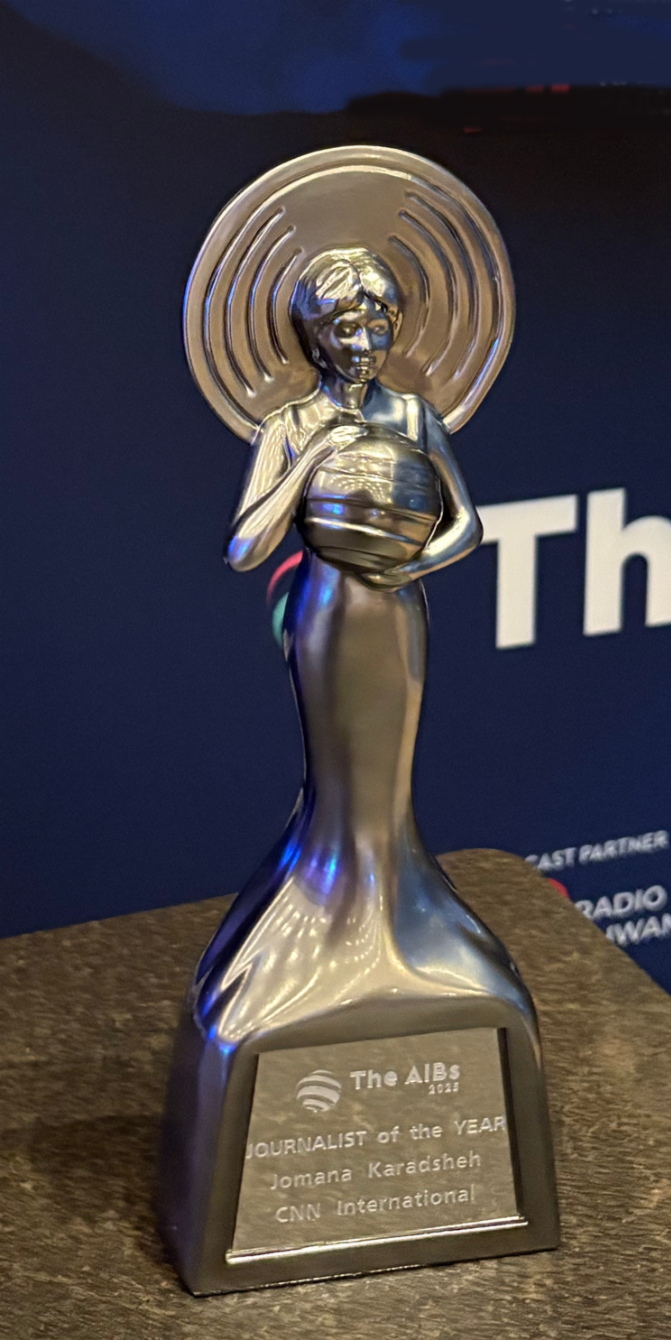
The AIBs 2026
Entry deadline extended to 17 July
The closing date for entries to the AIBs 2026 has been extended to Friday 17 July, following requests from broadcasters, production companies, editors and independent producers for additional time to complete their submissions.
Entries are welcomed from anywhere in the world, in any language, across television, radio, podcasting and digital journalism. Programme files and supporting material must be uploaded by 31 July, with the winners announced at the AIBs gala in London on 20 November 2026.
Why it matters
The extension gives organisations a final opportunity to place their work before an independent international jury and to benchmark it against journalism and factual productions from around the world. Now in their 22nd year, the AIBs are designed to recognise quality and impact regardless of language, organisation size or country of origin.
Revised closing date: Friday 17 July 2026
Programme upload deadline: 31 July 2026
Enter at theaibs.tv
| | | RNZ opens new Auckland broadcasting centre | |
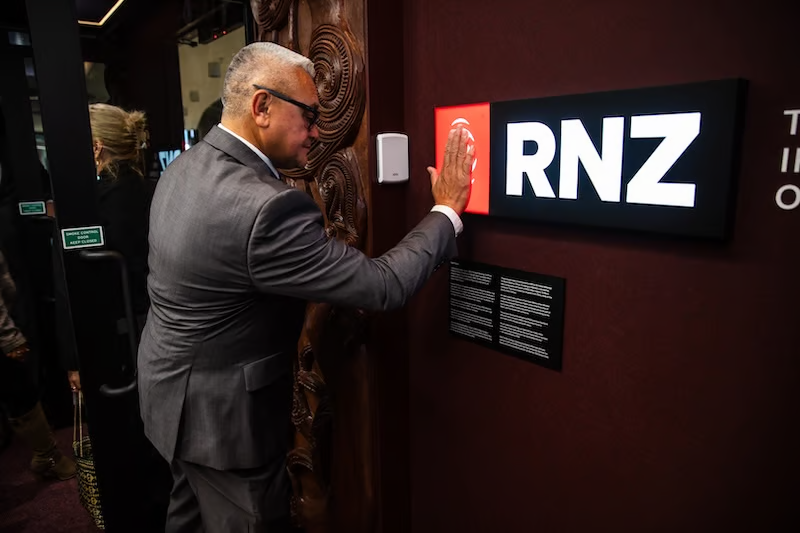
Radio New Zealand has formally opened its new Auckland base within the TVNZ building at 100 Victoria Street West, bringing the country’s two public media organisations together under one roof.
RNZ’s new facilities occupy two floors and include around 500 square metres of studio space. The development provides additional live-production studios, expanded podcast and multimedia facilities, greater capacity for video production and a larger music studio capable of accommodating more ambitious performances.
The Auckland centre also includes backup master-control capability, enabling RNZ to maintain services if its principal broadcasting operations are affected by an emergency or technical outage. The relocation was completed while RNZ continued broadcasting around the clock.
Why it matters
The move reflects the way public-service media organisations are adapting their physical infrastructure for a multimedia future. Facilities originally designed principally for radio increasingly need to support live video, podcasts, social content and flexible digital production alongside conventional broadcasting.
Co-locating RNZ with TVNZ may also create opportunities for closer operational collaboration and more efficient use of specialist facilities, while the addition of backup master control strengthens national broadcasting resilience. At a time when media organisations are under pressure to reduce costs without weakening public-service output, shared infrastructure and greater production flexibility could offer a practical model for other public broadcasters.
|
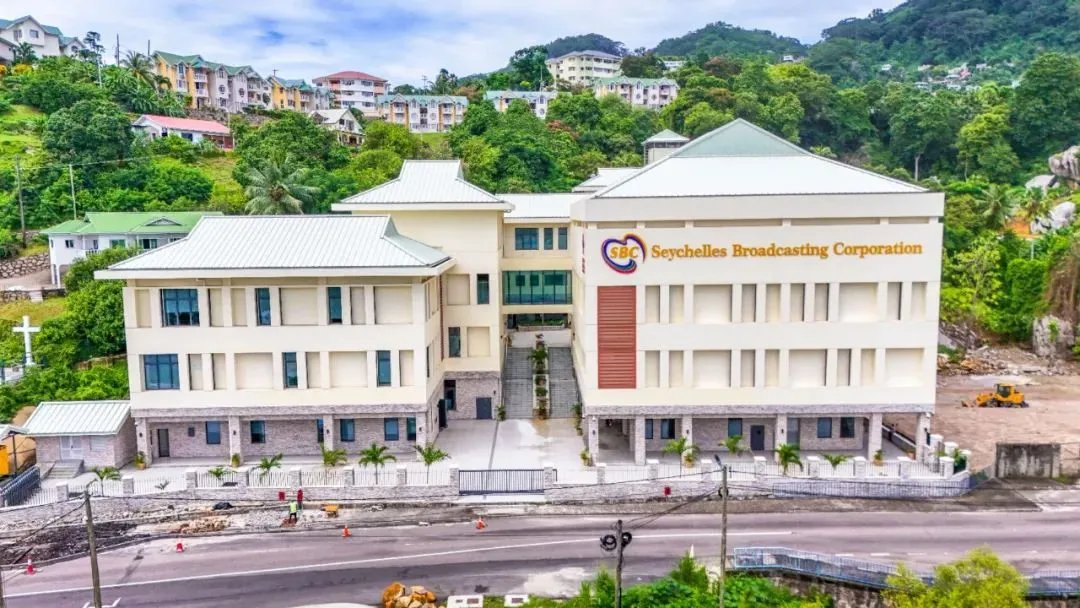
International coalition urges stronger safeguards for Seychelles public broadcaster
The AIB has joined the Public Media Alliance and other international organisations in calling on the Seychelles Government to pause proposed legislation affecting the governance and funding of the Seychelles Broadcasting Corporation.
Although the bill states that it is intended to create a modern, editorially autonomous and financially sustainable public broadcaster, concerns have been raised about provisions governing board appointments, senior executive appointments and funding.
The coalition argues that the proposals could weaken existing protections against political influence and has called for broader consultation before the legislation proceeds.
Why it matters
The independence of public-service media depends on more than commitments to editorial freedom. Governance, appointments and funding arrangements determine whether a broadcaster can operate without political pressure in practice. The Seychelles debate reflects a wider international challenge: reforms presented as modernisation can weaken institutional safeguards unless independence is built explicitly into the structure of the organisation.
For broadcasters and stakeholders elsewhere, it is another reminder that financial and managerial autonomy are inseparable from editorial credibility.
| Journalism and Audience Development |
Leadership transition at Radio Free Europe/Radio Liberty
Radio Free Europe/Radio Liberty President and CEO Stephen Capus will leave the organisation in September, with Lisa Curtis appointed as his successor.
Curtis has extensive experience in US foreign and national-security policy, including roles at the CIA, State Department, Congress and National Security Council. She has also served on the RFE/RL Board and was its chair from July 2024 until June 2026. Capus, a former senior US network news executive, has led RFE/RL since January 2024.
Why it matters
The appointment comes at a critical point for RFE/RL and for US Government-funded international media more broadly. Curtis brings substantial foreign policy and national security experience rather than a conventional newsroom leadership background. Her appointment may indicate a stronger emphasis on RFE/RL’s strategic role in contested information environments as the organisation confronts funding uncertainty, pressure from authoritarian governments and intensifying competition for influence. The immediate test will be whether the Prague-based media company can preserve editorial independence and journalistic capacity while navigating those political and financial pressures as uncertainty regarding US Congressional-mandated funding continues to impact US international broadcasting entities.
| Journalism and Audience Development |
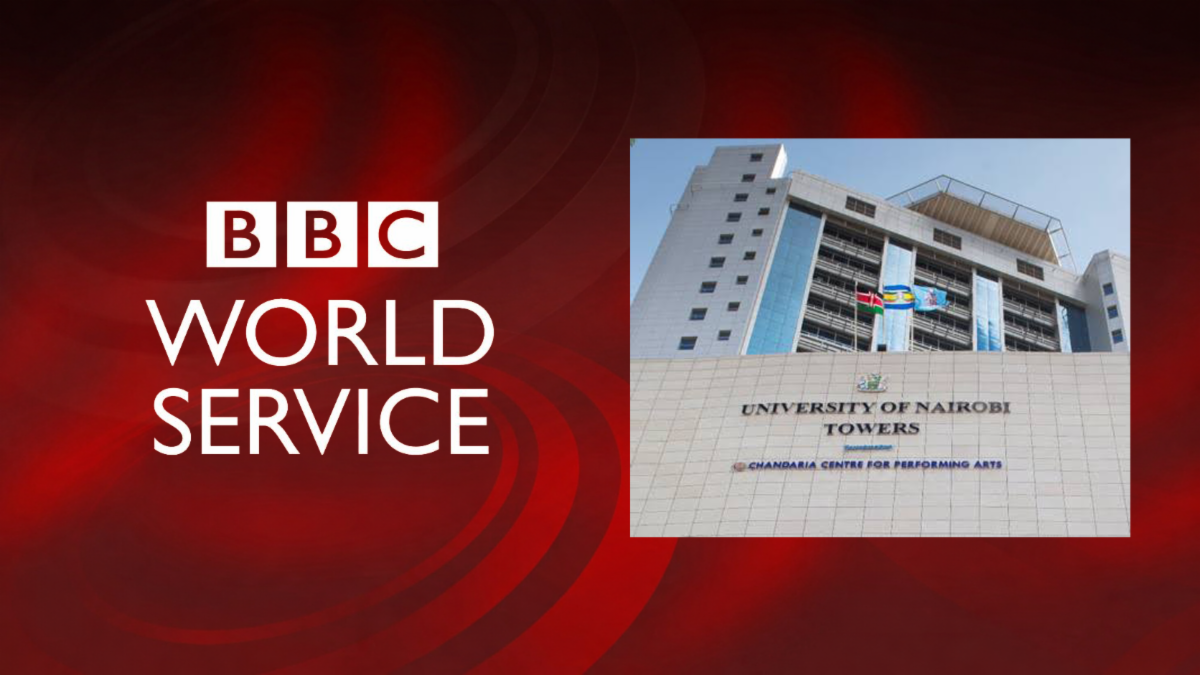
BBC brings Future of Journalism Festival to Nairobi
The BBC World Service is holding a two-day Future of Journalism Festival at the University of Nairobi, bringing together journalists, media leaders, students and emerging storytellers.
The programme includes discussions and workshops on investigative and solutions-focused journalism, artificial intelligence, podcasting and social media, as well as a live recording of the BBC World Service programme and podcast People Fixing the World. The initiative is intended both to examine the forces reshaping journalism and to support the development of new voices in African media.
Why it matters
International broadcasters cannot rely solely on transmitting content into markets; they increasingly need to participate in the media ecosystems they serve. Events of this kind can help develop talent, strengthen professional networks and create more direct relationships with younger audiences. Holding the festival in Nairobi also reflects the growing importance of African journalists and creators in shaping global storytelling, rather than simply contributing to narratives commissioned and framed elsewhere.
| Why media leaders join the AIB | |
Members gain access to:
✓ Strategic intelligence briefings and research
✓ Executive-level networking and leadership forums
✓ Cyber security, AI and sustainability working groups
✓ Media freedom advocacy and journalist safety resources
✓ Industry benchmarking through the AIBs
✓ Direct engagement with peers across the global media industry
✓ Practical insight into emerging policy, technology and distribution trends
| | The AIBs 2026: a global jury for a global industry | |
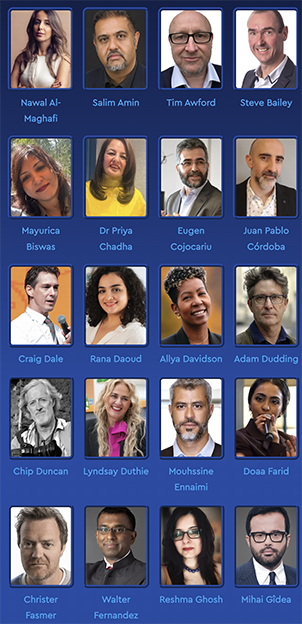
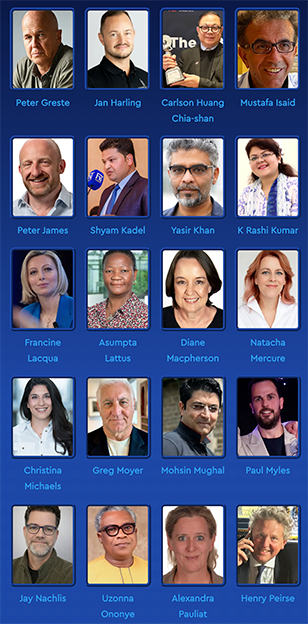
A panel of more than 60 media executives, editors, producers, journalists academics, and industry specialists from around the world will be assessing this year's entries. The jurors represent 20 countries across five continents, bringing a wide range of editorial, production and audience perspectives to the judging process.
The AIBs' international judging model is one of the defining features of the competition. Entries are evaluated by independent experts with experience across television, radio, podcasting, digital journalism and factual production, helping to ensure that work is judged on its editorial quality, creativity, impact and journalistic merit rather than its country of origin or market size.
Now in their 22nd year, the AIBs continue to attract entries in multiple languages from broadcasters, production companies and digital publishers worldwide. Entries are open until 17 July, with the winners revealed at the AIBs gala in London on 20 November.
| | | AIB member programme highlights | | | | | |
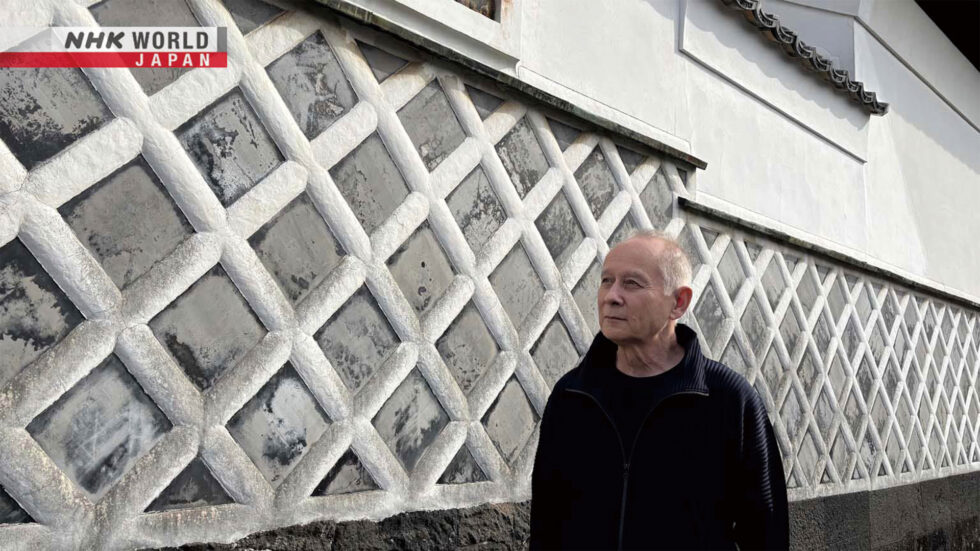
Barakan Discovers
HAGI: Yoshida Shoin’s Immortal Words
| |
Yoshida Shoin was an educator whose students played key roles in Japan’s modernization. He died at 29, but his ideals still live on 160 years later. Peter Barakan visits Shoin’s hometown of Hagi.
July 18 Sat. 1:10/7:10/13:10/19:10 UTC
| | | | |
Trails to Oishii Tokyo
Delicious food from Tokyo’s markets! Learn about the amazing ingredients which are sourced from across Japan and sold at Tokyo’s fresh food markets.
Wednesdays
14:30 /20:30 UTC
Thursdays
3:30 /9:30 UTC
| | | | | BBC Eye – Ukraine survivors: Finding my abusers | |
Ukraine survivors: Finding my abusers – a new documentary by the BBC World Service’s award-winning BBC Eye team and BBC News Ukraine – brings the testimonies of the Ukrainian survivors of abuse under Russian occupation and tracks down the prison guards, officials and soldiers likely responsible.
Since 2014 when Russia occupied parts of Ukraine, and escalating with the full-scale invasion in 2022, thousands of Ukrainian civilians have been held illegally, some for years, in Russian-run detention centres. Many were subjected to torture and sexual violence. Ukraine survivors: Finding my abusers tells the story of some of the survivors – and their search for justice.
Describing her “nightmare”, Liudmyla Huseinova – who was wrongly detained in October 2019 in the notorious Izolyatsia prison in Donetsk – says: “For three years and 13 days of my life, my soul and body were crippled.” BBC Eye has identified one of the men she says was involved in her abduction and who watched as she was sexually assaulted – Yurii Temerbek.
Read more here
| | | |
The Association for International Broadcasting (AIB) brings together broadcasters, digital publishers, technology companies and media organisations from around the world.
Founded in 1993, the AIB provides strategic intelligence, industry research, professional networks and practical support to organisations operating in the international media sector.
Through its working groups, executive forums, intelligence briefings, awards programme and media freedom activities, the AIB helps members navigate the political, technological and commercial challenges shaping global media.
Current areas of focus include:
• International broadcasting strategy
• Media freedom and journalist safety
• Cyber security and operational resilience
• Artificial intelligence and newsroom transformation
• Sustainability and climate impact
• Distribution and audience reach
• Trust, disinformation and information resilience
The AIB's global network spans broadcasters, publishers, production companies, platform operators, technology providers and media professionals across more than 100 countries.
| | | |
Our Company | Contact Us | FAQs | Privacy Policy | | | | |